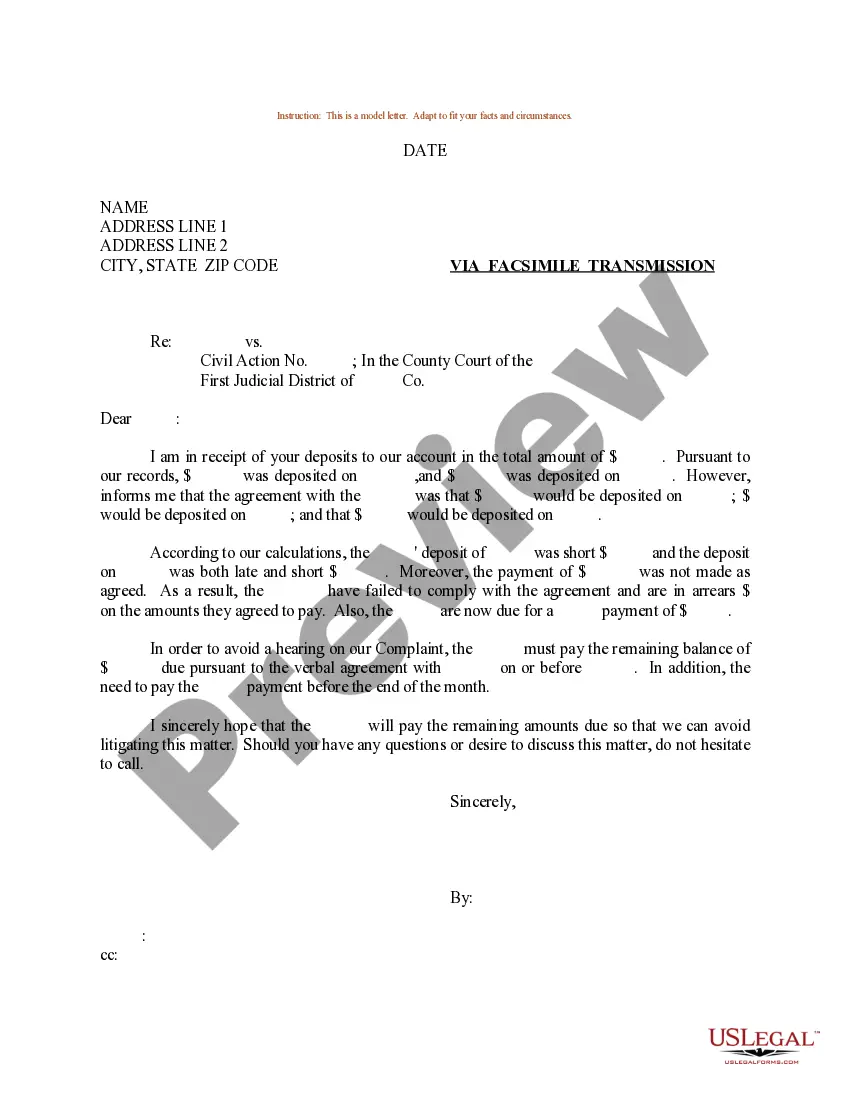
Claim Repudiation Letter Without Prejudice
Description
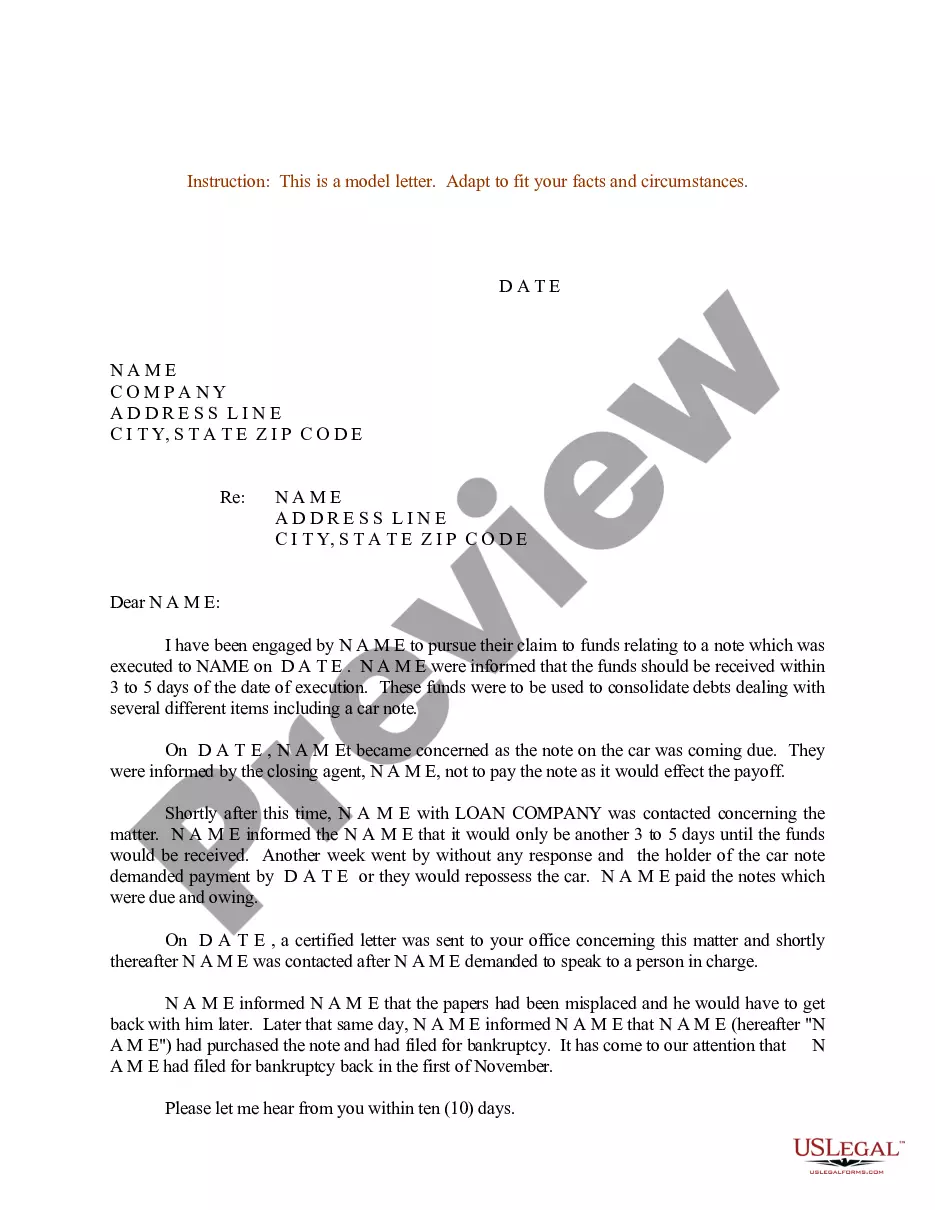
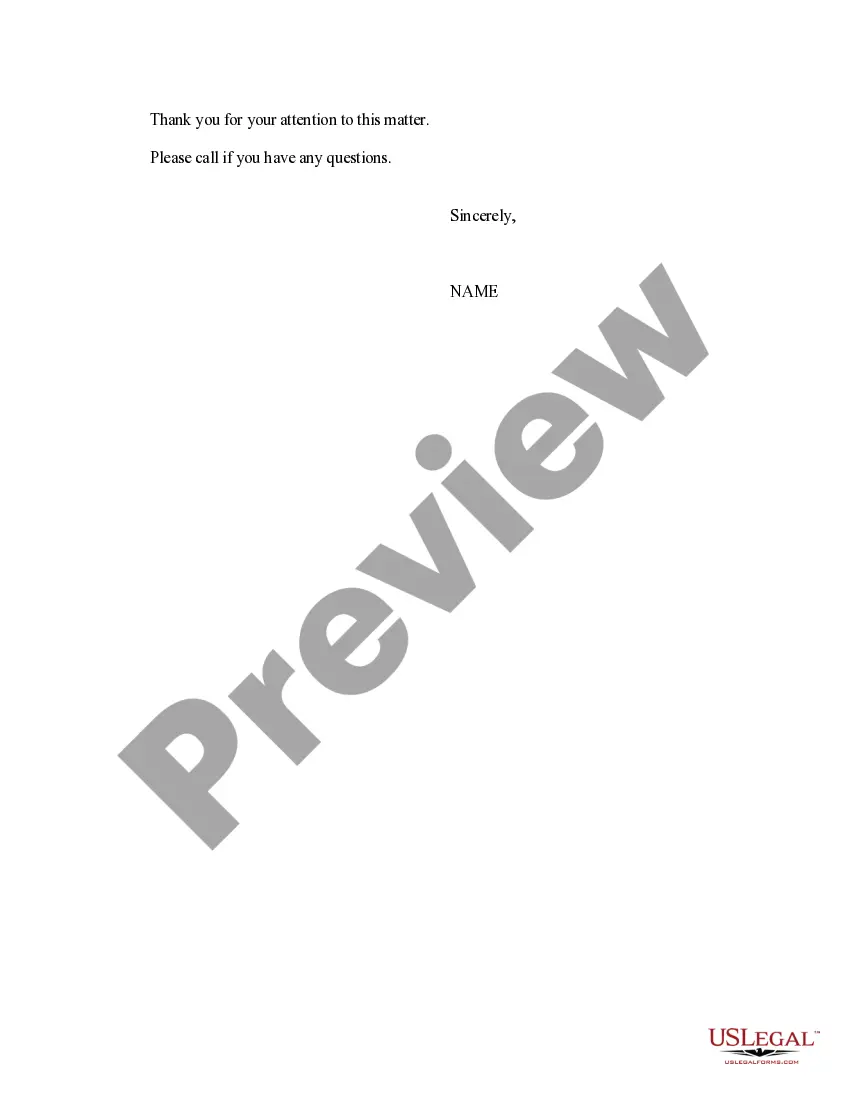
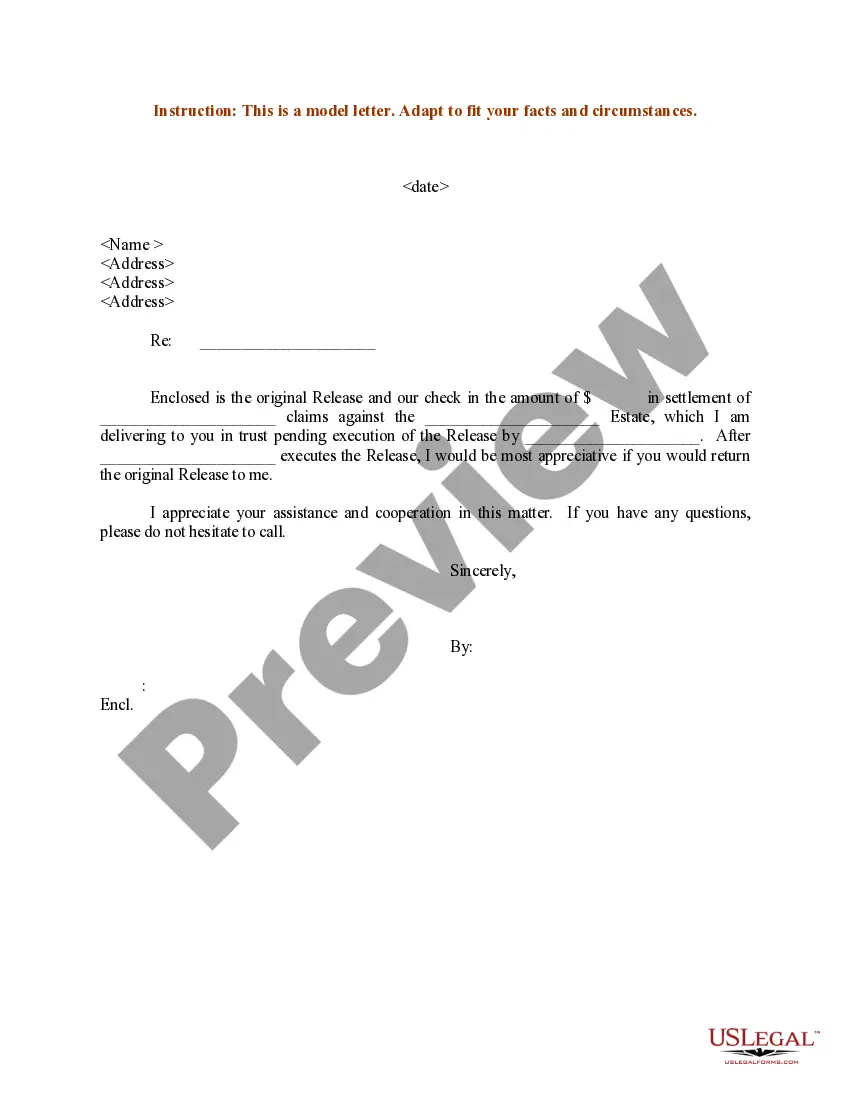
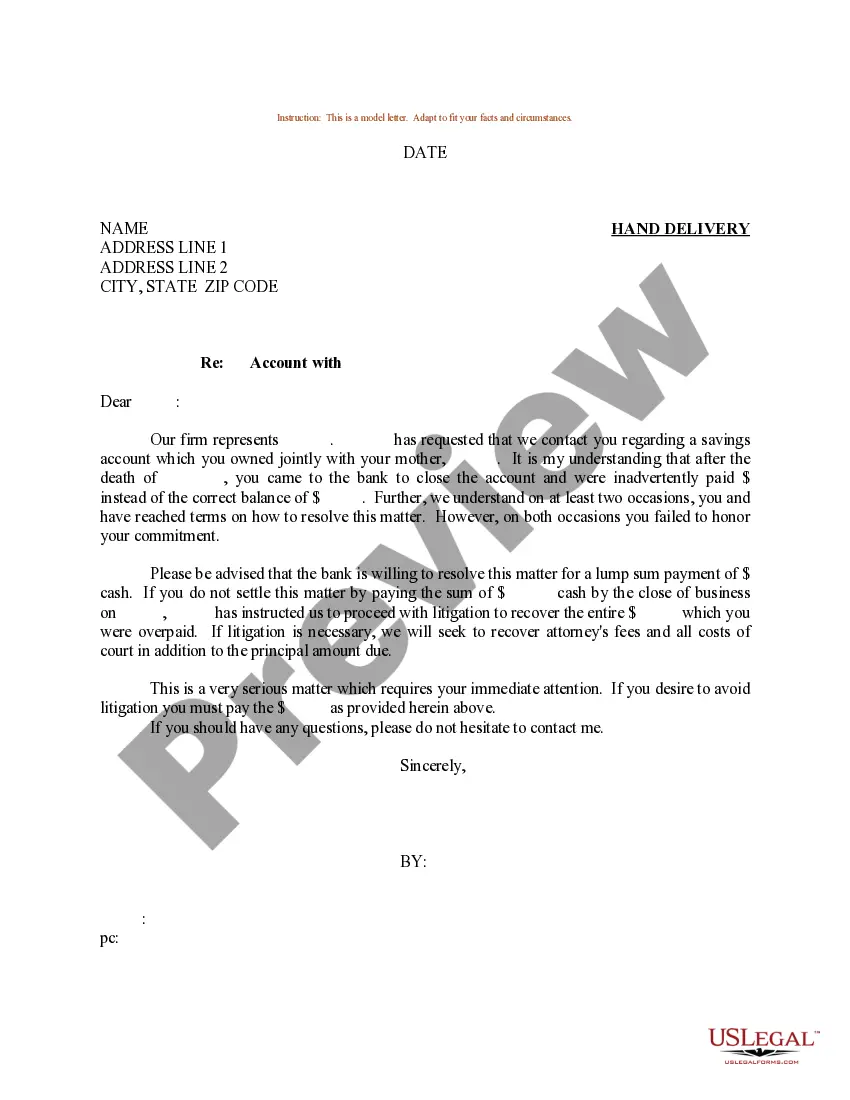
Get your form ready online
Our built-in tools help you complete, sign, share, and store your documents in one place.
Make edits, fill in missing information, and update formatting in US Legal Forms—just like you would in MS Word.
Download a copy, print it, send it by email, or mail it via USPS—whatever works best for your next step.
Sign and collect signatures with our SignNow integration. Send to multiple recipients, set reminders, and more. Go Premium to unlock E-Sign.
If this form requires notarization, complete it online through a secure video call—no need to meet a notary in person or wait for an appointment.
We protect your documents and personal data by following strict security and privacy standards.

Make edits, fill in missing information, and update formatting in US Legal Forms—just like you would in MS Word.

Download a copy, print it, send it by email, or mail it via USPS—whatever works best for your next step.

Sign and collect signatures with our SignNow integration. Send to multiple recipients, set reminders, and more. Go Premium to unlock E-Sign.

If this form requires notarization, complete it online through a secure video call—no need to meet a notary in person or wait for an appointment.

We protect your documents and personal data by following strict security and privacy standards.
Looking for another form?
How to fill out Sample Letter For Claim To Funds?
Managing legal documents can be exasperating, even for seasoned experts.
If you are seeking a Claim Repudiation Letter Without Prejudice but lack the time to search for the appropriate and current version, the process may become overwhelming.
US Legal Forms caters to all of your needs, whether personal or business-related, all in one platform.
Employ advanced tools to complete and manage your Claim Repudiation Letter Without Prejudice.
Here are the procedures to follow after retrieving the desired form: Verify that it is the correct document by previewing it and reviewing its description.
- Access a helpful resource library of articles, guides, and resources pertinent to your situation and needs.
- Save time and effort in searching for the documents you require, and utilize US Legal Forms' sophisticated search and Review feature to find the Claim Repudiation Letter Without Prejudice and obtain it.
- If you have a monthly membership, Log In to your US Legal Forms account, search for the form, and download it.
- Check your My documents tab to view the documents you have saved and organize your folders as needed.
- If this is your first experience with US Legal Forms, create an account to gain unlimited access to all the platform's benefits.
- Utilize a powerful online form library to facilitate these tasks effectively.
- US Legal Forms is a front-runner in the digital legal forms sector, offering more than 85,000 state-specific legal documents available to you at any time.
- With US Legal Forms, you can access specific legal and business forms related to your state or county.
Form popularity
FAQ
In an email, you can state 'without prejudice' to indicate that the content should not be used against you in court. It's helpful to include this phrase at the beginning of your message, especially when discussing sensitive topics. By doing so, you protect your position while communicating your intentions clearly. If you're looking for guidance on drafting a claim repudiation letter without prejudice, consider using platforms like US Legal Forms for templates.
A claim without prejudice is a legal term indicating that a party can make a claim or offer information without risking that it will be used against them later in court. This means that if you submit a claim repudiation letter without prejudice, you protect your rights to bring up the same issue in the future. Essentially, it allows for open and honest communication between parties, encouraging resolution. On platforms like uslegalforms, you can find reliable templates to create effective letters while ensuring your legal rights remain intact.
'Without prejudice' is a legal term that essentially protects communication during negotiations. It means that anything said or written cannot be used later in court, providing a layer of confidentiality. Understanding this term is vital when dealing with sensitive topics, such as a claim repudiation letter without prejudice. It allows parties to discuss matters freely without the risk of later backlash.
To include 'without prejudice' in your letter, simply place the phrase at the top of the document. This signals that the contents are meant for negotiation and cannot be used against you later. Incorporating this phrase helps create a safe space for discussions, especially when drafting a claim repudiation letter without prejudice. This practice encourages open dialogue without fear of legal repercussions.
If a decision or action is made without prejudice to a right or claim, it is made without having an effect on that right or claim: My client accepts the formal apology without prejudice to any further legal action she may decide to take.
The ?without prejudice? principle means statements made in a document marked ?without prejudice? or made verbally on a ?without prejudice? basis, in a genuine attempt to settle the dispute, will generally not be admissible in court as evidence against the person making the statement.
Offers of settlement should be referred to as offers of settlement, marked ?without prejudice?, not contain an admission of liability, and invite the other party to engage in communications to settle a disputed claim.
'Without prejudice save as to costs' means that the protection only applies in court until the court delivers a verdict. Normally the unsuccessful party must pay the other party's legal costs, and the court may use communications marked 'without prejudice save as to costs' to decide exactly what those costs should be.
?Without Prejudice save as to Costs? communications are only produced to courts to assist the court decide which party should pay the costs of the proceedings, and how much the paying party should pay.