Claim Letter For Payment
Description
Get your form ready online
Our built-in tools help you complete, sign, share, and store your documents in one place.
Make edits, fill in missing information, and update formatting in US Legal Forms—just like you would in MS Word.
Download a copy, print it, send it by email, or mail it via USPS—whatever works best for your next step.
Sign and collect signatures with our SignNow integration. Send to multiple recipients, set reminders, and more. Go Premium to unlock E-Sign.
If this form requires notarization, complete it online through a secure video call—no need to meet a notary in person or wait for an appointment.
We protect your documents and personal data by following strict security and privacy standards.

Make edits, fill in missing information, and update formatting in US Legal Forms—just like you would in MS Word.

Download a copy, print it, send it by email, or mail it via USPS—whatever works best for your next step.

Sign and collect signatures with our SignNow integration. Send to multiple recipients, set reminders, and more. Go Premium to unlock E-Sign.

If this form requires notarization, complete it online through a secure video call—no need to meet a notary in person or wait for an appointment.

We protect your documents and personal data by following strict security and privacy standards.
Looking for another form?
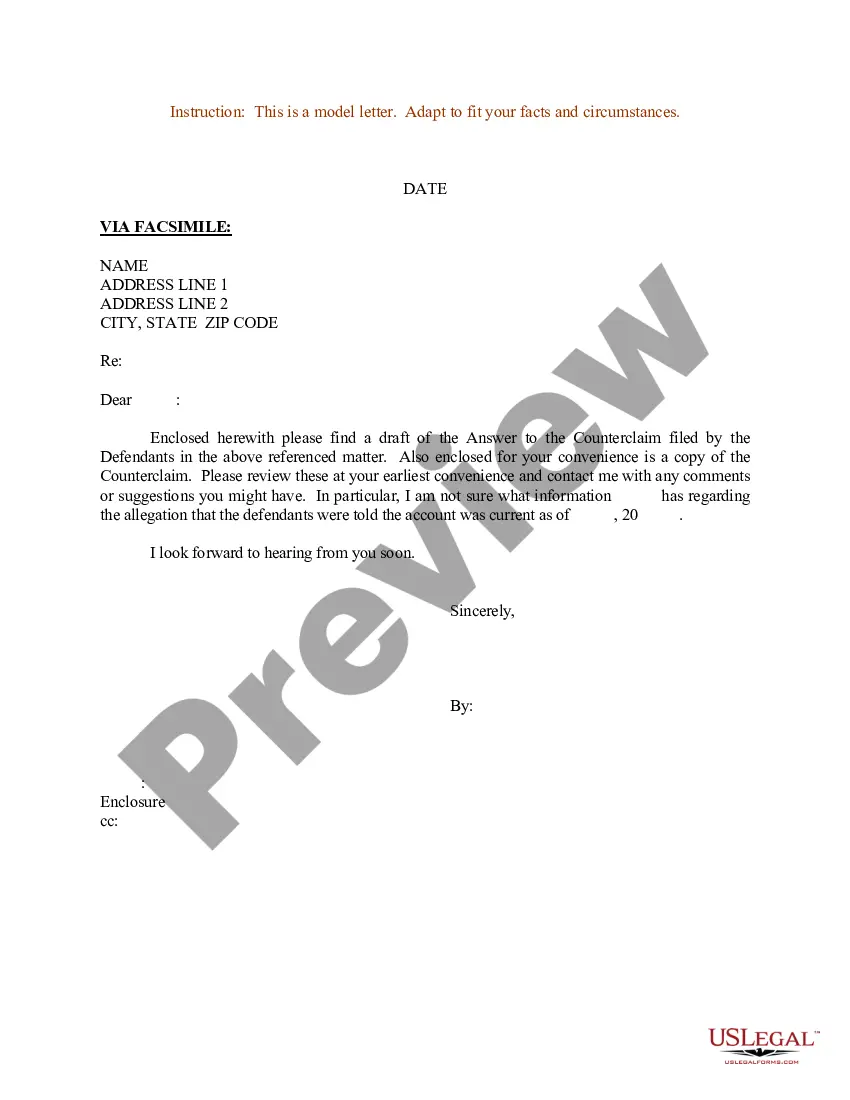
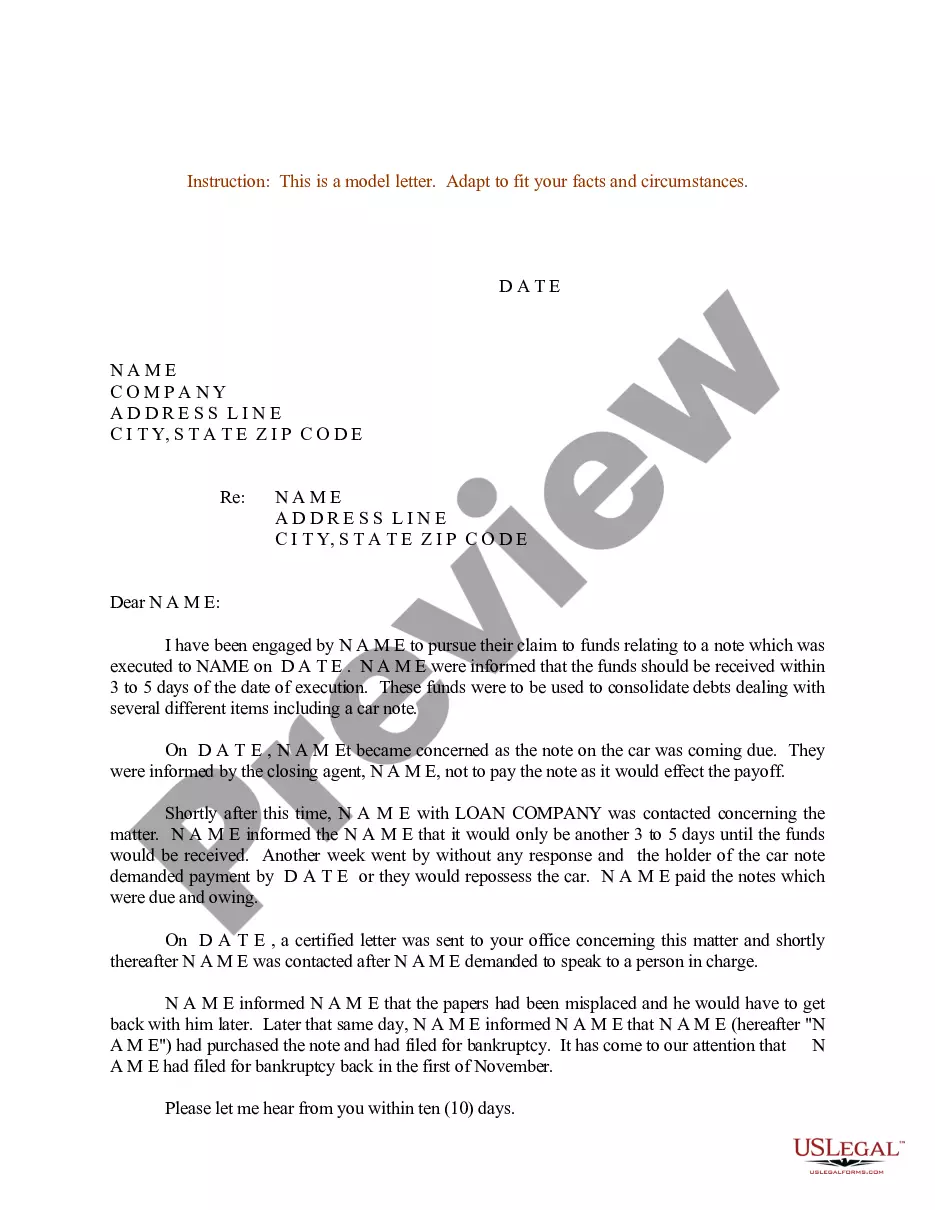
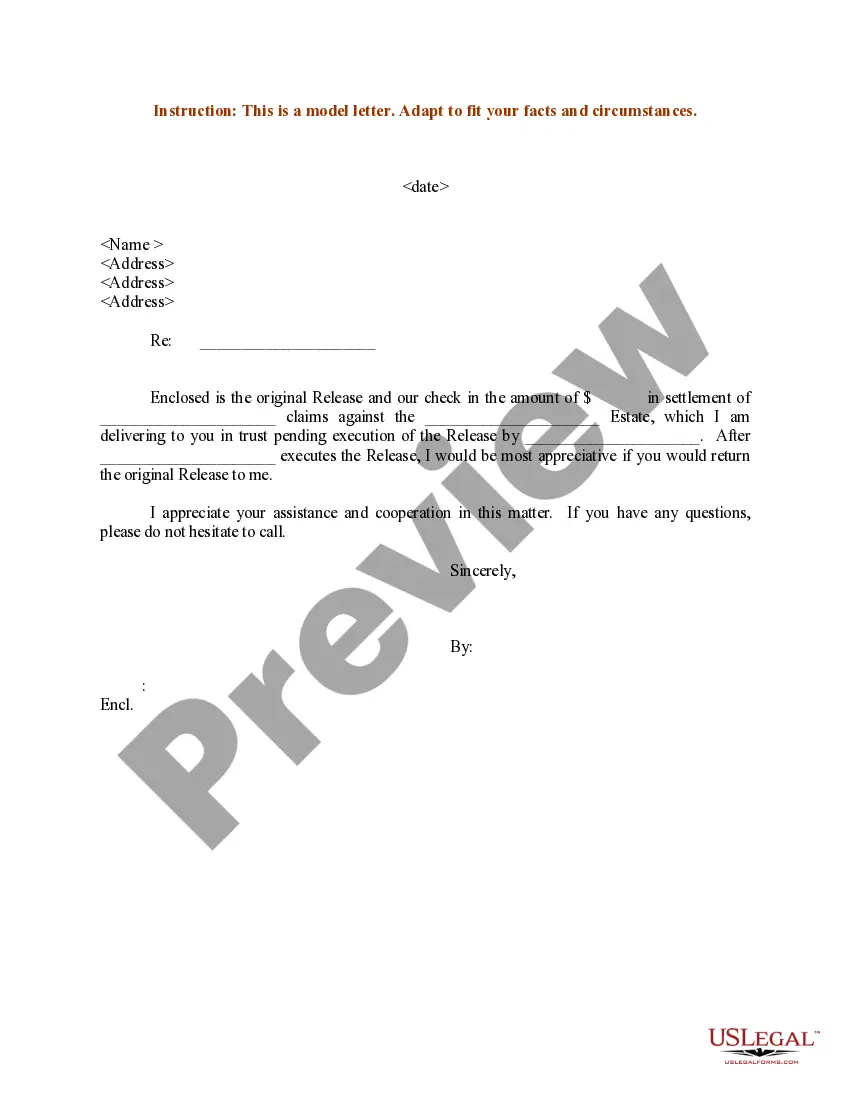
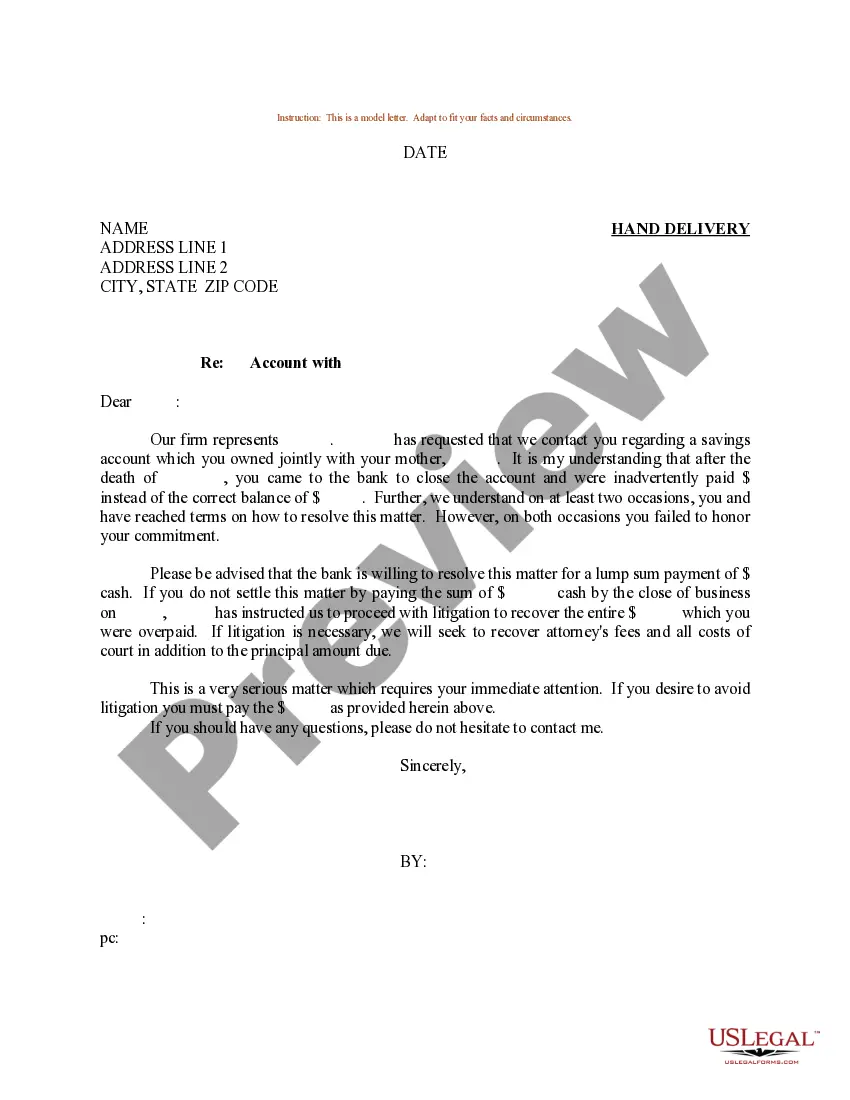
How to fill out Sample Letter For Claim To Funds?
The Payment Claim Document that you observe on this site is a versatile legal model created by experienced attorneys in accordance with federal and state guidelines.
For over 25 years, US Legal Forms has supplied individuals, businesses, and legal experts with more than 85,000 authenticated, state-specific documents for any professional and personal requirement. It’s the quickest, easiest, and most dependable method to acquire the documentation you need, as the service ensures top-notch data protection and anti-malware safeguards.
Register with US Legal Forms to access verified legal templates for every situation in life.
- Search for the document you require and review it.
- Browse through the example you looked for and preview it or check the form details to confirm it meets your requirements. If it doesn't, utilize the search feature to find the correct one. Click Buy Now when you have located the template you need.
- Register and sign in.
- Select the pricing plan that fits your preferences and create an account. Use PayPal or a credit card for a swift transaction. If you already possess an account, Log In and check your subscription to continue.
- Obtain the editable template.
- Choose the format you desire for your Payment Claim Document (PDF, Word, RTF) and download the sample onto your device.
- Complete and endorse the document.
- Print the template to fill it out manually. Alternatively, utilize an online multifunctional PDF editor to quickly and accurately fill out and sign your form electronically.
- Download your documents again.
- Use the same document again whenever necessary. Access the My documents section in your profile to redownload any forms you have previously saved.
Form popularity
FAQ
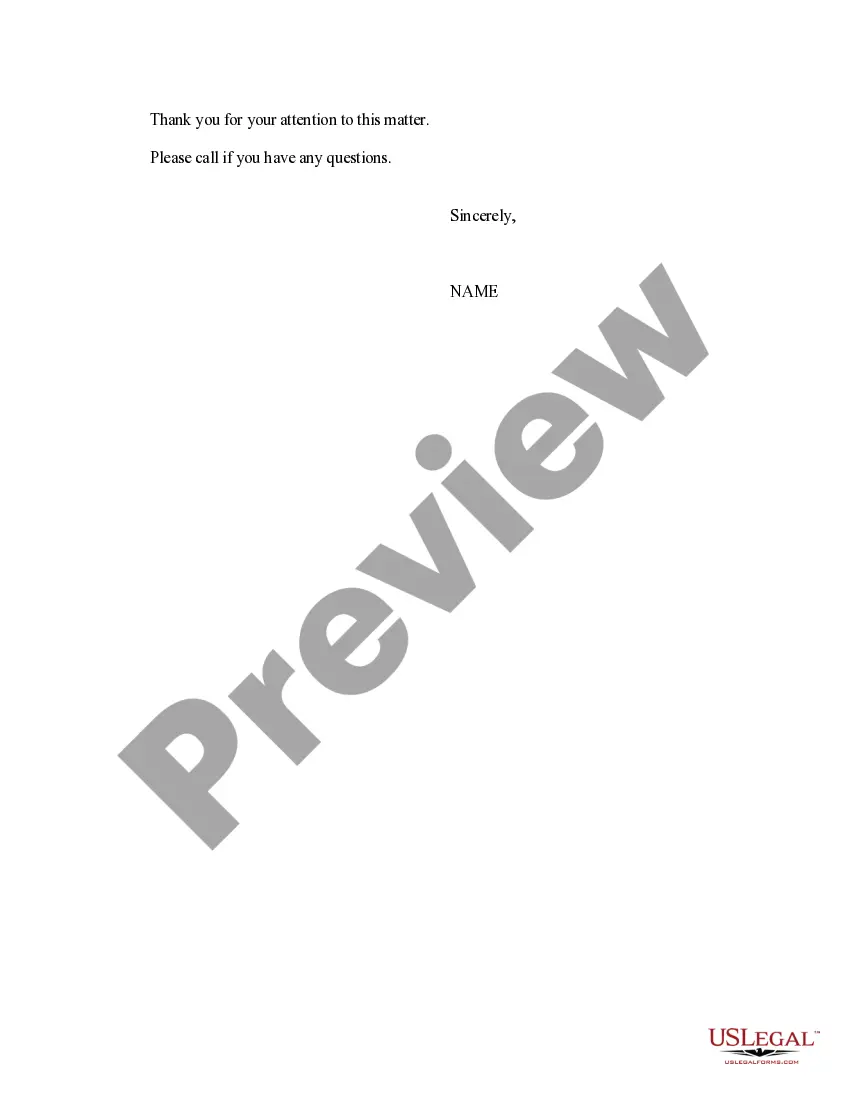
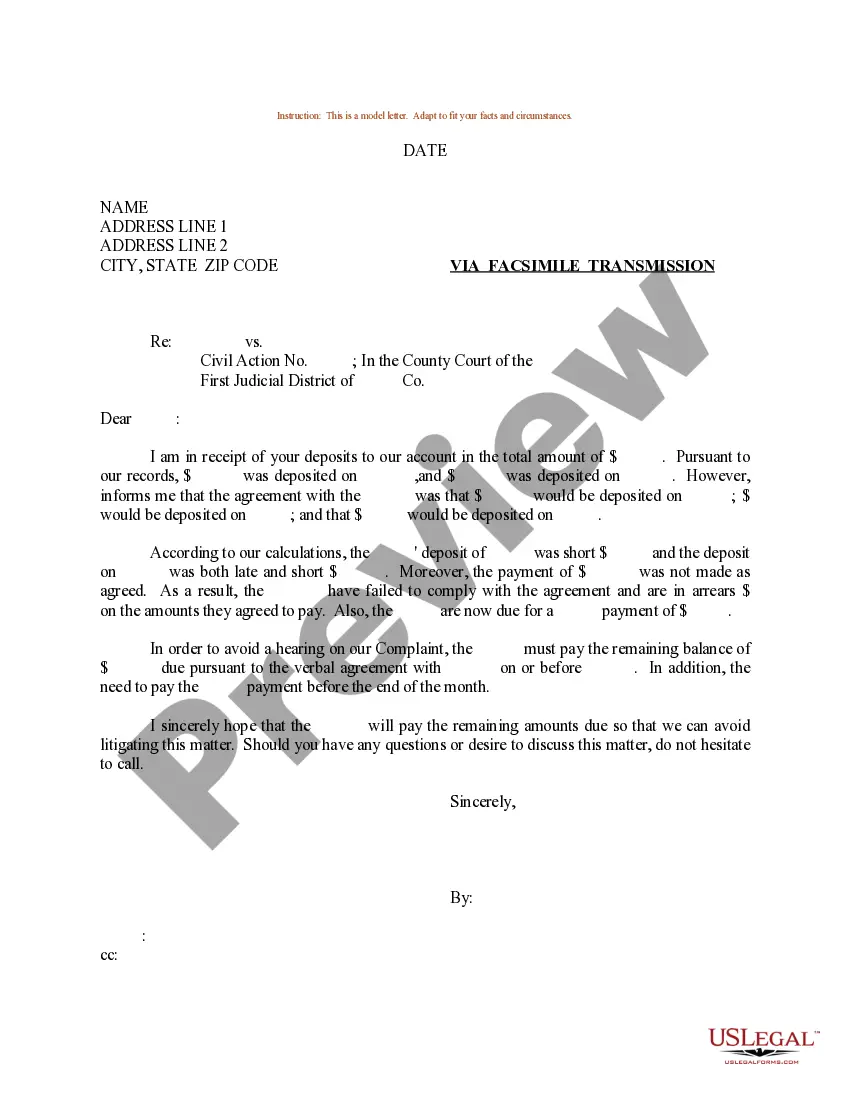
To write a simple claim letter for payment, start with your address and the date at the top of the letter. Next, address the letter to the recipient using their name and title, if applicable. Clearly state the reason for your claim, detailing the payment amount and the services or goods provided. Finally, include a polite request for the payment, a deadline for response, and your contact information, ensuring the recipient knows you expect a timely resolution.
The opening of a claim letter should quickly grab the reader's attention and clearly state the purpose. By introducing your claim letter for payment right away, you help the recipient understand the importance of your message. Include essential details, such as who the claim involves and the amount owed, to set the context effectively.
When crafting a formal letter of claim, ensure you maintain a professional and respectful tone throughout. Open with your contact information and the recipient’s address, followed by a concise statement of the claim, including specific amounts owed. Make sure to end with a clear request for payment and a deadline, reinforcing the purpose of your claim letter for payment.
To write a letter requesting payment, start with a professional greeting and state your request clearly in the opening lines. Outline the reasons for your request and include any relevant details about the amounts owed, dates, and services provided. Finally, prompt the recipient for a timely response, reiterating that this letter serves as a claim letter for payment.
When writing a claim example, structure your letter to clearly convey your message. Begin with a header that includes your information, followed by a brief introduction of your claim. Use clear paragraphs to outline the details and the amounts owed, ensuring that each section contributes to your overall claim letter for payment. Providing a solid example can serve as an excellent reference for others.
Starting a formal claim letter requires a clear and precise introduction. First, include your contact details and the recipient’s information. Then, state the purpose of the letter right away, referencing the claim letter for payment and outlining the key details that will follow. This approach sets a professional tone and prepares the reader for your request.
To create a notice of claim letter, begin by clearly identifying the parties involved, including their full names and addresses. Next, state the specific claim and the amount owed, followed by the reasons for the claim. Always conclude with a polite request for payment, including a deadline for response, to enhance the effectiveness of your claim letter for payment.
To write a good claim statement, be direct and concise while outlining your claim. Describe the nature of the claim, including relevant facts and figures. It helps to mention any previous communications and set a timeframe for follow-up. This clarity will enhance the effectiveness of your claim letter for payment.
A claim for payment should clearly identify the amount due and the context of the claim. Begin by detailing any agreements or contracts that support your request. Include a specified deadline for payment and the steps you will take if the payment is not received. Aim for clarity and professionalism in your claim letter for payment.
In writing a letter of payment issue, begin by addressing the recipient directly and stating the problem concisely. Include specifics about the payment that was expected and any discrepancies observed. Providing supporting documentation can help clarify the issue. This direct approach strengthens your claim letter for payment.