Late Notice Vs Short Notice
Description
Get your form ready online
Our built-in tools help you complete, sign, share, and store your documents in one place.
Make edits, fill in missing information, and update formatting in US Legal Forms—just like you would in MS Word.
Download a copy, print it, send it by email, or mail it via USPS—whatever works best for your next step.
Sign and collect signatures with our SignNow integration. Send to multiple recipients, set reminders, and more. Go Premium to unlock E-Sign.
If this form requires notarization, complete it online through a secure video call—no need to meet a notary in person or wait for an appointment.
We protect your documents and personal data by following strict security and privacy standards.

Make edits, fill in missing information, and update formatting in US Legal Forms—just like you would in MS Word.

Download a copy, print it, send it by email, or mail it via USPS—whatever works best for your next step.

Sign and collect signatures with our SignNow integration. Send to multiple recipients, set reminders, and more. Go Premium to unlock E-Sign.

If this form requires notarization, complete it online through a secure video call—no need to meet a notary in person or wait for an appointment.

We protect your documents and personal data by following strict security and privacy standards.
Looking for another form?

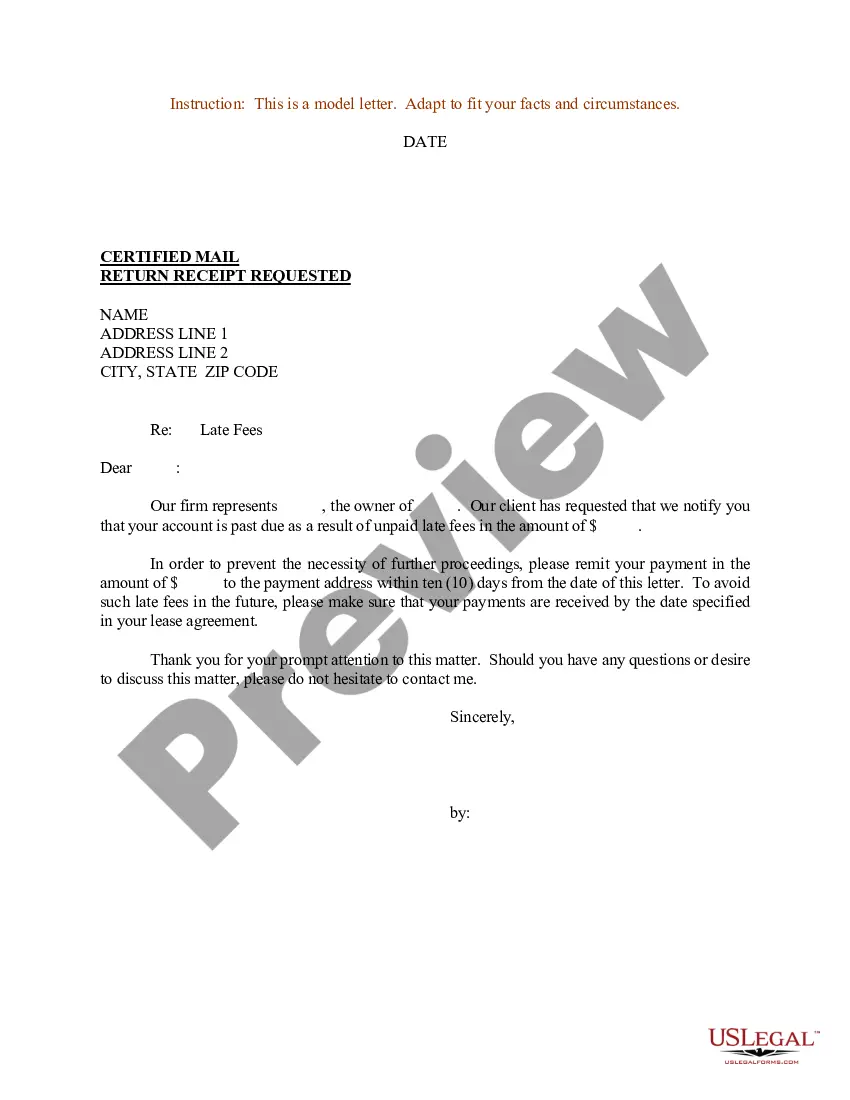
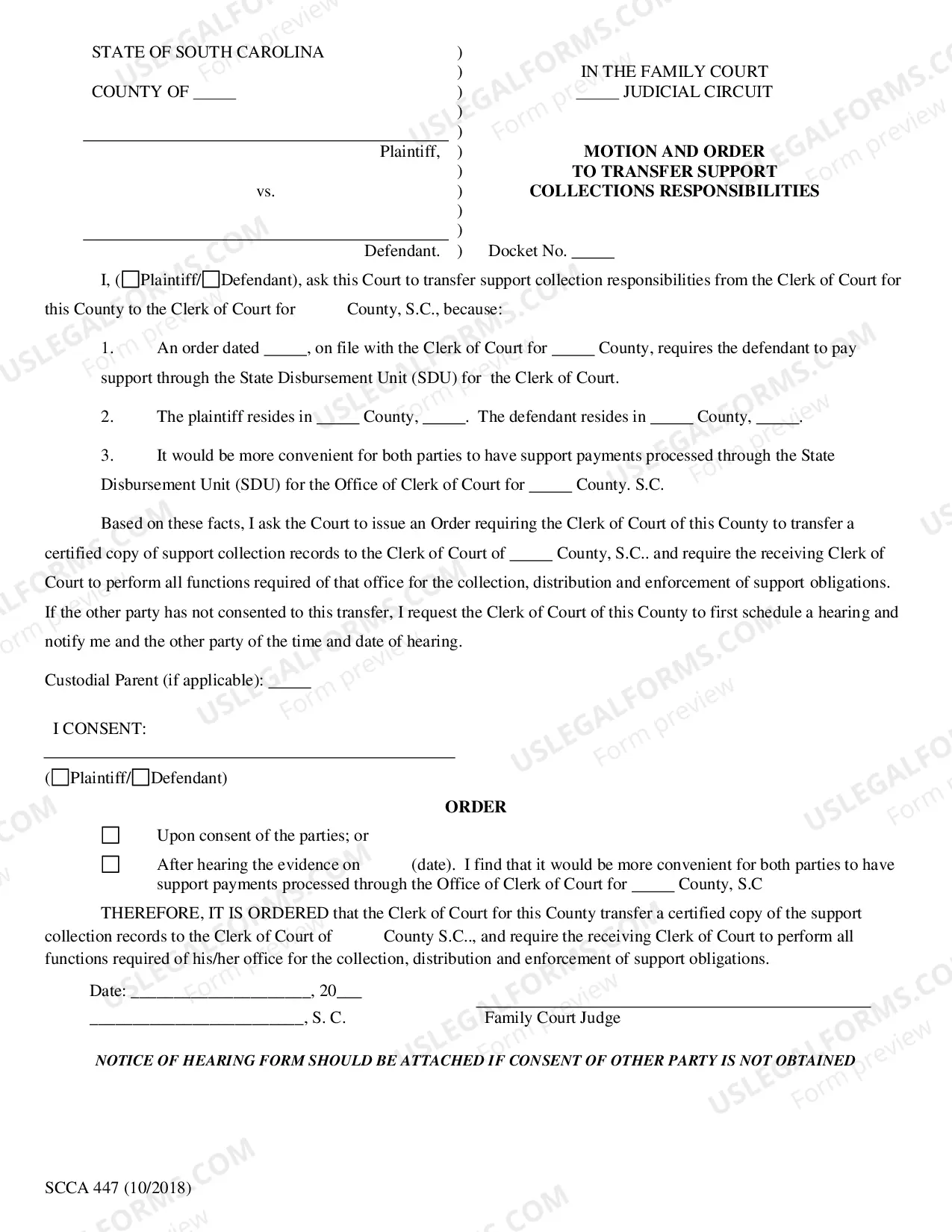
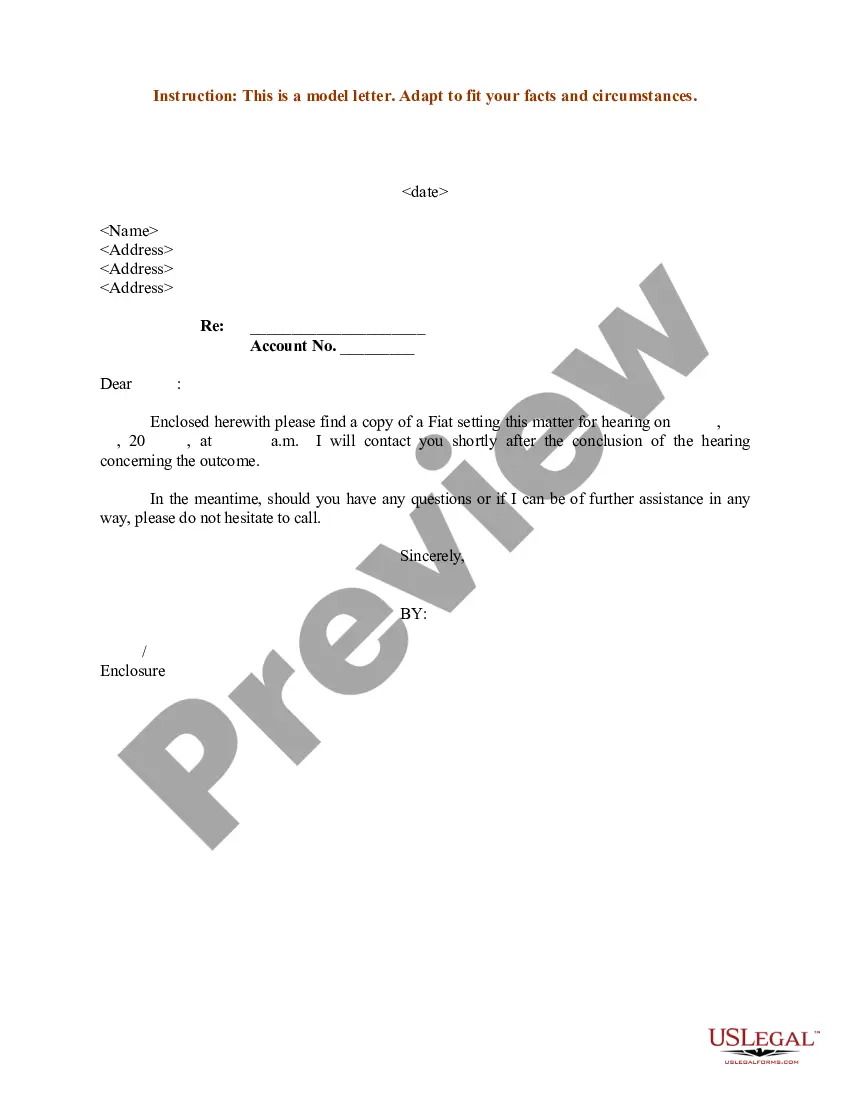
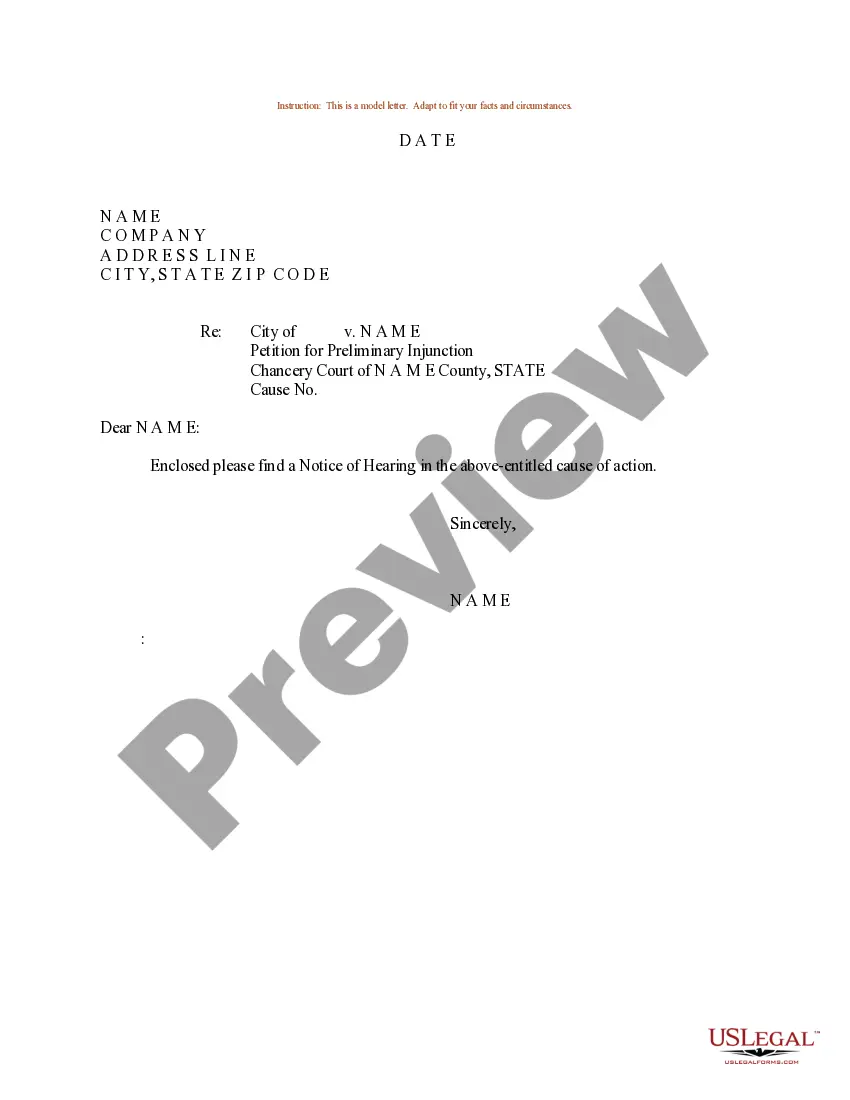
How to fill out Sample Letter For Notice Of Public Hearing Posted On Described Property?
The Delay Notification vs Brief Notification you find on this page is a versatile legal template created by qualified attorneys in alignment with national and local laws.
For over 25 years, US Legal Forms has offered individuals, companies, and legal professionals more than 85,000 authenticated, state-specific documents for any business and personal situation. It’s the fastest, easiest, and most reliable method to acquire the forms you require, as the service ensures bank-level data protection and anti-malware safeguards.
Finish and sign the document. Print out the template to fill it out manually. Alternatively, employ an online multifunctional PDF editor to quickly and accurately complete and sign your form with a legally-binding electronic signature. Download your documents again. Reuse the same document whenever needed. Access the My documents section in your account to redownload any previously saved forms. Register for US Legal Forms to have validated legal templates for all of life's situations readily available.
- Search for the document you require and examine it.
- Browse through the file you sought and preview it or review the document description to confirm it meets your needs. If it doesn’t, utilize the search tool to find the appropriate one. Click Buy Now when you discover the template you’re looking for.
- Register and sign in.
- Select the subscription plan that best fits you and create an account. Use PayPal or a credit card for a swift payment. If you already possess an account, sign in and verify your subscription to proceed.
- Obtain the fillable template.
- Choose the format you prefer for your Delay Notification vs Brief Notification (PDF, Word, RTF) and save the document on your device.
Form popularity
FAQ
Late notice is generally considered any communication that occurs after a deadline or expected notification period. This could range from informing someone about an appointment just hours before it happens to missing deadlines for important projects. By effectively managing communication and understanding late notice vs short notice, you can minimize the potential for issues and enhance your reliability in various situations.
Late notice refers to the act of providing information after the expected time frame, often causing inconvenience or disruption. In many situations, late notice can lead to misunderstandings or complications, as people may rely on timely updates for their planning. When navigating the differences between late notice vs short notice, it is crucial for individuals to understand the potential impact of their communication timing.
Being on short notice implies that there is limited time available to prepare for an upcoming event or task. This situation can arise in both personal and professional settings. When discussing late notice vs short notice, it's essential to note that short notice usually means required actions should occur imminently, making it a challenge for individuals or teams involved.
If you want to avoid the phrase 'short notice', consider using alternatives like 'last-minute notice' or 'limited notice'. These phrases convey the same urgency and time constraint. It's important to express your situation clearly so that your message stands out, especially when discussing late notice vs short notice scenarios.
The terms 'short notice' and 'late notice' can often create confusion. When you refer to short notice, you are typically indicating that an event or action has not been scheduled with enough time for proper preparation. In contrast, late notice refers to informing others beyond the expected timeline, which can sometimes disrupt plans. Understanding the differences between late notice vs short notice is crucial for effective communication.
All three are common and idiomatic. Based on my resourses, "at short notice" tends to be British English - so perhaps "on short notice" is more American. "With short notice" is, as I said, correct and to me personally there is nothing wrong with using all of them interchangeably.
"late notice" is a correct and usable phrase in written English. It is used to indicate that an announcement is being made after the normal or expected time. For example, "We apologize for the late notice, but we will be closing early tomorrow for a staff meeting.".
They know they can be dismissed at short notice with little pay-off. You need to have people and boats ready on short notice to go out there and fix it if there is a problem. I simply couldn't think where else to go at short notice. I was told that I might have to go at short notice.
Notice is used in expressions such as 'at short notice', 'at a moment's notice', or 'at twenty-four hours' notice', to indicate that something can or must be done within a short period of time. There's no one available at such short notice to take her class.
They requested to play ?at such late notice that we could only announce them by scrawling their names on posters outside the club. However, the extra burden of going it alone, and at such late notice, is weighing heavily.