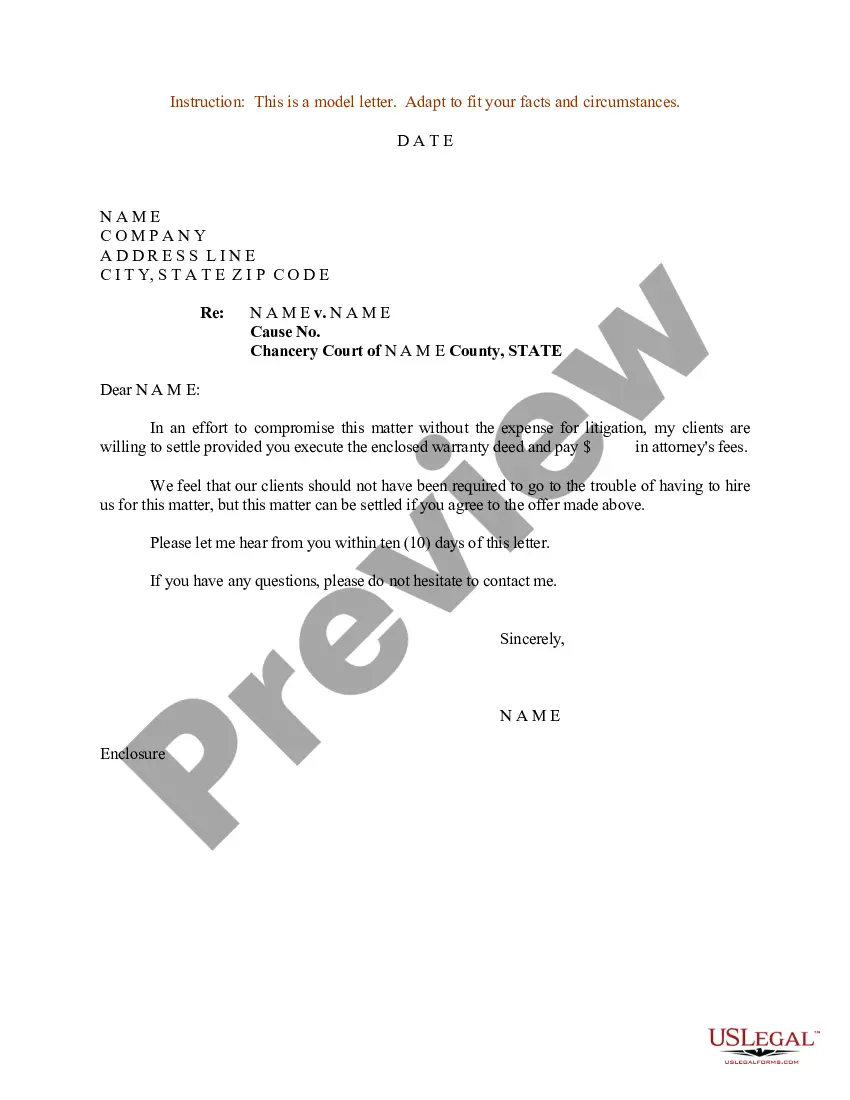
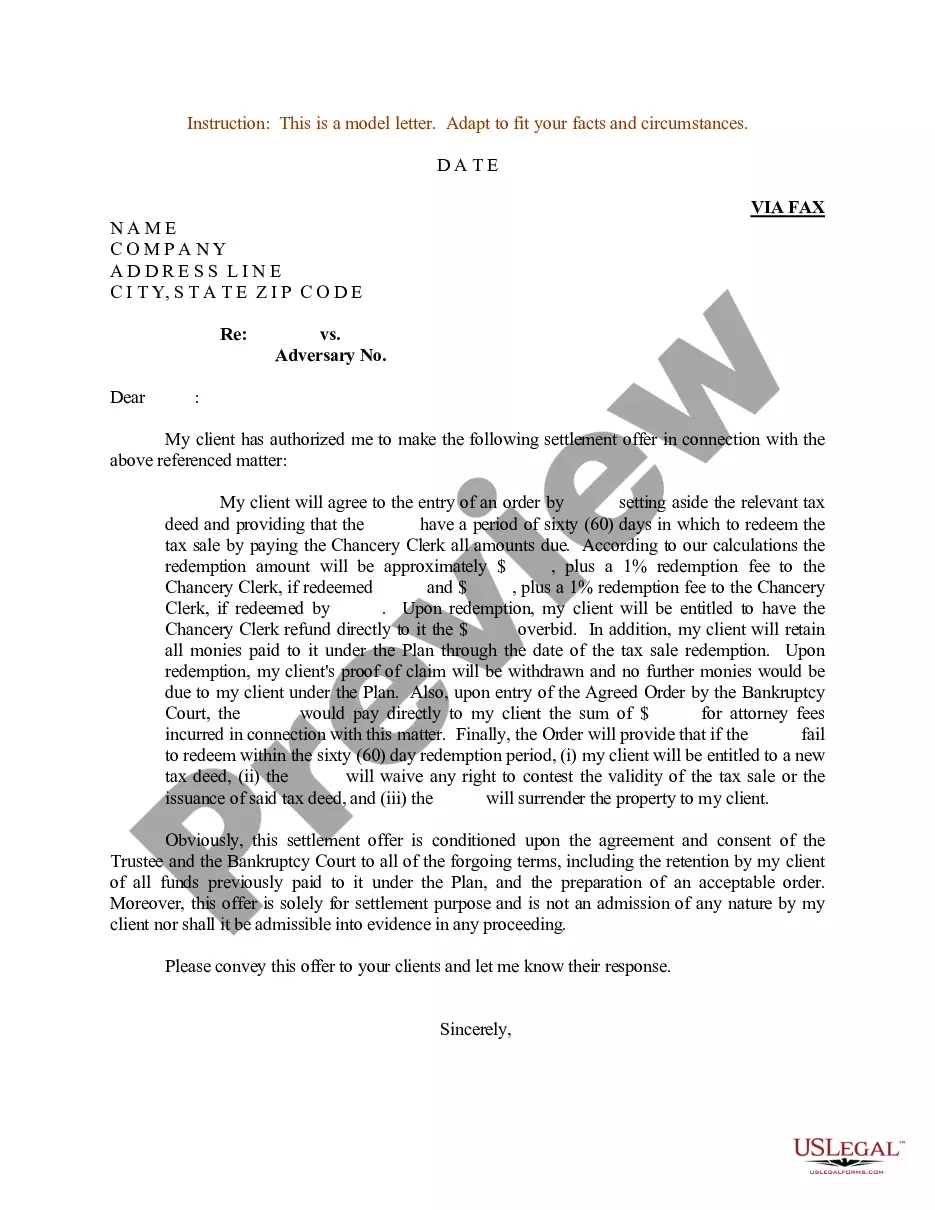
Settlement Settle Statement With Multiple Conditions
Description
Get your form ready online
Our built-in tools help you complete, sign, share, and store your documents in one place.
Make edits, fill in missing information, and update formatting in US Legal Forms—just like you would in MS Word.
Download a copy, print it, send it by email, or mail it via USPS—whatever works best for your next step.
Sign and collect signatures with our SignNow integration. Send to multiple recipients, set reminders, and more. Go Premium to unlock E-Sign.
If this form requires notarization, complete it online through a secure video call—no need to meet a notary in person or wait for an appointment.
We protect your documents and personal data by following strict security and privacy standards.

Make edits, fill in missing information, and update formatting in US Legal Forms—just like you would in MS Word.

Download a copy, print it, send it by email, or mail it via USPS—whatever works best for your next step.

Sign and collect signatures with our SignNow integration. Send to multiple recipients, set reminders, and more. Go Premium to unlock E-Sign.

If this form requires notarization, complete it online through a secure video call—no need to meet a notary in person or wait for an appointment.

We protect your documents and personal data by following strict security and privacy standards.
Looking for another form?
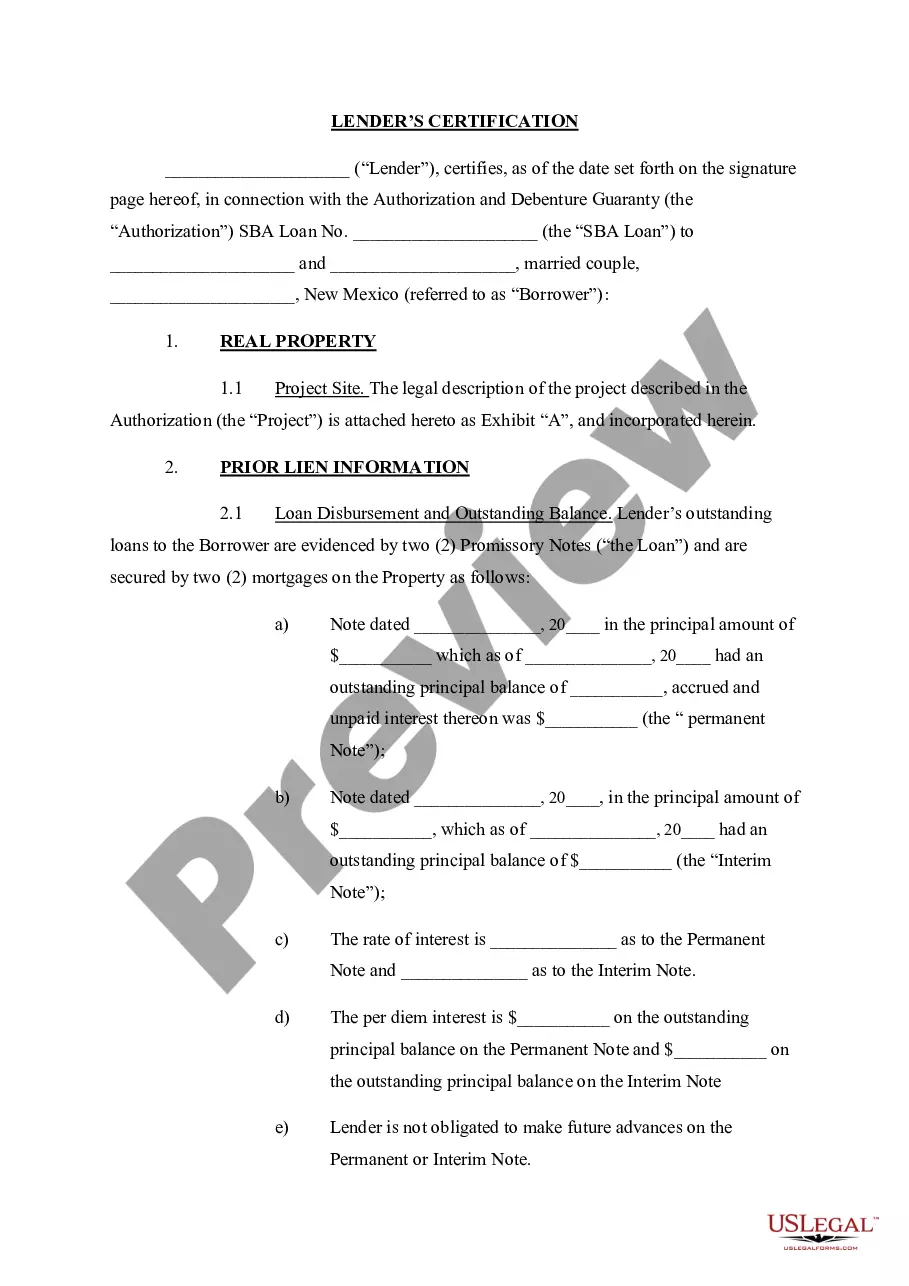
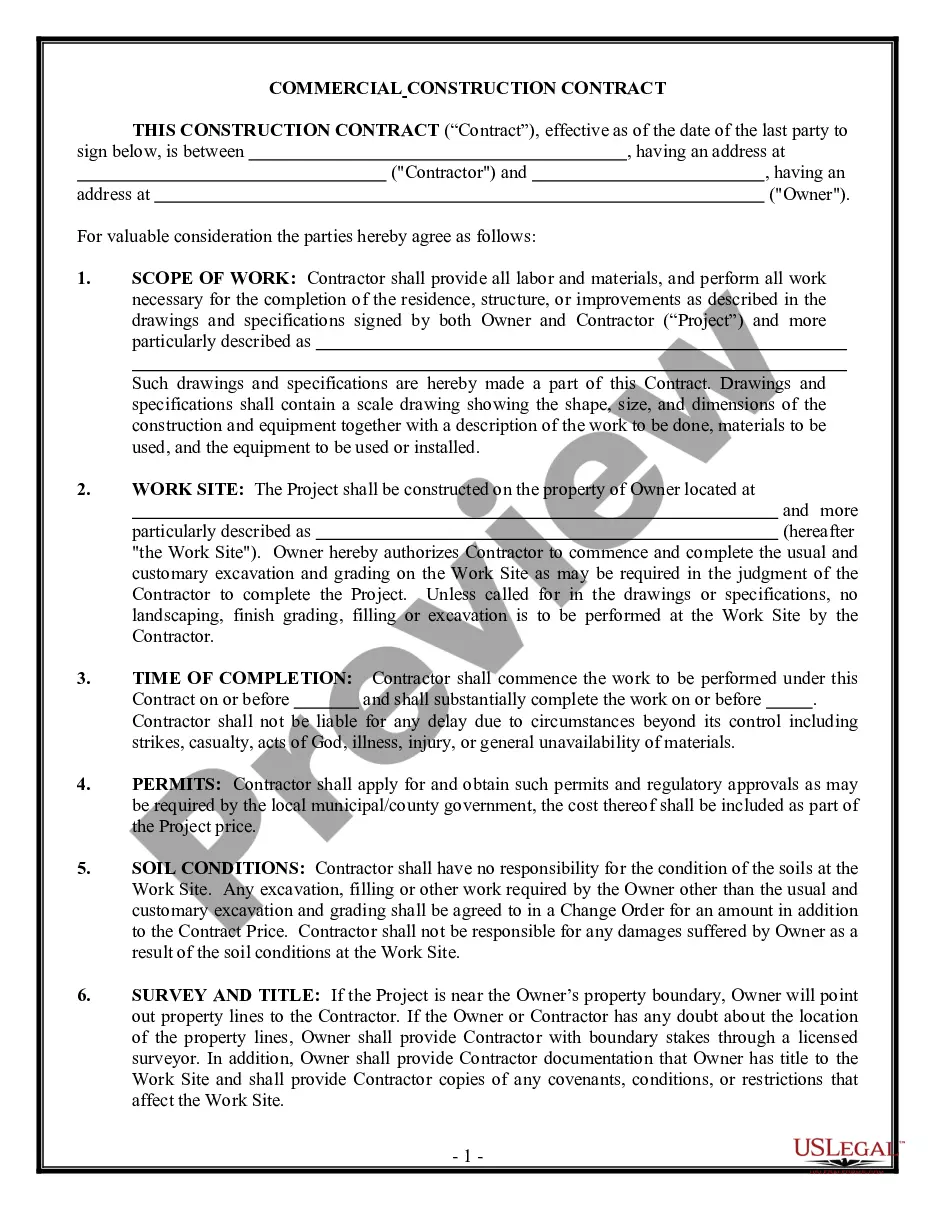



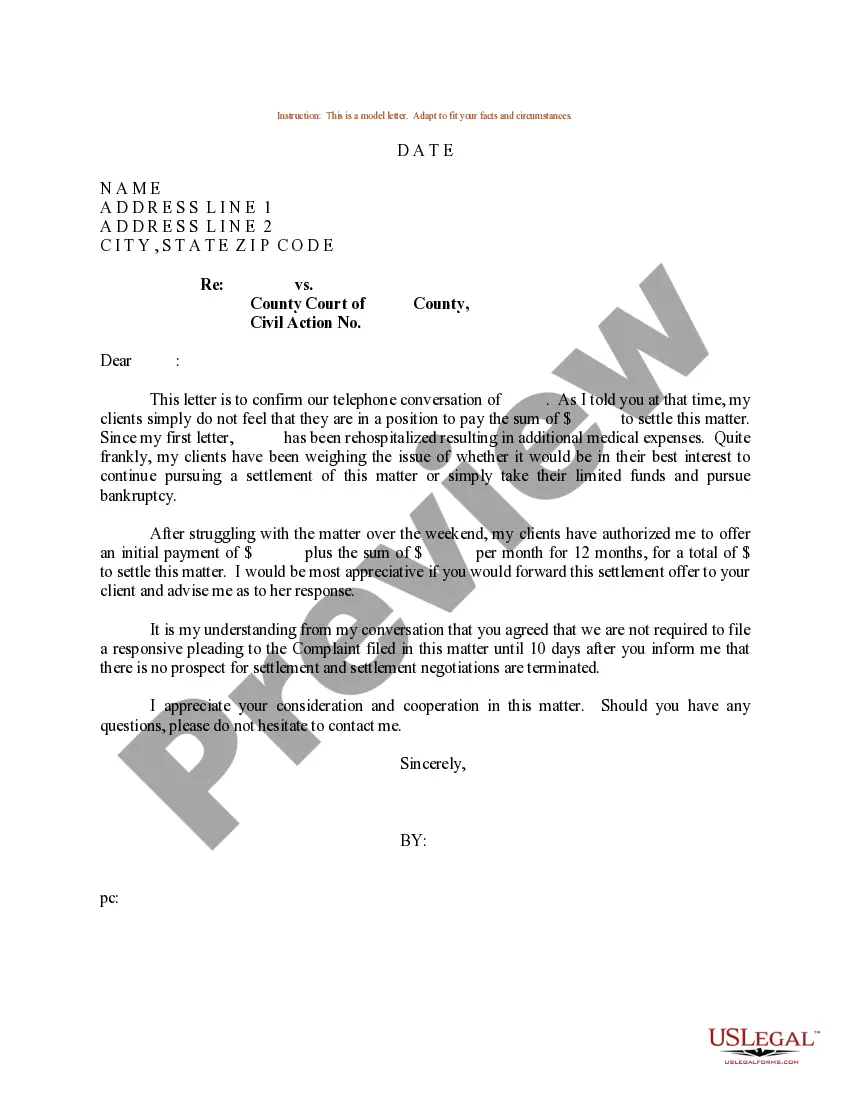
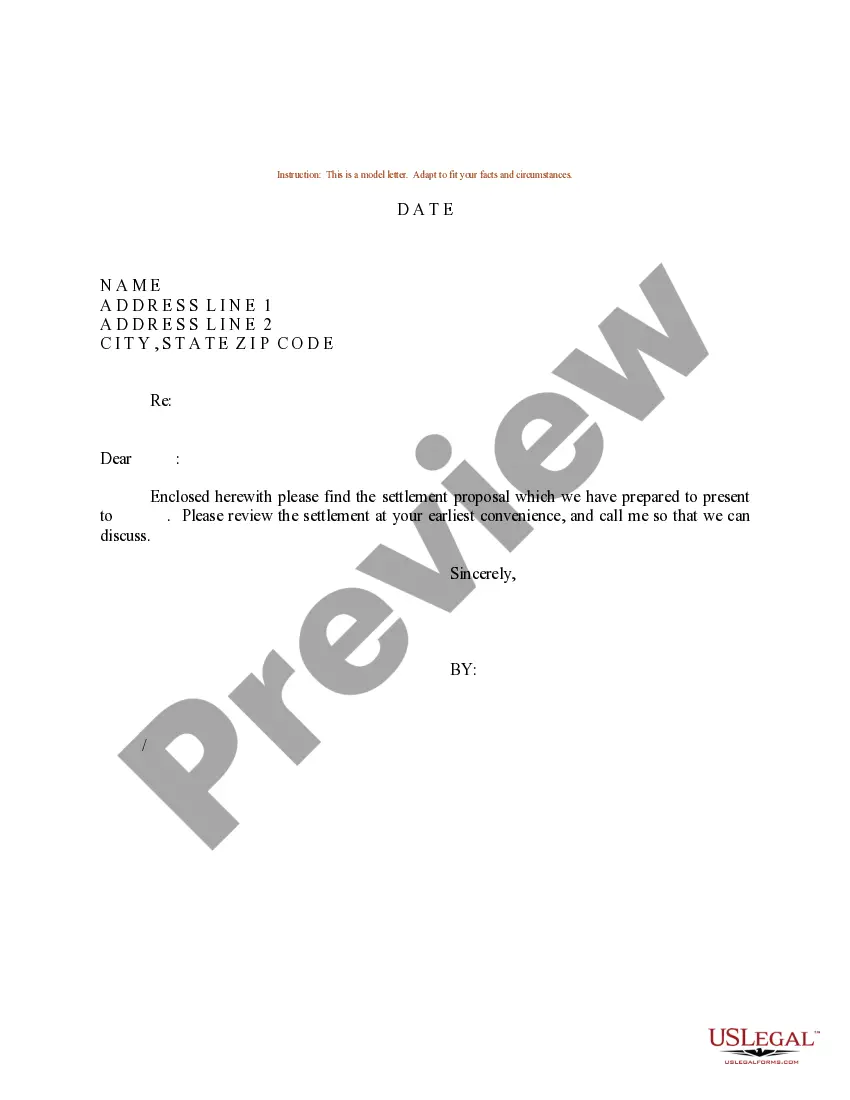
How to fill out Sample Letter For Settlement - Offer To Settle With Condition?
Getting a go-to place to take the most current and appropriate legal samples is half the struggle of working with bureaucracy. Discovering the right legal papers calls for precision and attention to detail, which explains why it is important to take samples of Settlement Settle Statement With Multiple Conditions only from trustworthy sources, like US Legal Forms. An improper template will waste your time and hold off the situation you are in. With US Legal Forms, you have little to worry about. You can access and see all the details concerning the document’s use and relevance for your circumstances and in your state or region.
Consider the listed steps to complete your Settlement Settle Statement With Multiple Conditions:
- Utilize the library navigation or search field to locate your sample.
- View the form’s information to ascertain if it matches the requirements of your state and area.
- View the form preview, if there is one, to ensure the template is the one you are searching for.
- Return to the search and look for the correct document if the Settlement Settle Statement With Multiple Conditions does not fit your needs.
- When you are positive regarding the form’s relevance, download it.
- If you are a registered user, click Log in to authenticate and access your picked forms in My Forms.
- If you do not have an account yet, click Buy now to obtain the template.
- Select the pricing plan that fits your requirements.
- Proceed to the registration to complete your purchase.
- Complete your purchase by choosing a transaction method (credit card or PayPal).
- Select the document format for downloading Settlement Settle Statement With Multiple Conditions.
- Once you have the form on your device, you may change it with the editor or print it and complete it manually.
Eliminate the hassle that comes with your legal paperwork. Explore the extensive US Legal Forms catalog where you can find legal samples, check their relevance to your circumstances, and download them on the spot.
Form popularity
FAQ
If you got your mortgage prior to October 2015, you received a HUD-1 settlement statement. Today, most borrowers receive a closing disclosure, a similar document, although it might still informally be referred to as a HUD-1 or settlement statement.
In mortgage lending, there are two main types of settlement statements a borrower may encounter: closing disclosures and HUD-1 settlement statements.
1 form, also called a HUD1 Settlement Statement, is a standardized mortgage lending document. Creditors or their closing agents use this form to create an itemized list of all charges and credits to the buyer and to the seller in a consumer credit mortgage transaction.
What is a settlement statement? A settlement statement is a document summarizing all costs owed by or credits due to the homebuyer and seller (or borrower if refinancing). The document also includes the purchase price of the property, loan amount and other details.
When you are in the process of closing, you will receive a settlement statement. They arrive three days before closing from your lender. This document is commonly known as the ?closing disclosure.? Essentially, this is for buyers to review in advance before closing.