Complex Trust Withdrawal
Description
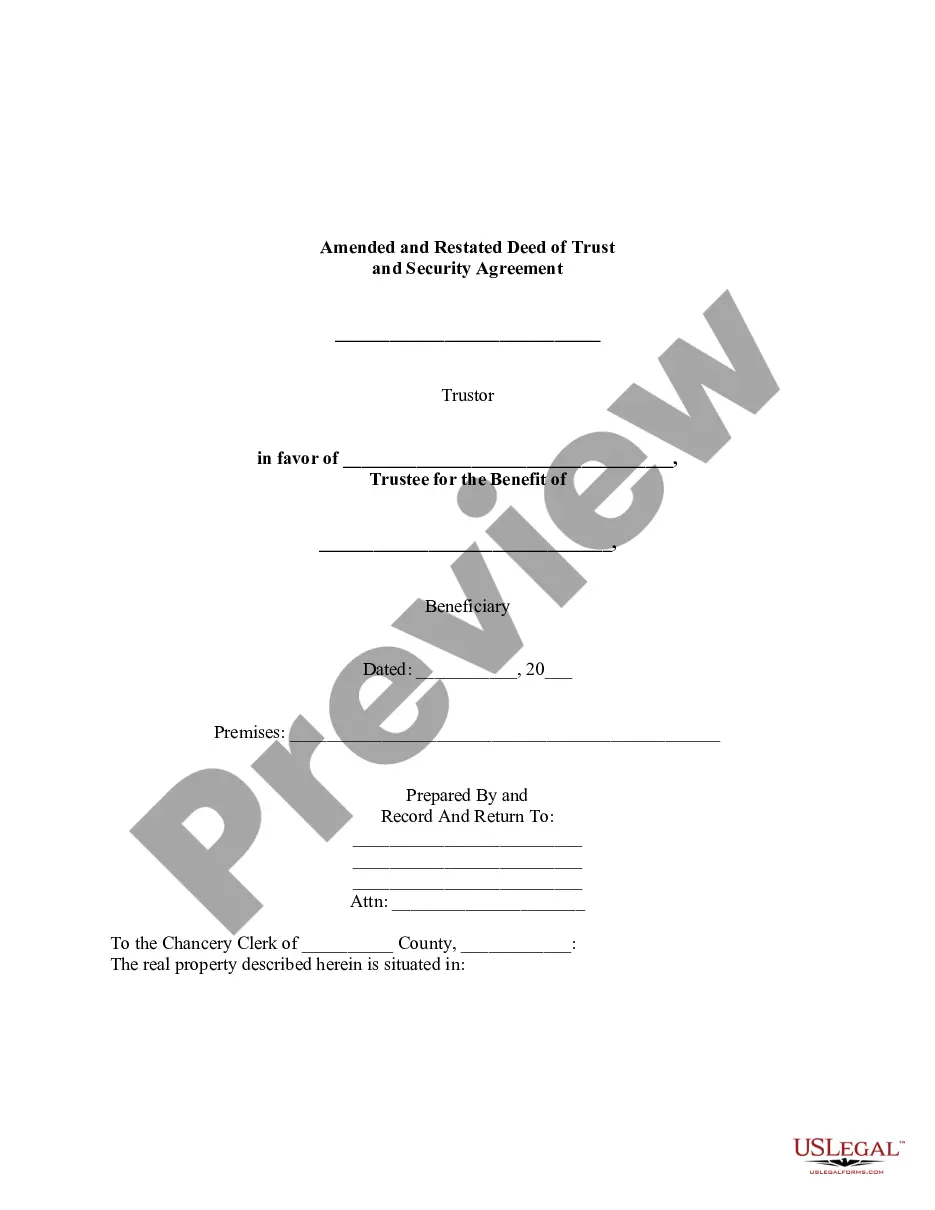
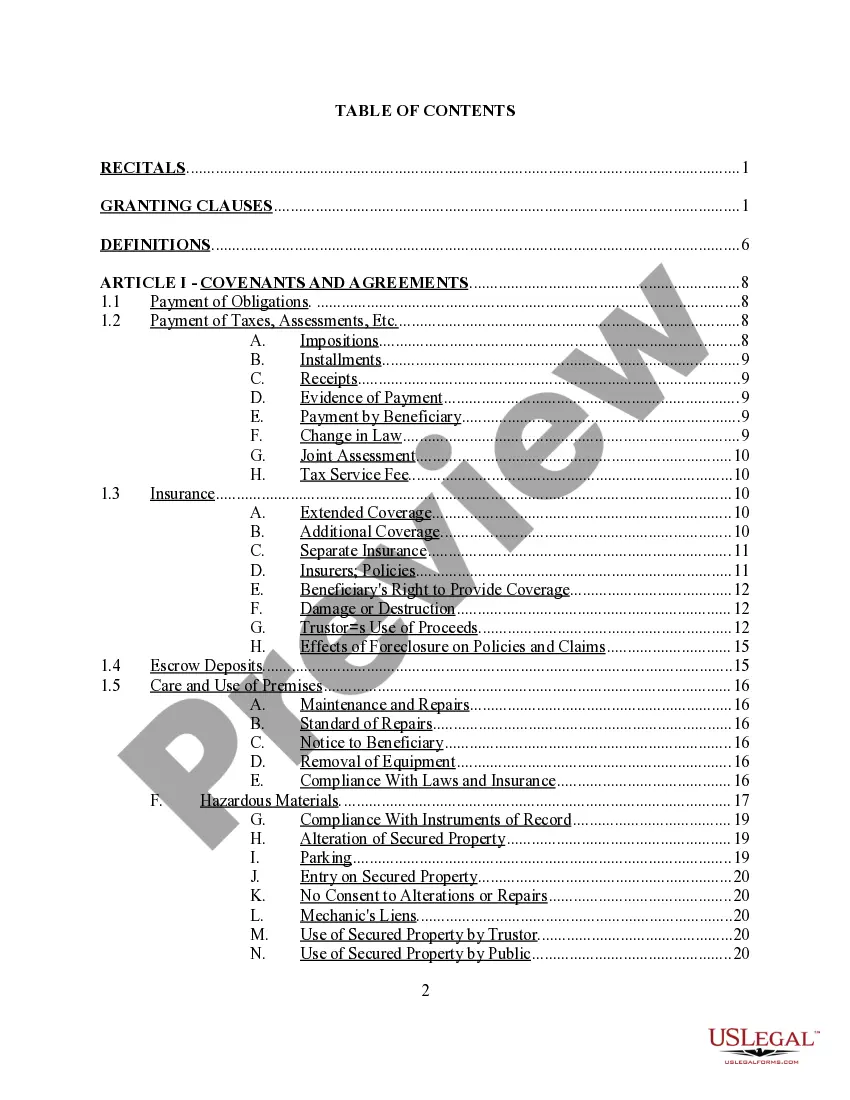
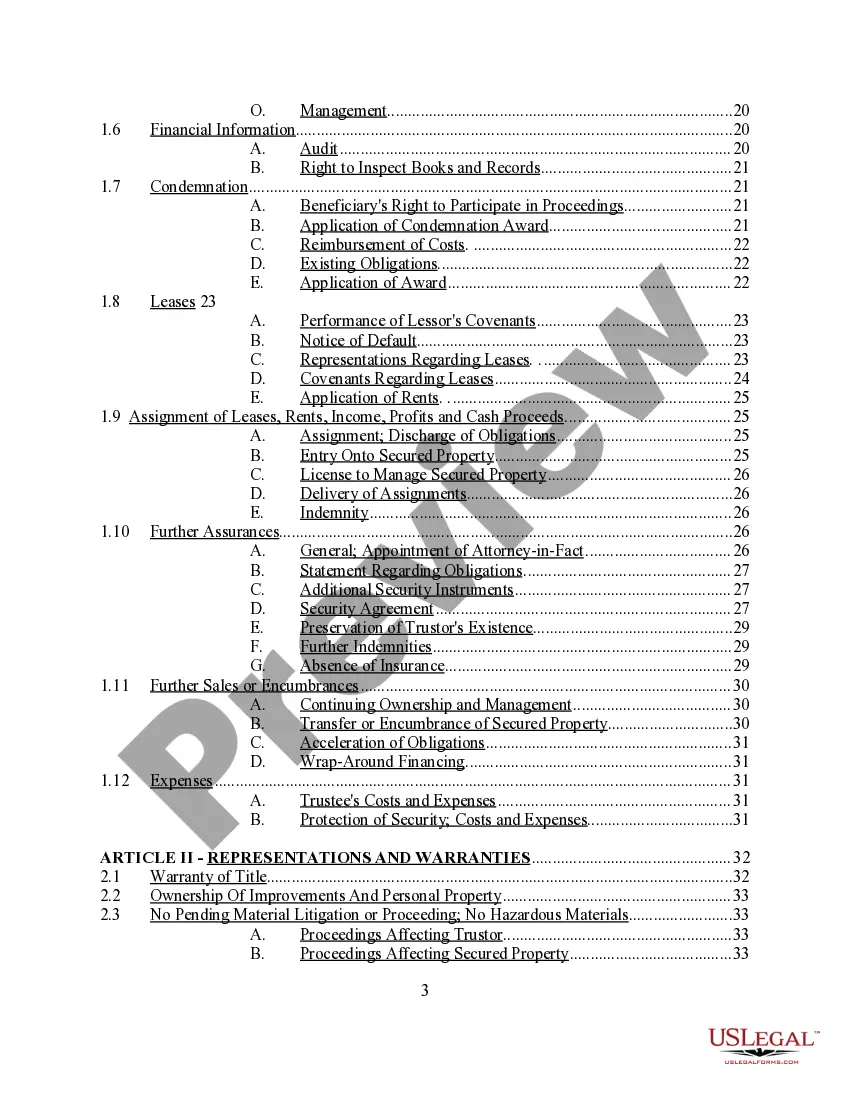
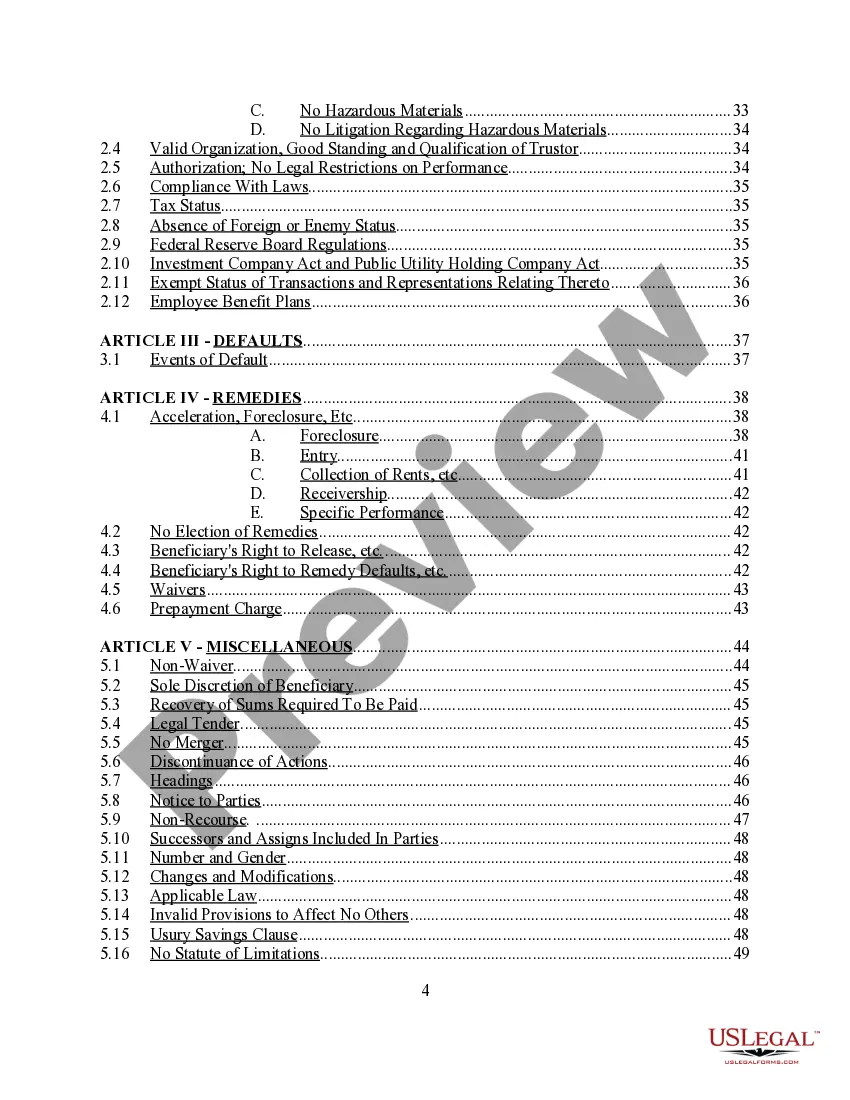

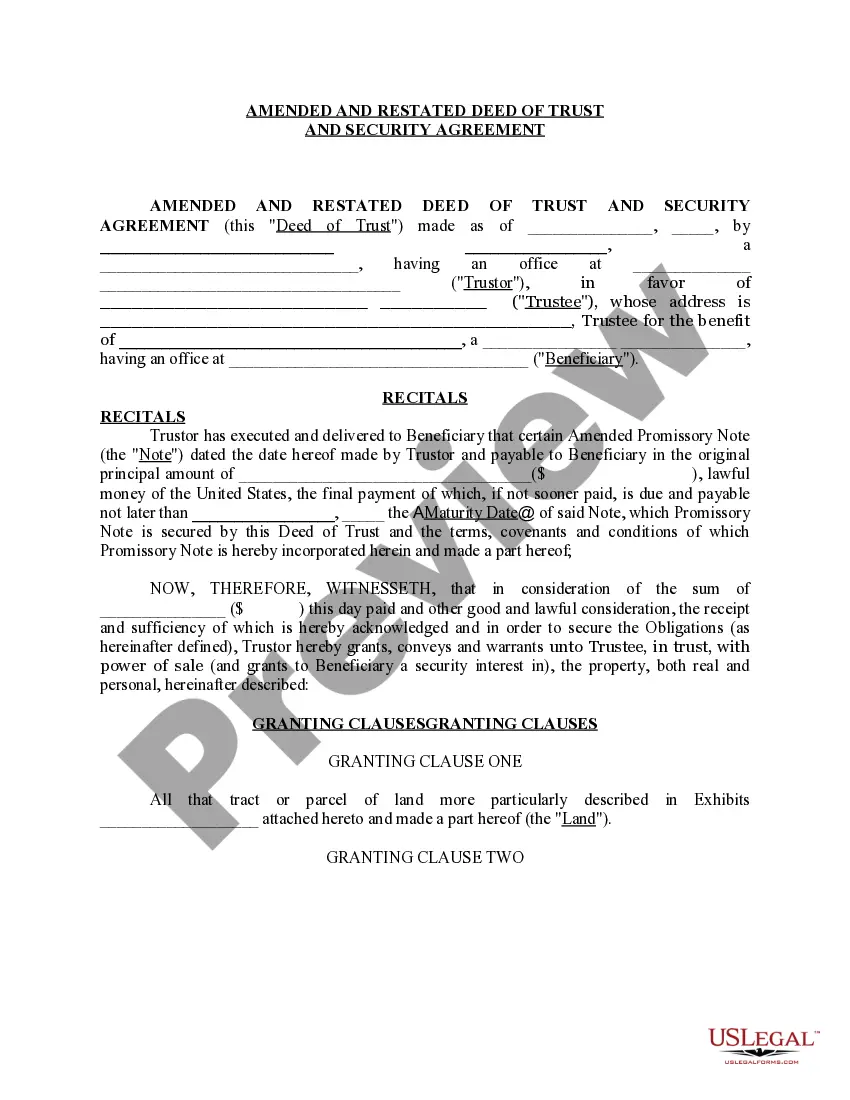
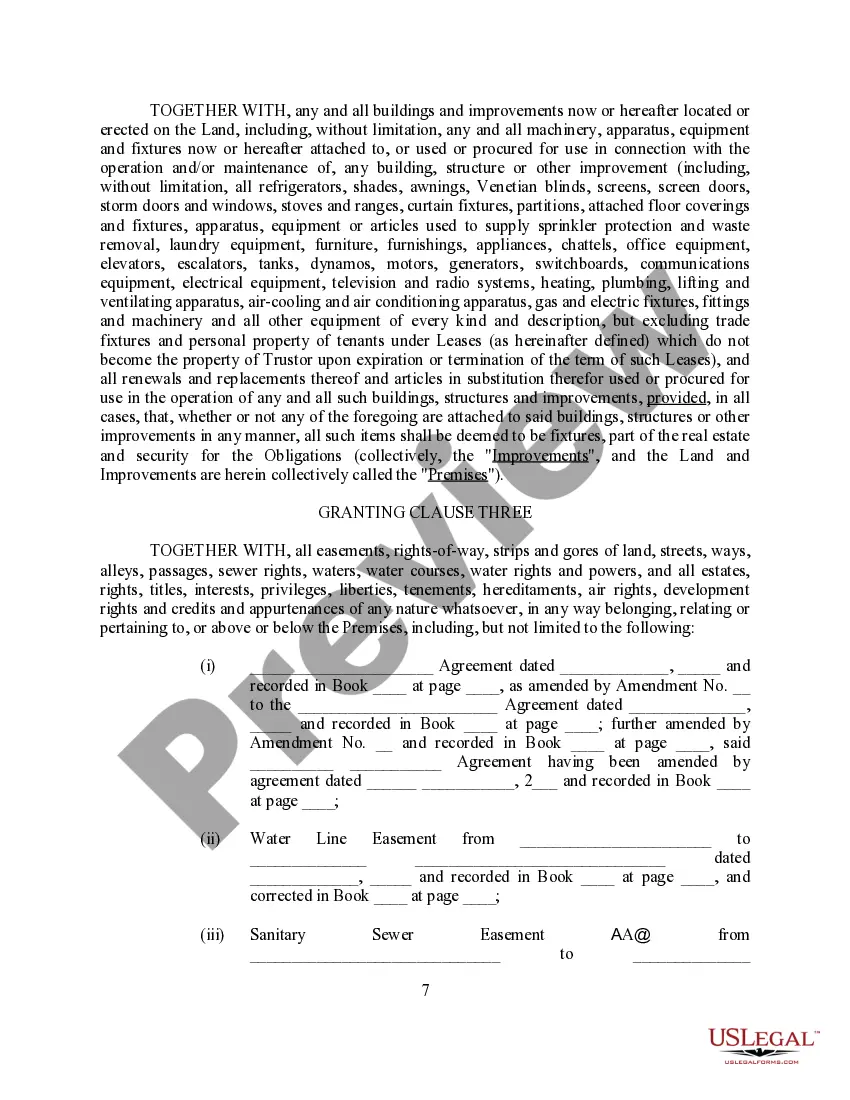
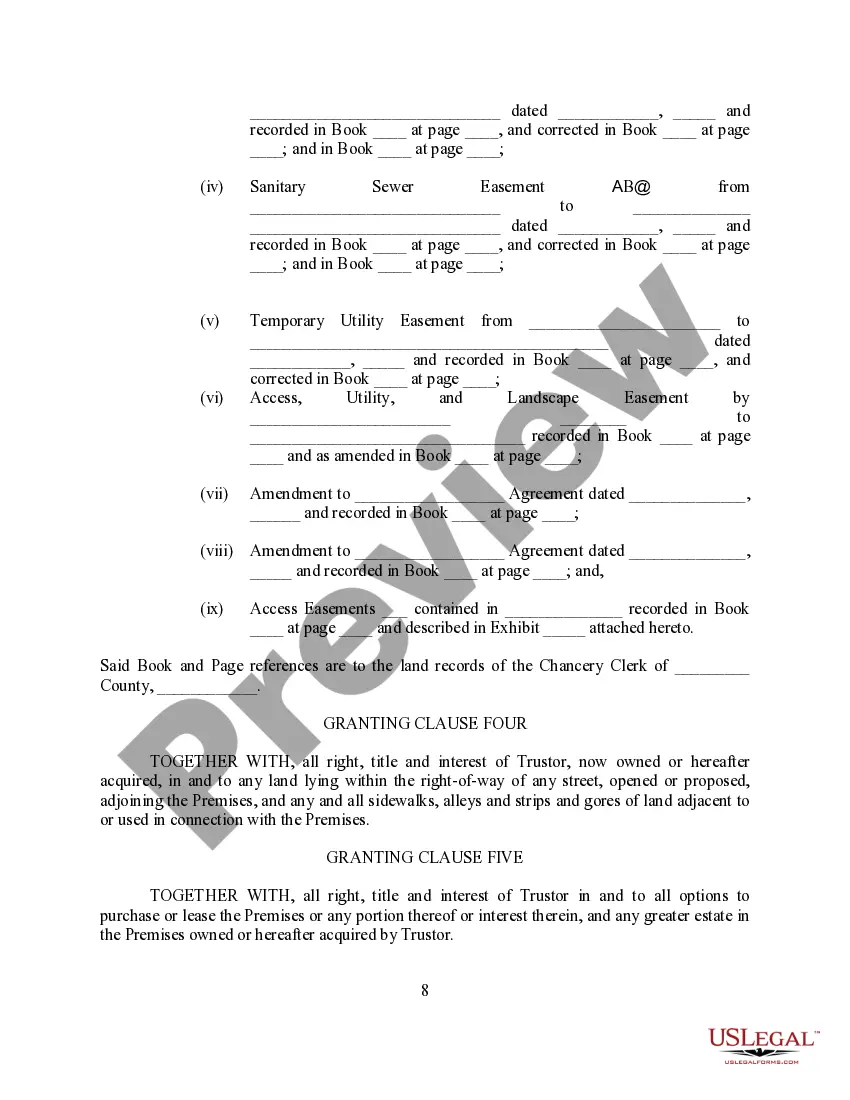
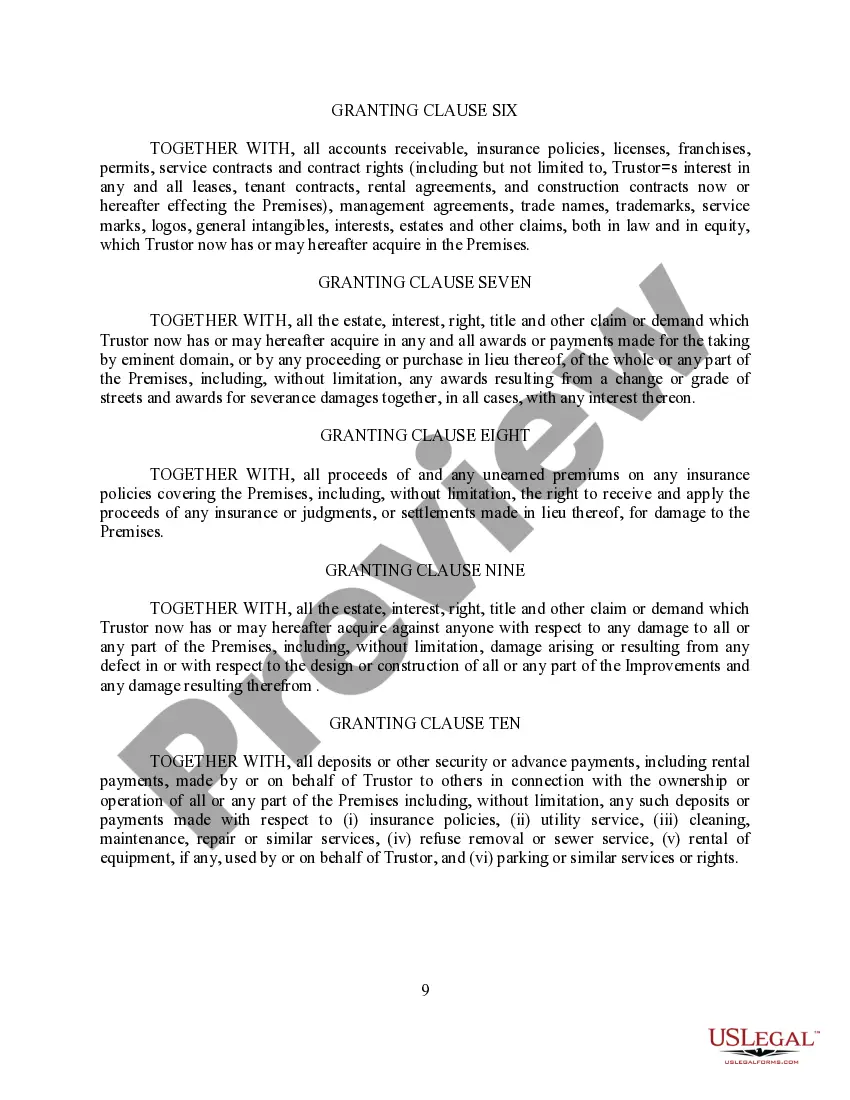


Get your form ready online
Our built-in tools help you complete, sign, share, and store your documents in one place.
Make edits, fill in missing information, and update formatting in US Legal Forms—just like you would in MS Word.
Download a copy, print it, send it by email, or mail it via USPS—whatever works best for your next step.
Sign and collect signatures with our SignNow integration. Send to multiple recipients, set reminders, and more. Go Premium to unlock E-Sign.
If this form requires notarization, complete it online through a secure video call—no need to meet a notary in person or wait for an appointment.
We protect your documents and personal data by following strict security and privacy standards.

Make edits, fill in missing information, and update formatting in US Legal Forms—just like you would in MS Word.

Download a copy, print it, send it by email, or mail it via USPS—whatever works best for your next step.

Sign and collect signatures with our SignNow integration. Send to multiple recipients, set reminders, and more. Go Premium to unlock E-Sign.

If this form requires notarization, complete it online through a secure video call—no need to meet a notary in person or wait for an appointment.

We protect your documents and personal data by following strict security and privacy standards.
Looking for another form?
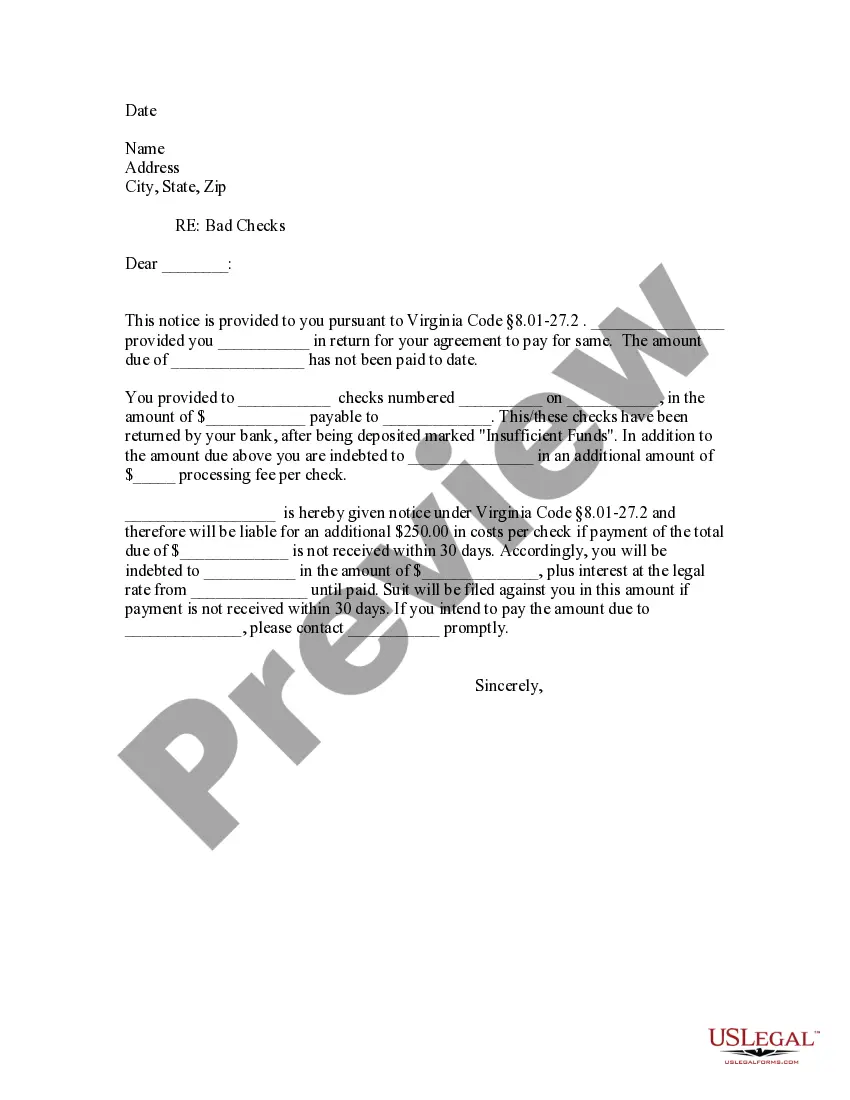





How to fill out Complex Deed Of Trust And Security Agreement?
The Comprehensive Trust Withdrawal presented on this page is a versatile legal document crafted by experienced attorneys in compliance with national and local regulations.
For over 25 years, US Legal Forms has been supplying individuals, businesses, and legal professionals with more than 85,000 authenticated, state-specific documents for any commercial and personal situation. It’s the fastest, simplest, and most trustworthy method to acquire the documentation you require, as the service ensures the utmost level of data confidentiality and malware protection.
Register for US Legal Forms to possess verified legal documents for all of life's situations readily available.
- Search for the document you require and examine it.
- Browse through the file you looked for and preview it or review the form description to confirm it meets your requirements. If not, utilize the search bar to find the correct one. Select Buy Now after you have found the template you want.
- Register and Log In.
- Choose the pricing plan that fits you and set up an account. Use PayPal or a credit card for a quick transaction. If you already possess an account, Log In and check your subscription to continue.
- Acquire the editable document.
- Choose the format you desire for your Comprehensive Trust Withdrawal (PDF, DOCX, RTF) and save the sample on your device.
- Fill out and sign the documents.
- Print out the template to fill it out manually. Alternatively, use an online multifunctional PDF editor to swiftly and precisely complete and sign your form with a valid signature.
- Download your documents again.
- Reuse the same document as needed. Access the My documents tab in your profile to redownload any previously downloaded documents.
Form popularity
FAQ
You can take distributions from a complex trust, and these withdrawals can be made at the discretion of the trustee. This flexibility allows for customized financial support for beneficiaries, based on their individual circumstances. However, it is crucial to be aware of the tax implications associated with these distributions. For a comprehensive understanding of complex trust withdrawals, the US Legal Forms platform provides valuable resources and guidance.
A complex trust can indeed distribute income to beneficiaries, but it is not required to do so. The trustee can choose to retain income within the trust, depending on the trust's objectives and the beneficiaries' needs. This feature allows for strategic financial management and tax planning. To explore the nuances of income distribution in a complex trust, consider utilizing the resources available on the US Legal Forms platform.
Yes, you can take distributions from a trust, but the type of trust determines the rules governing these withdrawals. In a complex trust, distributions can be made at the trustee's discretion, which allows for tailored financial planning. Understanding the terms of the trust is essential to ensure compliance with tax implications. For guidance on making appropriate distributions, US Legal Forms can help you understand the process.
A complex trust operates by allowing the trustee to manage and distribute assets according to the terms set forth in the trust document. Unlike simple trusts, complex trusts can accumulate income and make distributions to beneficiaries at different times. This flexibility is beneficial for tax planning and financial management. To learn more about managing a complex trust effectively, you can explore resources available on the US Legal Forms platform.
A complex trust must file Form 1041 with the IRS if it has gross income of $600 or more, or if it has any taxable income. This filing requirement ensures that the trust's income, deductions, and credits are reported accurately. It's important to understand these requirements to comply with tax obligations and prevent penalties. For further assistance, consider using the US Legal Forms platform to navigate the complexities of trust filing.
If you incur a tax loss while operating your business or holding an investment in a trust, you can't distribute the loss to the trust's beneficiaries. The losses must be carried forward within the trust indefinitely until you can offset the loss from the trust's net income in the future.
Generally, a trust is complex if at least one of the following occurs: There is no requirement to distribute all the trust income to the beneficiaries. The beneficiaries received principal distributions during the tax year. Distributions were made to charitable organizations.
Definition of a complex trust To be classified as a complex trust, it must do at least one of three activities within the year: The trust must retain some of its income and not distribute all of it to beneficiaries. The trust must distribute some or all of the principal to the beneficiaries.
When a trustee needs to withdraw money to fulfill their duties, they can use the bank account to write checks, withdraw cash, or complete wire transfers. It is imperative to note that trustees are responsible for managing all withdrawals of money from a trust account.
The trust must keep part of its income rather than giving it all together to the beneficiaries. The beneficiaries must receive part or all of the trust's principal. A portion of the trust's assets must be distributed to charity organizations.