Snda Form For Real Estate
Description
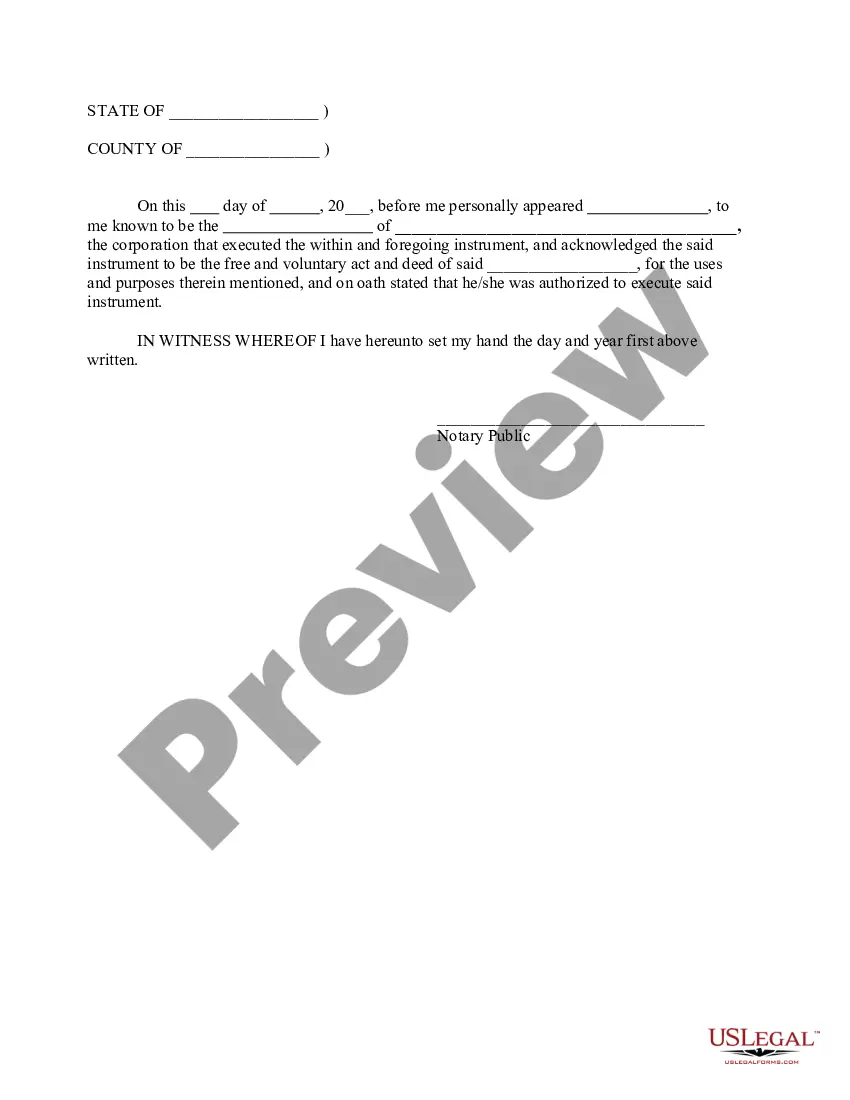
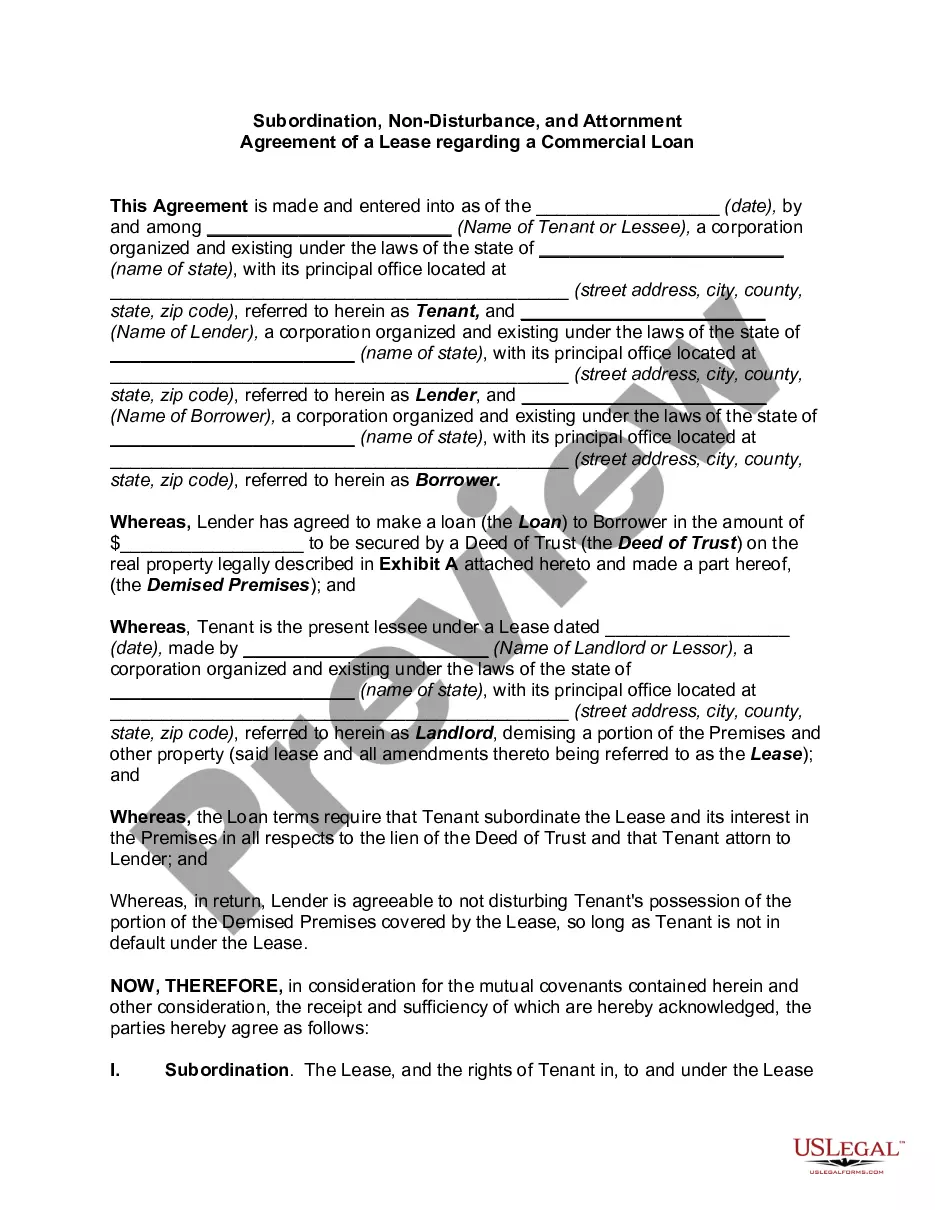
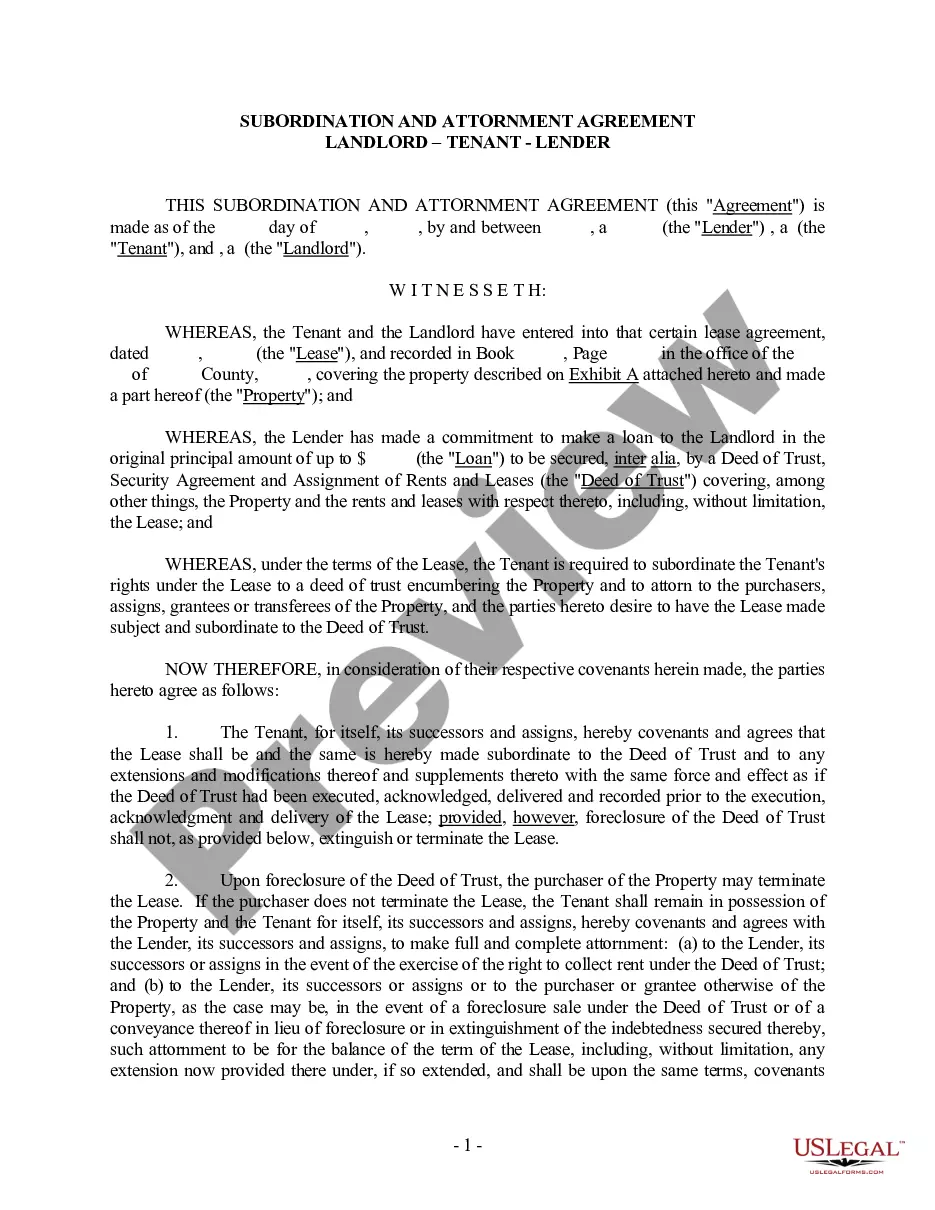
Get your form ready online
Our built-in tools help you complete, sign, share, and store your documents in one place.
Make edits, fill in missing information, and update formatting in US Legal Forms—just like you would in MS Word.
Download a copy, print it, send it by email, or mail it via USPS—whatever works best for your next step.
Sign and collect signatures with our SignNow integration. Send to multiple recipients, set reminders, and more. Go Premium to unlock E-Sign.
If this form requires notarization, complete it online through a secure video call—no need to meet a notary in person or wait for an appointment.
We protect your documents and personal data by following strict security and privacy standards.

Make edits, fill in missing information, and update formatting in US Legal Forms—just like you would in MS Word.

Download a copy, print it, send it by email, or mail it via USPS—whatever works best for your next step.

Sign and collect signatures with our SignNow integration. Send to multiple recipients, set reminders, and more. Go Premium to unlock E-Sign.

If this form requires notarization, complete it online through a secure video call—no need to meet a notary in person or wait for an appointment.

We protect your documents and personal data by following strict security and privacy standards.
Looking for another form?


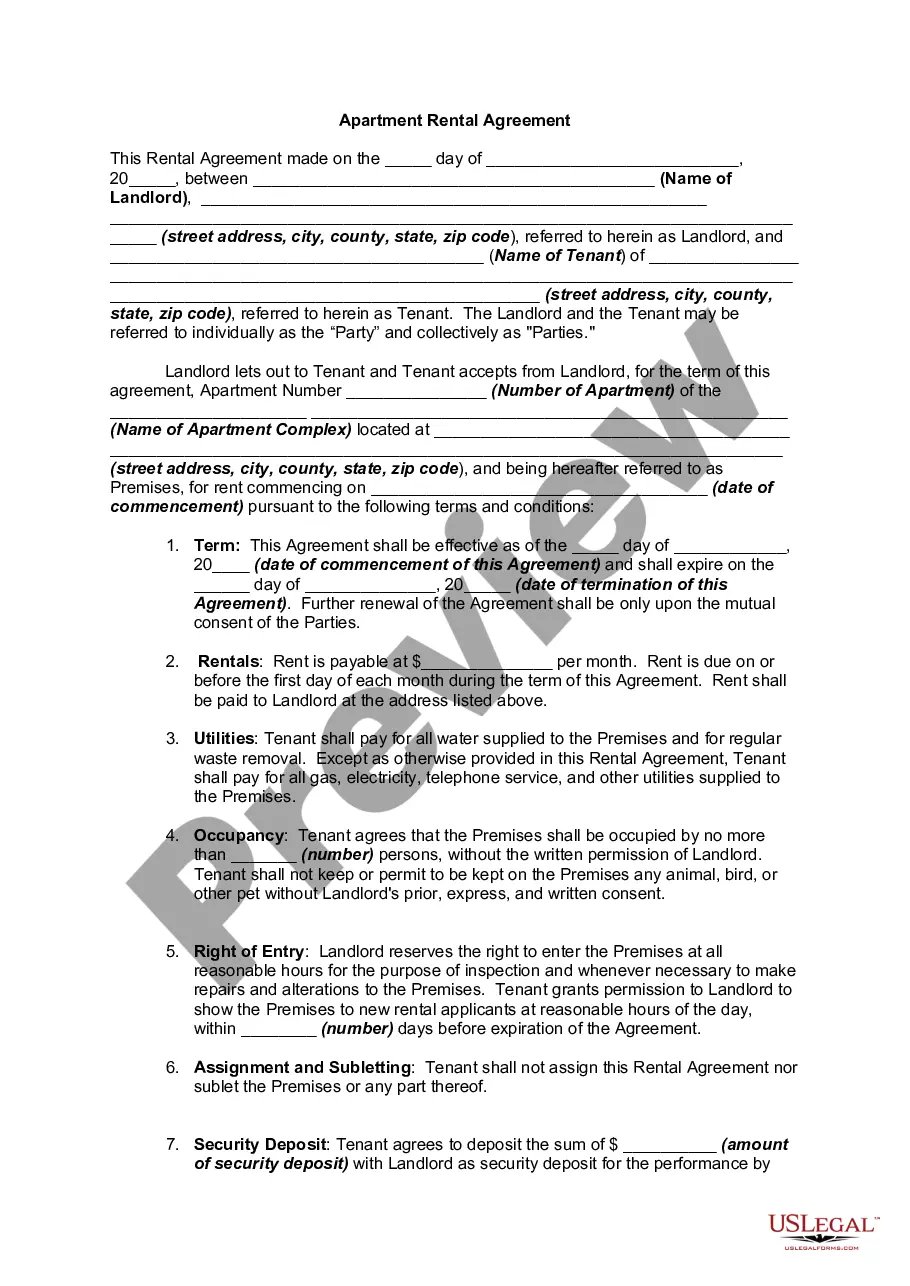


How to fill out Subordination Nondisturbance And Attornment Agreement?
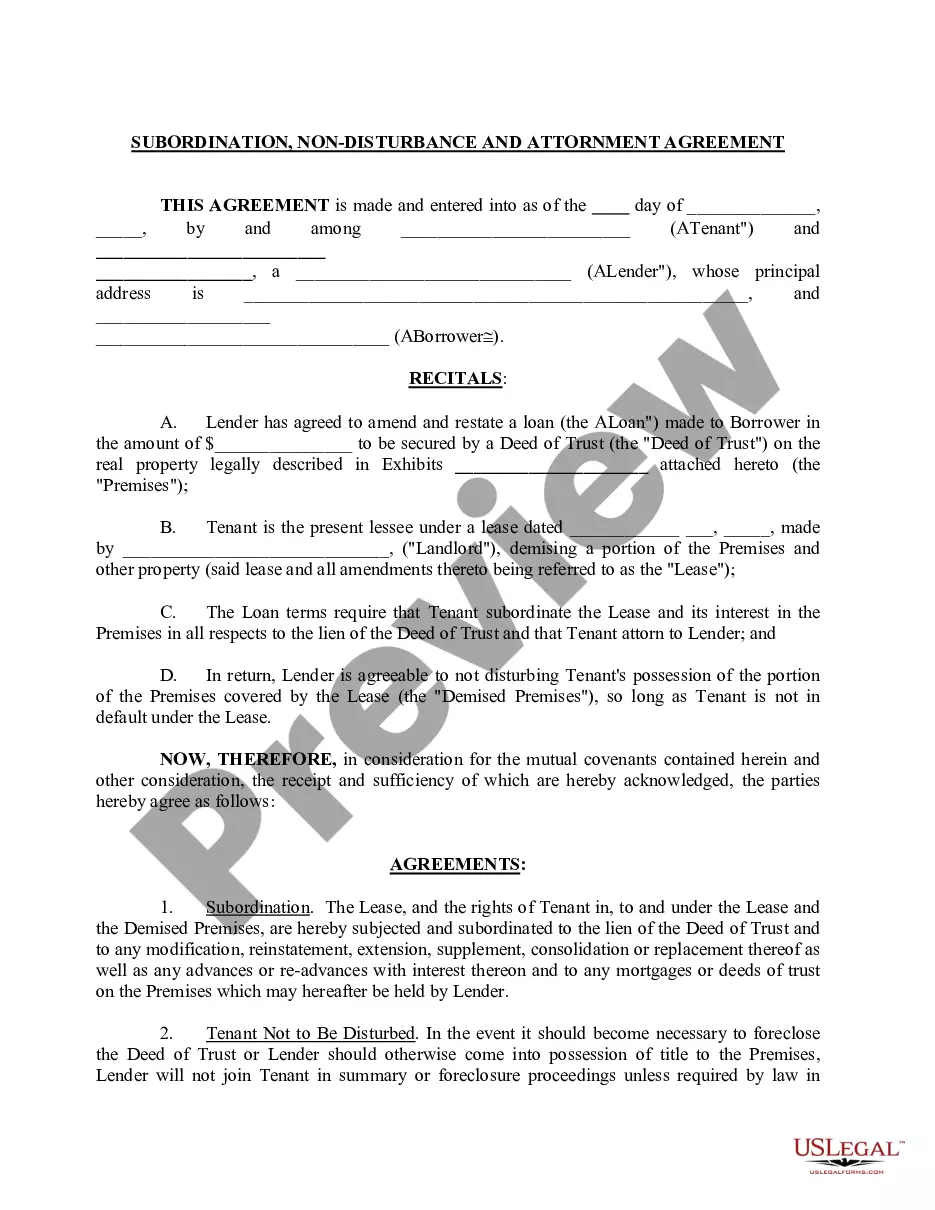
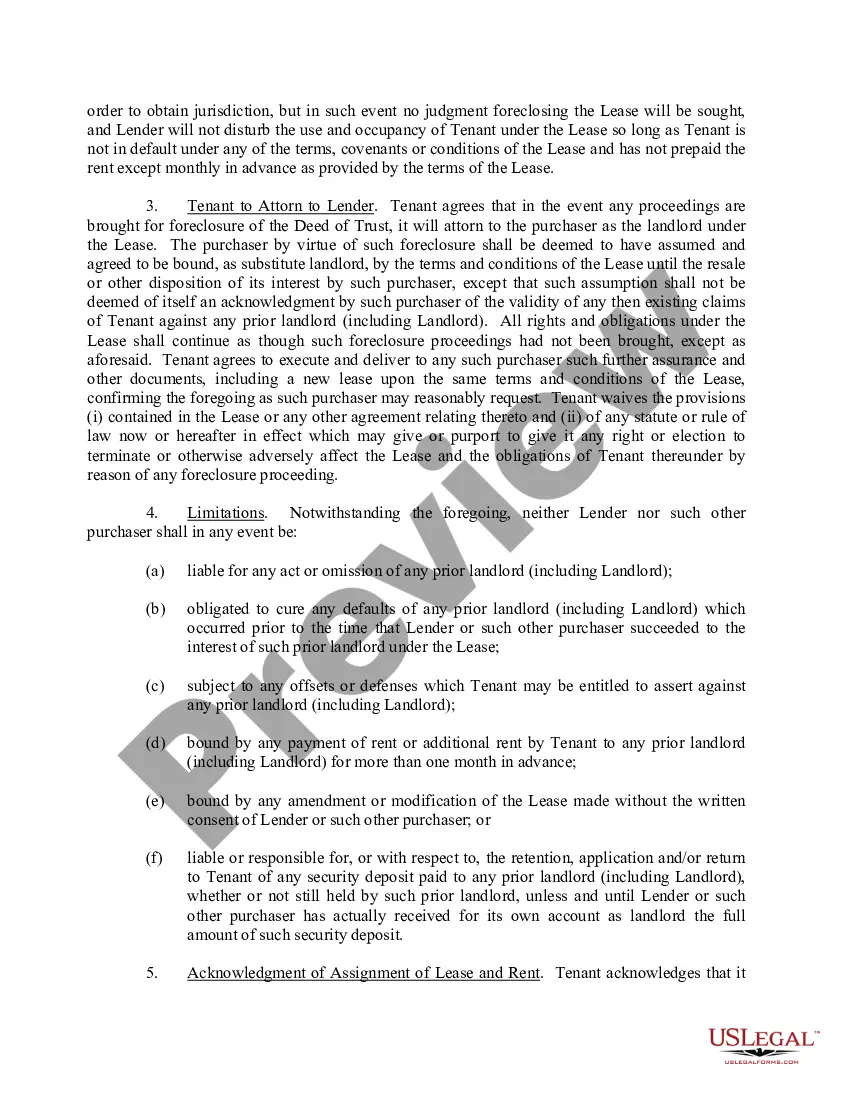
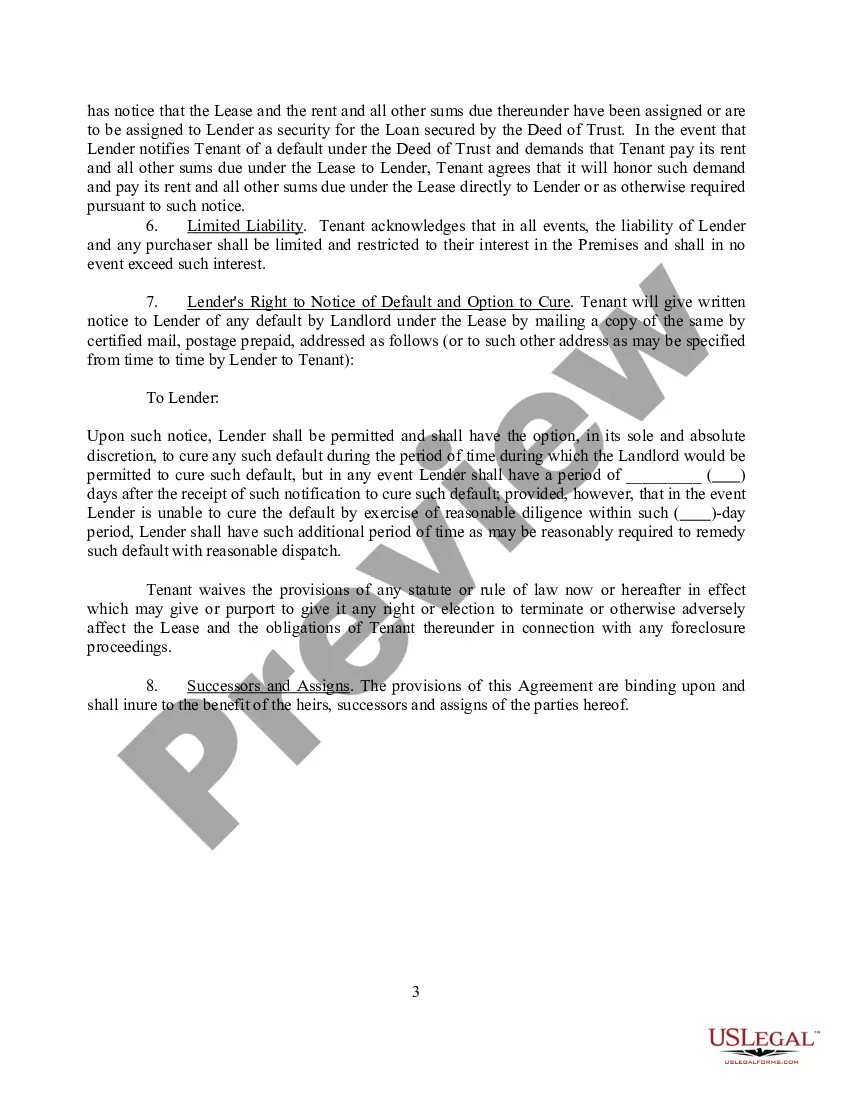
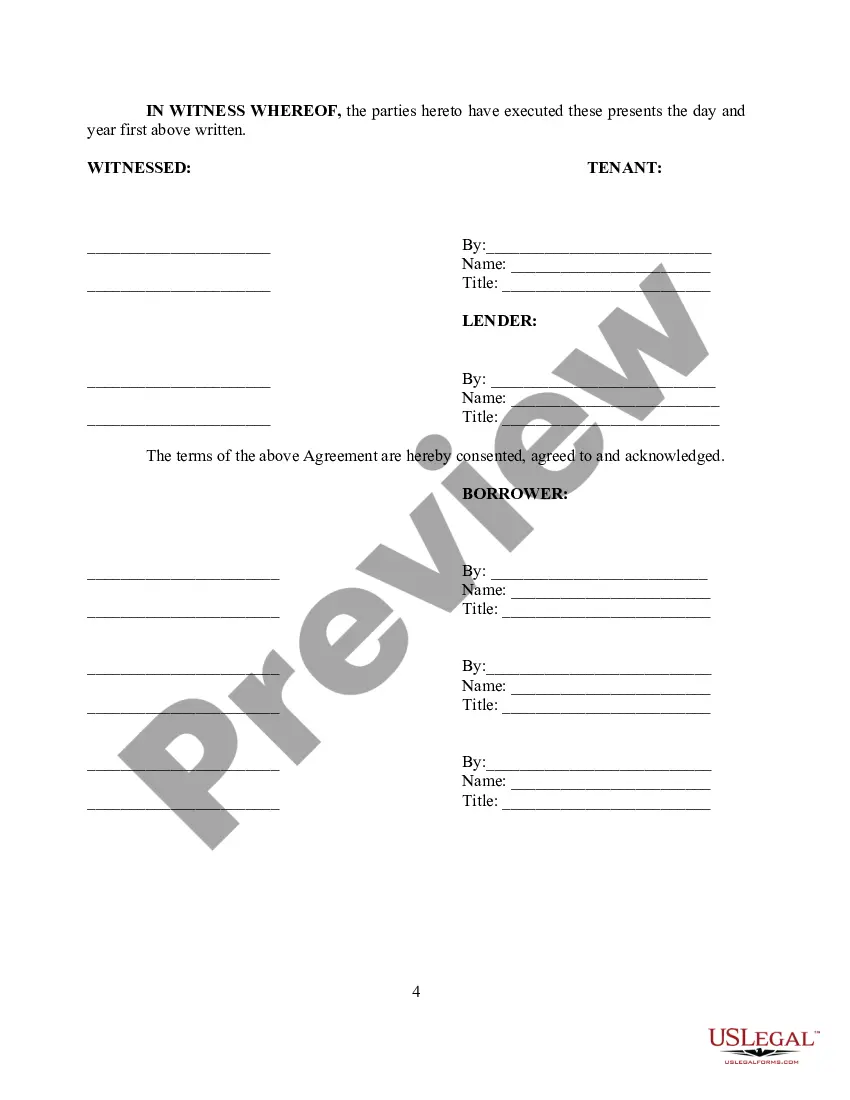
The Snda Document For Real Estate you observe on this page is a reusable formal blueprint crafted by professional attorneys in accordance with federal and state statutes and regulations.
For over 25 years, US Legal Forms has offered individuals, organizations, and lawyers more than 85,000 verified, state-specific documents for any business and personal event. It’s the fastest, most straightforward, and most reliable method to acquire the paperwork you require, as the service promises bank-level data security and anti-malware safeguards.
Choose the format you prefer for your Snda Document For Real Estate (PDF, Word, RTF) and download the sample onto your device.
- Locate the document you require and verify it.
- Browse the file you searched and preview it or review the form description to confirm it meets your criteria. If it doesn’t, utilize the search feature to discover the suitable one. Click Buy Now once you have found the template you need.
- Register and sign in.
- Select the pricing plan that fits you and set up an account. Use PayPal or a credit card to complete a swift payment. If you already possess an account, Log In and verify your subscription to continue.
- Obtain the editable template.
Form popularity
FAQ
SDNA stands for Subordination Non-Disturbance and Attornment. It essentially guarantees that if the landlord defaults, neither the landlord nor the lender can cancel a tenant's lease. Each individual word references a separate provision; some lenders may desire some provisions and not others, depending on their goals.
Lenders operating in the commercial real estate space will frequently require, or consider requiring, an additional document referred to as an ?SNDA,? an acronym that stands for ?Subordination, Non-Disturbance, and Attornment Agreement?.
More generally speaking, the purpose of obtaining an SNDA from a Lender's perspective is to be sure that the tenant's lease, and the rental cash flow stream that comes along with it, will stay in place even after a foreclosure sale.
A subordination, non-disturbance, and attornment agreement (SNDA) is a three-party agreement among: A lender who has (or is about to take) a security interest in real property that is being: encumbered by a mortgage, deed of trust, or other security instrument; and. affected by one or more commercial leases.
Generally speaking, a SNDA provides for: (1) the subordination of the tenant's leasehold rights to the lien of the lender's deed of trust; (2) the lender's agreement not to disturb the tenant's lease rights if the lender forecloses its lien following landlord default under its loan, and (3) the tenant's agreement to ...