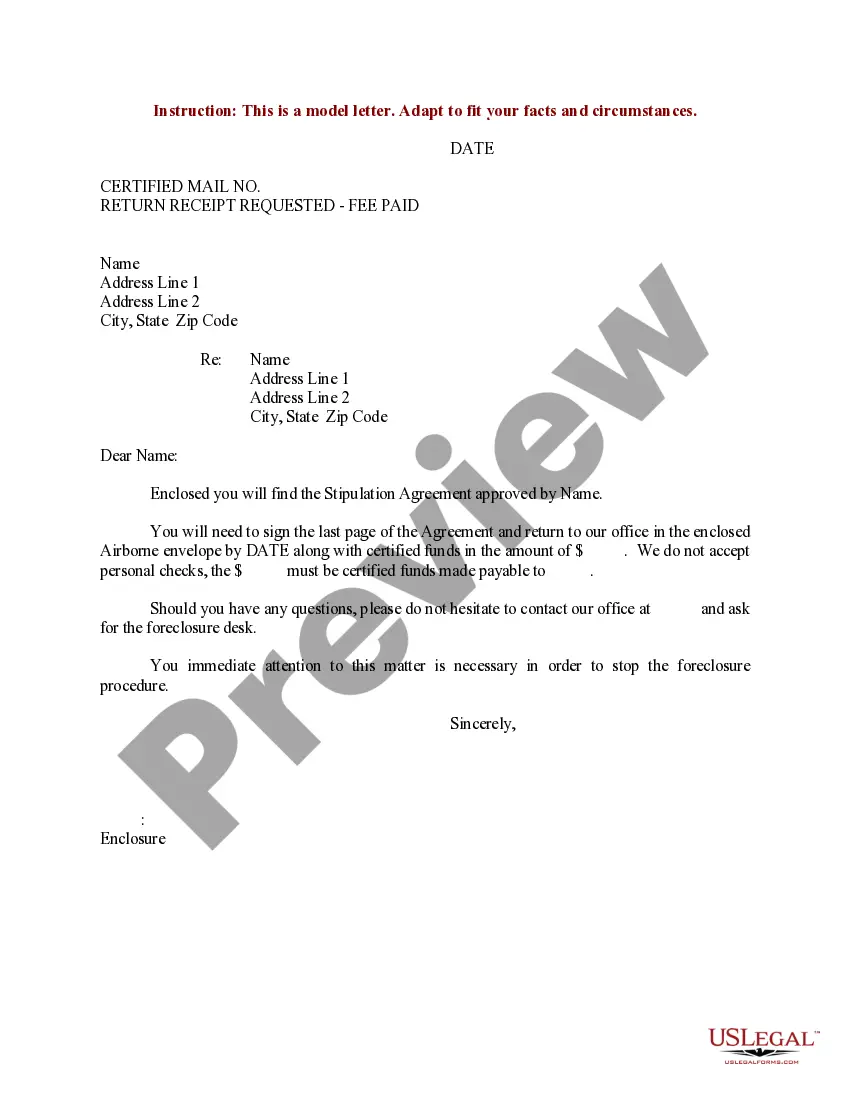
Stipulation With Prejudice
Description
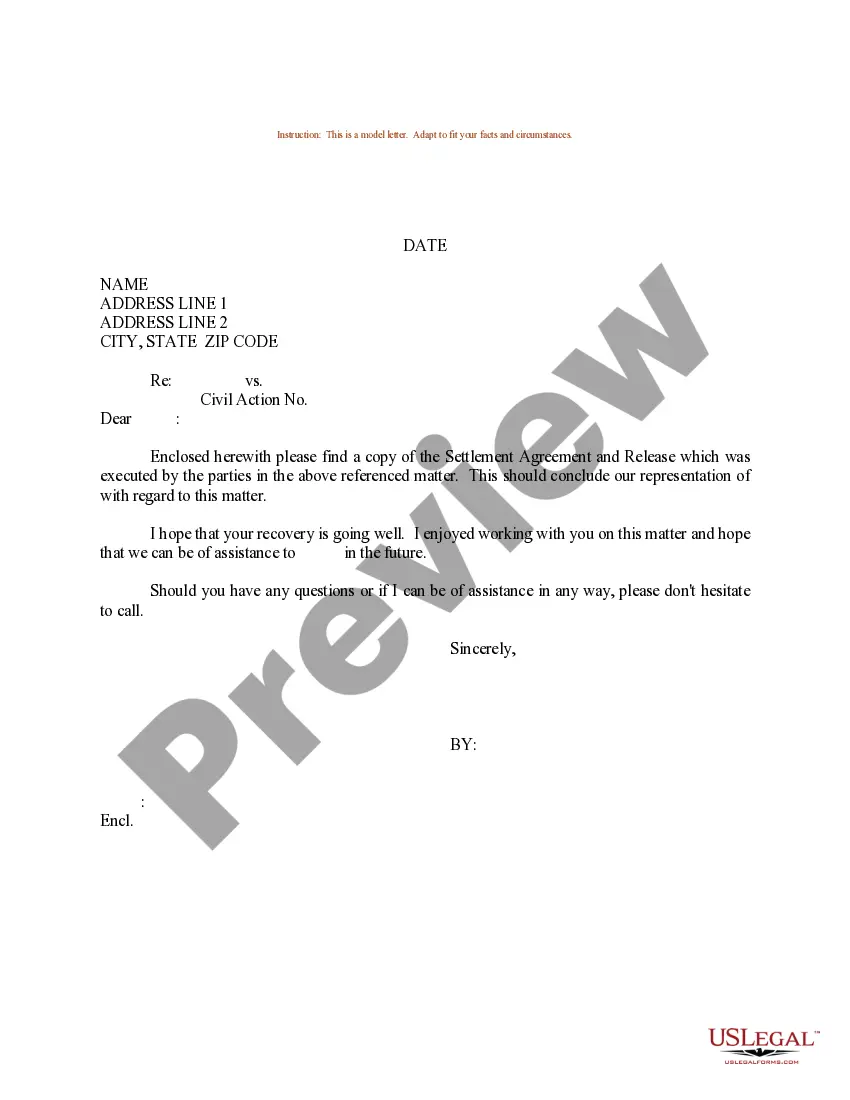
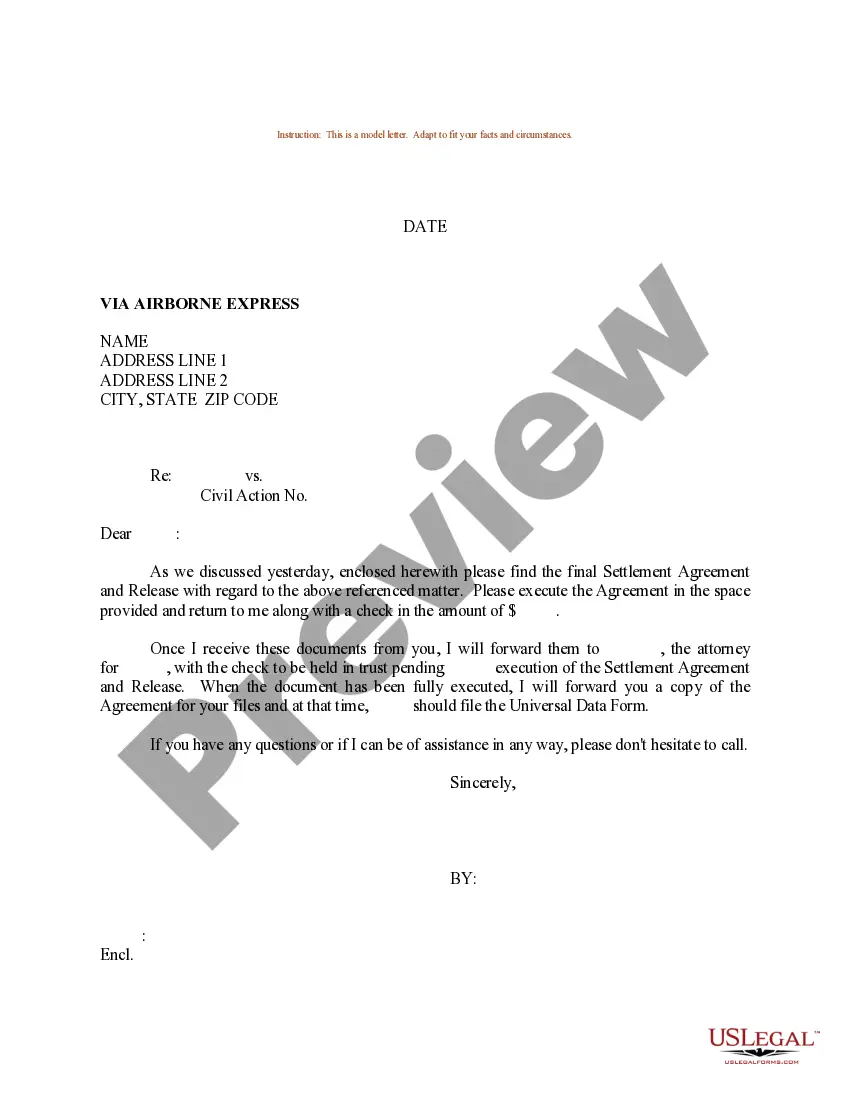
Get your form ready online
Our built-in tools help you complete, sign, share, and store your documents in one place.
Make edits, fill in missing information, and update formatting in US Legal Forms—just like you would in MS Word.
Download a copy, print it, send it by email, or mail it via USPS—whatever works best for your next step.
Sign and collect signatures with our SignNow integration. Send to multiple recipients, set reminders, and more. Go Premium to unlock E-Sign.
If this form requires notarization, complete it online through a secure video call—no need to meet a notary in person or wait for an appointment.
We protect your documents and personal data by following strict security and privacy standards.

Make edits, fill in missing information, and update formatting in US Legal Forms—just like you would in MS Word.

Download a copy, print it, send it by email, or mail it via USPS—whatever works best for your next step.

Sign and collect signatures with our SignNow integration. Send to multiple recipients, set reminders, and more. Go Premium to unlock E-Sign.

If this form requires notarization, complete it online through a secure video call—no need to meet a notary in person or wait for an appointment.

We protect your documents and personal data by following strict security and privacy standards.
Looking for another form?
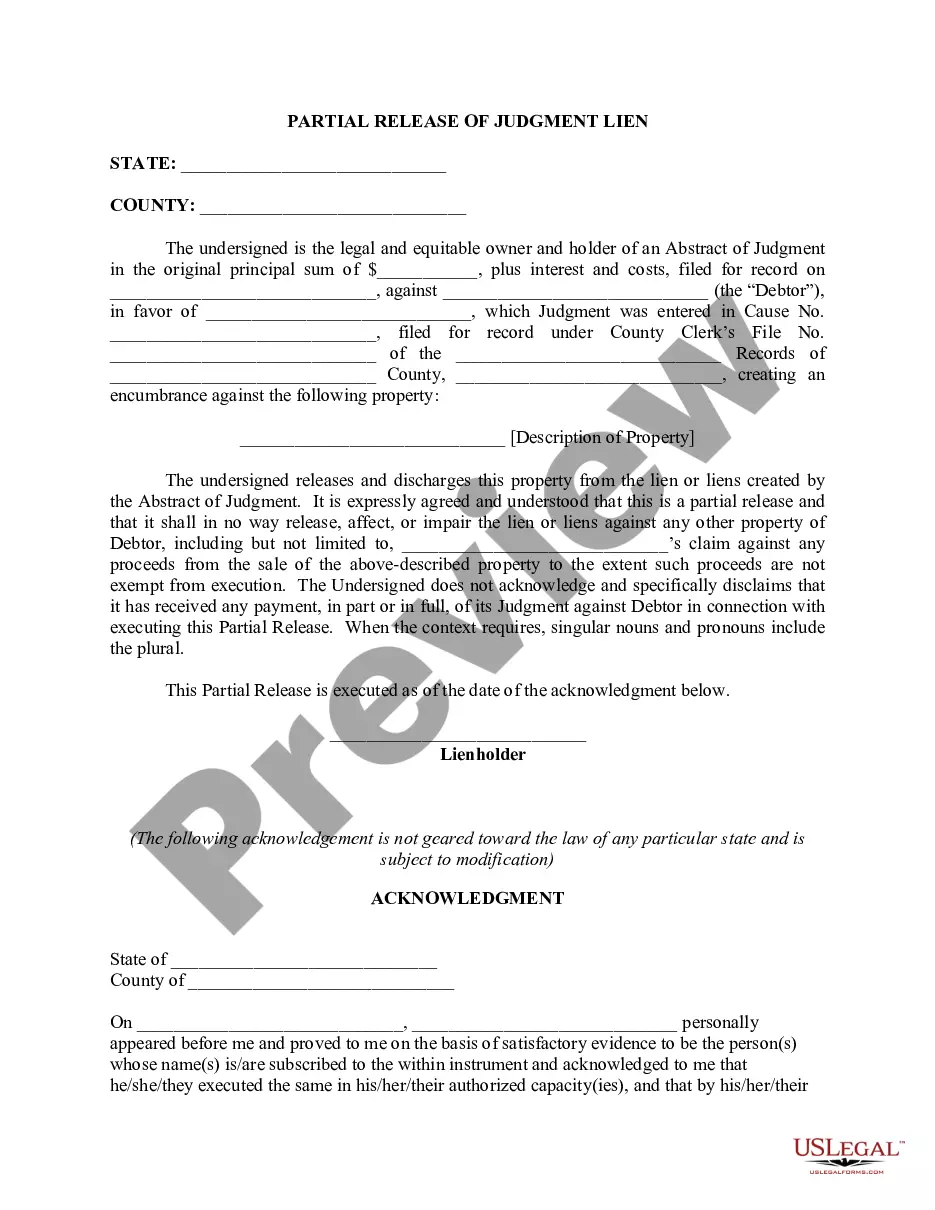
How to fill out Sample Letter For Stipulation Agreement?
- Log into your US Legal Forms account if you have used the service before. Ensure that your subscription is active; if not, renew it according to your payment plan.
- If you're a first-time user, start by selecting the appropriate form. Enter preview mode to validate its description against your local jurisdiction requirements.
- Use the search function if the initial form isn't suitable, ensuring you find the right stipulation with prejudice template.
- Purchase the document by clicking the 'Buy Now' button and choosing your desired subscription plan.
- Complete your transaction by entering your credit card information or utilizing your PayPal account for payment.
- Download the completed form to your device, making it easy to fill out and save later. Access your documents anytime through the 'My Forms' section.
With these straightforward steps, obtaining your stipulation with prejudice form becomes a hassle-free experience. US Legal Forms empowers users with an extensive library, ensuring you find what you need efficiently.
Ready to simplify your legal document needs? Visit US Legal Forms today to explore the comprehensive options available at your fingertips.
Form popularity
FAQ
Dismissal with prejudice is a court ruling that terminates a case, barring any further action on the same claim in the future. This decision indicates that the court has fully considered the matter and reached a conclusion, rendering similar claims ineligible for re-filing. When a case is dismissed with prejudice, it reinforces the idea of finality in the legal process, allowing both parties to move forward without fear of reopening the matter. If you're dealing with a similar situation, USLegalForms can provide the resources you need to navigate these legal terms effectively.
A stipulation with prejudice refers to an agreement reached by both parties in a legal case that prevents the same claim from being brought to court again. This type of stipulation effectively ends the case, ensuring that the issues involved cannot be raised in future lawsuits. When both parties stipulate with prejudice, they agree to resolve the matter completely, promoting finality and reducing further litigation. Utilizing a stipulation with prejudice can save time, resources, and emotional stress for everyone involved.
A stipulation with prejudice is an agreement between parties that results in the dismissal of a case, preventing the plaintiff from re-filing the same claim. This legal tool allows for a quick resolution while ensuring finality. It’s vital to understand the implications of such a stipulation, as it directly affects your legal options moving forward.
The most common reason for cases to be dismissed is the lack of legal standing or failure to state a claim. Courts often find that a complaint does not present enough factual basis to proceed. Stipulation with prejudice may arise when parties agree to dismiss the case instead of letting it linger in the court system, ultimately saving time and resources.
To achieve a dismissal with prejudice, you typically need to file a motion supported by legitimate reasons. The court will evaluate the merits of your motion before making a decision. Engaging an attorney can significantly enhance your chances, as they can craft a compelling Stipulation with prejudice that aligns with your objectives.
A plaintiff's motion to dismiss with prejudice is a formal request asking the court to end the lawsuit permanently. This motion implies that the plaintiff believes there are no remaining issues to resolve. Utilizing a Stipulation with prejudice in the motion reinforces its intent, ensuring that the case cannot be reopened in the future.
A case may be dismissed with prejudice for various reasons, including a failure to prosecute or provide evidence. Additionally, if a party breaches a settlement agreement or engages in misconduct, the court might impose this dismissal. A Stipulation with prejudice often supports these decisions, marking an end to disputes in a particular lawsuit.
An order to dismiss with prejudice is a court decree that permanently prevents a plaintiff from bringing the same claim again. This ruling indicates that the court has reached a final decision on the matter. Understanding this concept is essential, as a Stipulation with prejudice often accompanies this type of dismissal, determining the case's fate in a definitive manner.
To appeal a dismissed case with prejudice, you must file a notice of appeal promptly after the order. It is important to highlight legal errors in the dismissal and present strong grounds that merit a review. Additionally, consider consulting a legal expert for guidance, as they can help you navigate the complexities of your case, especially regarding Stipulation with prejudice.
To get a case dismissed with prejudice, the plaintiff typically needs to file a motion indicating their desire to close the case permanently. This can be done through a stipulation with prejudice, which both parties must agree upon. It's important to follow the specific legal requirements laid out in your jurisdiction, as failure to do so can result in the case remaining open. For assistance with the paperwork, consider utilizing resources from US Legal Forms to ensure you meet all necessary guidelines.