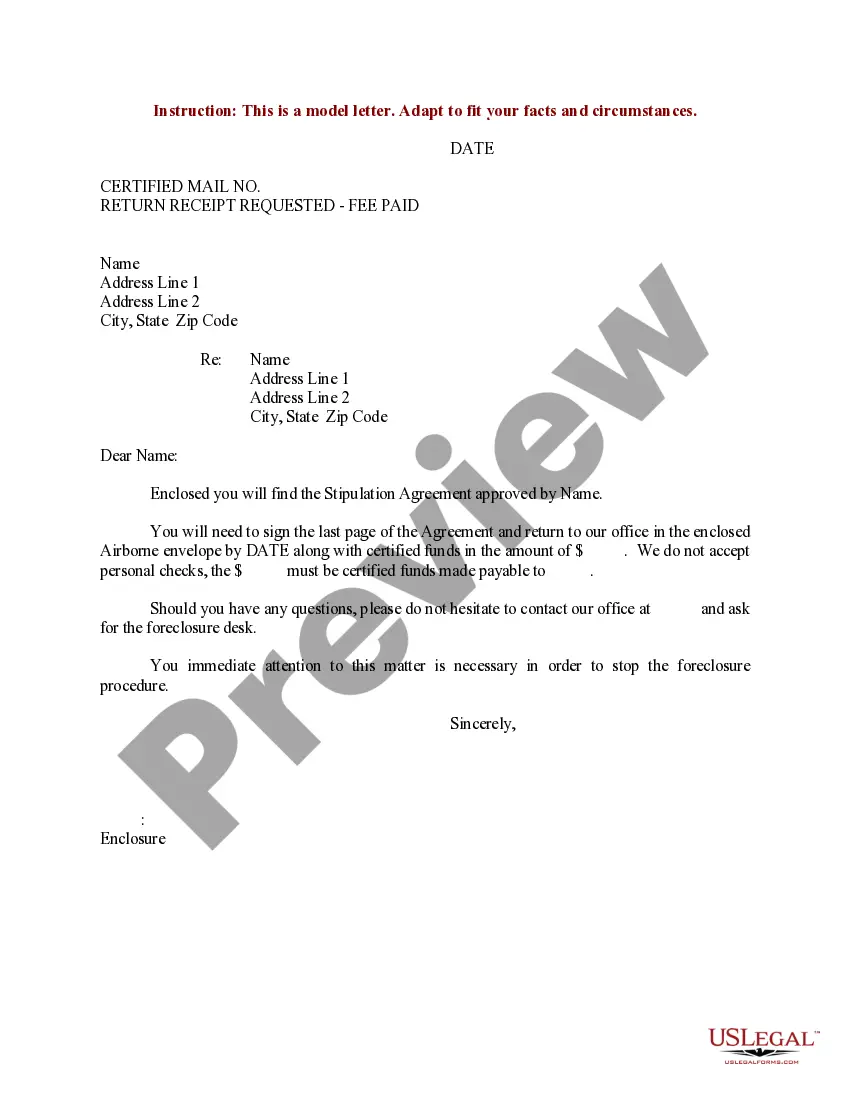
Stipulation For Dismissal With Prejudice
Description
Get your form ready online
Our built-in tools help you complete, sign, share, and store your documents in one place.
Make edits, fill in missing information, and update formatting in US Legal Forms—just like you would in MS Word.
Download a copy, print it, send it by email, or mail it via USPS—whatever works best for your next step.
Sign and collect signatures with our SignNow integration. Send to multiple recipients, set reminders, and more. Go Premium to unlock E-Sign.
If this form requires notarization, complete it online through a secure video call—no need to meet a notary in person or wait for an appointment.
We protect your documents and personal data by following strict security and privacy standards.

Make edits, fill in missing information, and update formatting in US Legal Forms—just like you would in MS Word.

Download a copy, print it, send it by email, or mail it via USPS—whatever works best for your next step.

Sign and collect signatures with our SignNow integration. Send to multiple recipients, set reminders, and more. Go Premium to unlock E-Sign.

If this form requires notarization, complete it online through a secure video call—no need to meet a notary in person or wait for an appointment.

We protect your documents and personal data by following strict security and privacy standards.
Looking for another form?
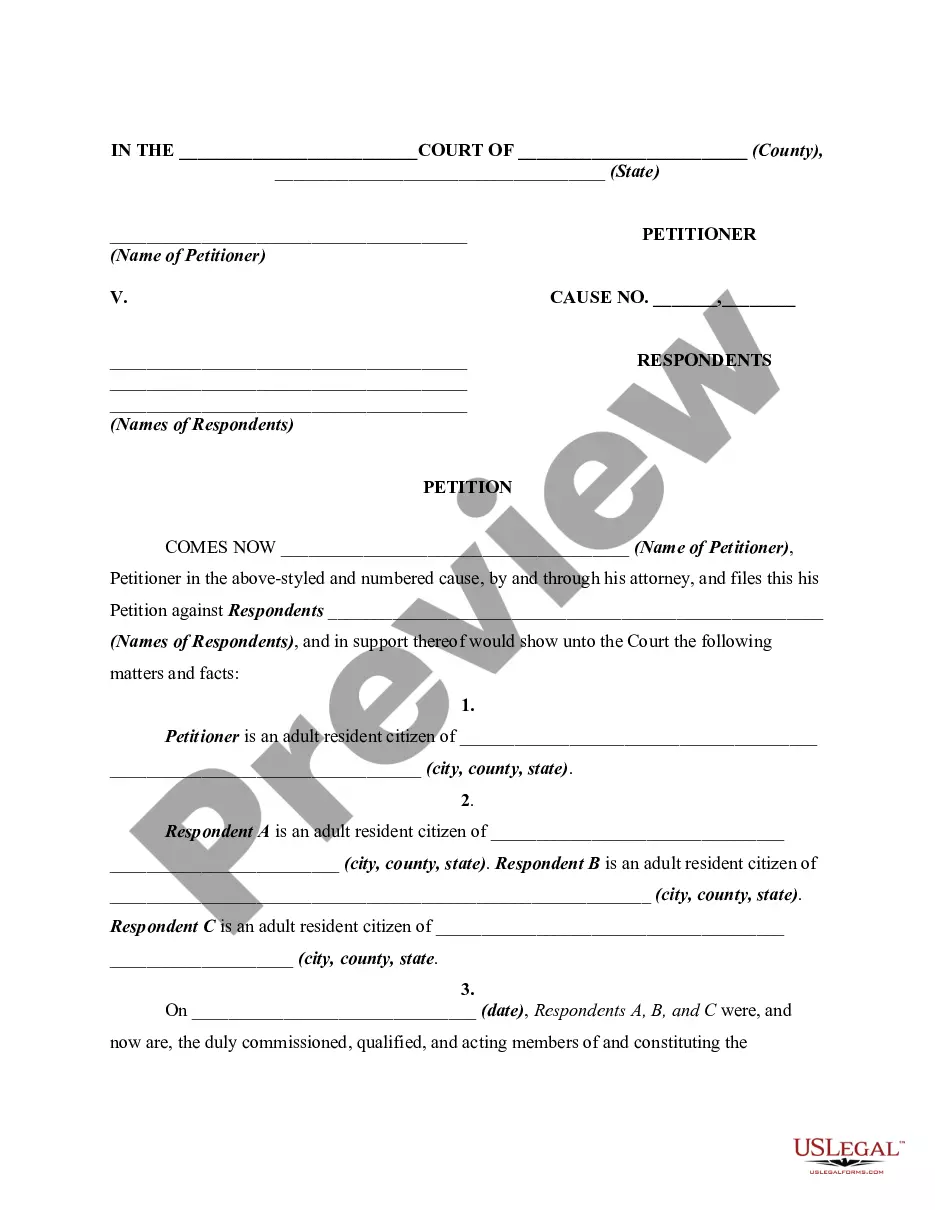
How to fill out Sample Letter For Stipulation Agreement?
Legal paperwork management can be daunting, even for skilled professionals.
If you are looking for a Stipulation For Dismissal With Prejudice and cannot find the time to search for the correct and current version, the process may become challenging.
Access a valuable repository of articles, guides, handbooks, and materials pertinent to your circumstances and requirements.
Save time and effort searching for the documents you require, using US Legal Forms’ sophisticated search and Preview feature to locate Stipulation For Dismissal With Prejudice and acquire it.
Ensure that the sample is approved in your state or county. Choose Buy Now when you are ready. Select a subscription plan. Locate the format you require, and Download, fill out, sign, print, and deliver your document. Take advantage of the US Legal Forms online library, supported by 25 years of experience and credibility. Transform your daily document management into a straightforward and user-friendly process today.
- If you have a monthly subscription, Log In to your US Legal Forms account, search for the form, and obtain it.
- Check the My documents tab to view the documents you have previously downloaded and to manage your folders as you see fit.
- If you are new to US Legal Forms, create a complimentary account and gain unlimited access to all the benefits of the library.
- Here are the steps to follow after accessing the form you need.
- Verify that this is the right form by previewing it and reviewing its description.
- Access state- or county-specific legal and business documents.
- US Legal Forms meets any requirements you may have, from personal to business papers, all in one location.
- Utilize advanced tools to complete and handle your Stipulation For Dismissal With Prejudice.
Form popularity
FAQ
The term stipulation for dismissal with prejudice refers to a mutual agreement between parties to end a case permanently. This means neither party can file the same claim in the future. Such stipulations often come about as part of a settlement or after negotiations, ensuring that both sides clearly understand their limitations. For those uncertain about this process, platforms like USLegalForms provide valuable resources and guidance.
Generally, you cannot appeal a case that has been dismissed with prejudice since this type of dismissal is final. A stipulation for dismissal with prejudice indicates that the matter has been conclusively resolved. As a result, parties accept the outcome without the option to appeal. Understanding this helps defendants recognize the importance of legal representation when navigating their choices.
A dismissal without prejudice can be seen as both good and bad, depending on the context. It allows the plaintiff to file the case again in the future, which can be beneficial if they need more time to gather evidence. However, it also means that the underlying issue remains unresolved, creating uncertainty for both parties involved.
A case may be dismissed with prejudice for various reasons, including settlement between the parties or a lack of sufficient evidence. By choosing a stipulation for dismissal with prejudice, both parties agree to drop the case permanently, often to avoid further legal costs. This action signals a conclusive end and forecloses any chance of re-filing the same claim.
A stipulated dismissal is indeed considered a final judgment. When parties agree to sign a stipulation for dismissal with prejudice, they effectively end the case permanently. This means that the court recognizes the case as resolved, and the decision is binding. Therefore, no further legal actions can arise from the same set of circumstances.
A stipulation of dismissal with prejudice is an agreement between parties in a legal case that leads to its dismissal, preventing any future claims based on the same cause of action. This stipulation is often filed in court and needs both parties' consent to be effective. The stipulation helps clear the court's docket while protecting the interests of the defendant. If you have questions about drafting a stipulation for dismissal with prejudice, consider using the resources available on US Legal Forms to guide you through the process.
The order to dismiss with prejudice is a legal document issued by the court that formally terminates a case permanently. This order states that the plaintiff cannot bring the same claim against the defendant again. It serves to finalize the dispute and prevent further litigation. When considering the stipulation for dismissal with prejudice, it is essential to recognize the importance of this order in ensuring both parties can move on without further legal entanglements.
To secure a dismissal with prejudice, a party typically needs to file a motion with the court, outlining the reasons for the request. This motion may include evidence showing that continuing the case would be pointless or unjust. If the court is persuaded by the arguments presented, it may grant the dismissal, providing a strong finality to the matter. Understanding the stipulation for dismissal with prejudice can empower you to take the right actions effectively.
Several factors can lead to a case being dismissed with prejudice. Common reasons include failure to adhere to court procedures, lack of evidence, or a settlement agreement between parties. Additionally, if the court finds that the case is without merit after a thorough review, it may dismiss it with prejudice. Therefore, knowing the stipulation for dismissal with prejudice can help you navigate the potential outcomes of your case.
A dismissal with prejudice occurs when a court terminates a case permanently, preventing the plaintiff from filing the same claim again. For example, if a plaintiff sues for breach of contract and the court dismisses the case with prejudice, that plaintiff cannot bring up the same issue in the future. This serves as a final resolution to the matter, ensuring the defendant is safeguarded from future claims related to that specific dispute. Thus, understanding the stipulation for dismissal with prejudice is crucial for both parties involved.