Oil And Gas Forms Formed
Description
Get your form ready online
Our built-in tools help you complete, sign, share, and store your documents in one place.
Make edits, fill in missing information, and update formatting in US Legal Forms—just like you would in MS Word.
Download a copy, print it, send it by email, or mail it via USPS—whatever works best for your next step.
Sign and collect signatures with our SignNow integration. Send to multiple recipients, set reminders, and more. Go Premium to unlock E-Sign.
If this form requires notarization, complete it online through a secure video call—no need to meet a notary in person or wait for an appointment.
We protect your documents and personal data by following strict security and privacy standards.

Make edits, fill in missing information, and update formatting in US Legal Forms—just like you would in MS Word.

Download a copy, print it, send it by email, or mail it via USPS—whatever works best for your next step.

Sign and collect signatures with our SignNow integration. Send to multiple recipients, set reminders, and more. Go Premium to unlock E-Sign.

If this form requires notarization, complete it online through a secure video call—no need to meet a notary in person or wait for an appointment.

We protect your documents and personal data by following strict security and privacy standards.
Looking for another form?
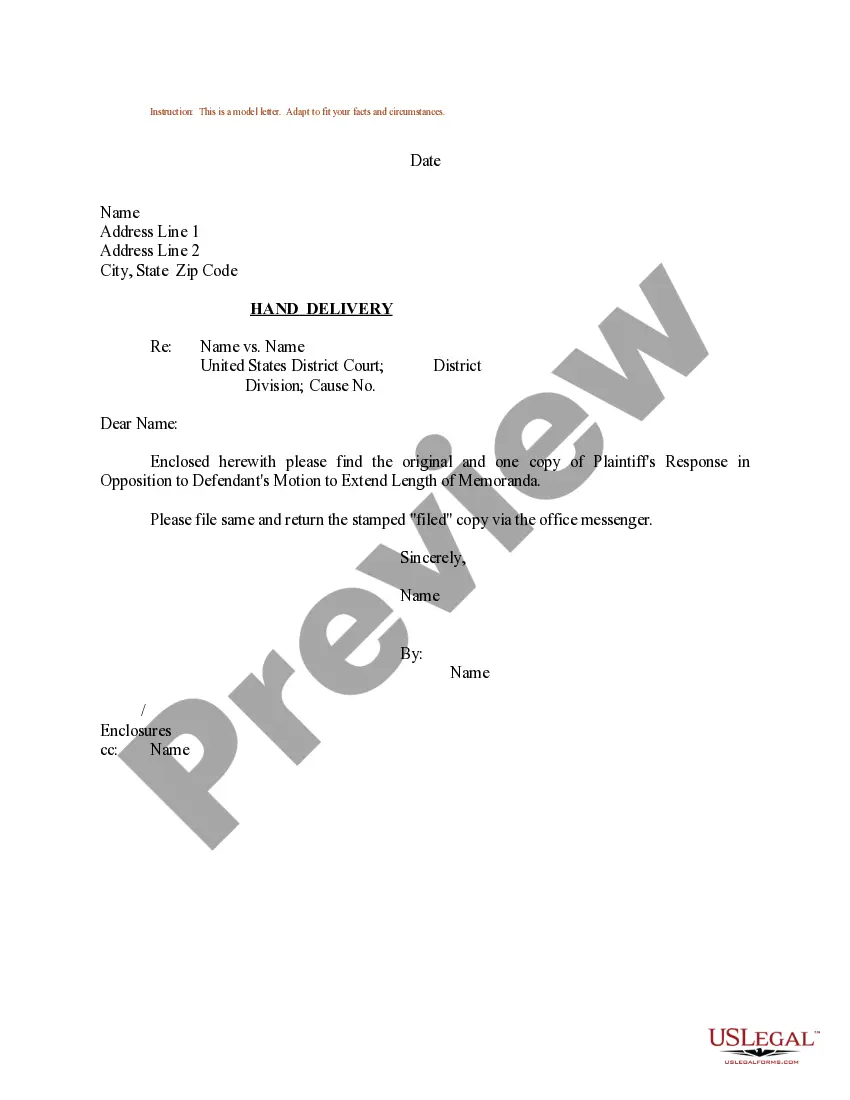
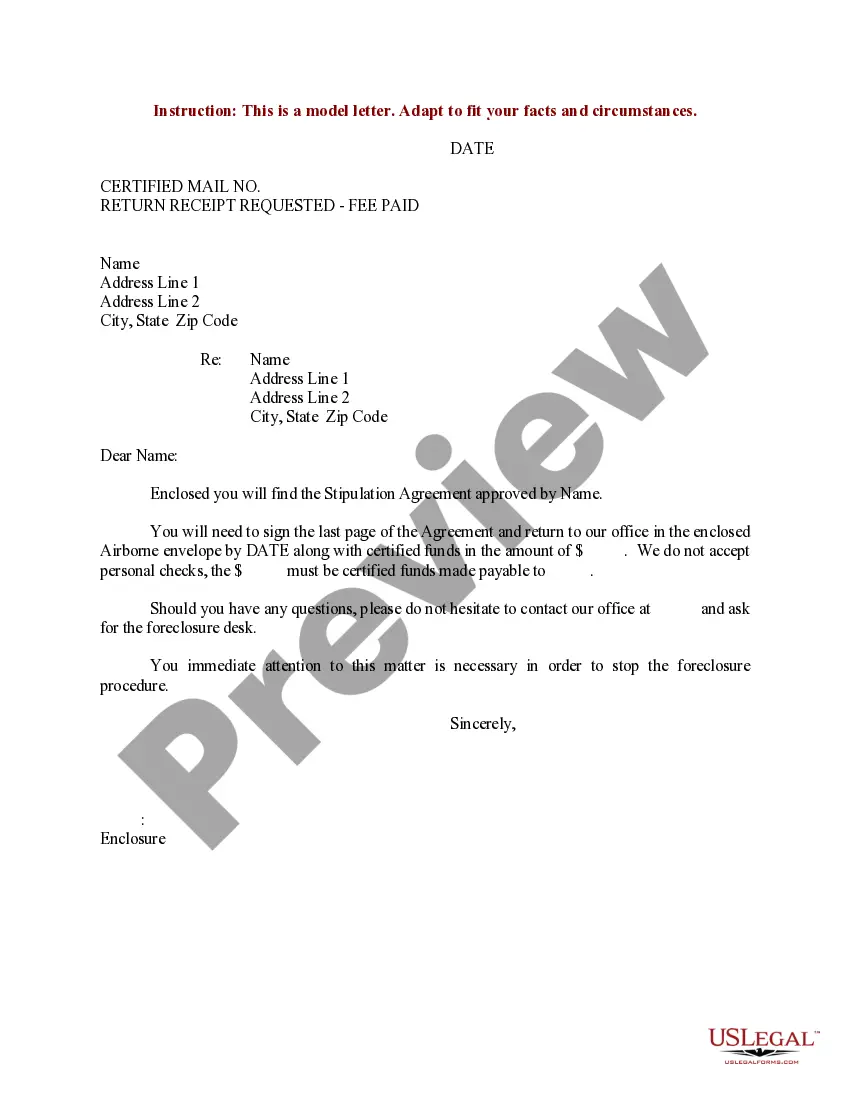
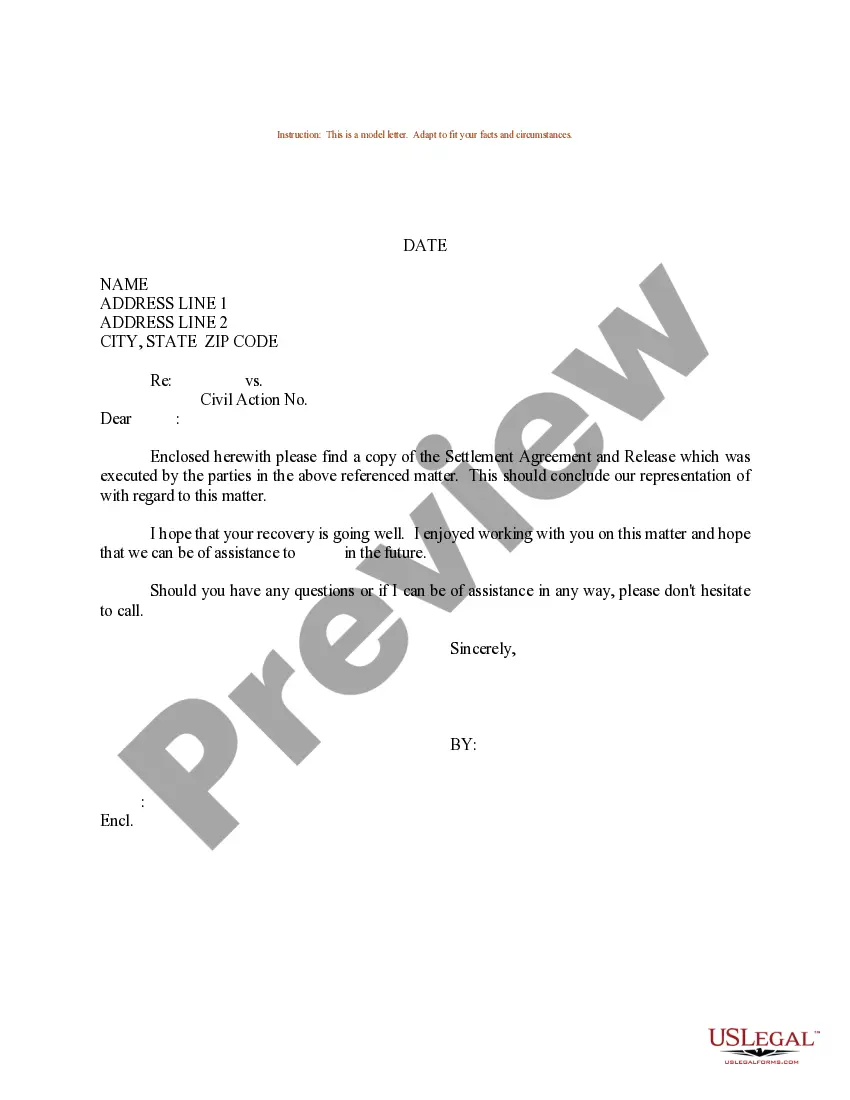
How to fill out Sample Letter For Stipulation Agreement?
Legal documents management can be exasperating, even for experienced professionals.
When you’re looking for Oil And Gas Forms Formed and lack the time to hunt for the correct and updated edition, the process can be stressful.
Access a knowledge base of articles, guides, handbooks, and resources relevant to your circumstances and requirements.
Save time and effort trying to find the documents you require, and leverage US Legal Forms’ superior search and Preview feature to locate Oil And Gas Forms Formed and obtain it.
Make sure that the template is valid in your state or county. Click Buy Now when you are ready. Choose a subscription plan. Select the file format you prefer, then Download, fill out, sign, print, and submit your documents. Take advantage of the US Legal Forms online library, supported by 25 years of expertise and reliability. Transform your daily document management into a simple and straightforward process today.
- If you have a membership, Log In to your US Legal Forms account, search for the document, and retrieve it.
- Check your My documents section to review the documents you’ve previously downloaded and manage your folders as needed.
- If this is your first experience with US Legal Forms, create an account and gain unlimited access to all platform benefits.
- Here are the steps to follow after accessing the desired form.
- Confirm that this is the correct form by previewing it and reviewing its details.
- Access state- or county-specific legal and business templates.
- US Legal Forms accommodates any needs you may have, from personal to business documents, all in one location.
- Utilize advanced tools to complete and manage your Oil And Gas Forms Formed.
Form popularity
FAQ
Creating oil artificially is an intriguing concept. Scientists have explored methods to replicate the natural processes that form oil and gas. These processes typically take millions of years, so while there are laboratory techniques to produce oil-like substances, they do not completely replicate oil and gas forms formed in nature. For those interested in understanding oil and gas forms formed, exploring resources available through US Legal Forms can provide valuable guidance on legalities and documentation.
Oil and gas are formed from the remains of tiny plants and animals that lived millions of years ago. When these organisms died, they settled on the seabed and were buried under layers of sediment. Over time, heat and pressure transformed these organic materials into hydrocarbons, which we now refer to as oil and gas. Understanding the origins of oil and gas forms formed is essential for anyone involved in the energy sector.
The formation of oil and gas is a natural process involving the transformation of organic material into hydrocarbons. This process takes millions of years and involves heat, pressure, and complex geological changes. Understanding this formation helps in efficient exploration and extraction strategies. With resources like US Legal Forms, you can navigate the legal requirements involved in dealing with oil and gas forms formed today.
A formation of oil and gas refers to a specific layer of rock containing hydrocarbons. These formations can be extensive or localized, depending on geological conditions. Assessing a formation’s properties is essential for exploration and production efforts. This process directly influences the development of various oil and gas forms formed in specific locations worldwide.
Oil and gas formations vary significantly, reflecting different geological processes. Major types include conventional reservoirs, where hydrocarbons are trapped in porous rocks, and unconventional sources like shale formations and oil sands. Each type has unique characteristics that affect extraction methods and economic viability. Understanding these types is crucial for anyone engaging with the oil and gas forms formed in the industry.
The theory of oil and gas formation explains how these resources develop over millions of years. Organic materials, primarily from tiny marine organisms, accumulate in sedimentary rocks. Over time, heat and pressure transform these materials into hydrocarbons, the building blocks of oil and gas. This process highlights the intricate journey that leads to oil and gas forms formed deep beneath the Earth's surface.
We call crude oil and petroleum fossil fuels because they are mixtures of hydrocarbons that formed from the remains of animals and plants (diatoms) that lived millions of years ago in a marine environment before dinosaurs existed.
Crude oil is a naturally occurring fossil fuel - meaning it comes from the remains of dead organisms. Crude oil is made up of a mixture of hydrocarbons - hydrogen and carbon atoms. It exists in liquid form in underground reservoirs in the tiny spaces within sedimentary rocks.
Plate tectonics is also responsible for creating the "pressure cooker" that slowly matures the organics into oil and gas. This process usually takes millions of years, giving the oil and gas deposits plenty of time to migrate around the globe on the back of plate movements.
Sedimentary rocks Petroleum may occur in any porous rock, but it is usually found in sedimentary rocks such as sandstone or limestone.