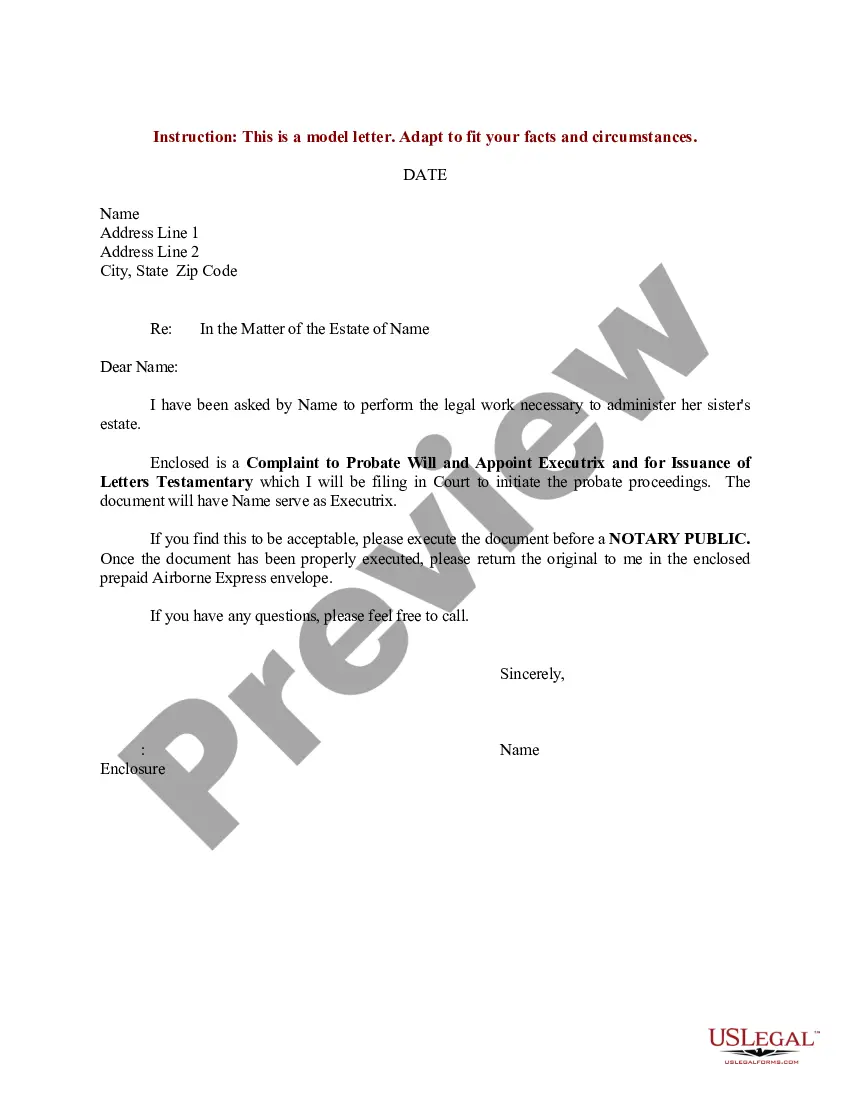
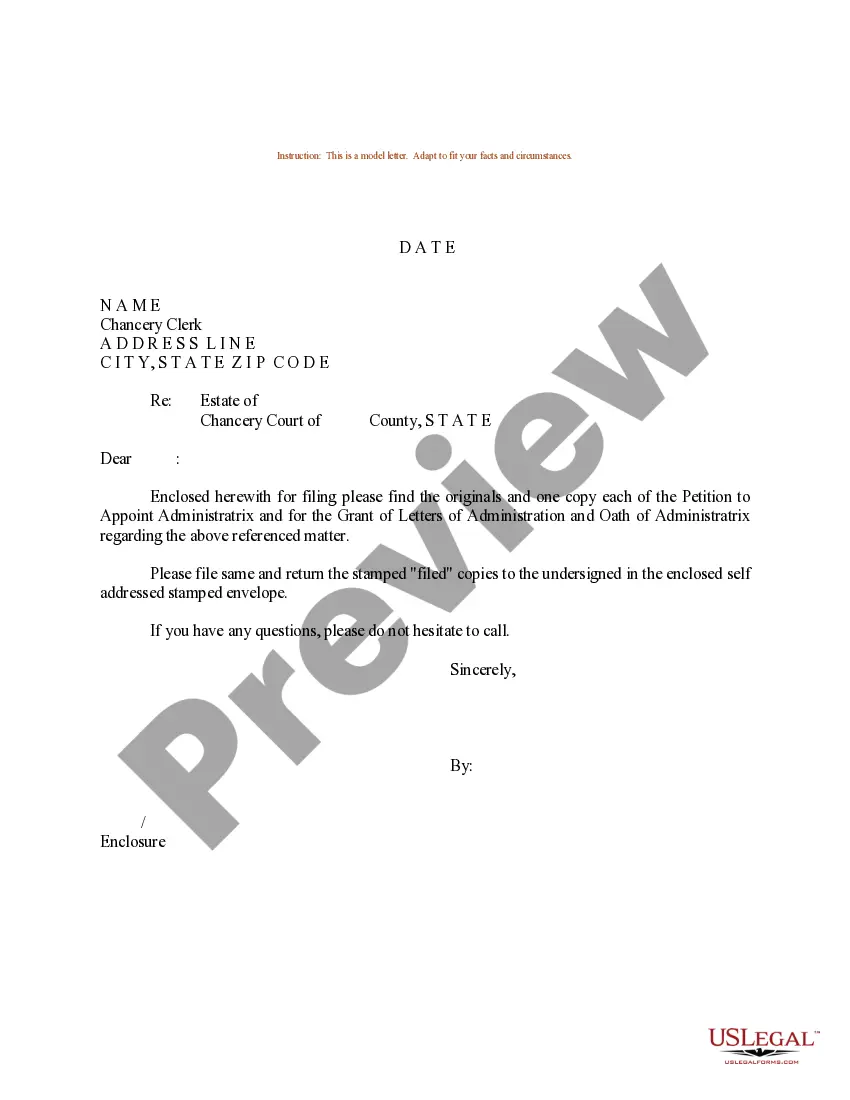
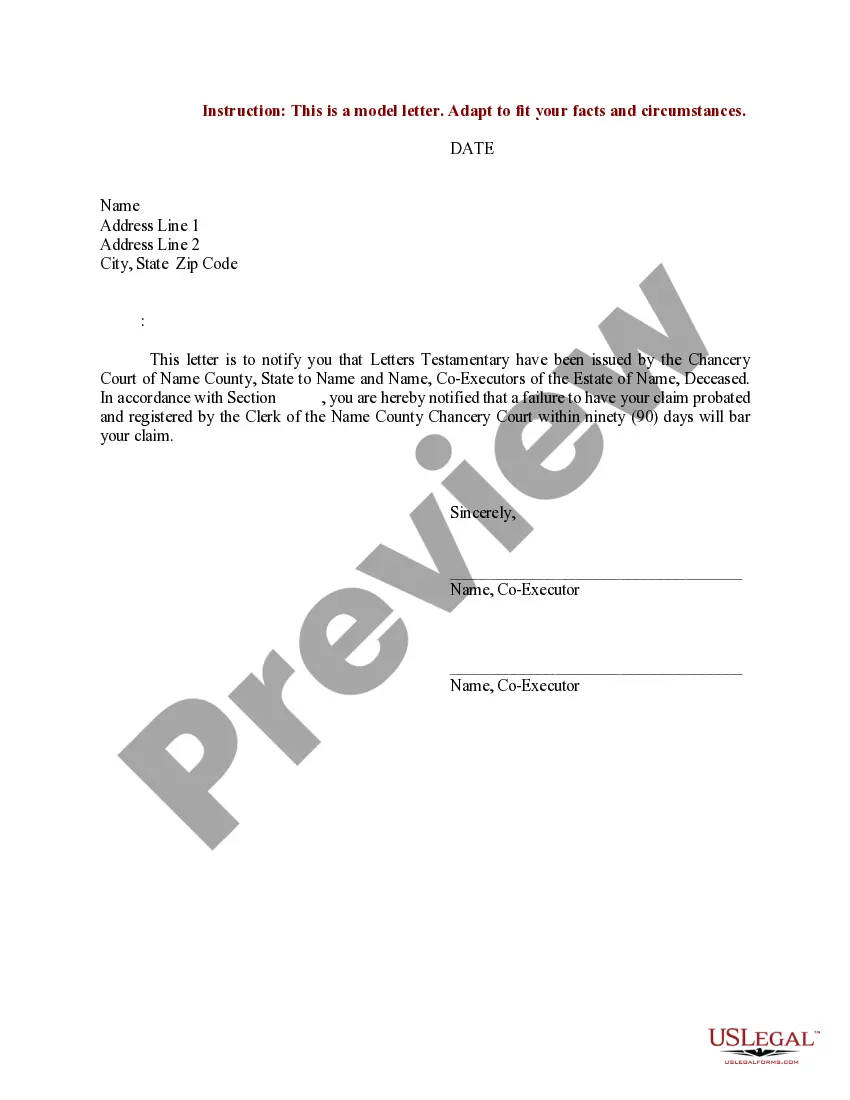
Texas Probate Creditor Claim Form With Estate
Description
Get your form ready online
Our built-in tools help you complete, sign, share, and store your documents in one place.
Make edits, fill in missing information, and update formatting in US Legal Forms—just like you would in MS Word.
Download a copy, print it, send it by email, or mail it via USPS—whatever works best for your next step.
Sign and collect signatures with our SignNow integration. Send to multiple recipients, set reminders, and more. Go Premium to unlock E-Sign.
If this form requires notarization, complete it online through a secure video call—no need to meet a notary in person or wait for an appointment.
We protect your documents and personal data by following strict security and privacy standards.

Make edits, fill in missing information, and update formatting in US Legal Forms—just like you would in MS Word.

Download a copy, print it, send it by email, or mail it via USPS—whatever works best for your next step.

Sign and collect signatures with our SignNow integration. Send to multiple recipients, set reminders, and more. Go Premium to unlock E-Sign.

If this form requires notarization, complete it online through a secure video call—no need to meet a notary in person or wait for an appointment.

We protect your documents and personal data by following strict security and privacy standards.
Looking for another form?
How to fill out Sample Letter For Estate Administration?
It’s clear that you cannot transform into a legal expert instantly, nor can you quickly learn how to efficiently prepare the Texas Probate Creditor Claim Form With Estate without a specific skill set.
Assembling legal documents is a lengthy procedure that necessitates particular education and expertise. So why not entrust the creation of the Texas Probate Creditor Claim Form With Estate to the experts.
With US Legal Forms, which boasts one of the most comprehensive collections of legal templates, you can discover anything from court documents to templates for internal communication.
If you require any additional forms, start your search once more.
Create a free account and choose a subscription plan to buy the form. Click Buy now. After the payment is processed, you can download the Texas Probate Creditor Claim Form With Estate, fill it out, print it, and send it to the appropriate individuals or organizations. You can access your forms again from the My documents tab at any time. If you’re an existing customer, just Log In, and find and download the template from the same tab. Regardless of the intent of your documentation—whether financial and legal, or personal—our platform has you covered. Try US Legal Forms today!
- We recognize the significance of compliance and adherence to federal and local statutes and regulations.
- That’s why, on our site, all forms are specific to location and current.
- Here’s how you can initiate your experience with our platform and acquire the form you need in just a few minutes.
- Find the form you’re searching for by utilizing the search bar at the top of the page.
- Preview it (if this feature is available) and read the accompanying description to ascertain whether the Texas Probate Creditor Claim Form With Estate meets your needs.
Form popularity
FAQ
Probating a will in Texas Submit the will and file for probate. First, you'll submit the will to the deceased's county court and file a petition (or request) for probate. ... Post a public notice. ... Verify the will. ... Inventory assets. ... Contact beneficiaries. ... Notify creditors. ... Pay debts. ... Distribute assets.
Filing a Claim The claim must be filed with the probate court and a copy must be sent to the executor or administrator of the estate. Once the executor or administrator receives a notice of claim from the creditor, they have 30 days to review, determine if it is valid or not, and either pay the debt or object it.
Secured creditors generally have six months from the executor's appointment, or four months after their receipt of the notice from the executor, to file their claim against the estate. After this time limit, any claim submitted will be barred, meaning that the creditor will be unable to sue the estate.
Secured creditors generally have six months from the executor's appointment, or four months after their receipt of the notice from the executor, to file their claim against the estate. After this time limit, any claim submitted will be barred, meaning that the creditor will be unable to sue the estate.
Anyone that a decedent owed money to when he or she died is a potential creditor of the decedent's Texas probate estate.