Sample Invitation Letter To Government Official
Description
Get your form ready online
Our built-in tools help you complete, sign, share, and store your documents in one place.
Make edits, fill in missing information, and update formatting in US Legal Forms—just like you would in MS Word.
Download a copy, print it, send it by email, or mail it via USPS—whatever works best for your next step.
Sign and collect signatures with our SignNow integration. Send to multiple recipients, set reminders, and more. Go Premium to unlock E-Sign.
If this form requires notarization, complete it online through a secure video call—no need to meet a notary in person or wait for an appointment.
We protect your documents and personal data by following strict security and privacy standards.

Make edits, fill in missing information, and update formatting in US Legal Forms—just like you would in MS Word.

Download a copy, print it, send it by email, or mail it via USPS—whatever works best for your next step.

Sign and collect signatures with our SignNow integration. Send to multiple recipients, set reminders, and more. Go Premium to unlock E-Sign.

If this form requires notarization, complete it online through a secure video call—no need to meet a notary in person or wait for an appointment.

We protect your documents and personal data by following strict security and privacy standards.
Looking for another form?
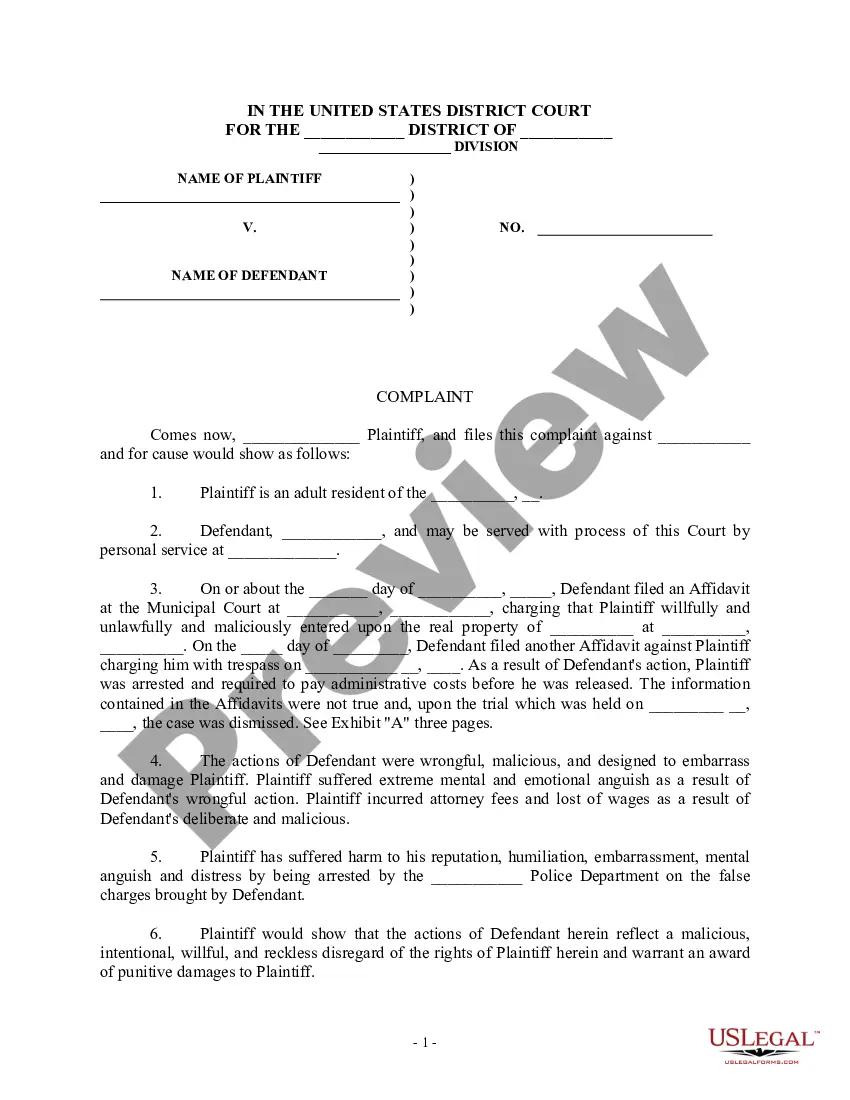
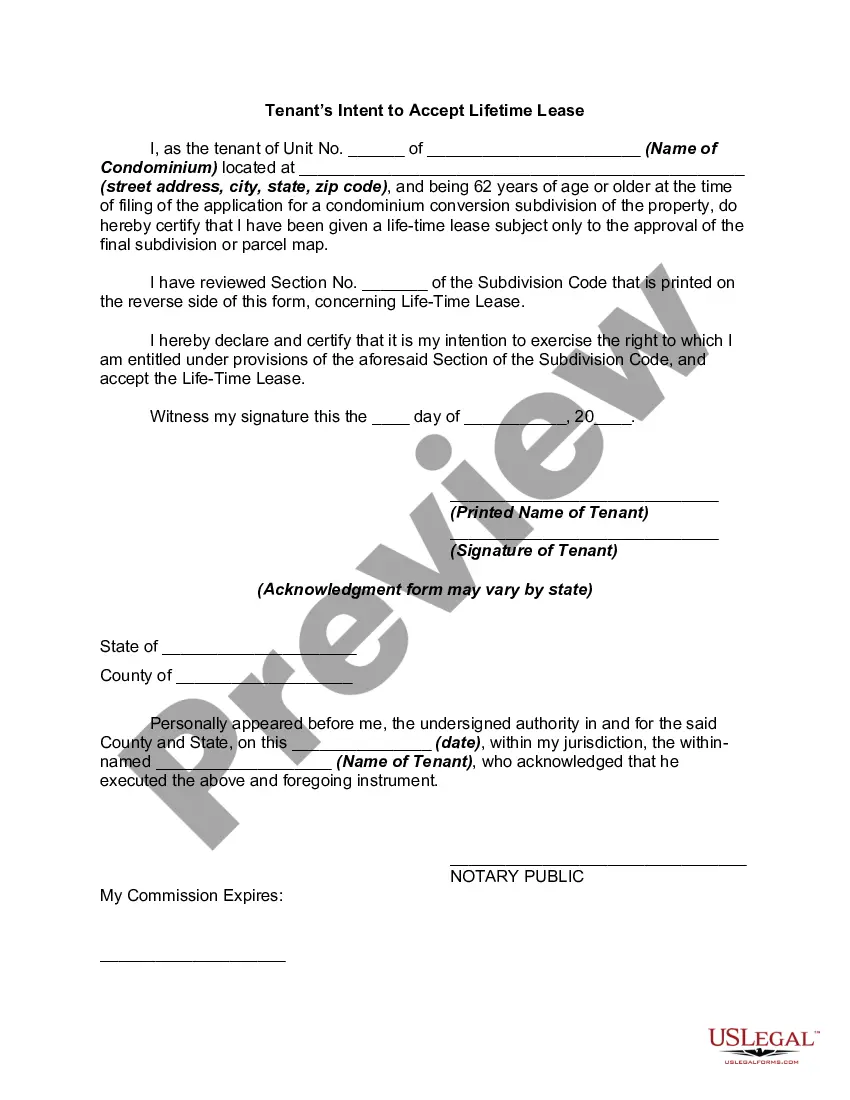
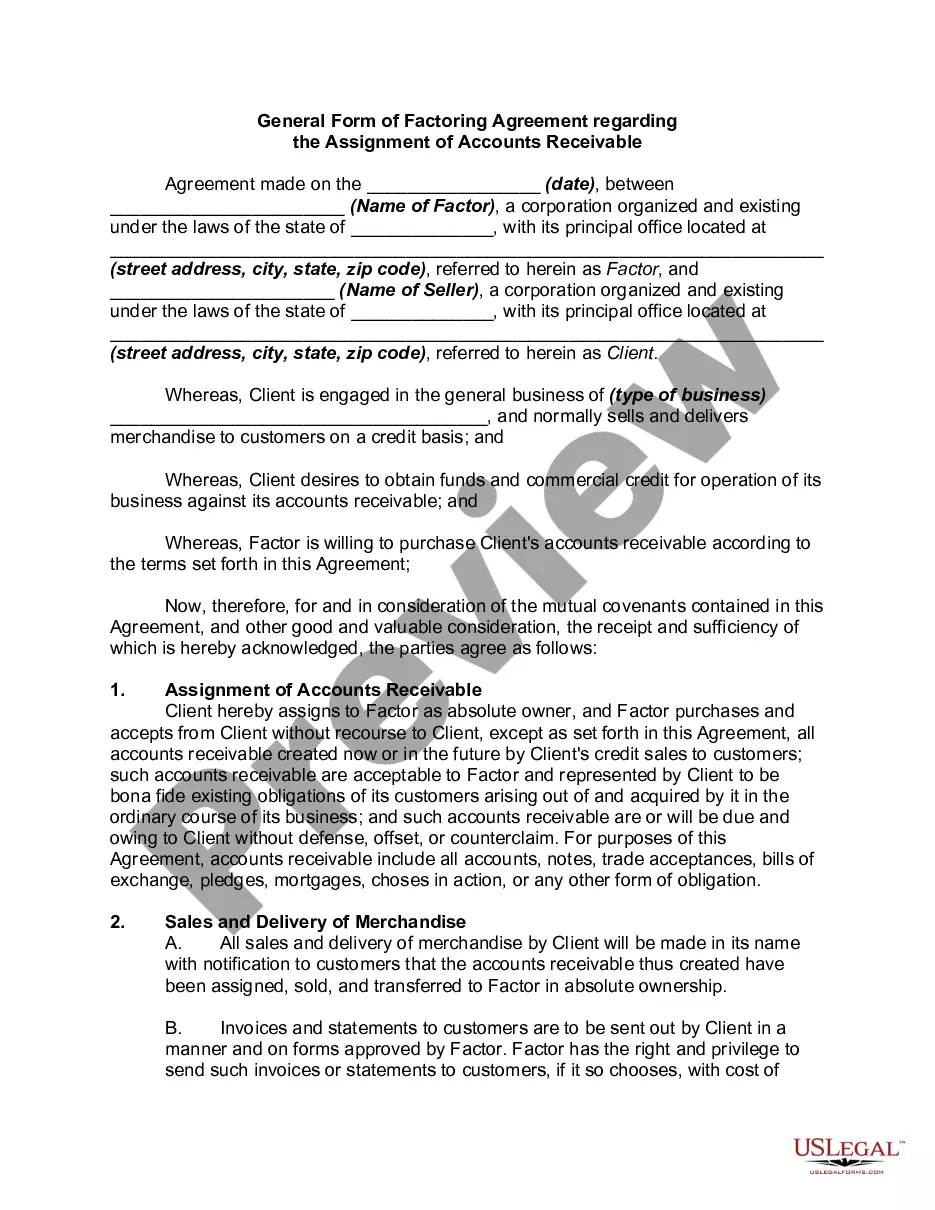
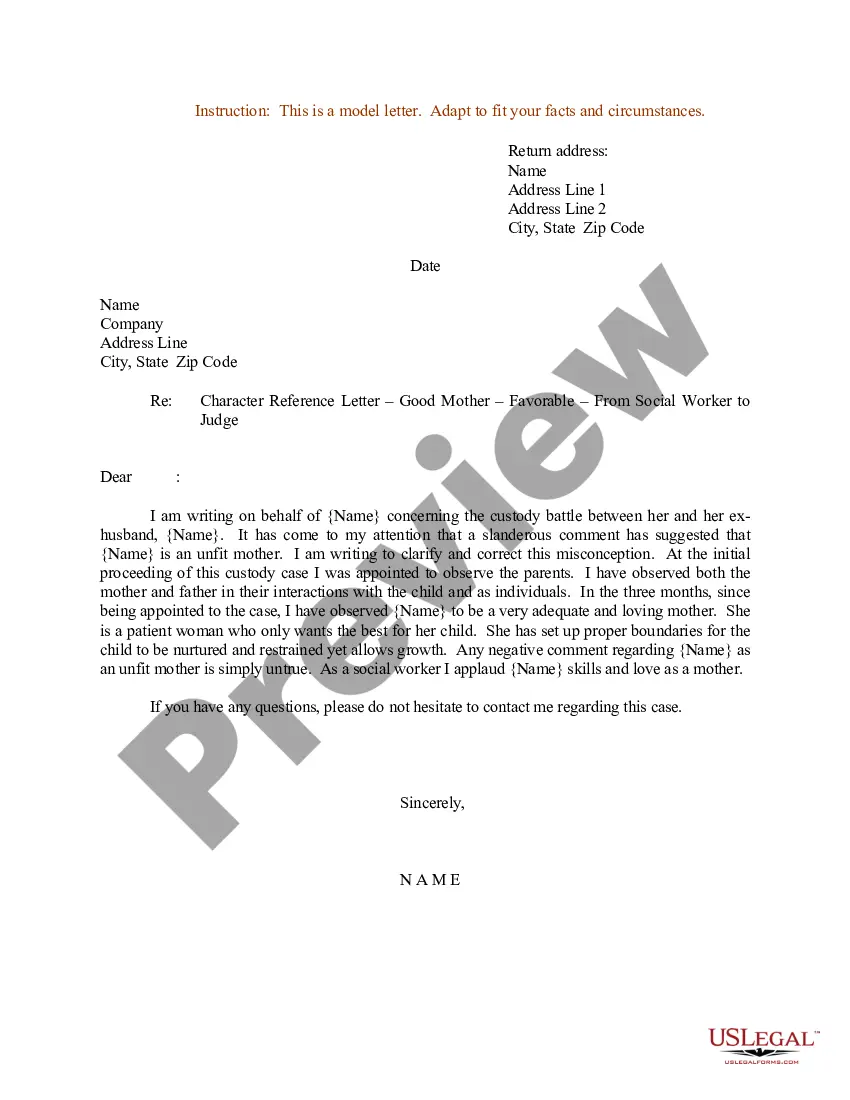
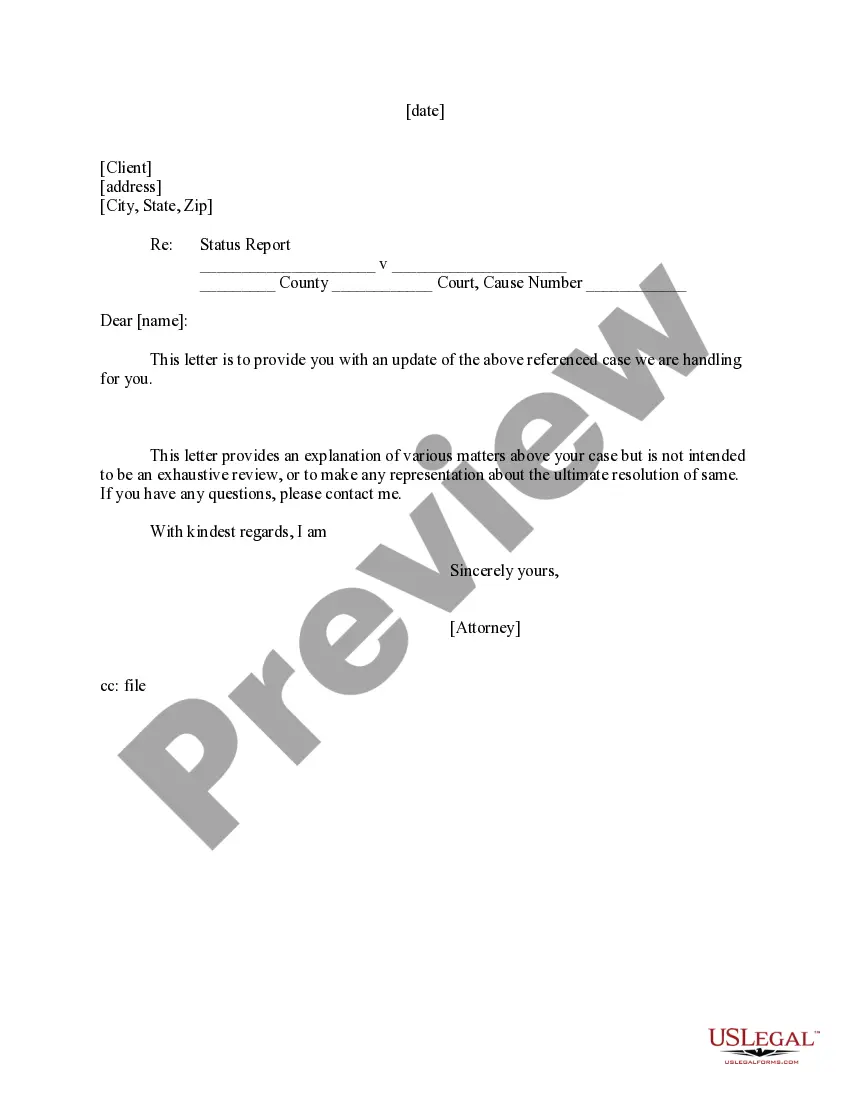
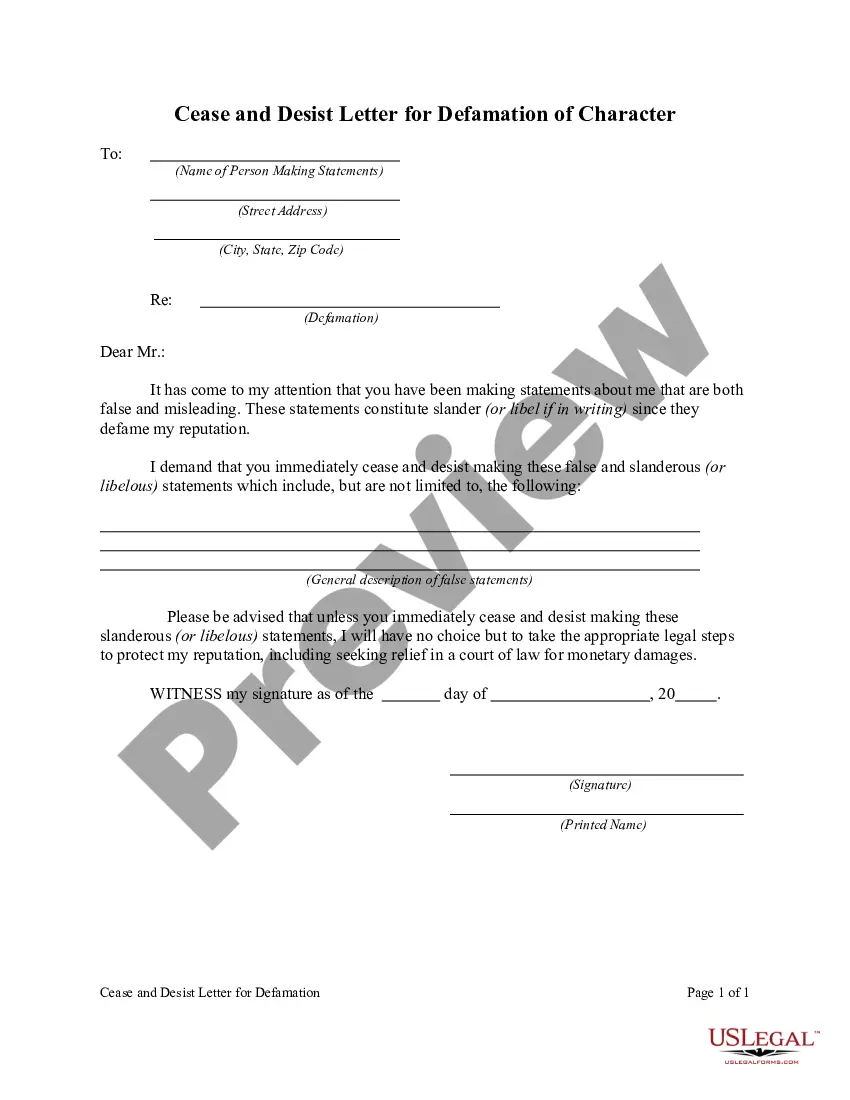
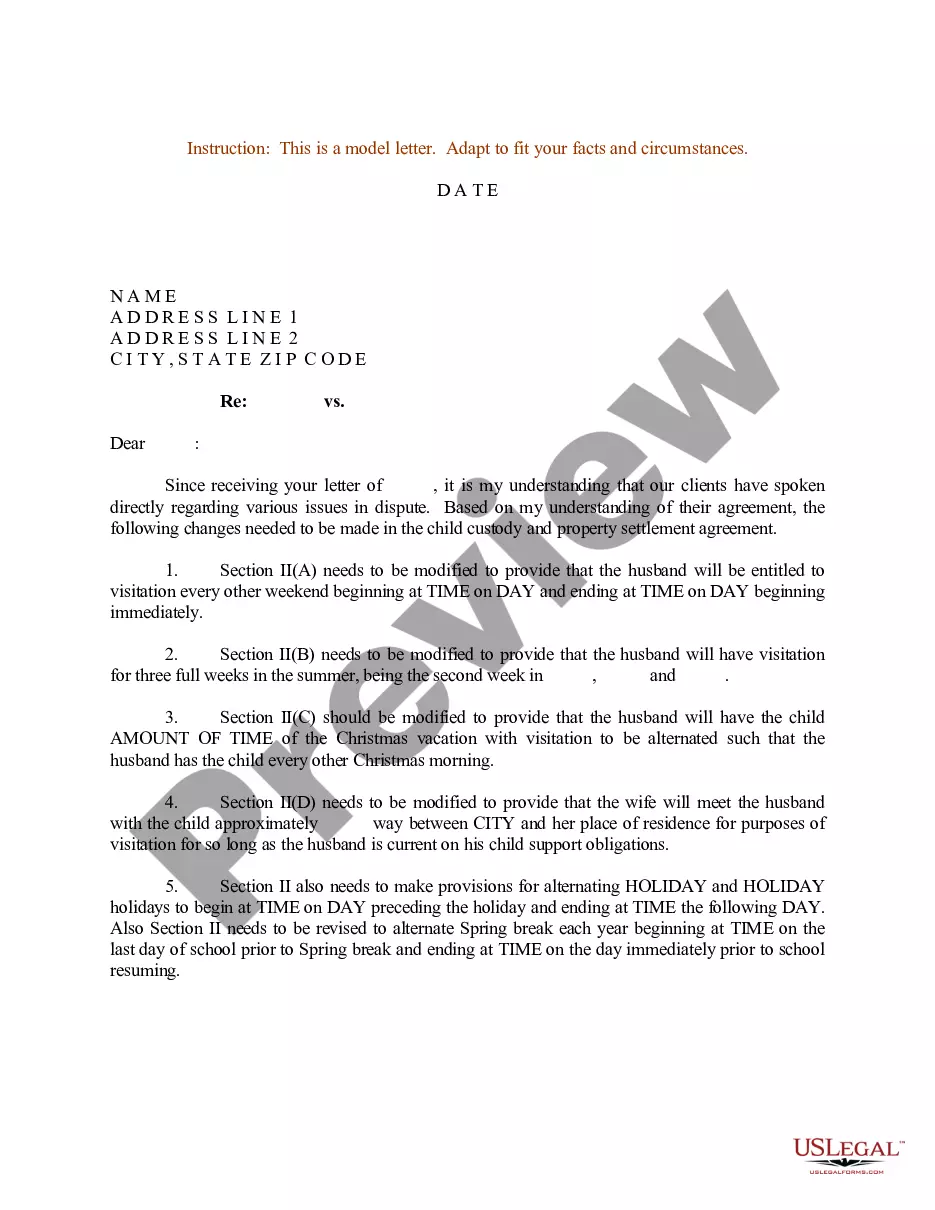
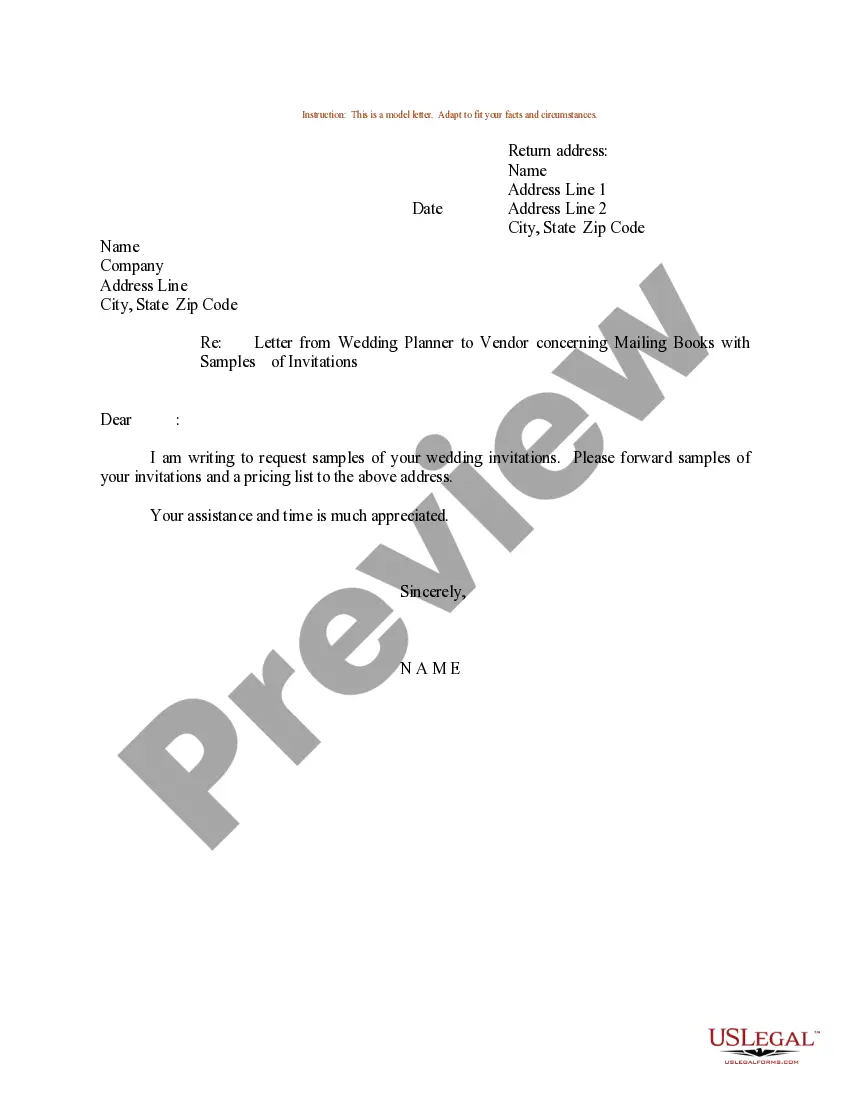
How to fill out Sample Letter From Wedding Planner Or Consultant To Vendor Requesting Invitation Samples?
The Example Invitation Letter For Government Official presented on this page is a versatile official template created by trained attorneys following federal and state regulations. For over 25 years, US Legal Forms has offered individuals, organizations, and legal practitioners more than 85,000 validated, state-specific forms for any commercial and personal situation. It’s the fastest, most uncomplicated, and most trustworthy way to acquire the documents you require, as the service ensures bank-level data confidentiality and anti-malware safeguards.
Obtaining this Example Invitation Letter For Government Official will require just a few easy steps.
Subscribe to US Legal Forms to have authenticated legal templates for all of life’s scenarios ready for use.
- Browse for the document you need and assess it.
- Review the sample you've searched for and preview it or check the form description to confirm it matches your needs. If it doesn’t, use the search bar to find the correct one. Click Buy Now when you've found the template you require.
- Register and Log In.
- Choose the pricing plan that suits you and create an account. Use PayPal or a credit card for a quick payment. If you already possess an account, Log In and verify your subscription to continue.
- Download the editable template.
- Select the format you prefer for your Example Invitation Letter For Government Official (PDF, DOCX, RTF) and save the sample onto your device.
- Complete and sign the document.
- Print the template to fill it out by hand. Alternatively, use an online multi-functional PDF editor to swiftly and accurately complete and sign your form with a valid.
- Redownload your files as needed.
- Utilize the same document again whenever required. Access the My documents tab in your profile to redownload any previously obtained forms.
Form popularity
FAQ
Applications for Name Changes can be filed in any district court in Washington. The process begins by completing a Petition for Name Change and filing it with the court. Photo ID is required - be sure to bring your photo ID to your Name Change hearing.
Order forms and other publications from Library of Congress, Copyright Office- COPUBS, 101 Independence Avenue SE, Washington, DC 20559 or call (202) 707-9100 or 1-877-476-0778 (toll free). Access and download circulars and other information from the Copyright Office website at .copyright.gov.
The Standard Application can be used to register a variety of types of works including a work created by a single author, a work created jointly by two or more authors, a work made for hire, a derivative work, a compilation, a collective work, and a unit of publication.
Ingly, for most works, using the Standard Application to register a copyright claim is most appropriate. The Single Application registration option is available only for works meeting the Copyright Office's eligibility requirements.
Which form should I use? Online registration through the electronic Copyright Office (eCO) is the preferred way to register basic claims. Paper versions of Form TX (literary works); Form VA (visual arts works); Form PA (performing arts); Form SR (sound recordings) are available on the Copyright Office website.
Order forms and other publications from Library of Congress, Copyright Office- COPUBS, 101 Independence Avenue SE, Washington, DC 20559 or call (202) 707-9100 or 1-877-476-0778 (toll free). Access and download circulars and other information from the Copyright Office website at .copyright.gov.
To register a claim to copyright with the U.S. Copyright Office, the claimant must: (1) submit a properly completed application; (2) pay a nonrefundable fee; and (3) deposit the required number of copies of the works to be registered.
If you want to claim the copyright for the composition or underlying musical work; fill out Form PA (Performing Arts). If you want to claim the copyright for a sound recording or recorded performance; fill out Form SR (Sound Recording).