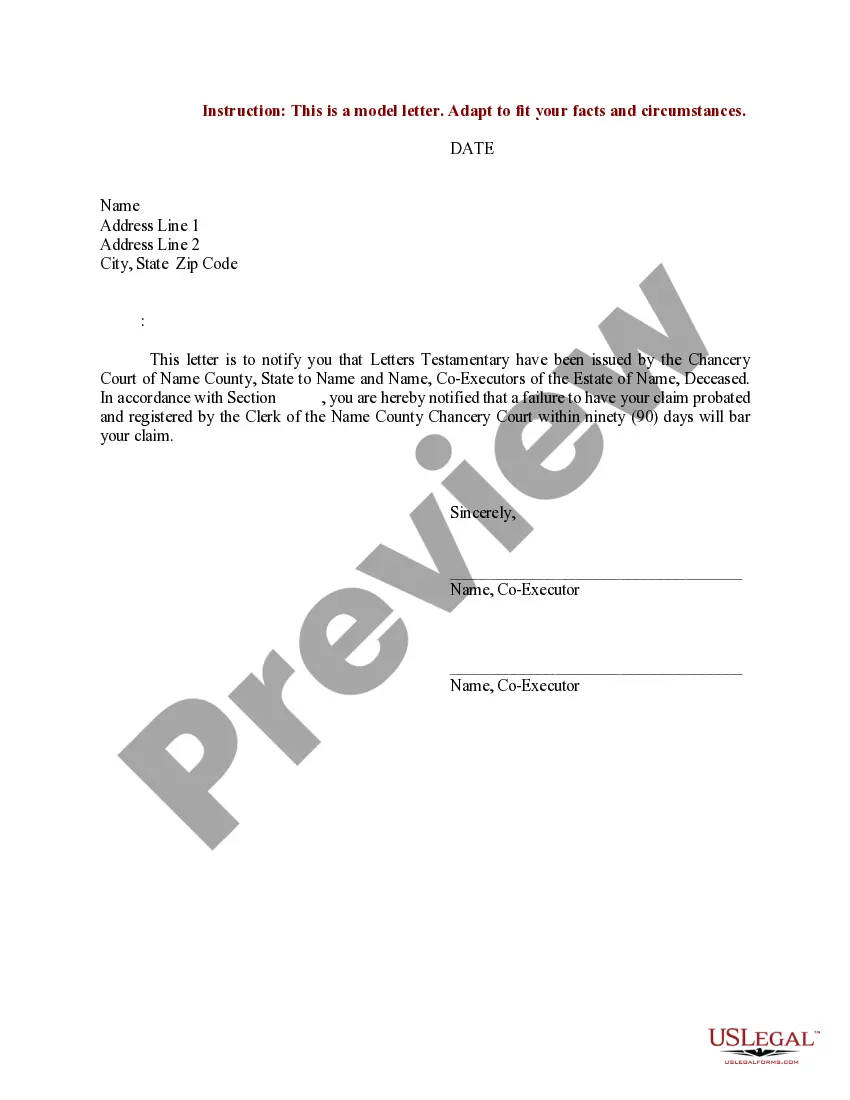
Sample Letter With Thru Channel
Description
Get your form ready online
Our built-in tools help you complete, sign, share, and store your documents in one place.
Make edits, fill in missing information, and update formatting in US Legal Forms—just like you would in MS Word.
Download a copy, print it, send it by email, or mail it via USPS—whatever works best for your next step.
Sign and collect signatures with our SignNow integration. Send to multiple recipients, set reminders, and more. Go Premium to unlock E-Sign.
If this form requires notarization, complete it online through a secure video call—no need to meet a notary in person or wait for an appointment.
We protect your documents and personal data by following strict security and privacy standards.

Make edits, fill in missing information, and update formatting in US Legal Forms—just like you would in MS Word.

Download a copy, print it, send it by email, or mail it via USPS—whatever works best for your next step.

Sign and collect signatures with our SignNow integration. Send to multiple recipients, set reminders, and more. Go Premium to unlock E-Sign.

If this form requires notarization, complete it online through a secure video call—no need to meet a notary in person or wait for an appointment.

We protect your documents and personal data by following strict security and privacy standards.
Looking for another form?

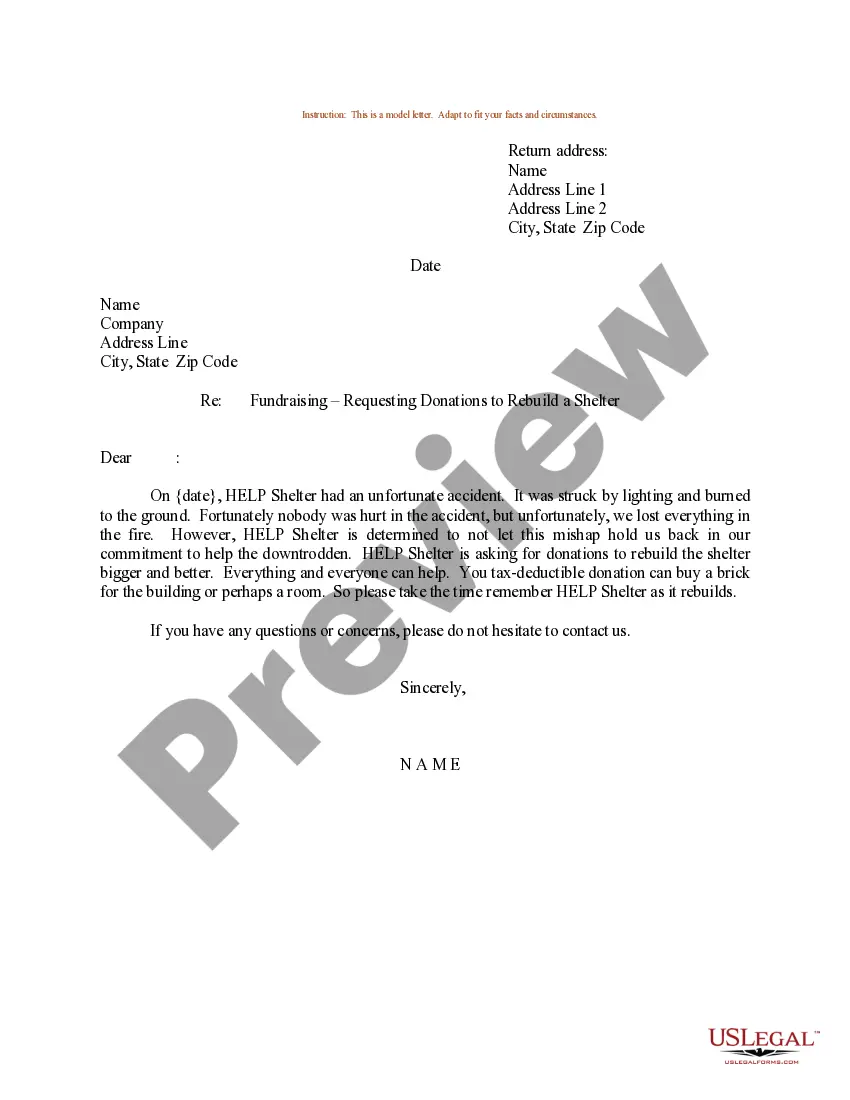
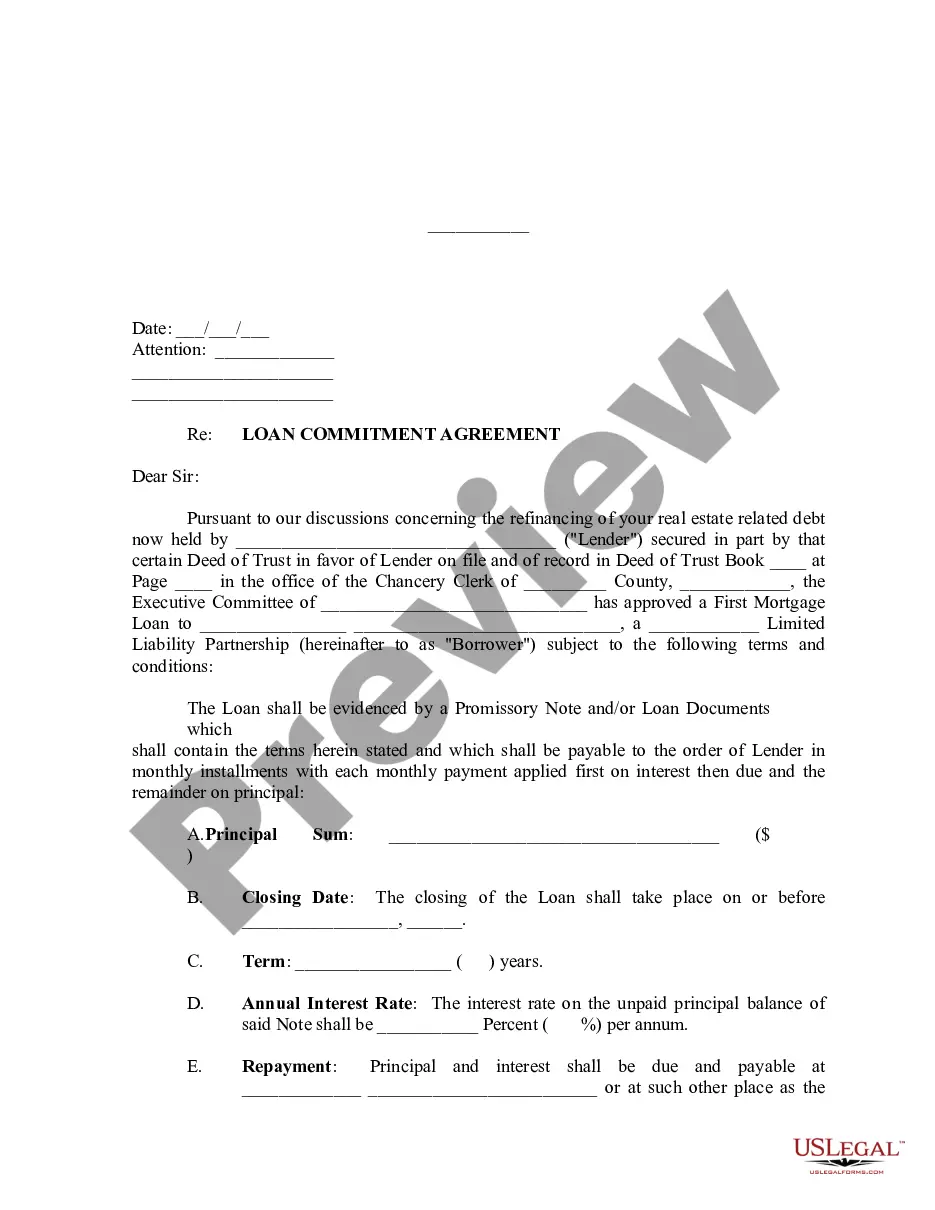
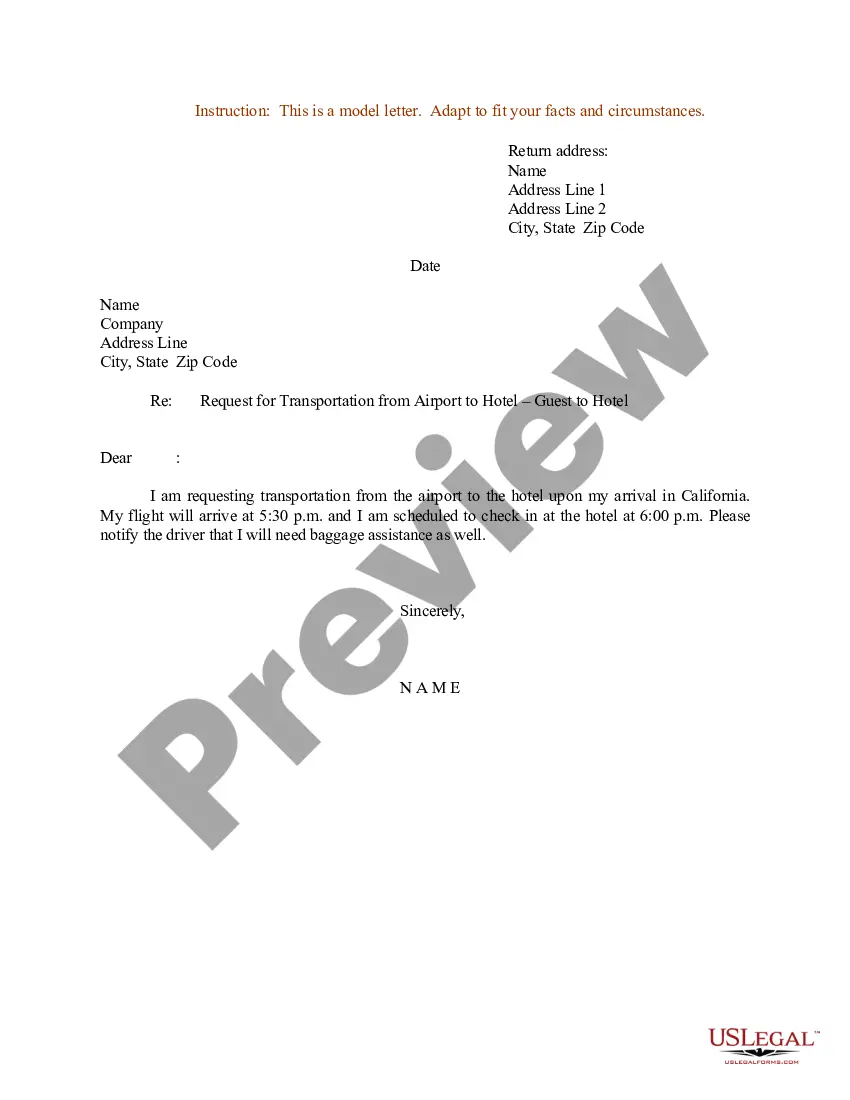


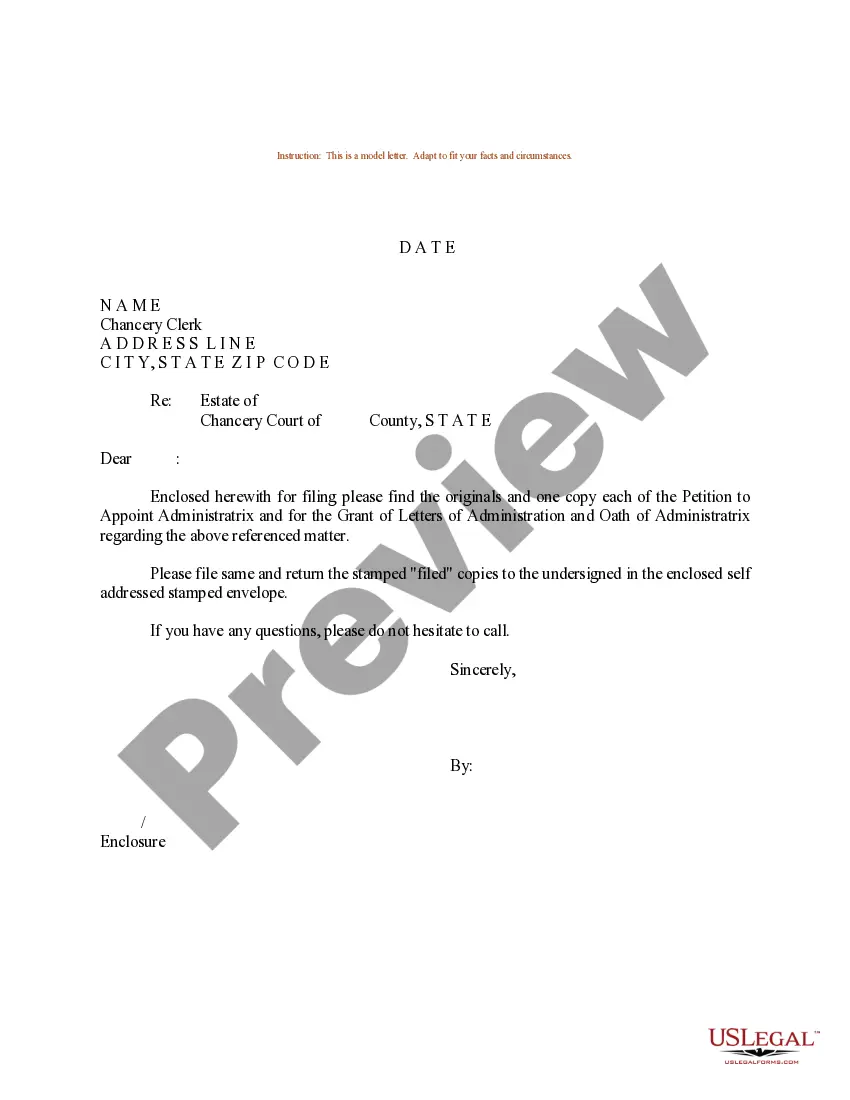
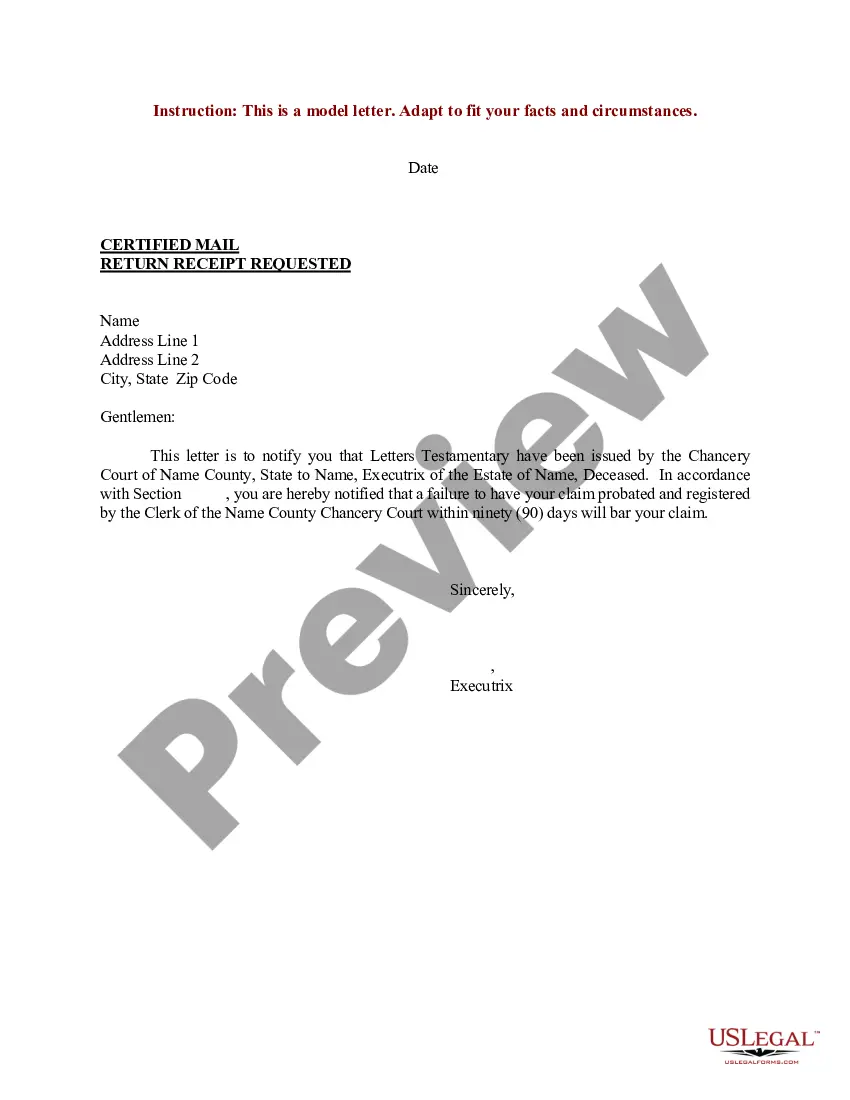
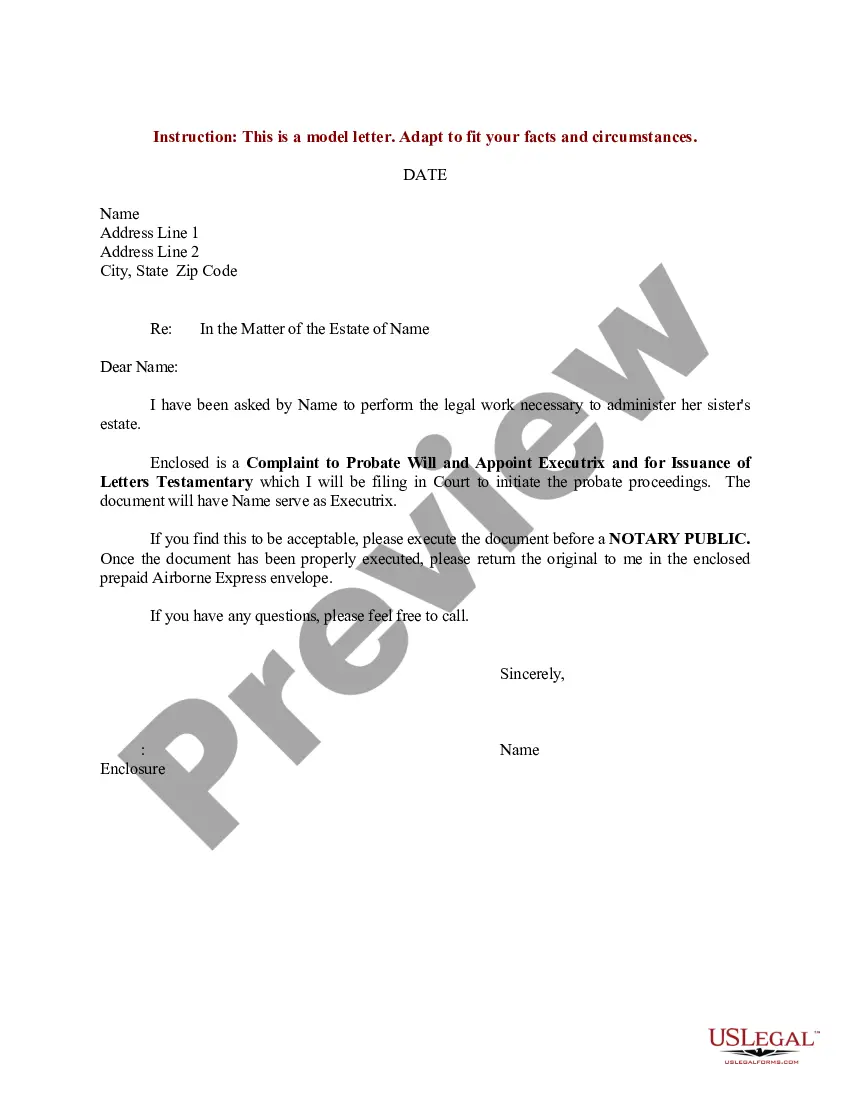
How to fill out Sample Letter For Letters Testamentary?
Acquiring legal documents that adhere to federal and local regulations is crucial, and the internet provides a multitude of choices to select from.
However, what’s the sense in spending time hunting for the correct Sample Letter With Thru Channel template online when the US Legal Forms digital library already houses such documents gathered in one location.
US Legal Forms is the largest online legal repository with over 85,000 editable templates crafted by lawyers for any business or life scenario. They are user-friendly with all documents organized by state and intended use. Our experts keep abreast of legal updates, ensuring that your form is current and compliant when you obtain a Sample Letter With Thru Channel from our site.
- Review the template using the Preview function or through the text description to confirm it meets your requirements.
- Search for another sample using the search tool at the top of the webpage if necessary.
- Click Buy Now when you’ve discovered the appropriate form and choose a subscription plan.
- Create an account or Log In and process a payment through PayPal or a credit card.
- Select the correct format for your Sample Letter With Thru Channel and download it.
Form popularity
FAQ
To conclude your letter with CC and enclosures, include the CC line followed by the names of those receiving copies. Directly beneath that, write 'Enclosures:' and list each included document. By structuring your letter this way in your sample letter with thru channel, you create a clear summary of both recipients and attached items, ensuring efficient communication.
When using 'thru' in a formal letter, it is best to maintain a professional tone, particularly in business contexts. You can utilize this term to indicate a process or a channel, enhancing understanding without compromising formality. In your sample letter with thru channel, be sure to introduce this term clearly, so the recipient comprehends its significance.
To include enclosures at the end of your letter, use the term 'Enclosures:' followed by a list of the documents you are attaching. This section helps recipients identify all related materials quickly. If you are drafting a sample letter with thru channel, make sure your enclosure list is concise and relevant to enhance communication.
In official correspondence, the enclosure information appears after the CC section. This format clearly indicates the recipients who will receive a copy and the additional documents included with the letter. For example, if you are providing a sample letter with thru channel, ensure that any enclosures are listed below the CC line to maintain clarity and organization.
To format a letter with CC, start with the recipient’s address and follow with your greeting. After the body and signature, add 'CC:' to list the names of individuals receiving copies. For those drafting a sample letter with thru channel, proper spacing and alignment enhance readability. This attention to detail presents a professional image in your correspondence.
Mention CC by writing 'CC:' and then listing the names of those you are copying on the letter. You can separate multiple names with commas for easier reading. In a well-structured sample letter with thru channel, this section appears after your signature, providing clarity on recipients. This ensures that everyone is informed and knows who else is included in the discussion.
To indicate a copy recipient, simply add 'CC:' followed by their name or email address below your signature. This informs both the primary recipient and the CC'd individuals about who else has access to the correspondence. When creating a sample letter with thru channel, remember that clarity is key. This straightforward approach maintains transparency in your communication.
In a letter, the order typically starts with the main content. After the signature, include the CC (carbon copy) line first, followed by the enclosure line if applicable. This makes it clear who received copies of the letter and what additional documents accompany it. If you are using a sample letter with thru channel, following this order ensures recipients understand the communication clearly.
To send a letter with CC, draft your letter including the primary recipient's details and the CC section at the bottom. Once printed, address the envelope to the main recipient and include copies for all CC recipients. This process maintains transparency and keeps everyone informed about the content of your message.
You might use 'thru' in a letter sample when aiming for a casual tone, such as in internal communications or informal messages. However, for official correspondence or when clarity is key, opt for 'through.' Always consider your audience to decide whether 'thru' is appropriate.