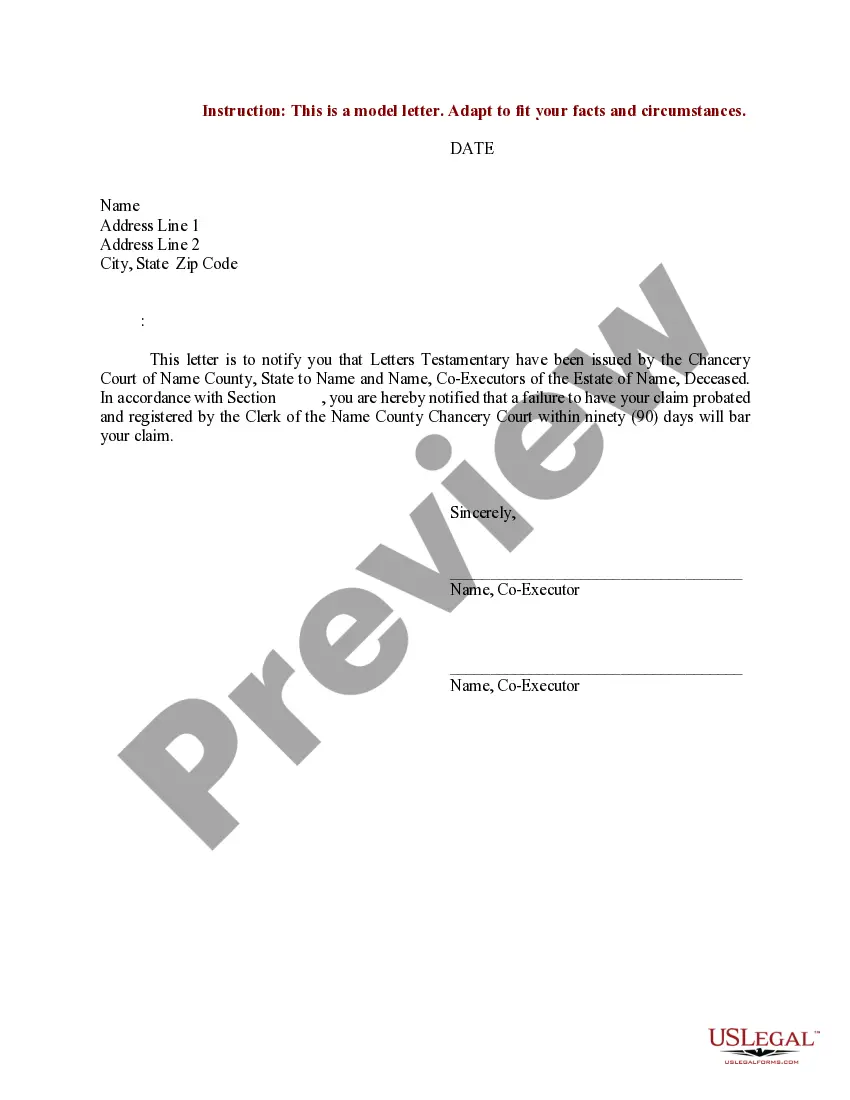
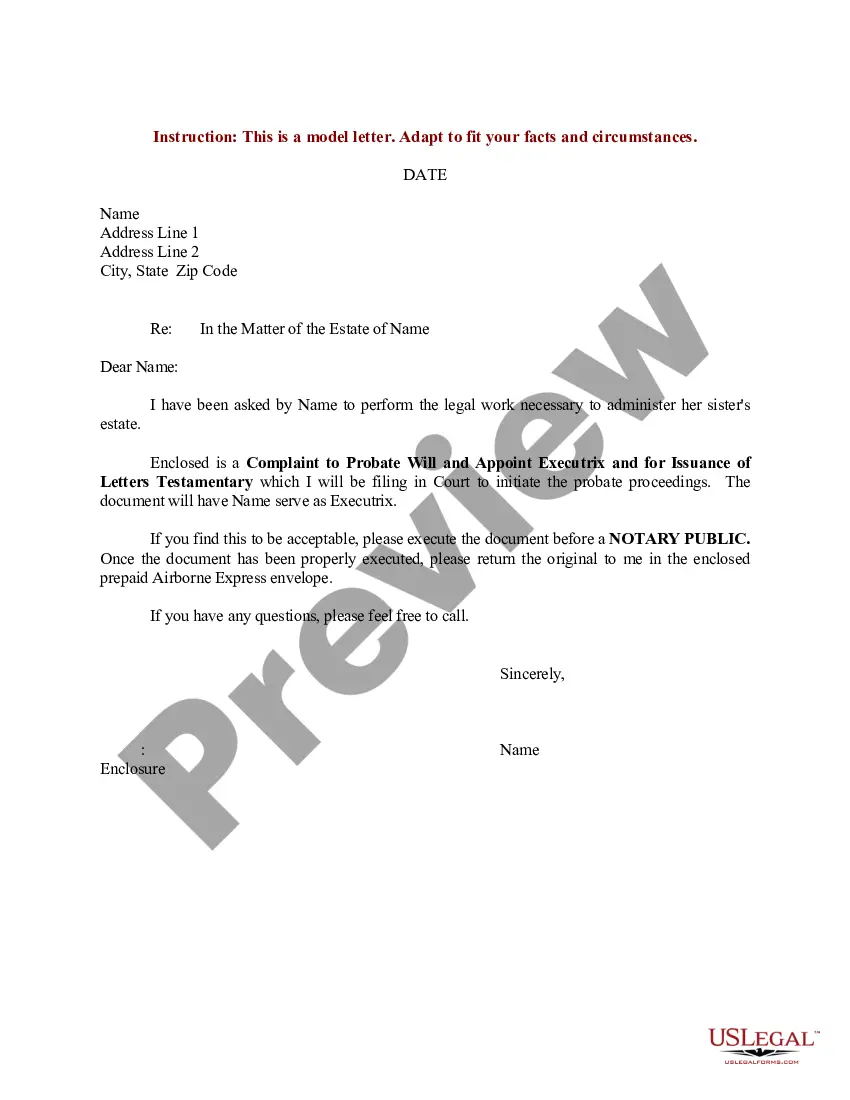
Letters Testamentary With Limitations
Description
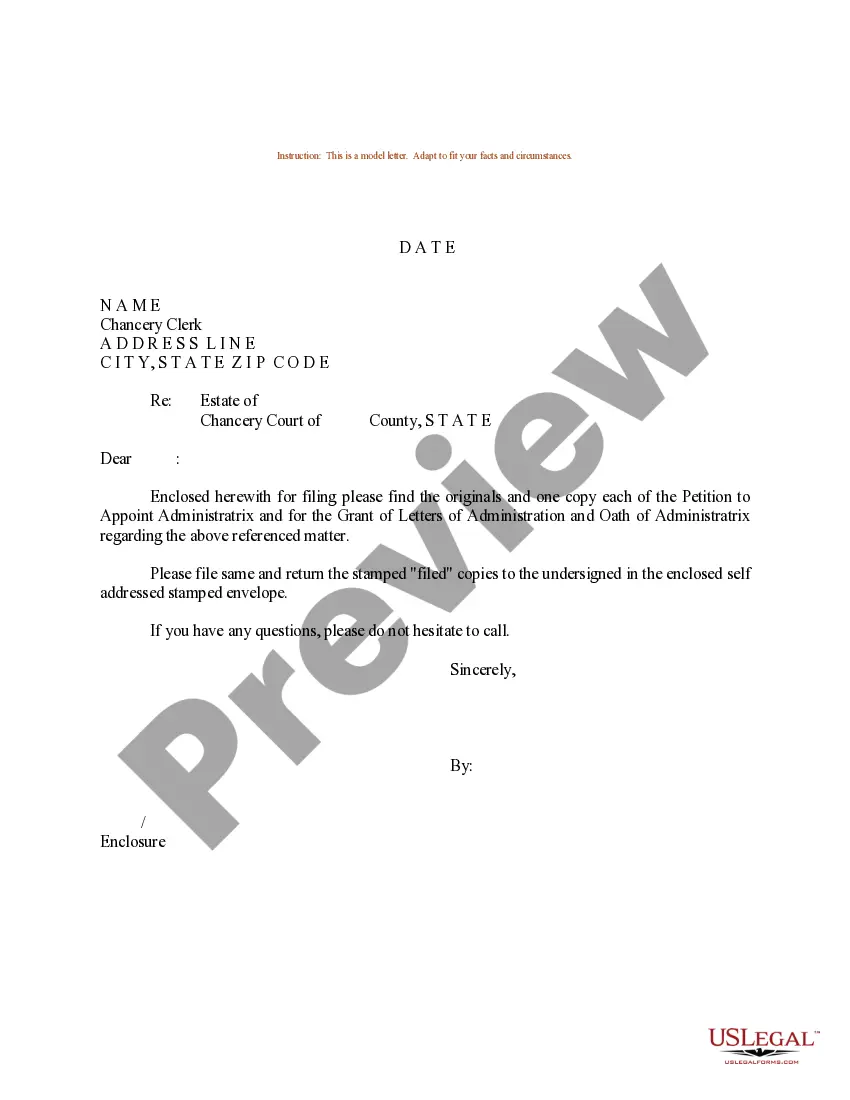
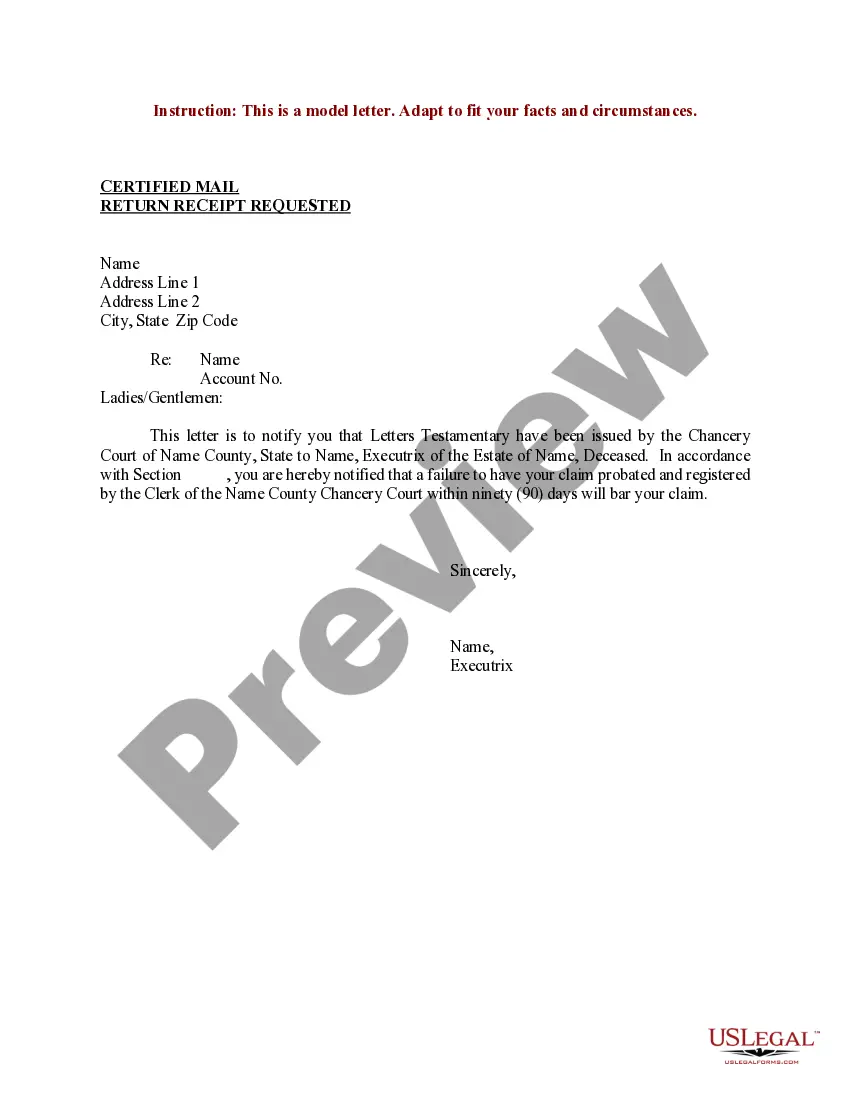
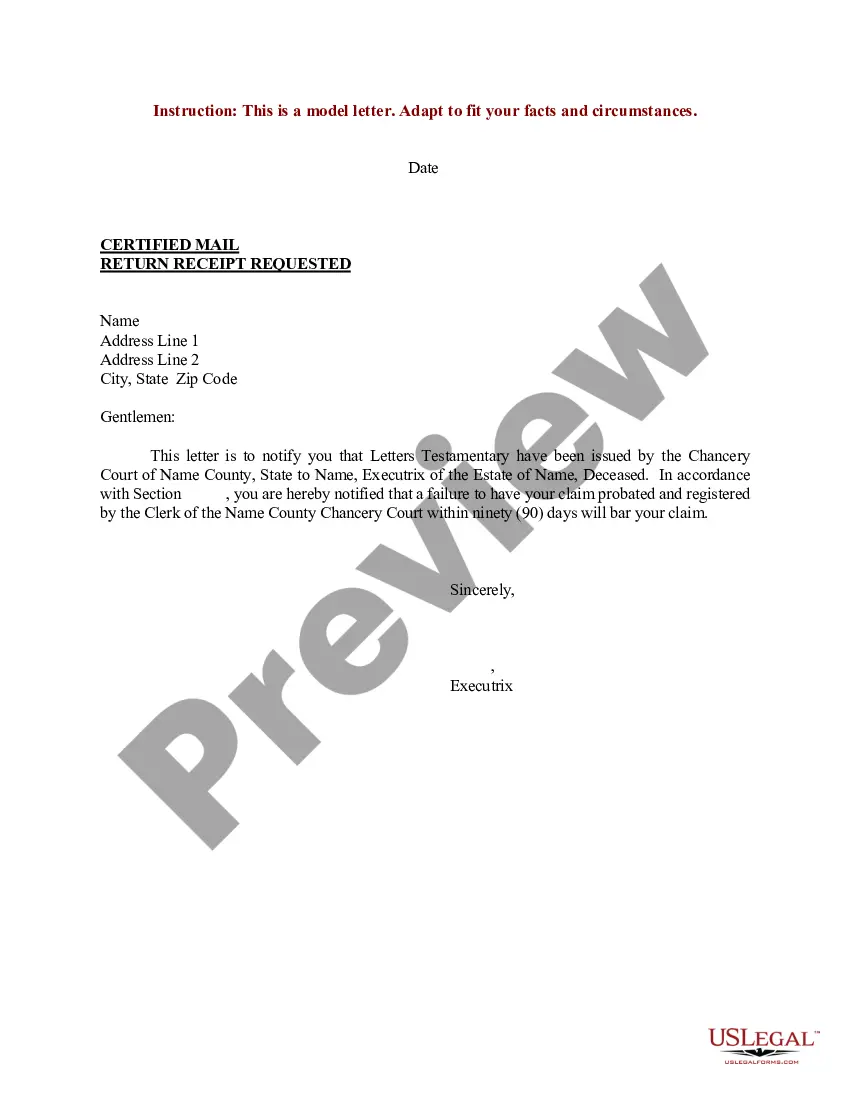
Get your form ready online
Our built-in tools help you complete, sign, share, and store your documents in one place.
Make edits, fill in missing information, and update formatting in US Legal Forms—just like you would in MS Word.
Download a copy, print it, send it by email, or mail it via USPS—whatever works best for your next step.
Sign and collect signatures with our SignNow integration. Send to multiple recipients, set reminders, and more. Go Premium to unlock E-Sign.
If this form requires notarization, complete it online through a secure video call—no need to meet a notary in person or wait for an appointment.
We protect your documents and personal data by following strict security and privacy standards.

Make edits, fill in missing information, and update formatting in US Legal Forms—just like you would in MS Word.

Download a copy, print it, send it by email, or mail it via USPS—whatever works best for your next step.

Sign and collect signatures with our SignNow integration. Send to multiple recipients, set reminders, and more. Go Premium to unlock E-Sign.

If this form requires notarization, complete it online through a secure video call—no need to meet a notary in person or wait for an appointment.

We protect your documents and personal data by following strict security and privacy standards.
Looking for another form?
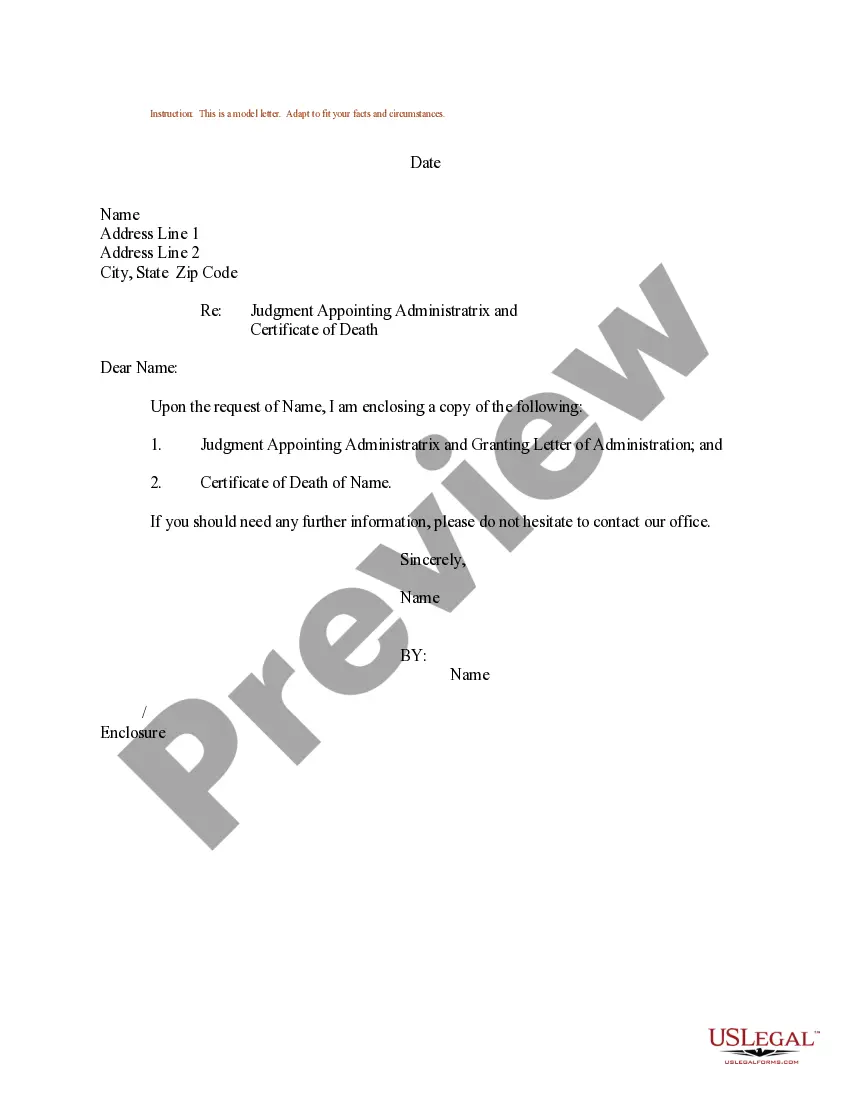
How to fill out Sample Letter For Letters Testamentary?
Whether for commercial reasons or for personal matters, everyone has to handle legal issues at some point in their life.
Filling out legal forms requires meticulous focus, beginning with choosing the right form template.
With an extensive US Legal Forms library available, you do not need to waste time searching for the right template online. Utilize the library’s straightforward navigation to find the correct template for any situation.
- Locate the template you require by using the search bar or browsing the catalog.
- Examine the form’s description to ensure it matches your situation, state, and locality.
- Click on the form’s preview to examine it.
- If it is the wrong document, return to the search function to look for the Letters Testamentary With Limitations template that you need.
- Download the file if it meets your specifications.
- If you possess a US Legal Forms account, click Log in to access previously saved templates in My documents.
- If you do not have an account yet, you can obtain the form by clicking Buy now.
- Select the appropriate pricing option.
- Fill out the profile registration form.
- Choose your payment method: use a credit card or PayPal account.
- Select the document format you wish and download the Letters Testamentary With Limitations.
- Once downloaded, you can complete the form using editing software or print it out and fill it in by hand.
Form popularity
FAQ
The primary purpose of letters of administration is to grant legal authority to a designated person to manage a deceased person's estate. This includes settling debts, distributing assets, and ensuring proper filings with the court. Without these letters, an administrator lacks the power to act on behalf of the estate. Knowing how letters testamentary with limitations function ensures you understand your role in the estate administration process, facilitating smoother navigation through legal requirements.
Limited letters of administration are a type of authorization that allows an administrator to perform specific tasks, unlike standard letters of administration that provide broader powers. This can include accessing bank accounts or handling certain debts without overseeing the entire estate. They are useful when urgent financial matters arise but full administration is not yet required. Understanding the concept of letters testamentary with limitations can help you determine when limited letters might be the right choice.
Letters of administration remain valid until the estate is settled or the court revokes them. They serve as proof of authority to settle debts, distribute assets, and manage estate affairs. If conditions change, like the death of the administrator or new legal proceedings, it may require re-evaluation or updating of the letters. When navigating these processes, consider the implications of letters testamentary with limitations for better clarity.
Letters testamentary are issued when a person dies leaving a will, granting an executor authority over estate assets. In contrast, letters of administration are for estates without a will, allowing an administrator to manage the estate. Both documents serve to affirm the authority of the appointed individual, but they apply to different situations. Understanding letters testamentary with limitations can clarify your responsibilities in fulfilling the estate's obligations.
In New York, letters of administration do not have a strict expiration date. However, they remain valid as long as the estate is being actively administered. Keep in mind that if there are significant changes in circumstances, such as the executor's death, the letters may need to be updated or reissued. Utilizing letters testamentary with limitations ensures you handle the estate's affairs within the correct timeframe.
Another common name for a letter of testamentary is a probate letter. This term is often used interchangeably to refer to the document that officially validates a will and allows the executor to proceed with their duties. These letters demonstrate the authority to handle the estate's assets, ensuring the deceased's wishes are followed. If you need assistance, our platform can guide you through obtaining Letters testamentary with limitations effectively.
No, letters of administration and letters of testamentary serve different purposes. Letters of testamentary are issued when a valid will exists, granting the executor authority to act on behalf of the estate. Conversely, letters of administration are provided when no will is present, appointing an administrator instead. Understanding the difference is crucial, especially in cases involving Letters testamentary with limitations that could affect estate management.
You can obtain a letter of testamentary without a lawyer by filing the necessary paperwork directly with the probate court, following local guidelines and procedures. While the process may seem straightforward, it is essential to understand the legal requirements fully. UsLegalForms can provide the necessary templates and guidance to assist you in securing letters testamentary with limitations on your own.
You may receive a letter from court administration as a notification that legal proceedings regarding an estate are underway. This letter typically informs you of your rights or obligations related to the estate. It may also accompany letters testamentary with limitations, clarifying your responsibilities as an executor or administrator.
The purpose of a letter of administration is to provide the administrator with the legal authority to manage and distribute the estate of a deceased person. This document ensures that the estate is handled in accordance with the law and protects the rights of beneficiaries. In cases where letters testamentary with limitations apply, it specifically defines the scope of the administrator's authority.