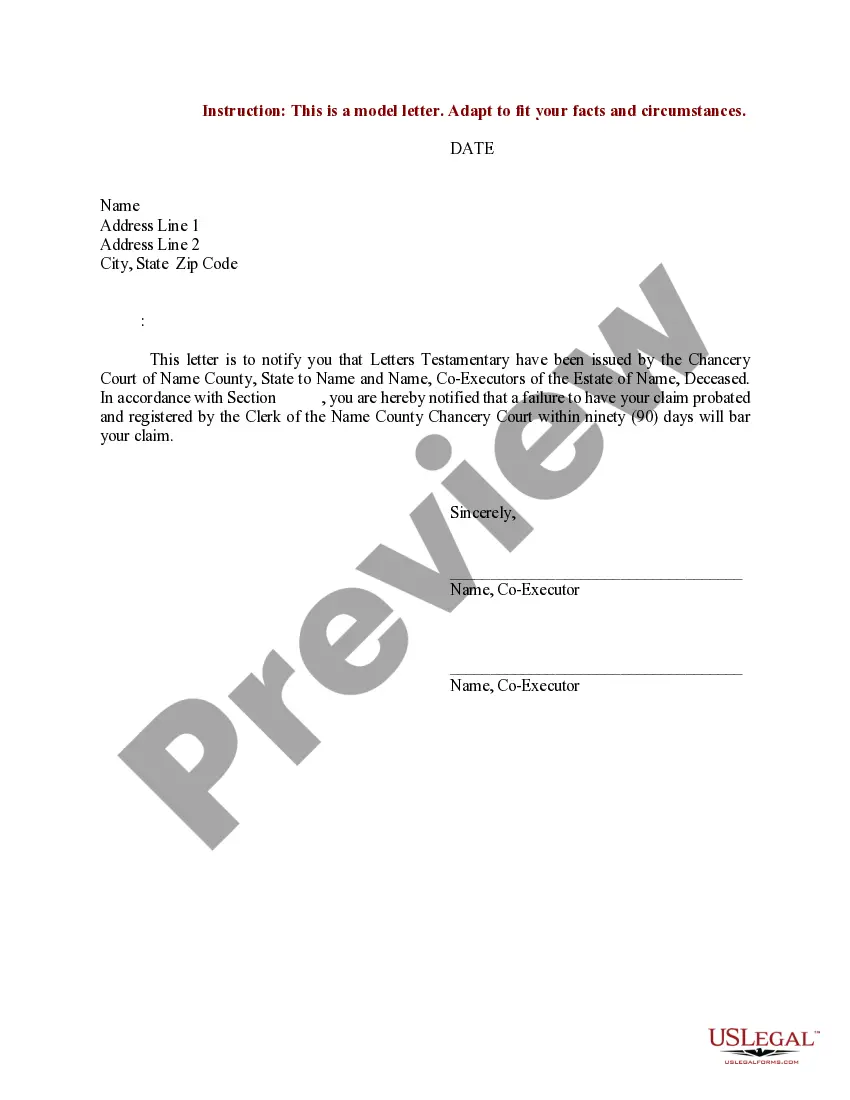
Letter Of Testamentary Form Arizona
Description
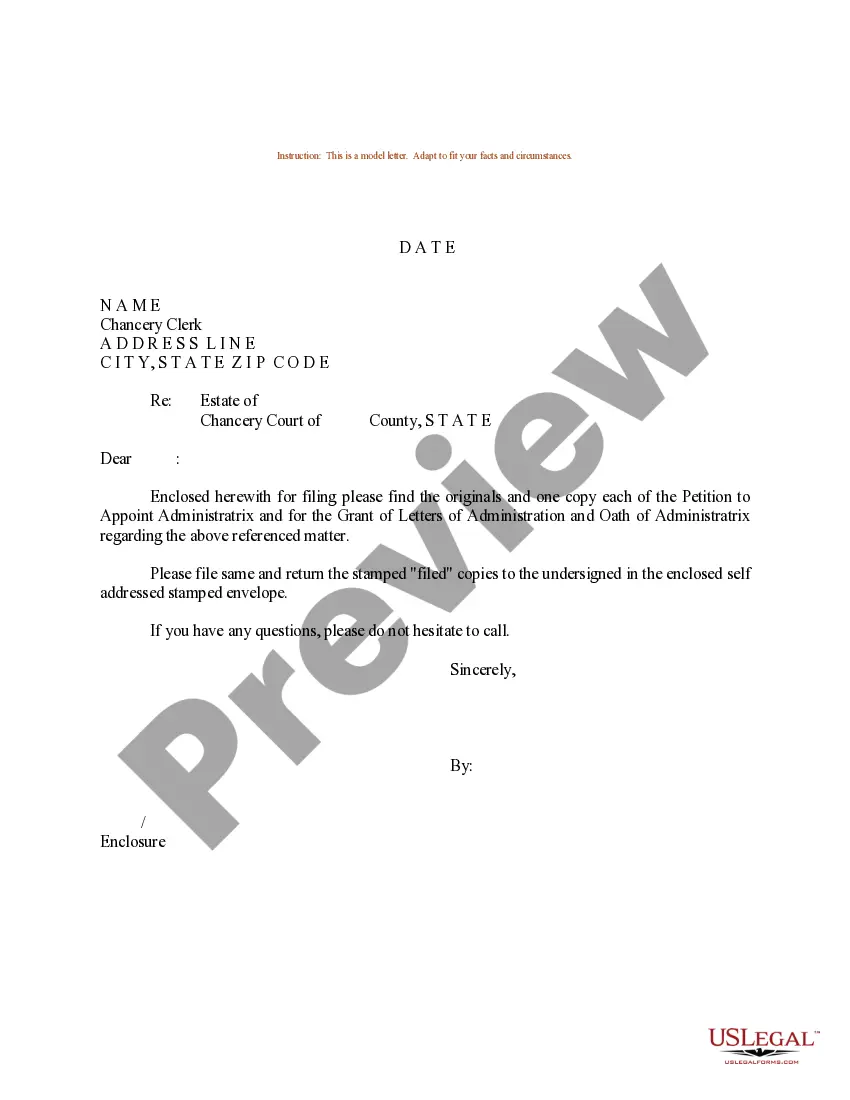
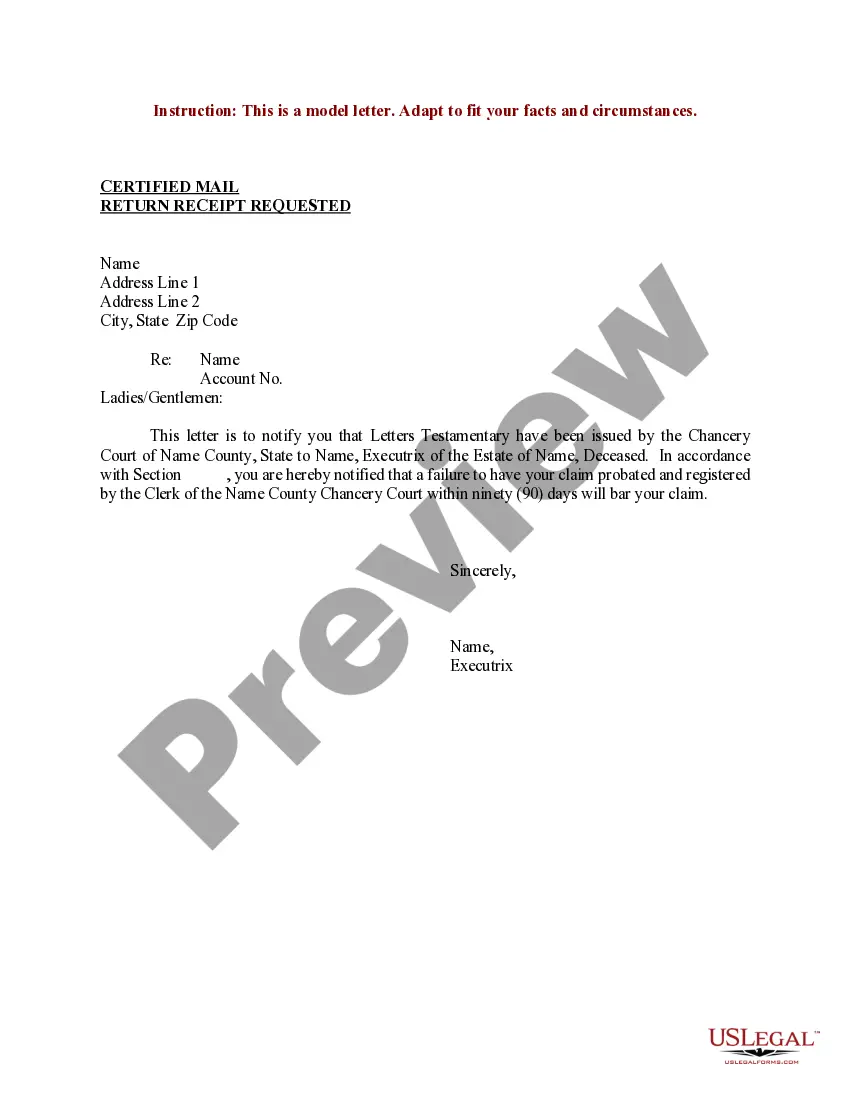
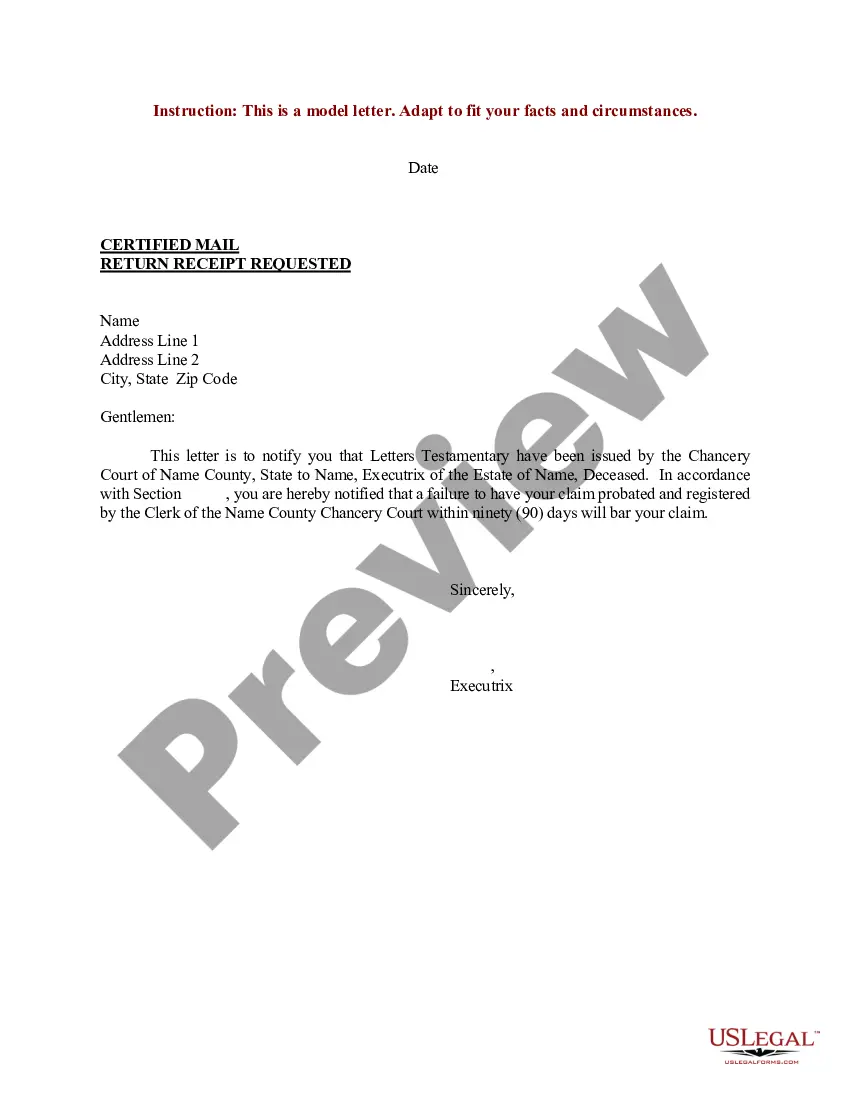
Get your form ready online
Our built-in tools help you complete, sign, share, and store your documents in one place.
Make edits, fill in missing information, and update formatting in US Legal Forms—just like you would in MS Word.
Download a copy, print it, send it by email, or mail it via USPS—whatever works best for your next step.
Sign and collect signatures with our SignNow integration. Send to multiple recipients, set reminders, and more. Go Premium to unlock E-Sign.
If this form requires notarization, complete it online through a secure video call—no need to meet a notary in person or wait for an appointment.
We protect your documents and personal data by following strict security and privacy standards.

Make edits, fill in missing information, and update formatting in US Legal Forms—just like you would in MS Word.

Download a copy, print it, send it by email, or mail it via USPS—whatever works best for your next step.

Sign and collect signatures with our SignNow integration. Send to multiple recipients, set reminders, and more. Go Premium to unlock E-Sign.

If this form requires notarization, complete it online through a secure video call—no need to meet a notary in person or wait for an appointment.

We protect your documents and personal data by following strict security and privacy standards.
Looking for another form?

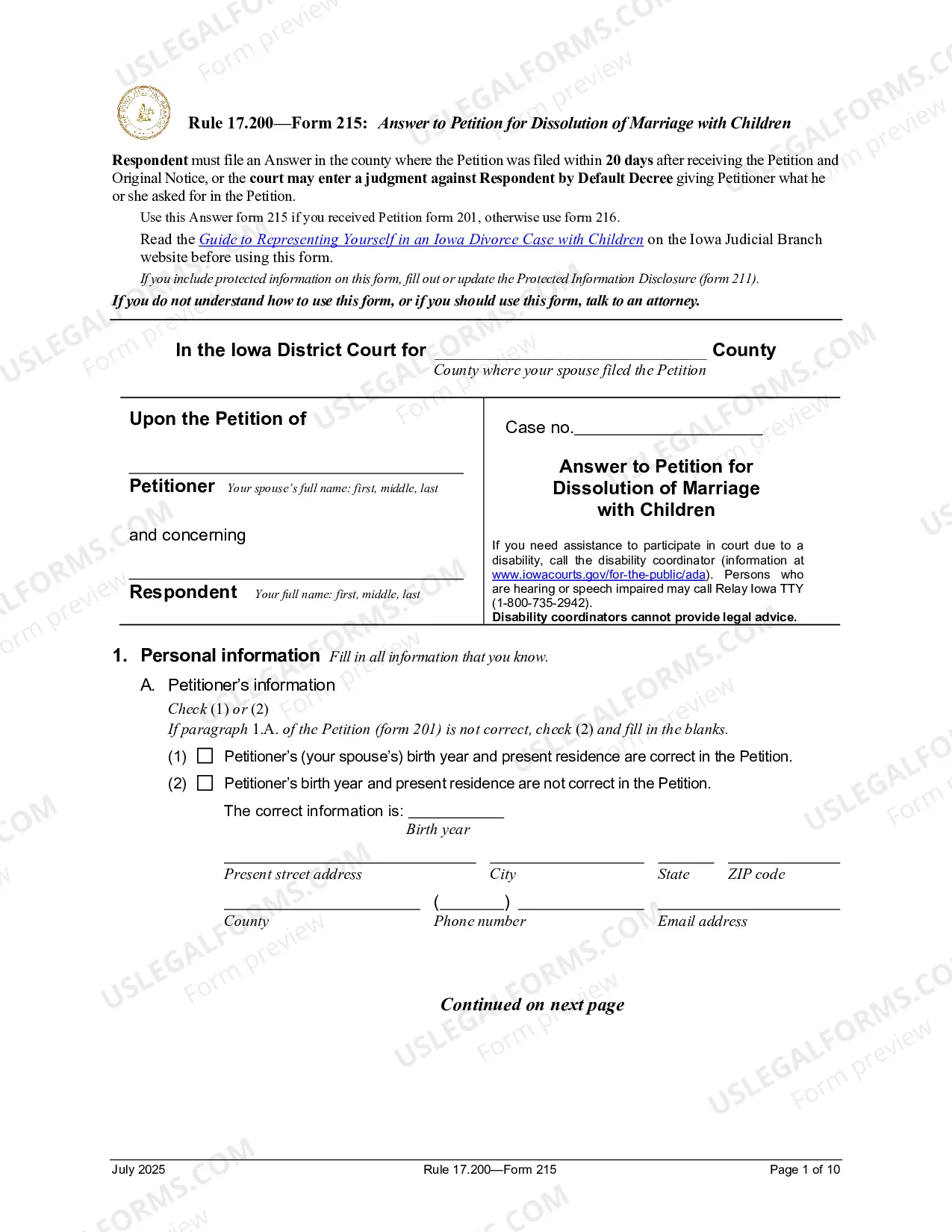
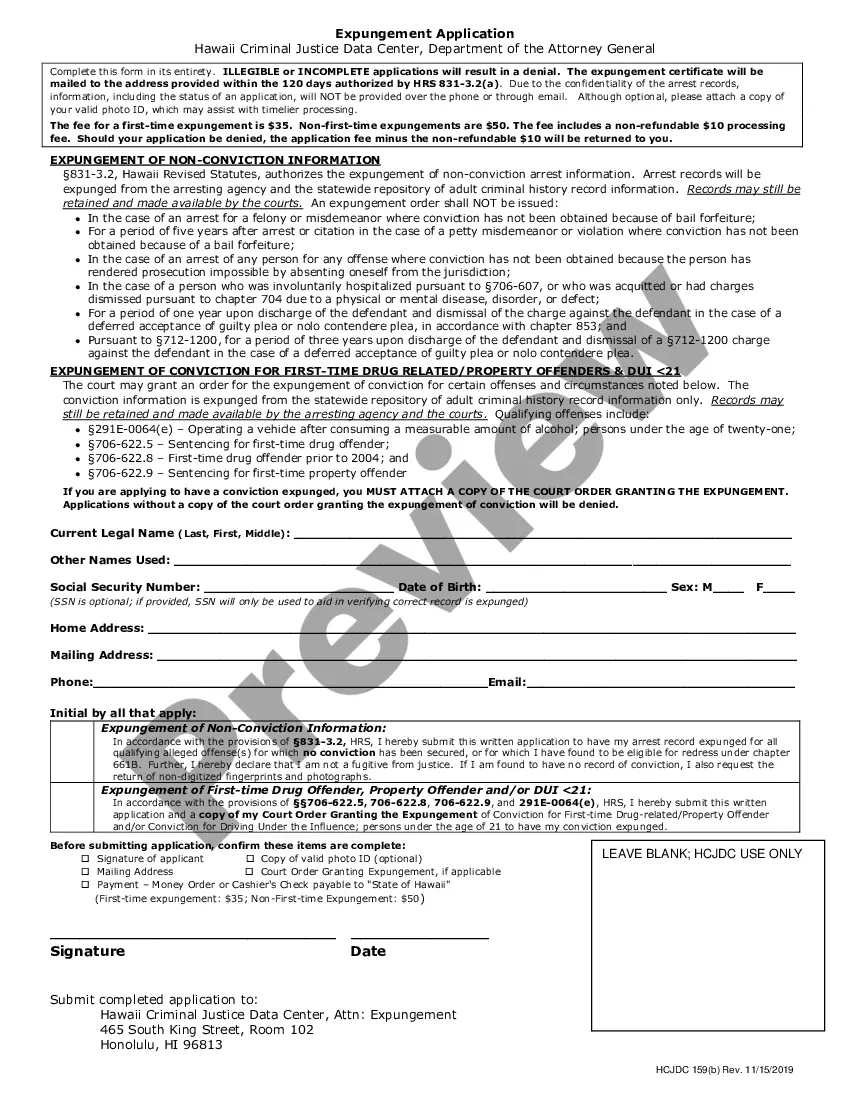
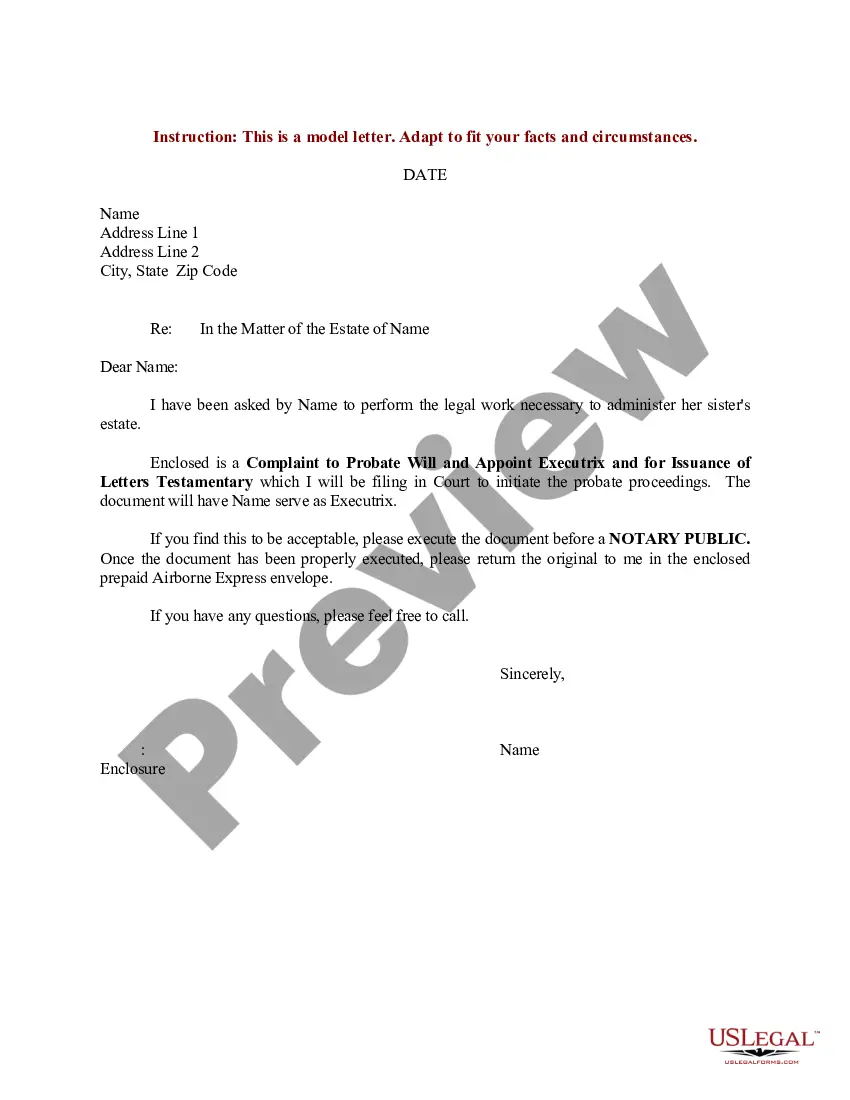
How to fill out Sample Letter For Letters Testamentary?
The Testamentary Letter Template Arizona displayed on this webpage is a versatile official template crafted by experienced attorneys in compliance with federal and state regulations.
For over 25 years, US Legal Forms has supplied individuals, businesses, and legal practitioners with over 85,000 authenticated, state-specific documents for various business and personal needs. It’s the fastest, simplest, and most reliable method to acquire the forms you require, as the service ensures bank-grade data security and malware prevention.
Re-download the same document whenever necessary. Access the 'My documents' section in your profile to retrieve any previously purchased forms. Subscribe to US Legal Forms to have verified legal templates for all of life’s situations readily available.
- Examine the document you need and verify it.
- Explore the sample you searched and preview it or read the form description to confirm it meets your needs. If it doesn't, use the search bar to find the suitable one. Click 'Buy Now' when you have found the template you require.
- Choose a pricing plan that fits you and register for an account. Use PayPal or a credit card to make a quick payment. If you already have an account, Log In and check your subscription to continue.
- Select the format you prefer for your Testamentary Letter Template Arizona (PDF, Word, RTF) and download the document to your device.
- Print the template to fill it out manually. Alternatively, utilize an online multi-purpose PDF editor to quickly and accurately complete and sign your document online.
Form popularity
FAQ
To file a letter of testamentary in Arizona, you first need to complete the letter of testamentary form Arizona. This form is typically submitted alongside the will of the deceased to the probate court in the county where the deceased lived. After the court reviews your submission, they issue the letter, officially granting you the authority to act on behalf of the estate. For convenience, you might consider using platforms like USLegalForms, which provide easy access to the necessary forms and guide you through the filing process.
Getting a letter of testamentary in Arizona involves filing a petition in the probate court. You need to provide the deceased's will, proof of your relationship to the decedent, and your identification. The court will evaluate your application, and if all conditions are met, they will issue the letter. To simplify this process, consider using the letter of testamentary form Arizona available on US Legal Forms.
To order letters testamentary, you must fill out and submit a petition to the probate court that has jurisdiction over the deceased's estate. Ensure you have the required documentation, such as the will and identification. Once the court approves your petition, they will issue the letters, granting you the authority to manage the estate. For a straightforward approach, visit resources offering the letter of testamentary form Arizona.
As mentioned earlier, a letter of administration is one alternative to a letter of testamentary. This document is applicable when no will exists, allowing an appointed representative to settle the estate. Understanding these alternatives can be crucial for managing estate matters effectively. Using the letter of testamentary form Arizona can guide you through your options.
To order a testamentary letter, you typically need to file a petition with your local probate court. This may involve submitting necessary documentation, including the deceased’s will and proof of your identity. After the court reviews your application, they will issue the letter if everything is in order. You can find helpful resources related to the letter of testamentary form Arizona on platforms like US Legal Forms.
An alternative to a letter of testamentary is a letter of administration. This document is issued when a person dies without a will, allowing the appointed administrator to manage the deceased's estate. While it serves a similar function, it provides authority in cases where there is no testamentary trust. For handling estate matters in Arizona, consider exploring the letter of testamentary form Arizona to understand your specific needs.
While not strictly required, having a lawyer for probate in Arizona is highly recommended, especially for larger estates or complicated situations. An experienced attorney can help navigate the legal processes, including filing the letter of testamentary form Arizona, ensuring compliance with state laws. Engaging legal assistance can alleviate stress and help expedite the probate process.
The timeframe to receive a letter of testamentary in Arizona generally ranges from a few weeks to several months. This depends on factors such as court schedules and any complexities in the probate case. By preparing your letter of testamentary form Arizona correctly and submitting it promptly, you can potentially reduce delays.
The issuance of letters of testamentary usually takes a few weeks once all required documents are submitted to the probate court. However, this timeline can vary depending on the court's schedule and the completeness of your submission. Ensuring that your letter of testamentary form Arizona is filled out correctly can help speed up the processing time.
Most estates in Arizona take around six months to a year to settle, but this can differ based on various factors, including the size of the estate, the number of assets, and any disputes among beneficiaries. Probate complexities, especially those involving the letter of testamentary form Arizona, can extend the timeline. It is often beneficial to have legal guidance to ensure the process runs smoothly.