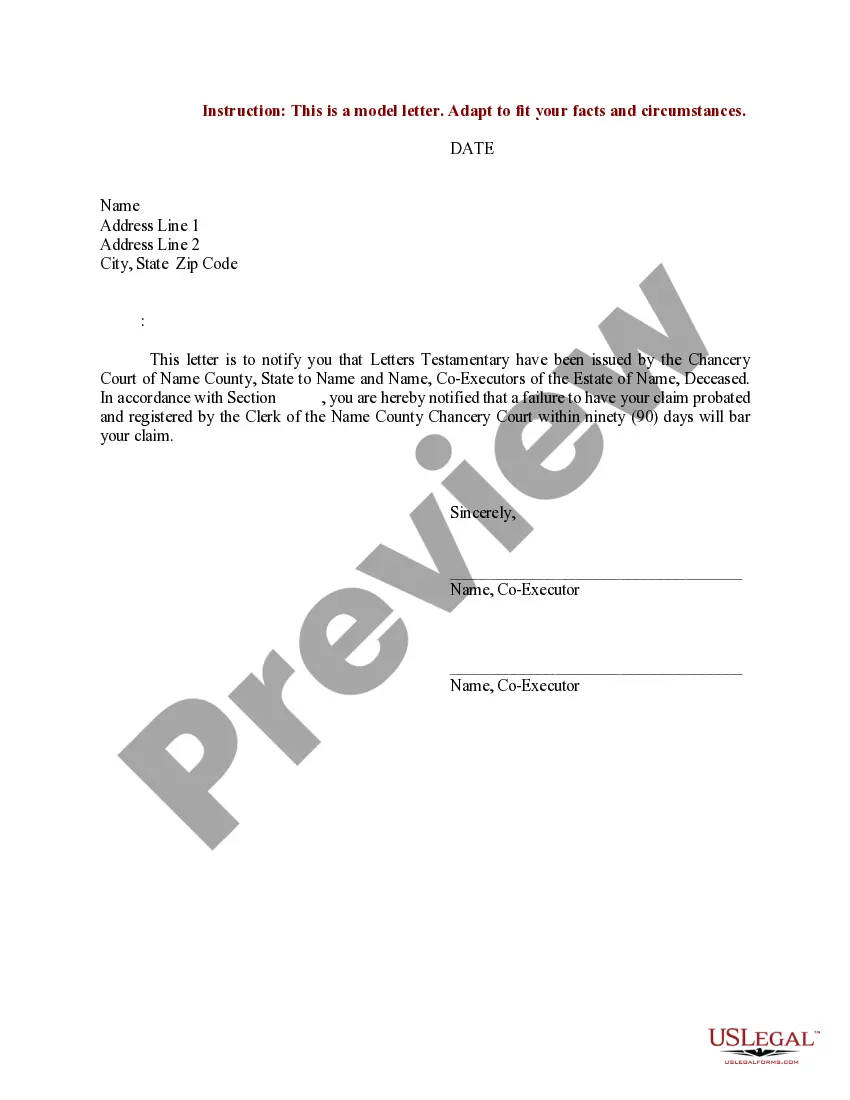
Letter Of Administration Without Will Texas
Description
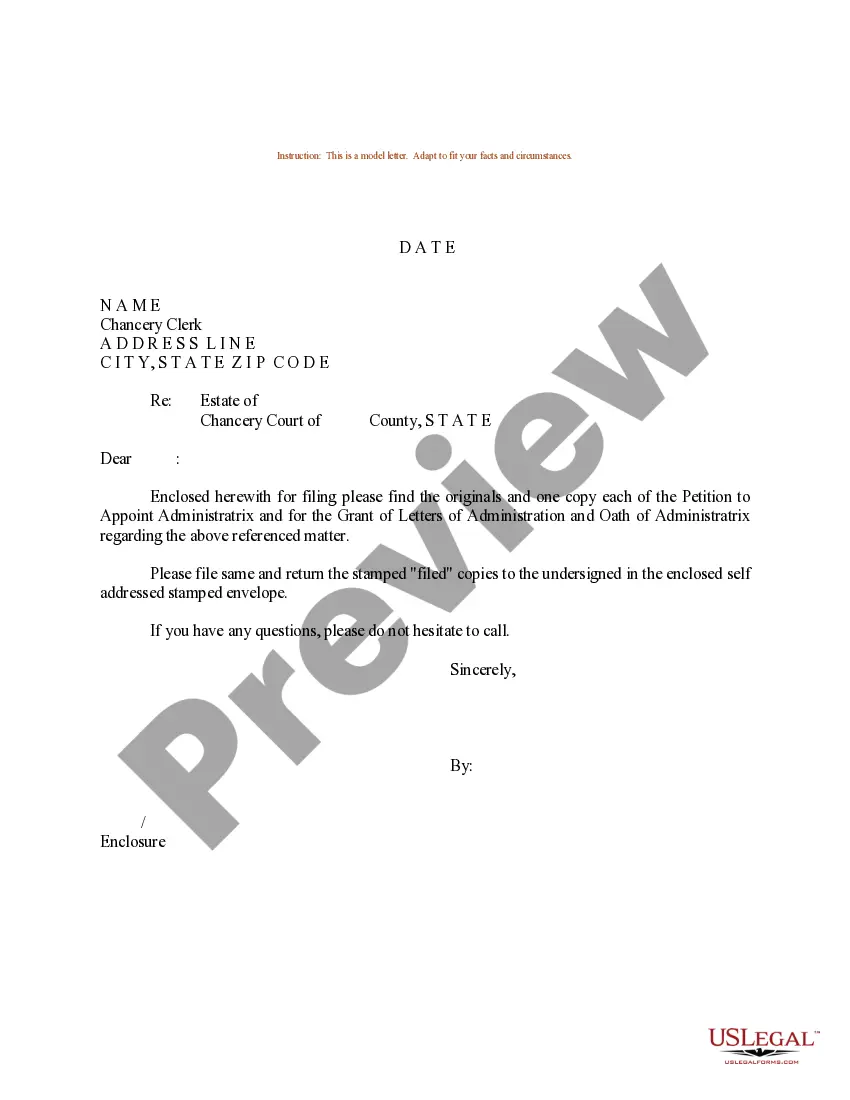
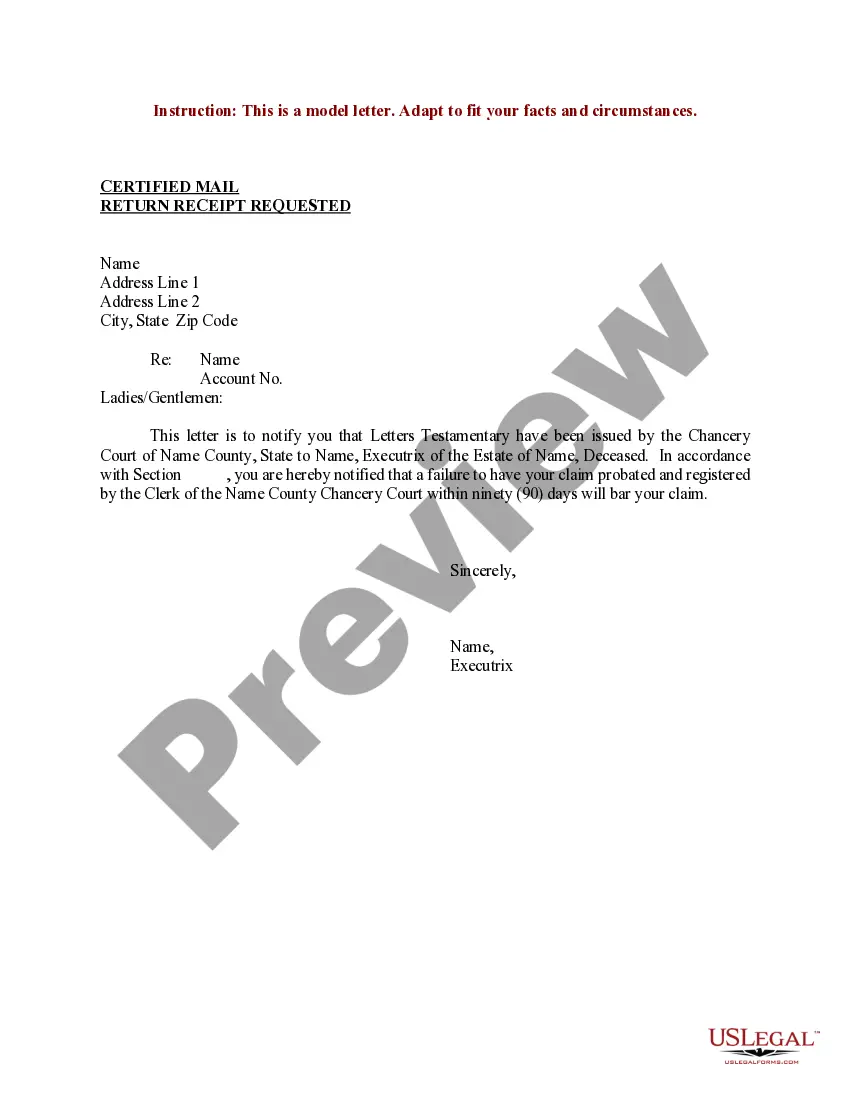
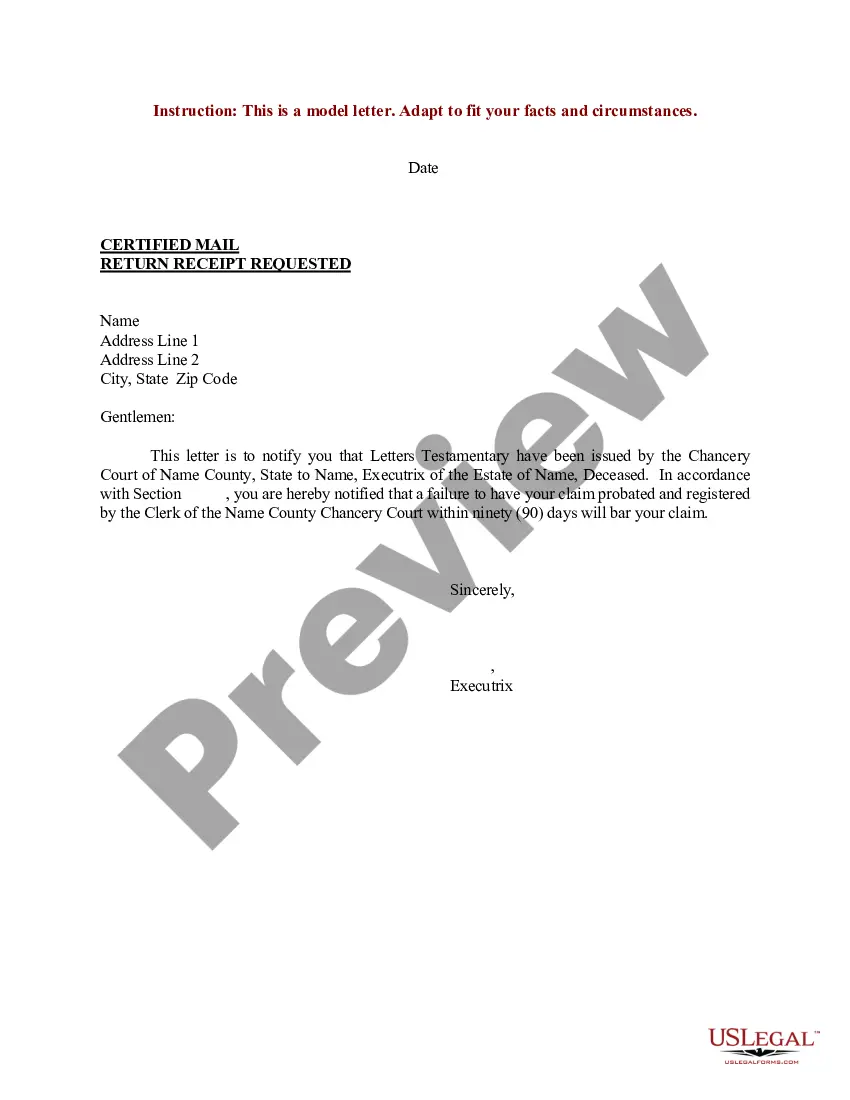
Get your form ready online
Our built-in tools help you complete, sign, share, and store your documents in one place.
Make edits, fill in missing information, and update formatting in US Legal Forms—just like you would in MS Word.
Download a copy, print it, send it by email, or mail it via USPS—whatever works best for your next step.
Sign and collect signatures with our SignNow integration. Send to multiple recipients, set reminders, and more. Go Premium to unlock E-Sign.
If this form requires notarization, complete it online through a secure video call—no need to meet a notary in person or wait for an appointment.
We protect your documents and personal data by following strict security and privacy standards.

Make edits, fill in missing information, and update formatting in US Legal Forms—just like you would in MS Word.

Download a copy, print it, send it by email, or mail it via USPS—whatever works best for your next step.

Sign and collect signatures with our SignNow integration. Send to multiple recipients, set reminders, and more. Go Premium to unlock E-Sign.

If this form requires notarization, complete it online through a secure video call—no need to meet a notary in person or wait for an appointment.

We protect your documents and personal data by following strict security and privacy standards.
Looking for another form?


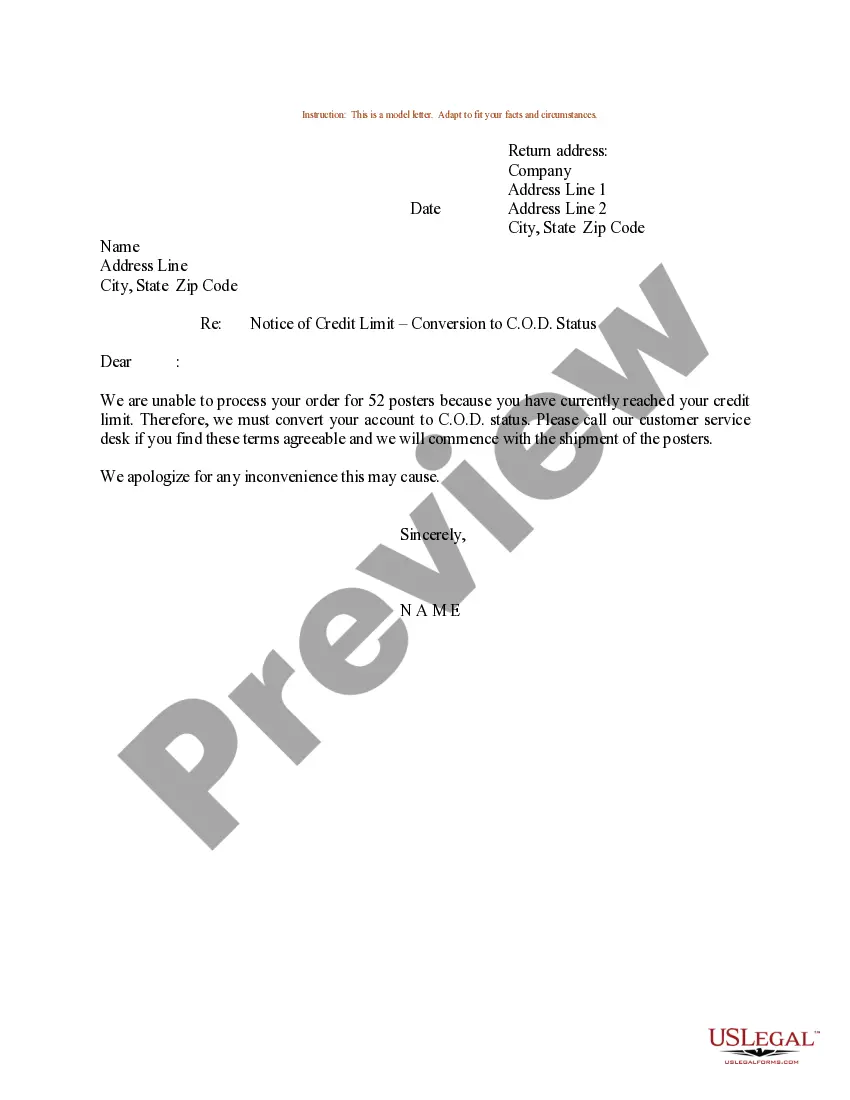
How to fill out Sample Letter For Letters Testamentary?
Creating legal documents from the ground up can occasionally be intimidating.
Certain situations may demand extensive research and substantial financial investment.
If you seek a more straightforward and economical method for preparing the Letter Of Administration Without Will Texas or any other documents without excessive hassle, US Legal Forms is readily available to you.
Our digital collection of over 85,000 current legal documents covers nearly every facet of your financial, legal, and personal dealings. With just a few clicks, you can swiftly access state- and county-compliant forms meticulously assembled for you by our legal experts.
Examine the document preview and descriptions to confirm you have located the appropriate form.
- Utilize our service whenever you require dependable assistance to swiftly find and retrieve the Letter Of Administration Without Will Texas.
- If you are already familiar with our website and have created an account, simply Log In to your account, find the form, and download it or retrieve it again anytime later in the My documents section.
- Don’t possess an account? No problem. Registering takes only a few moments, allowing you to explore the library.
- Before proceeding to download the Letter Of Administration Without Will Texas, remember to follow these pointers.
Form popularity
FAQ
An alternative to a letter of testamentary is a letter of administration, especially relevant when the deceased did not leave a will. This document allows an administrator, appointed by the court, to manage and distribute the deceased's assets. Utilizing services like USLegalForms can streamline the process and help you obtain the necessary documentation quickly and efficiently. If you find yourself in a situation requiring a letter of administration without will Texas, reach out to ensure you're on the right path.
Yes, you can probate an estate without a lawyer in Texas, but it may be a complex process. You will need to familiarize yourself with the required forms and procedures to file the probate application in court. While it is possible to navigate this process alone, having professional assistance can help ensure you comply with all legal requirements. Alternatively, if you face challenges, you might benefit from exploring a letter of administration without will Texas to manage an estate without a will.
To obtain letters of testamentary in Texas, you must file an application with the probate court in the county where the deceased person lived. This application requires you to provide pertinent details about the estate and any potential beneficiaries. After you file, a hearing may be scheduled, during which the court will review your application and determine whether to grant the letters of testamentary, allowing you to manage the estate. If you are dealing with a situation where there is no will, consider looking into a letter of administration without will Texas as an alternative.
The purpose of a Letter of Administration is to legally empower an individual to manage and distribute the assets of a deceased person who did not leave a will. It grants the administrator the authority to settle debts, locate assets, and ensure fair distribution to heirs. Essentially, this document is crucial for carrying out the probate process smoothly in Texas.
An administrator has significant power to manage the estate, including collecting assets, paying debts, and distributing property to heirs. This role is vital as it ensures that the deceased's wishes are honored according to Texas law when no will exists. However, the administrator must act in the best interest of the estate and its beneficiaries.
The primary difference between a Letter of Administration and an executor is that an executor is appointed to manage a will, while a Letter of Administration is for estates without a will. An executor has a defined role based on the will's instructions, while an administrator, with a Letter of Administration, must follow Texas laws in distributing the estate. Both serve important roles in the probate process.
Another name for a Letter of Administration is 'Letters of Administration.' This document is essential for appointing a person to manage the estate of someone who has passed without a will. It gives the administrator the legal authority to handle the deceased's affairs, similar to an executor.
To obtain a letter of administration in Texas, first gather all necessary documents related to the estate, including any evidence of the decedent's assets. Next, file a petition for letters of administration with the appropriate probate court. During the court hearing, present your case to demonstrate that the estate needs to be administered. Upon approval, the court will issue the letter of administration, empowering you to handle the estate affairs effectively.
To become the administrator of an estate without a will in Texas, you need to petition the probate court to appoint you as administrator. The court will examine your eligibility, which generally involves being an heir to the estate. After providing necessary documentation and attending a hearing, the court may grant you the authority to act on behalf of the estate. This is a key step in the process of obtaining a letter of administration without a will in Texas.
To obtain a letter of administration without a will in Texas, you must file a petition with the probate court in the county where the deceased resided. This petition should include information about the decedent, their assets, and the potential heirs. Once filed, the court will schedule a hearing, where you can present your case. If the court approves your petition, you will receive the letter of administration, allowing you to manage the estate accordingly.