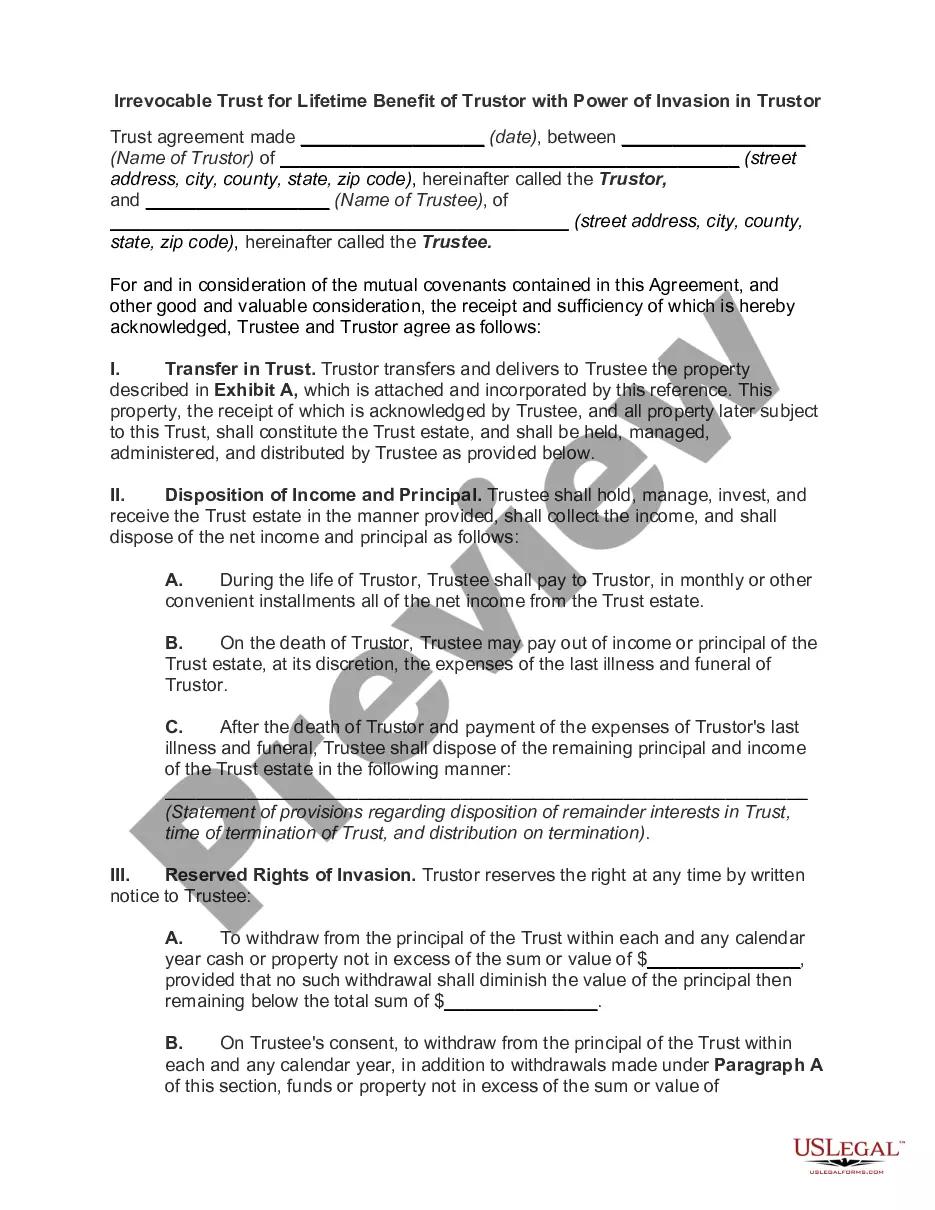
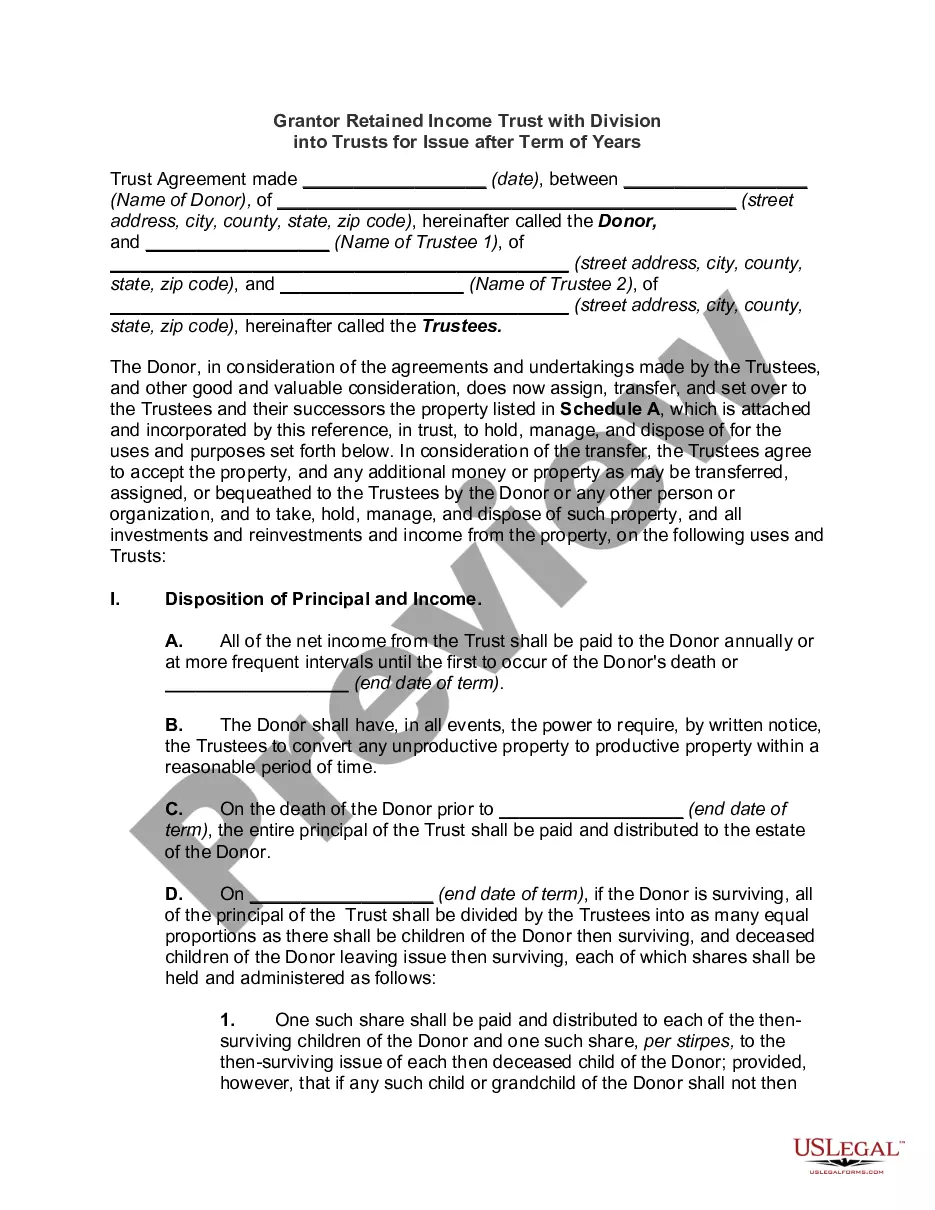
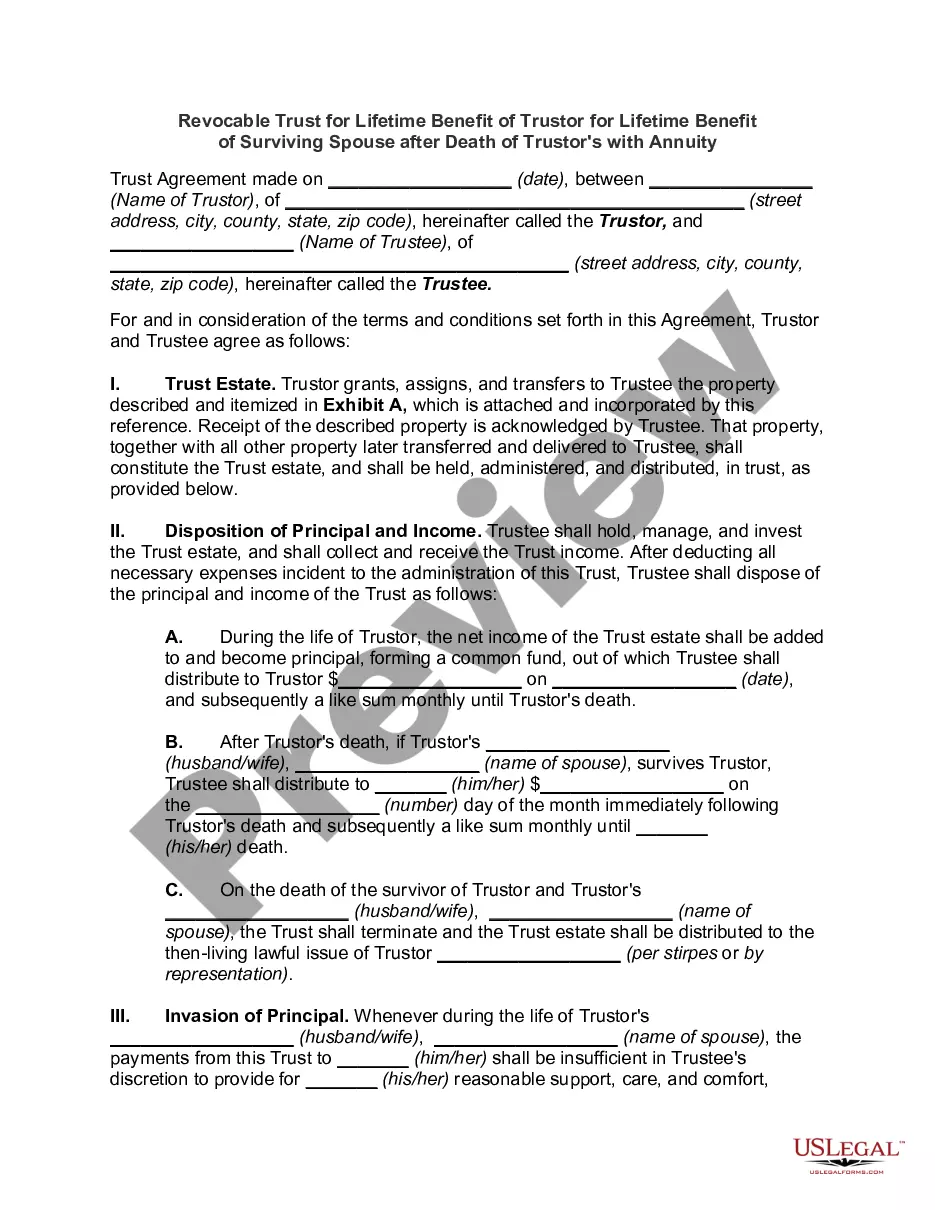
Irrevocable Trust Withdrawal Rights
Description
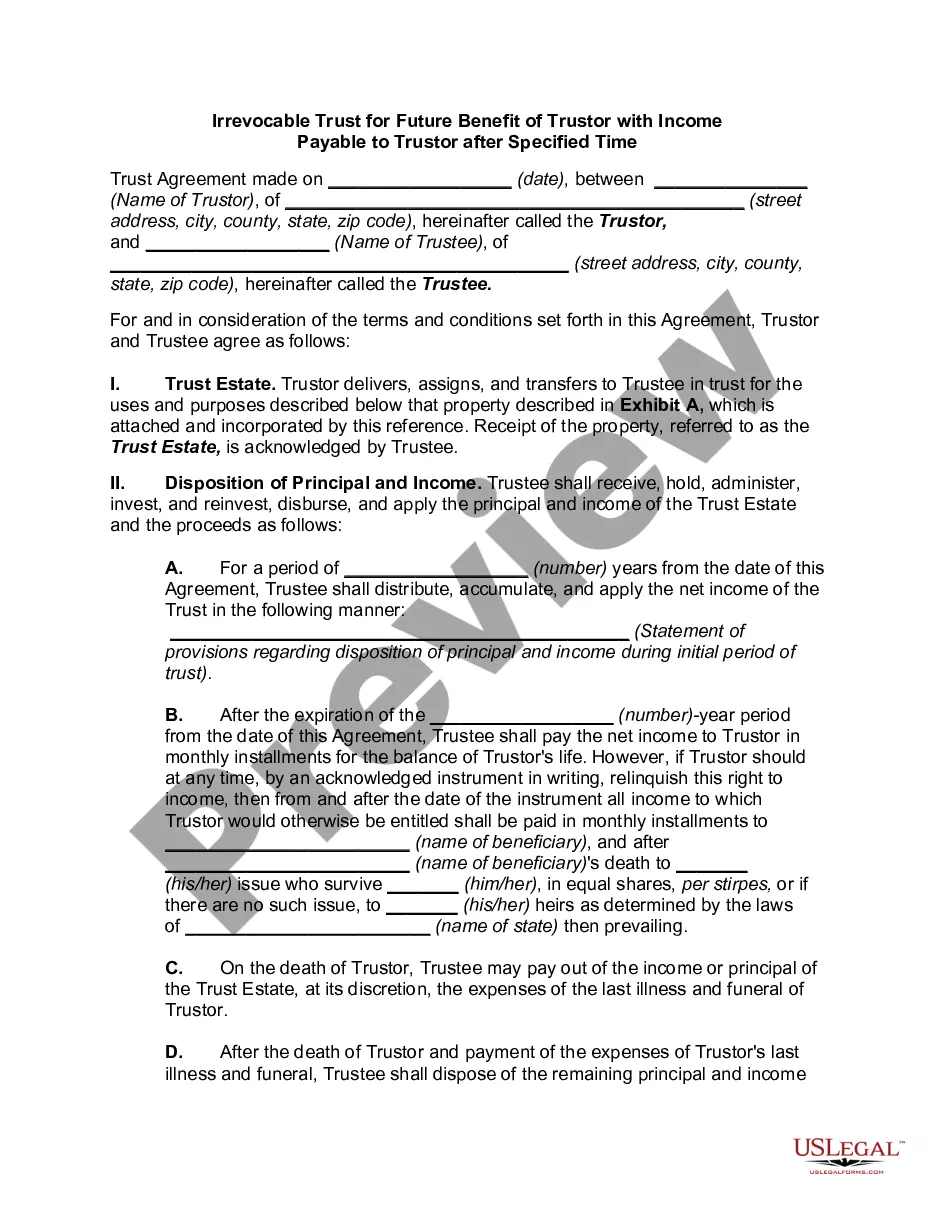
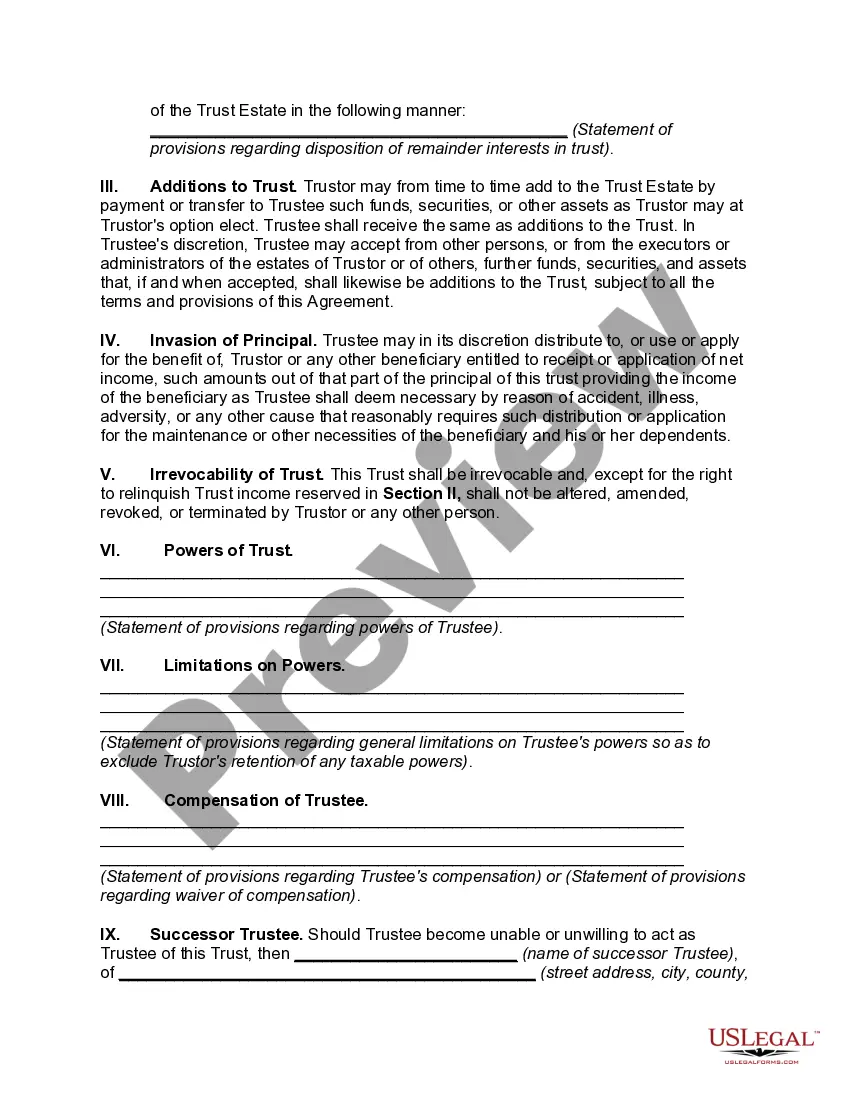
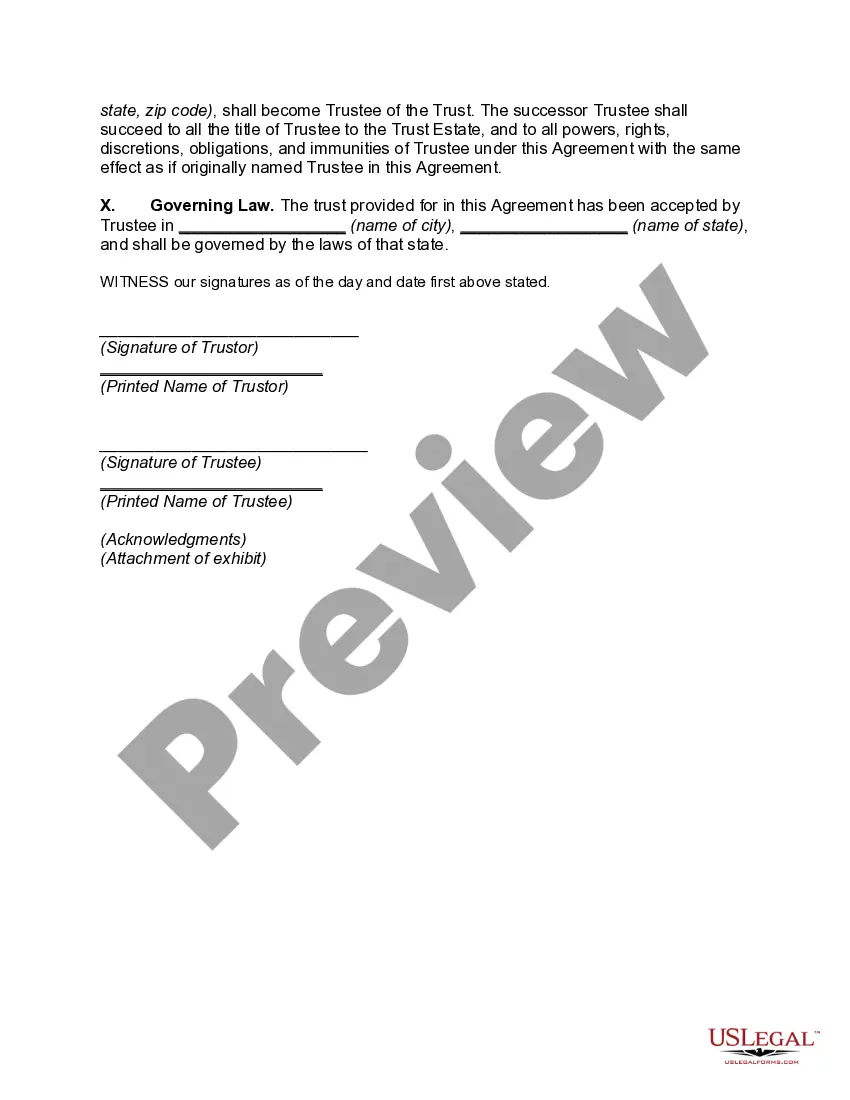
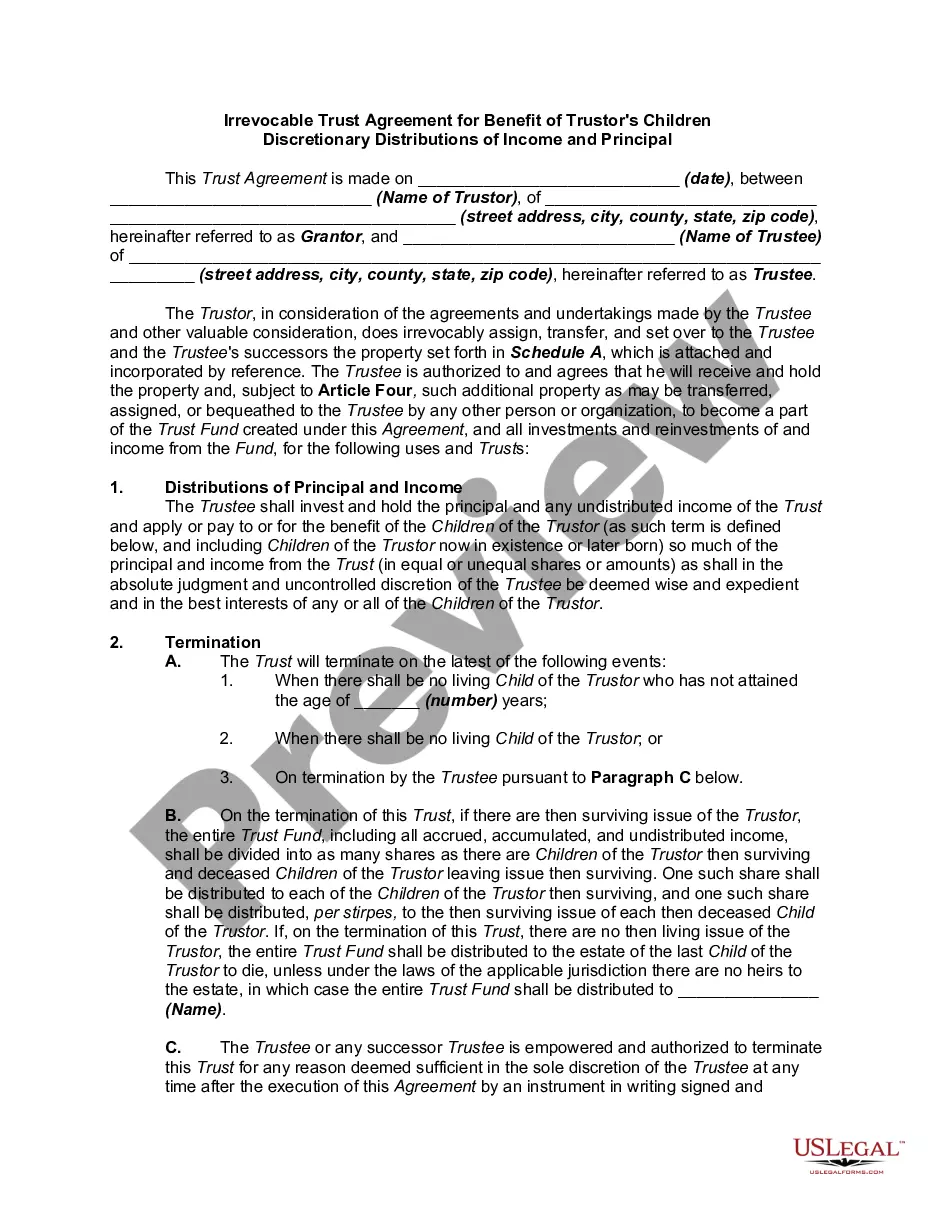
Get your form ready online
Our built-in tools help you complete, sign, share, and store your documents in one place.
Make edits, fill in missing information, and update formatting in US Legal Forms—just like you would in MS Word.
Download a copy, print it, send it by email, or mail it via USPS—whatever works best for your next step.
Sign and collect signatures with our SignNow integration. Send to multiple recipients, set reminders, and more. Go Premium to unlock E-Sign.
If this form requires notarization, complete it online through a secure video call—no need to meet a notary in person or wait for an appointment.
We protect your documents and personal data by following strict security and privacy standards.

Make edits, fill in missing information, and update formatting in US Legal Forms—just like you would in MS Word.

Download a copy, print it, send it by email, or mail it via USPS—whatever works best for your next step.

Sign and collect signatures with our SignNow integration. Send to multiple recipients, set reminders, and more. Go Premium to unlock E-Sign.

If this form requires notarization, complete it online through a secure video call—no need to meet a notary in person or wait for an appointment.

We protect your documents and personal data by following strict security and privacy standards.
Looking for another form?








Form popularity
FAQ
Removing someone from an irrevocable trust can be complex, as the trust is designed to be permanent. You typically need consent from all beneficiaries or a court order to change any terms. It's essential to understand that irrevocable trust withdrawal rights limit your ability to alter the trust once established. Consulting with a legal professional can provide clarity and guidance on your specific situation, ensuring that you navigate this process correctly.
Taking things out of an irrevocable trust can be challenging due to the nature of such trusts. Generally, once assets are placed in the trust, they remain there for the beneficiaries according to the trust’s rules. However, certain conditions may allow for withdrawals, depending on specific trust provisions. It’s essential to be aware of your irrevocable trust withdrawal rights to navigate this process effectively.
To get assets out of an irrevocable trust, you typically need to follow specific procedures outlined in the trust document. In many situations, you can seek the help of the trustee, who may have limited powers to distribute assets. Also, you might consider court intervention if the trust terms allow for it or if there are unusual circumstances. Understanding the irrevocable trust withdrawal rights helps clarify what is legally possible.
A trustee of an irrevocable trust has various powers to manage the assets according to the terms set forth in the trust document. This includes making investment decisions, distributing income to beneficiaries, and ensuring that the terms of the trust are followed. Understanding the rights and responsibilities of trustees is crucial, as it directly impacts the effectiveness of the irrevocable trust withdrawal rights.
To get assets out of an irrevocable trust, you typically need to follow a legal process that involves the consent of the beneficiaries and the trustee. The irrevocable trust withdrawal rights limit such actions, but some situations, such as tax considerations or changes in circumstances, might allow for a distribution. It's important to consult with a trust attorney to navigate these complexities.
Generally, you cannot remove assets from an irrevocable trust once it is established. The irrevocable trust withdrawal rights are designed to ensure that the assets remain protected from creditors and are distributed according to your wishes after your passing. If you consider making changes, consulting with a legal expert familiar with trust laws can clarify your options.
The 5 year rule generally refers to the period during which assets transferred to an irrevocable trust may be counted for Medicaid eligibility. If you transfer assets within five years of applying for Medicaid, those assets might still be considered as part of your estate. Understanding this rule is important for maintaining your financial stability, especially when considering irrevocable trust withdrawal rights. A knowledgeable attorney can provide tailored advice on this matter.
There are limited pathways to exit an irrevocable trust, such as obtaining consent from all parties involved. Additionally, if the trust's purpose has become unattainable, you might petition the court for a modification. It's crucial to approach the situation with care and involve a legal professional to discuss your irrevocable trust withdrawal rights. Clear guidance can assist you in making informed decisions.
While irrevocable trusts are designed to be permanent, there are a few limited circumstances that may allow for withdrawal rights. Typically, consent from all beneficiaries and the trustee is required. In some cases, a court may approve modifications or terminations if they align with the trust's original purpose. It's essential to consult with a legal expert on irrevocable trust withdrawal rights to explore your options.
