Examples Of Conflict Of Interest For Board Members
Description
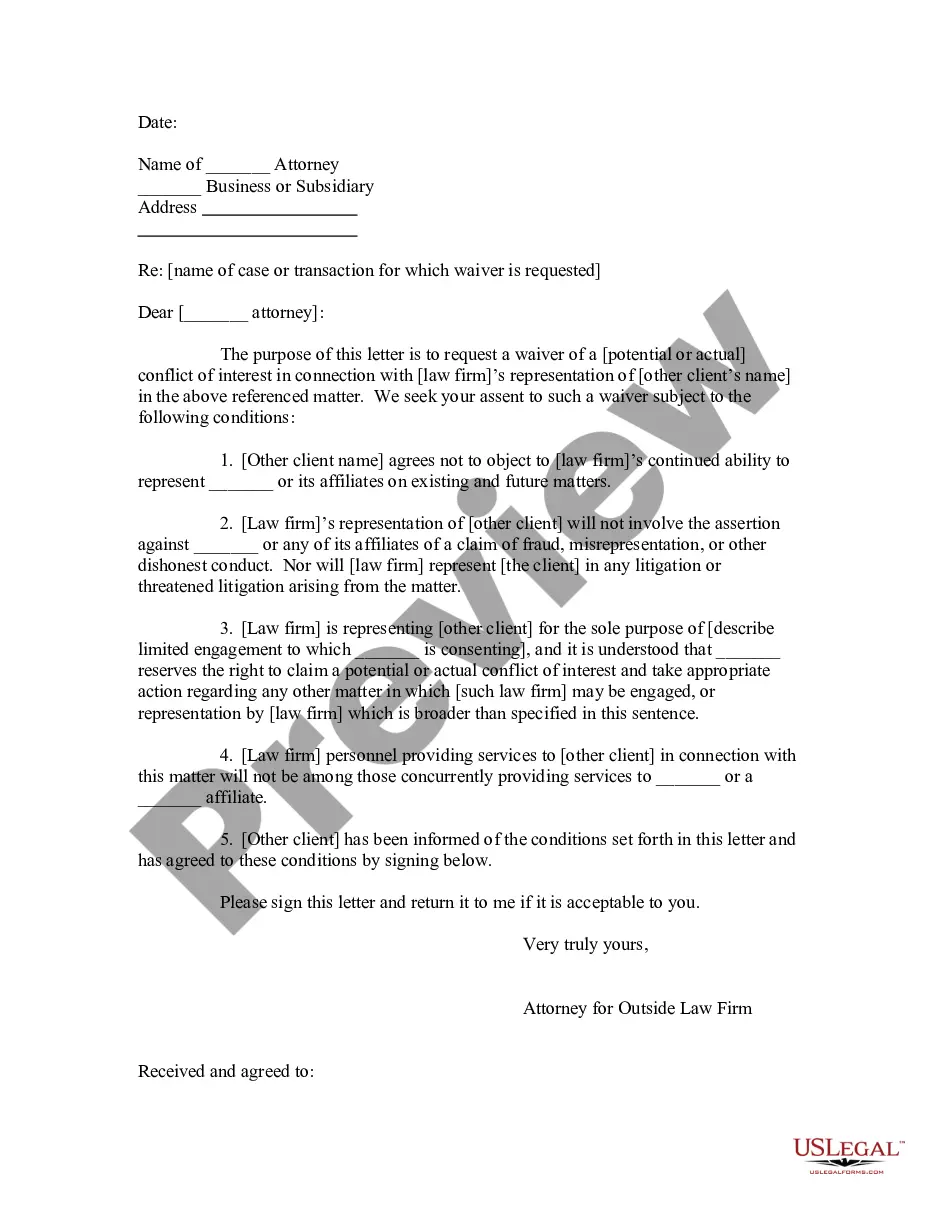
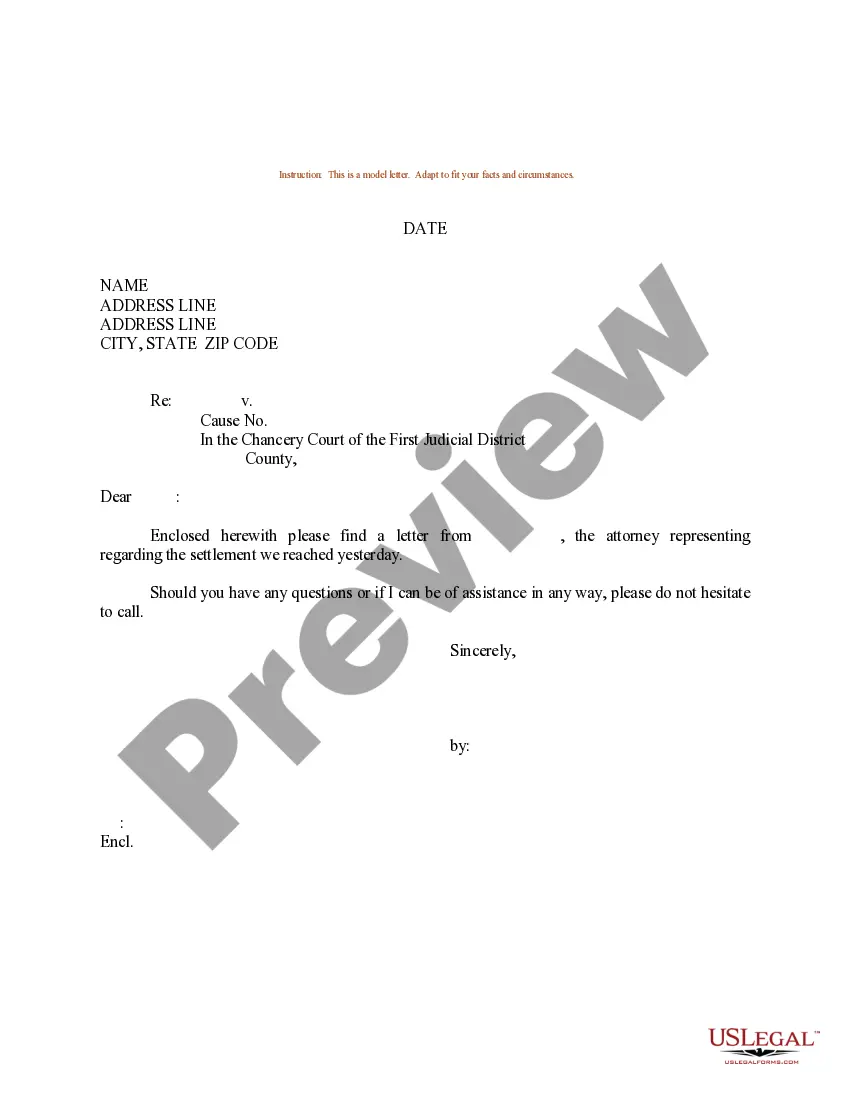
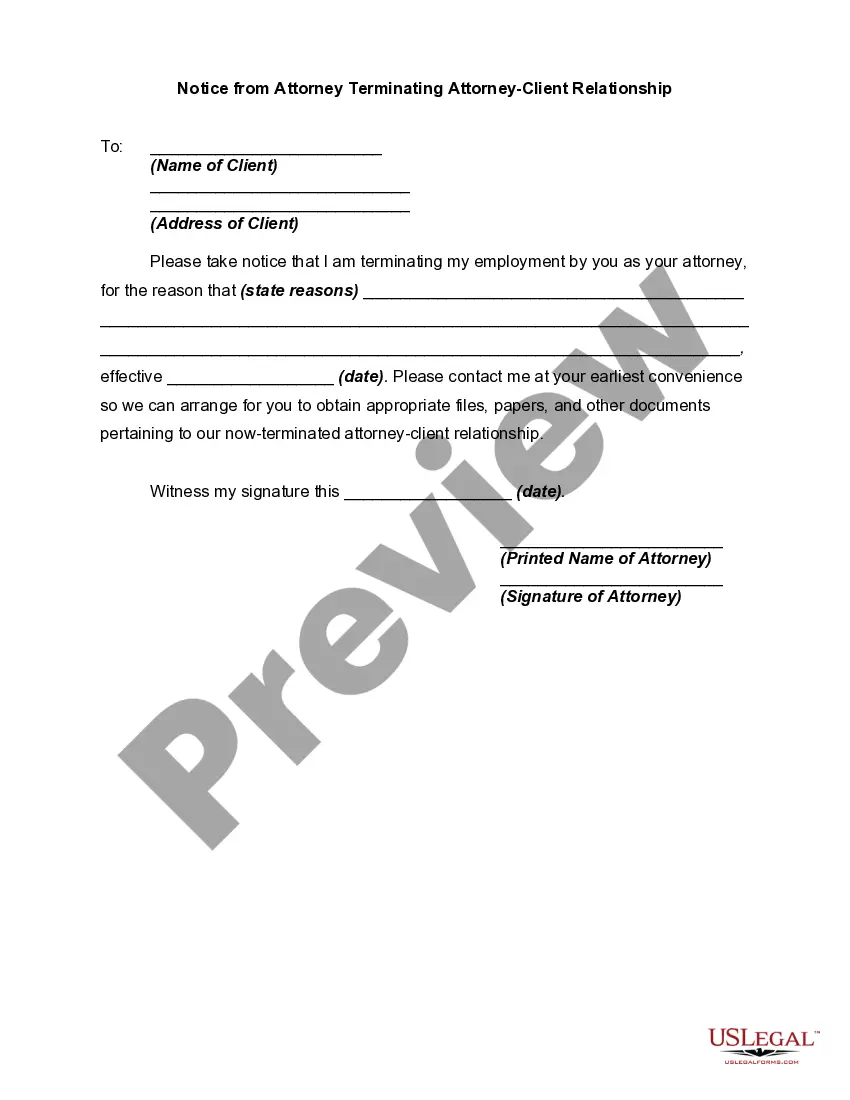
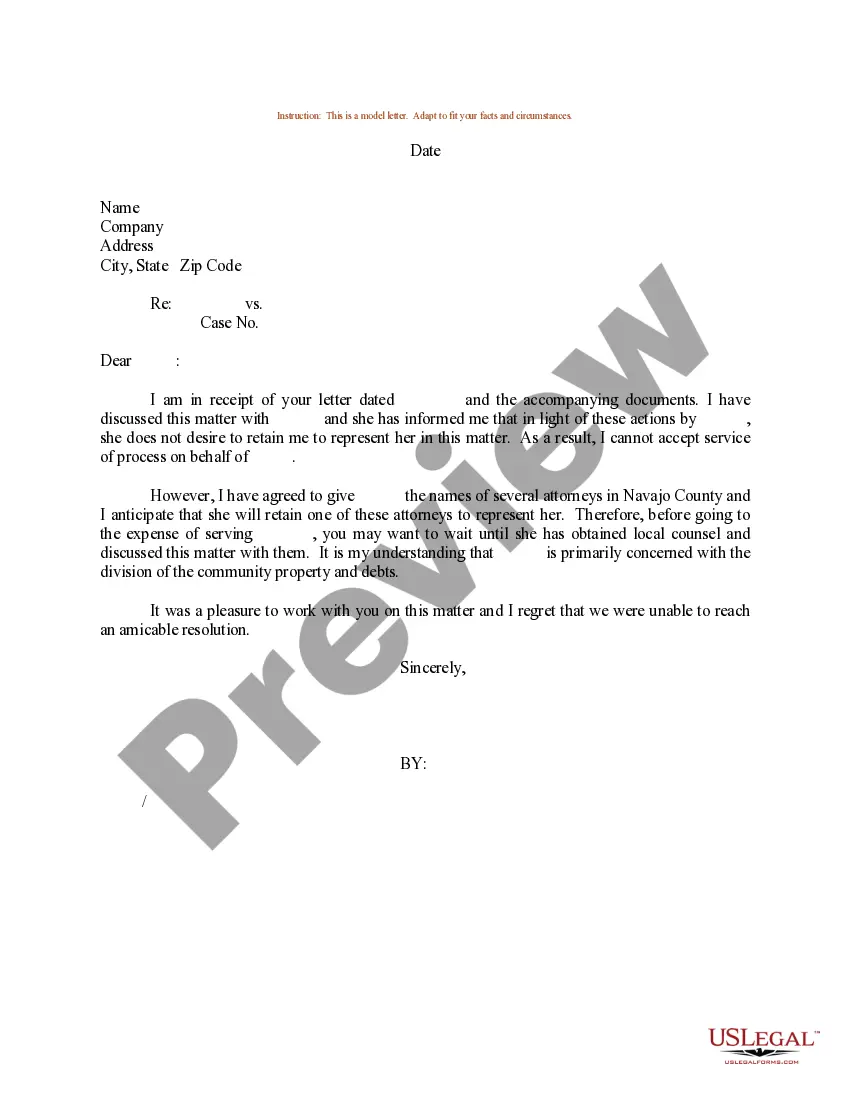
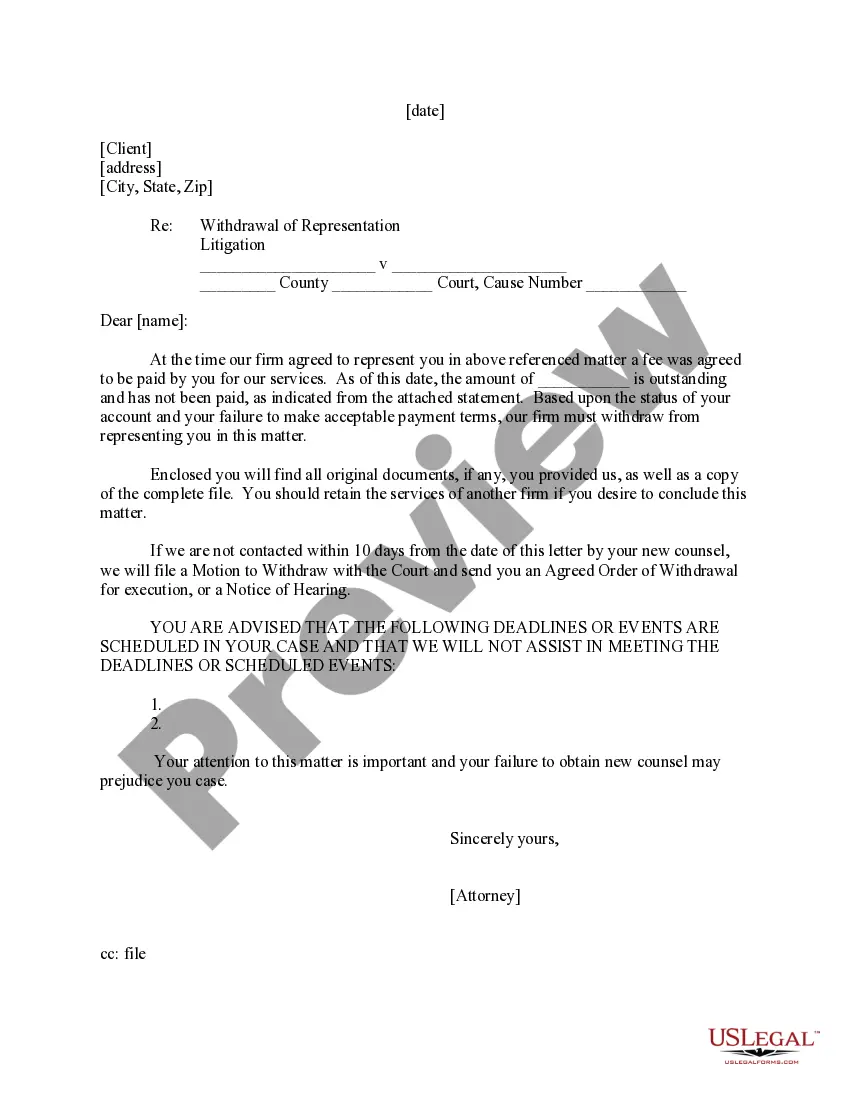

How to fill out Sample Attorney Conflict Of Interest Waiver Letter?
Engaging with legal paperwork and processes can be a lengthy addition to your schedule.
Instances of Conflict Of Interest For Board Members and similar forms frequently necessitate that you search for them and comprehend how to fill them out correctly.
For that reason, whether you are managing financial, legal, or personal matters, having an extensive and functional online repository of forms readily available will significantly help.
US Legal Forms is the leading online platform for legal templates, featuring over 85,000 state-specific documents and various resources to help you complete your paperwork effortlessly.
Simply Log In to your account, locate Instances of Conflict Of Interest For Board Members, and download it instantly from the My documents section. You can also access previously downloaded documents.
- Examine the collection of relevant documents accessible to you with just one click.
- US Legal Forms provides state- and county-specific forms available for download anytime.
- Safeguard your document management processes using a high-quality service that enables you to assemble any document in minutes without added or concealed fees.
Form popularity
FAQ
When addressing a conflict of interest, it is important to clearly describe the situation, including the individuals or companies involved and the nature of the conflict. You should also outline any potential impacts on decision-making and describe steps taken to mitigate the conflict. Using tools like USLegalForms can help you craft a comprehensive conflict of interest policy, ensuring transparency and accountability for board members.
Common examples of conflicts of interest include accepting gifts or favors from individuals or organizations that may influence board decisions. Additionally, serving on multiple boards that have competing interests can create a conflict. Identifying these situations is crucial, as they can undermine trust and transparency within the board and the organization.
Examples of conflict of interest for board members include situations where a board member has a personal stake in a company that competes with the organization they serve. Another example is when a board member has a financial interest in a vendor that the board is considering for a contract. These conflicts can lead to biased decisions that may not align with the best interests of the organization.
The four unethical practices of the board of directors include nepotism, insider trading, failure to disclose conflicts, and self-dealing. Nepotism occurs when board members favor relatives in hiring or contracts. Insider trading involves using non-public information for personal gain. Failure to disclose conflicts undermines trust, while self-dealing involves making decisions that benefit a board member personally. Understanding these practices is crucial for maintaining ethical standards within the board.
An example of conflict of interest for board members is when a board member votes on a contract that benefits their family business. This creates a situation where personal gain could influence decisions that should prioritize the organization's best interest. Recognizing such examples is vital for maintaining transparency and trust within the board. Tools from UsLegalForms can help boards create conflict of interest policies to address and manage these situations effectively.
Proving a conflict of interest typically involves demonstrating a personal interest that could affect a board member's judgment. This can be shown through documentation, such as financial statements or contracts, that links personal gain to board decisions. Witness testimonies can also support claims of conflict. By identifying clear examples of conflict of interest for board members, one can build a stronger case.
A board member conflict of interest arises when a board member has a personal interest that may influence their decision-making. These interests can be financial, familial, or related to competing organizations. Such conflicts can jeopardize the integrity of the board's decisions, making it essential to address them proactively. Understanding examples of conflict of interest for board members can help in recognizing and mitigating these situations.
The 4 D's of conflict of interest include Disclosure, Divestiture, Disqualification, and Diligence. Disclosure requires board members to openly share any potential conflicts. Divestiture involves selling off conflicting interests, while Disqualification means stepping back from decisions where a conflict exists. Diligence ensures that board members remain vigilant in identifying and managing conflicts of interest.