Conflict Of Interest For Business
Description
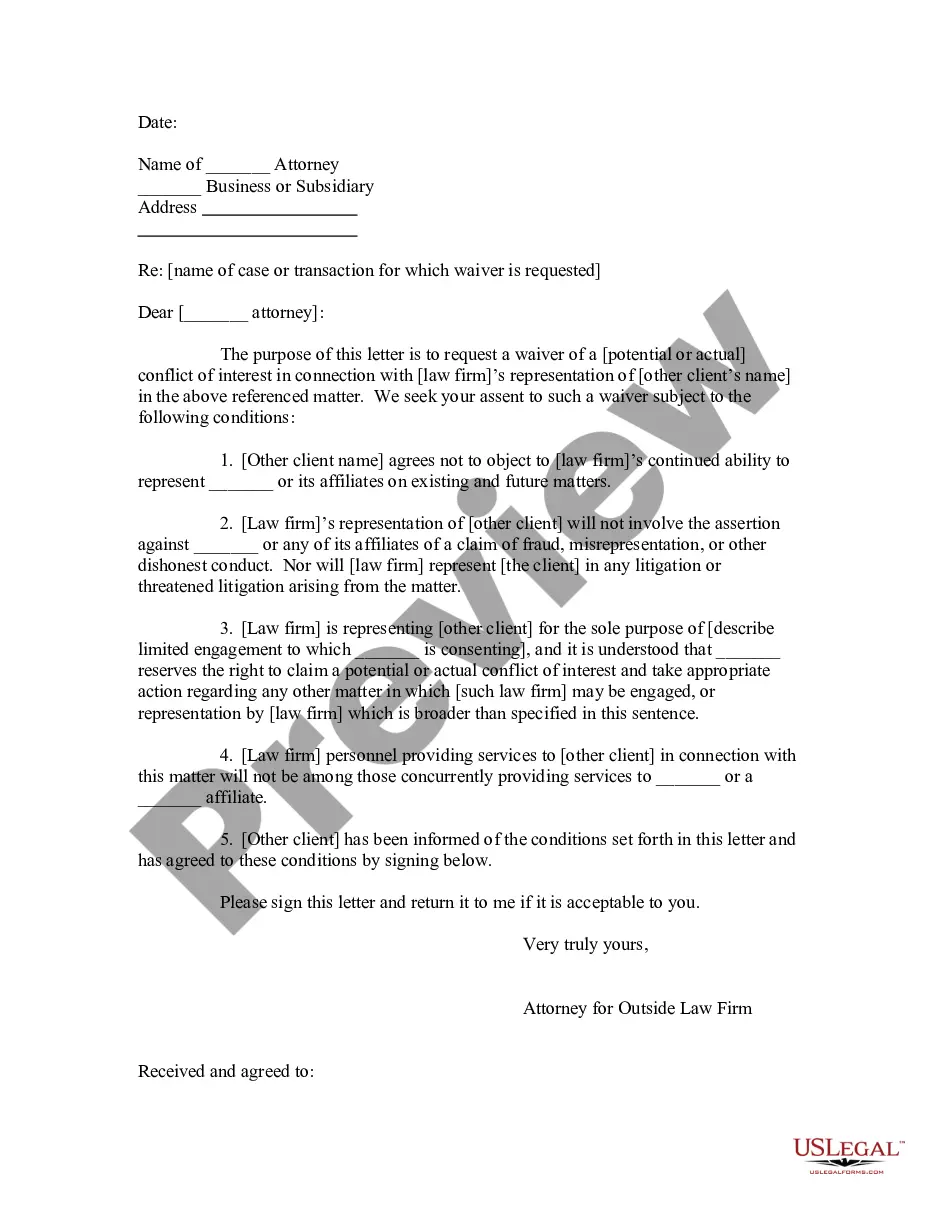

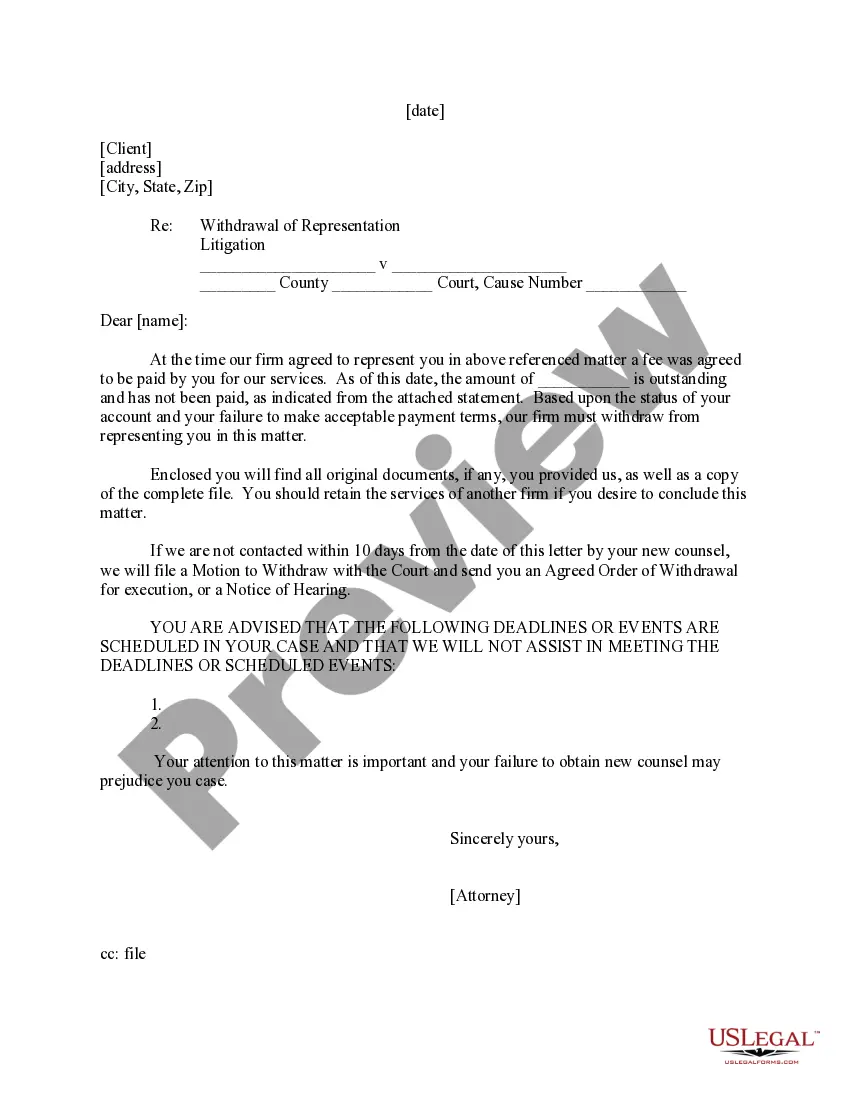
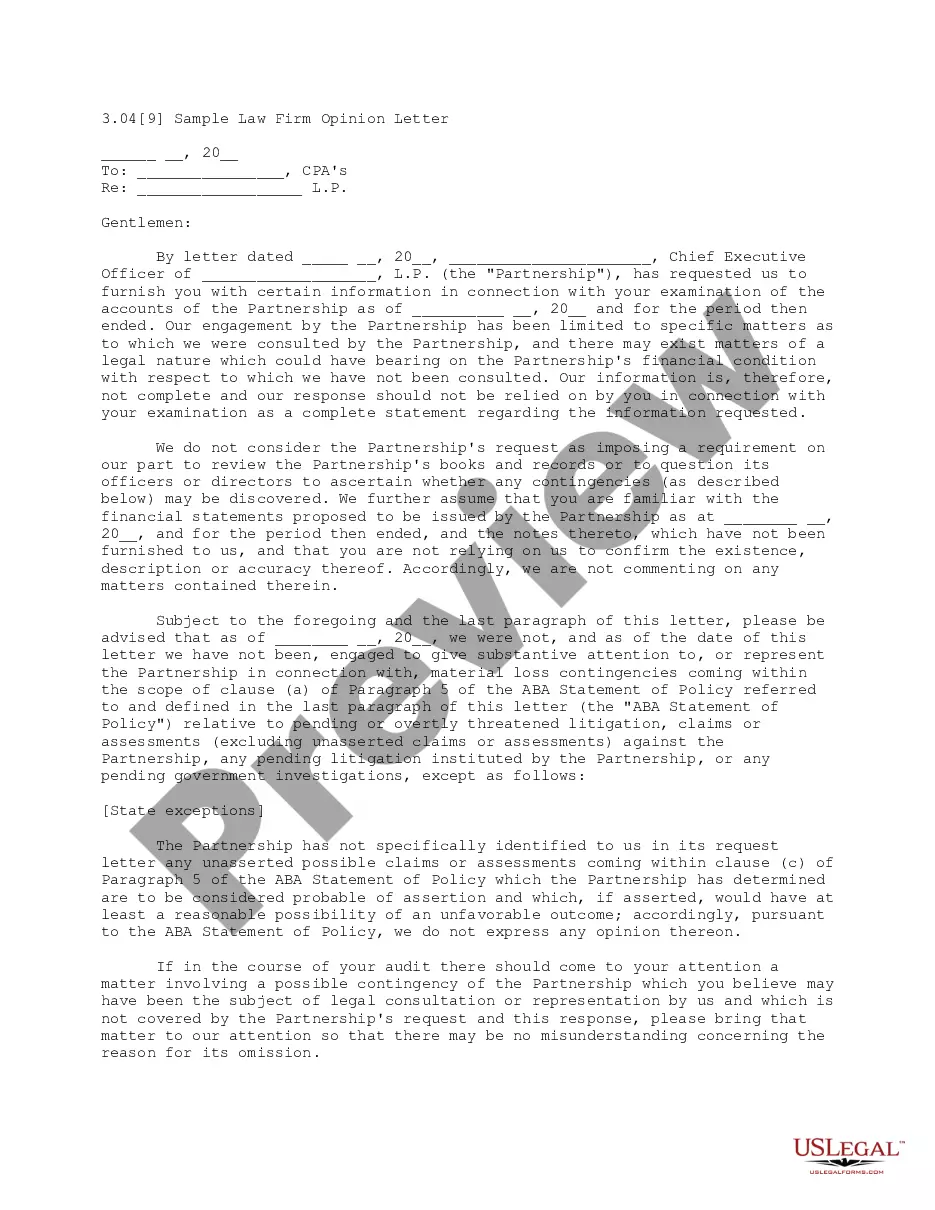

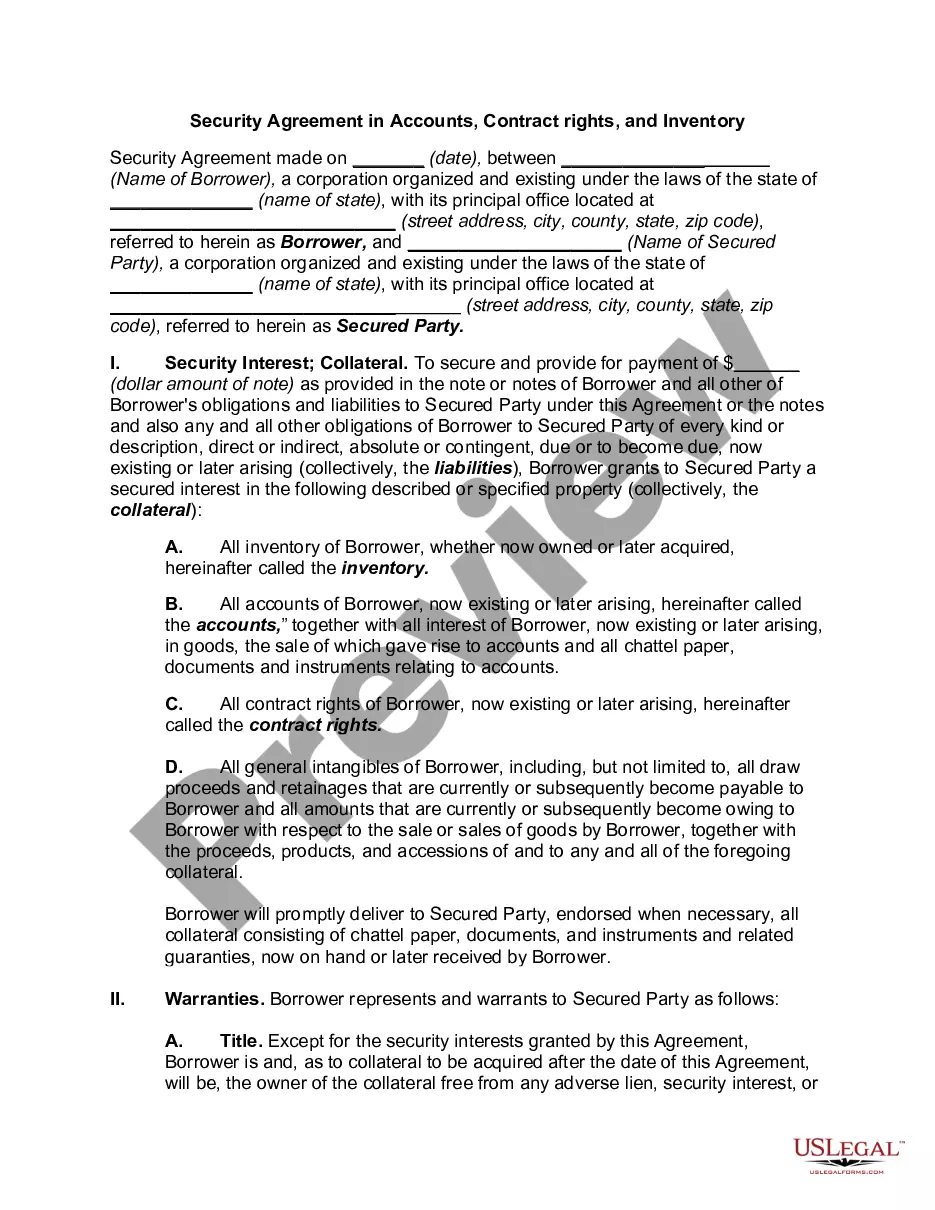
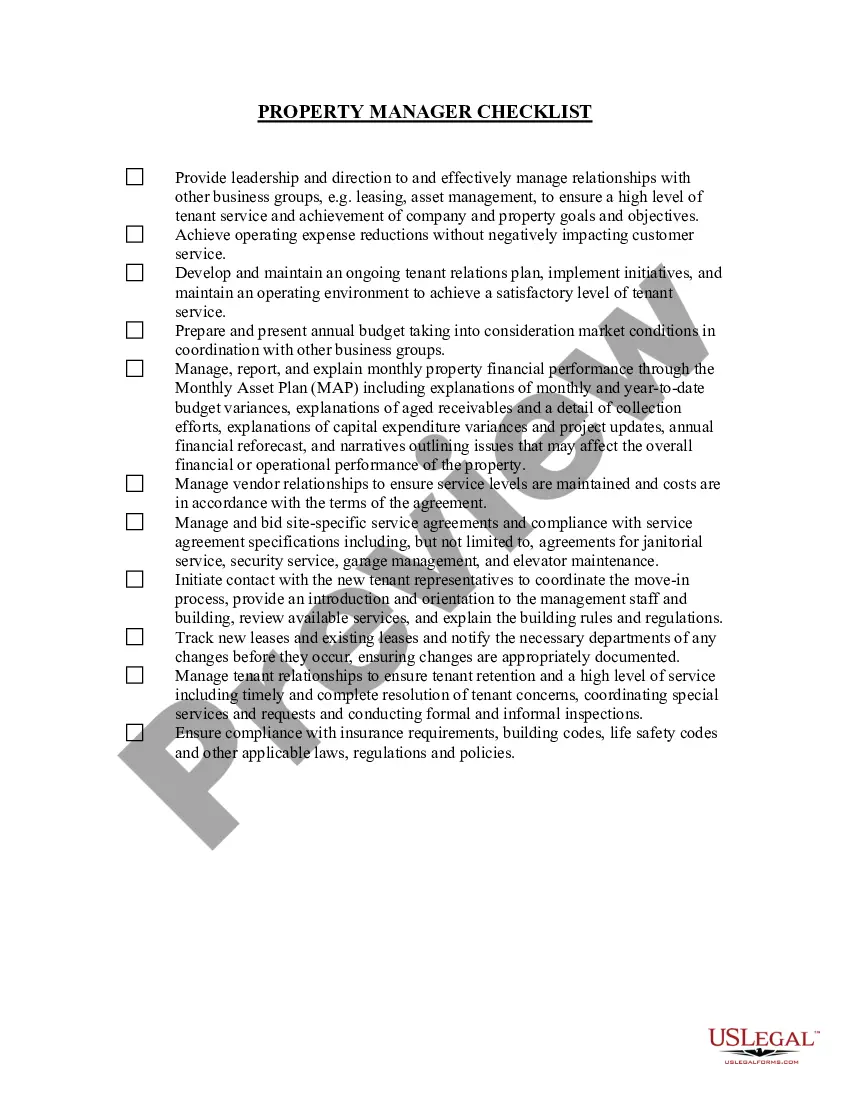
How to fill out Sample Attorney Conflict Of Interest Waiver Letter?
It’s well-known that you cannot become a legal authority instantly, nor can you learn how to swiftly create a Conflict Of Interest For Business without a unique set of expertise.
Drafting legal documents is a lengthy process that necessitates specific education and abilities. So why not entrust the creation of the Conflict Of Interest For Business to the experts.
With US Legal Forms, one of the most comprehensive legal document repositories, you can access everything from court documents to templates for internal corporate correspondence.
You can revisit your documents from the My documents tab at any moment. If you’re a current customer, you can simply Log In, and locate and download the template from the same tab.
Regardless of the purpose of your documents-whether they are financial, legal, or personal-our platform has everything you need. Experience US Legal Forms now!
- Locate the document you require by utilizing the search bar at the top of the page.
- Preview it (if this feature is available) and read the accompanying description to determine if Conflict Of Interest For Business is what you need.
- Restart your search if you require any other template.
- Create a free account and select a subscription plan to purchase the template.
- Click Buy now. Once the purchase is finalized, you can download the Conflict Of Interest For Business, complete it, print it, and send it or mail it to the specified individuals or entities.
Form popularity
FAQ
How to Manage Conflicts of Interest 1) Identify Conflicts of Interest. The first step in managing an employee's conflict of interest is to identify it. ... 2) Understand the Implications. ... 3) Inform the Employee. ... 4) Separate The Employee From The Conflict. ... 5) If All Else Fails, Terminate.
Performing evaluative research for a company in which the investigator has a financial interest. Accepting a paid consultancy with a company having an interest in your research. Using students to perform services for a company in which you have a financial interest.
Managing conflict of interest requires a balance Prohibiting unacceptable forms of private interest. Raising awareness of the circumstances in which conflicts can arise. Building capacities to prevent conflict of interest through training. Ensuring effective procedures to resolve conflict-of-interest situations.
Examples of Conflicts of Interest At Work Hiring an unqualified relative to provide services your company needs. Starting a company that provides services similar to your full-time employer. Failing to disclose that you're related to a job candidate the company is considering hiring.
Performing evaluative research for a company in which the investigator has a financial interest. Accepting a paid consultancy with a company having an interest in your research. Using students to perform services for a company in which you have a financial interest.