Conflict Of Interest Definition With Example
Description
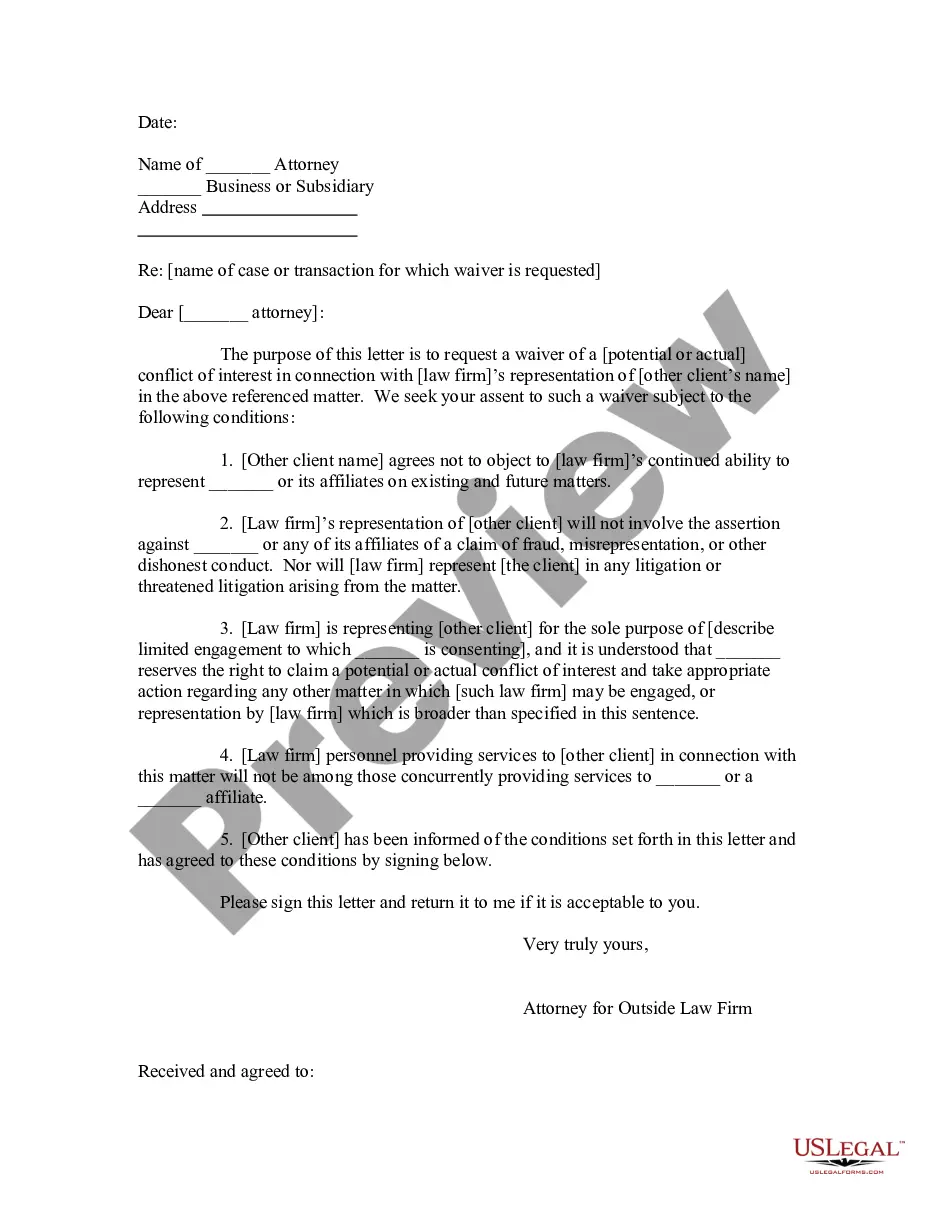
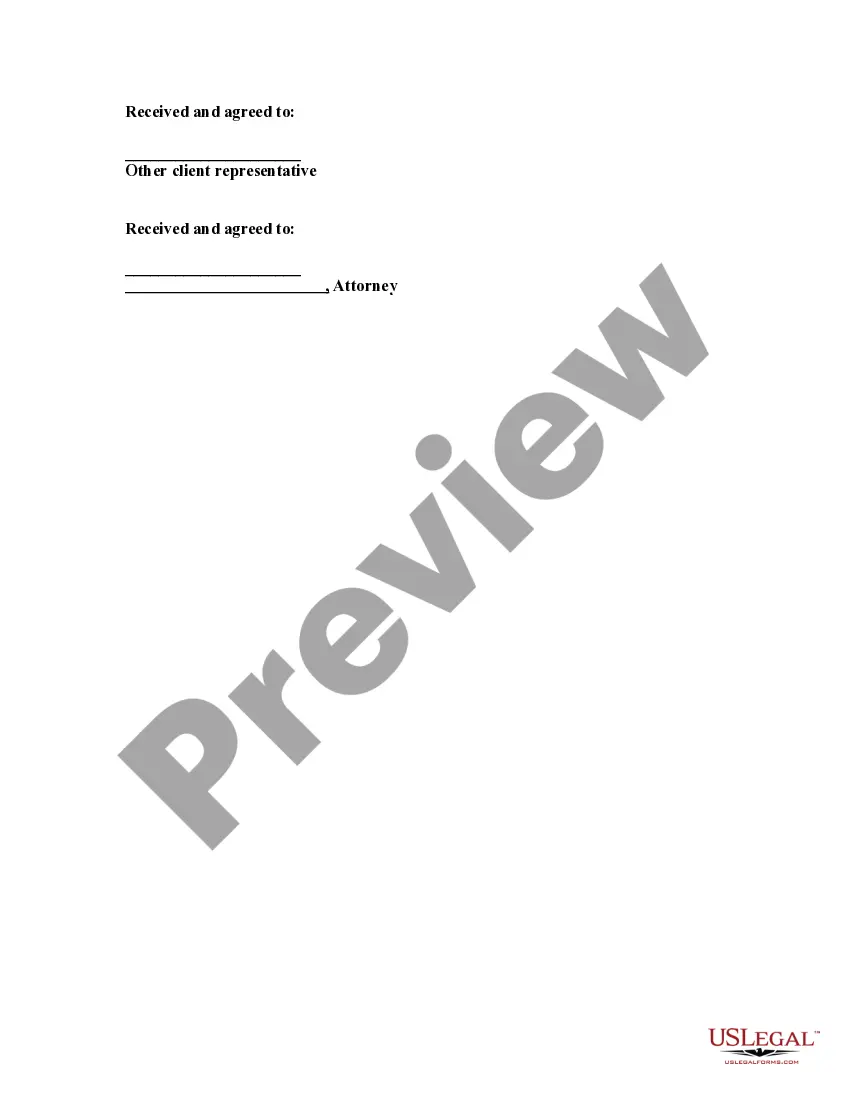
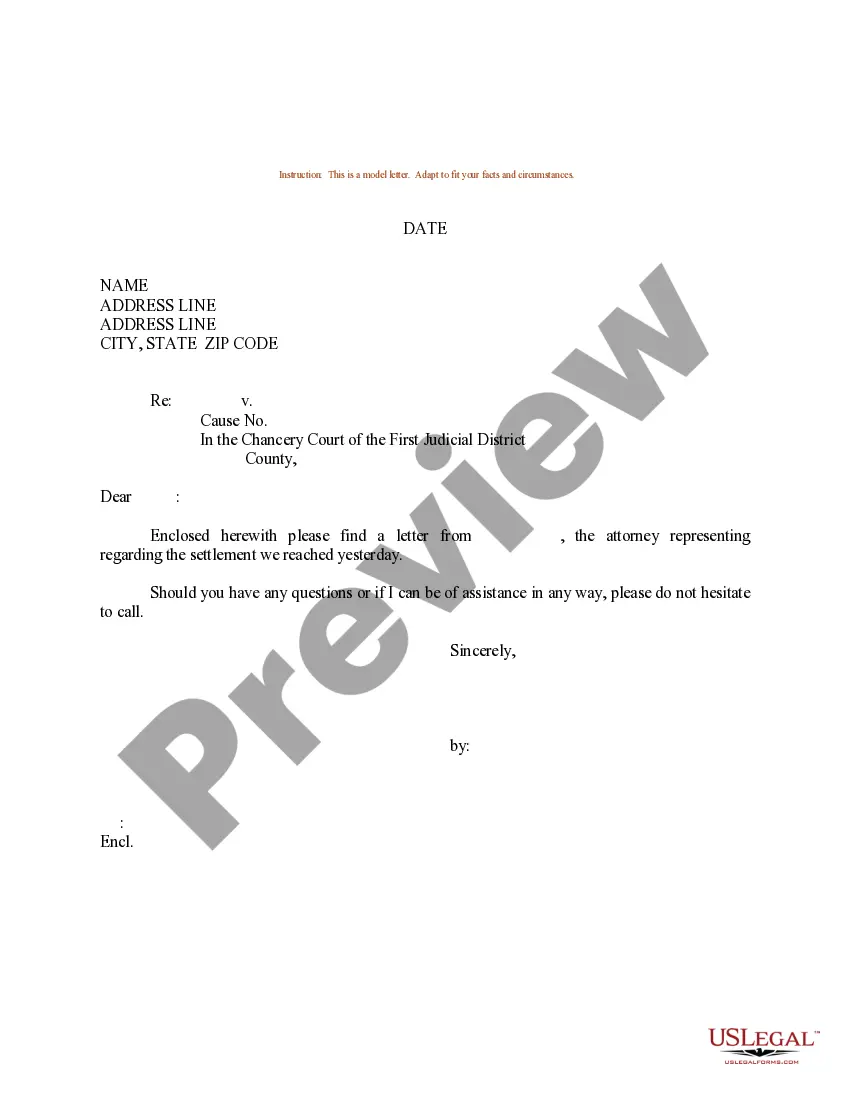
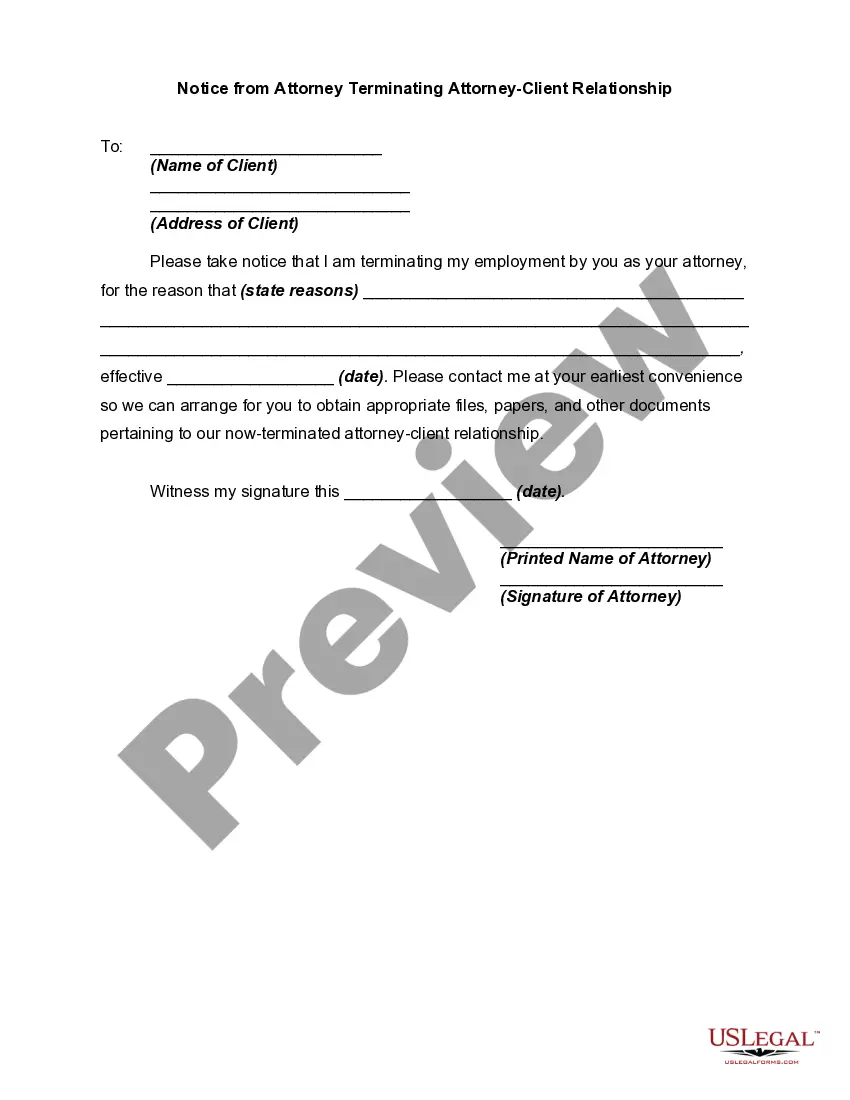
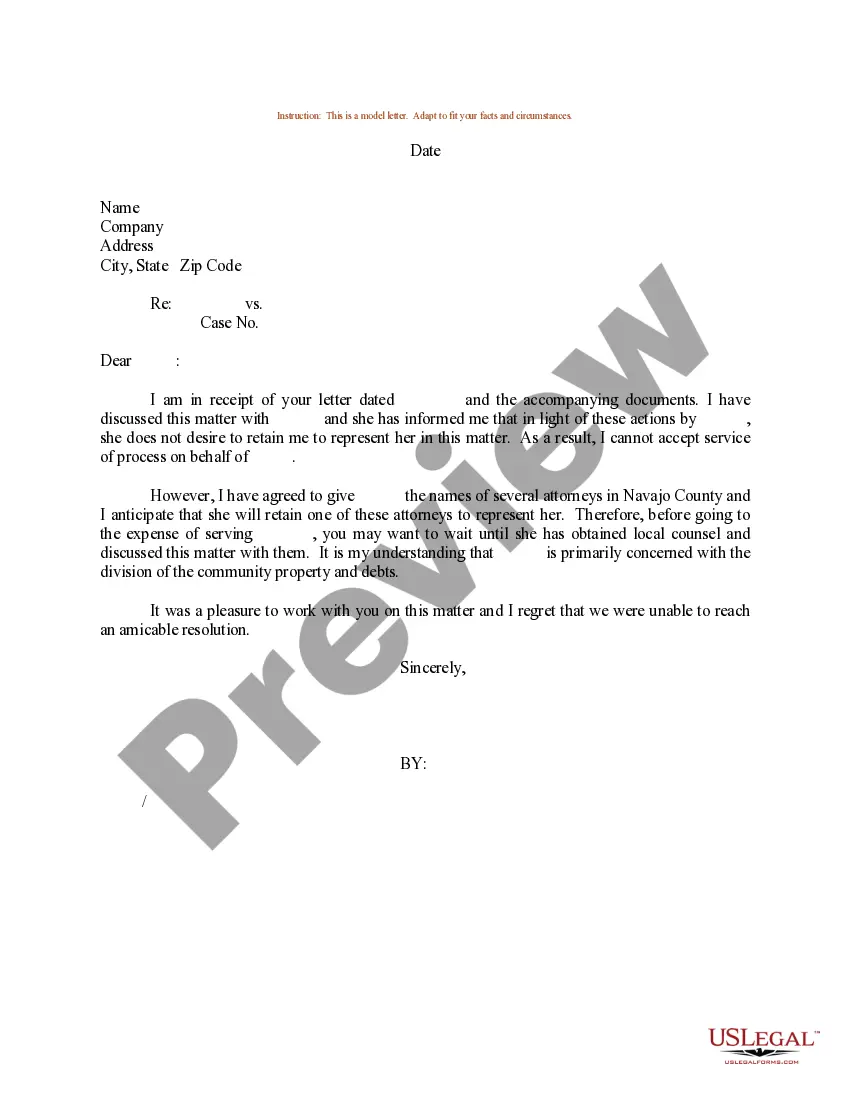
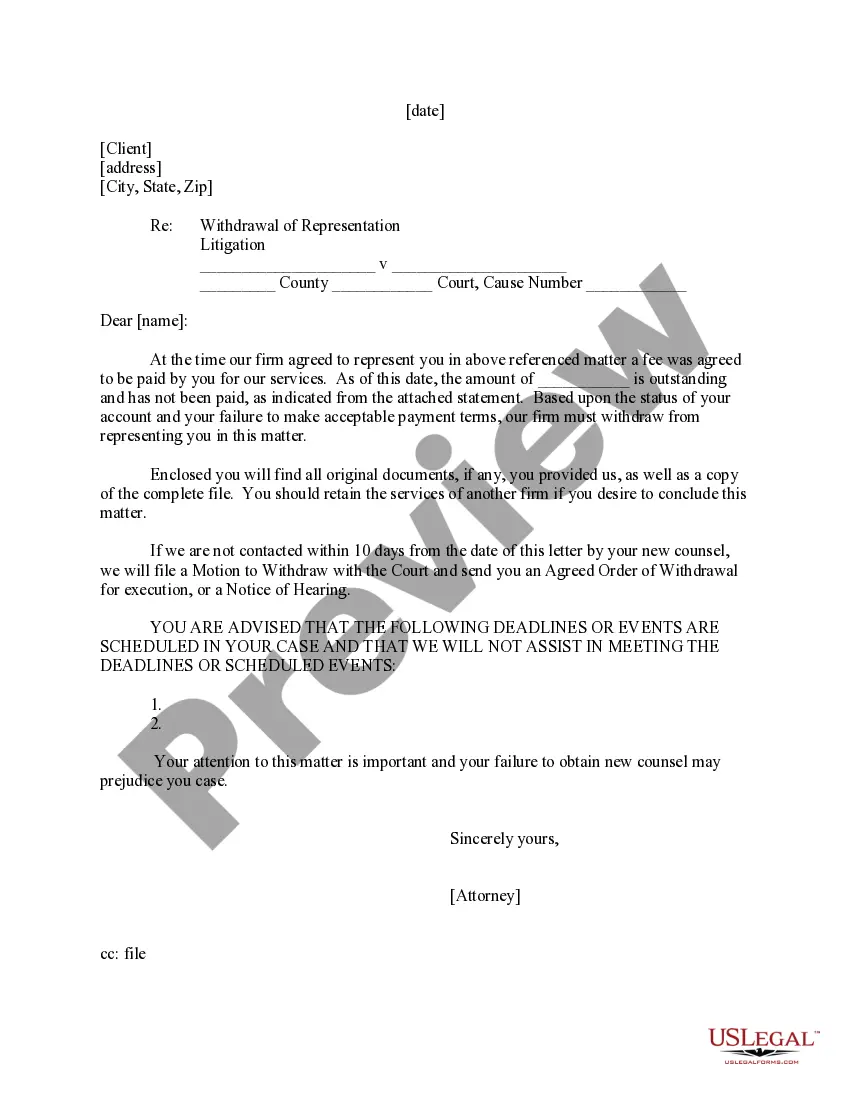
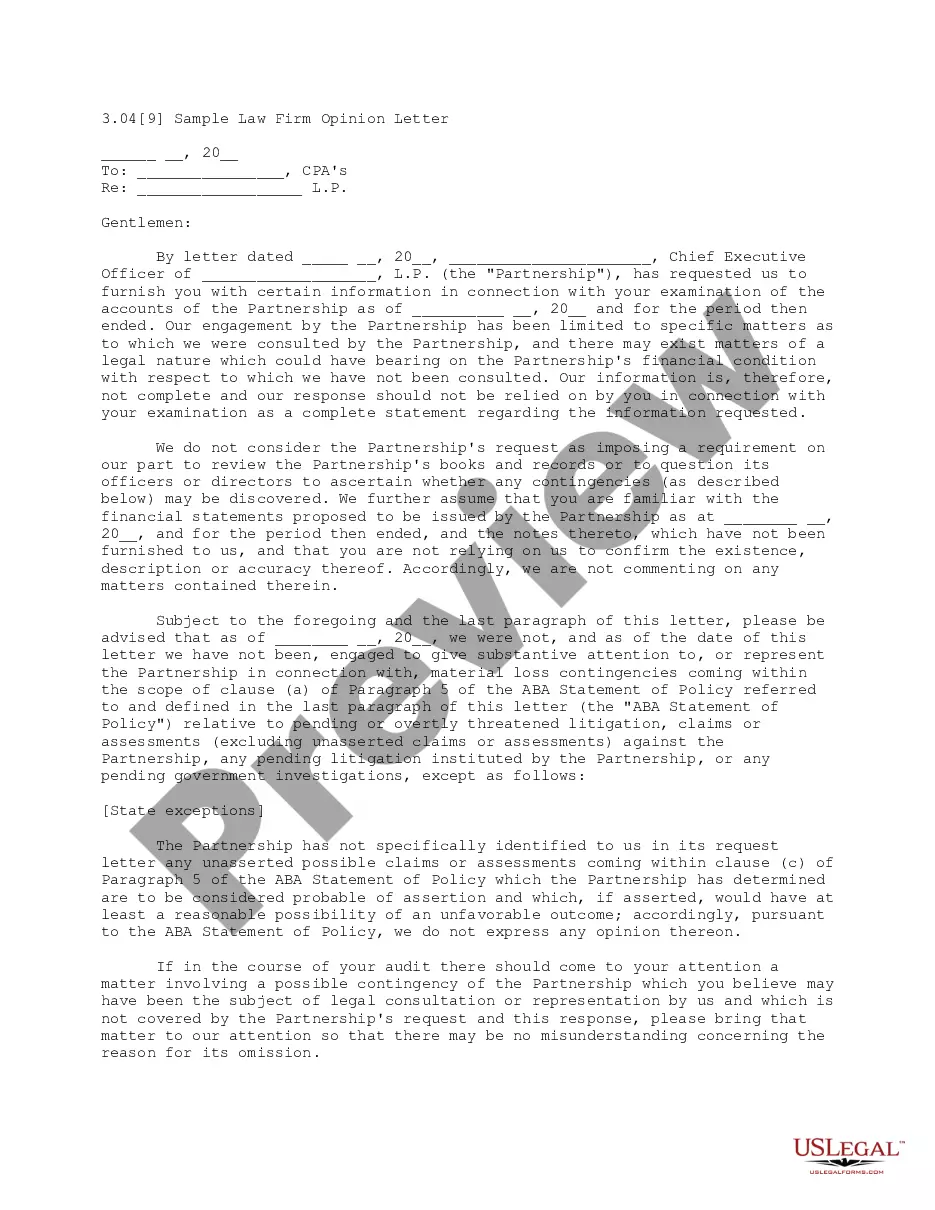
Get your form ready online
Our built-in tools help you complete, sign, share, and store your documents in one place.
Make edits, fill in missing information, and update formatting in US Legal Forms—just like you would in MS Word.
Download a copy, print it, send it by email, or mail it via USPS—whatever works best for your next step.
Sign and collect signatures with our SignNow integration. Send to multiple recipients, set reminders, and more. Go Premium to unlock E-Sign.
If this form requires notarization, complete it online through a secure video call—no need to meet a notary in person or wait for an appointment.
We protect your documents and personal data by following strict security and privacy standards.

Make edits, fill in missing information, and update formatting in US Legal Forms—just like you would in MS Word.

Download a copy, print it, send it by email, or mail it via USPS—whatever works best for your next step.

Sign and collect signatures with our SignNow integration. Send to multiple recipients, set reminders, and more. Go Premium to unlock E-Sign.

If this form requires notarization, complete it online through a secure video call—no need to meet a notary in person or wait for an appointment.

We protect your documents and personal data by following strict security and privacy standards.
Looking for another form?









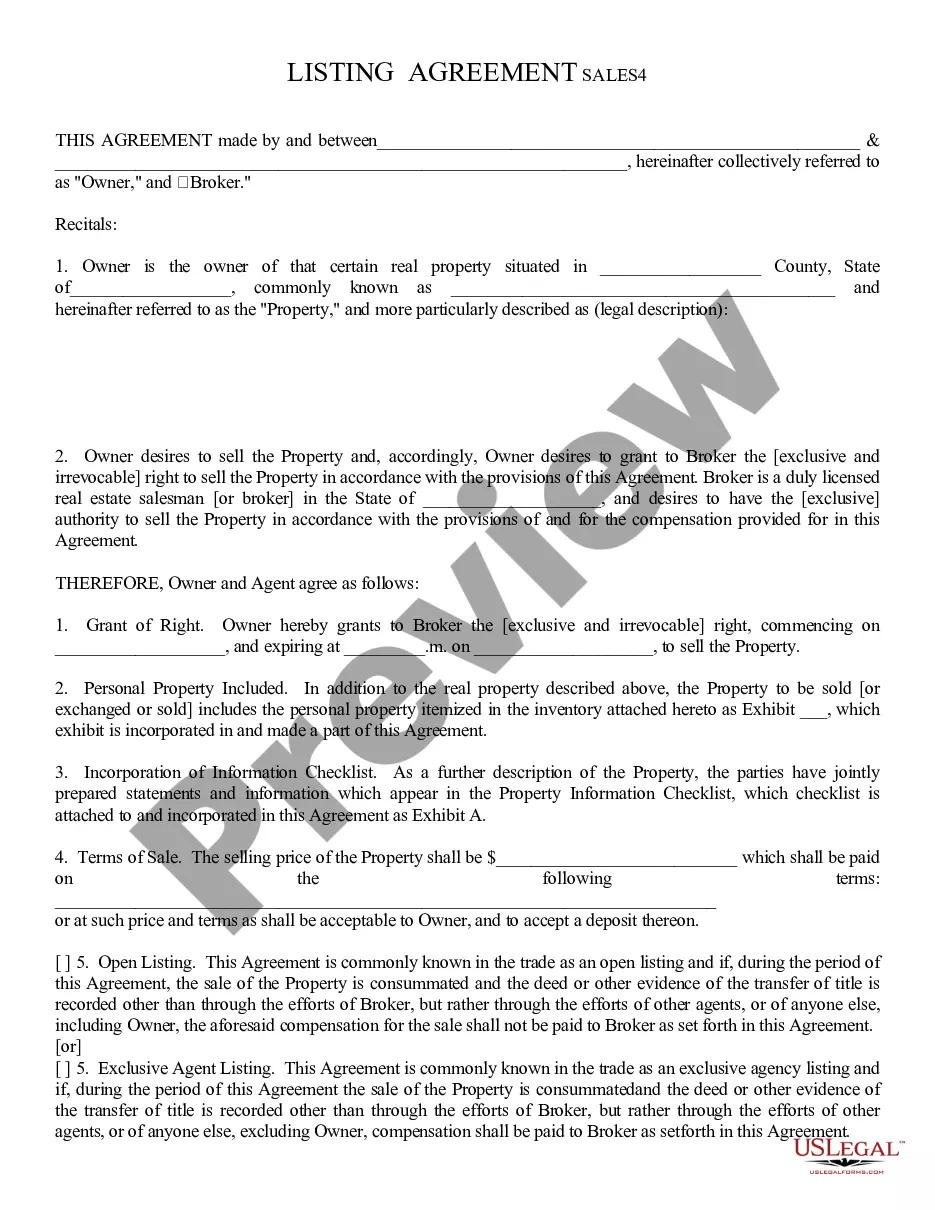
How to fill out Sample Attorney Conflict Of Interest Waiver Letter?
Managing legal documents can be daunting, even for seasoned experts.
If you need a Conflict Of Interest Definition With Example but can't find time to search for the correct and current version, the process can be stressful.
US Legal Forms caters to all your needs, from personal to corporate documentation, in a single location.
Utilize sophisticated tools to manage and fulfill your Conflict Of Interest Definition With Example.
Here are the steps to follow after obtaining the form you need: Confirm it is the correct document by previewing and reviewing its details. Ensure the template is accepted in your state or county. Click Buy Now when you are ready. Choose a monthly subscription option. Select your desired format, then Download, complete, eSign, print, and send your document. Take advantage of the US Legal Forms online library, backed by 25 years of experience and trustworthiness. Transform your daily document management into a straightforward and user-friendly process today.
- Access a valuable database of articles, guides, and resources pertinent to your circumstances and requirements.
- Save time and energy in locating the necessary documents, and leverage US Legal Forms' enhanced search and Review feature to find and obtain Conflict Of Interest Definition With Example.
- If you hold a monthly subscription, Log In to your US Legal Forms account, search for the form, and acquire it.
- Check your My documents tab to see previously downloaded documents and manage your folders as you wish.
- If you are new to US Legal Forms, create a complimentary account to gain unlimited access to all platform features.
- A comprehensive online form repository can be transformative for anyone looking to handle these scenarios efficiently.
- US Legal Forms is a leading provider of web-based legal documents, offering over 85,000 state-specific legal forms at any moment.
- With US Legal Forms, you can access tailored legal and business documents according to your state or county.
Form popularity
FAQ
A conflict of interest occurs when an individual's personal interests could potentially interfere with their professional responsibilities. For example, a lawyer representing a client in a legal matter may face a conflict if they have a financial stake in the outcome. Another instance is when a public official must decide on funding for a project that benefits a company they own. Understanding the conflict of interest definition with example helps individuals recognize and navigate these situations effectively, ensuring ethical decision-making. At US Legal Forms, we provide resources to help you identify and address conflicts of interest in various contexts.
A conflict of interest arises when what is in a person's best interest is not in the best interest of another person or organization to which that individual owes loyalty. For example, an employee may simultaneously help himself but hurt his employer by taking a bribe to purchase inferior goods for his company's use.
A conflict of interest occurs when an individual's personal interests ? family, friendships, financial, or social factors ? could compromise his or her judgment, decisions, or actions in the workplace. Government agencies take conflicts of interest so seriously that they are regulated.
Types of Conflict of Interest Romantic or relational. This type occurs when an individual in a senior position favors an employee with whom they are romantically involved or one who is a friend or a relative. ... Financial conflicts of interest. ... Competitive conflicts of interest. ... Confidential conflicts of interest.
Disclose any potential conflicts Similarly, at the start of the professional relationship with the employer, you should report any possible conflicts. Be honest so that nothing comes back to bite you later. If the employer agrees the conditions are appropriate, seek a written confirmation from them.
For example, an actuary may have multiple clients who all need tasks completed (conflict of duty) and then decide to charge the clients they dislike higher fees (conflict of interest). Conflicts of duty usually involve those who represent or provide services to someone else (e.g. lawyers, politicians, actuaries).