Trust (tin Of Grantor)
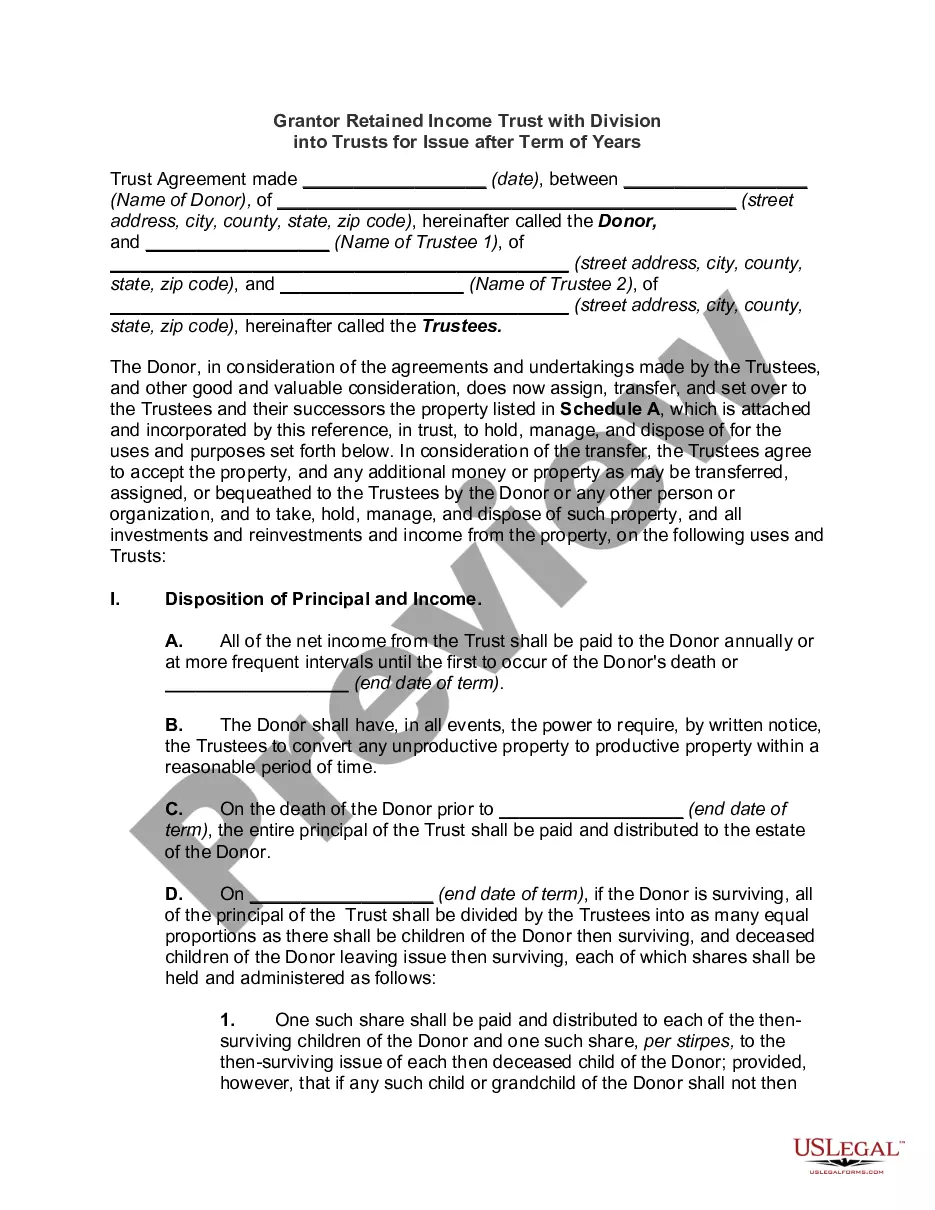
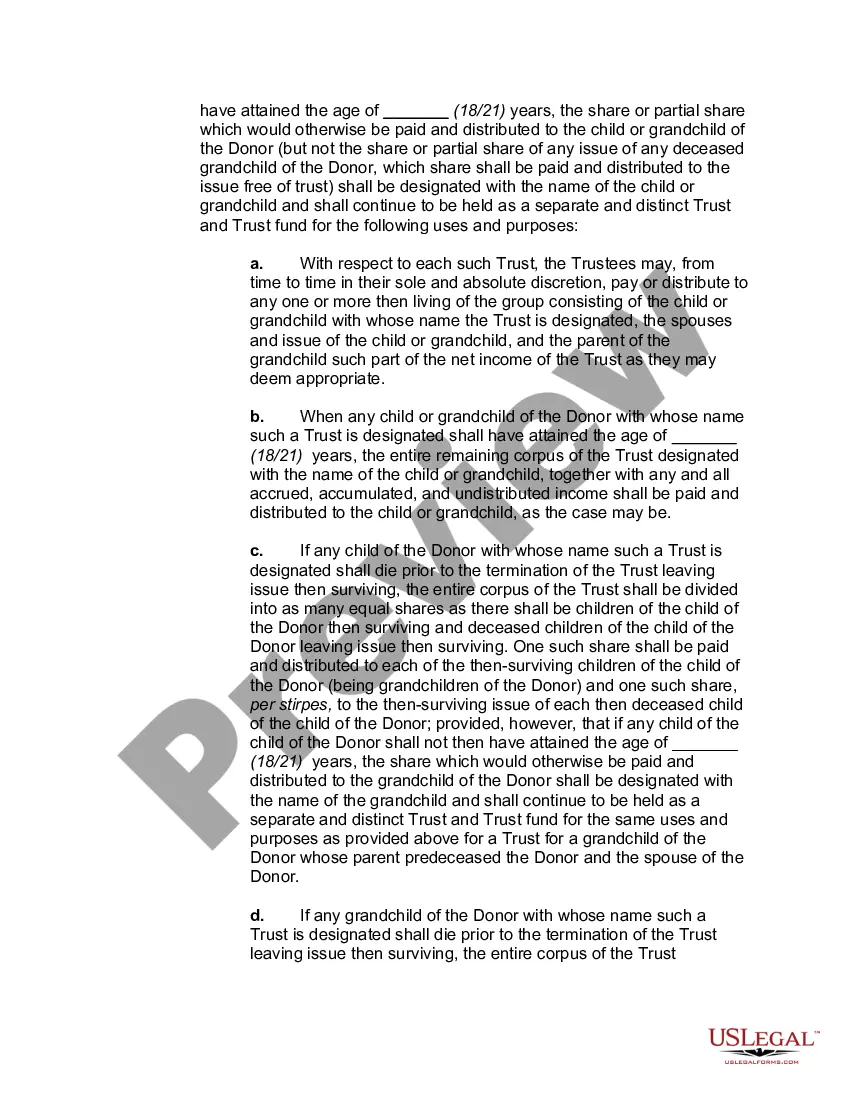
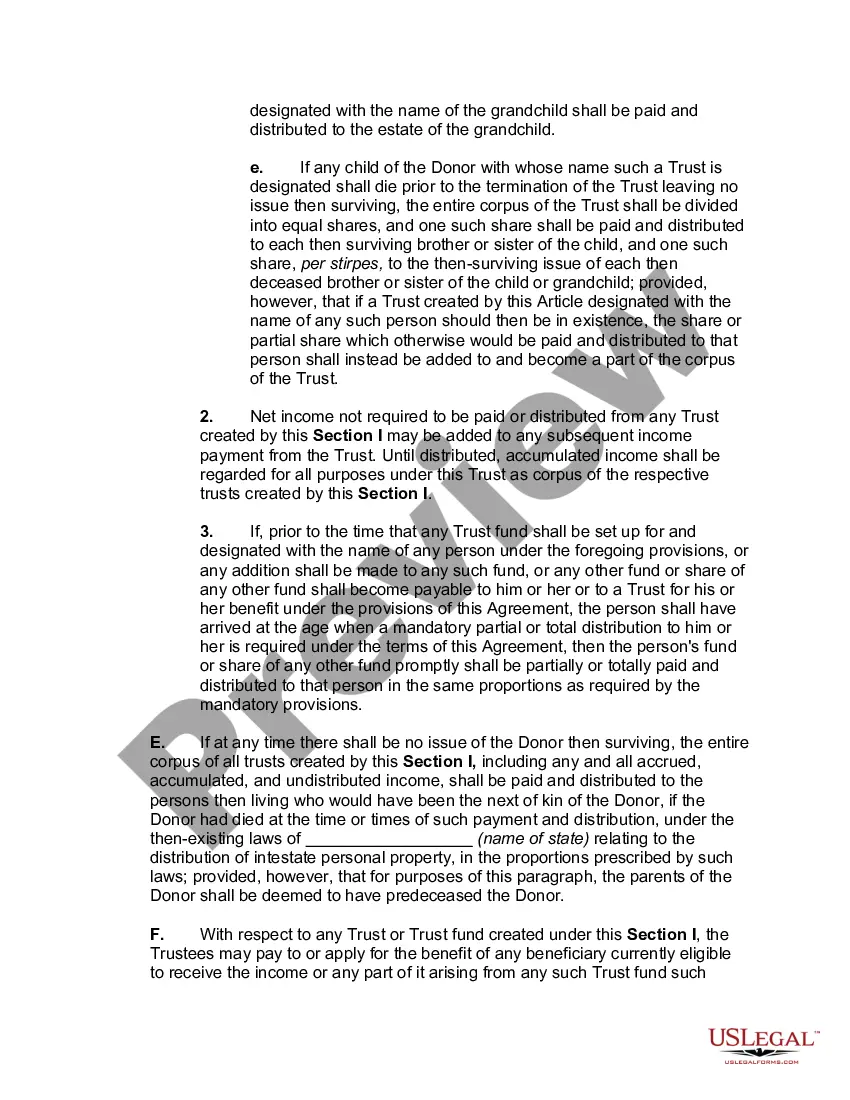
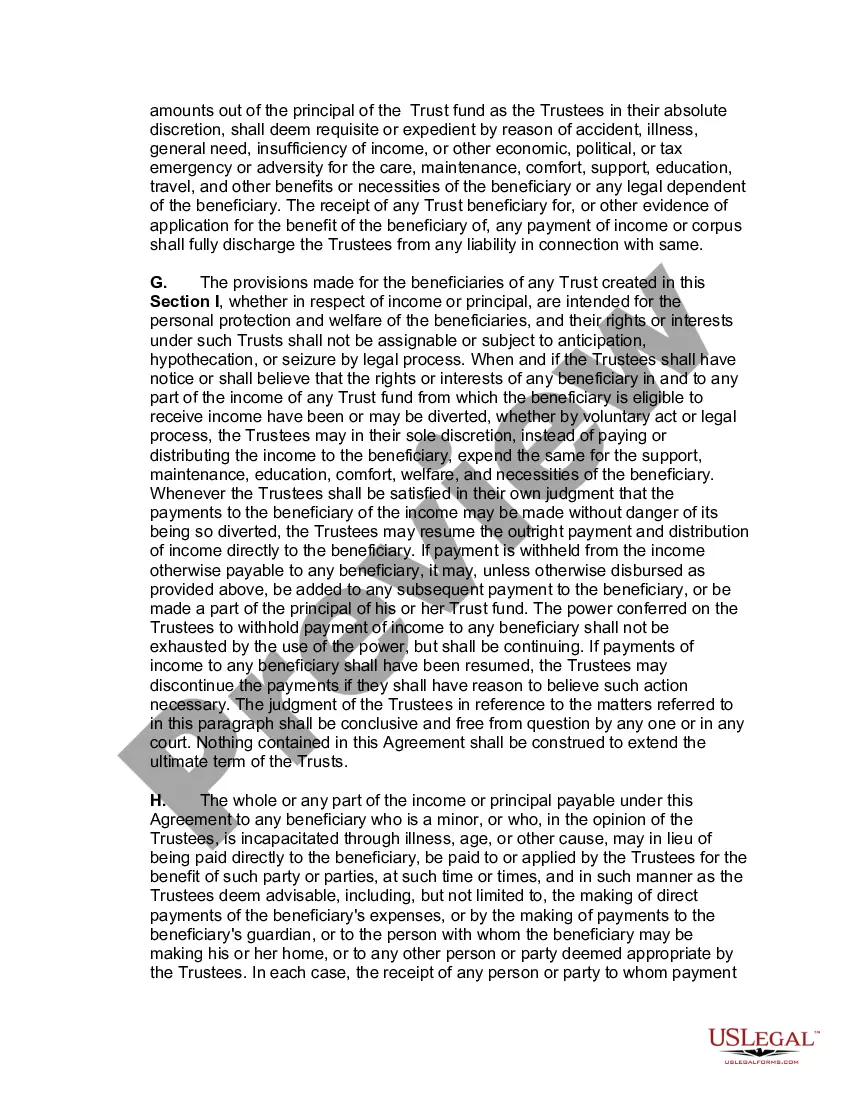
Description
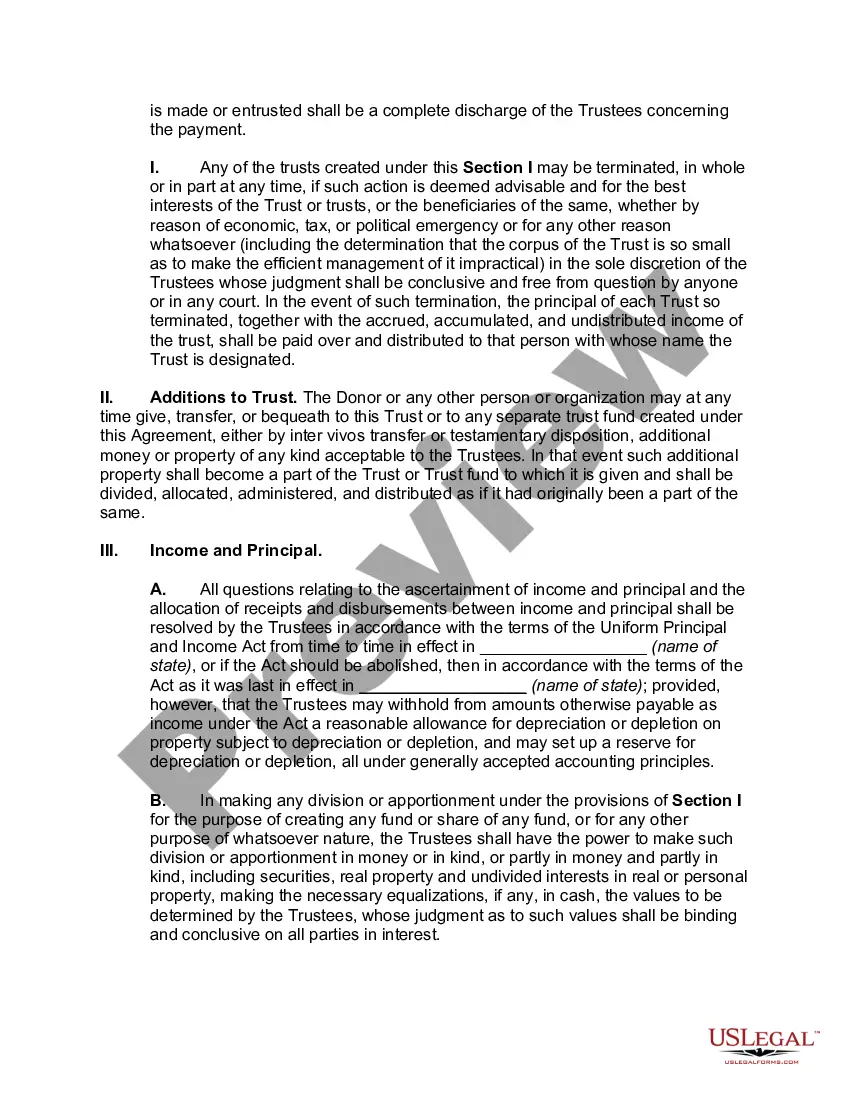
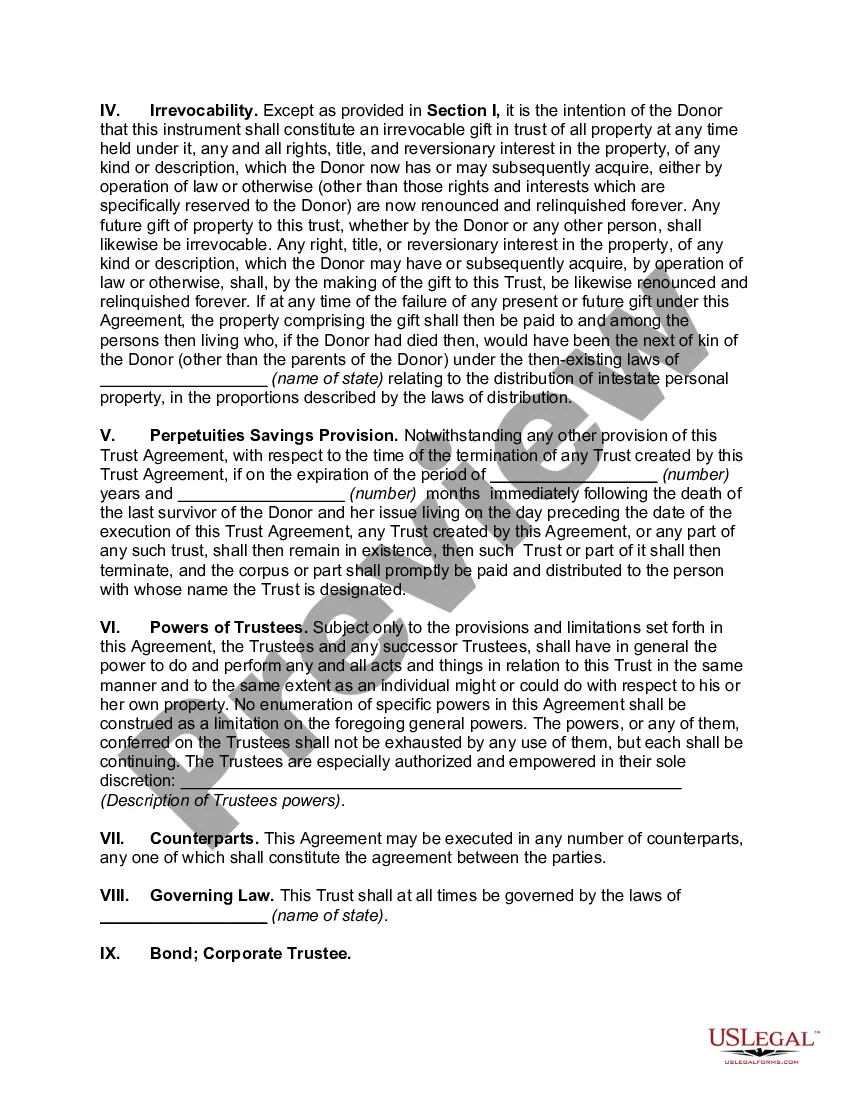
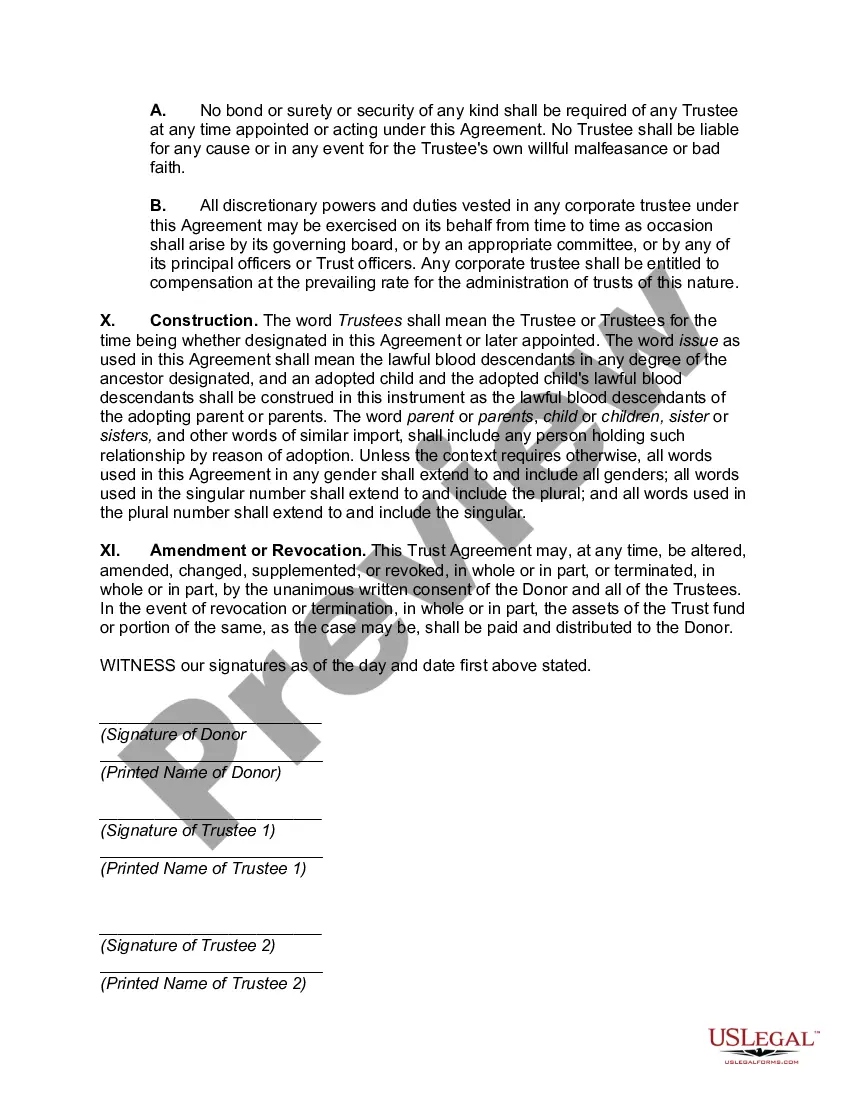

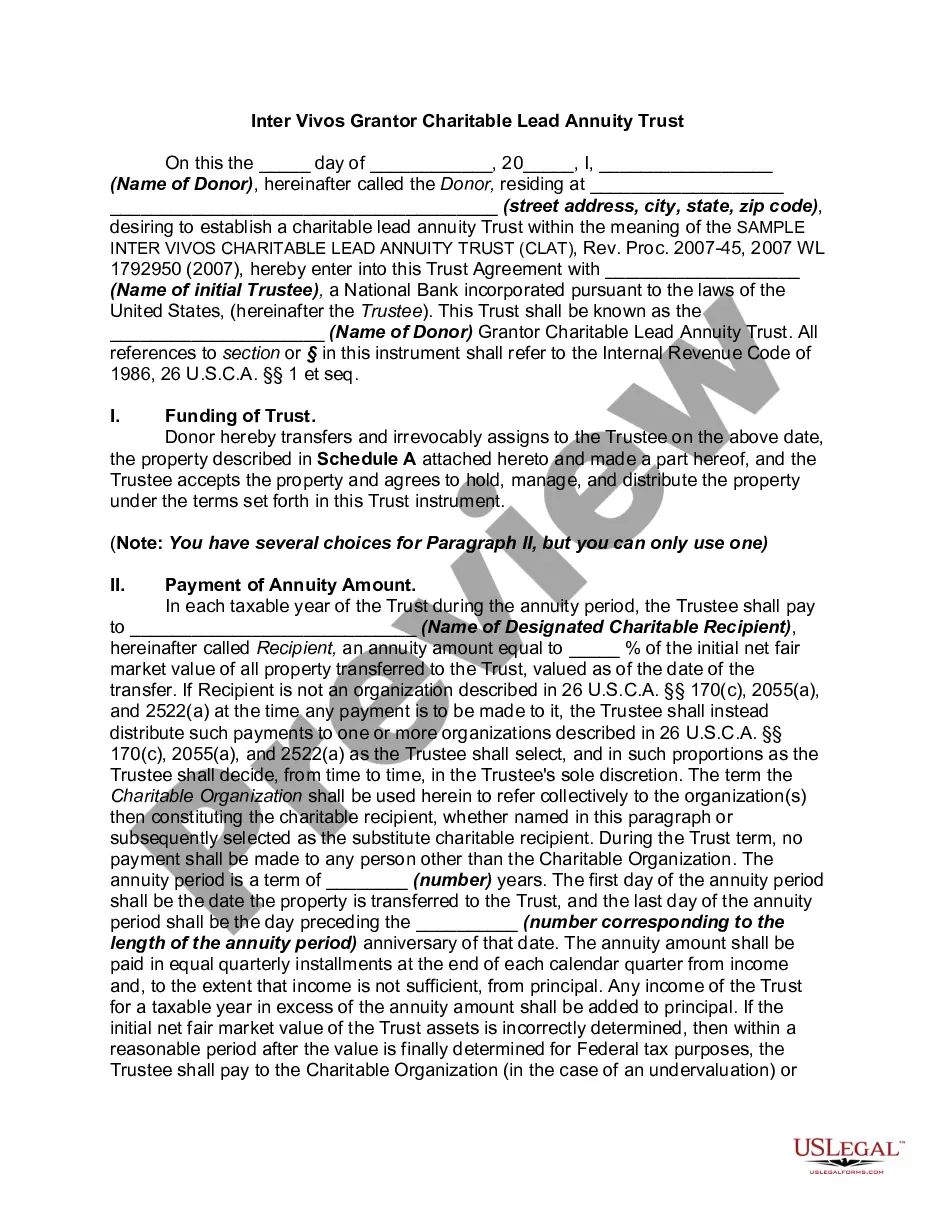
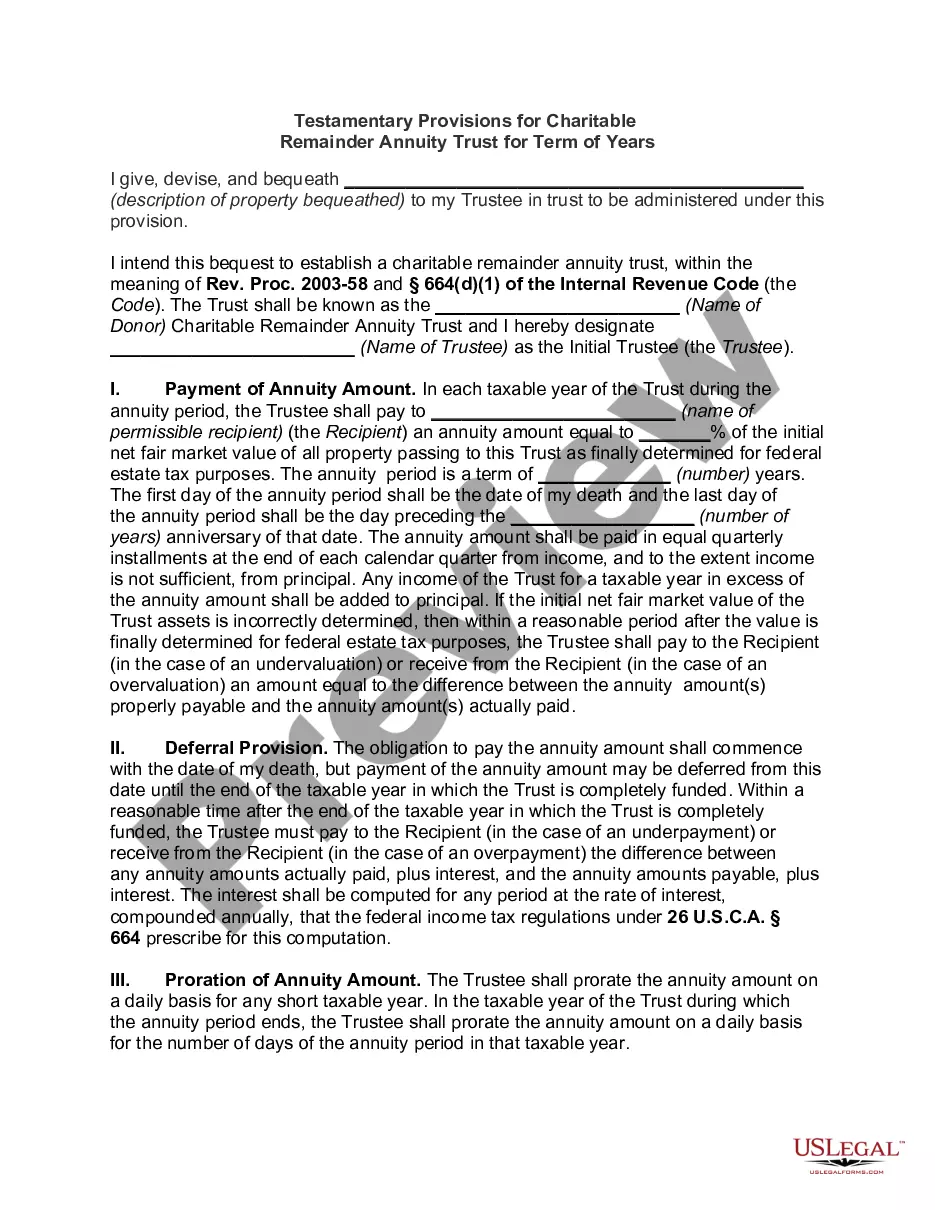
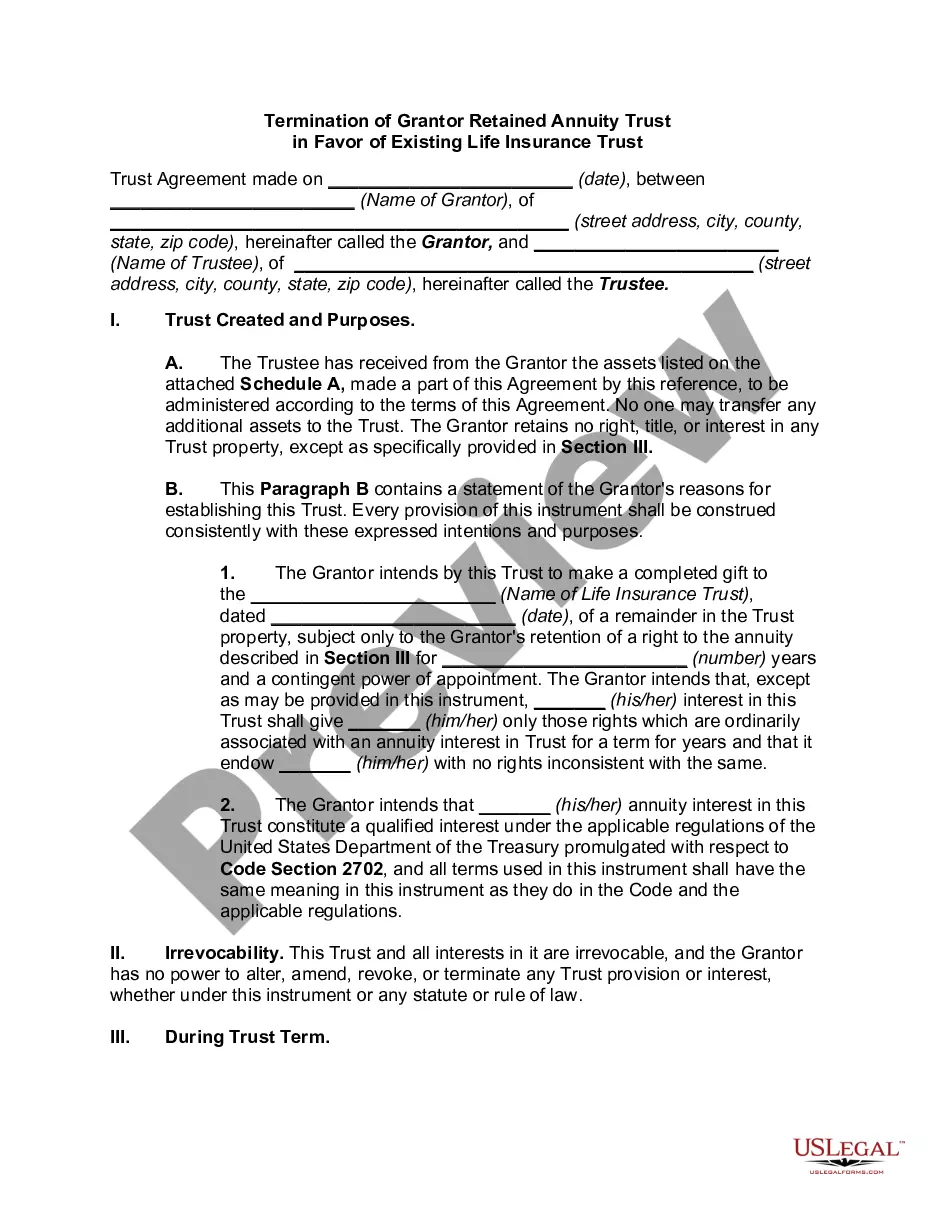
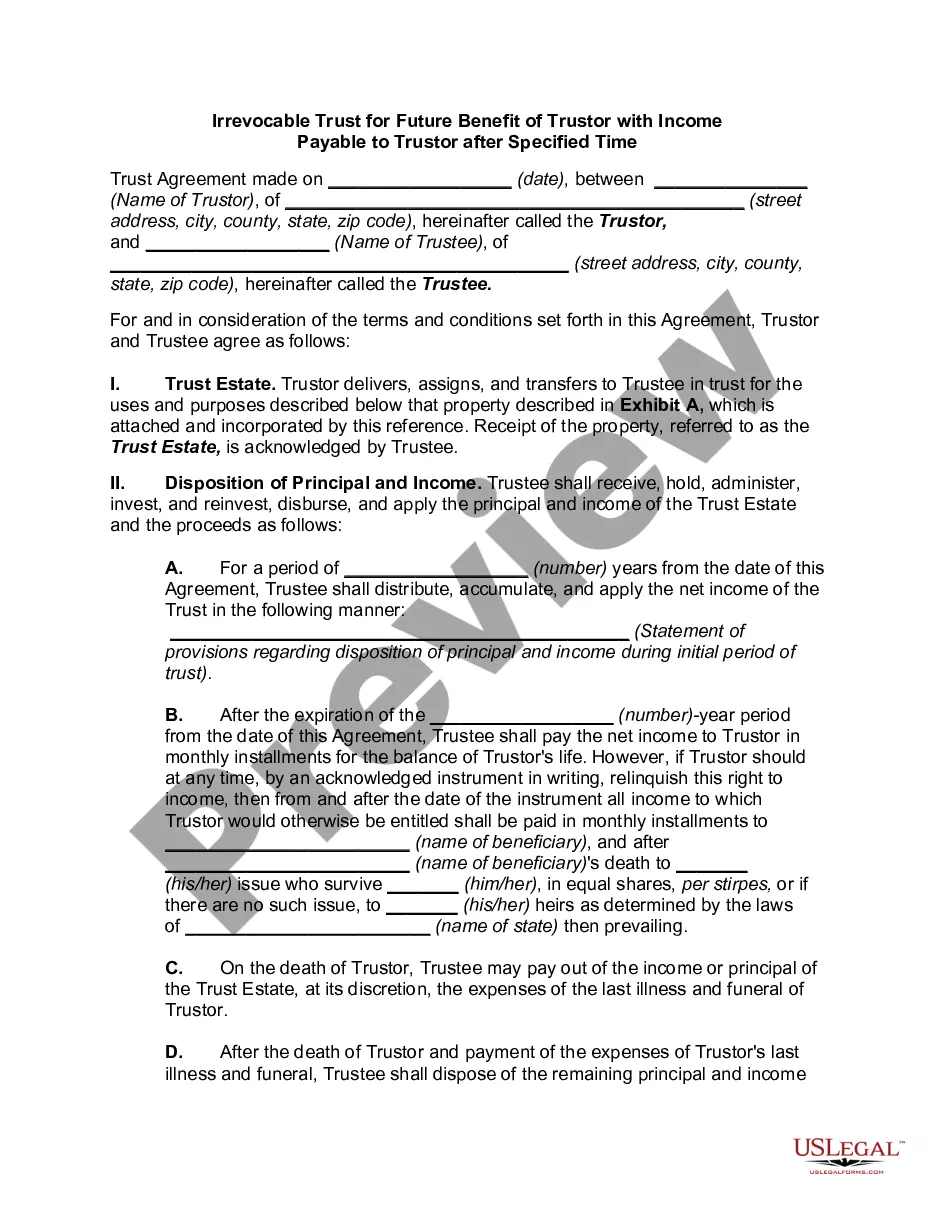
Get your form ready online
Our built-in tools help you complete, sign, share, and store your documents in one place.
Make edits, fill in missing information, and update formatting in US Legal Forms—just like you would in MS Word.
Download a copy, print it, send it by email, or mail it via USPS—whatever works best for your next step.
Sign and collect signatures with our SignNow integration. Send to multiple recipients, set reminders, and more. Go Premium to unlock E-Sign.
If this form requires notarization, complete it online through a secure video call—no need to meet a notary in person or wait for an appointment.
We protect your documents and personal data by following strict security and privacy standards.

Make edits, fill in missing information, and update formatting in US Legal Forms—just like you would in MS Word.

Download a copy, print it, send it by email, or mail it via USPS—whatever works best for your next step.

Sign and collect signatures with our SignNow integration. Send to multiple recipients, set reminders, and more. Go Premium to unlock E-Sign.

If this form requires notarization, complete it online through a secure video call—no need to meet a notary in person or wait for an appointment.

We protect your documents and personal data by following strict security and privacy standards.
Looking for another form?










How to fill out Grantor Retained Income Trust With Division Into Trusts For Issue After Term Of Years?
- Access your account by logging in. If you're a new user, create an account for free.
- Browse through the extensive library or use the search function to locate the appropriate trust (tin of grantor) form, checking the preview mode and descriptions for accuracy.
- Select your preferred subscription plan and click on the Buy Now button to proceed with your purchase.
- Enter your payment details, either via credit card or PayPal, to complete the transaction.
- Once purchased, download the required form to your device and save it for completion. You can also find it later in the My Forms section of your profile.
By utilizing US Legal Forms, you not only access a robust collection of documents but also receive guidance from premium experts for form completion. This ensures that your legal documents are accurate and valid.
Start leveraging the benefits of US Legal Forms today and streamline your legal documentation process!
Form popularity
FAQ
To get a TIN for a trust, you need to apply for an EIN through the IRS. The application process can be completed online for an efficient turnaround. Make sure to provide specific trust details during the application, including its purpose and structure. If you have questions or need assistance, USLegalForms offers a variety of resources to help you navigate trust setups.
Setting up a trust TIN typically requires completing Form SS-4 to obtain an Employer Identification Number (EIN from the IRS. This form can be submitted online, by mail, or fax. You will need to provide details about the trust structure and grantor. Once you receive the TIN, you can use it for trust transactions requiring a distinct identification number.
A grantor trust generally does not need a TIN, since the income is reported on the grantor's personal tax return. However, if the trust has a separate tax identification number for specific transactions, you may need one. In such cases, consider consulting a tax professional to ensure compliance with the IRS rules surrounding trust (TIN of grantor).
Filing a tax return for a grantor trust involves reporting the income on your personal tax return. The grantor trust itself typically does not file a separate tax return. Instead, you will include the trust’s income on Schedule B of your Form 1040. It's essential to document and report all income and deductions accurately, as this affects your overall tax liability.
You may use your SSN in place of a TIN for certain purposes, but this varies based on the requirements of your Trust (TIN of grantor). While the SSN is often sufficient for individual taxation, a TIN is necessary for certain trusts. Always check with a legal advisor or use US Legal Forms to ensure you are meeting the proper legal requirements for your situation.
A TIN is not the same as an EIN; both serve different purposes in the context of a Trust (TIN of grantor). The TIN typically refers to an individual's unique number, while an EIN is issued to businesses for tax identification. Understanding this distinction is crucial for accurately managing your trust documents. You can find more information on this topic through US Legal Forms, ensuring you are well-informed.
Finding your TIN number is important for establishing a Trust (TIN of grantor). You can locate it on your tax return or any forms submitted to the IRS. If you cannot find your TIN, you may contact the IRS directly for assistance. Additionally, consider using US Legal Forms to access resources that help you manage your trust documentation effectively.
A trust TIN number is the identification assigned to a trust for tax purposes, which identifies the trust when filing tax returns. For most irrevocable trusts, this number is an Employer Identification Number (EIN). Use platforms like US Legal Forms for straightforward instructions on how to acquire a trust TIN.
In the context of a trust, TIN stands for Tax Identification Number, which is necessary for tax reporting purposes. A TIN can be the grantor's SSN for revocable trusts or an EIN for irrevocable trusts. Understanding how TINs apply to your trust can help simplify tax obligations and compliance.
A TIN number for a trust, often referred to as a Tax Identification Number, varies depending on the trust structure. Most cases require an EIN if the trust is irrevocable. Accessing resources from US Legal Forms can guide you seamlessly through the process of obtaining a TIN for your trust.