Grantor Trusts With A Beneficiary
Description
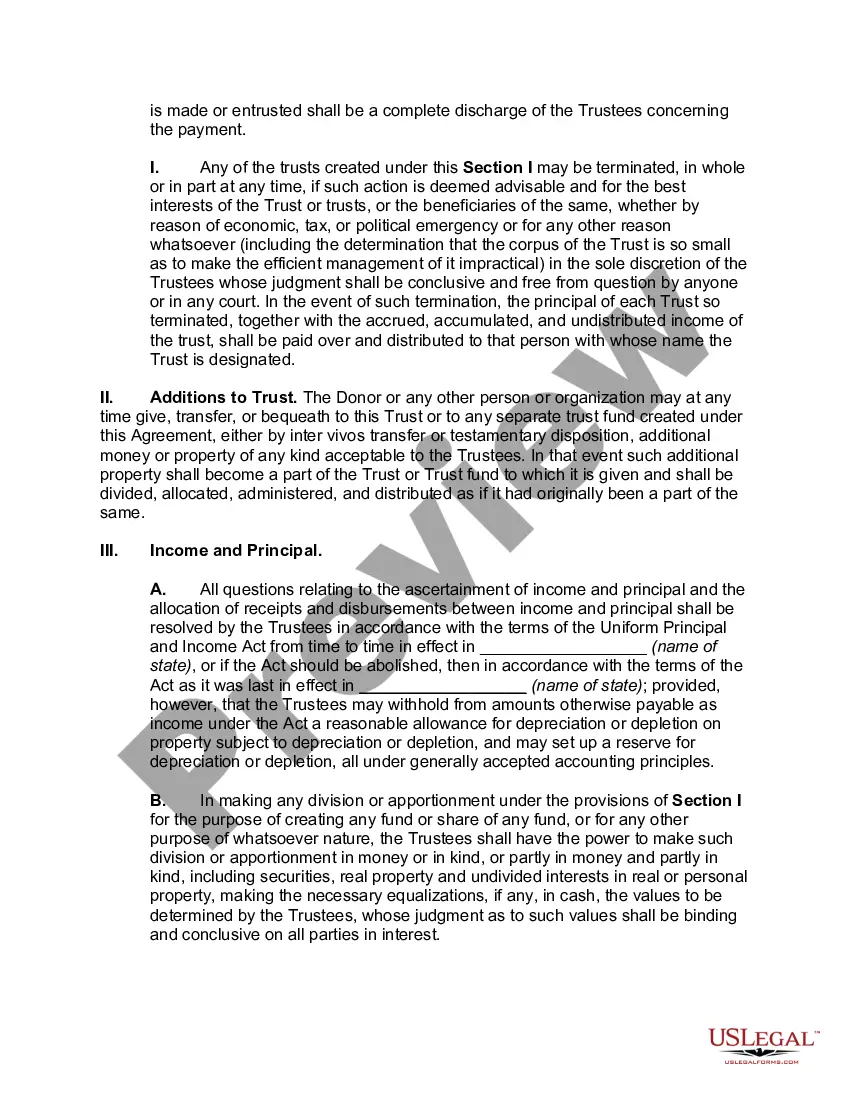
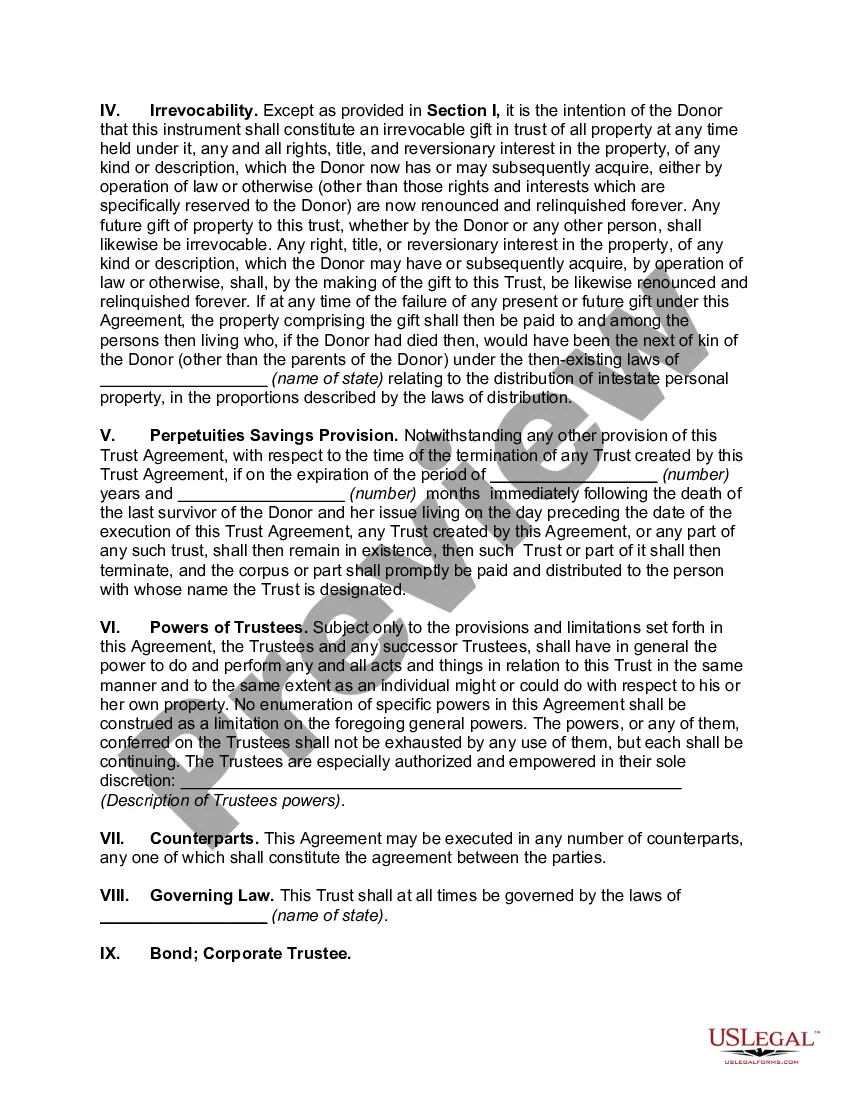
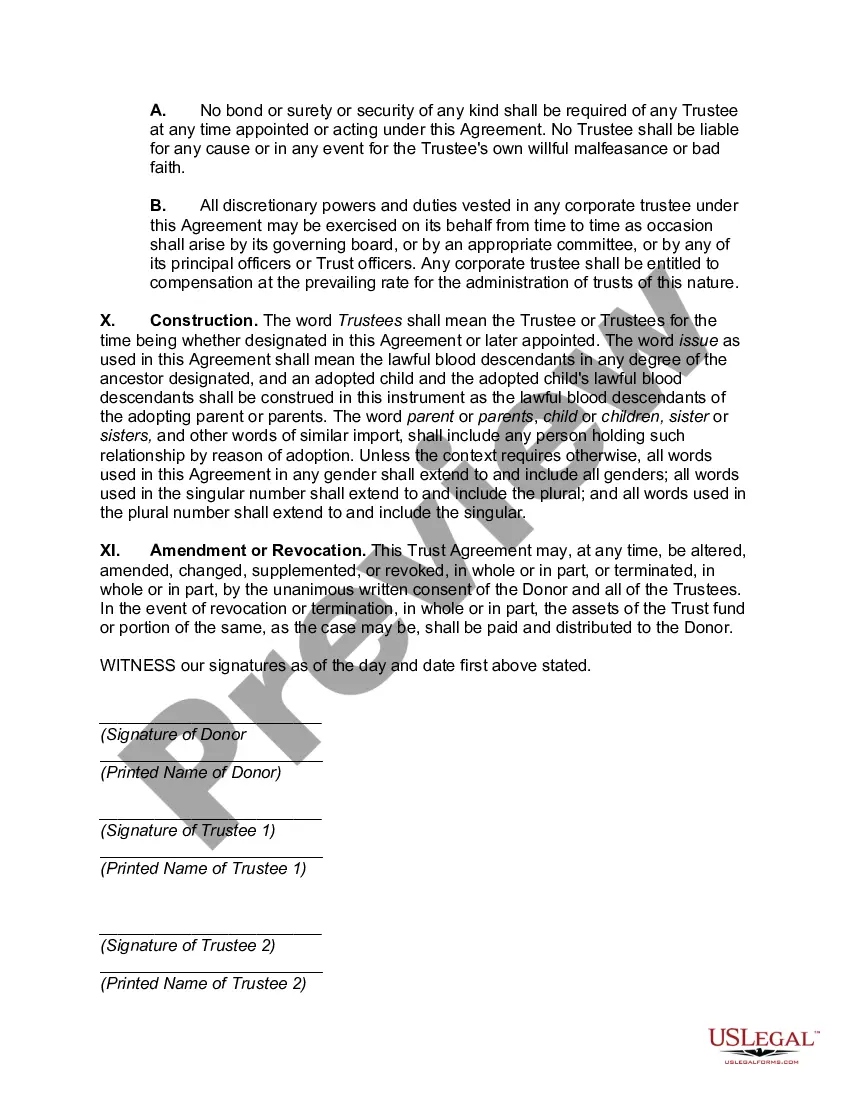

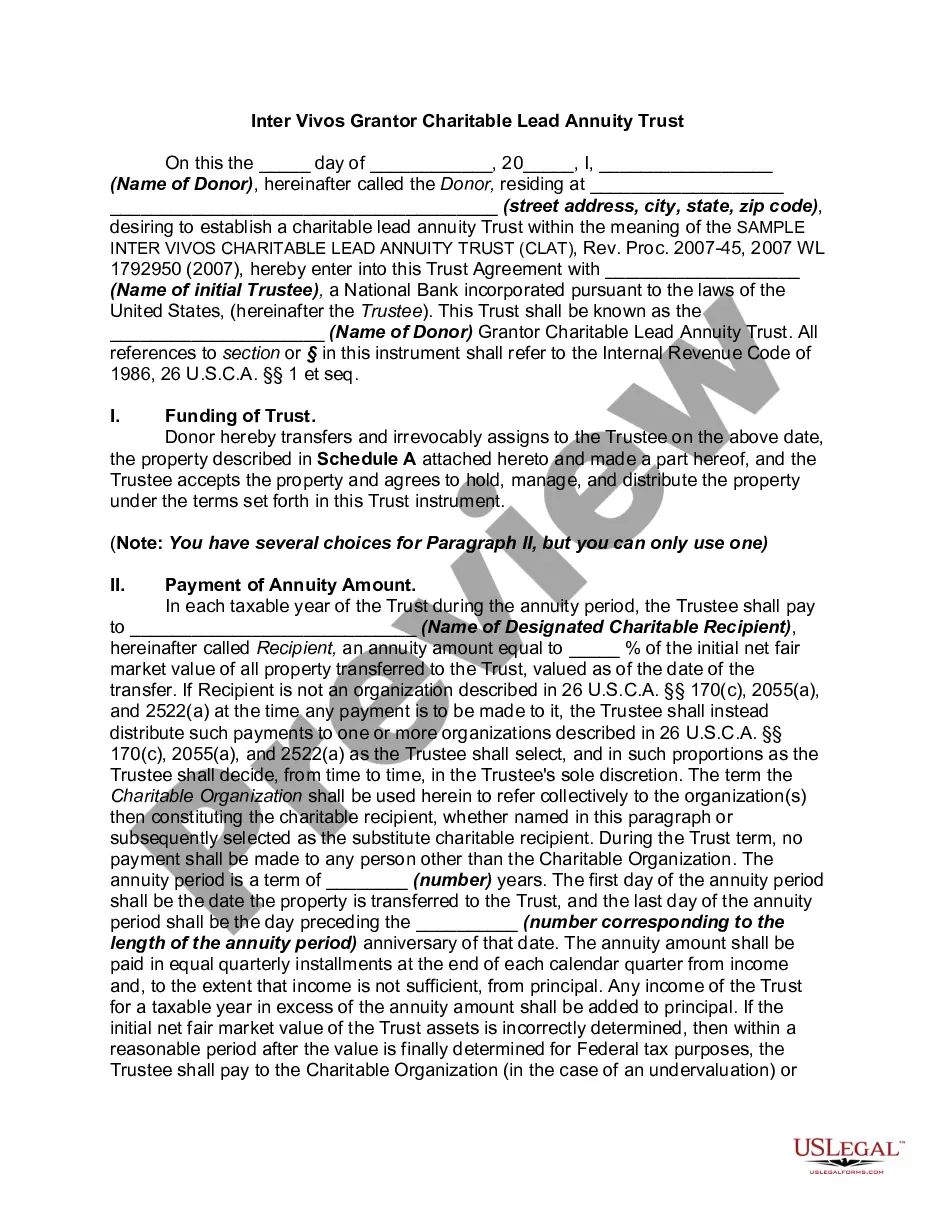
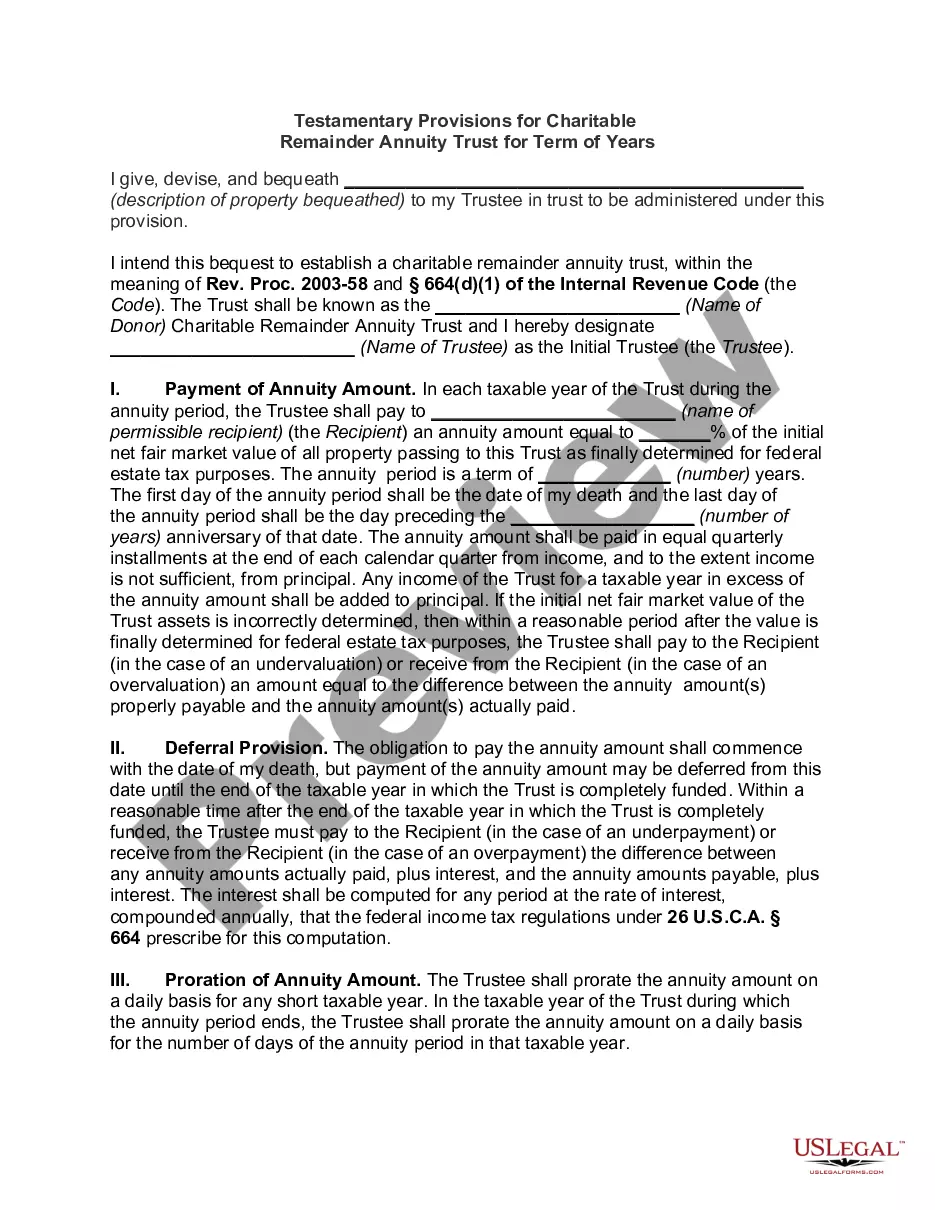
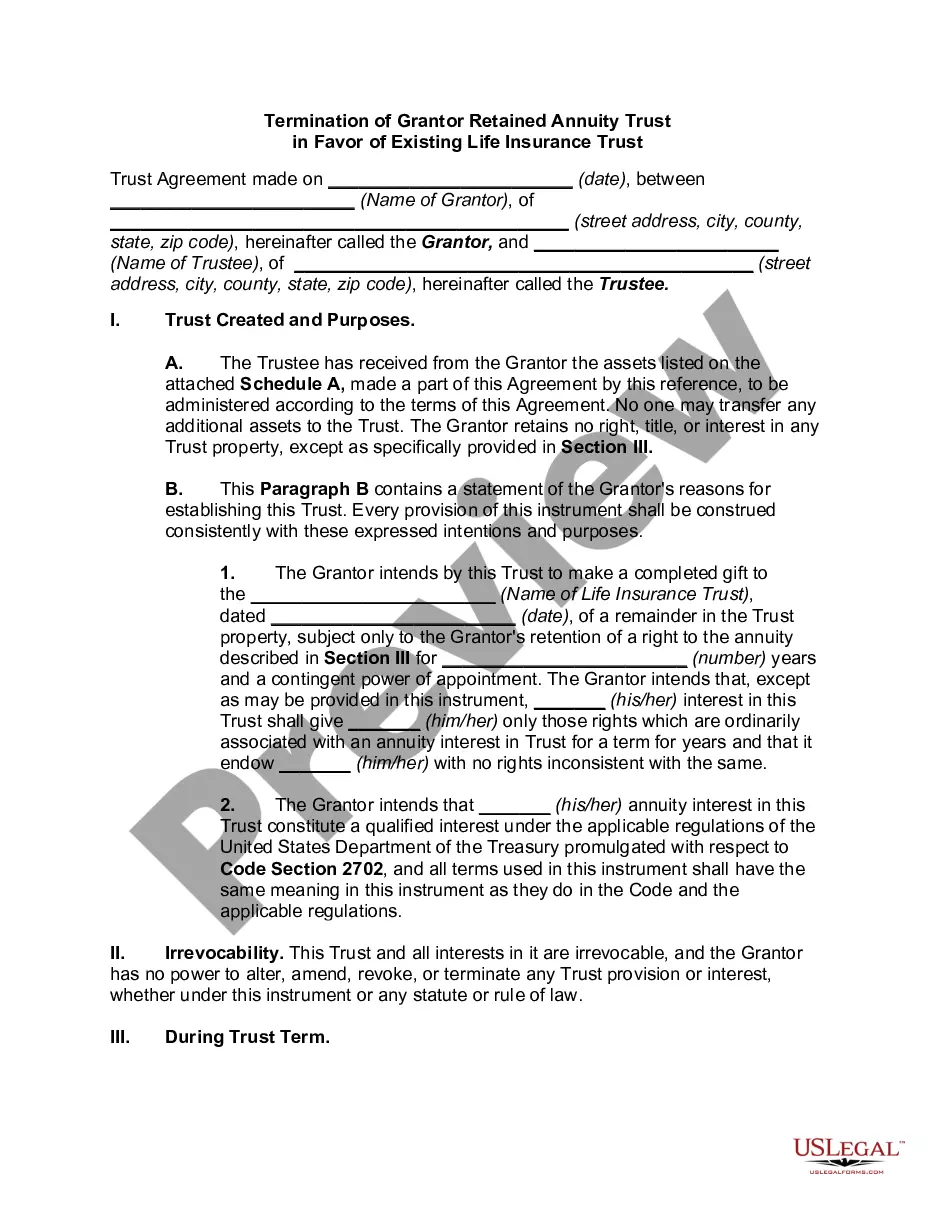
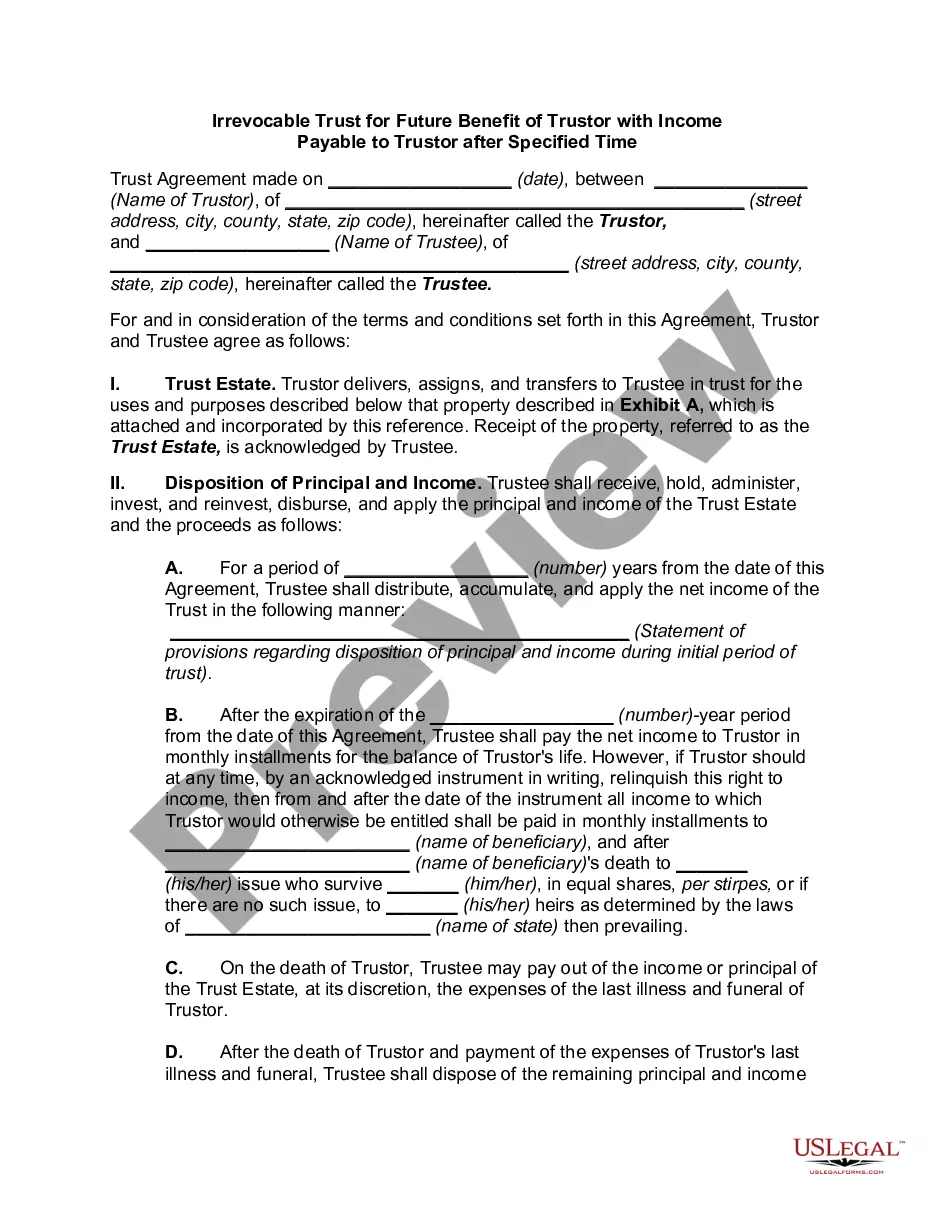
Get your form ready online
Our built-in tools help you complete, sign, share, and store your documents in one place.
Make edits, fill in missing information, and update formatting in US Legal Forms—just like you would in MS Word.
Download a copy, print it, send it by email, or mail it via USPS—whatever works best for your next step.
Sign and collect signatures with our SignNow integration. Send to multiple recipients, set reminders, and more. Go Premium to unlock E-Sign.
If this form requires notarization, complete it online through a secure video call—no need to meet a notary in person or wait for an appointment.
We protect your documents and personal data by following strict security and privacy standards.

Make edits, fill in missing information, and update formatting in US Legal Forms—just like you would in MS Word.

Download a copy, print it, send it by email, or mail it via USPS—whatever works best for your next step.

Sign and collect signatures with our SignNow integration. Send to multiple recipients, set reminders, and more. Go Premium to unlock E-Sign.

If this form requires notarization, complete it online through a secure video call—no need to meet a notary in person or wait for an appointment.

We protect your documents and personal data by following strict security and privacy standards.
Looking for another form?









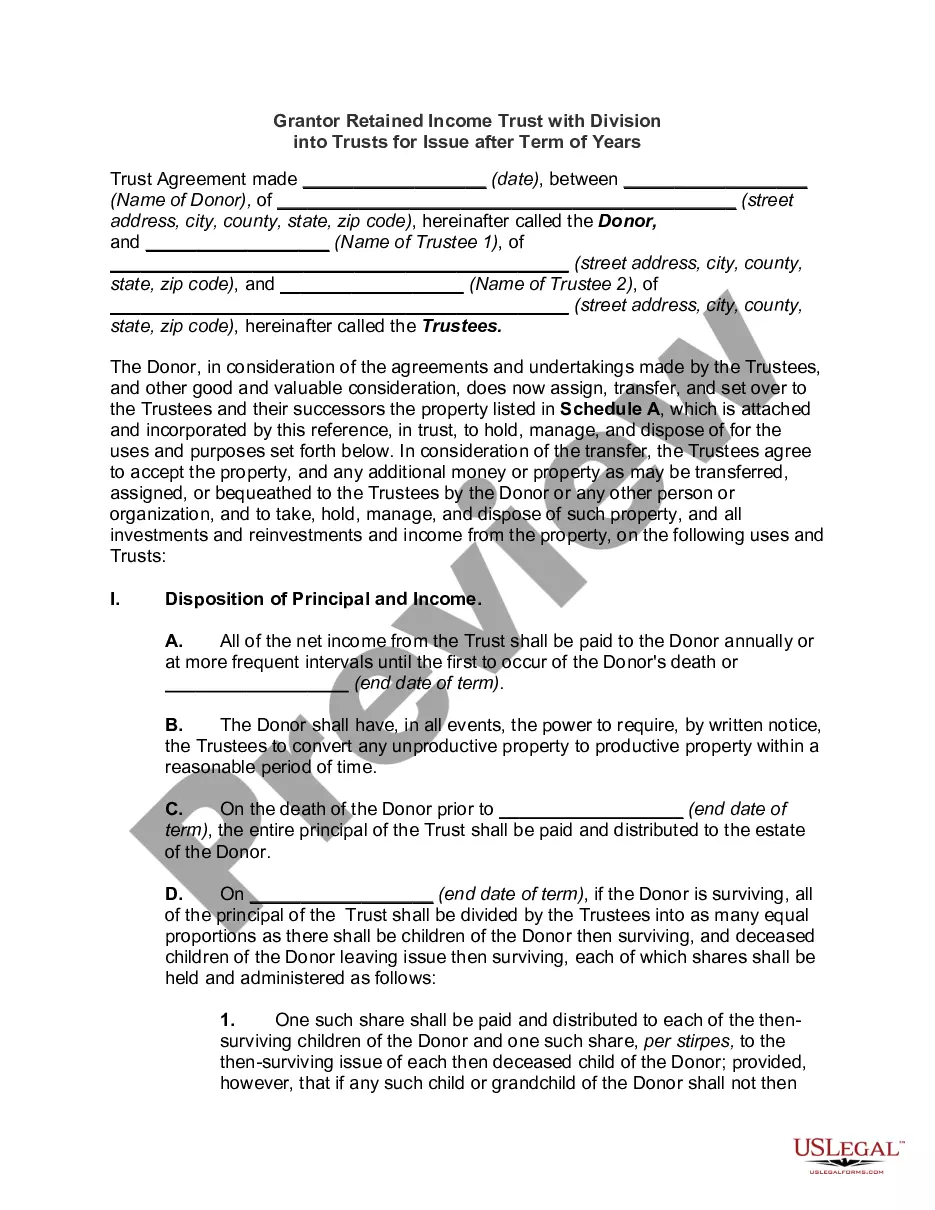
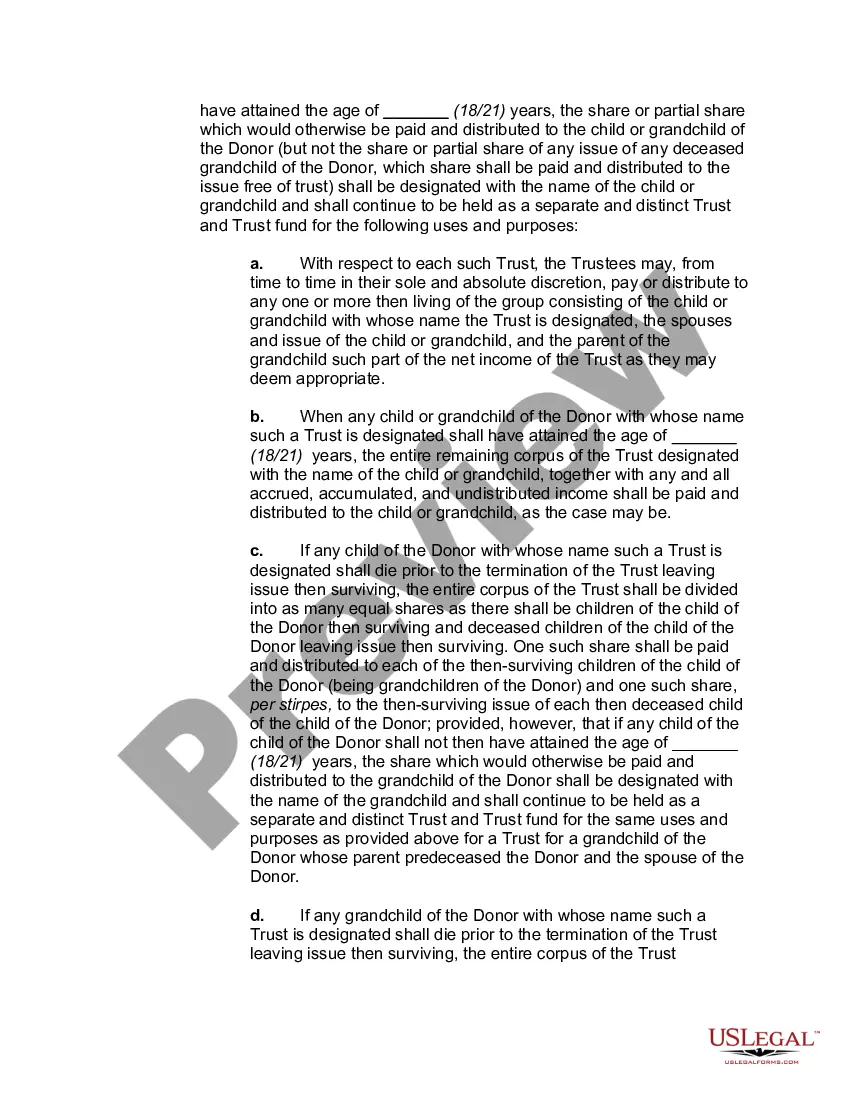
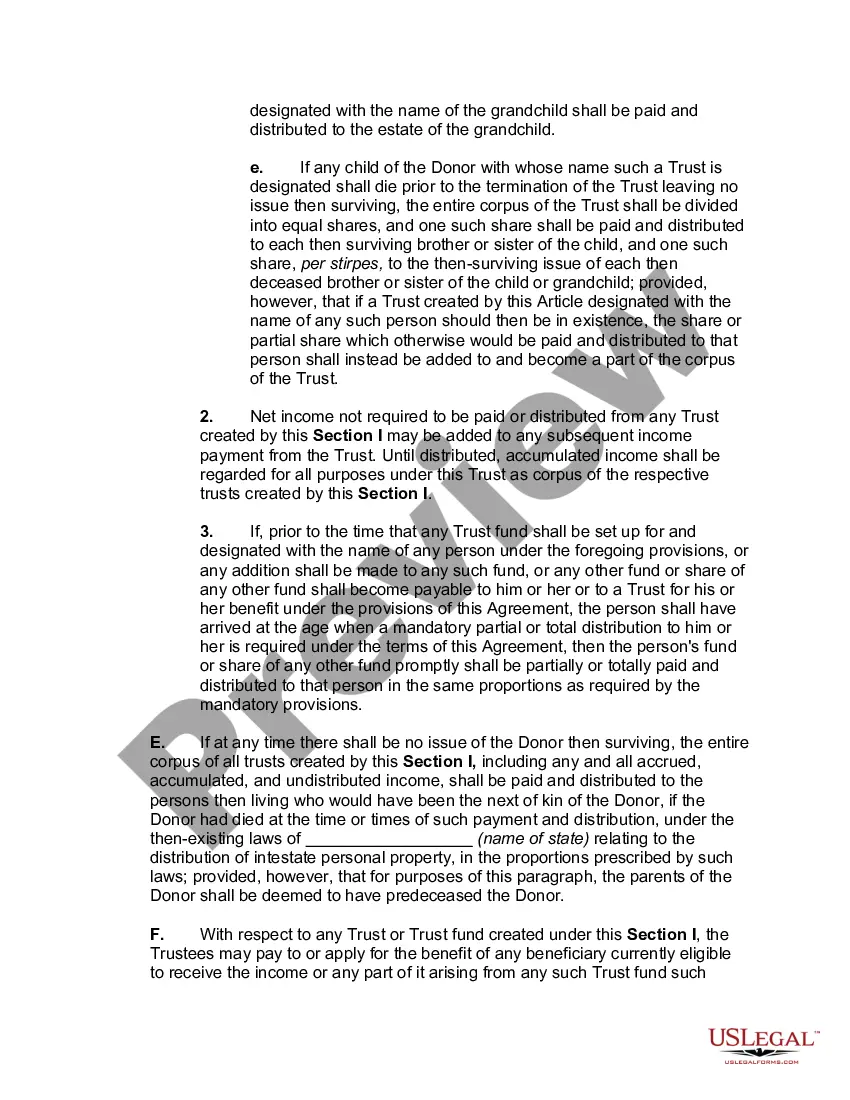
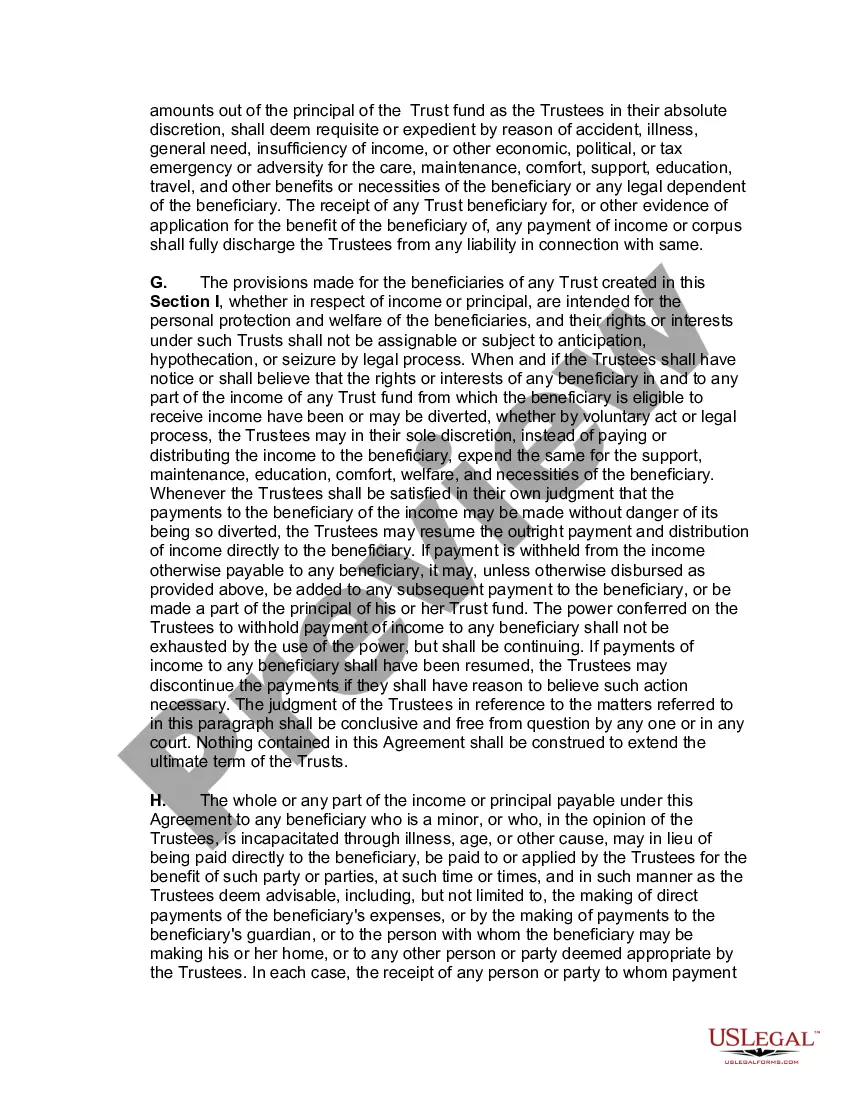
How to fill out Grantor Retained Income Trust With Division Into Trusts For Issue After Term Of Years?
- Log in to your existing US Legal Forms account or create a new one if you're a first-time user.
- Preview the form description to ensure you've selected the one that meets your specific legal requirements.
- If needed, utilize the Search tab to explore other templates that may better suit your needs.
- Once you identify the correct document, click the 'Buy Now' button and choose your preferred subscription plan.
- Complete your purchase by entering your payment details through credit card or PayPal.
- Finally, download the document to your device and access it anytime via the 'My Forms' menu in your profile.
Utilizing US Legal Forms not only provides you with thousands of fillable templates, but it also connects you with premium experts for additional guidance, ensuring your documents are tailored to perfection.
Ready to simplify your legal paperwork? Start your journey with US Legal Forms today and take control of your estate planning!
Form popularity
FAQ
An example of a grantor trust distribution to beneficiaries is when the trustee distributes funds for a specific purpose, such as paying for a child's education or medical expenses. These distributions align with the grantor's intentions outlined in the trust document. Utilizing resources like USLegalForms can provide insights on structuring these distributions effectively.
A widely recognized example of grantor trusts with a beneficiary is a revocable living trust. In this arrangement, the grantor retains control over the assets while alive and can modify the trust as needed. This flexibility often makes revocable trusts appealing for estate planning.
Allocating trust income to beneficiaries in grantor trusts with a beneficiary typically follows the guidelines outlined in the trust agreement. The trustee has the discretion to distribute the income according to the grantor's instructions. Using tools and resources from USLegalForms can simplify this process and provide clarity on allocation methods.
Yes, an Intentionally Defective Grantor Trust (IDGT) can make distributions to beneficiaries while the grantor retains certain powers. This strategy can offer tax benefits, as the income from the trust is typically reported on the grantor's tax return. Understanding the implications of these distributions is crucial, and a platform like USLegalForms can help you navigate these complexities.
Setting up grantor trusts with a beneficiary involves creating a legal document that outlines the trust terms, designates the grantor, and identifies the beneficiary. You will need to select a trustee to manage the trust assets. Additionally, consider consulting a legal professional or using a platform like USLegalForms to ensure you meet all legal requirements and make the process smooth.
Yes, the grantor and beneficiary can be the same individual in a grantor trust. Many people establish grantor trusts with a beneficiary to maintain control over the assets while ensuring that their wishes are followed in the distribution of wealth. This arrangement brings flexibility and can enhance estate planning strategies.
Not all trusts are required to file Form 1041. Only irrevocable trusts or those that generate income must submit this form. In contrast, grantor trusts with a beneficiary usually bypass this requirement, providing a straightforward tax situation for grantors.
A grantor trust typically does not file Form 1041, which is the income tax return for estates and trusts. Since the grantor retains control over the trust, the income is reported directly by the grantor. This efficiency is another reason many individuals choose grantor trusts with a beneficiary to streamline their financial affairs.
Generally, a grantor trust does not need to file Form 1041, as the income is reported on the grantor's personal tax return. This simplifies tax reporting, as the IRS treats the trust's income as the grantor's own. This aspect makes grantor trusts with a beneficiary particularly appealing for those seeking to avoid additional tax filings.
In a grantor trust, the grantor is responsible for reporting the income on their personal tax return. This structure allows the income to be taxed at the grantor's individual tax rate and keeps the trust transparent for tax purposes. Therefore, when dealing with grantor trusts with a beneficiary, it's crucial for grantors to maintain accurate records of the trust income.