Grantor Trusts For Non Residents
Description
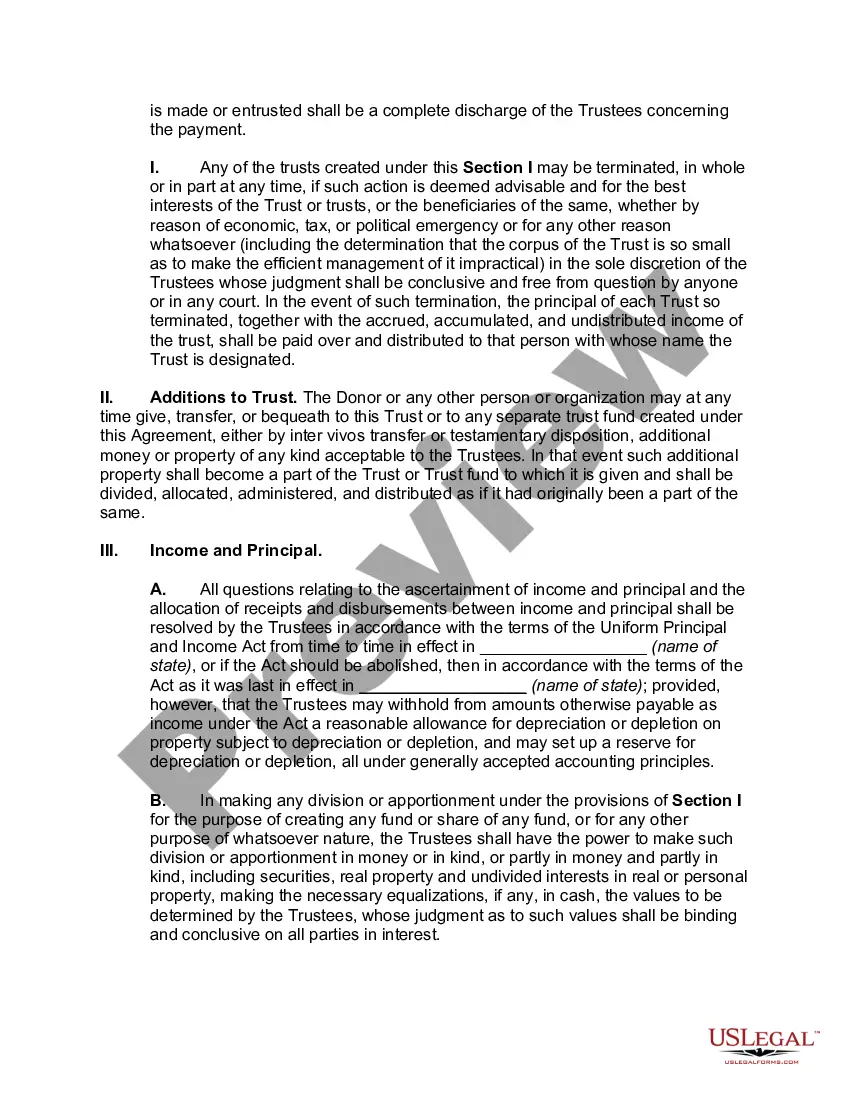
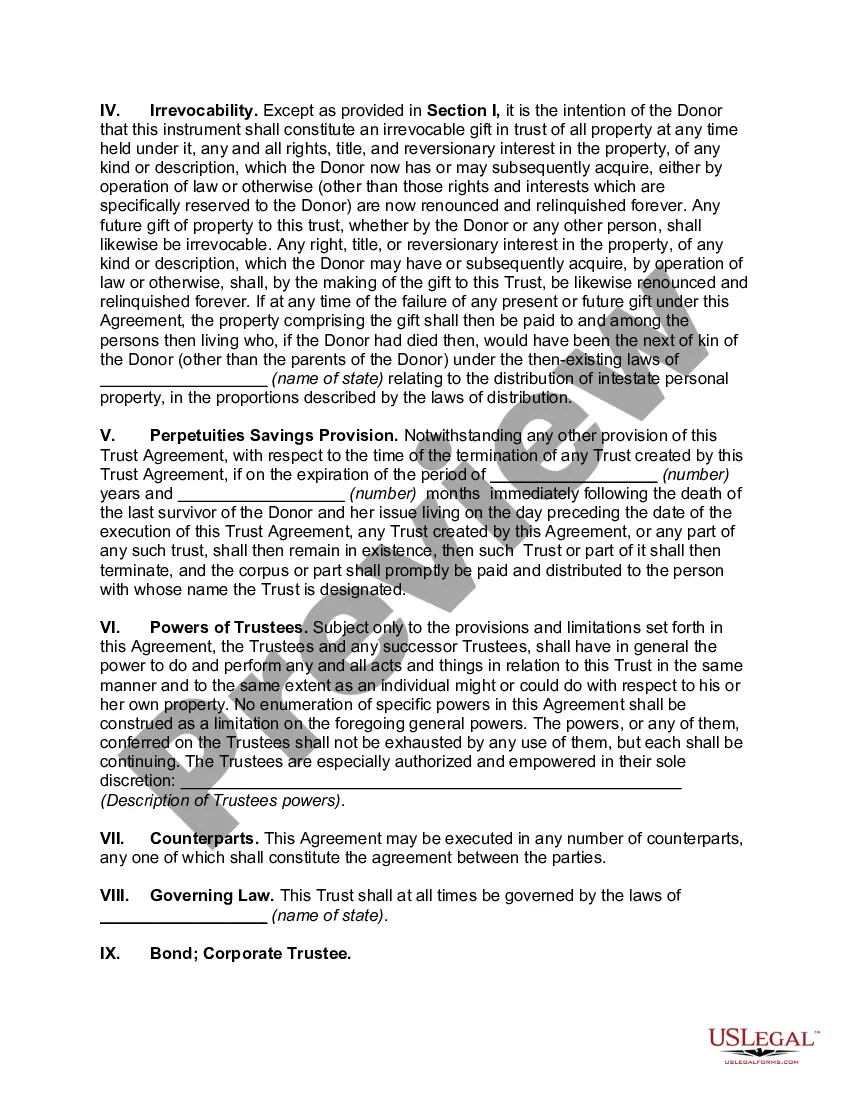
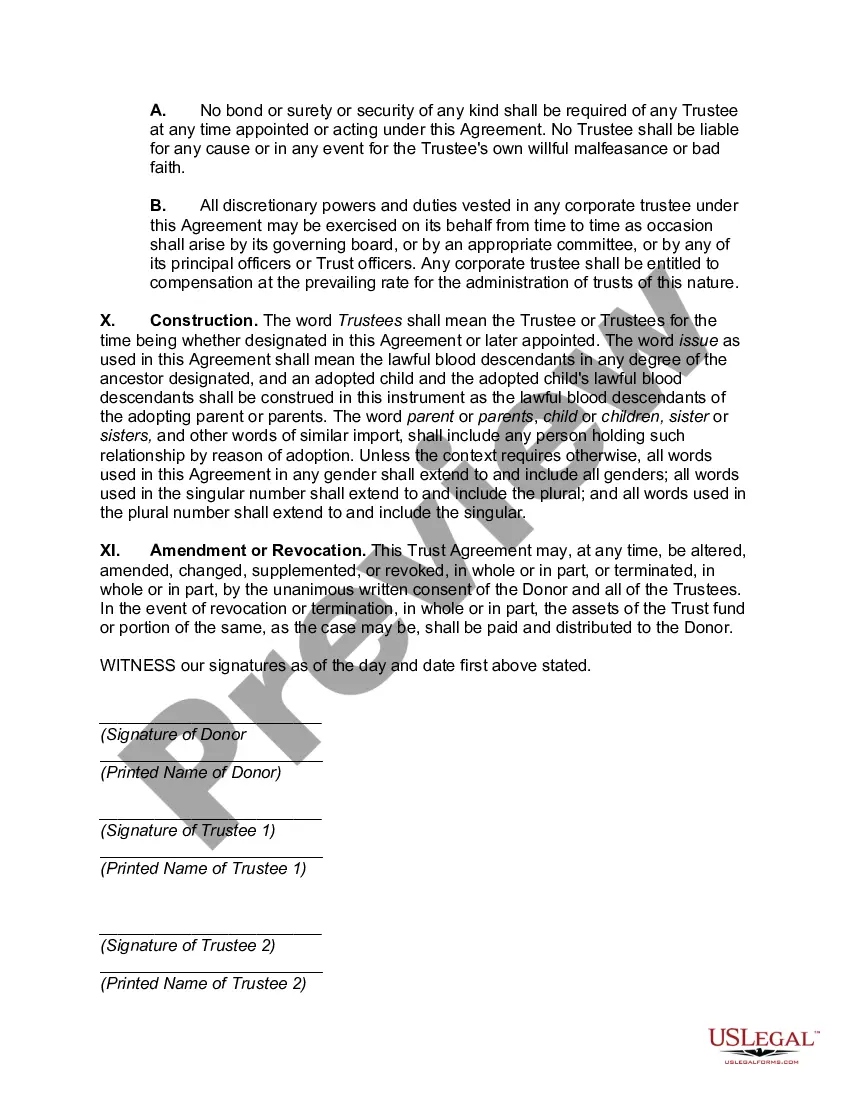

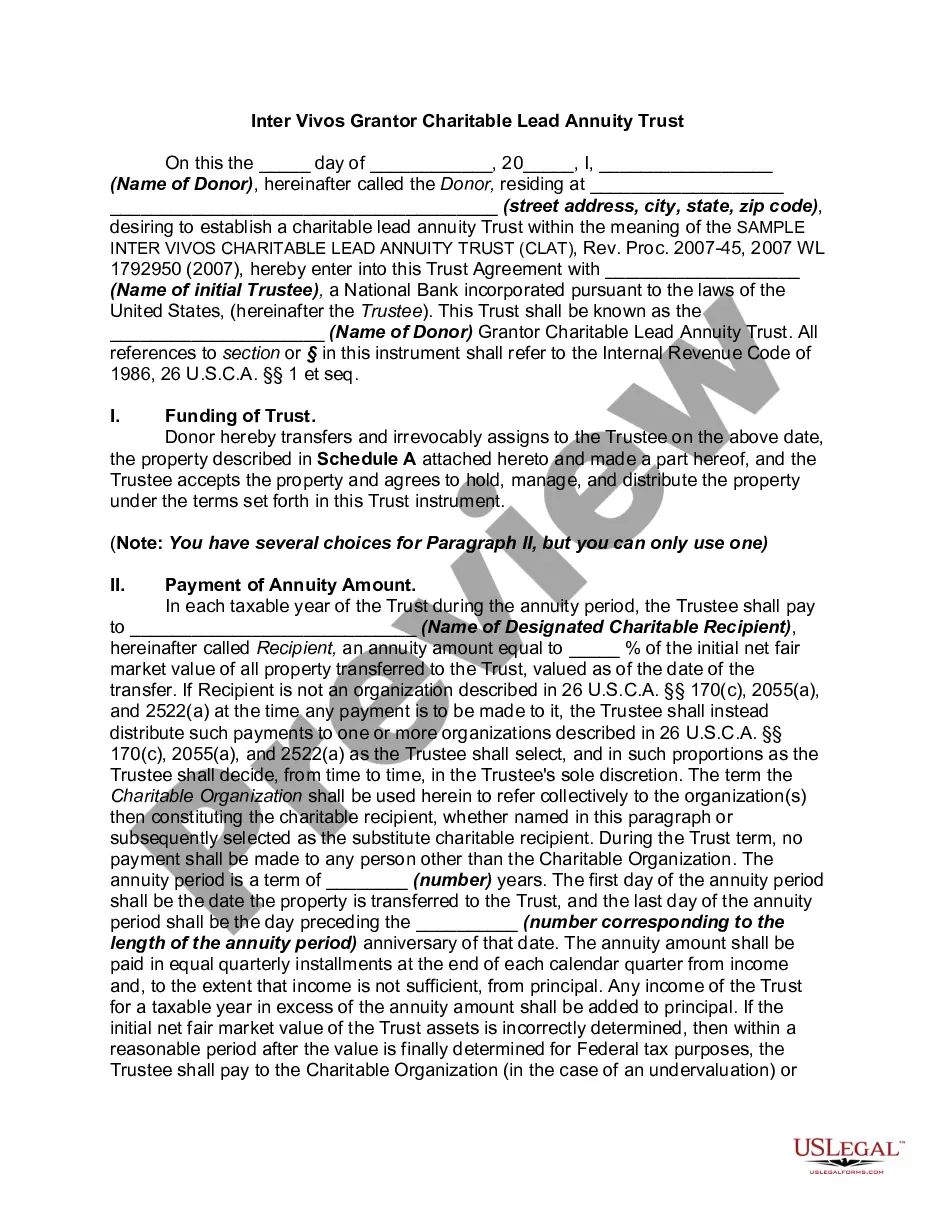
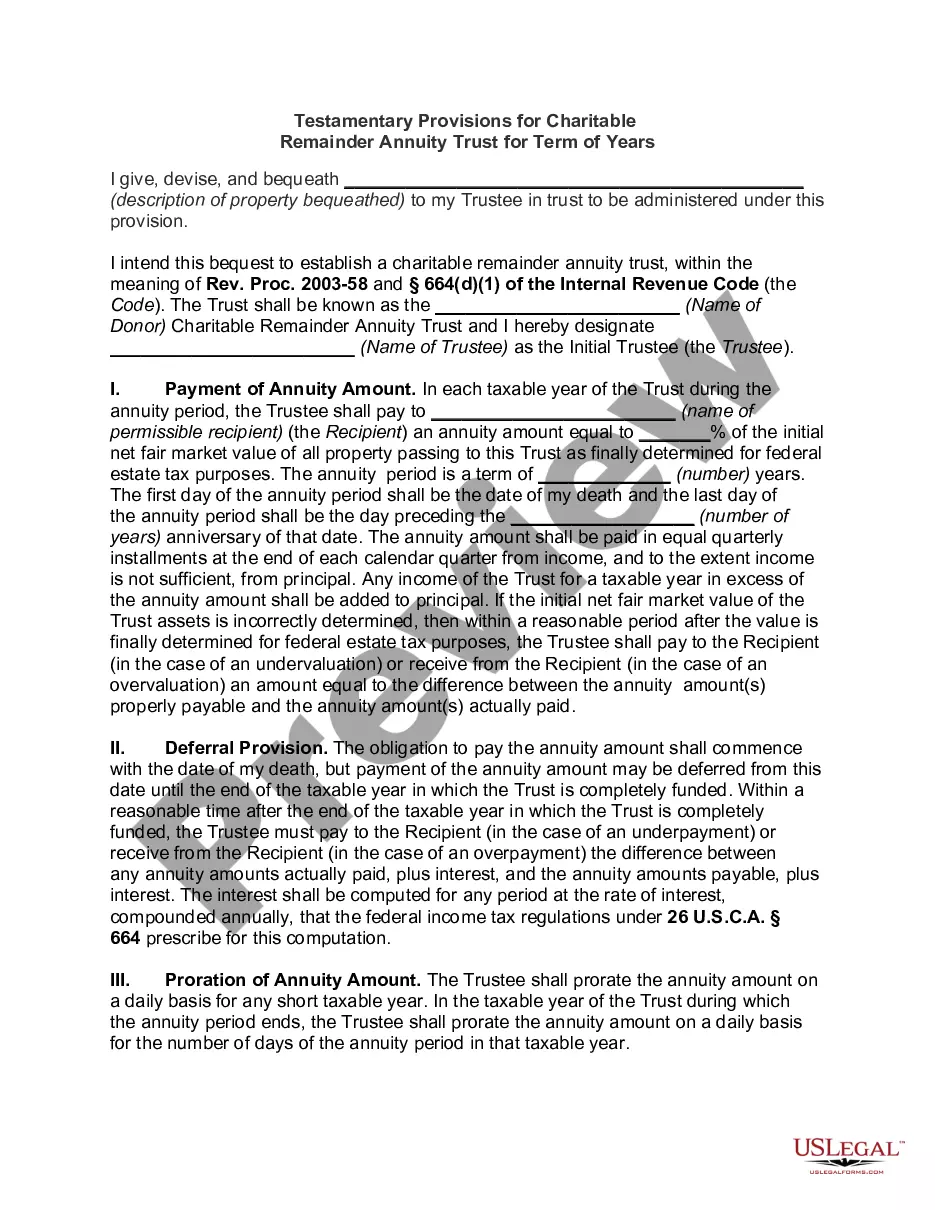
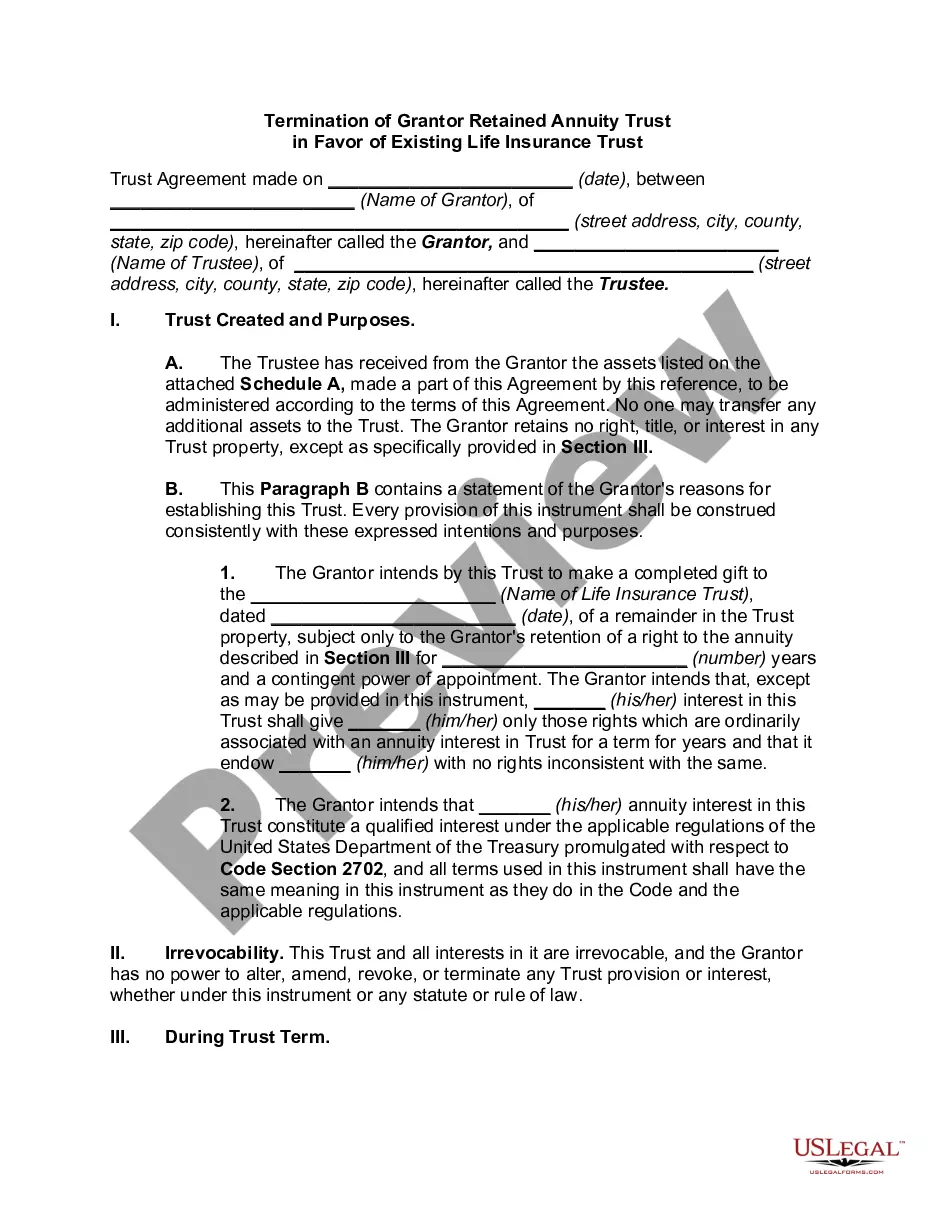
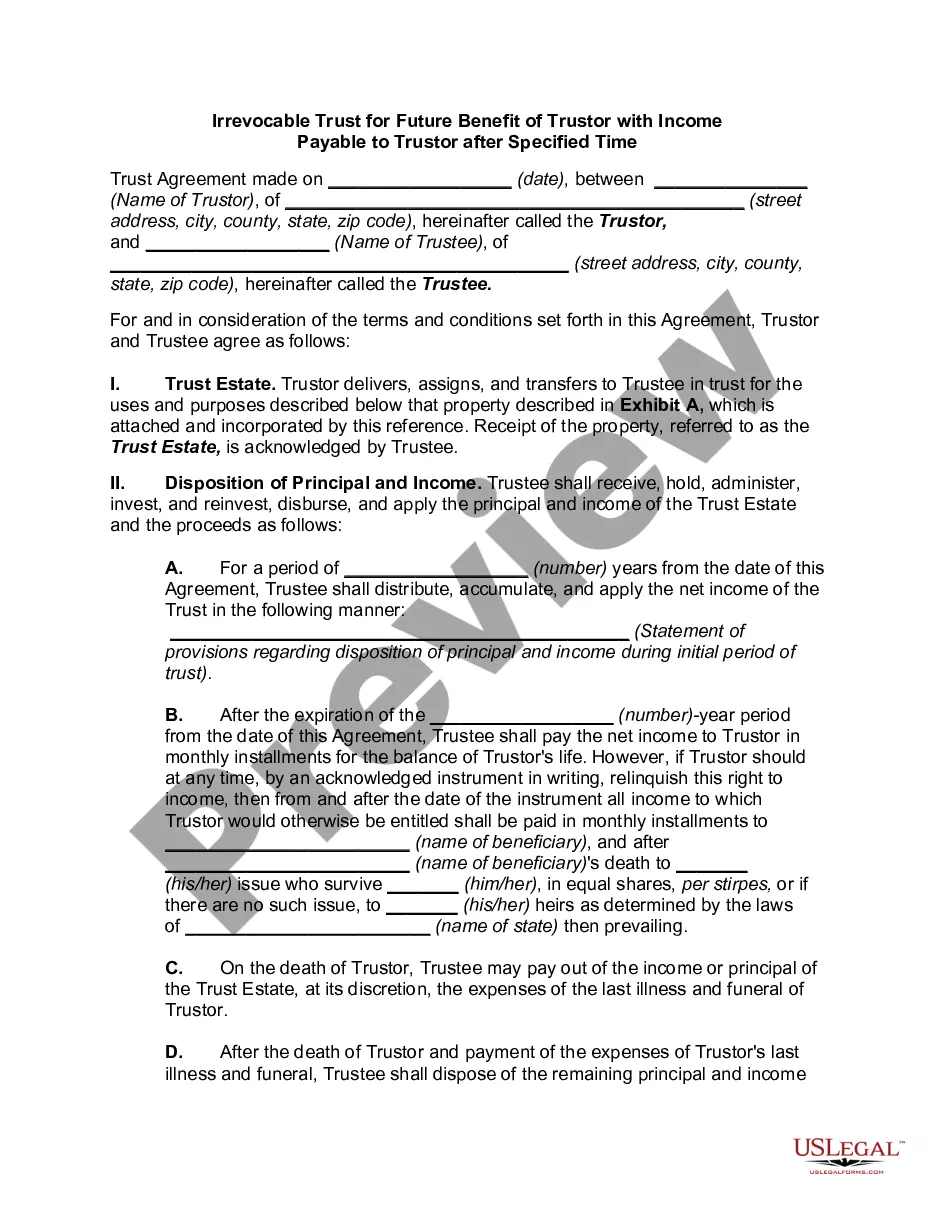
Get your form ready online
Our built-in tools help you complete, sign, share, and store your documents in one place.
Make edits, fill in missing information, and update formatting in US Legal Forms—just like you would in MS Word.
Download a copy, print it, send it by email, or mail it via USPS—whatever works best for your next step.
Sign and collect signatures with our SignNow integration. Send to multiple recipients, set reminders, and more. Go Premium to unlock E-Sign.
If this form requires notarization, complete it online through a secure video call—no need to meet a notary in person or wait for an appointment.
We protect your documents and personal data by following strict security and privacy standards.

Make edits, fill in missing information, and update formatting in US Legal Forms—just like you would in MS Word.

Download a copy, print it, send it by email, or mail it via USPS—whatever works best for your next step.

Sign and collect signatures with our SignNow integration. Send to multiple recipients, set reminders, and more. Go Premium to unlock E-Sign.

If this form requires notarization, complete it online through a secure video call—no need to meet a notary in person or wait for an appointment.

We protect your documents and personal data by following strict security and privacy standards.
Looking for another form?

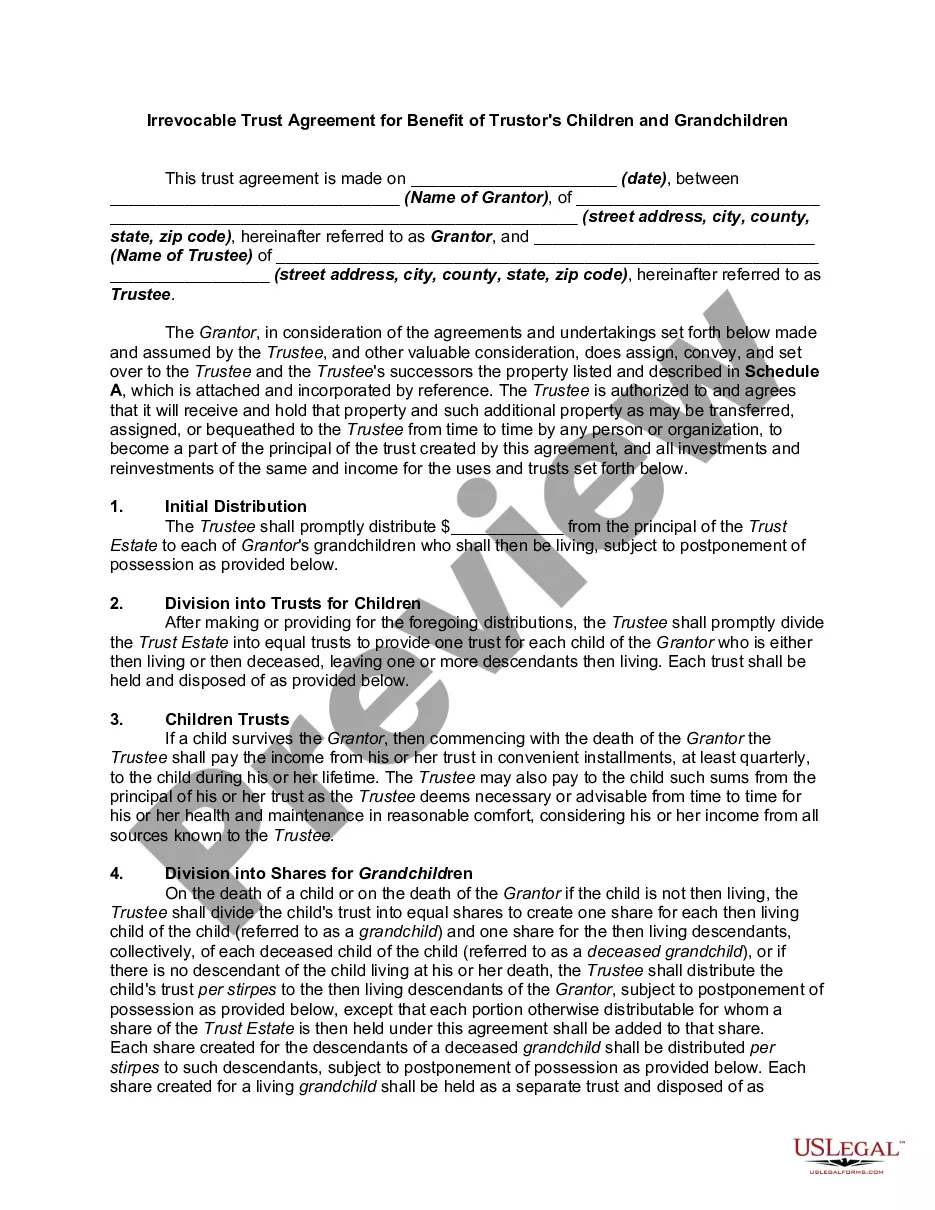


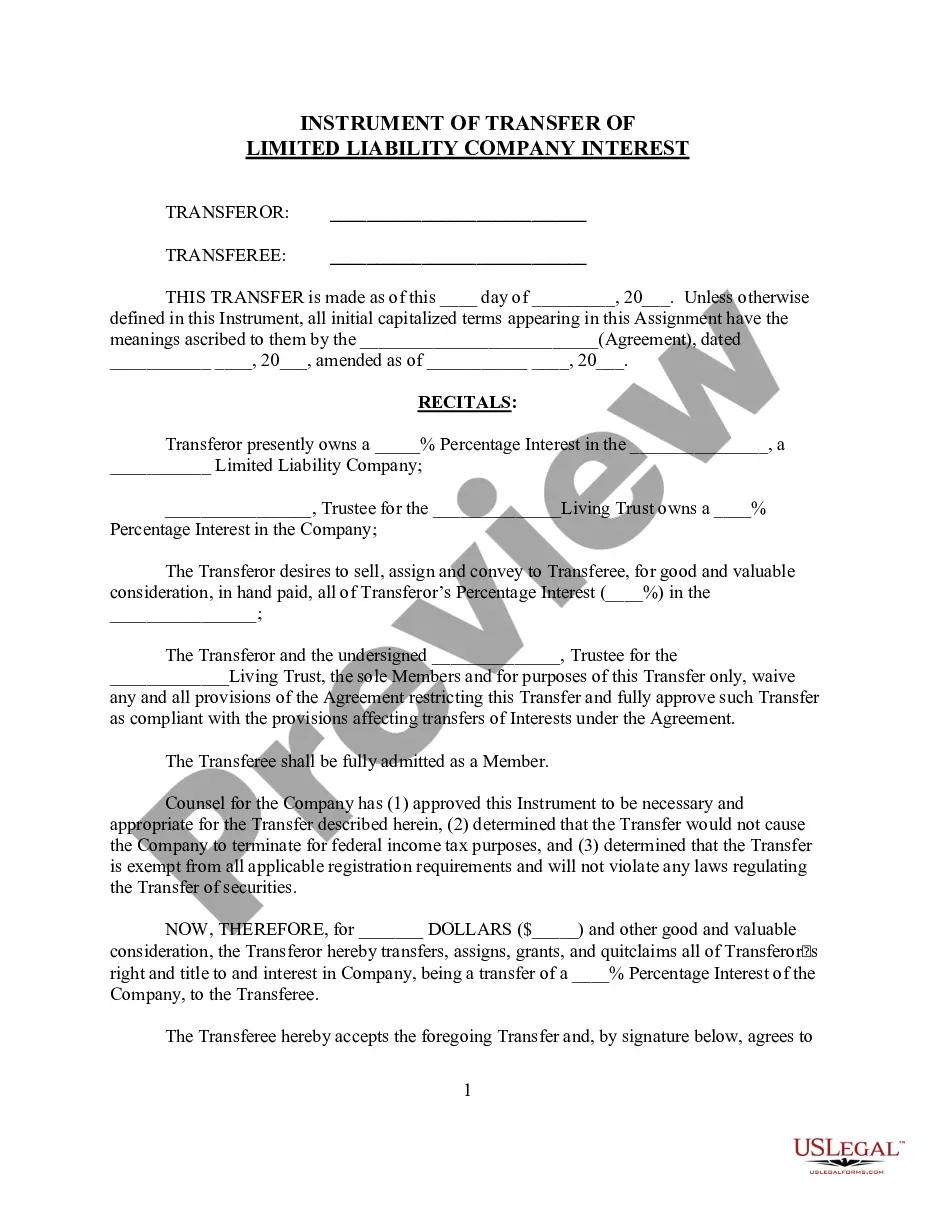
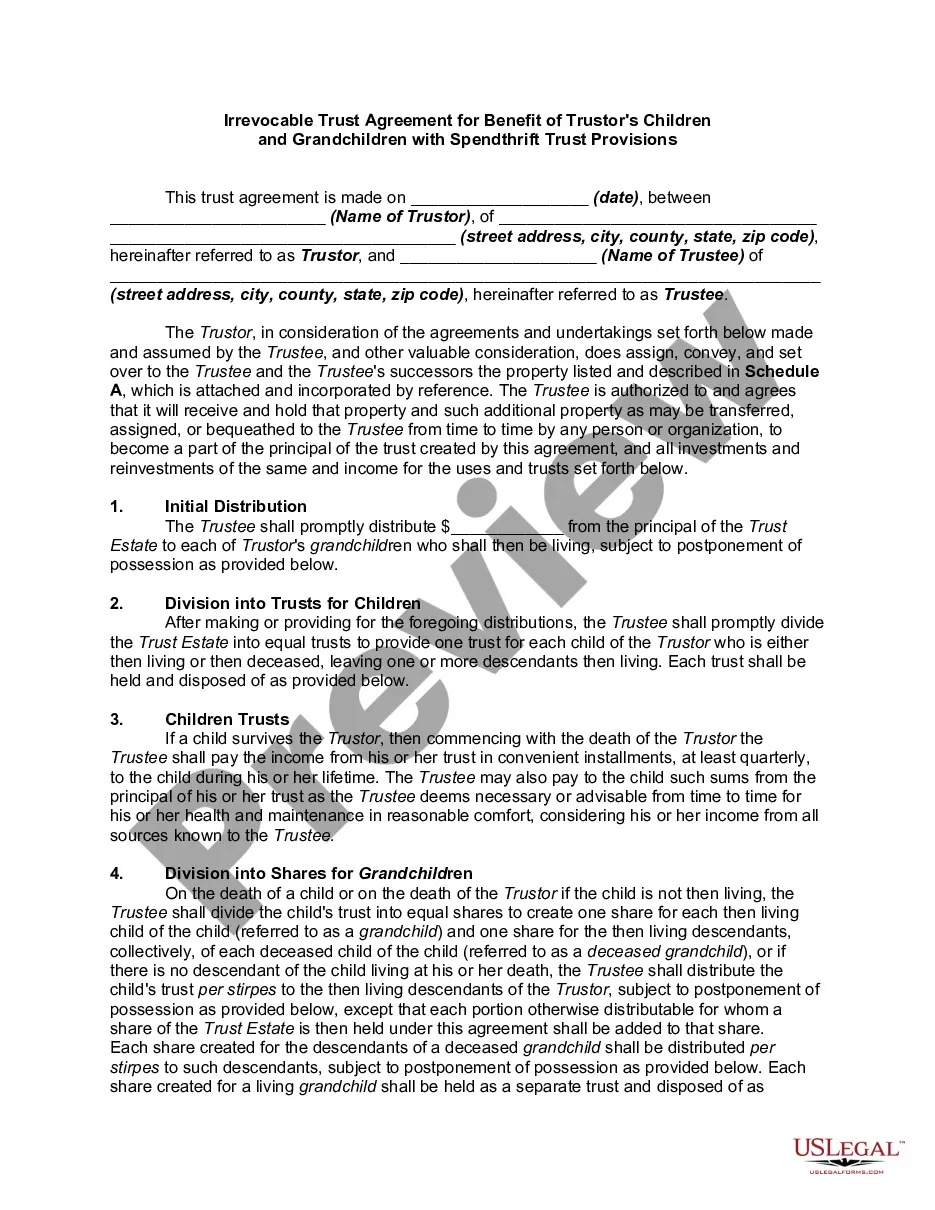



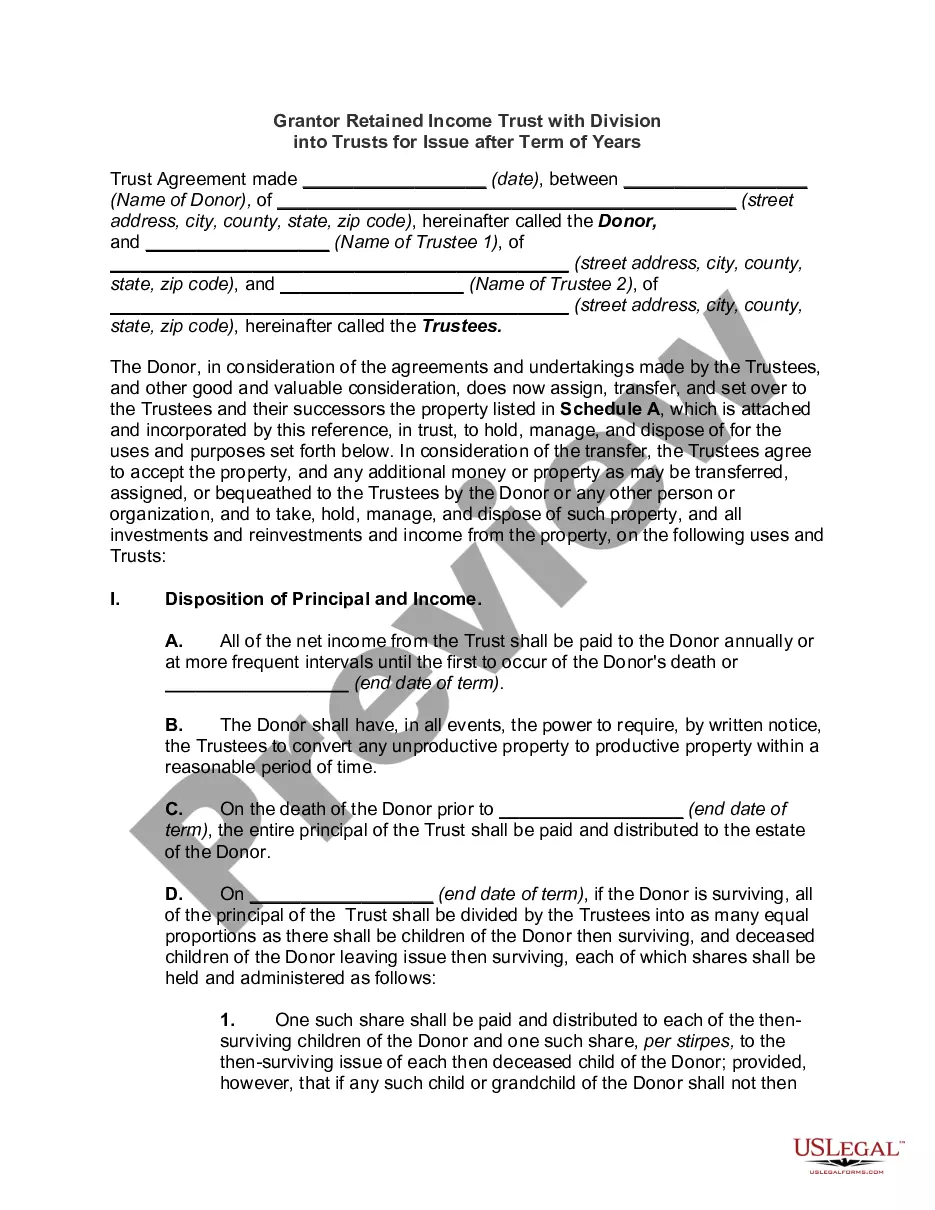
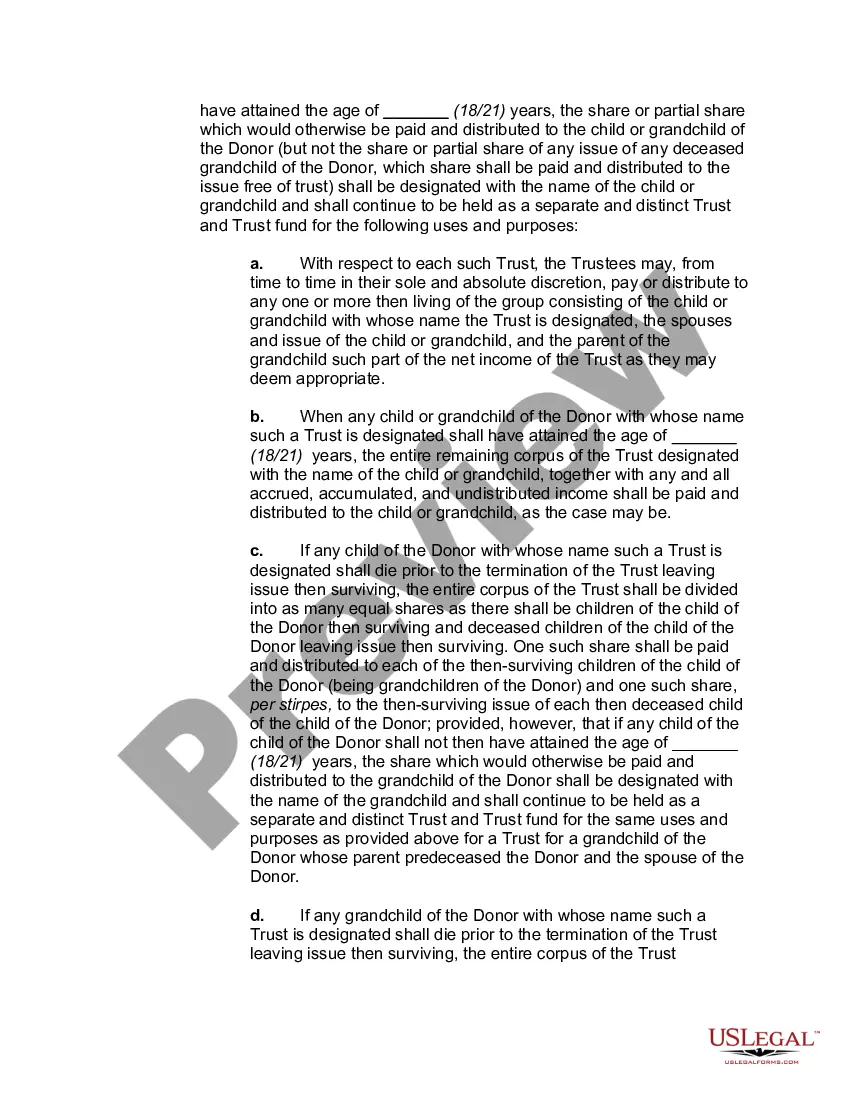
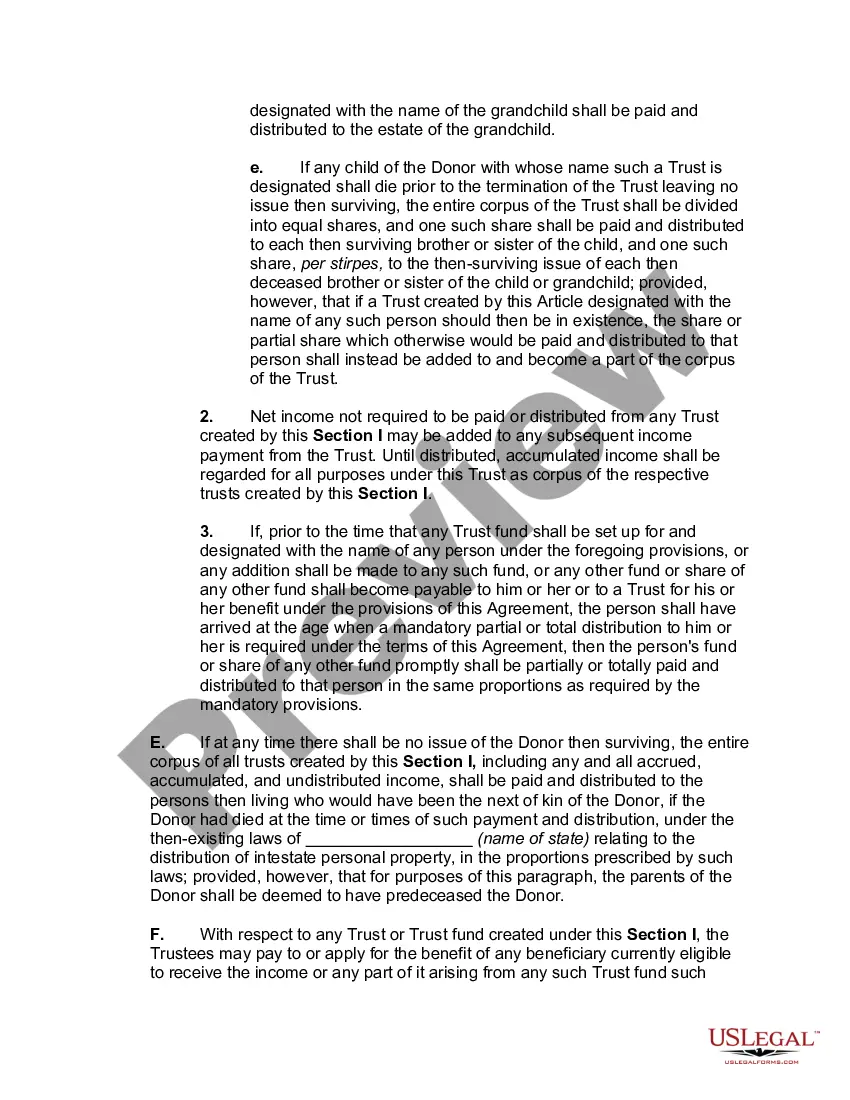
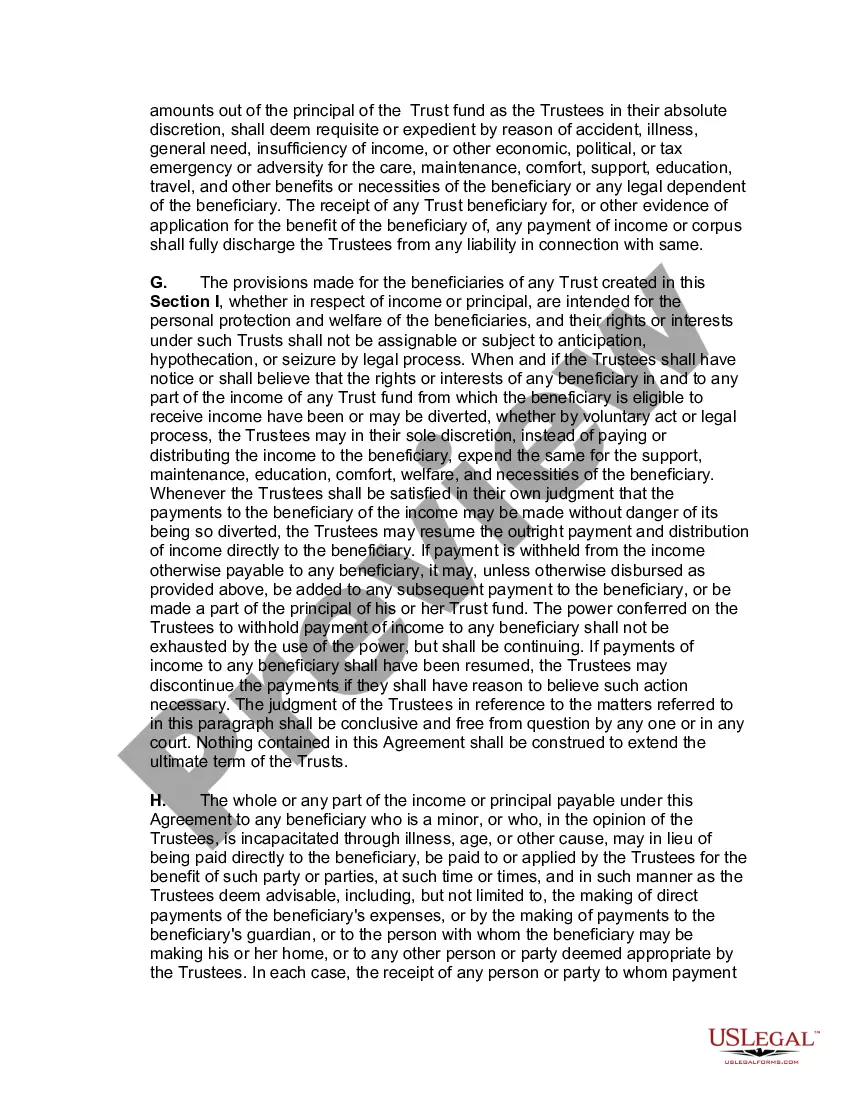
How to fill out Grantor Retained Income Trust With Division Into Trusts For Issue After Term Of Years?
- Log in to your US Legal Forms account or create a new one if you're a first-time user.
- Utilize the Preview mode to review form descriptions and confirm you have selected the correct trust template for your needs.
- If necessary, use the Search tab to find alternative forms that fully adhere to your local jurisdiction.
- Purchase the desired document by clicking the 'Buy Now' button and selecting your subscription plan.
- Complete your payment through your chosen method, either credit card or PayPal.
- Download the completed form directly to your device, making it accessible anytime via the 'My Forms' section of your profile.
US Legal Forms offers significant advantages, including a comprehensive collection of over 85,000 legal documents, ensuring you find exactly what you need. Users also benefit from the expertise of premium professionals who assist with form completion for legally sound outcomes.
Explore the power of US Legal Forms today and streamline your legal document needs with ease. Start your journey now!
Form popularity
FAQ
To acquire a foreign grantor trust, you first need to identify any foreign entities that suit your needs. After understanding the laws governing such trusts, you may establish one through a qualified professional. Platforms like uslegalforms can provide resources to aid in forming grantor trusts for non residents, helping you ensure compliance across jurisdictions.
One common mistake parents make when setting up a trust fund is failing to clearly communicate their intentions and goals. Without clarity, beneficiaries may misunderstand the purpose of the trust, leading to disputes later on. It’s vital to have an open dialogue and consider professional help in navigating the distinct aspects of grantor trusts for non residents.
Establishing a grantor trust requires careful planning and documentation. Start by determining the types of assets you want to place in the trust and drafting the necessary trust agreement. Then, consider using uslegalforms to help simplify the setup process, particularly suited for grantor trusts for non residents.
The 5 year rule for foreign trusts involves special reporting and tax implications set by the IRS. When a foreign trust transfers assets to a U.S. beneficiary, the assets may be subject to US taxation after five years. It is crucial to understand this timeframe to manage the tax responsibilities associated with grantor trusts for non residents effectively.
To set up a grantor trust, begin by selecting your assets and deciding who will benefit from the trust. It is essential to draft a trust document that clearly defines the terms, including the powers you wish to retain. You can utilize platforms like uslegalforms to guide you through the process of creating grantor trusts for non residents, ensuring everything is legally sound.
The IRS requires that a grantor trust must meet specific criteria to ensure proper tax treatment. This includes designating the grantor as the trustee, retaining certain powers, and ensuring that the trust is revocable. By meeting these requirements, individuals can manage their assets effectively while maintaining compliance with tax rules, especially important for grantor trusts for non residents.
Yes, a non-U.S. citizen can absolutely establish a trust in the U.S. It's a common practice among individuals looking to manage their assets effectively, even from abroad. Grantor trusts for non residents offer a strategic way to handle estate planning while navigating the complexities of U.S. law, and our services at UsLegalForms can assist you in setting up the right trust for your needs.
In most cases, a foreign grantor trust does need to file IRS Form 1041 if it generates income that is taxable. This form reports the income, deductions, and credits of the trust. Understanding when and how to file Form 1041 can be crucial for maintaining compliance with U.S. tax laws regarding grantor trusts for non residents, and seeking guidance can simplify the process.
Yes, a foreign grantor trust typically needs an Employer Identification Number (EIN) to operate properly in the U.S. The EIN serves as a unique identifier for the trust, allowing it to report income and file any necessary forms. Securing an EIN is an important step in managing grantor trusts for non residents, ensuring compliance with tax regulations.
Establishing a foreign grantor trust involves several steps, including drafting a trust document that outlines the terms of the trust. You will need to identify the grantor and the trustee, and ensure compliance with both U.S. and foreign laws. With our platform, UsLegalForms, you can access templates and guides to help set up grantor trusts for non residents efficiently and effectively.