Grantor Of Trust Vs Trustee
Description
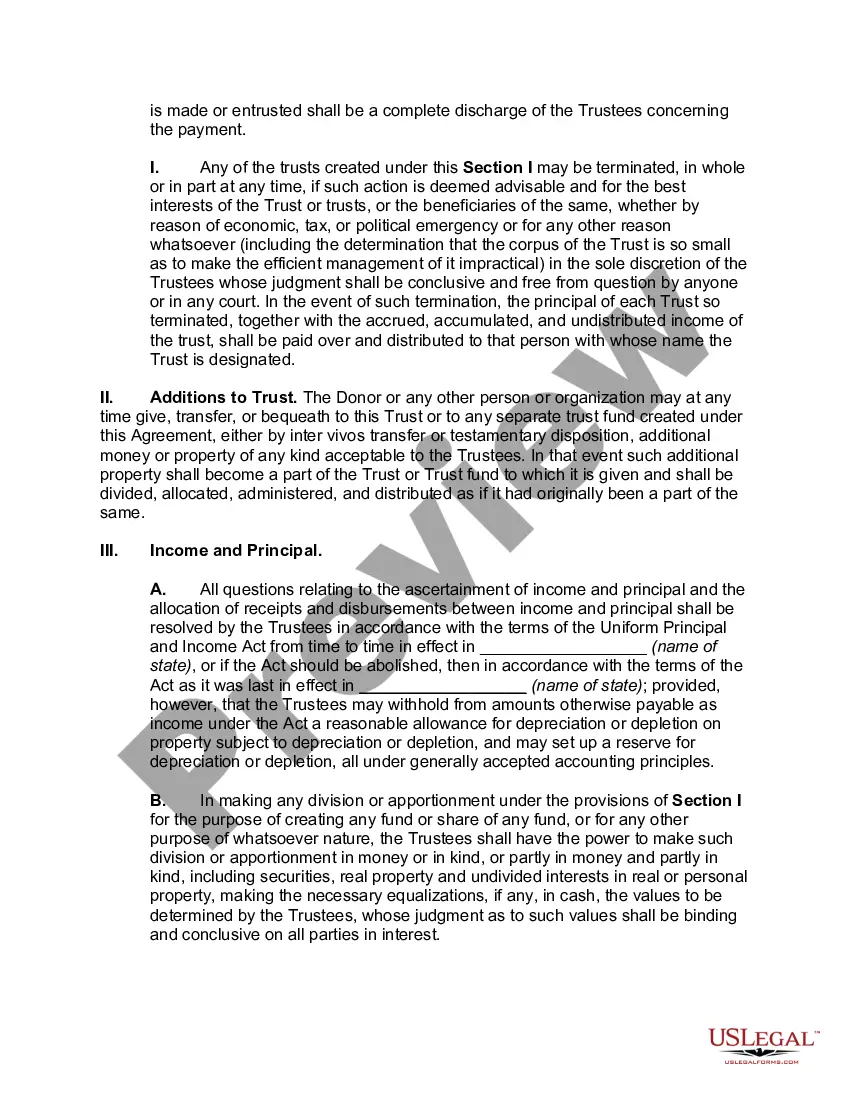
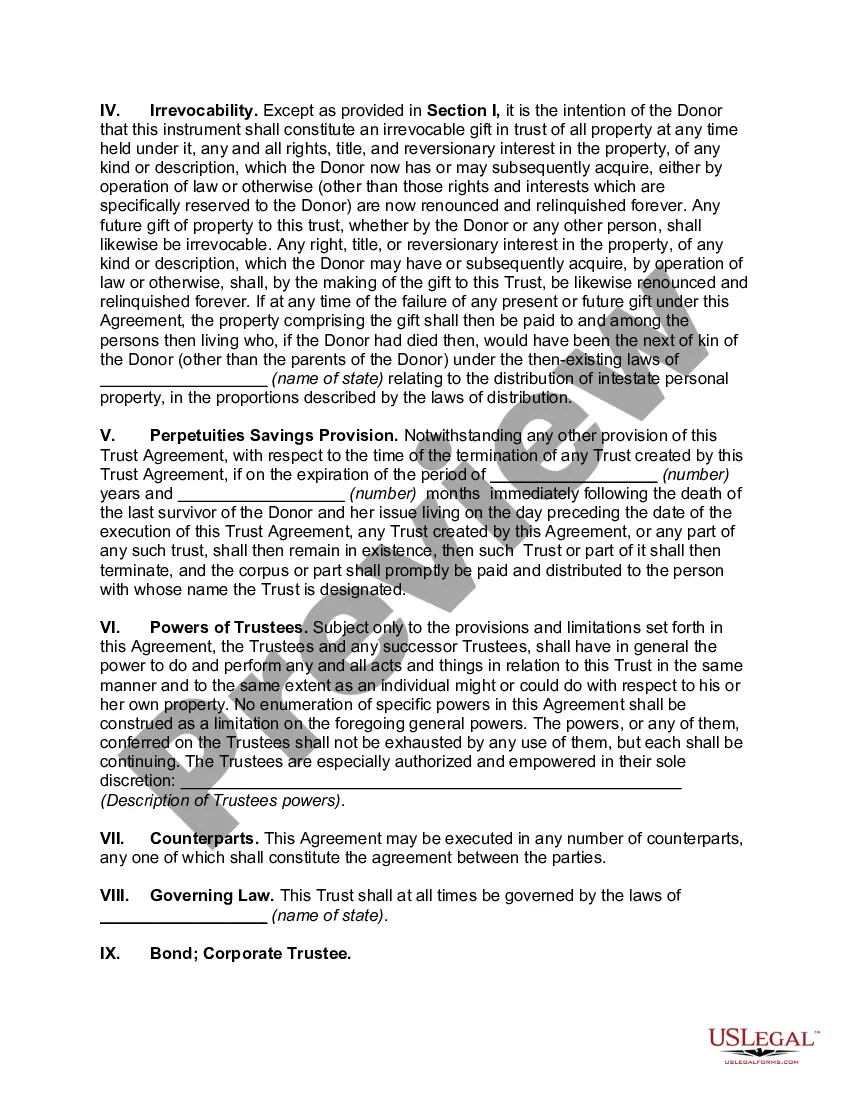
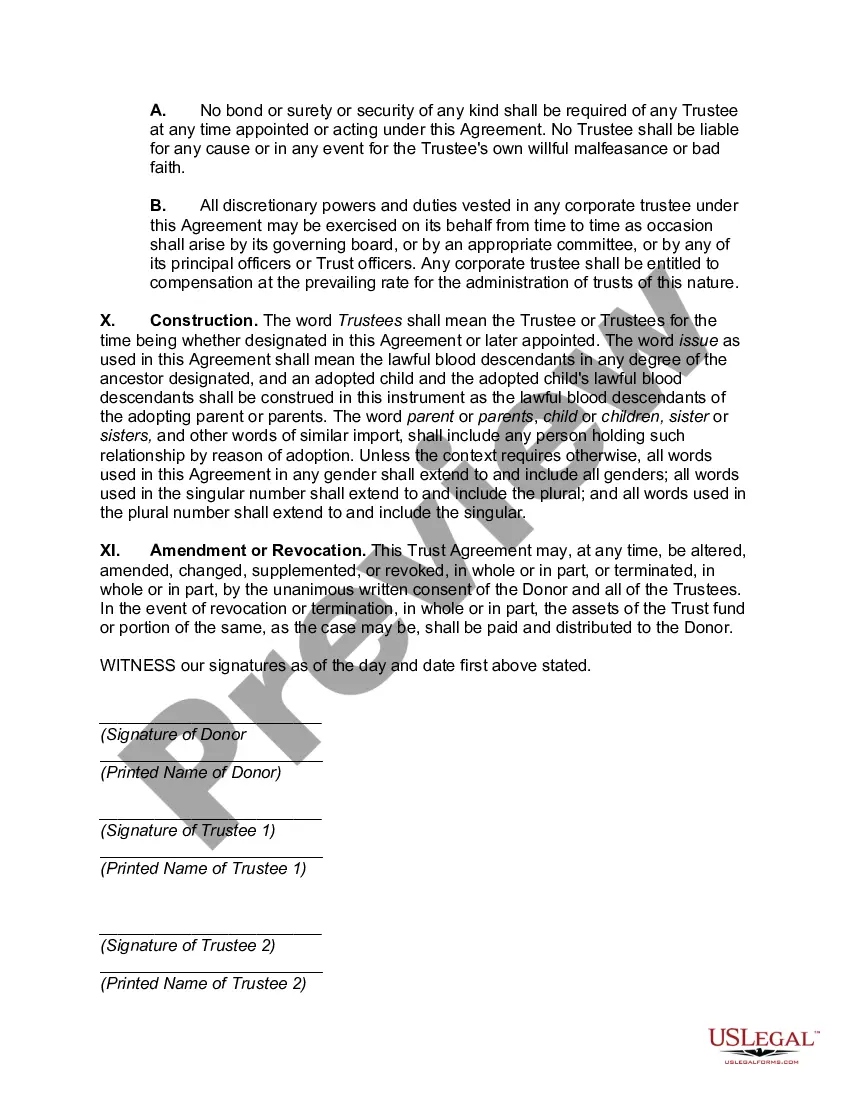

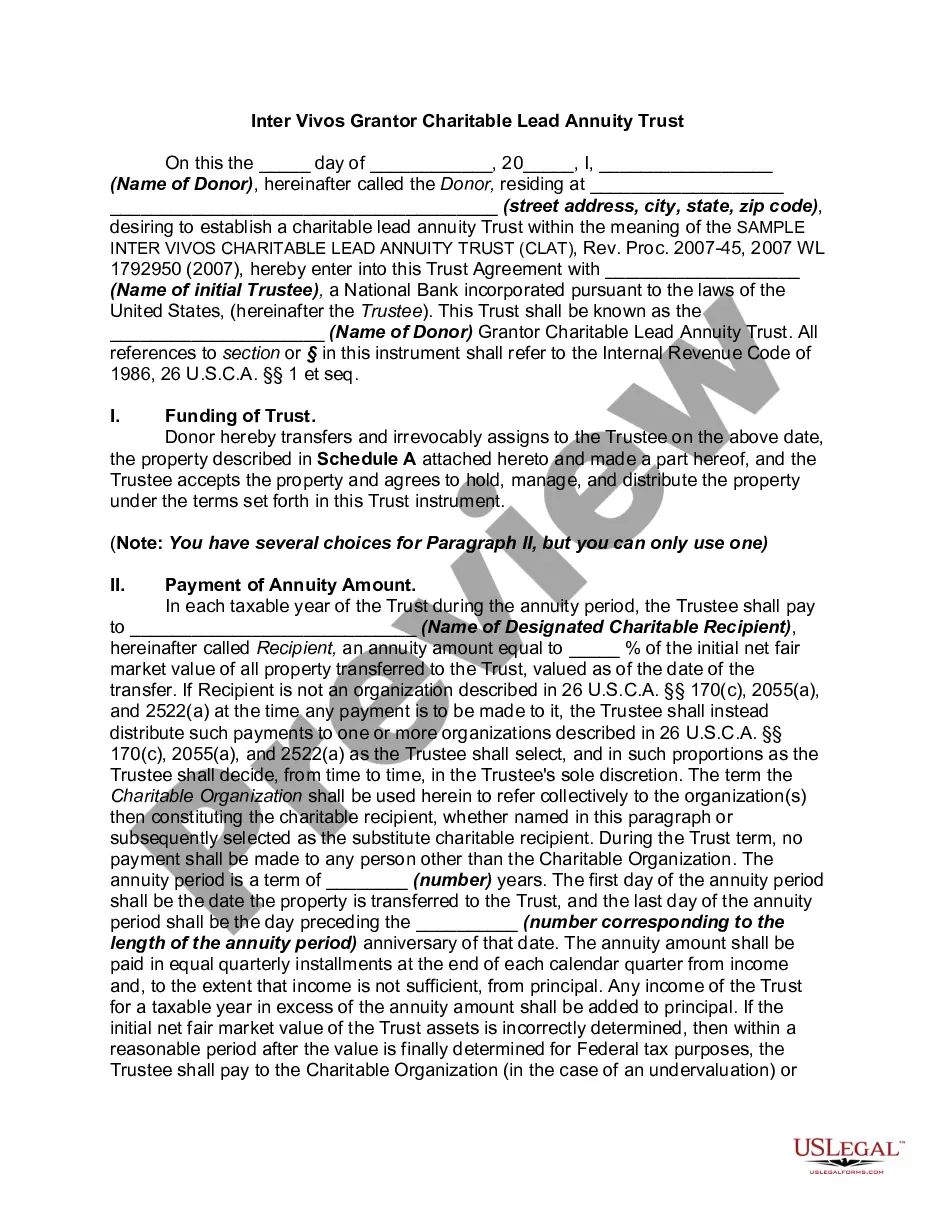
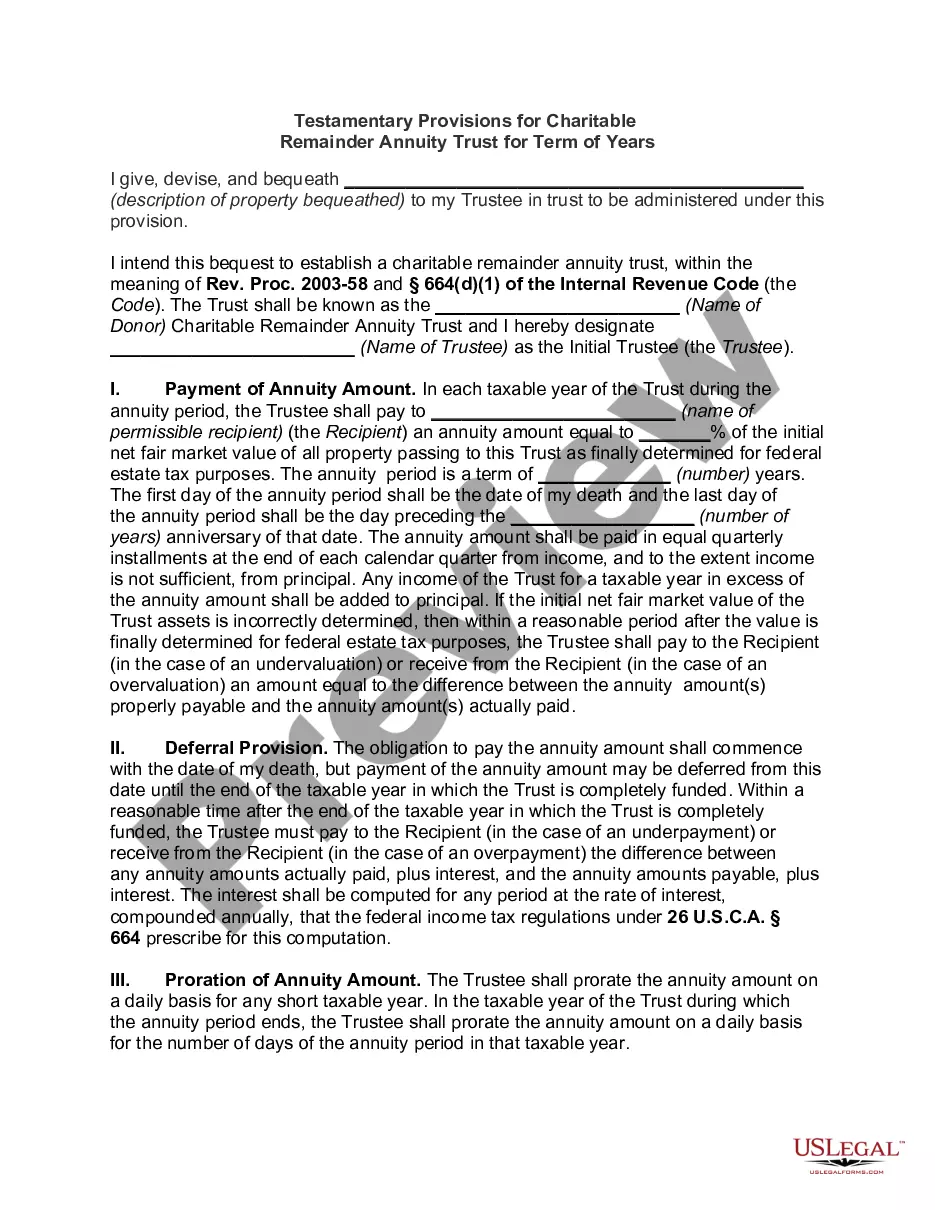
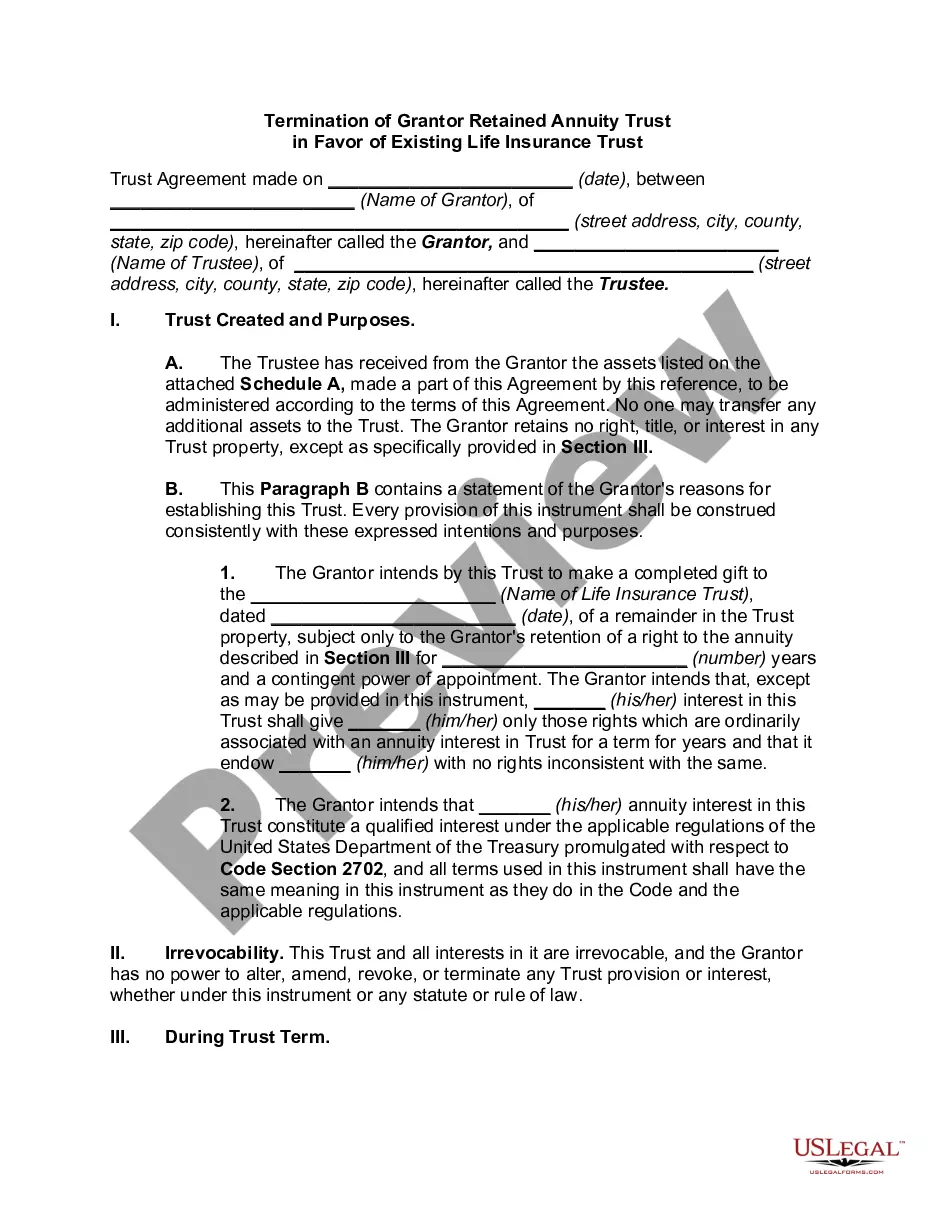
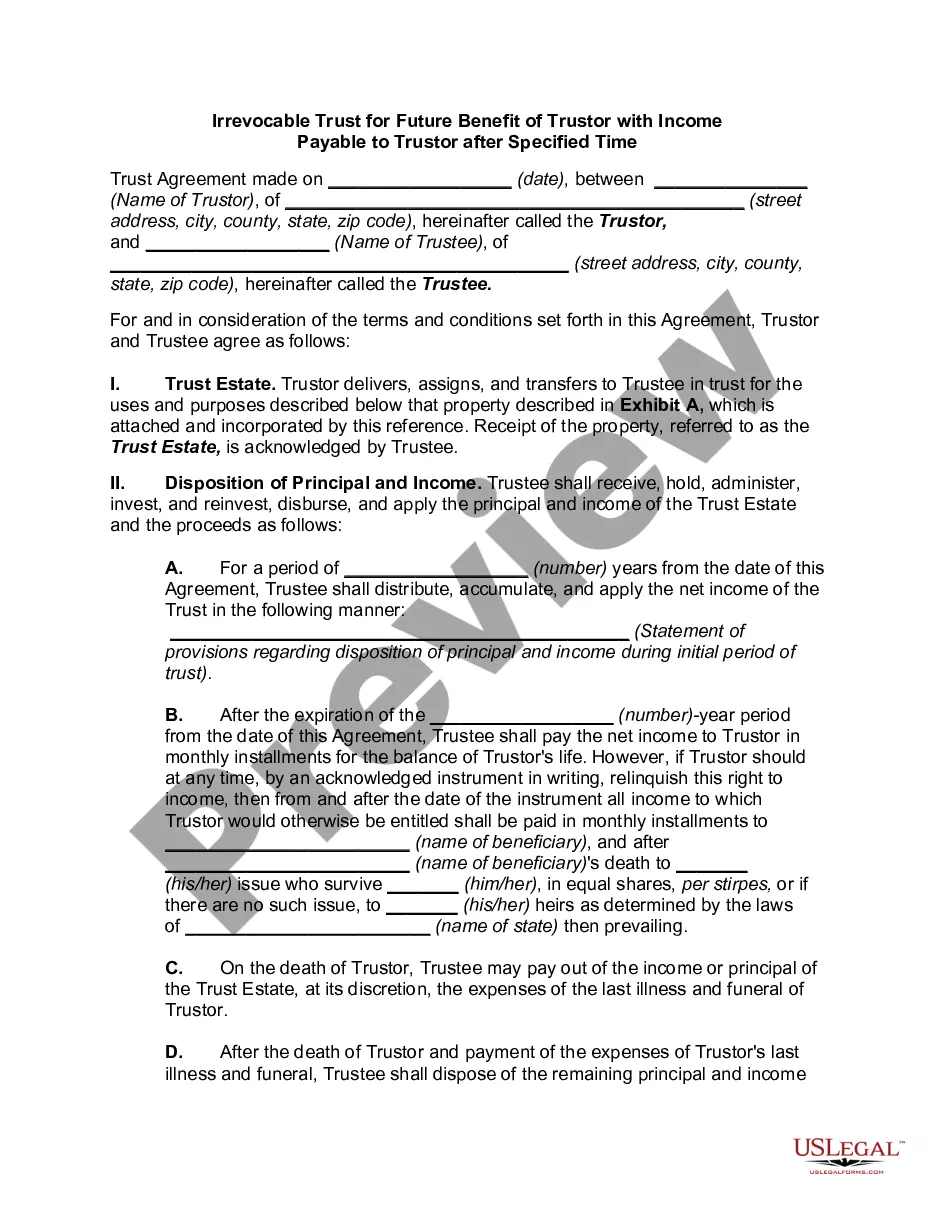
Get your form ready online
Our built-in tools help you complete, sign, share, and store your documents in one place.
Make edits, fill in missing information, and update formatting in US Legal Forms—just like you would in MS Word.
Download a copy, print it, send it by email, or mail it via USPS—whatever works best for your next step.
Sign and collect signatures with our SignNow integration. Send to multiple recipients, set reminders, and more. Go Premium to unlock E-Sign.
If this form requires notarization, complete it online through a secure video call—no need to meet a notary in person or wait for an appointment.
We protect your documents and personal data by following strict security and privacy standards.

Make edits, fill in missing information, and update formatting in US Legal Forms—just like you would in MS Word.

Download a copy, print it, send it by email, or mail it via USPS—whatever works best for your next step.

Sign and collect signatures with our SignNow integration. Send to multiple recipients, set reminders, and more. Go Premium to unlock E-Sign.

If this form requires notarization, complete it online through a secure video call—no need to meet a notary in person or wait for an appointment.

We protect your documents and personal data by following strict security and privacy standards.
Looking for another form?

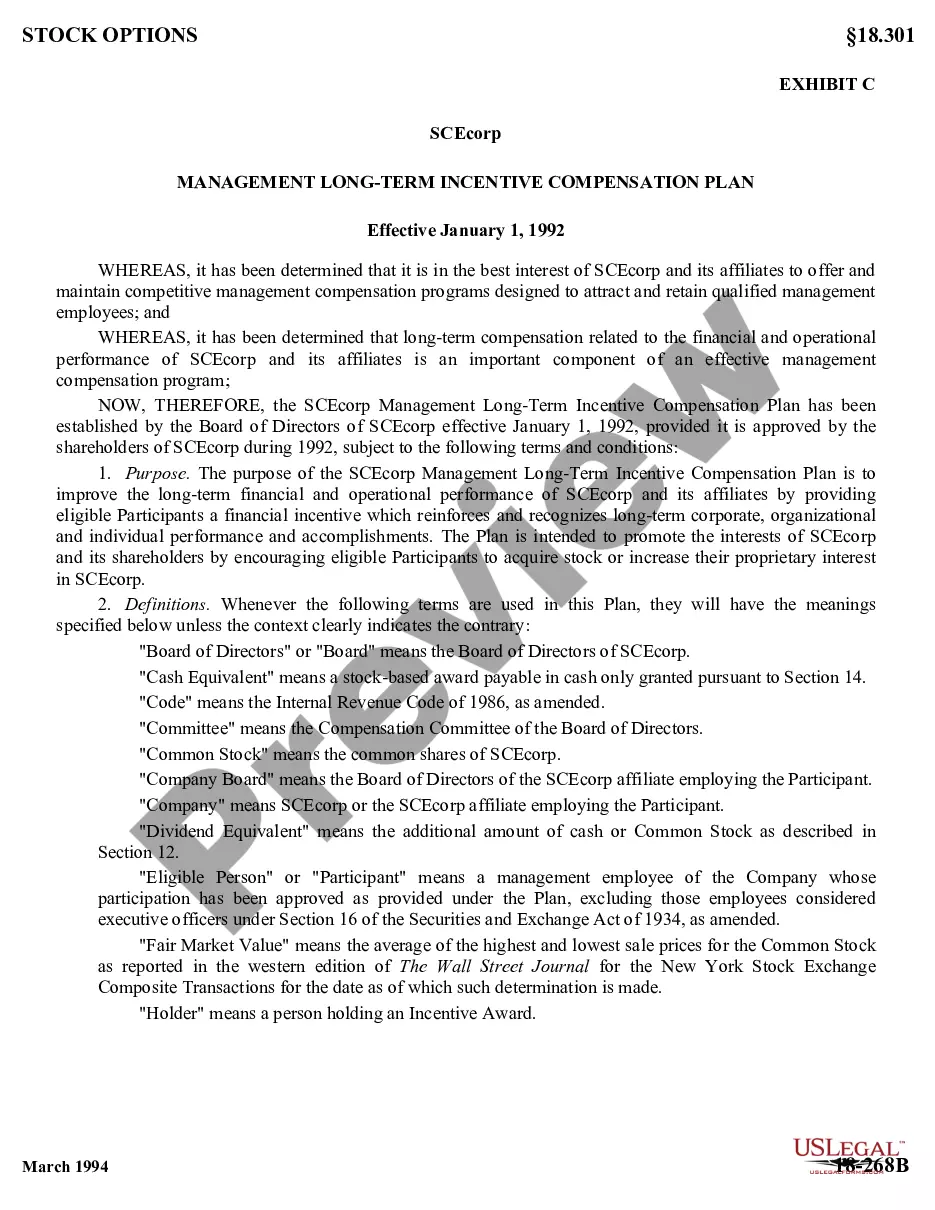






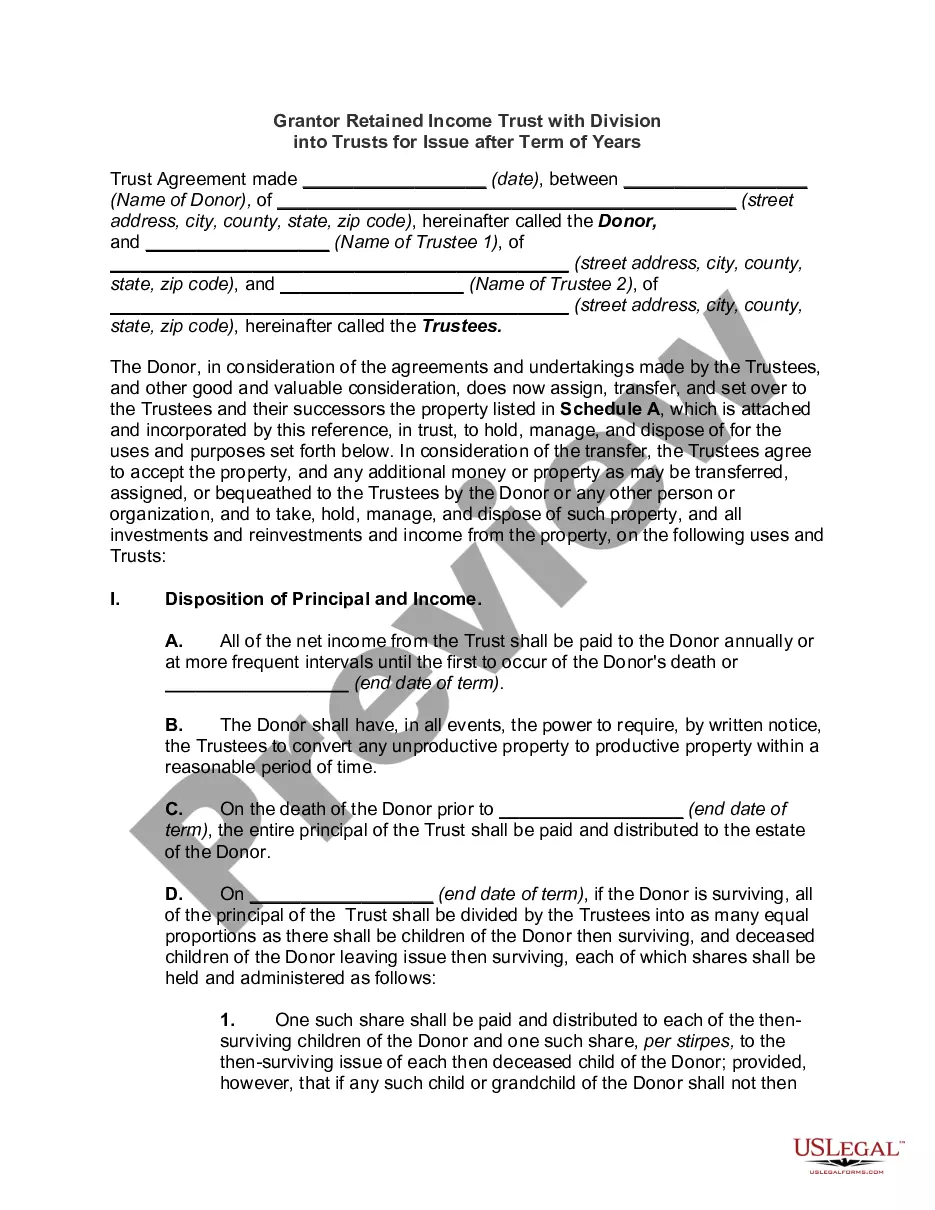
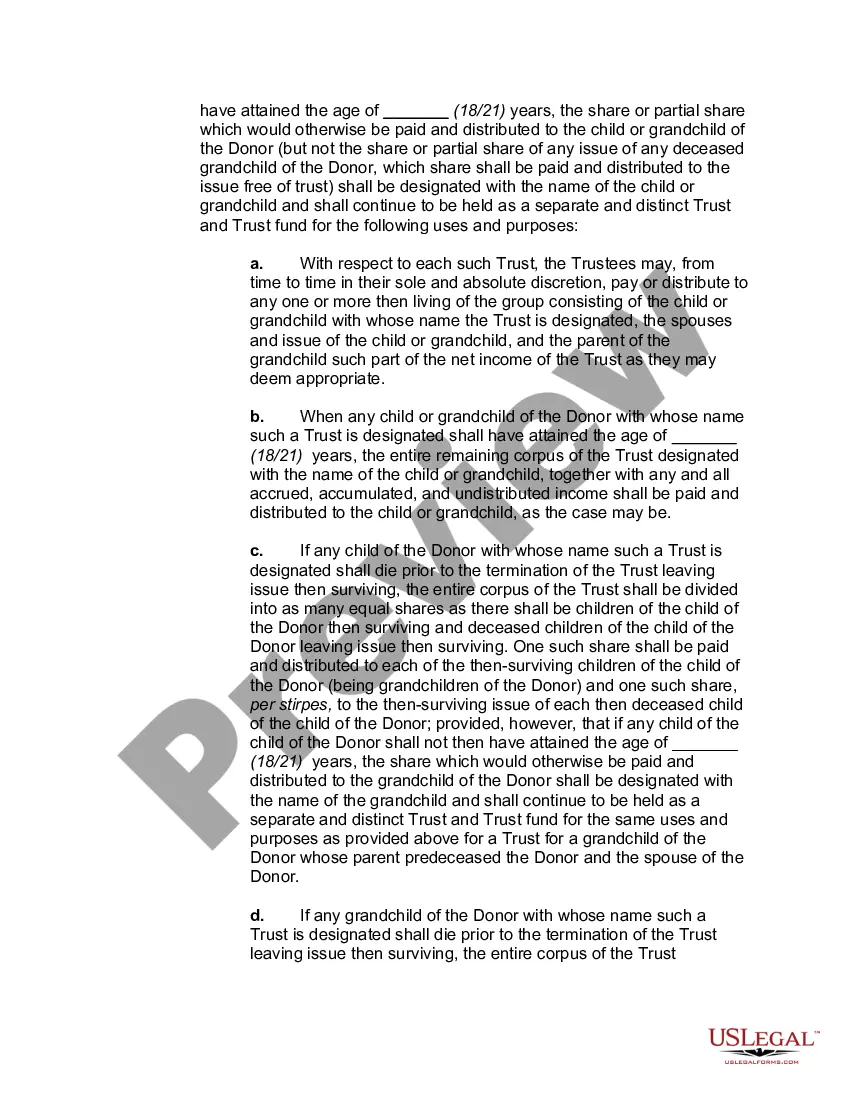
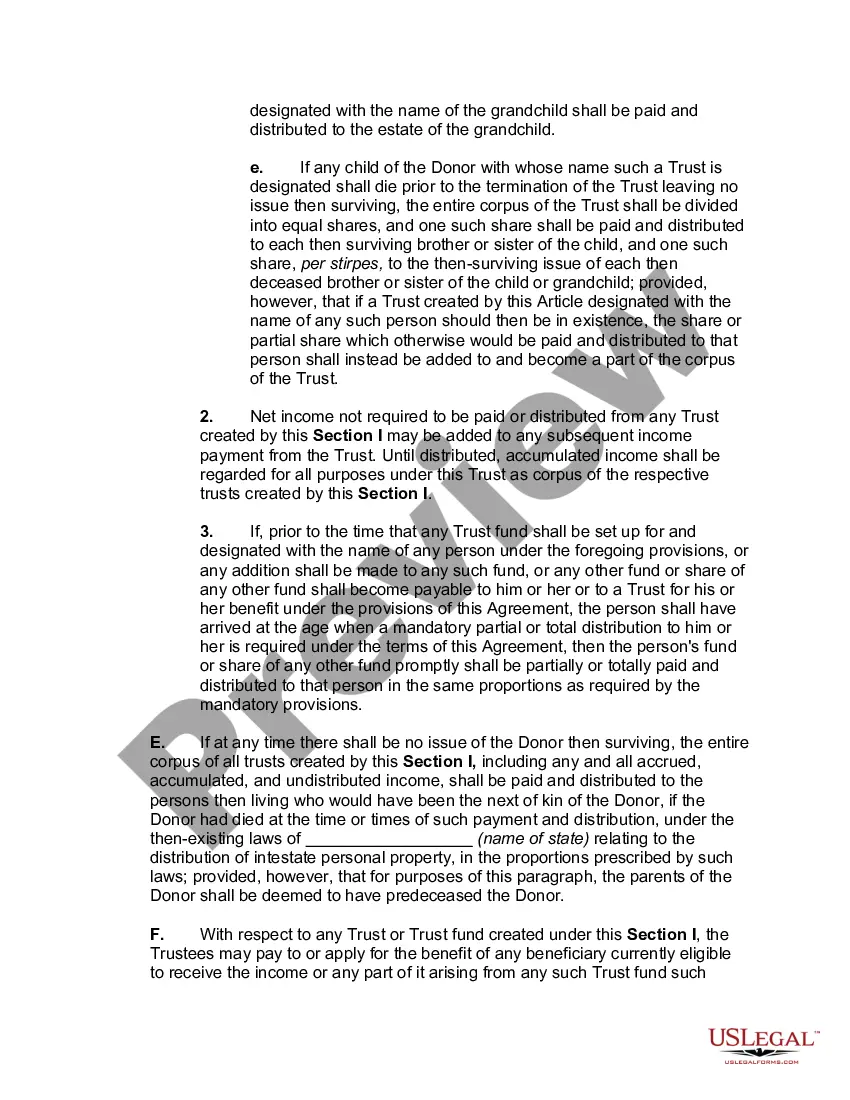
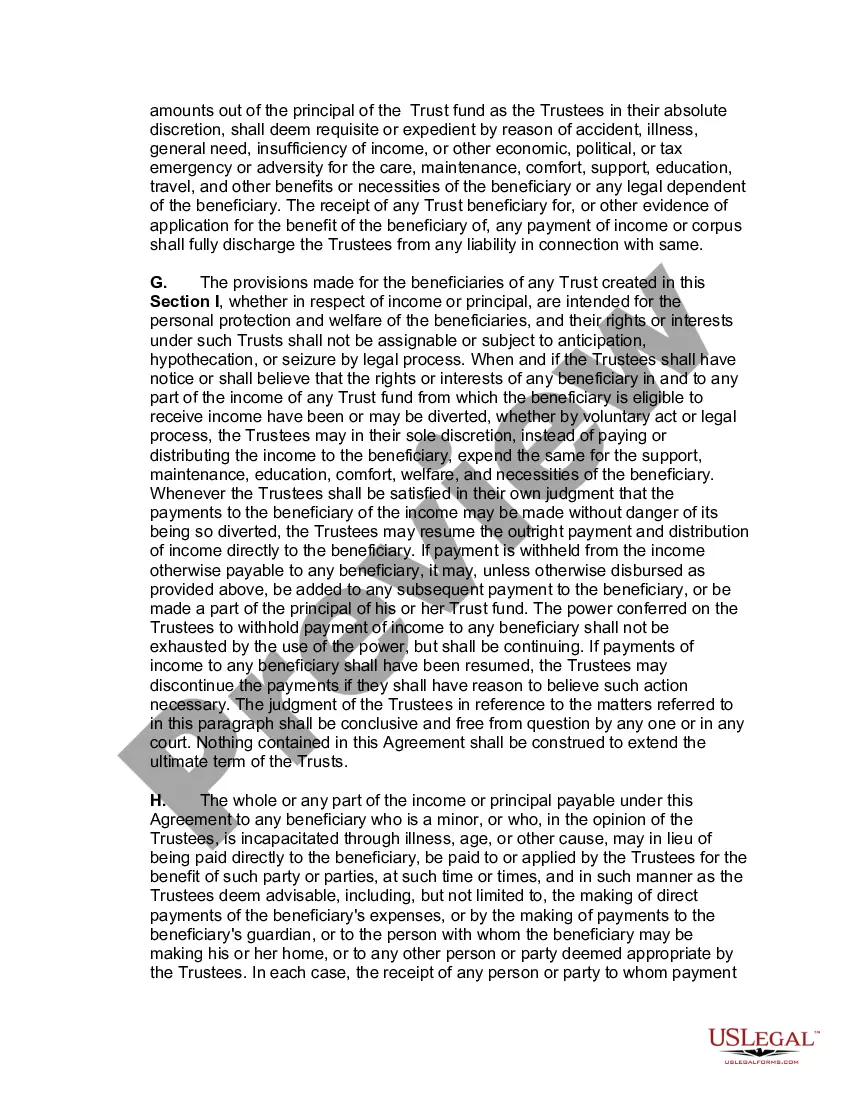
How to fill out Grantor Retained Income Trust With Division Into Trusts For Issue After Term Of Years?
- If you are a returning user, log into your account to download the needed form template. Ensure your subscription is active; renew if required.
- For first-time users, start by previewing the available forms. Make sure to select a template that aligns with your local jurisdiction's requirements.
- Utilize the search bar to find additional templates if necessary. Confirm that your chosen document precisely fits your needs.
- Purchase the document by clicking the ‘Buy Now’ button and select your preferred subscription plan. Remember, you'll need to create an account to access the resources.
- Complete your purchase using credit card or PayPal for the subscription.
- Download and save your form. You can find it later in the My Forms section of your profile.
Utilizing US Legal Forms empowers users to execute legal documents efficiently and effectively. Its robust collection of resources ensures legal precision and user satisfaction.
Ready to simplify your legal documentation process? Start using US Legal Forms today!
Form popularity
FAQ
You can identify a trust as a grantor or non-grantor trust by examining the control over assets and tax implications. A grantor trust allows the original creator to retain some level of control, leading to certain tax liabilities. In contrast, a non-grantor trust operates independently, removing tax burdens from the grantor. To simplify your understanding of these distinctions, uslegalforms offers detailed insights and guidance.
Certain individuals are generally disqualified from serving as trustees. These may include minors, individuals who are legally incapacitated, or those with a felony conviction. It's important to know who cannot act as a trustee for smooth trust operation and compliance. If you’re unsure about appointing a trustee, uslegalforms can provide comprehensive information on suitable candidates.
The grantor is the person who establishes the trust and transfers assets into it. On the other hand, the trustee is responsible for managing these assets and ensuring they align with the grantor's wishes. When discussing grantor of trust vs trustee, it’s essential to identify who fulfills these roles. If you need assistance navigating these responsibilities, uslegalforms is a valuable resource.
trustee grantor is someone who creates a trust but does not take on the responsibility of managing it. This individual can give up control of the trust assets while still retaining certain powers, like altering terms. Understanding the roles of grantor of trust vs trustee is crucial for effective trust management. For clearer guidance on these roles, consider exploring uslegalforms.
No, the grantor of a trust and the trustee are not the same. The grantor is the person who creates the trust and transfers assets into it, while the trustee is the individual or entity responsible for managing those assets according to the trust's terms. Understanding the differences in roles is important when establishing a trust. For more insight into the grantor of trust vs trustee distinction, consider exploring resources available on the US Legal Forms platform.
No, a trustee is not the same as a grantor in a trust. While the grantor creates the trust, the trustee takes on the responsibility of managing it. Understanding the grantor of trust vs trustee relationship is essential for successful trust administration and ensuring that the trust’s purpose is fulfilled.
Yes, a grantor can choose not to serve as the trustee. In many cases, the grantor may appoint another individual or institution as the trustee to handle trust management. This decision can benefit the grantor, especially if they seek impartiality in managing the grantor of trust vs trustee responsibilities.
A guarantor provides assurance that an obligation will be fulfilled, whereas a trustee manages the trust's assets. In the context of grantor of trust vs trustee, it's vital to distinguish these roles as they serve different functions. This distinction helps people understand their responsibilities in financial and legal commitments.
The grantor is the person who establishes the trust and contributes assets to it. This individual has control over the trust and has the authority to make decisions regarding its terms and conditions. Knowing who the grantor is helps clarify roles in the grantor of trust vs trustee framework.
The grantor of trust vs trustee distinction is fundamental in trust law. The grantor is the person who creates the trust and funds it with assets. In contrast, the trustee is the individual or entity responsible for managing those assets according to the trust's terms. Understanding this difference is crucial for anyone looking to create a trust.