Grantor Income Trust Withdrawal
Description

Get your form ready online
Our built-in tools help you complete, sign, share, and store your documents in one place.
Make edits, fill in missing information, and update formatting in US Legal Forms—just like you would in MS Word.
Download a copy, print it, send it by email, or mail it via USPS—whatever works best for your next step.
Sign and collect signatures with our SignNow integration. Send to multiple recipients, set reminders, and more. Go Premium to unlock E-Sign.
If this form requires notarization, complete it online through a secure video call—no need to meet a notary in person or wait for an appointment.
We protect your documents and personal data by following strict security and privacy standards.

Make edits, fill in missing information, and update formatting in US Legal Forms—just like you would in MS Word.

Download a copy, print it, send it by email, or mail it via USPS—whatever works best for your next step.

Sign and collect signatures with our SignNow integration. Send to multiple recipients, set reminders, and more. Go Premium to unlock E-Sign.

If this form requires notarization, complete it online through a secure video call—no need to meet a notary in person or wait for an appointment.

We protect your documents and personal data by following strict security and privacy standards.
Looking for another form?

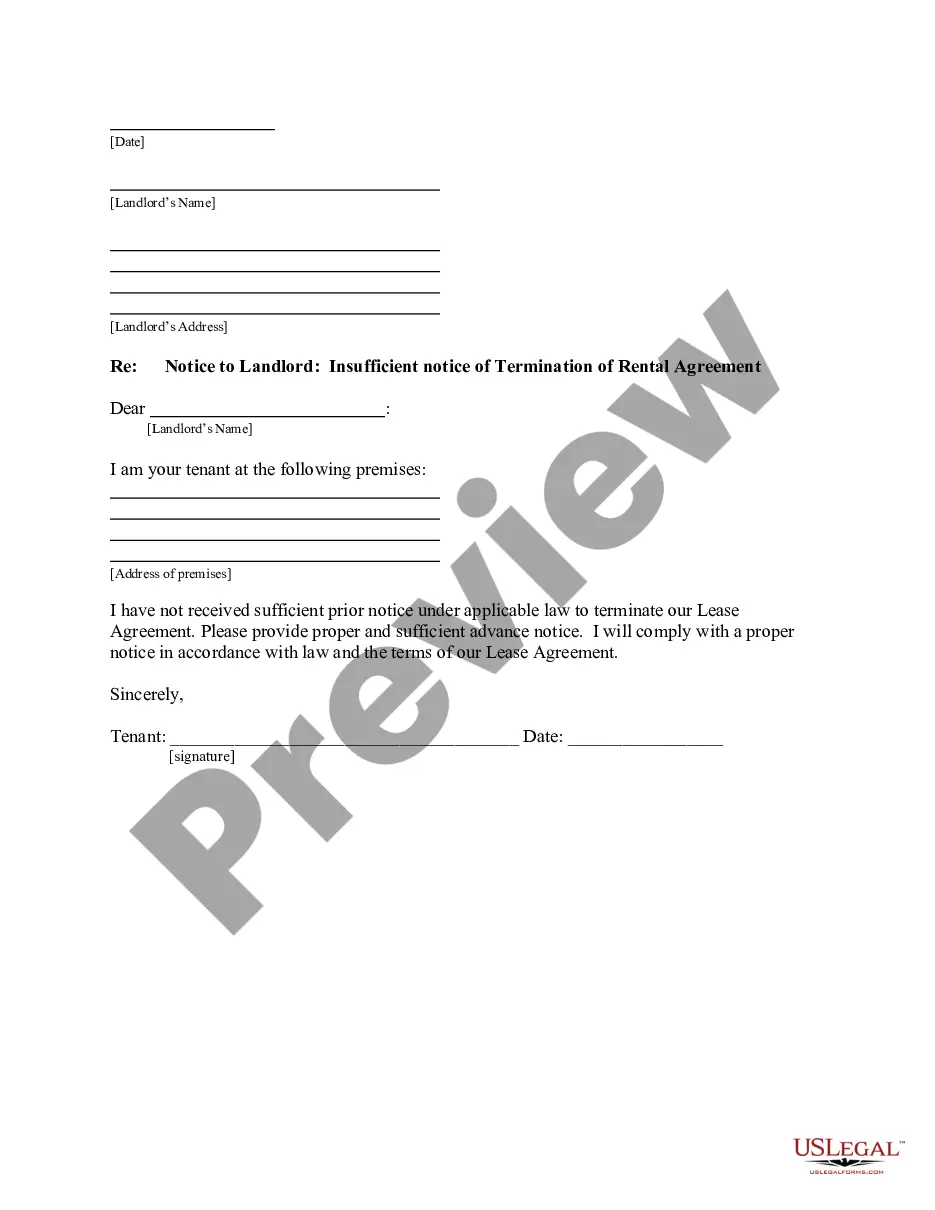




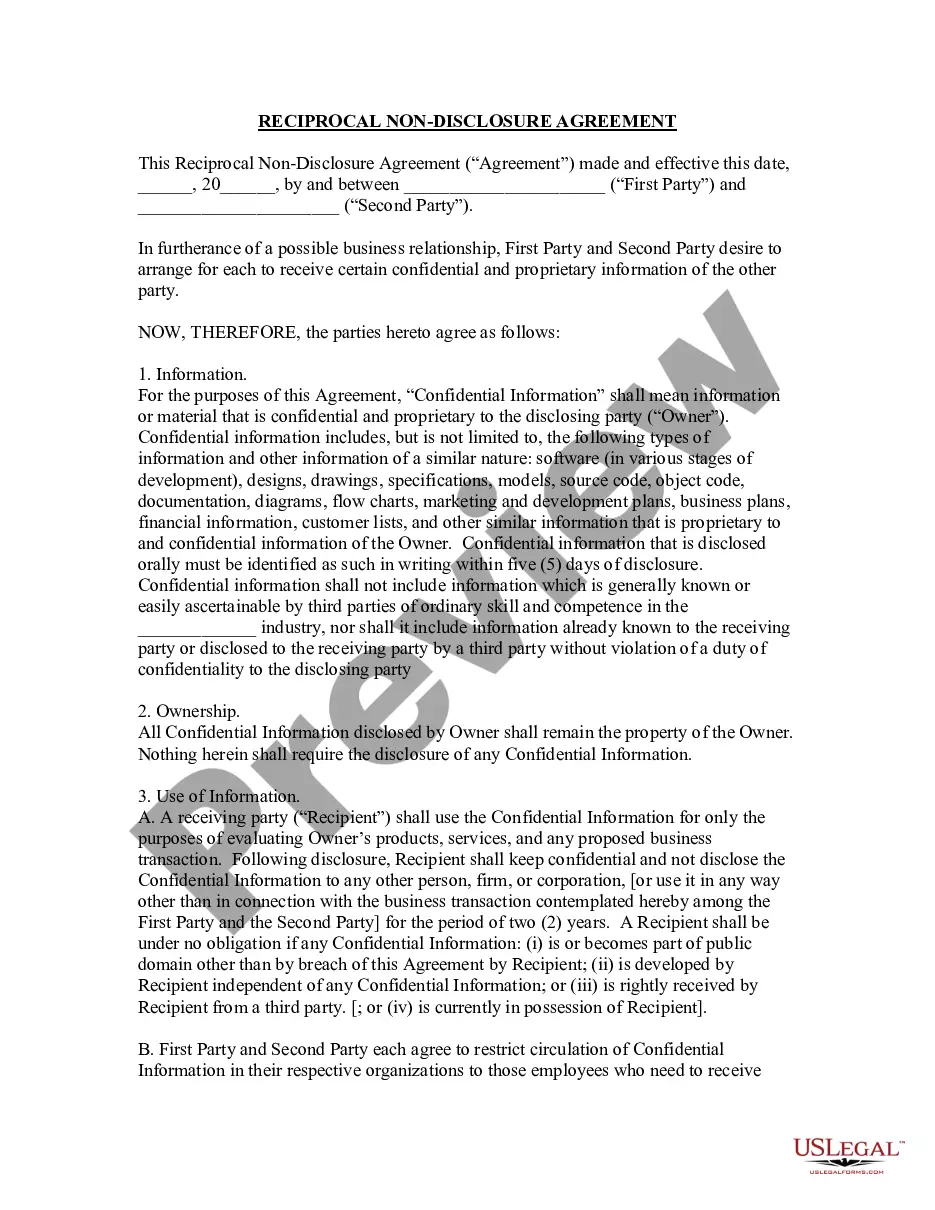


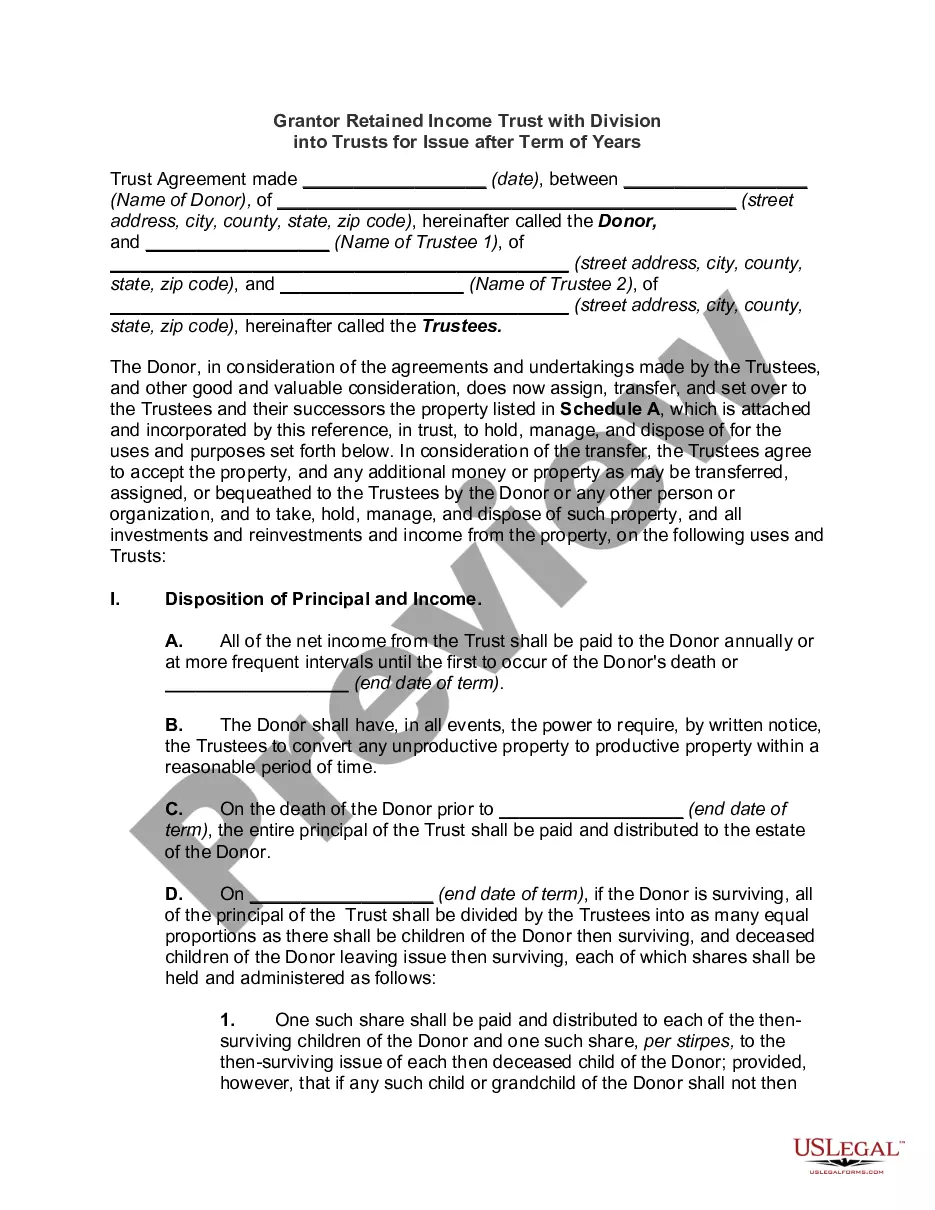
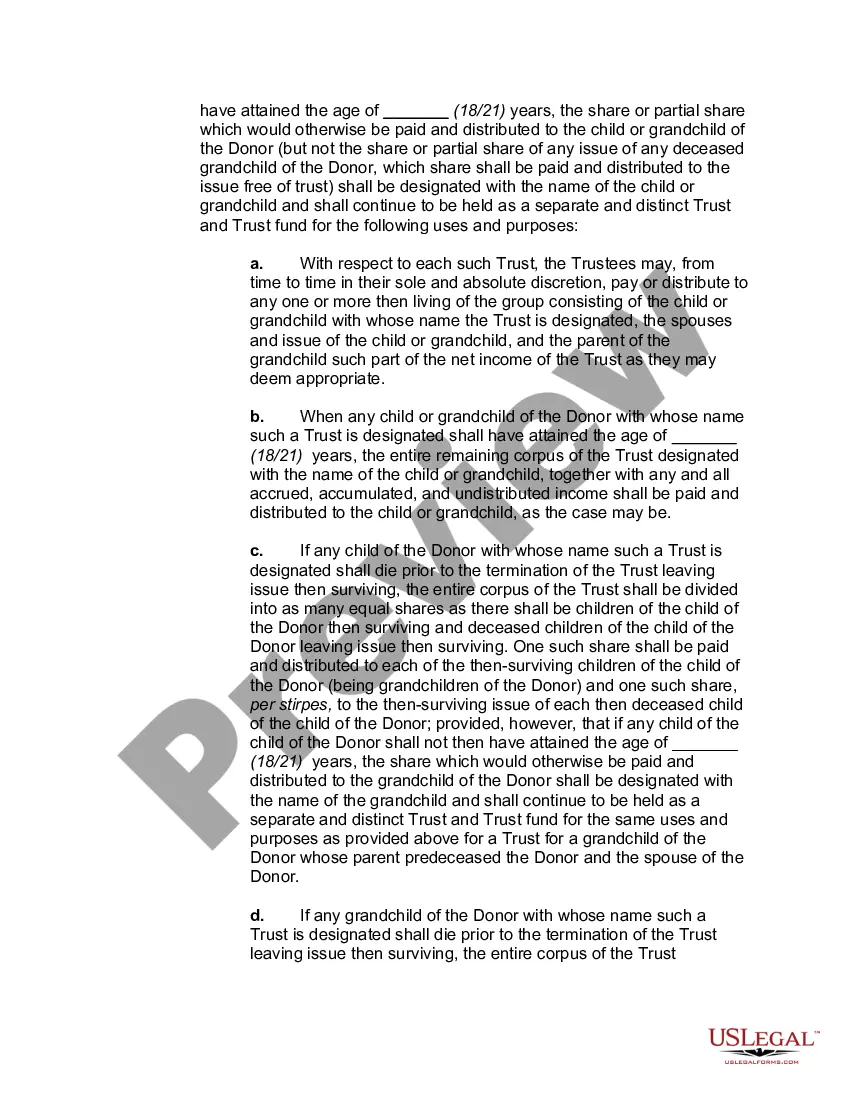
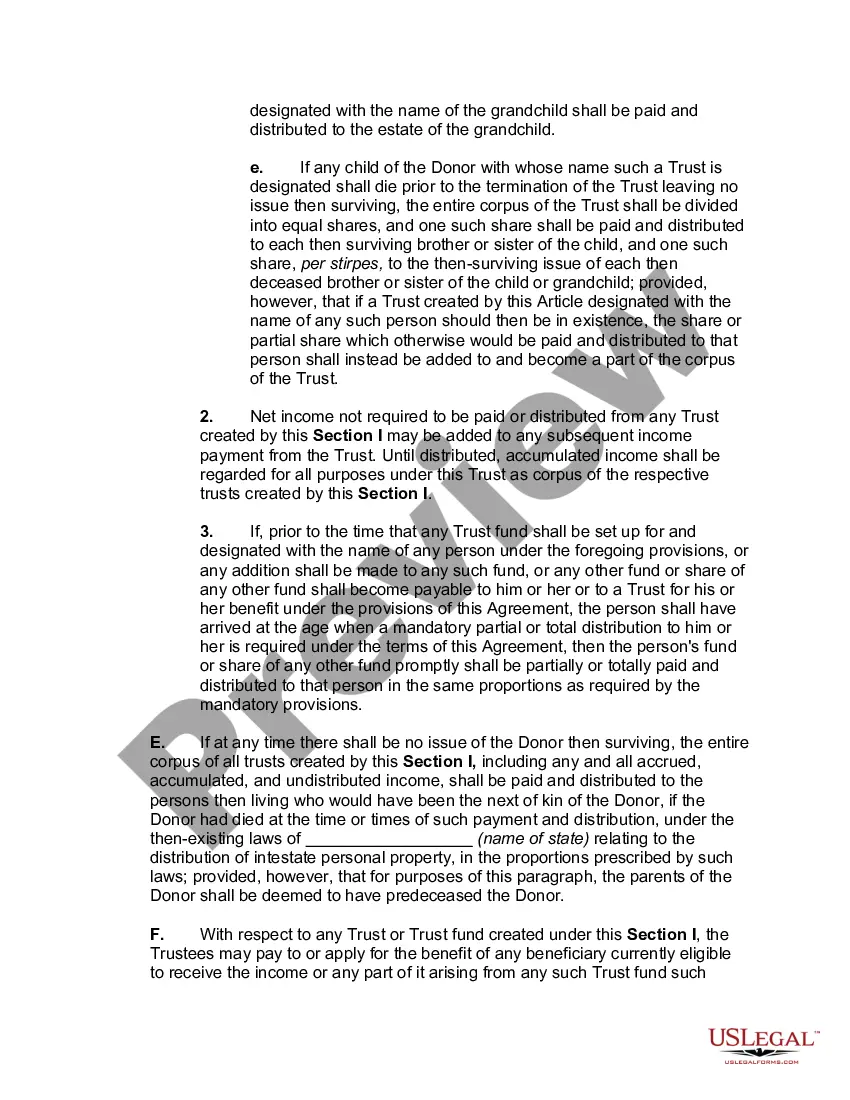
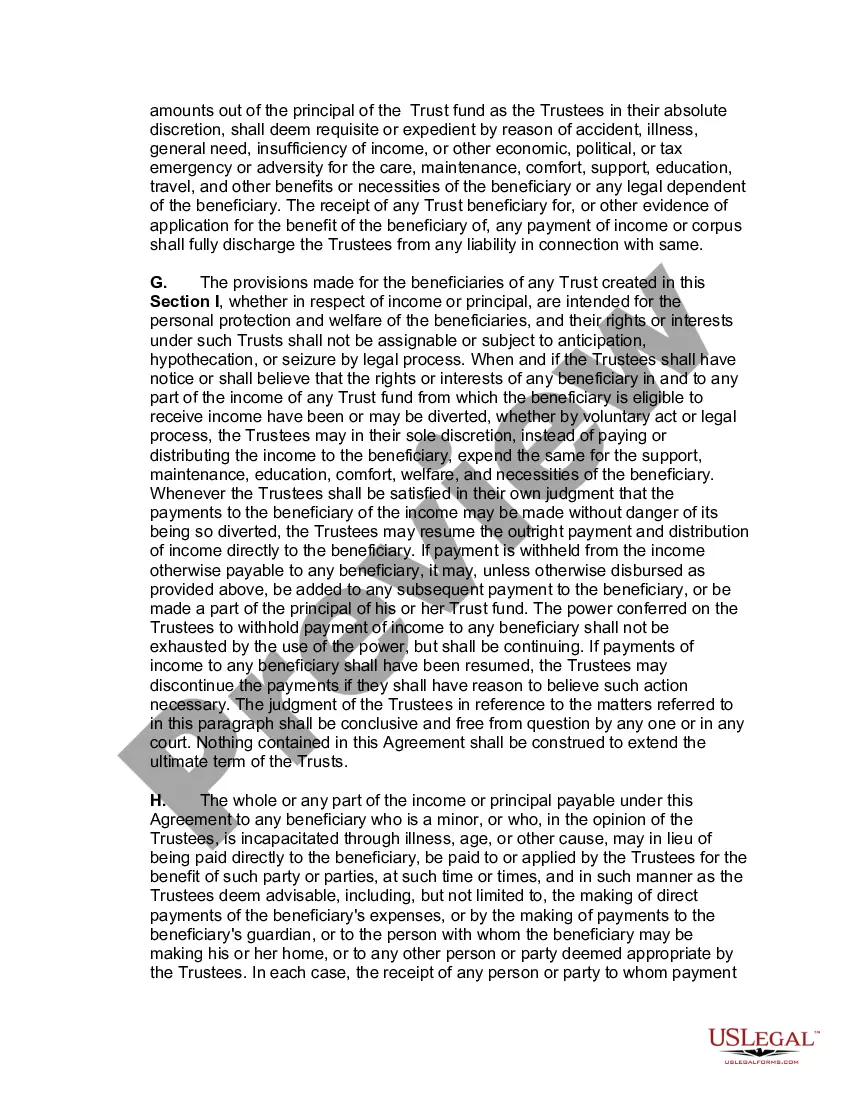
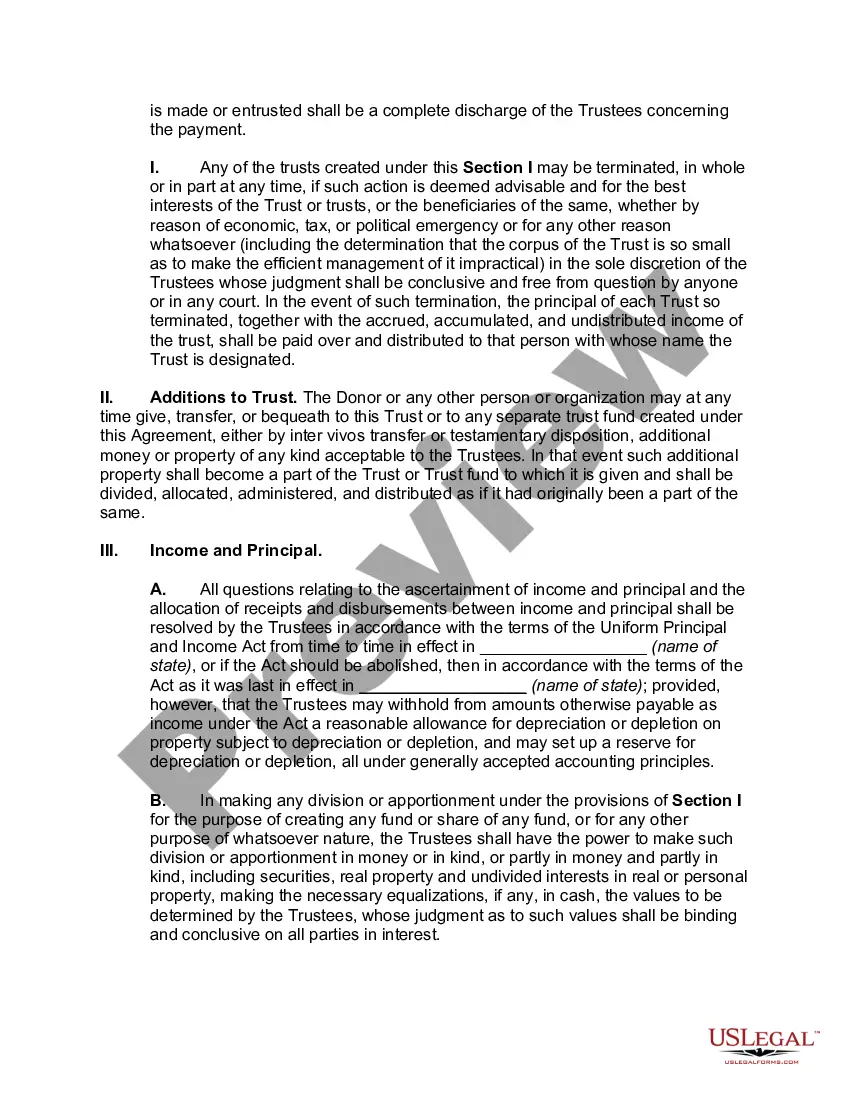
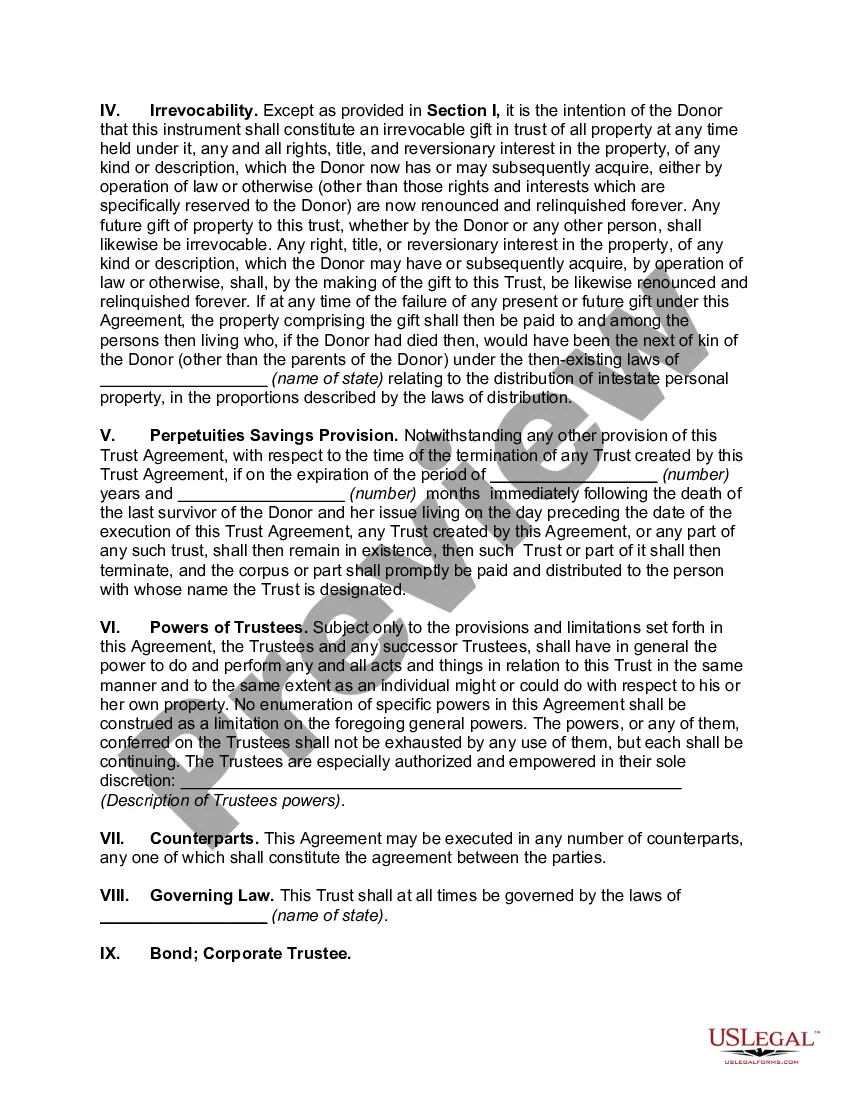
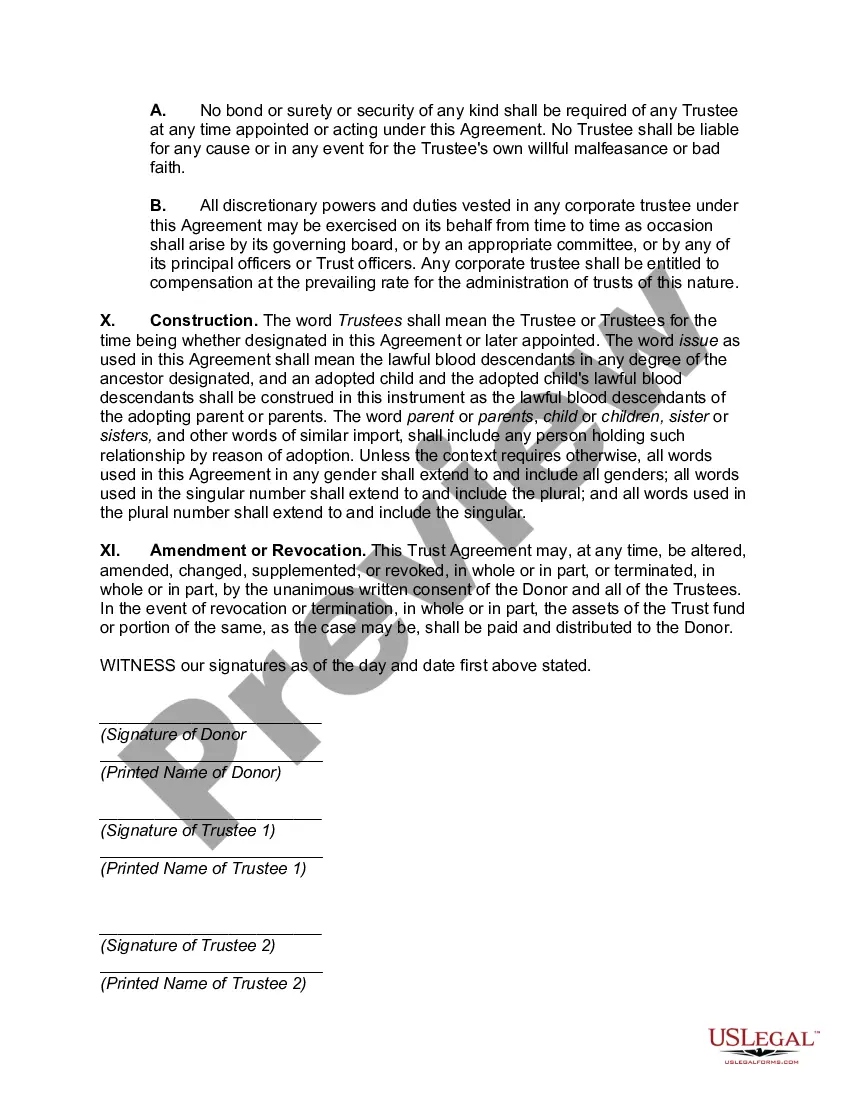
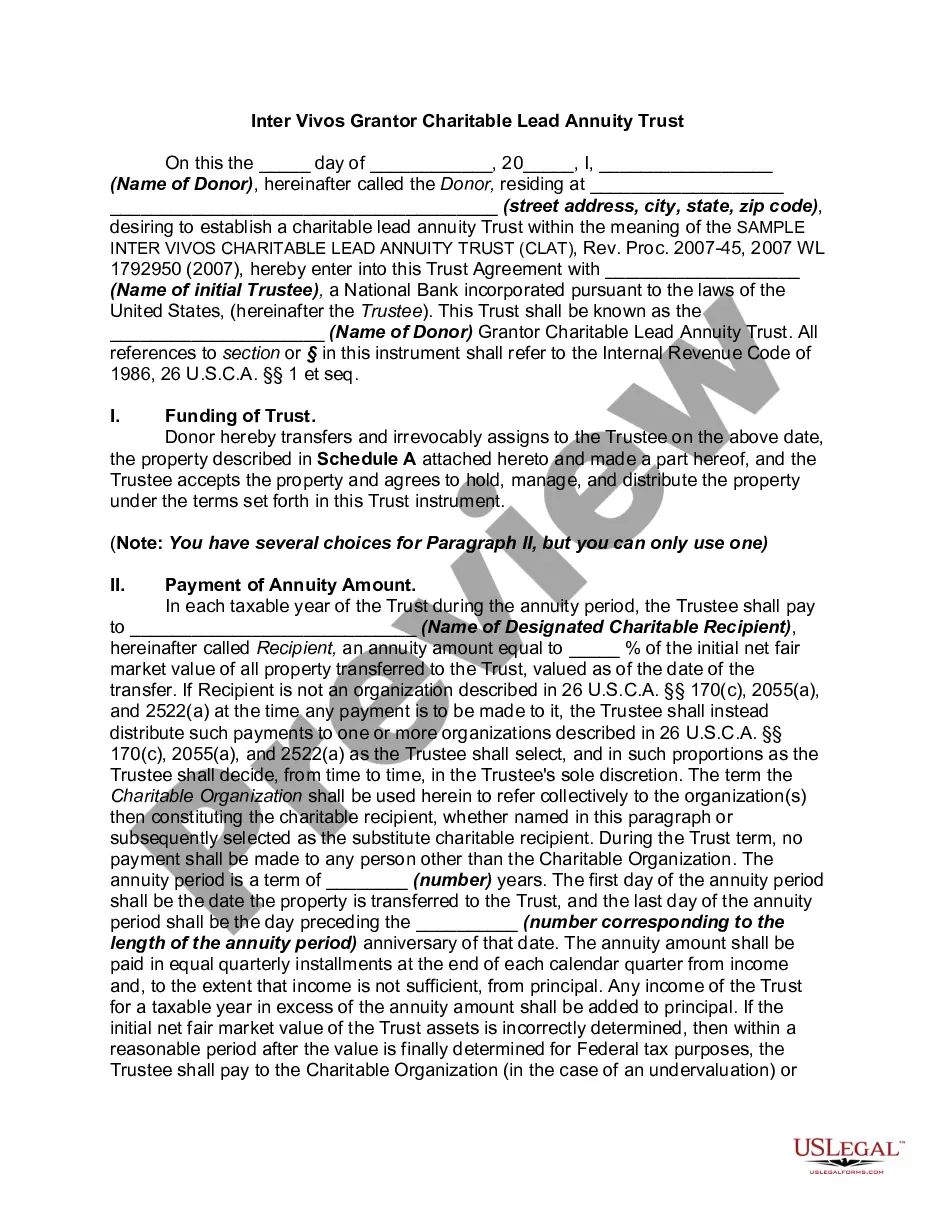
How to fill out Grantor Retained Income Trust With Division Into Trusts For Issue After Term Of Years?
Securing a reliable source for obtaining the latest and suitable legal templates constitutes a significant portion of the challenge involved in navigating bureaucracy. Selecting the correct legal documents requires precision and meticulousness, which is precisely why it is crucial to obtain samples of Grantor Income Trust Withdrawal solely from trustworthy providers, such as US Legal Forms. An incorrect template will squander your time and delay the matter at hand. With US Legal Forms, you have minimal concerns. You can access and review all pertinent information about the document’s applicability and significance for your circumstances and within your state or county.
Follow the outlined steps to finalize your Grantor Income Trust Withdrawal.
Once you have the form on your device, you can modify it using the editor or print it and fill it out manually. Eliminate the hassle associated with your legal documentation. Explore the extensive US Legal Forms catalog to discover legal templates, assess their relevance to your situation, and download them instantly.
- Use the library navigation or search bar to locate your template.
- Examine the form’s description to verify if it meets the criteria of your state and region.
- View the form preview, if available, to ensure the template matches your requirements.
- Return to the search and find the correct document if the Grantor Income Trust Withdrawal does not meet your specifications.
- If you are confident about the form’s relevance, download it.
- If you are a registered user, click Log in to verify your identity and access your selected forms in My documents.
- If you do not have an account yet, click Buy now to acquire the template.
- Choose the pricing option that suits your requirements.
- Proceed with the registration to complete your acquisition.
- Conclude your purchase by selecting a payment method (credit card or PayPal).
- Choose the file format for downloading the Grantor Income Trust Withdrawal.
Form popularity
FAQ
Distributions from a grantor trust are generally not taxable to the beneficiary. Instead, the income is reported on the grantor's tax return, as the grantor retains control over the trust assets. When considering a grantor income trust withdrawal, it's essential to understand that the tax implications can vary based on individual circumstances. To navigate these complexities, consult with a tax professional or utilize resources like US Legal Forms for guidance tailored to your needs.
Yes, a grantor can withdraw from a trust, as they maintain control over the assets. This flexibility allows the grantor to access funds when needed, making it an attractive option for personal financial management. It's important to document any withdrawals properly to ensure tax compliance. If you need assistance navigating grantor income trust withdrawal, uslegalforms provides resources to help you manage your trust effectively.
A grantor trust typically does not need to file Form 1041, as the income is reported on the grantor's personal tax return. Since the grantor retains control over the trust and its income, it is treated as part of their taxable income. However, if the trust generates a significant amount of income, you may want to check the specific filing requirements. Consulting with a tax advisor can help clarify any concerns regarding grantor income trust withdrawal.
To report a trust distribution on your taxes, you need to receive a Schedule K-1 from the trust. This document outlines the income distributed to you, which you must include on your tax return. It's essential to keep track of the amounts distributed, as they can impact your overall tax liability. If you have questions about grantor income trust withdrawal, consider consulting a tax professional for guidance.
Distributions from a grantor trust are generally taxed as income to the grantor. This means that the grantor must report the income on their personal tax return. It is important to understand the implications of a grantor income trust withdrawal, as the income generated by the trust could affect your tax liabilities. Consulting a tax professional can provide clarity on how these distributions may impact your overall tax situation.
Withdrawing funds from a trust involves a few straightforward steps. First, review the trust documents to understand the withdrawal terms and conditions. Next, you may need to contact the trustee to initiate the process. If you have a grantor income trust, ensure you follow the specific guidelines for a grantor income trust withdrawal to avoid any complications.
In general, every trust must file Form 1041, U.S. Income Tax Return for Estates and Trusts (Reg. §1.641(b)-2). Grantor trusts are not recognized as separate taxable entities for federal income tax purposes because the grantor has not relinquished complete dominion and control over the trust.
If a trust is a grantor trust, then the grantor is treated as the owner of the assets, the trust is disregarded as a separate tax entity, and all income is taxed to the grantor.
If a trust is a grantor trust, then the grantor is treated as the owner of the assets, the trust is disregarded as a separate tax entity, and all income is taxed to the grantor.
Beneficiaries of a trust typically pay taxes on the distributions they receive from a trust's income rather than the trust paying the tax. However, beneficiaries aren't subject to taxes on distributions from the trust's principal, the original sum of money put into the trust.