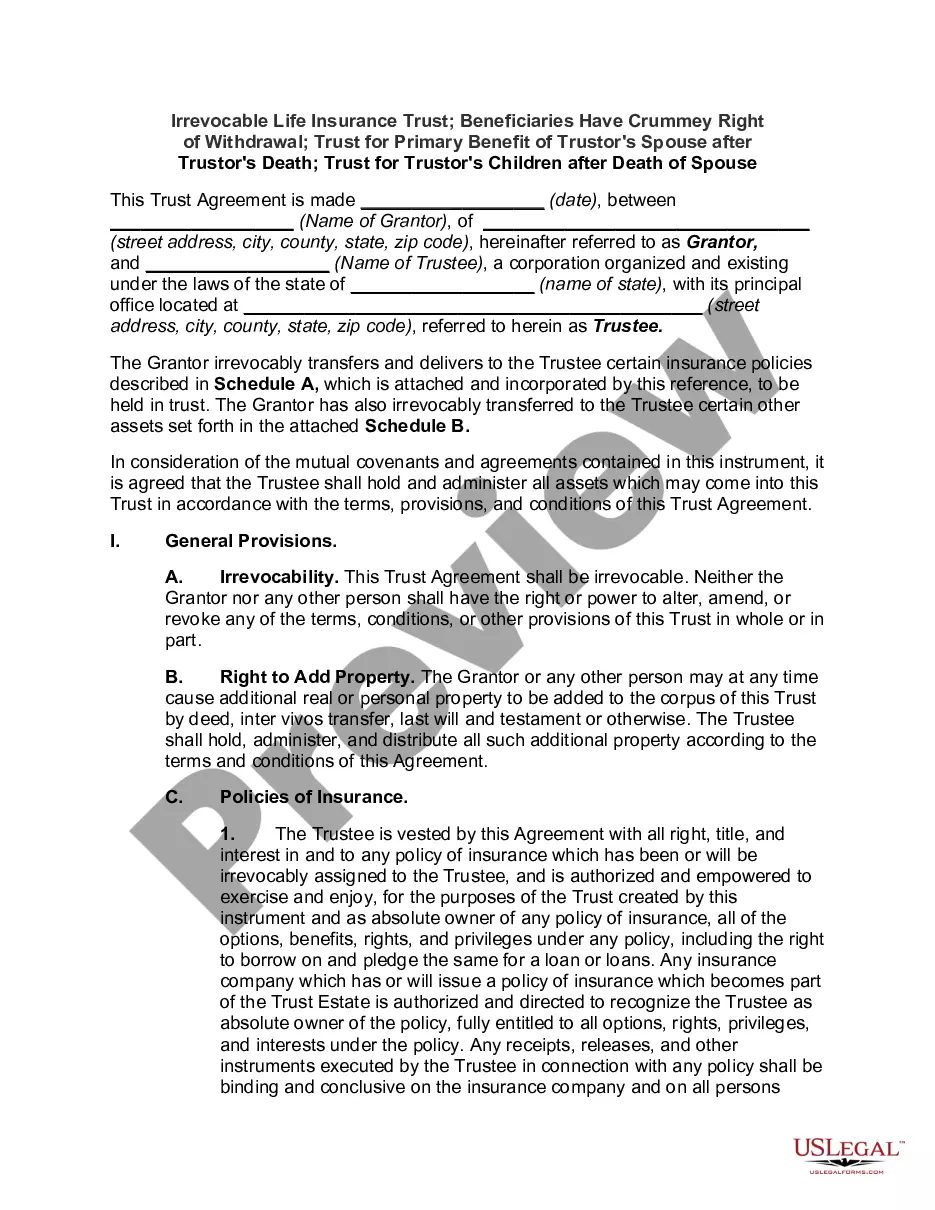
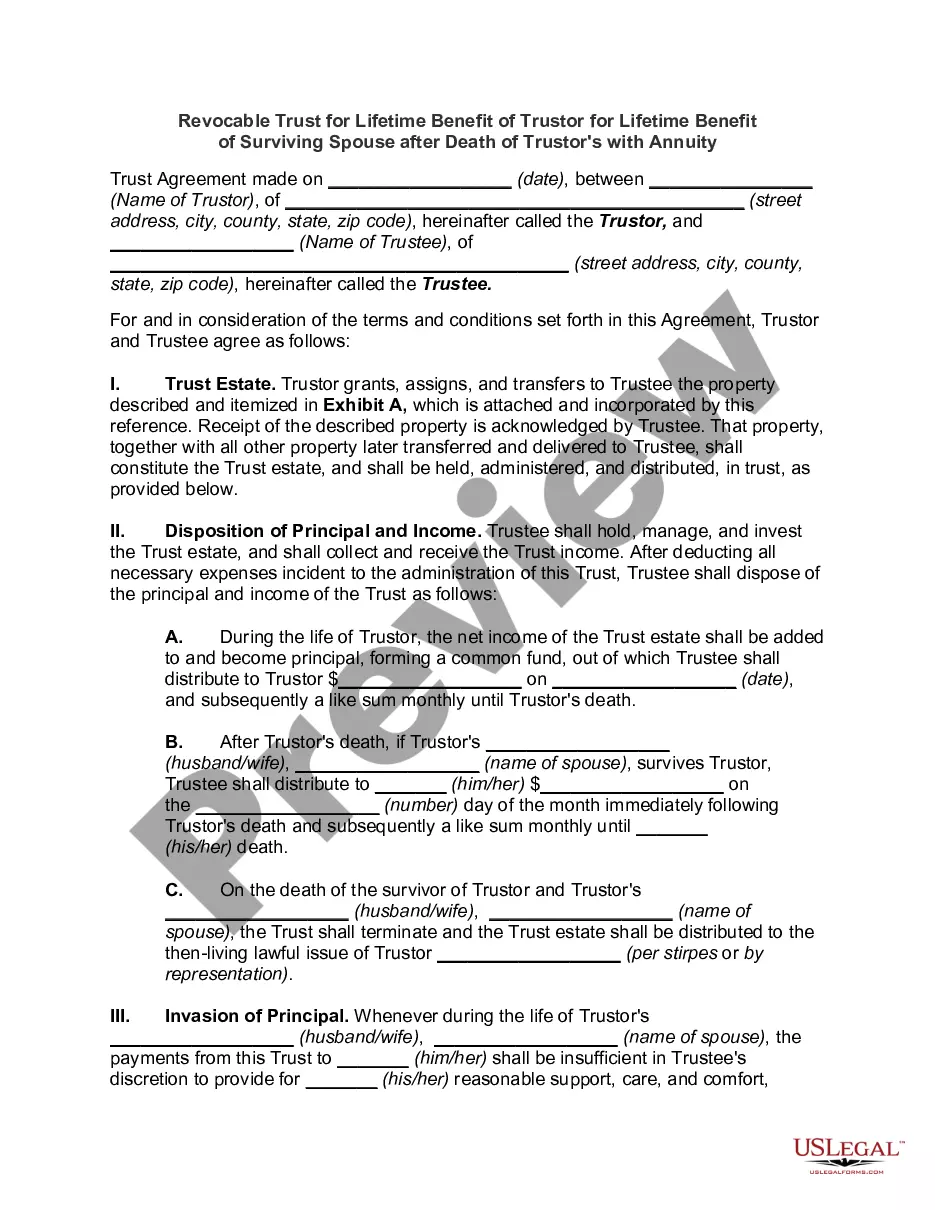
Irrevocable Life Insurance Policy
Description
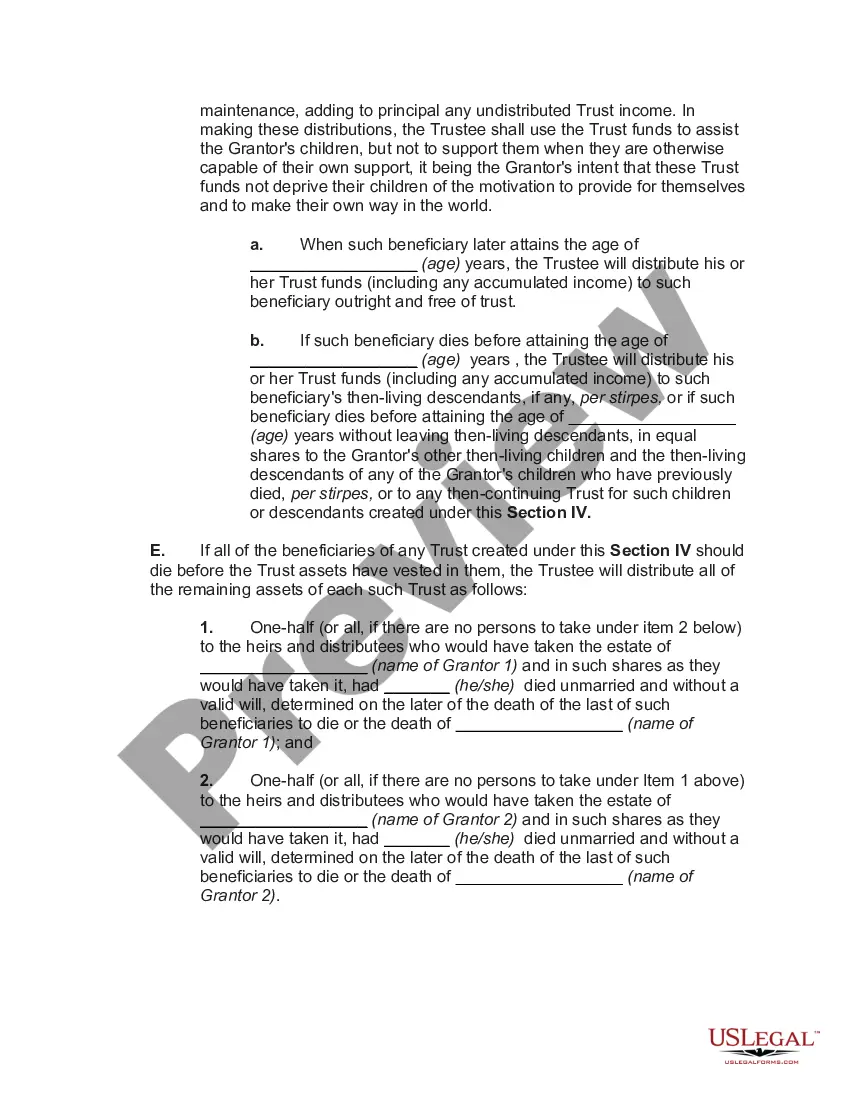
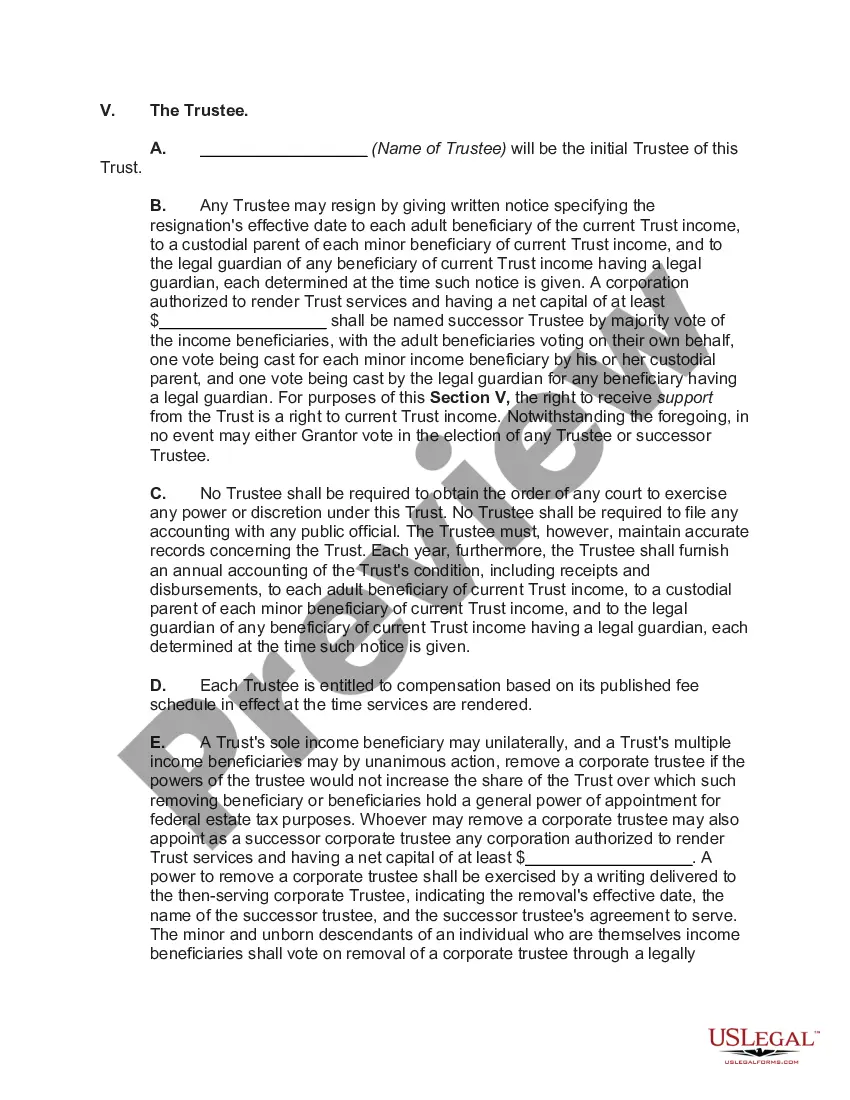
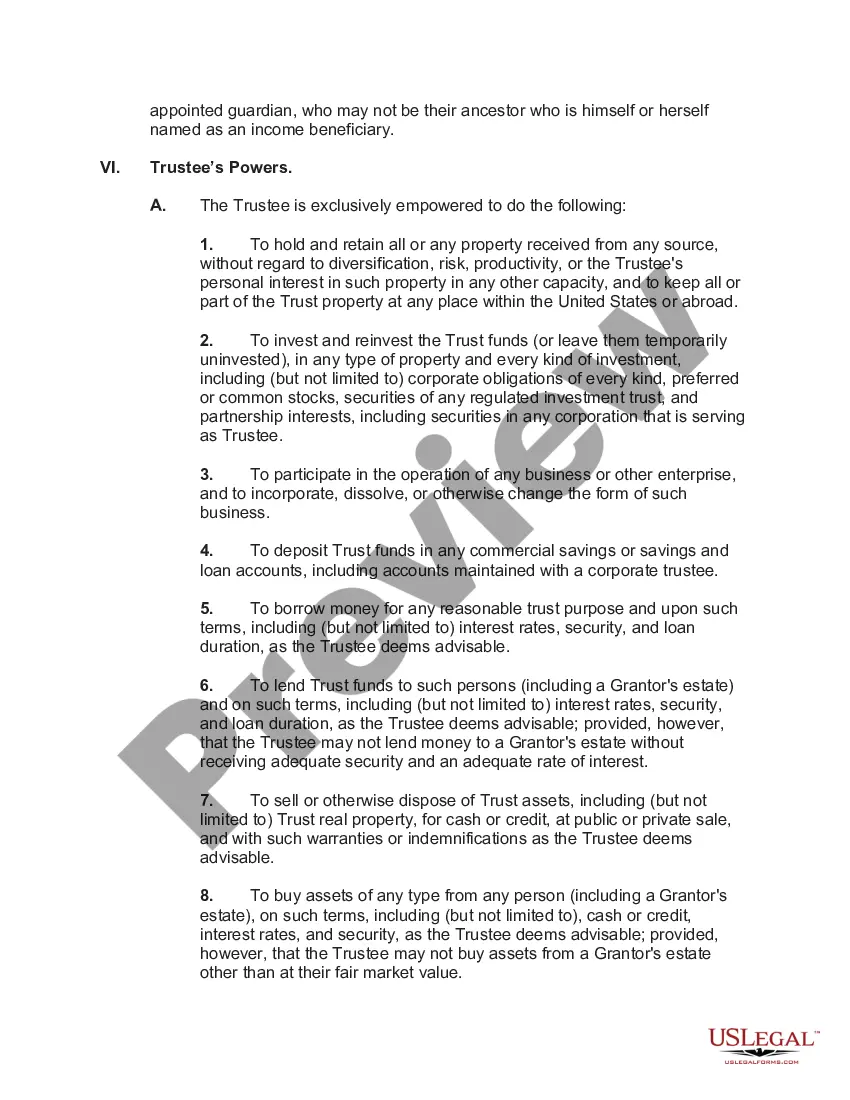
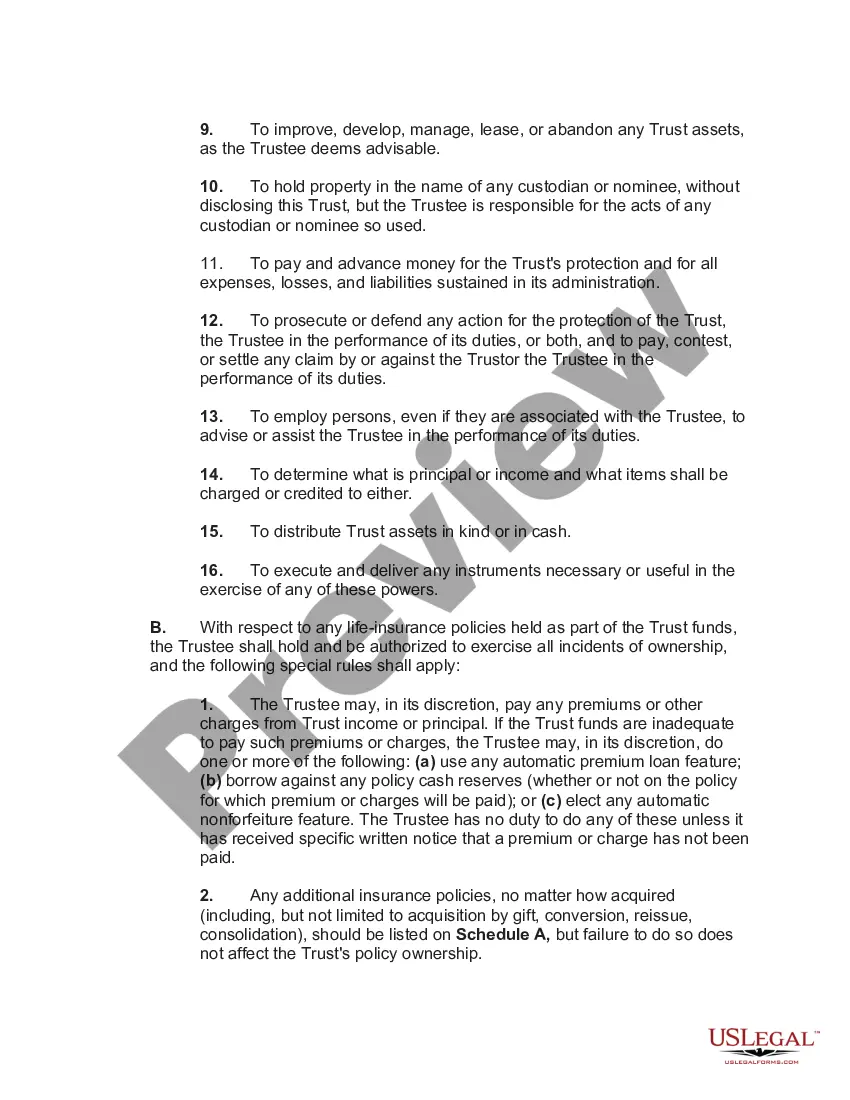
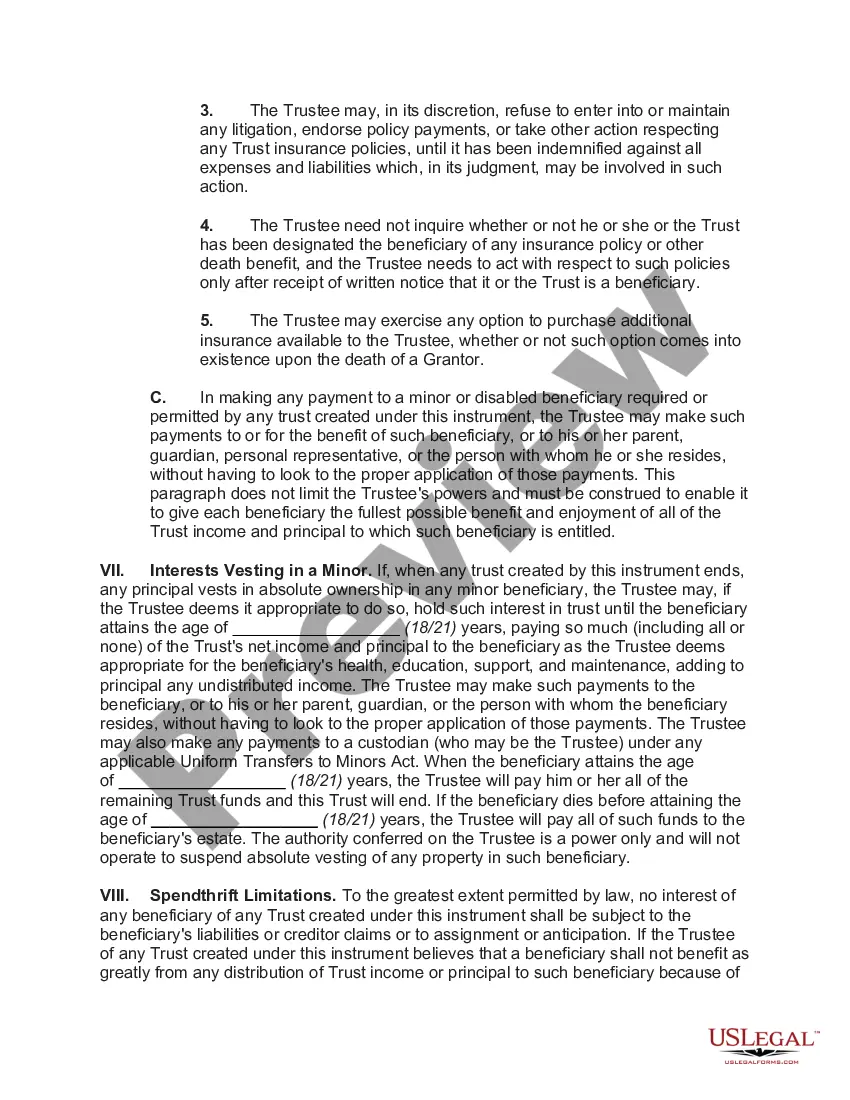
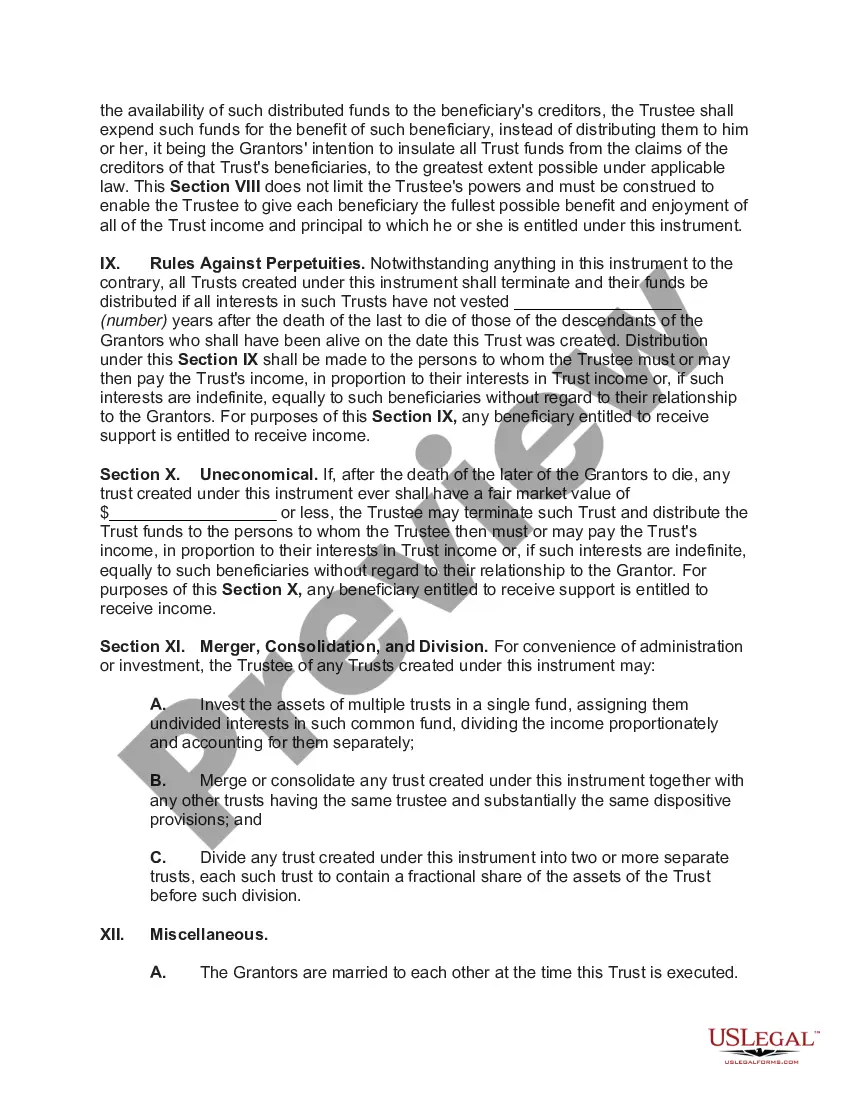

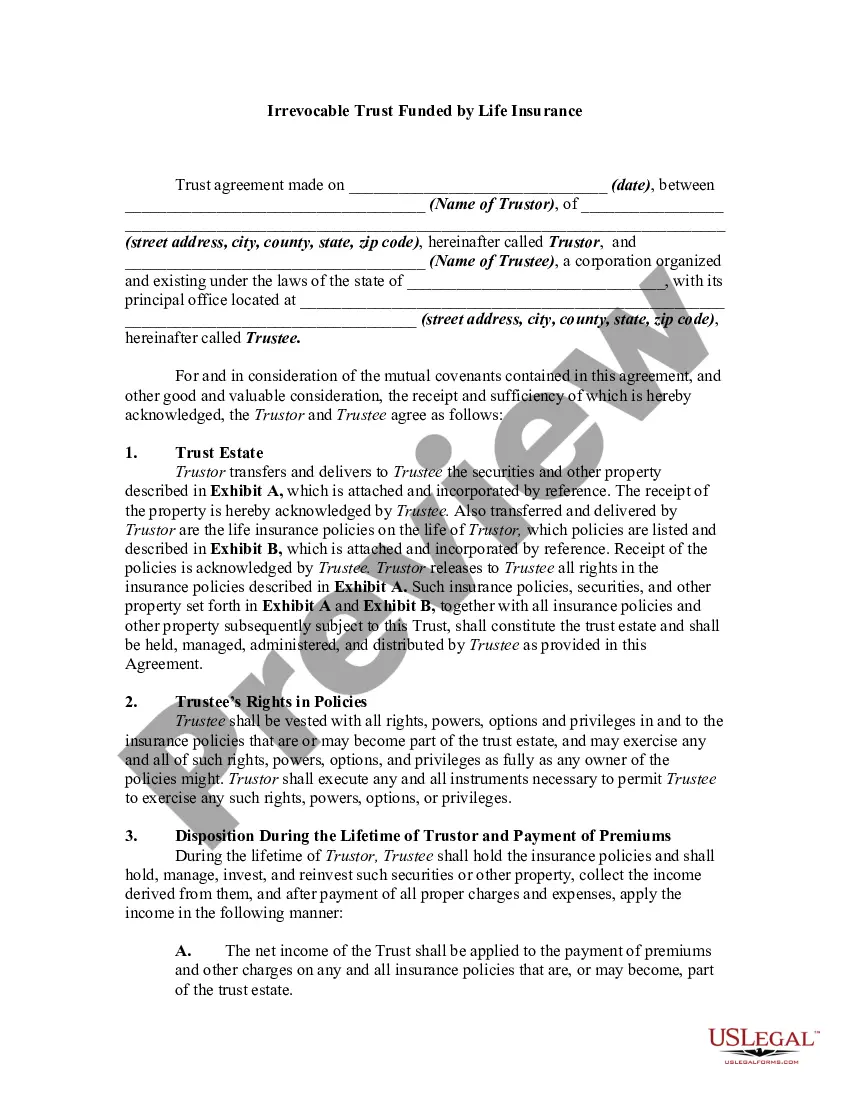
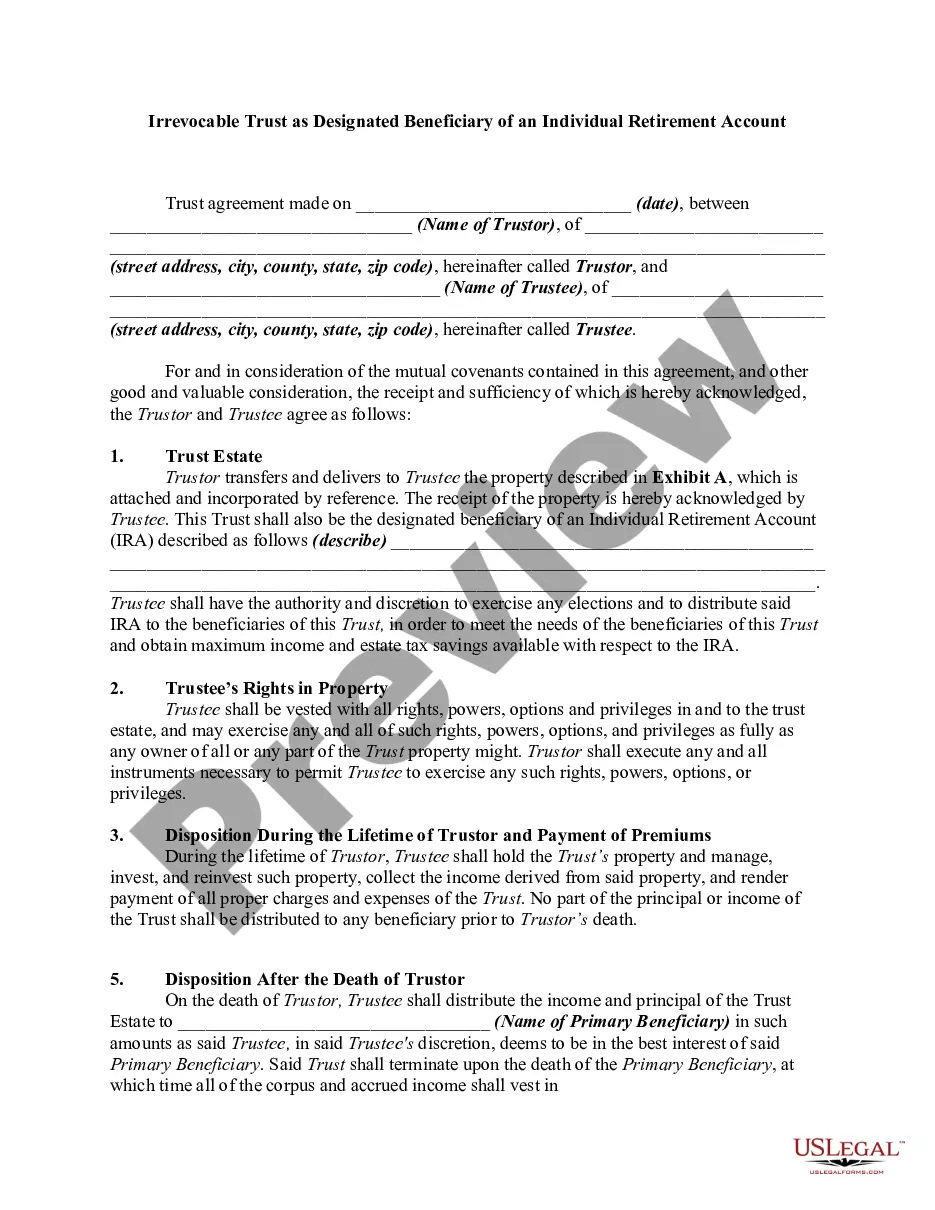
Get your form ready online
Our built-in tools help you complete, sign, share, and store your documents in one place.
Make edits, fill in missing information, and update formatting in US Legal Forms—just like you would in MS Word.
Download a copy, print it, send it by email, or mail it via USPS—whatever works best for your next step.
Sign and collect signatures with our SignNow integration. Send to multiple recipients, set reminders, and more. Go Premium to unlock E-Sign.
If this form requires notarization, complete it online through a secure video call—no need to meet a notary in person or wait for an appointment.
We protect your documents and personal data by following strict security and privacy standards.

Make edits, fill in missing information, and update formatting in US Legal Forms—just like you would in MS Word.

Download a copy, print it, send it by email, or mail it via USPS—whatever works best for your next step.

Sign and collect signatures with our SignNow integration. Send to multiple recipients, set reminders, and more. Go Premium to unlock E-Sign.

If this form requires notarization, complete it online through a secure video call—no need to meet a notary in person or wait for an appointment.

We protect your documents and personal data by following strict security and privacy standards.
Looking for another form?










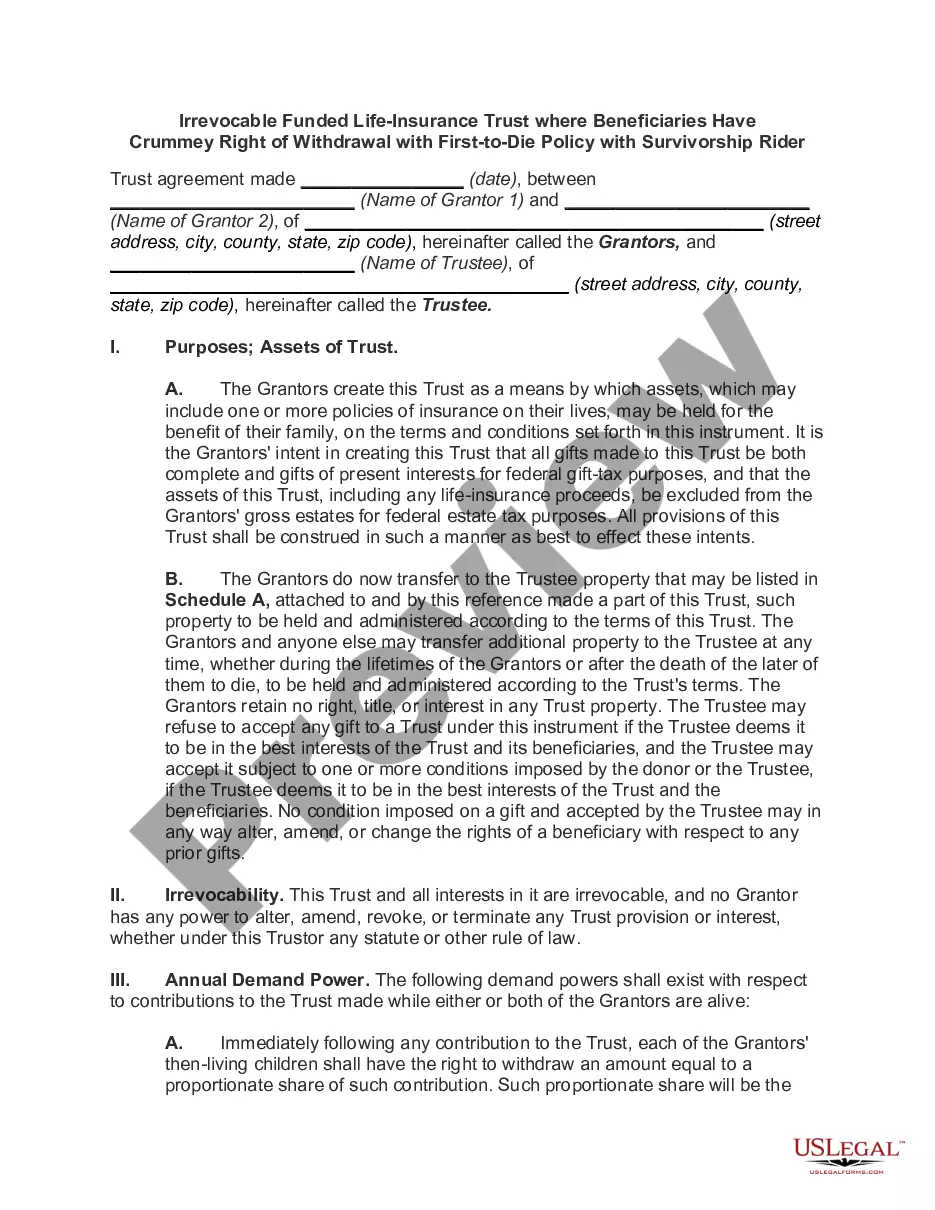
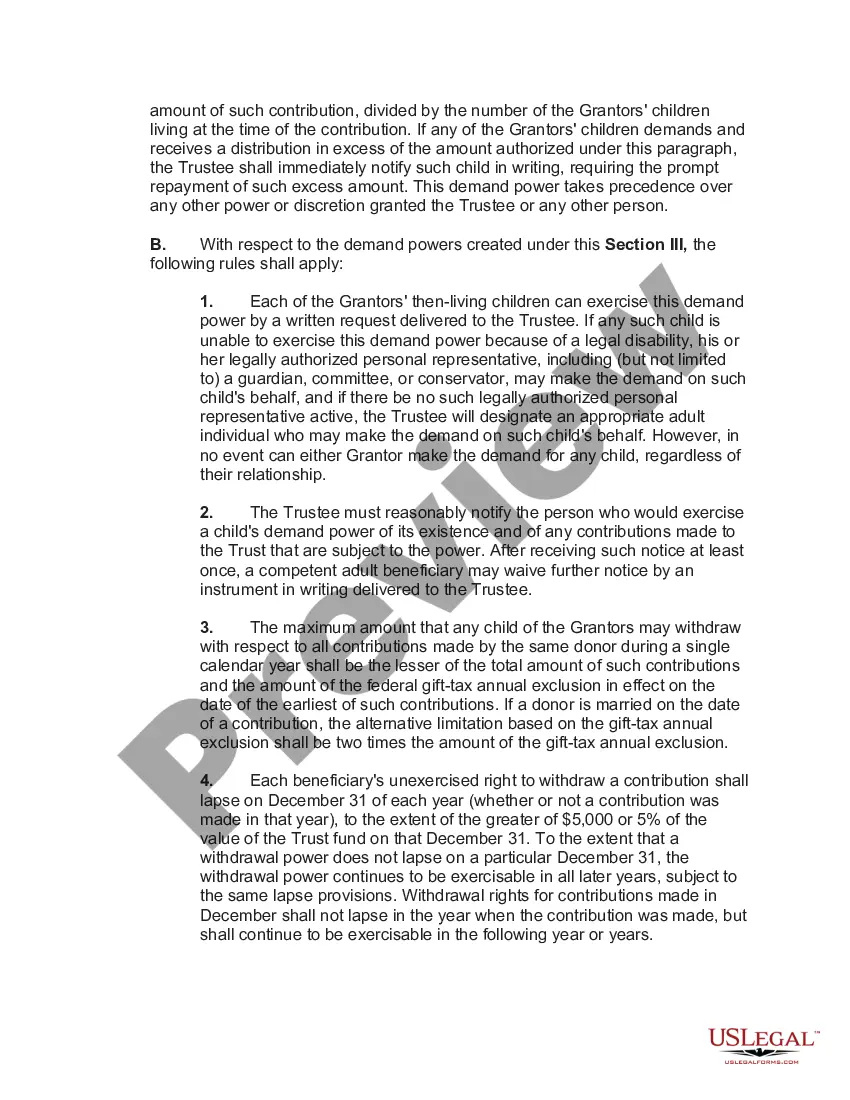
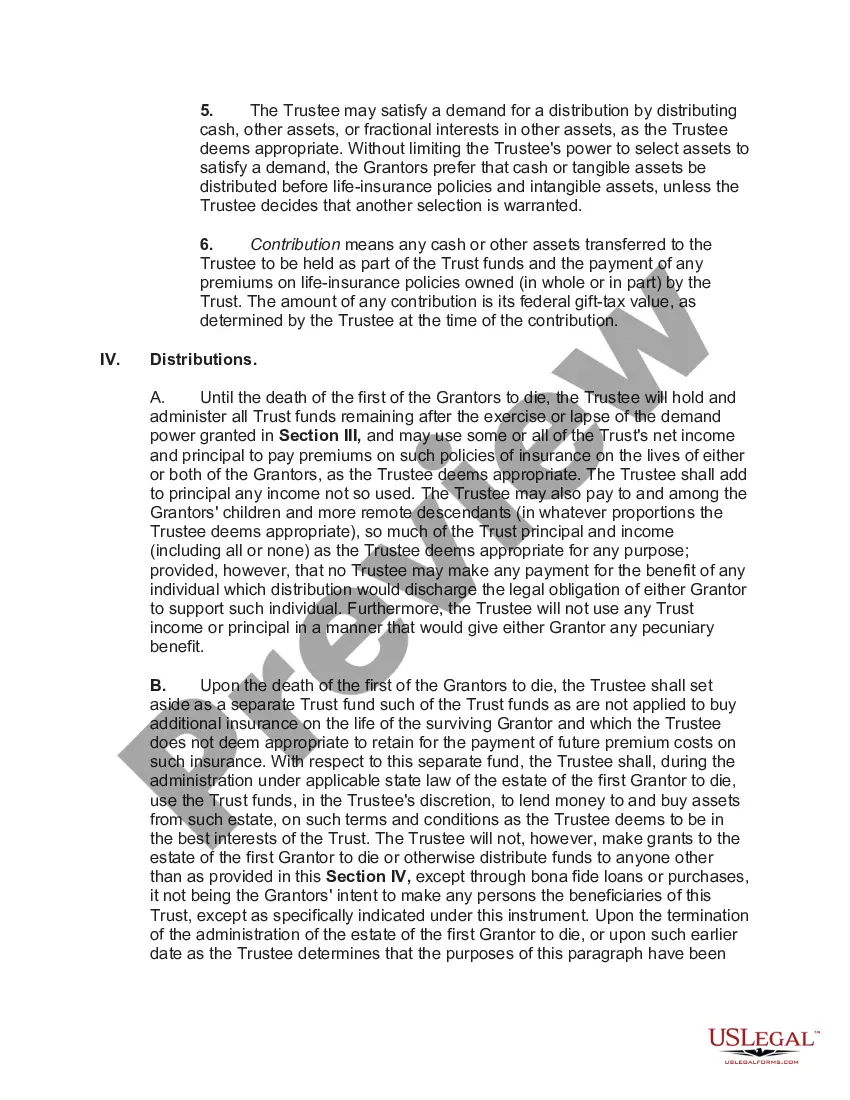
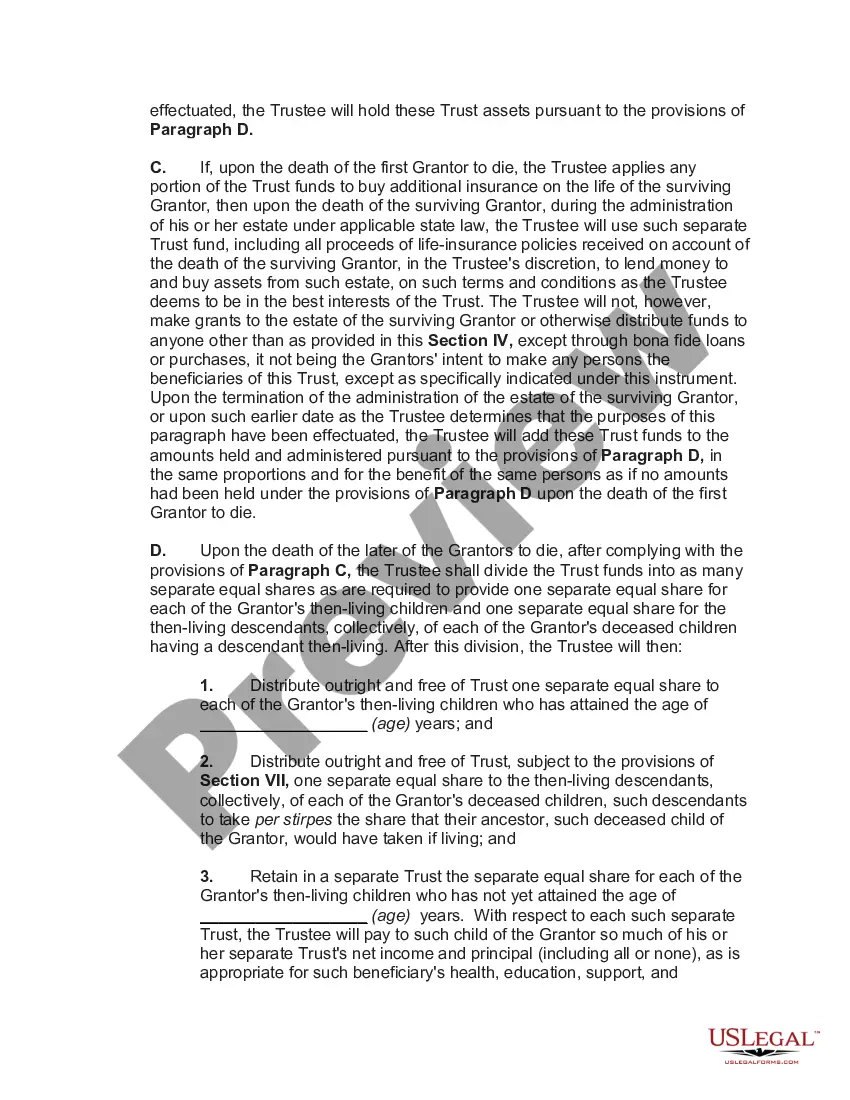
How to fill out Irrevocable Funded Life Insurance Trust Where Beneficiaries Have Crummey Right Of Withdrawal With First To Die Policy With Survivorship Rider?
The Unalterable Life Insurance Agreement you observe on this page is a reusable legal document crafted by experienced attorneys in accordance with federal and local laws.
For over 25 years, US Legal Forms has supplied individuals, companies, and legal professionals with more than 85,000 validated, state-specific templates for any business and personal circumstance. It’s the quickest, simplest, and most dependable method to procure the documentation you require, as the service ensures bank-level data security and anti-malware safeguards.
Access your documents once again as required. Reopen the My documents tab in your profile to redownload any previously purchased forms. Enroll with US Legal Forms to have verified legal templates for every situation in life readily available.
- Search for the document you require and verify it.
- Browse the file you've searched and preview it or review the form description to ensure it meets your requirements. If it doesn't, use the search feature to find the correct one. Click Buy Now once you have found the template you need.
- Register and Log In.
- Choose the payment plan that fits your needs and create an account. Use PayPal or a credit card for a swift payment. If you already possess an account, Log In and check your subscription to proceed.
- Acquire the editable template.
- Pick the format you desire for your Unalterable Life Insurance Agreement (PDF, DOCX, RTF) and download the sample to your device.
- Fill out and sign the document.
- Print the template to complete it manually. Alternatively, use an online multi-functional PDF editor to swiftly and accurately fill out and sign your form electronically.
Form popularity
FAQ
Administration of Irrevocable Insurance Trusts Transfer insurance policies and designate trust as beneficiary. ... Notify insurance company of trustee's address. ... Open trust checking account. ... Verify insurance company records. ... Legal title of the trust. ... Payment of premiums. ... Source of contributions to the trust.
As far as your irrevocable life insurance trust is concerned, however, there should be no need to file trust income tax returns during your lifetimes, as the only type of property intended for ownership by the trust is policies of insurance on your lives which are typically not income producing assets.
The ILIT has its own federal tax identification number and must file annual state and federal income tax returns, although it usually has no taxable income while you are alive. When you die, the entity which owns the policy and collects the death benefit ?lives on,? so to speak, so the death benefits are not taxed.
For this to work properly, the insured cannot own or control the insurance policy. Instead, "the policy is bought with the ILIT as the owner and the beneficiary, and the grantor being the insured," says Loreen Gilbert, CEO and founder of WealthWise Financial Services.
All premiums should be paid by the trustee from a trust owned bank account. The insured usually makes sufficient cash gifts to the trust to allow the trustee to pay the premiums. The gifts should go in the trust checking account, and the trustee should write and sign a trust check for the premium payment.