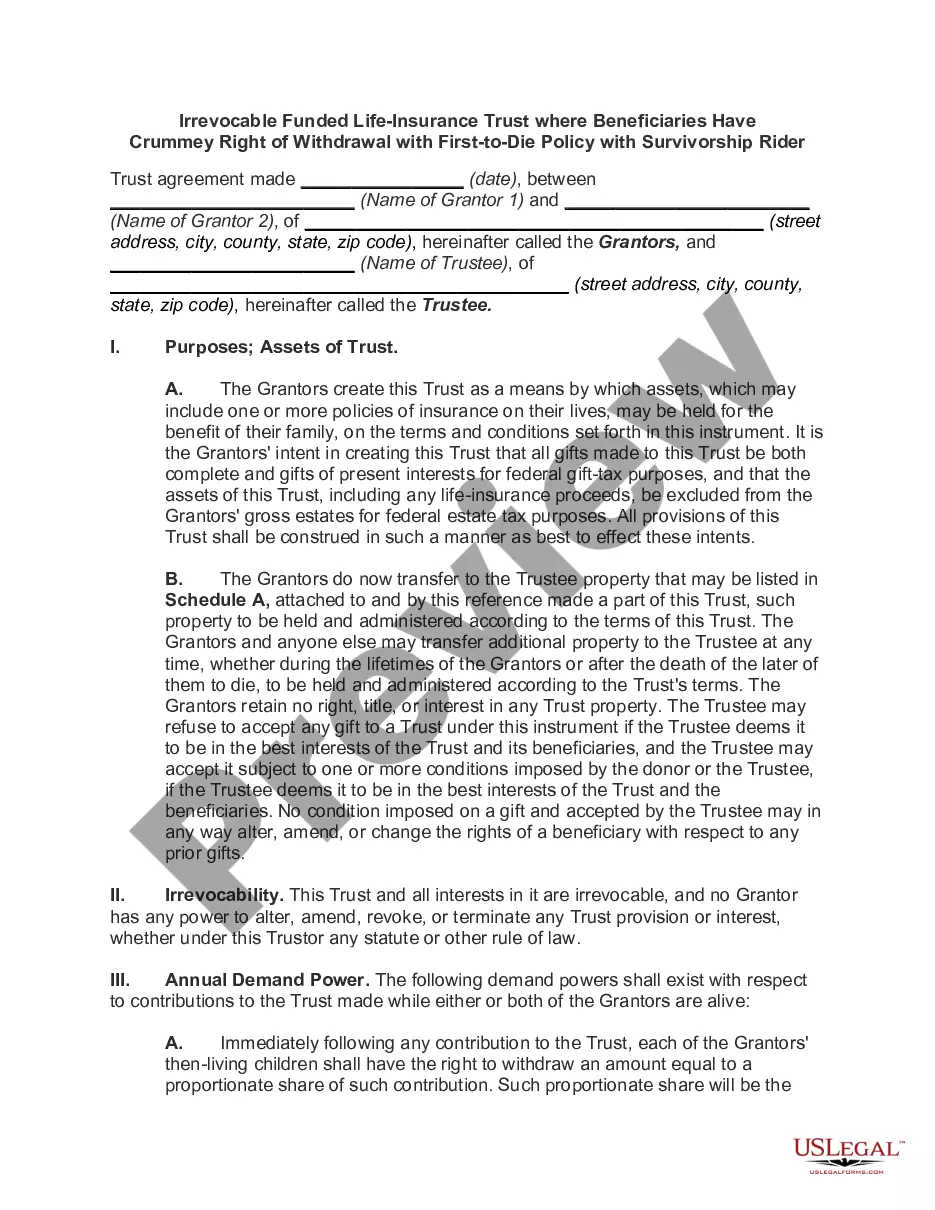
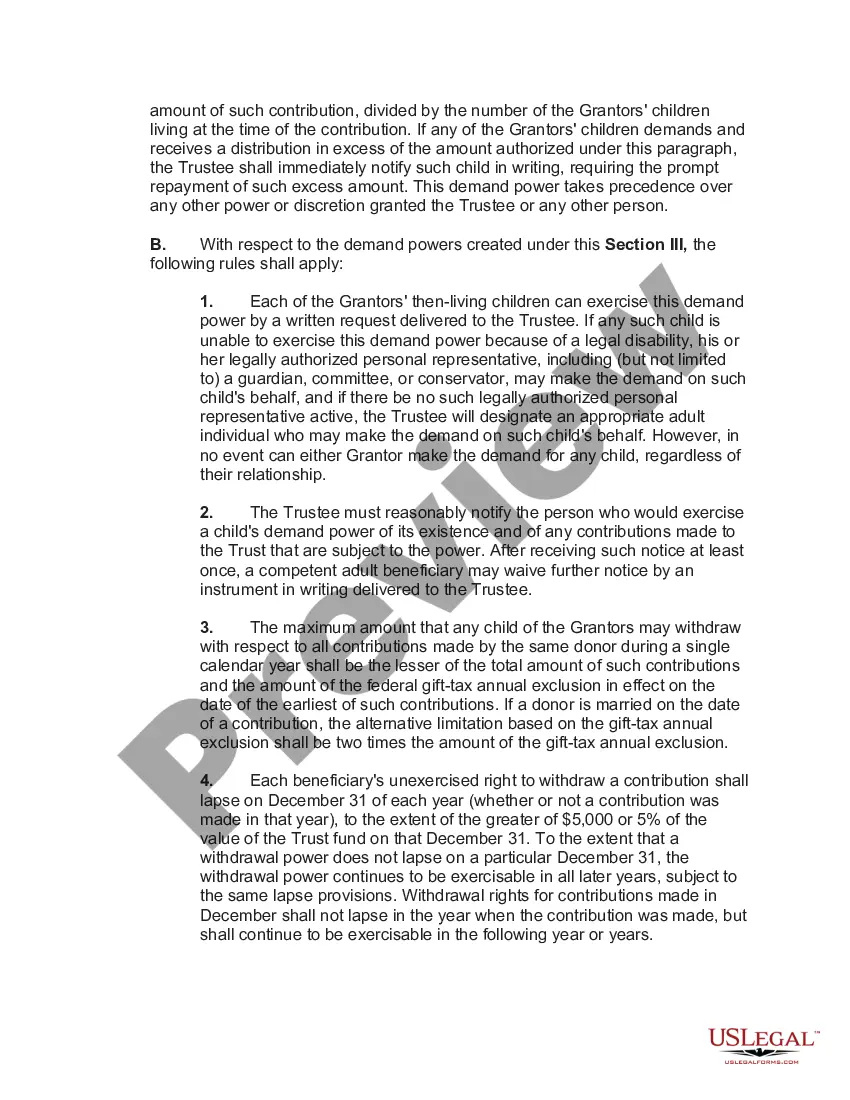
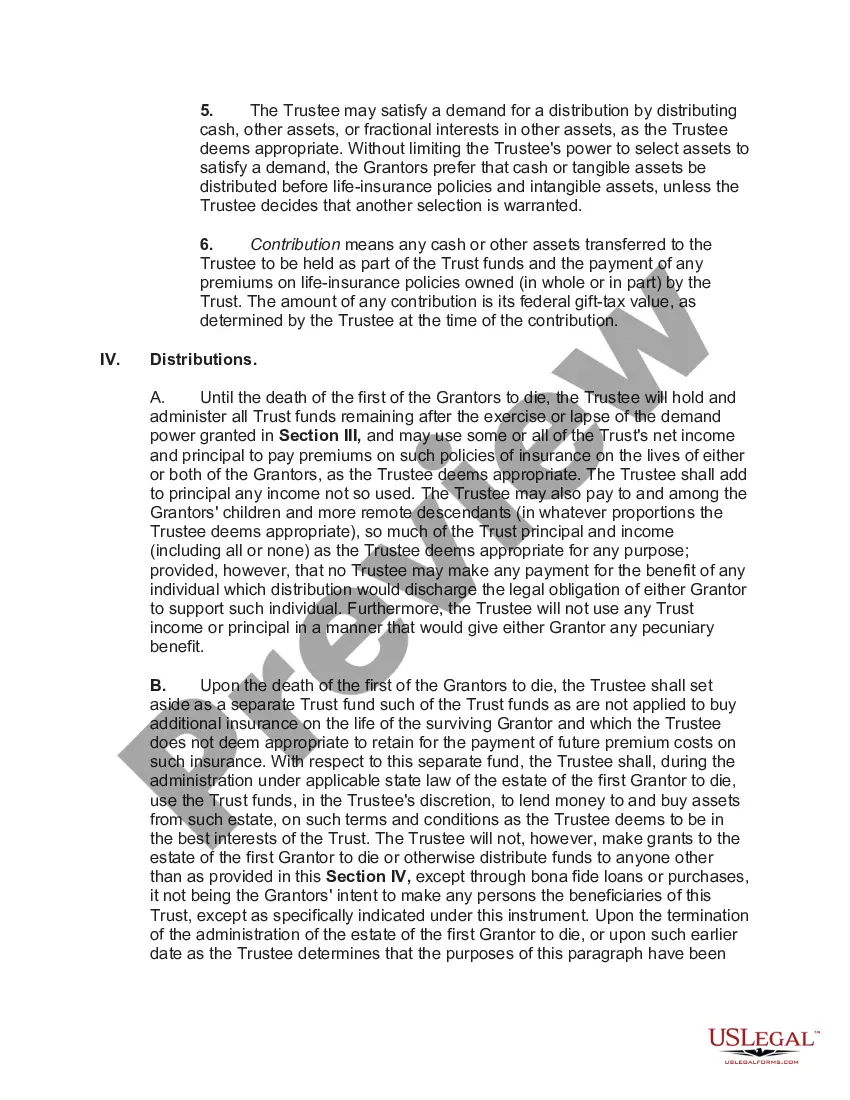
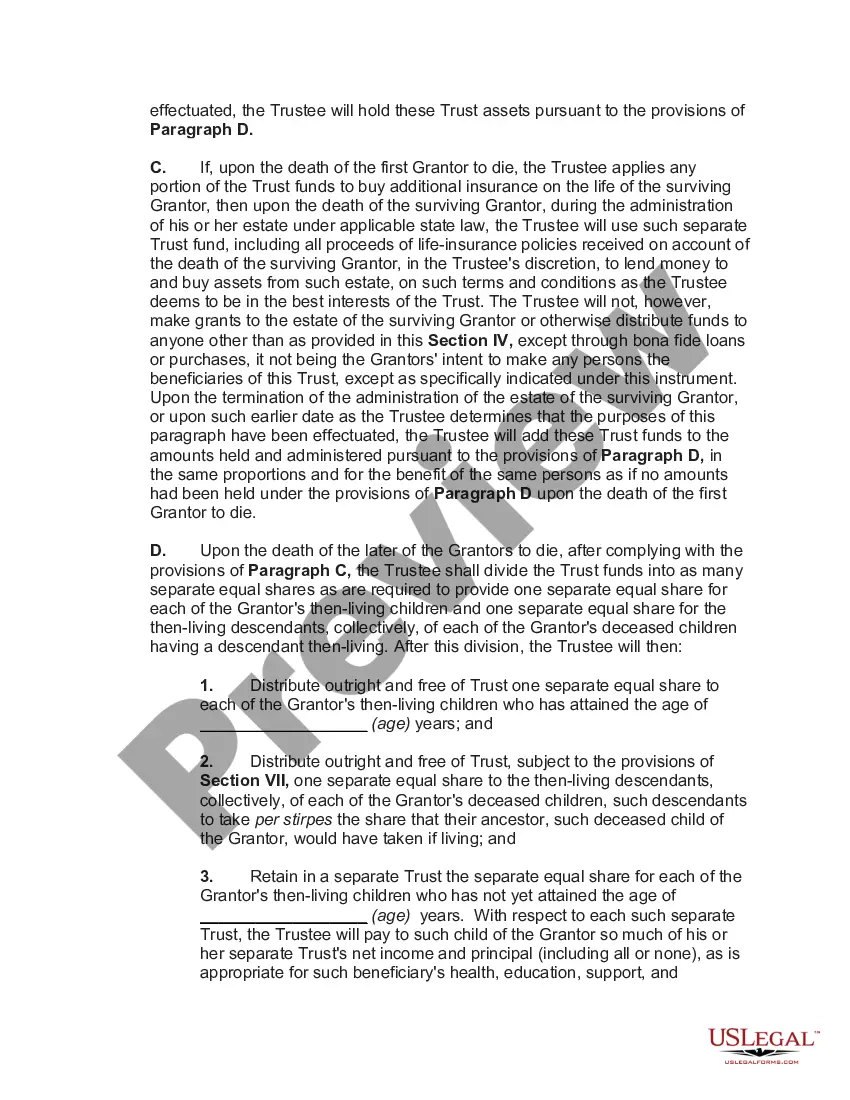
Irrevocable Have With A
Description
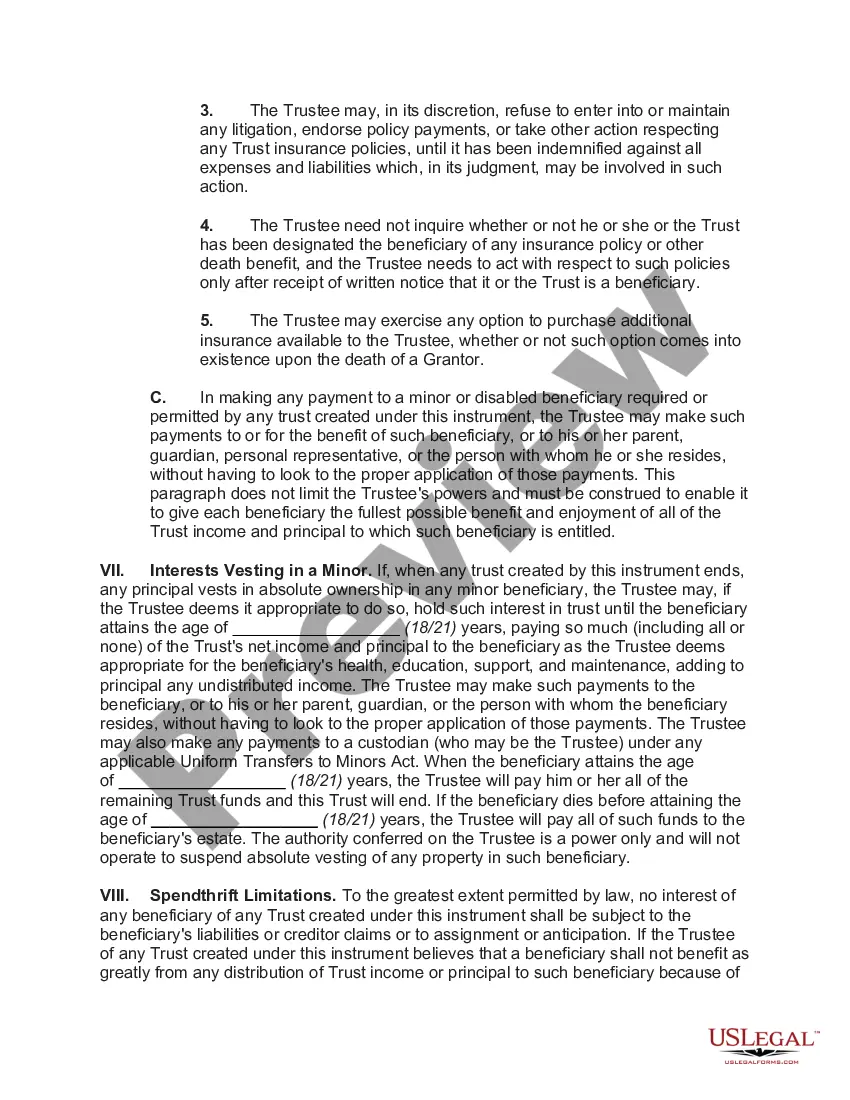
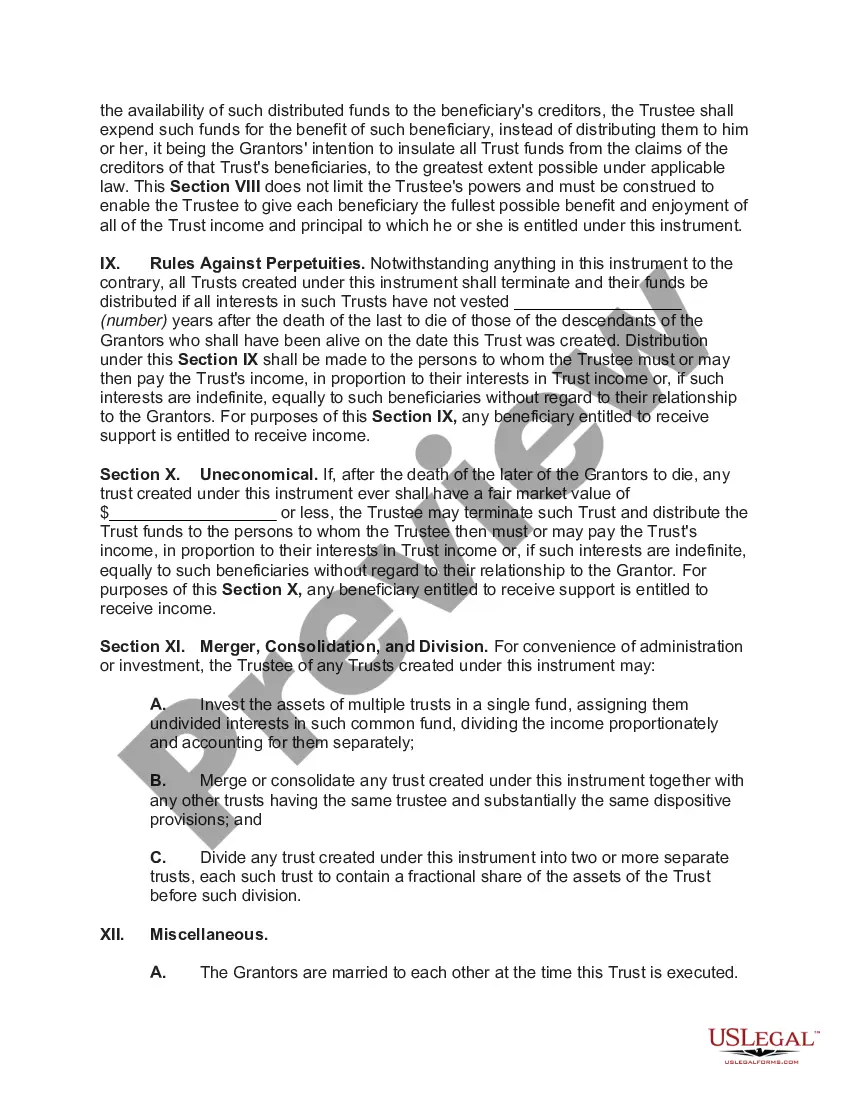

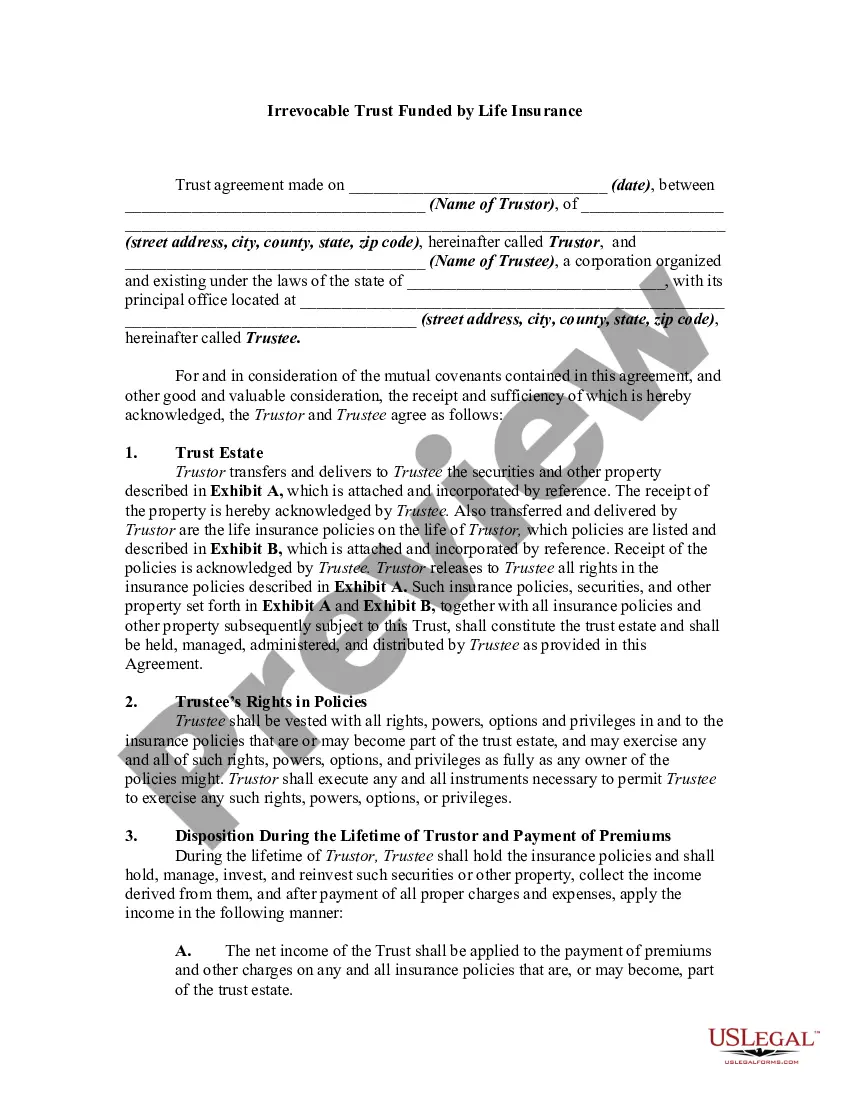
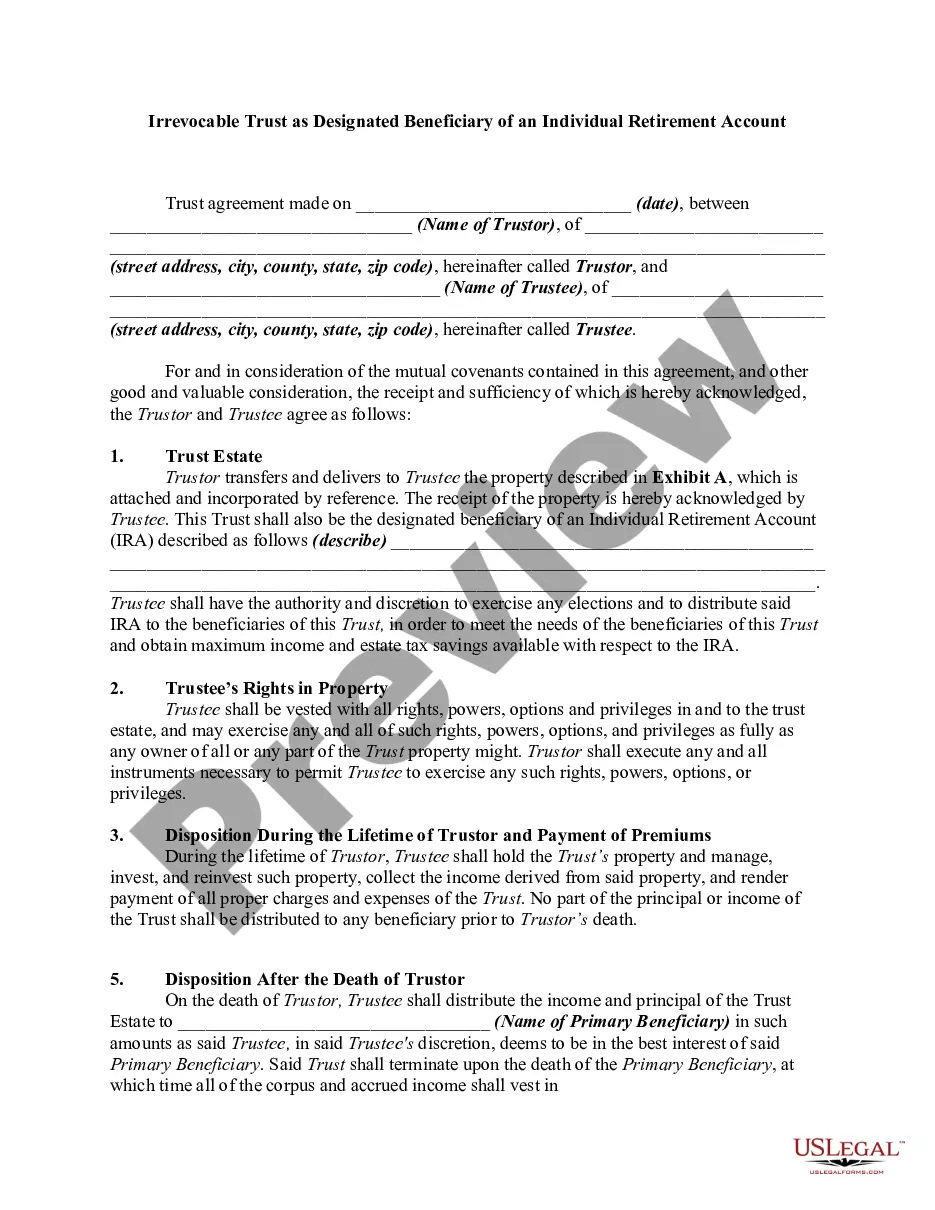
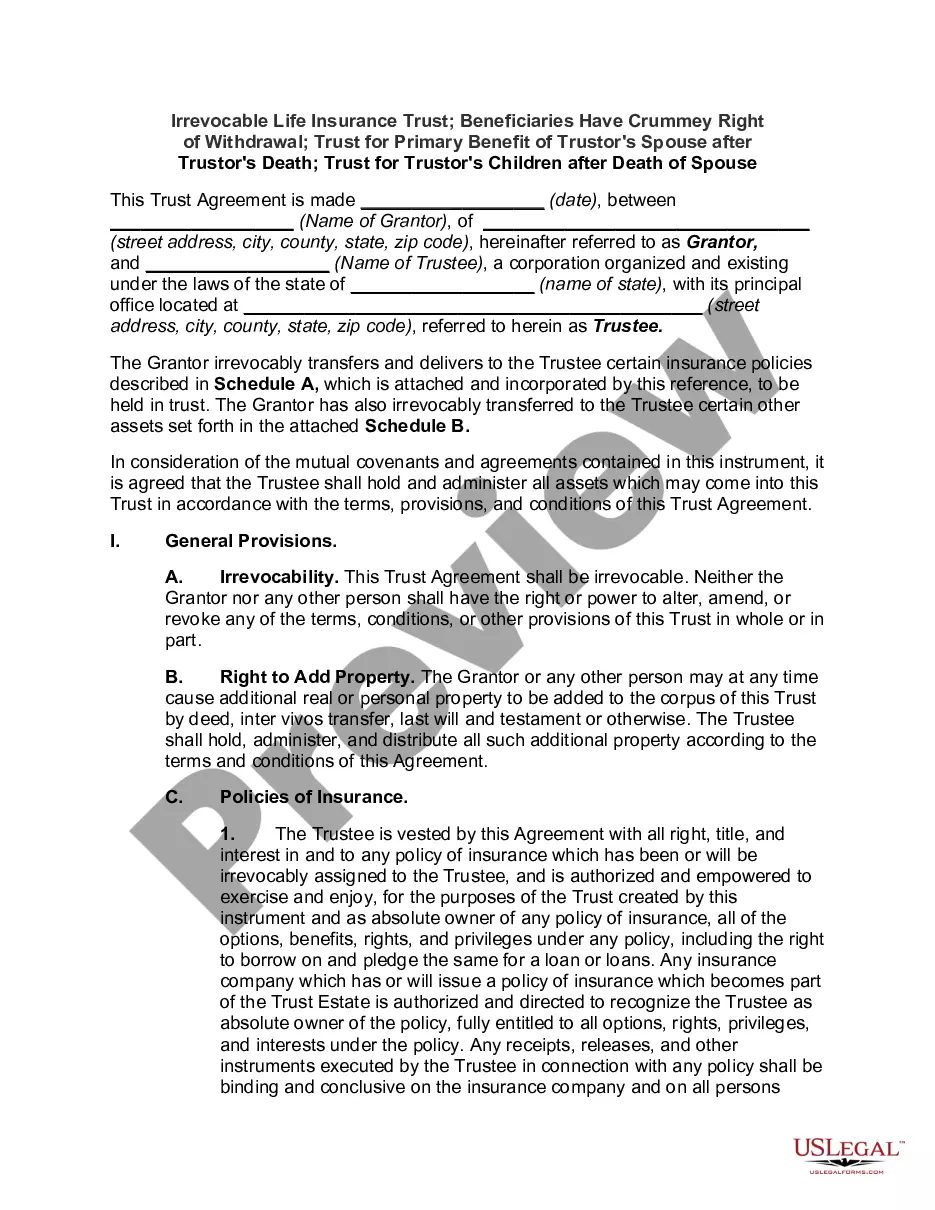
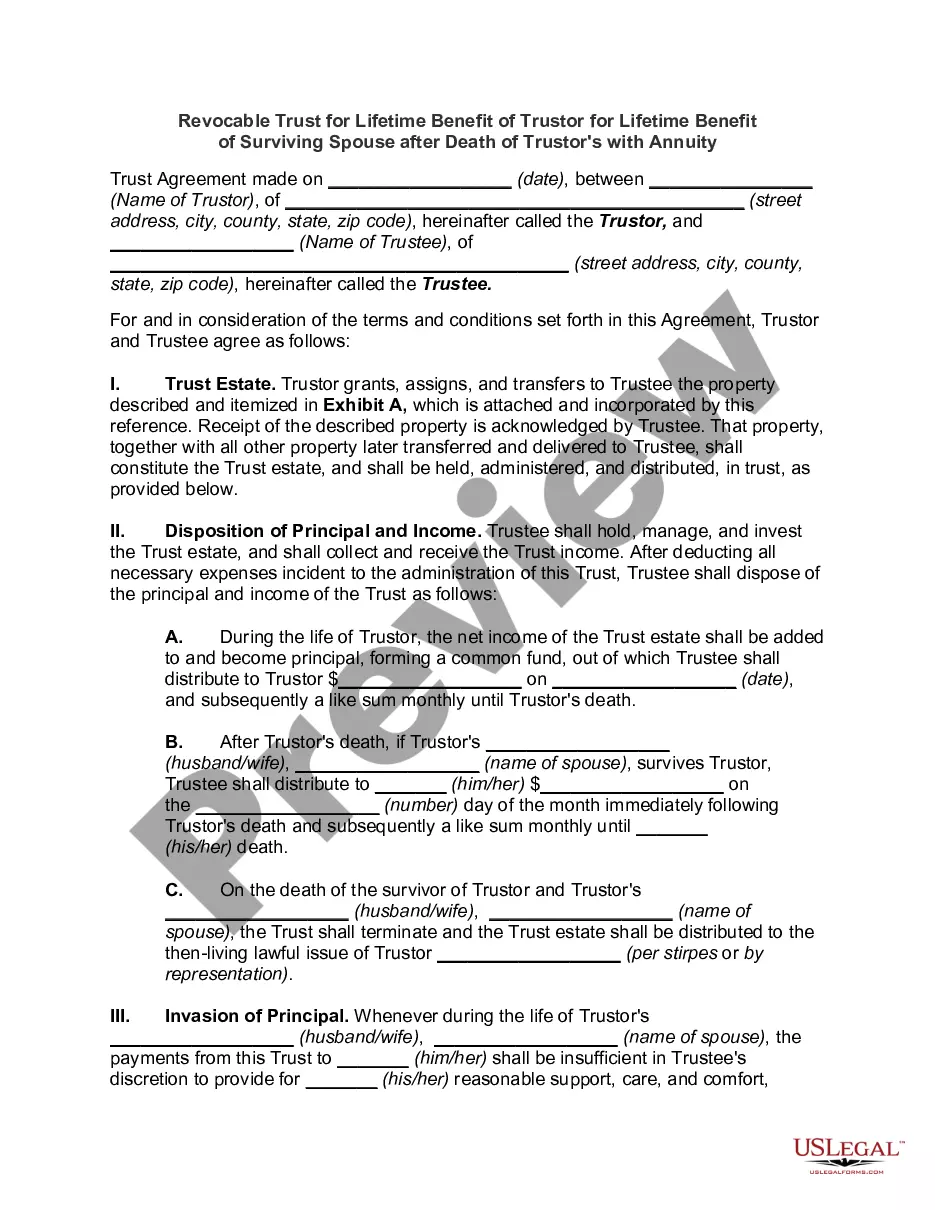
Get your form ready online
Our built-in tools help you complete, sign, share, and store your documents in one place.
Make edits, fill in missing information, and update formatting in US Legal Forms—just like you would in MS Word.
Download a copy, print it, send it by email, or mail it via USPS—whatever works best for your next step.
Sign and collect signatures with our SignNow integration. Send to multiple recipients, set reminders, and more. Go Premium to unlock E-Sign.
If this form requires notarization, complete it online through a secure video call—no need to meet a notary in person or wait for an appointment.
We protect your documents and personal data by following strict security and privacy standards.

Make edits, fill in missing information, and update formatting in US Legal Forms—just like you would in MS Word.

Download a copy, print it, send it by email, or mail it via USPS—whatever works best for your next step.

Sign and collect signatures with our SignNow integration. Send to multiple recipients, set reminders, and more. Go Premium to unlock E-Sign.

If this form requires notarization, complete it online through a secure video call—no need to meet a notary in person or wait for an appointment.

We protect your documents and personal data by following strict security and privacy standards.
Looking for another form?



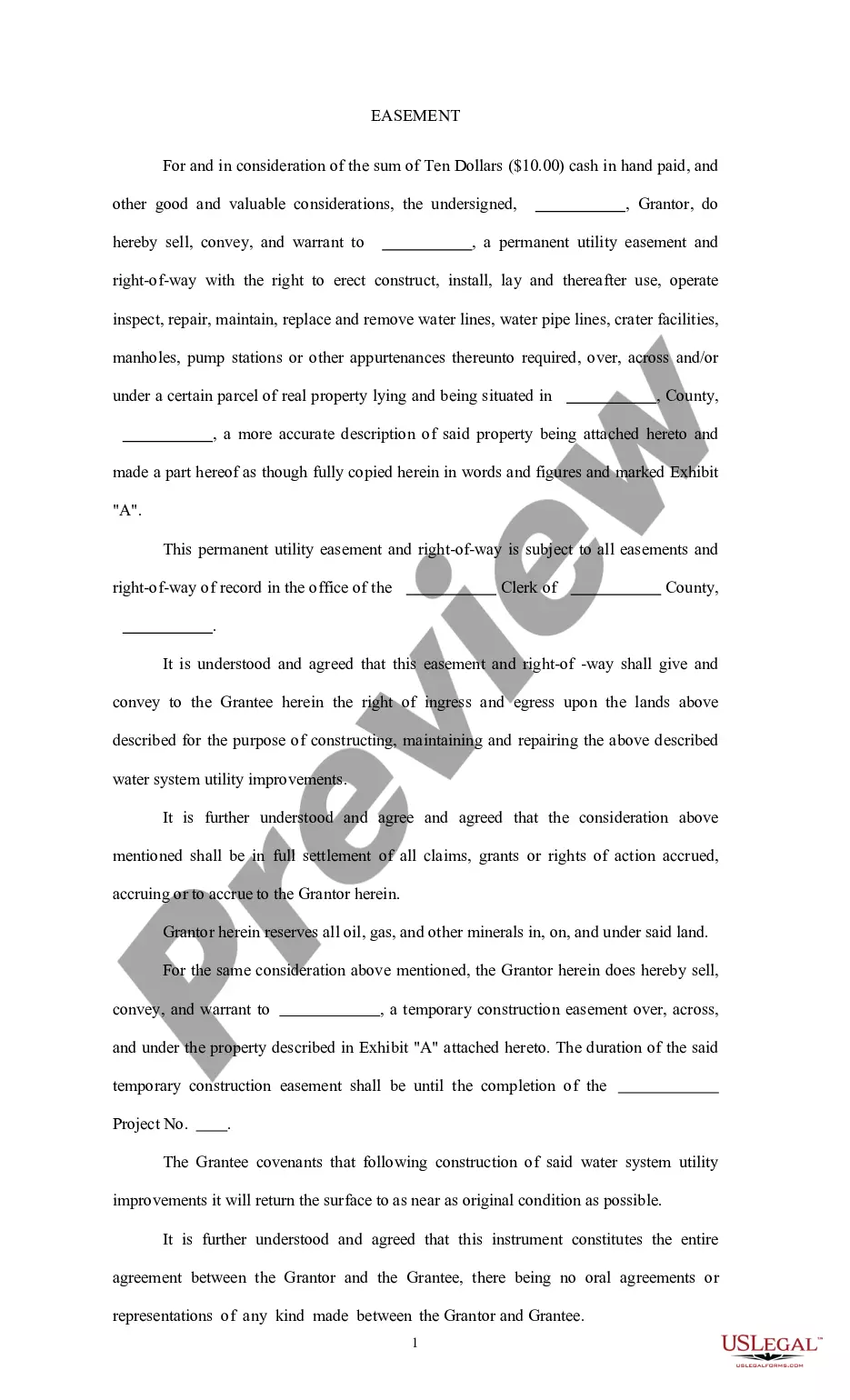


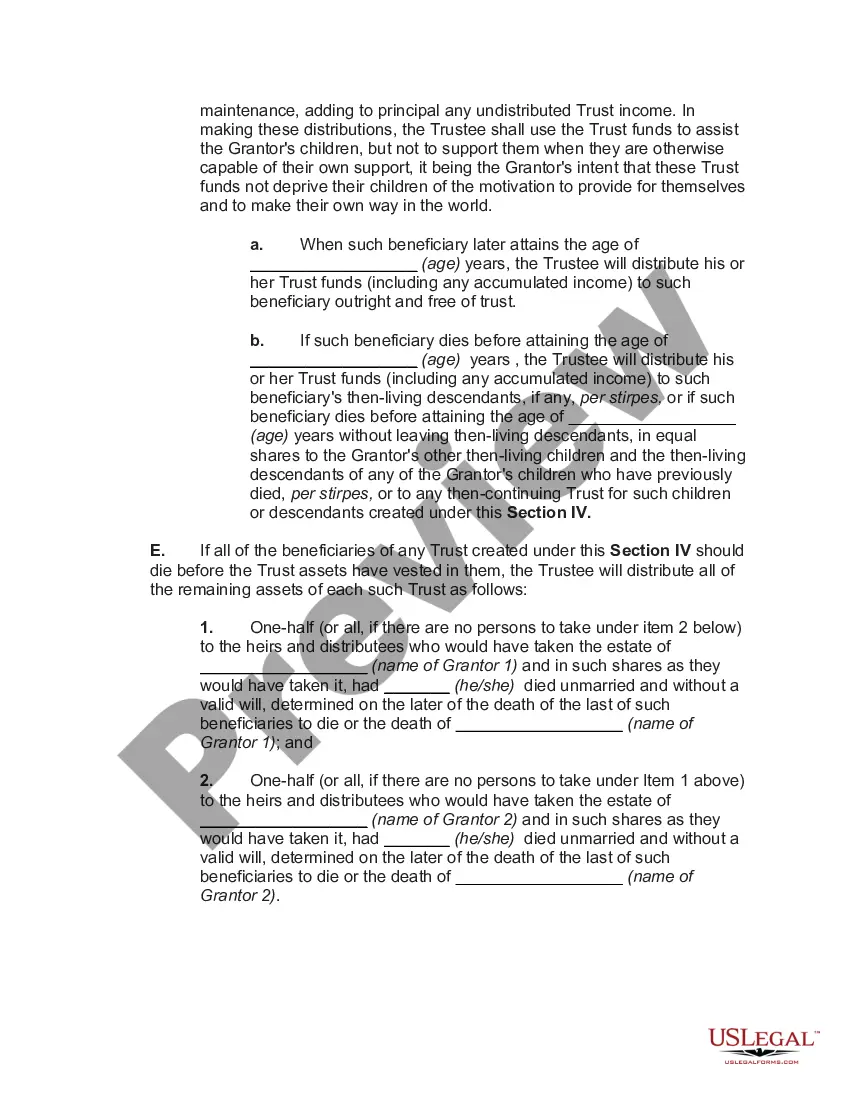
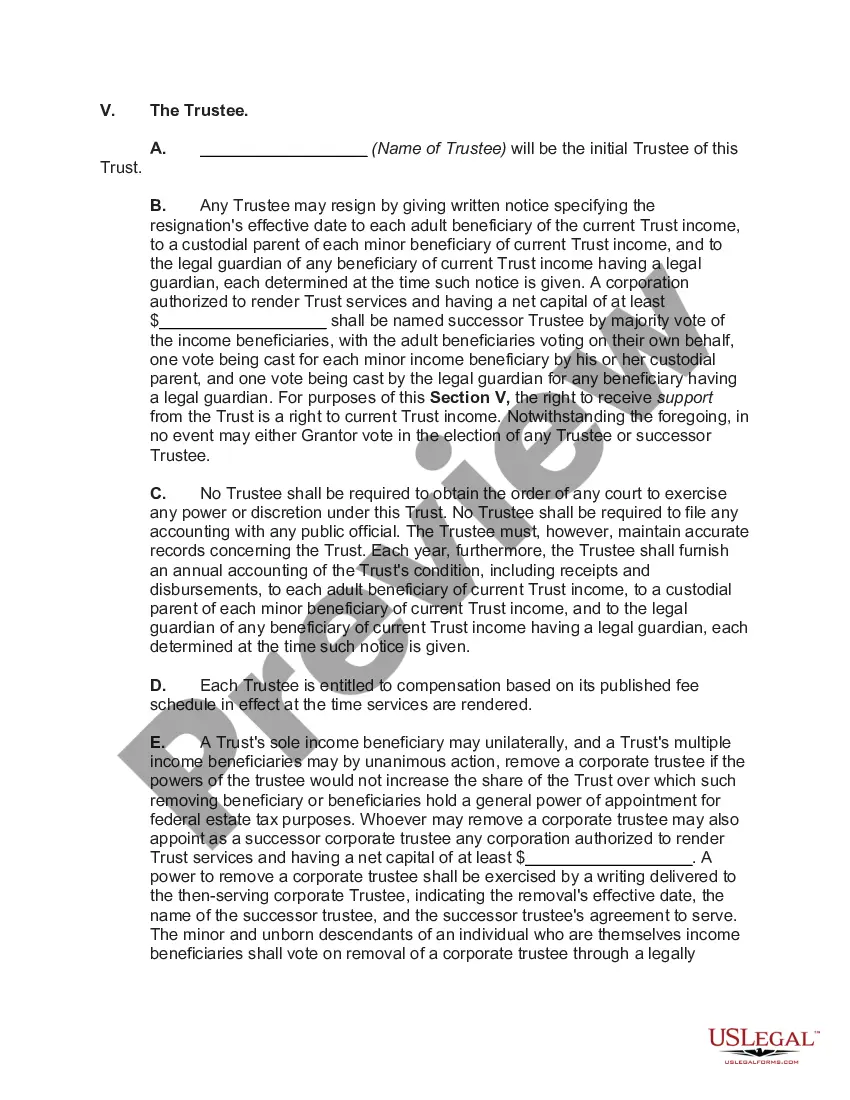
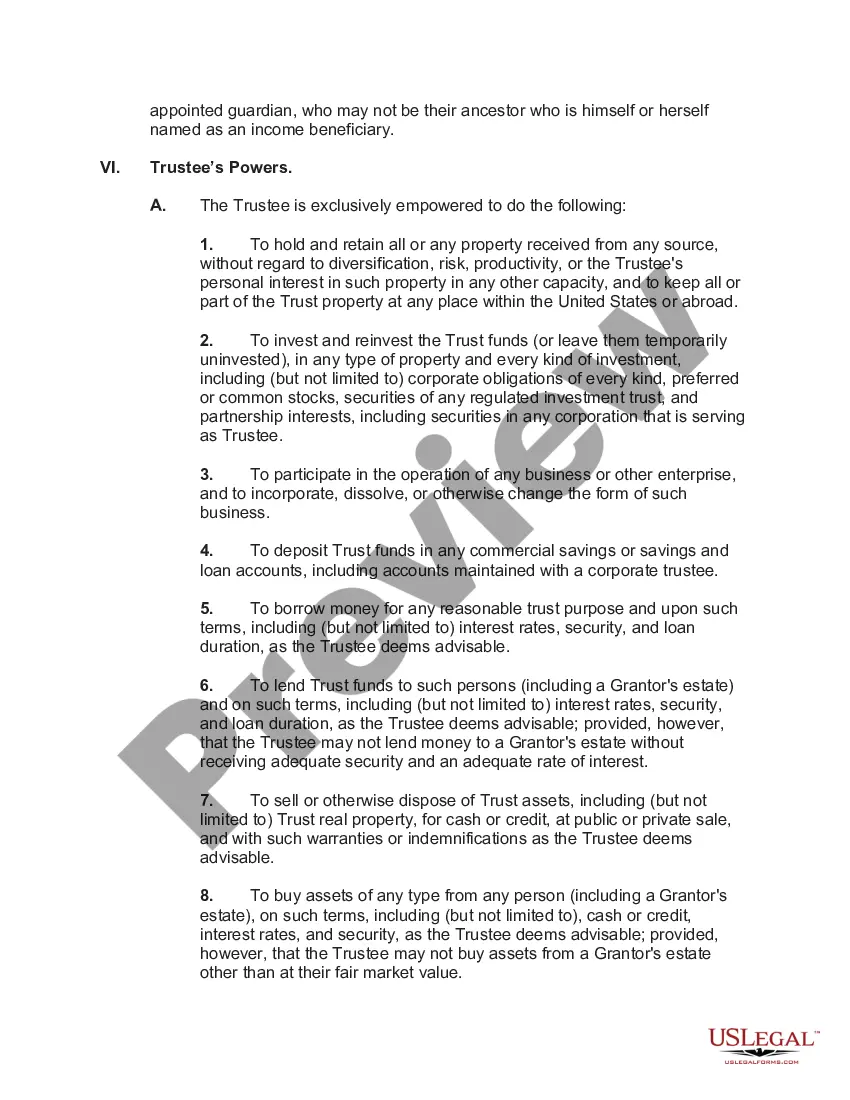
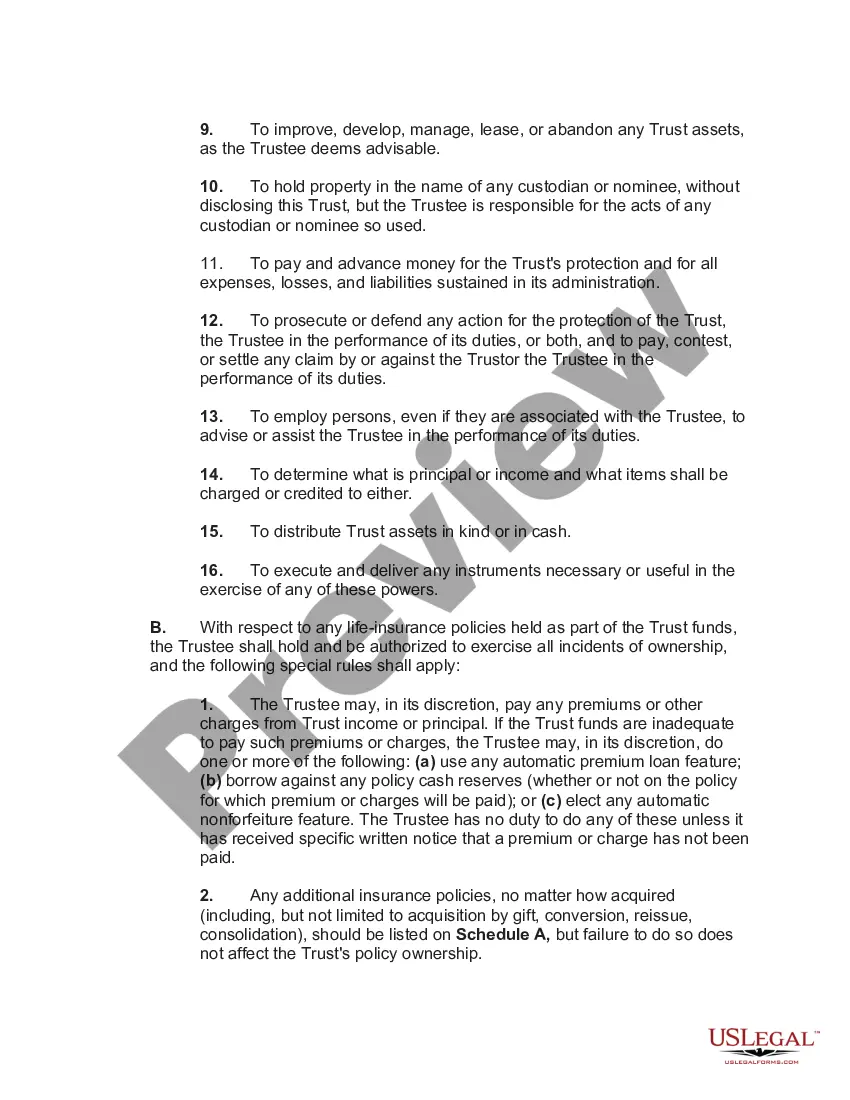
How to fill out Irrevocable Funded Life Insurance Trust Where Beneficiaries Have Crummey Right Of Withdrawal With First To Die Policy With Survivorship Rider?
- Log in to your account if you're a returning user. Ensure your subscription is active; renew it if necessary.
- Preview the document by checking its description to confirm it meets your needs and complies with local jurisdiction requirements.
- If you do not find what you need, utilize the Search tab to find alternative forms that match your criteria.
- Select the document and click the Buy Now button. Choose a subscription plan that best fits your needs and register an account to access the legal library.
- Complete your purchase by entering your payment details through credit card or PayPal.
- Download the form to your device, so you can complete it. You can also access it anytime through the My Forms section of your profile.
By following these steps, you will successfully acquire the legal forms you need through US Legal Forms. The platform not only provides an extensive library of over 85,000 editable legal documents but also ensures you can easily navigate and find the right forms for your situation.
Don’t hesitate to leverage the resources available to you and secure your legal needs with confidence. Start your journey with US Legal Forms today!
Form popularity
FAQ
Certain assets are generally not suitable for inclusion in an irrevocable trust. For instance, assets that require constant management or personal use, like personal vehicles, may not be ideal. Additionally, if an asset has conditions or restrictions on its transfer, it might be excluded from the trust. To understand the best approach for your situation, consider consulting with a professional or using USLegalForms for guidance.
While an irrevocable trust can provide benefits, there are notable disadvantages to placing your house in one. You lose control over the property, as the trust becomes the legal owner. Additionally, if you ever wish to sell or refinance the house, obtaining permission may complicate the process. Keeping these considerations in mind is vital for making informed decisions.
When considering what assets to place in an irrevocable trust, you might think about your home, investments, and other valuable properties. Assets that can benefit from tax savings or protection from creditors are ideal for an irrevocable trust. It’s essential to evaluate the specific goals you have in mind, such as estate planning or Medicaid eligibility. Using platforms like USLegalForms can help you navigate the process effectively.
Filing an irrevocable trust with the IRS involves obtaining an Employer Identification Number (EIN) and reporting income generated within the trust on Form 1041. Ensuring accurate records and timely submissions is crucial for compliance. Consulting with a tax expert can help you navigate this process effectively.
Creating your own irrevocable trust is possible if you have the proper knowledge and resources. However, it's often best to work with legal professionals who can guide you through the creation process. This ensures that the trust meets legal requirements and fulfills your goals.
You may benefit from an irrevocable trust in three key ways: it can protect assets from creditors, it may help reduce estate taxes, and it ensures that assets are distributed according to your wishes after your death. Each of these reasons enhances financial security and adds peace of mind for you and your family.
The new IRS rules for irrevocable trusts primarily focus on reporting requirements and tax compliance. Trusts may need to adapt to changes in income distribution regulations and how they affect beneficiaries. It's vital to stay updated on these rules to maintain compliance and avoid penalties.
You report irrevocable trust income on the trust's tax return, which is typically Form 1041. If the trust distributes income to beneficiaries, they will report their share on their tax returns using Schedule K-1. It's important to maintain accurate records of all income to ensure proper reporting.
To file an irrevocable trust with the IRS, you'll need to obtain an Employer Identification Number (EIN) for the trust. This process involves completing Form SS-4 and submitting it to the IRS. Once you have the EIN, any income generated by the trust must be reported on the appropriate tax returns.
An irrevocable grantor trust may be required to file a tax return depending on the income generated within the trust. Typically, the grantor remains responsible for reporting income on their personal tax return if they retain certain powers over the trust. It's advisable to work with a tax professional to ensure you meet all filing requirements.