Inheritance Husband Wife Formula
Description
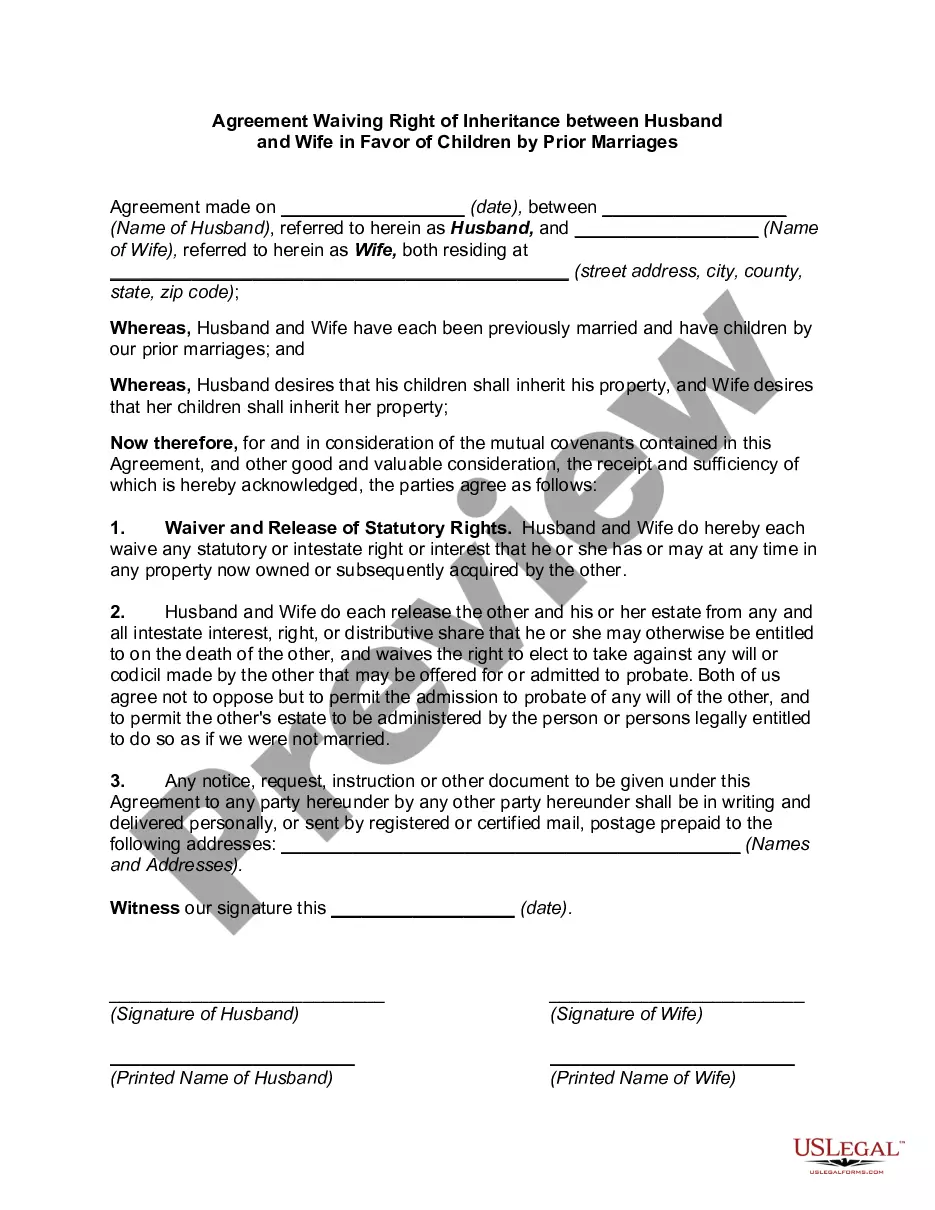

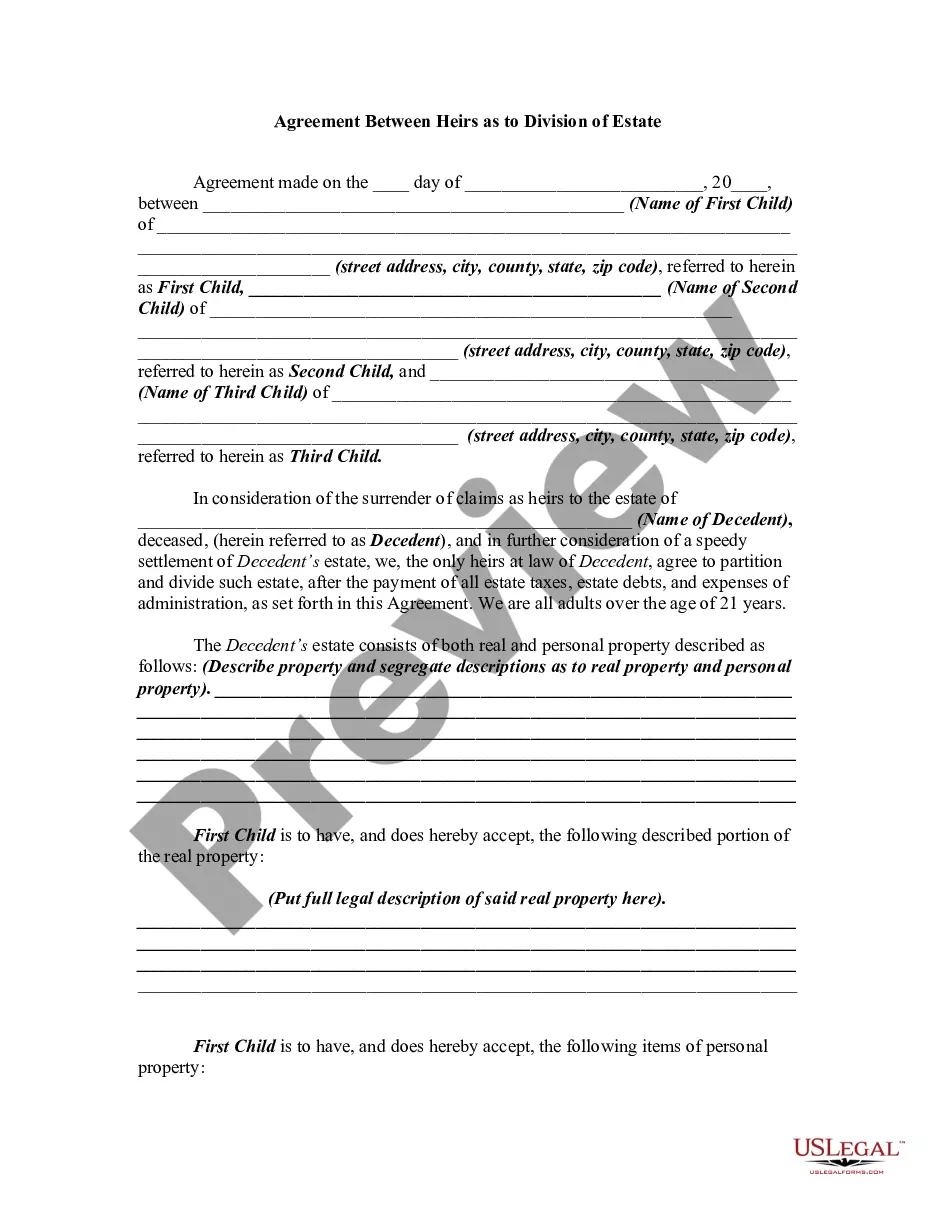
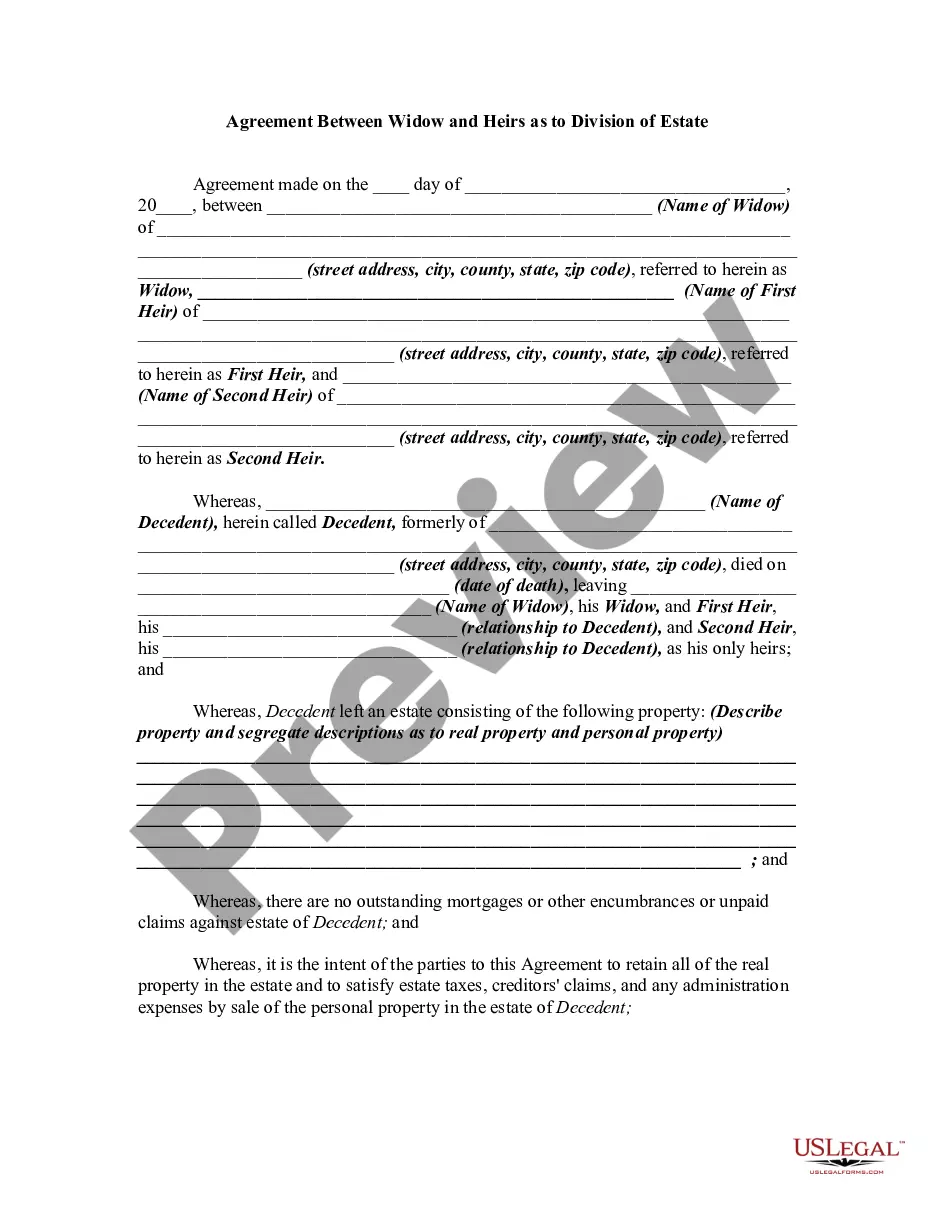
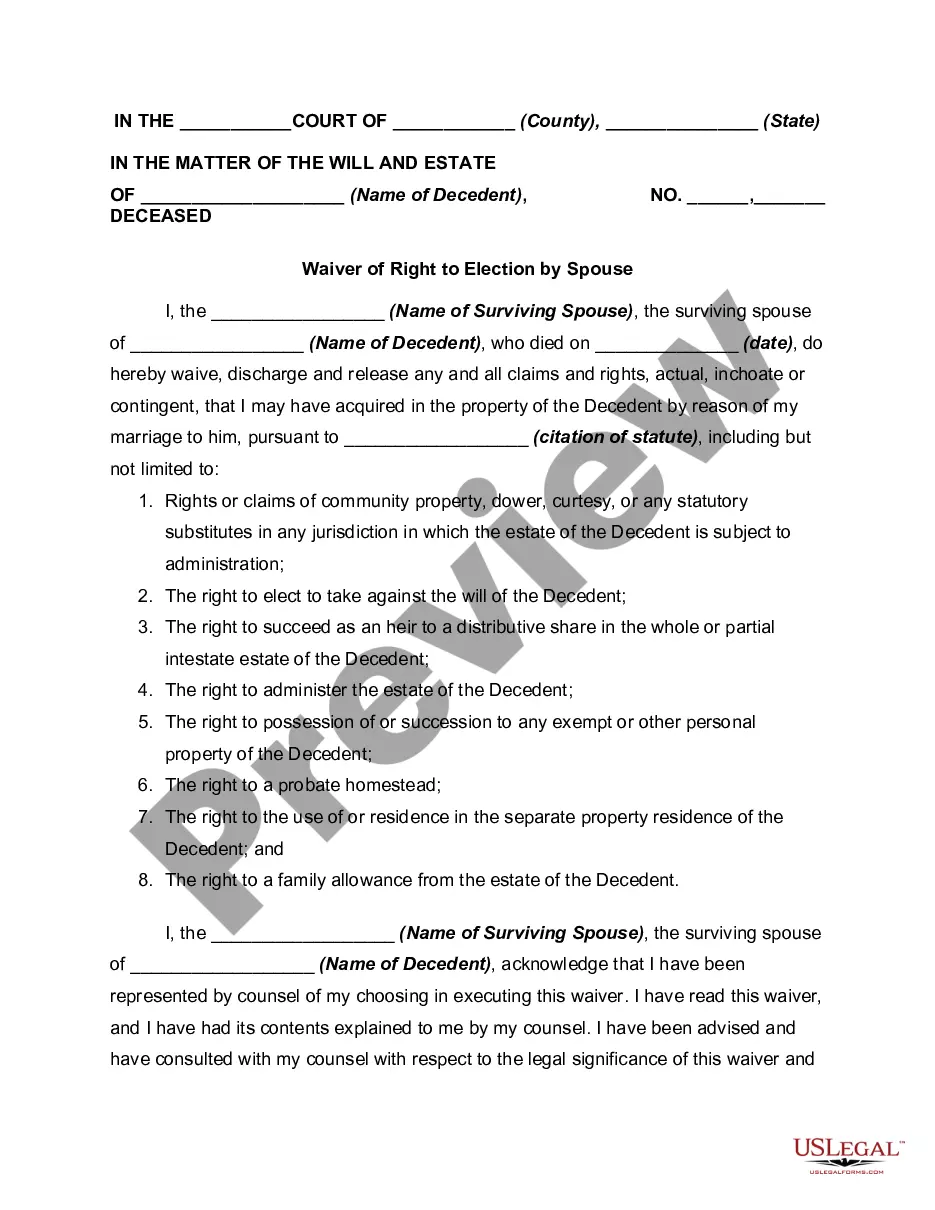
Get your form ready online
Our built-in tools help you complete, sign, share, and store your documents in one place.
Make edits, fill in missing information, and update formatting in US Legal Forms—just like you would in MS Word.
Download a copy, print it, send it by email, or mail it via USPS—whatever works best for your next step.
Sign and collect signatures with our SignNow integration. Send to multiple recipients, set reminders, and more. Go Premium to unlock E-Sign.
If this form requires notarization, complete it online through a secure video call—no need to meet a notary in person or wait for an appointment.
We protect your documents and personal data by following strict security and privacy standards.

Make edits, fill in missing information, and update formatting in US Legal Forms—just like you would in MS Word.

Download a copy, print it, send it by email, or mail it via USPS—whatever works best for your next step.

Sign and collect signatures with our SignNow integration. Send to multiple recipients, set reminders, and more. Go Premium to unlock E-Sign.

If this form requires notarization, complete it online through a secure video call—no need to meet a notary in person or wait for an appointment.

We protect your documents and personal data by following strict security and privacy standards.
Looking for another form?

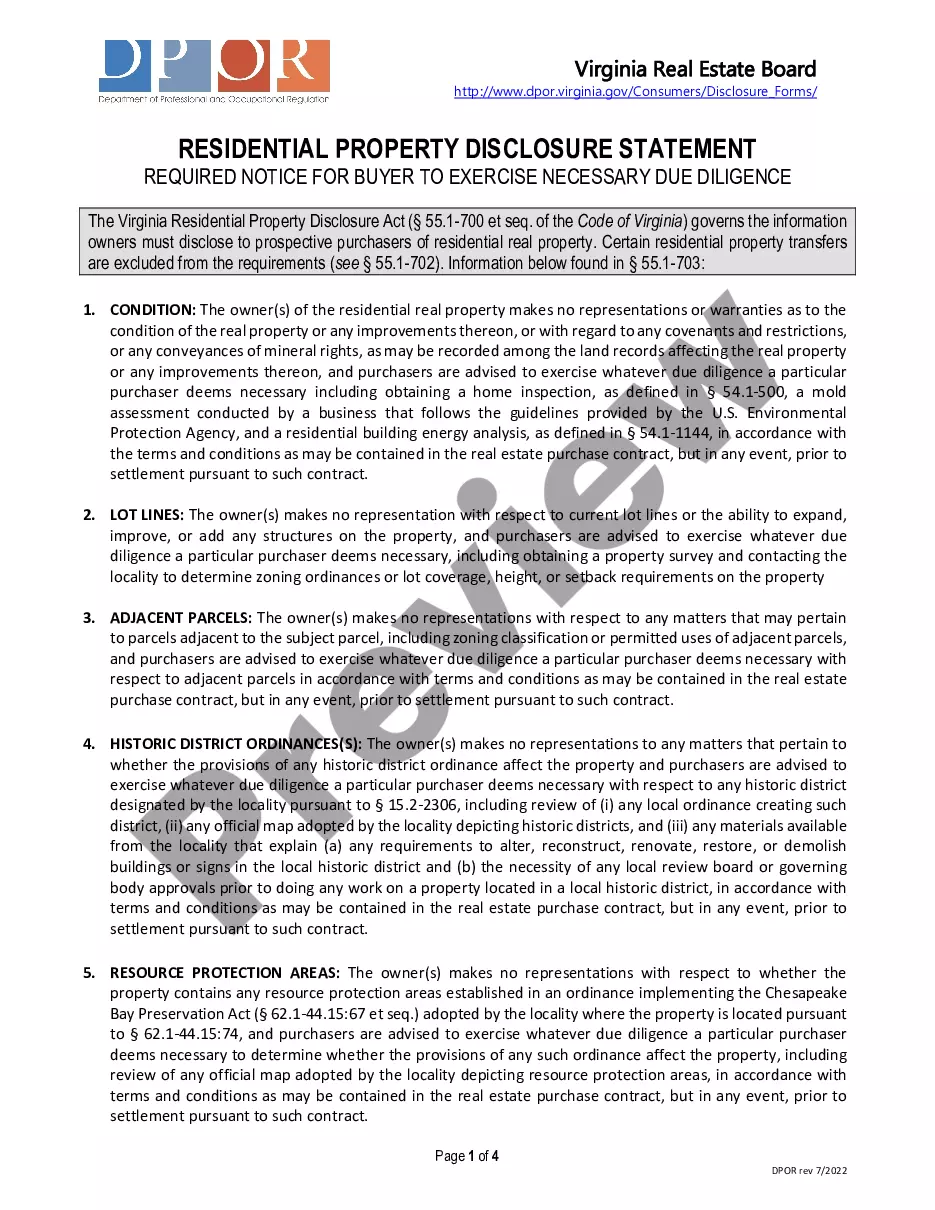
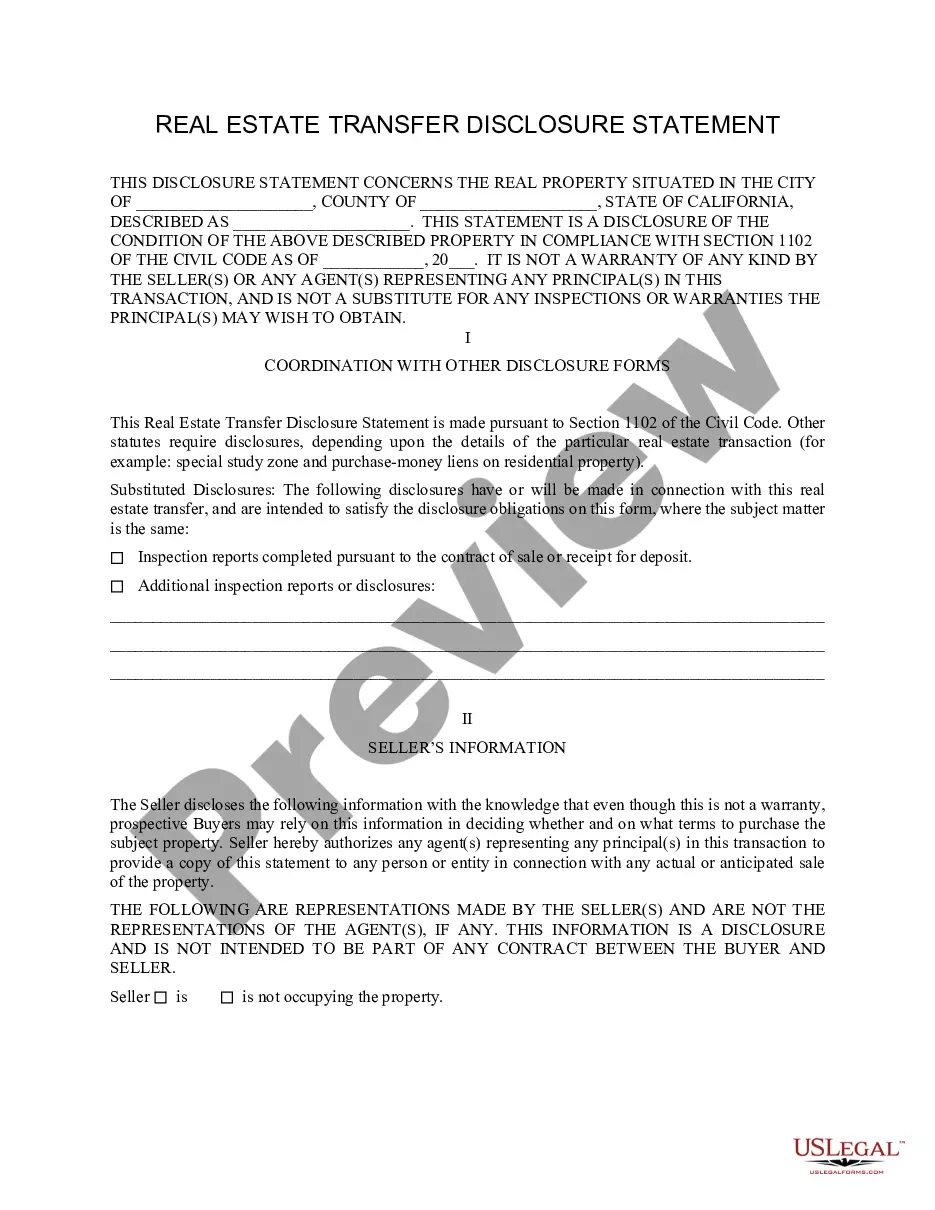
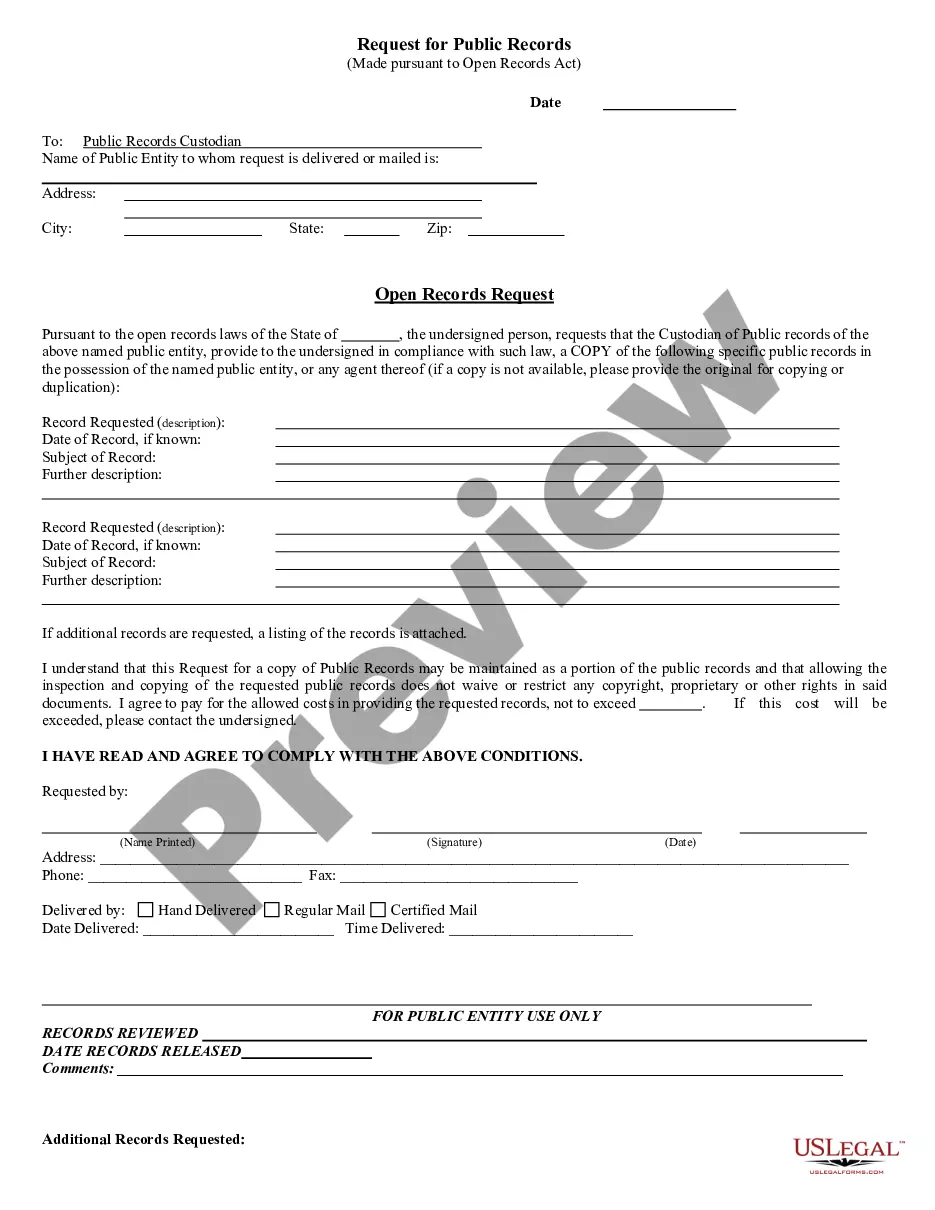
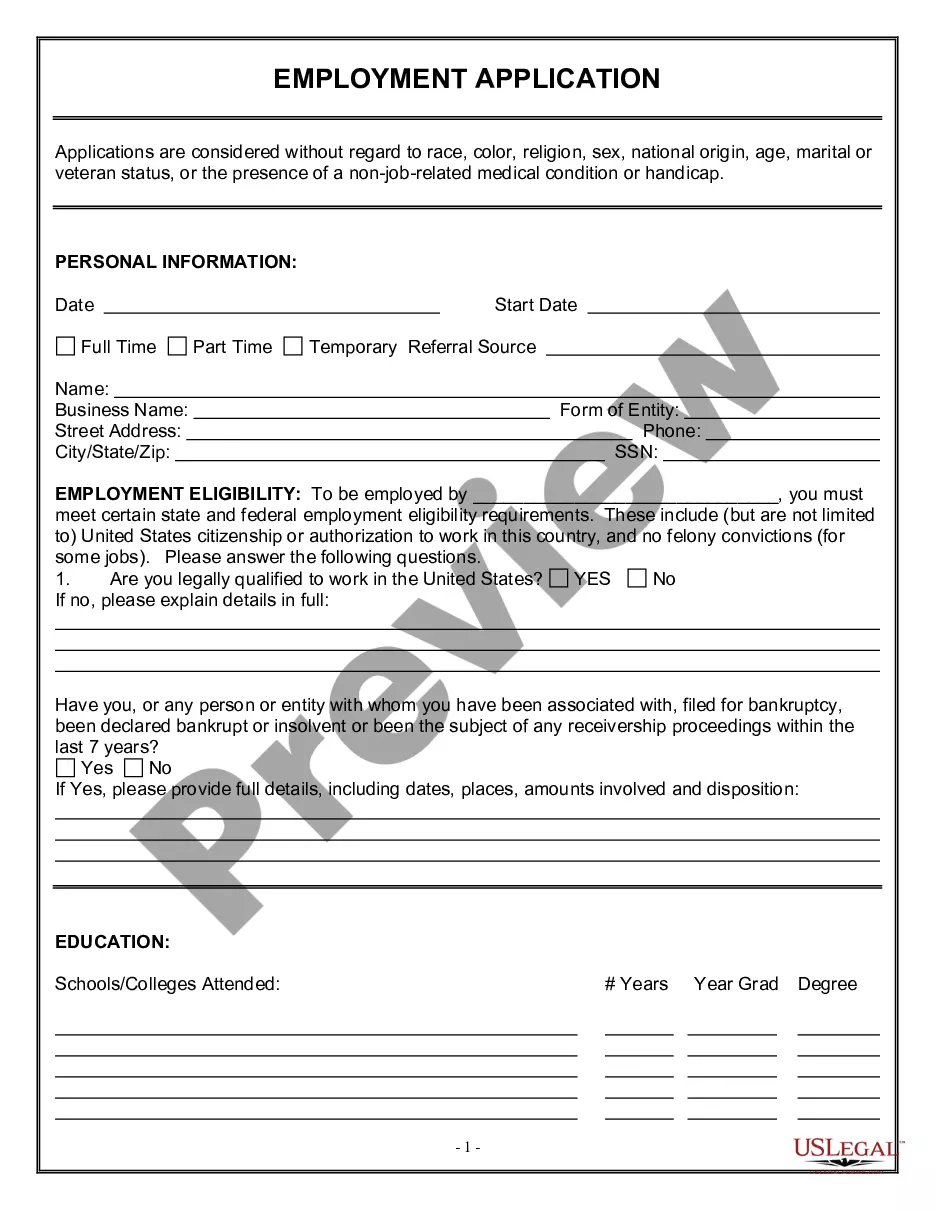
How to fill out Agreement Waiving Right Of Inheritance Between Husband And Wife In Favor Of Children By Prior Marriages?
Securing a reliable source for the most up-to-date and pertinent legal documents is a significant part of navigating bureaucratic processes. Identifying the specific legal document requirements with precision and thoroughness is why it’s essential to obtain samples of the Inheritance Husband Wife Template exclusively from reputable providers, such as US Legal Forms. An incorrect document will squander your time and delay your circumstances. With US Legal Forms, you have minimal concerns.
You can access and confirm all the specifics regarding the usage and pertinence of the document for your particular situation and in your locality.
Once you have the document on your device, you can edit it using the editor or print it for manual completion. Remove the hassle that comes with your legal documentation. Explore the extensive collection at US Legal Forms where you can discover legal templates, assess their relevance to your case, and download them instantly.
- Utilize the catalog navigation or search bar to find your template.
- Review the form’s details to confirm it aligns with the requirements of your locality.
- If available, preview the form to verify it is the correct one you need.
- If the Inheritance Husband Wife Template does not meet your specifications, continue searching for the appropriate document.
- Once you are confident about the form’s relevance, download it.
- If you are a registered user, click Log in to verify and access your selected templates in My documents.
- If you do not have an account, click Buy now to purchase the template.
- Choose the payment plan that meets your needs.
- Continue to the checkout to finalize your purchase.
- Complete your purchase by selecting a payment method (credit card or PayPal).
- Choose the file format for downloading the Inheritance Husband Wife Template.
Form popularity
FAQ
If you fail to file a K1 when required, you may face penalties and interest on unpaid taxes. This can lead to additional complications, especially if income from the inheritance forms part of your taxable income. Understanding the inheritance husband wife formula can help clarify your obligations. It's best to address this promptly by consulting a tax expert to navigate potential issues.
To leave an inheritance to your child without their spouse receiving any part, you can establish a trust or create specific directives in your will. The inheritance husband wife formula allows for structured distribution, ensuring that your intentions are clear and legally binding. Additionally, using a trust can protect the assets from becoming marital property. Consulting an estate planning attorney ensures your wishes are followed.
In general, you do not have to file a K1 solely for receiving an inheritance. However, if the assets from the inheritance produce income, such as dividends or interest, you may require a K1. The inheritance husband wife formula can impact this situation if your spouse was involved in a business entity. Always seek expert guidance to clarify your specific duties regarding tax filings.
You typically need to file a K1 if you are a beneficiary of a pass-through entity such as a partnership or S corporation. The K1 form reports income, deductions, and credits that you must include on your tax return. If your estate plan includes an inheritance using the husband wife formula, you may receive a K1, as it can affect your tax obligations. It is wise to consult with a tax professional to ensure compliance.
The formula clause for marital deduction is designed to minimize estate taxes for married couples. This clause allows assets to pass to a surviving spouse without incurring immediate tax liabilities. By incorporating the inheritance husband wife formula, you ensure that the estate maximizes the benefits of marital deductions. This approach can significantly reduce the taxable amount, providing financial protection for the surviving partner.
Marriage significantly impacts inheritance, as many states grant surviving spouses preferential treatment. This means a spouse typically inherits a defined portion of the estate, according to the inheritance husband wife formula. Additionally, marriages can alter the classification of both assets and debts. Familiarizing yourself with your state's laws can empower you to make informed decisions about your estate.
A pecuniary marital formula is a method used to determine the distribution of property between spouses during a divorce or after a spouse's death. This formula takes into consideration the monetary value of individual assets in relation to their overall estate. Understanding how this impacts the inheritance husband wife formula can be beneficial. Consulting with a legal expert can clarify how this applies to your particular circumstances.
Under most circumstances, there is no obligation for you to share your inheritance with your husband. Inheritance received individually is often considered separate property. However, if you mingle those funds with marital assets, the situation can change. Always think about how the inheritance husband wife formula applies to your situation for clarity.
Yes, a husband may be entitled to a portion of his wife's inheritance if the couple is married, depending on state law. Generally, assets acquired during the marriage can be considered communal, and thus, jointly owned. The specifics can vary greatly, which is why understanding the inheritance husband wife formula in your state is essential. Seek professional guidance if you're unsure about your rights.
Inheritance is often governed by state laws that vary significantly. Typically, when one spouse passes away, the surviving spouse may receive a substantial portion of the estate through the inheritance husband wife formula. This includes not just shared property, but sometimes larger shares of separate property if no will exists. Always consider consulting with an estate planning attorney to navigate these complexities.