Difference Between Bequest And Devise
Description
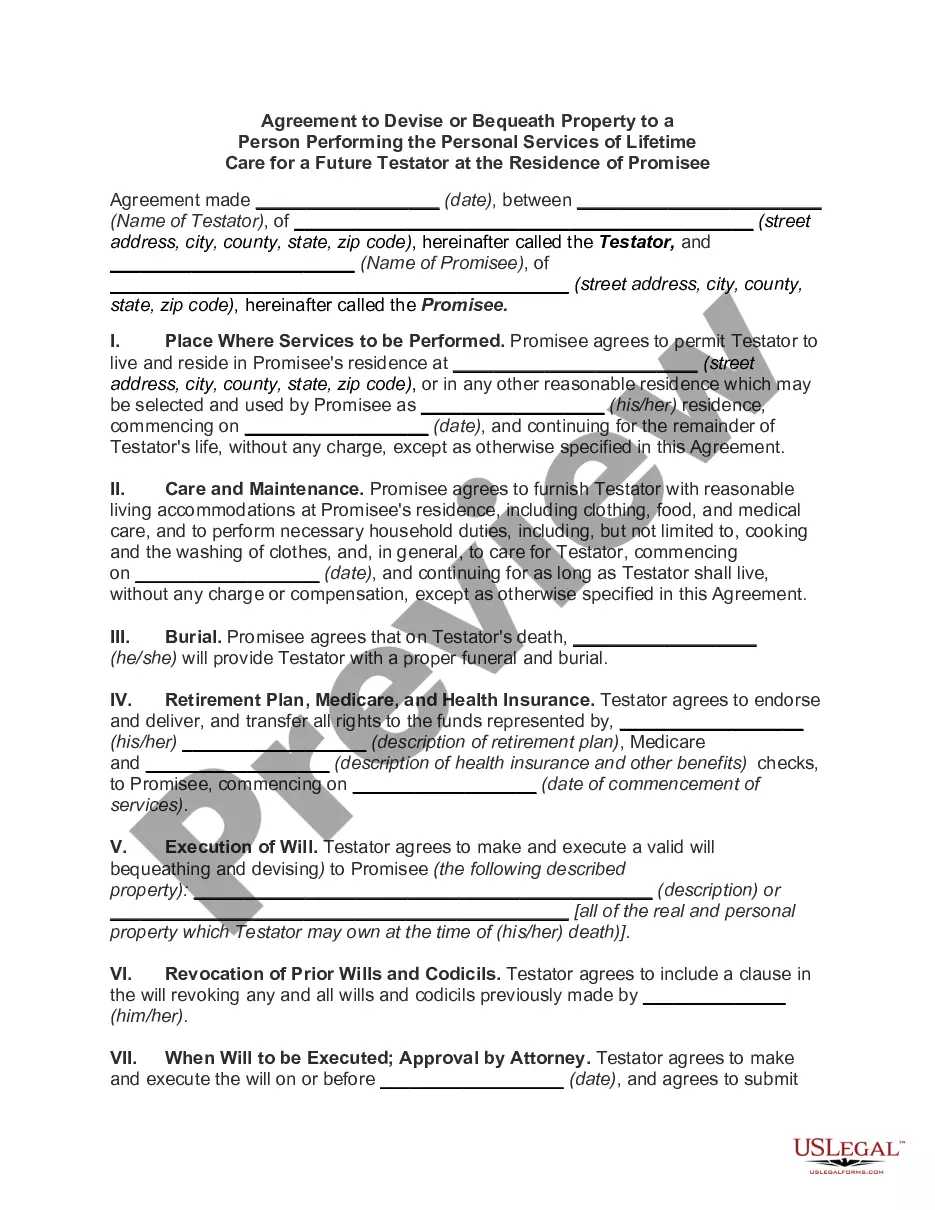
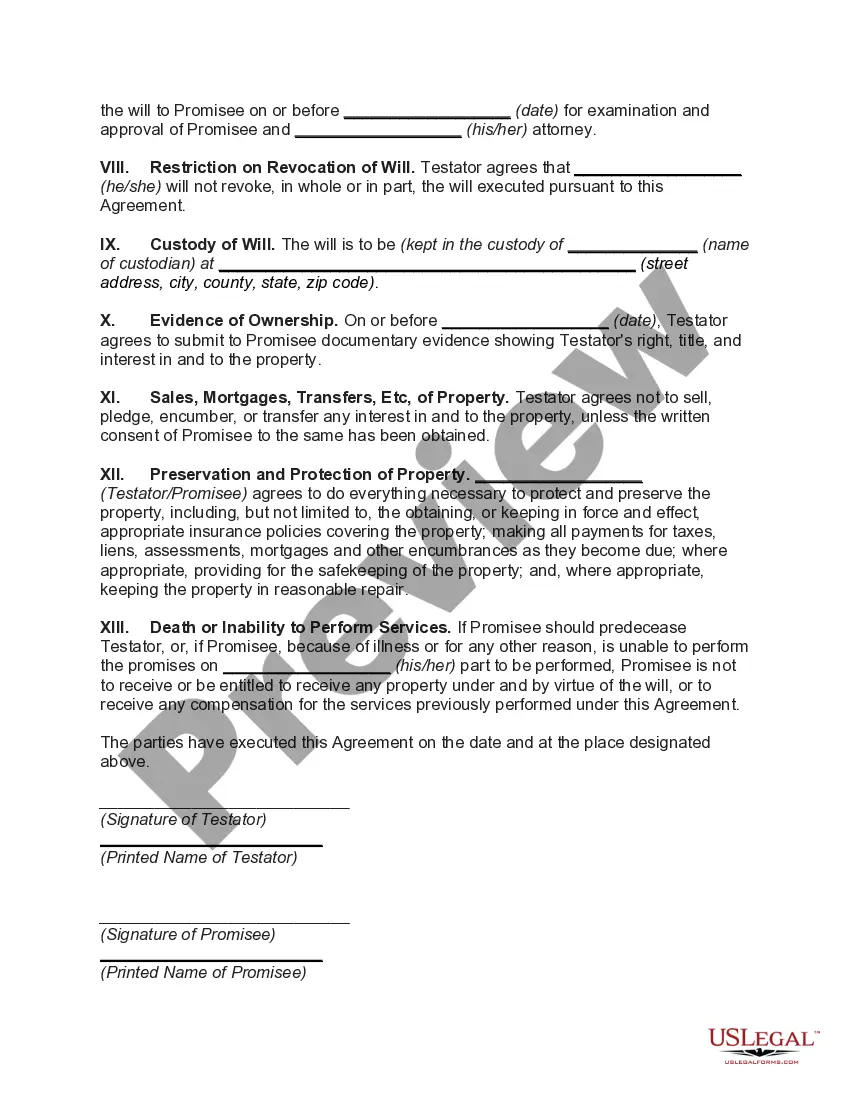

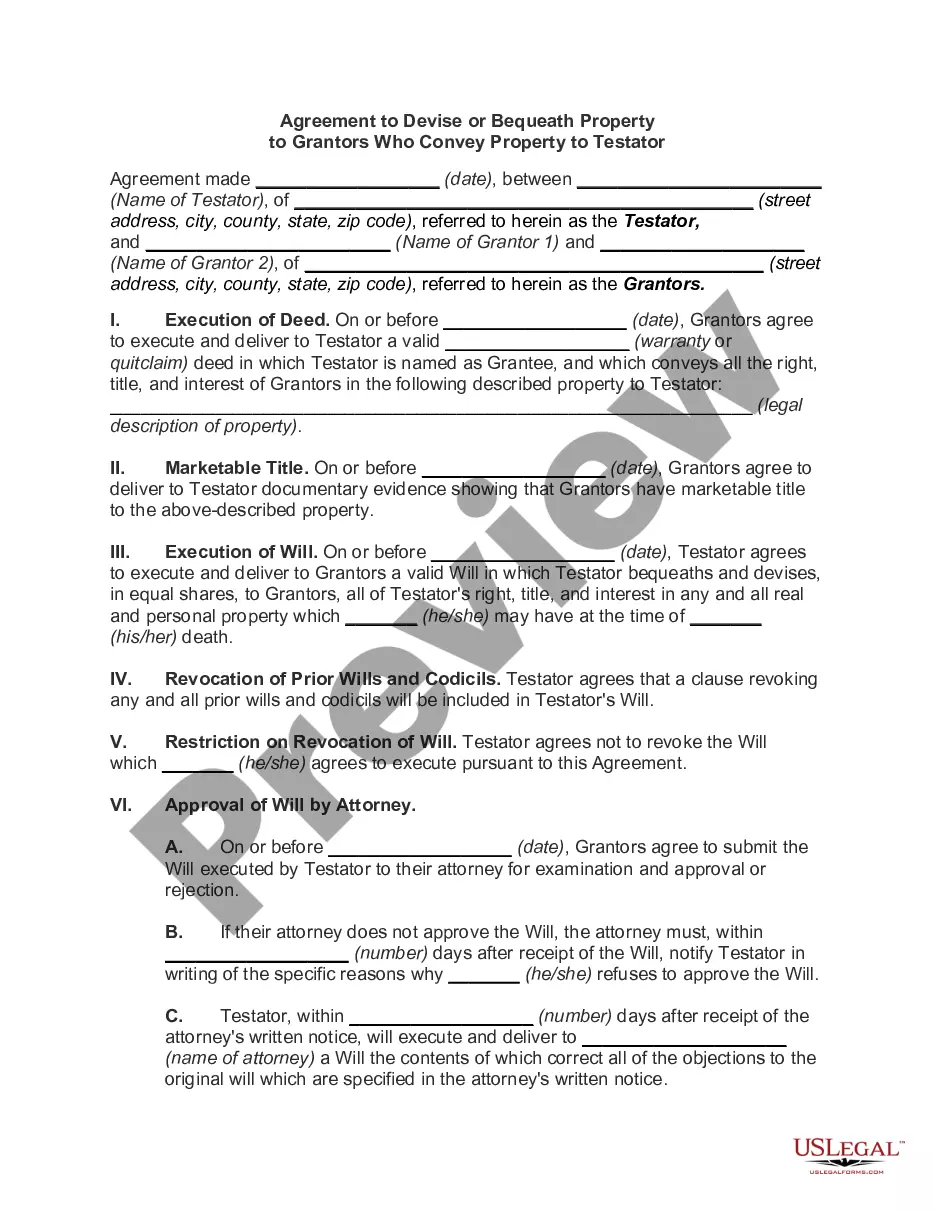
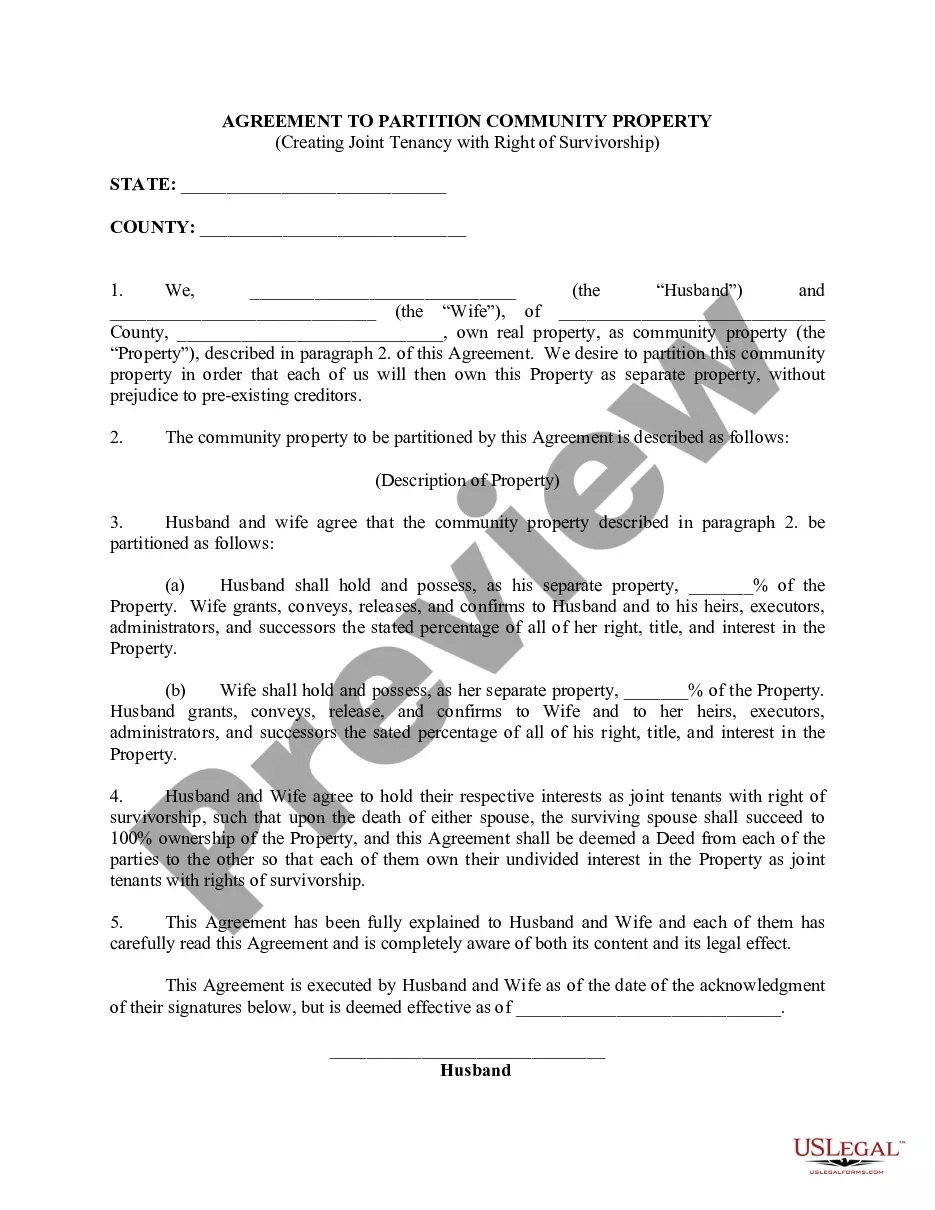


How to fill out Agreement To Devise Or Bequeath Property To A Person Performing The Personal Services Of Lifetime Care For A Future Testator?
Legal administration can be daunting, even for seasoned experts.
When you're searching for a Distinction Between Bequest And Devise and lack the time to dedicate to finding the correct and current version, the process can be taxing.
US Legal Forms addresses all your requirements, from personal to business documents, all conveniently located in a single source.
Utilize advanced tools to complete and manage your Distinction Between Bequest And Devise.
Here are the steps to follow once you acquire the form you need: Verify it is the correct document by previewing it and reviewing its details. Confirm that the template is accepted in your state or county. Choose Buy Now when you are prepared. Select a monthly subscription option. Locate the format you need, and Download, fill out, eSign, print, and dispatch your documents. Take advantage of the US Legal Forms web directory, backed by 25 years of expertise and trustworthiness. Transform your routine document management into a straightforward and user-friendly experience today.
- Tap into a resource library of articles, guides, and materials pertinent to your circumstances and needs.
- Save time and energy looking for the documents you require, using US Legal Forms’ sophisticated search and Review feature to find Distinction Between Bequest And Devise and download it.
- For subscribers, Log In to your US Legal Forms account, locate the form, and download it.
- Check your My documents tab to review the documents you have previously downloaded and manage your files as desired.
- If it's your first experience with US Legal Forms, create a free account for unlimited access to the platform's benefits.
- A robust web form directory could be a transformative solution for anyone aiming to navigate these circumstances effectively.
- US Legal Forms stands as a frontrunner in online legal documents, offering over 85,000 state-specific legal forms available to you at any time.
- With US Legal Forms, you can access localized legal and organizational documents tailored to your needs.
Form popularity
FAQ
The difference between a devise and a bequest is essential for anyone involved in estate planning. A devise specifically refers to the transfer of real estate, while a bequest pertains to the transfer of personal property. Knowing this difference allows you to clearly outline your wishes in your will, ensuring that your assets are distributed according to your intentions.
To truly understand what devise means, one must consider its role in estate law. A devise is a legal term for the act of transferring real property through a will. This definition emphasizes the importance of devising property correctly, as it determines how assets are passed on and can impact your estate planning strategy.
A specific bequest designates a particular item of personal property to a beneficiary, whereas a specific devise designates a particular piece of real estate. Both terms provide clarity in the distribution of assets, ensuring your intentions are clearly communicated. Recognizing the difference between a specific bequest and a specific devise can help you craft a more effective will.
When discussing the terms give, devise, and bequeath, it's important to note their specific applications. Give generally applies to any type of gift, while bequeath refers to personal property, and devise is reserved for real estate. Grasping these differences enriches your understanding of estate planning and clarifies the legal implications of each term.
In the context of a will, a devise refers to a provision that assigns real estate to a beneficiary. This legal term specifically addresses the transfer of property ownership upon the testator's death. Understanding the meaning of devise is essential when differentiating between bequest and devise, as it highlights the focus on real property rather than personal items.
A gift bequest refers to a specific type of transfer of assets upon a person's death, distinguishing it from a devise or inheritance. While a devise typically involves real property, a bequest can include personal property, making the difference between bequest and devise significant. Understanding these terms helps clarify your estate planning. If you need assistance with your estate documents, US Legal Forms offers resources to simplify the process.
Historically, a bequest is personal property given by will and a devise is real property given by will. Today, the two words are often used interchangeably. The word bequeath is a verb form for the act of making a bequest.
Specific bequests?gifts of property, like a painting, jewelry, car or cash (e.g., $10,000 to my great nephew's cousin). Residuary gifts?gifts made after all of the debts and expenses are paid, and other bequests are made.
A devise is a gift given in a will, usually of real property, such as a house or land. The verb form of ?devise? is ?to devise.? It is not necessary for a will to include the formal word ?devise? to give a devise.
A devise is a legal term that traditionally has referred to a gift of real estate made by a will. However, in common usage, it has been used interchangeably with other legal terms such as a bequest, which traditionally refers to a gift made in a will of personal property?that is, property other than real estate.