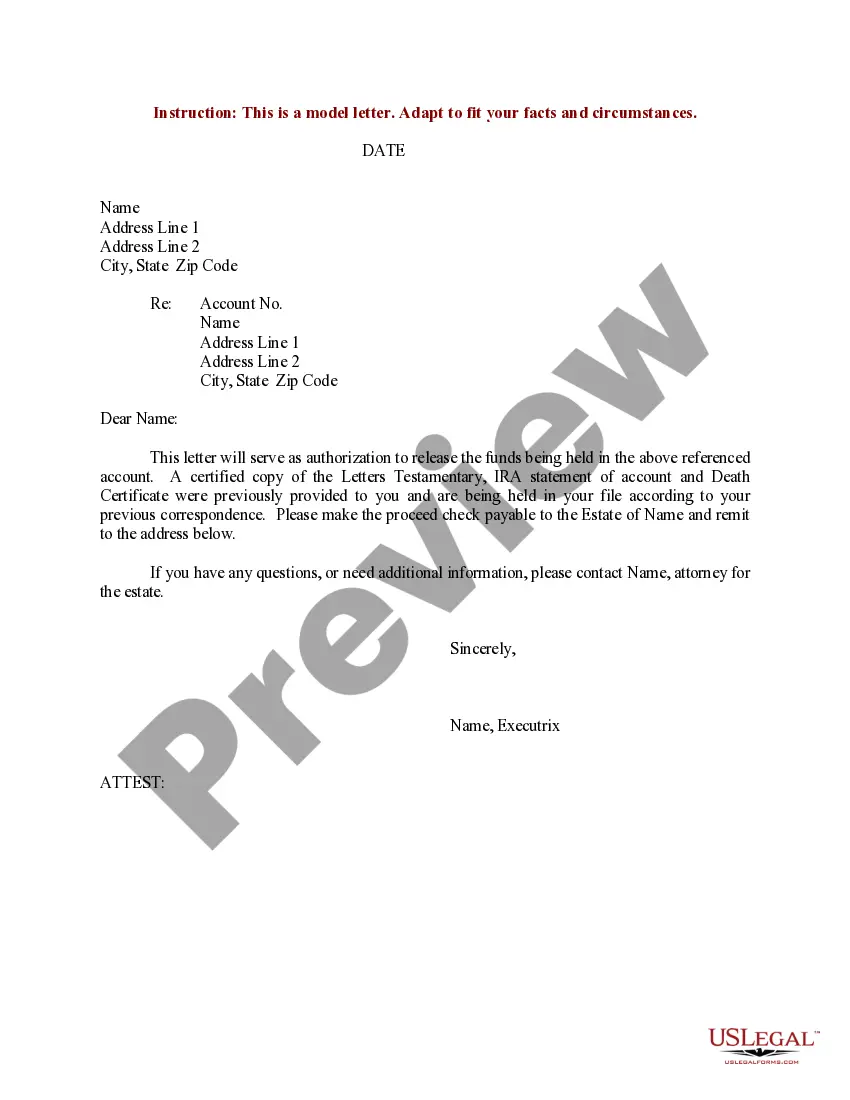
Letter Of Release For Vehicle Withdrawal
Description
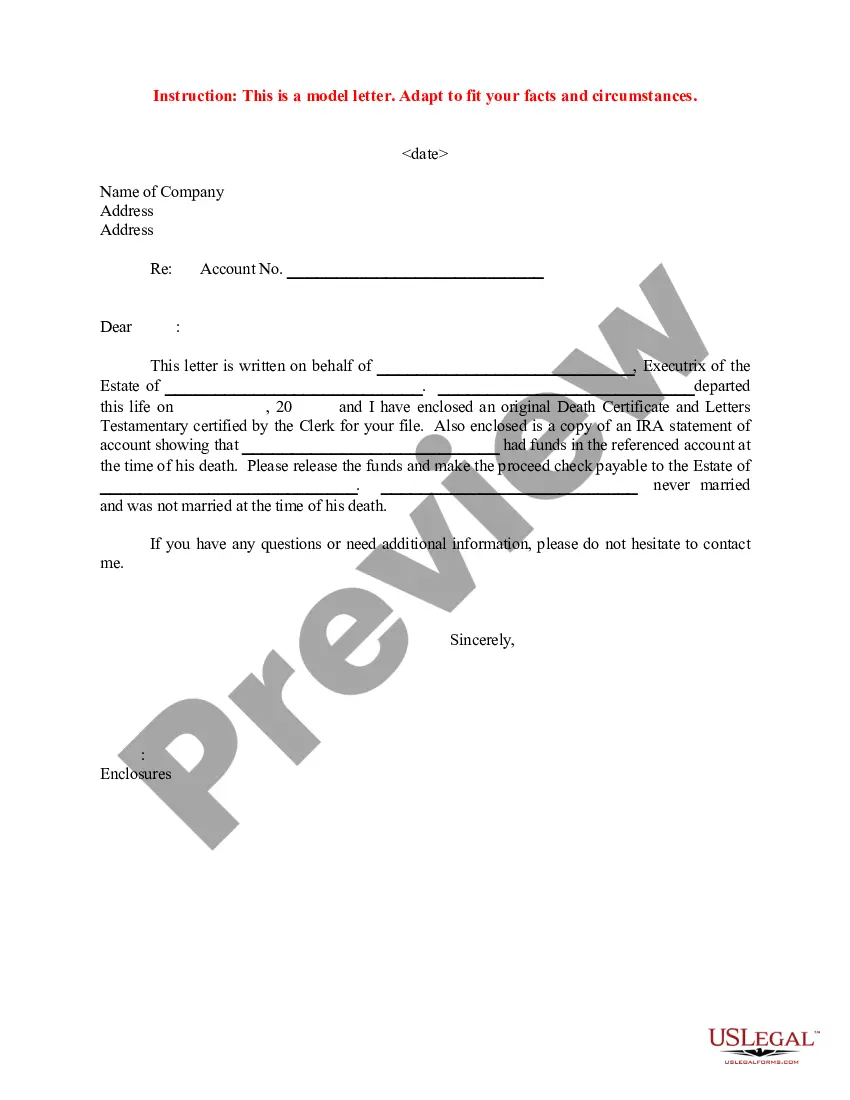
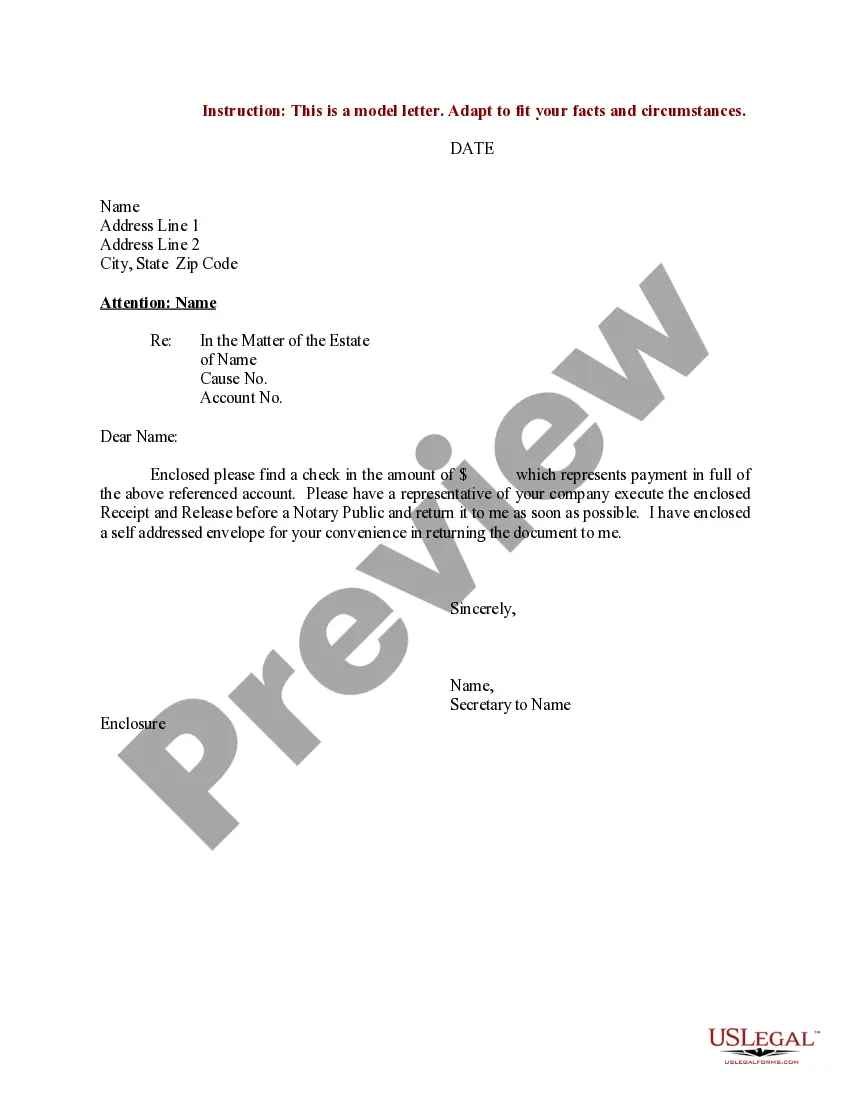
Get your form ready online
Our built-in tools help you complete, sign, share, and store your documents in one place.
Make edits, fill in missing information, and update formatting in US Legal Forms—just like you would in MS Word.
Download a copy, print it, send it by email, or mail it via USPS—whatever works best for your next step.
Sign and collect signatures with our SignNow integration. Send to multiple recipients, set reminders, and more. Go Premium to unlock E-Sign.
If this form requires notarization, complete it online through a secure video call—no need to meet a notary in person or wait for an appointment.
We protect your documents and personal data by following strict security and privacy standards.

Make edits, fill in missing information, and update formatting in US Legal Forms—just like you would in MS Word.

Download a copy, print it, send it by email, or mail it via USPS—whatever works best for your next step.

Sign and collect signatures with our SignNow integration. Send to multiple recipients, set reminders, and more. Go Premium to unlock E-Sign.

If this form requires notarization, complete it online through a secure video call—no need to meet a notary in person or wait for an appointment.

We protect your documents and personal data by following strict security and privacy standards.
Looking for another form?
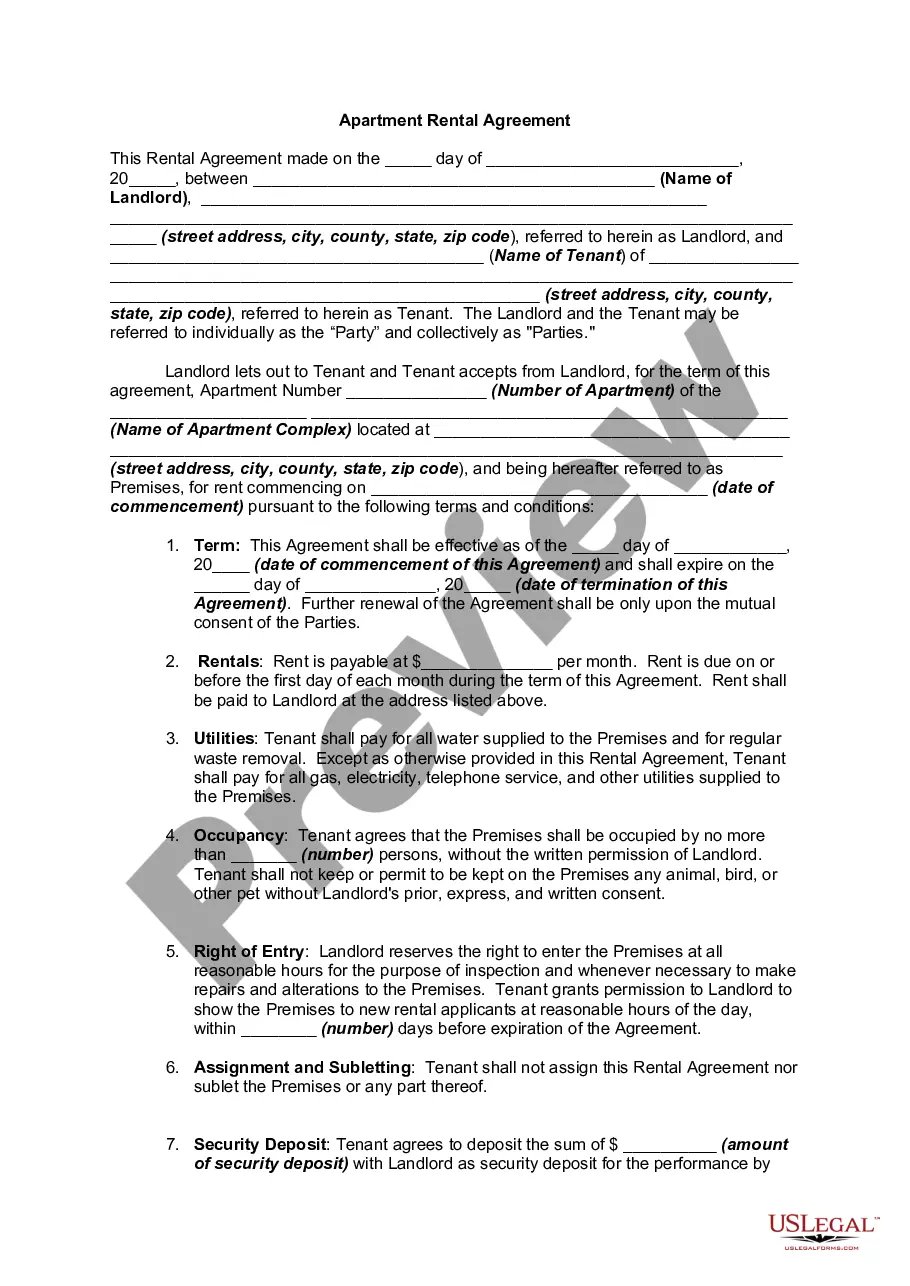
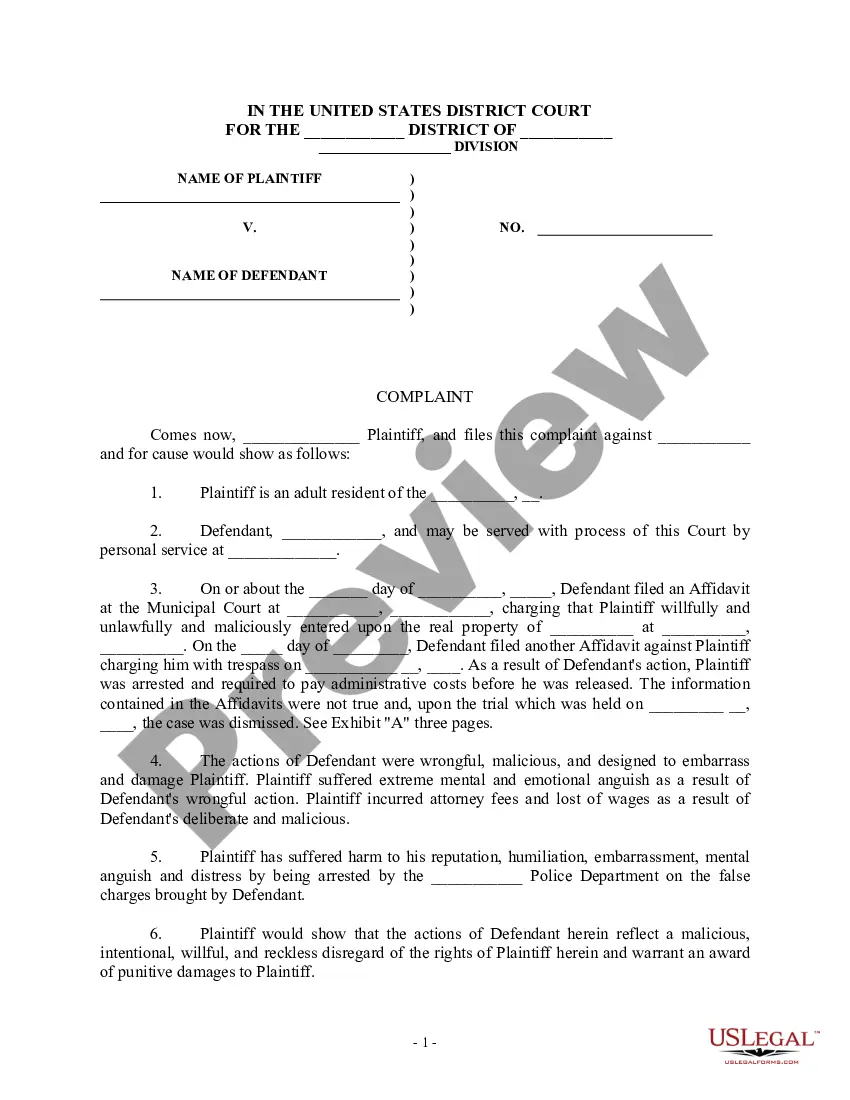

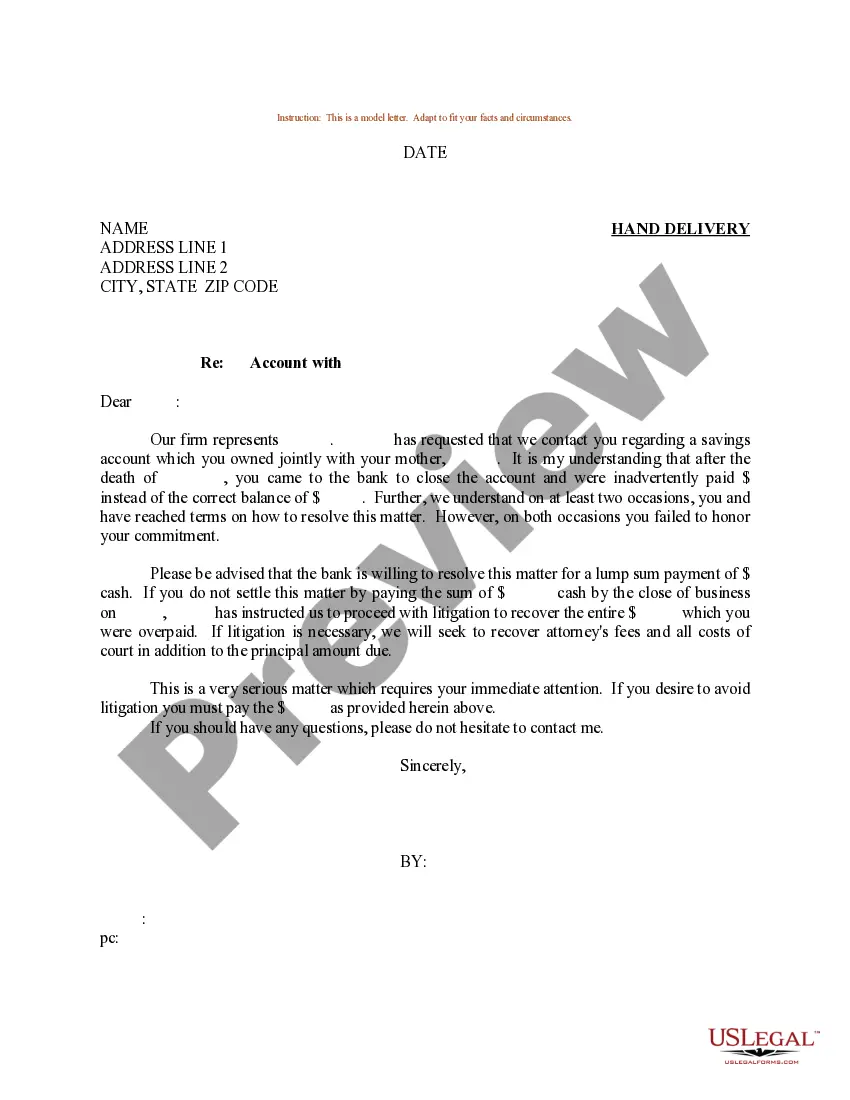
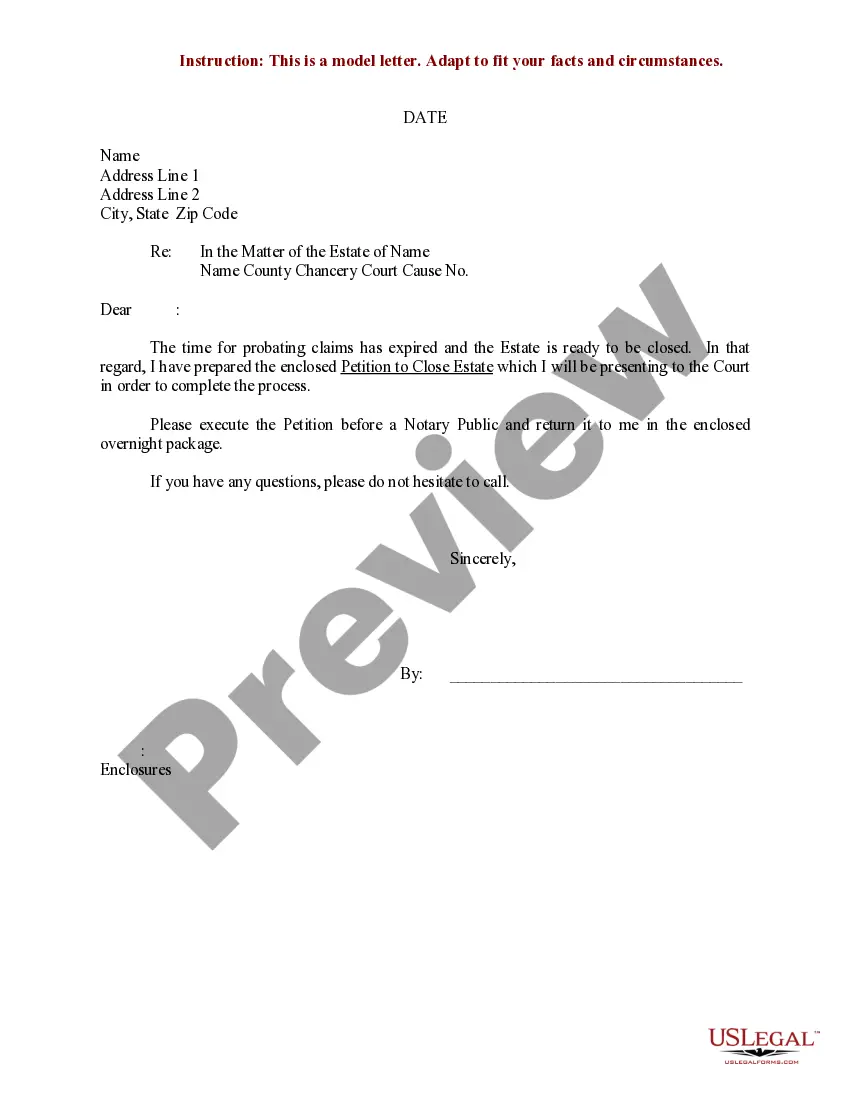
How to fill out Sample Letter For Request For Authorization To Release Funds?
The Vehicle Withdrawal Release Document presented on this page is a reusable legal framework created by experienced attorneys in compliance with federal and local laws and regulations.
For over 25 years, US Legal Forms has supplied individuals, companies, and lawyers with more than 85,000 validated, state-specific forms for any personal and business situation. It is the quickest, simplest, and most dependable method to acquire the documents you require, as the service ensures bank-level data security and anti-malware safeguards.
Register with US Legal Forms to access verified legal templates for all of life's circumstances at your fingertips.
- Explore the document you require and review it.
- Choose the pricing option that fits your needs and set up an account.
- Select the format you prefer for your Vehicle Withdrawal Release Document (PDF, Word, RTF) and download the sample to your device.
- Complete and sign the document.
- Re-download your documents whenever necessary.
Form popularity
FAQ
Ing to the rule, if you spend at least 183 days of a year in a state ? even if you have established your domicile in another state ? you are considered a resident of the state for tax purposes.
(1) "Resident " shall mean any person who maintains a twelve-month place or places of residence in Ohio, who is qualified as a resident to vote in Ohio and receive state public assistance, and who may be subjected to tax liability under section 5747.02 of the Revised Code, provided such person has not, within the time ...
At least 183 contact periods. (9) An individual who has at least 183 contact periods in Ohio during the taxable year and is not a part-year resident is presumed to be a full-year Ohio domiciliary.
Basically, to qualify as a non-resident, you have to: Be in Ohio for less than 212 days. You have a permanent home outside of the state. You don't receive in-state tuition at your university. You do not have an Ohio's driver's license.
You can be a resident of two states at the same time, usually by maintaining a domicile in one state and spending 183 days or more in another. It is not advisable, as you will be liable to file income taxes in both states, rather than in only one.
Maintain a permanent residence in Ohio for 12 consecutive months prior to petitioning for Ohio residency status. Demonstrate you are financially self-supported. You cannot receive direct or indirect financial support from persons or entities who are not residents of Ohio.
In general, unless you are applying for E-1 or C-3 residency or through one of the military exceptions, you must submit a completed Residence Petition and appropriate documents: tax forms, Ohio driver's license, voter registration, Ohio car registration, lease/mortgage, proof of employment, all listed in the Residency ...
Resident: You are an Ohio resident for income tax purposes if you are domiciled in Ohio. Thus, under Ohio law, the terms ?domiciled? and ?resident? mean the same thing. Generally, any individual with an abode in Ohio is presumed to be a resident. The abode can be either owned or rented.