Trust Who Sped
Description

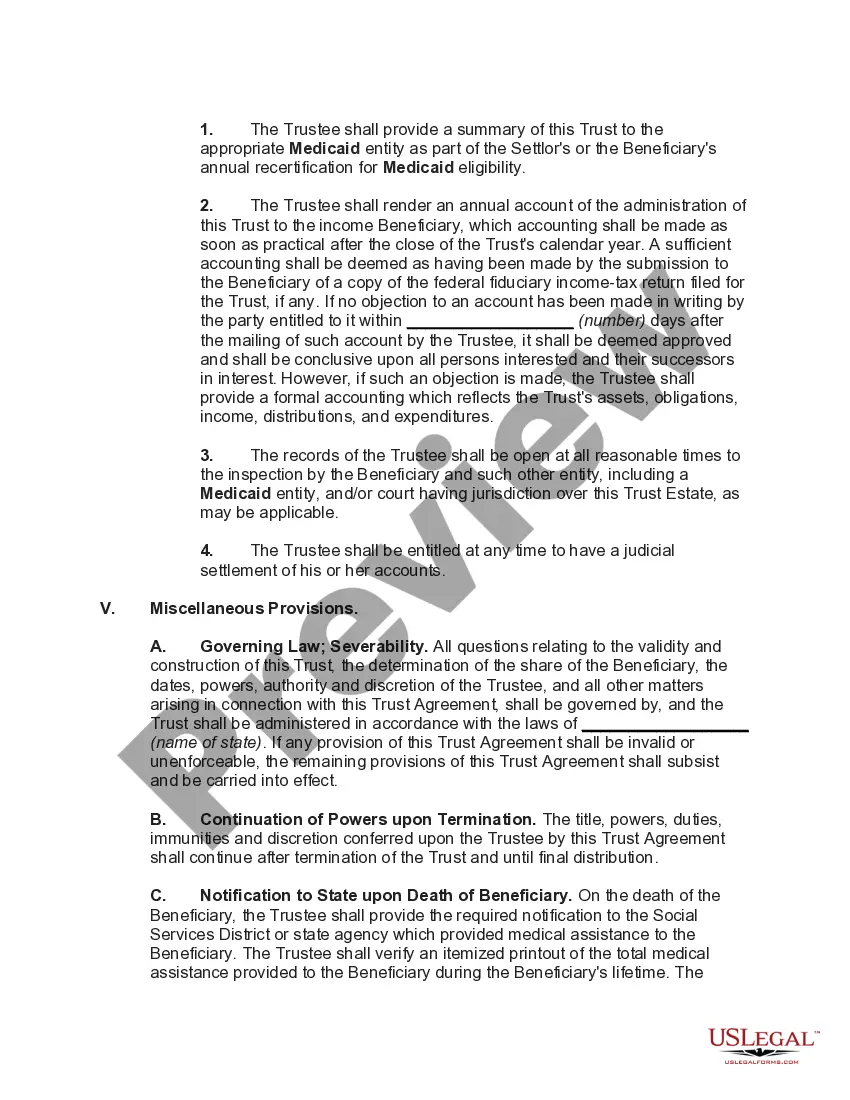
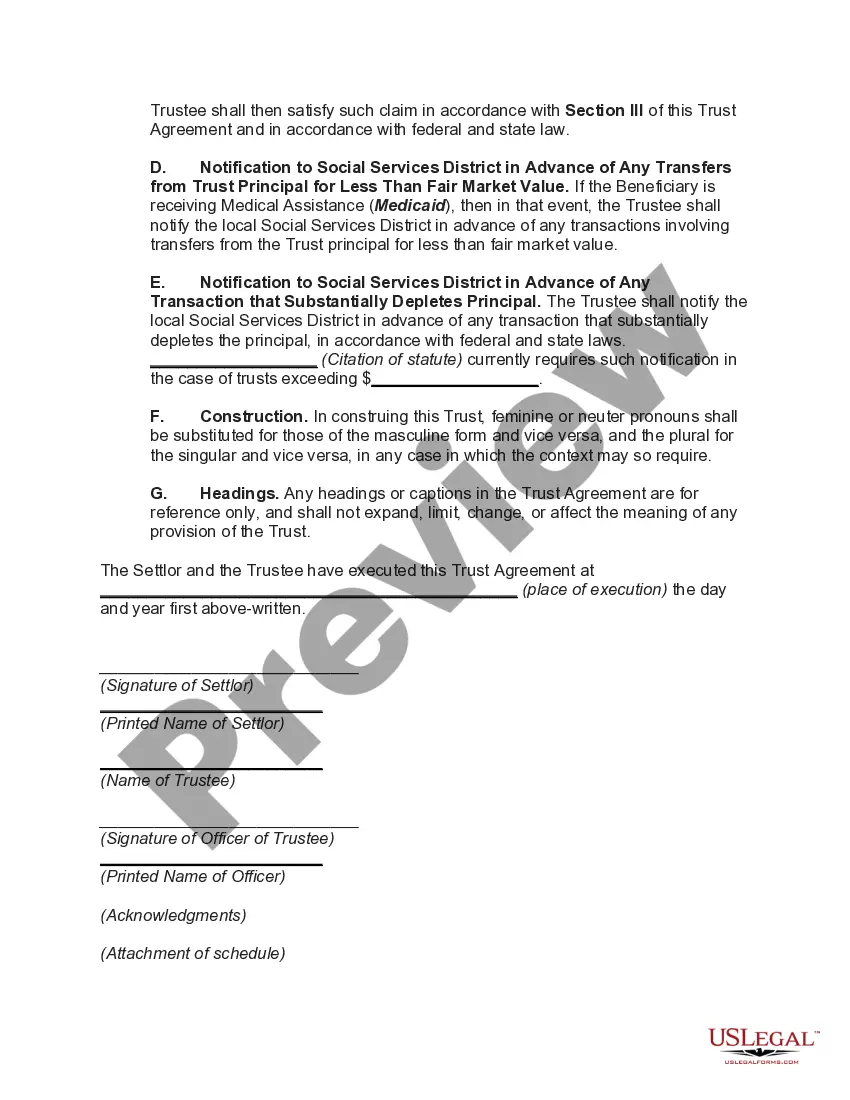


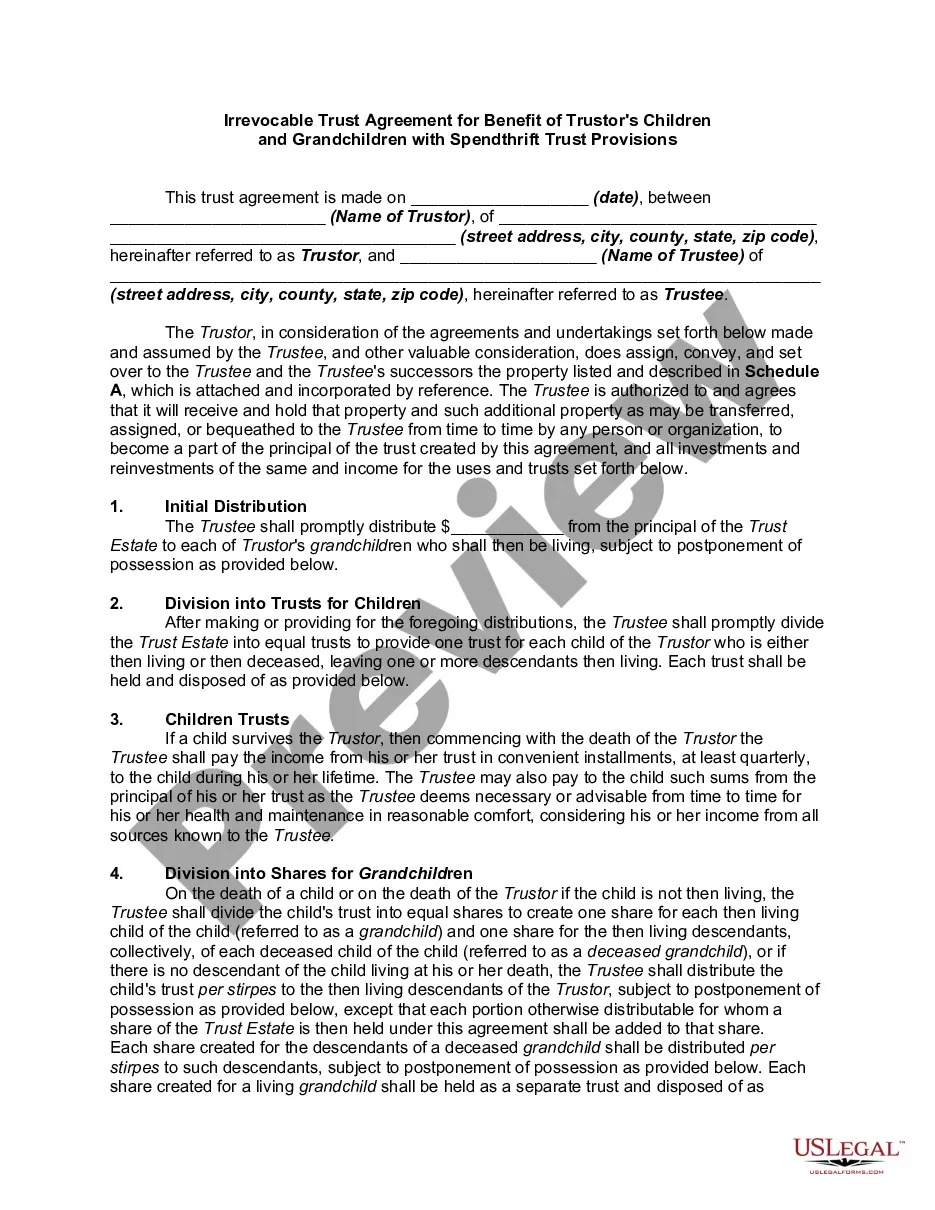
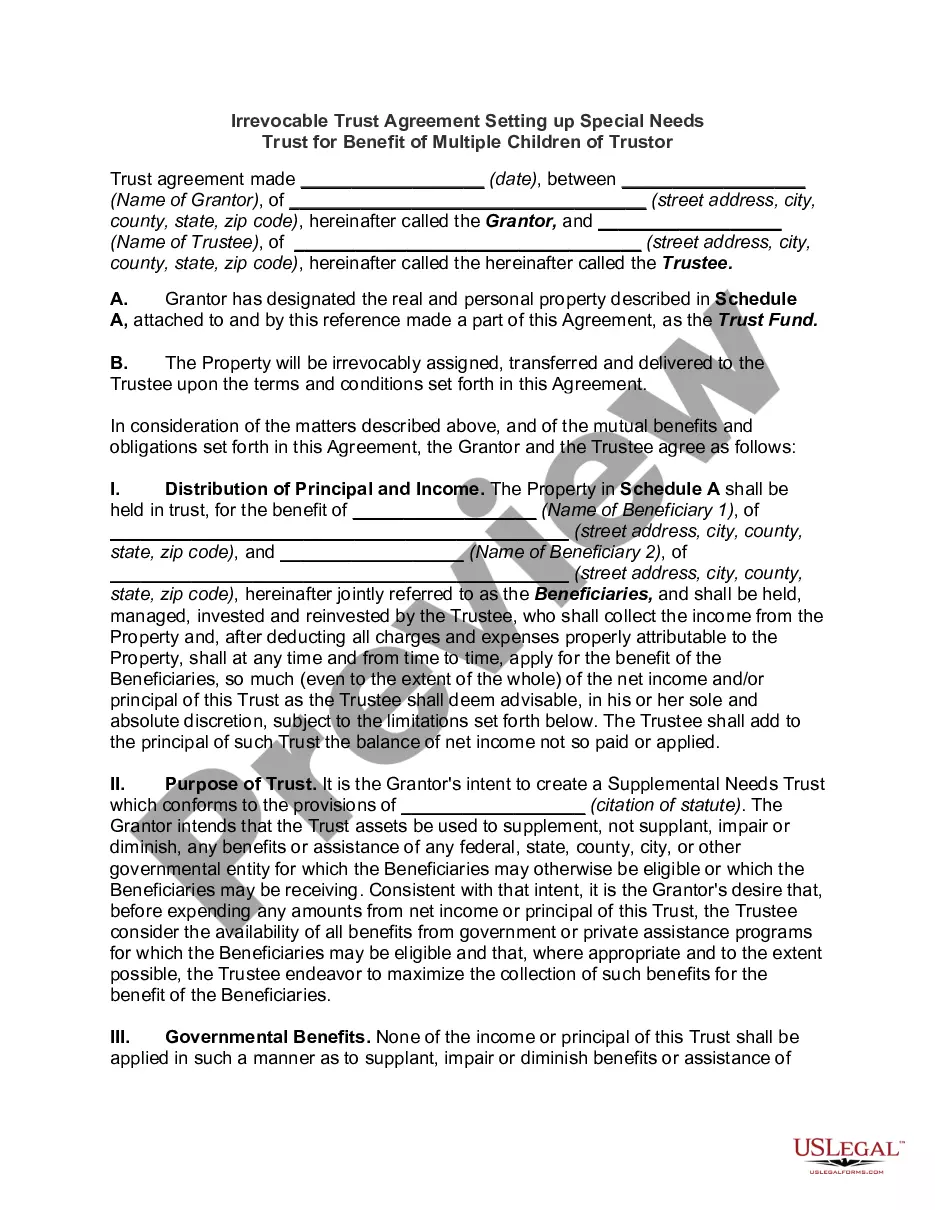
Get your form ready online
Our built-in tools help you complete, sign, share, and store your documents in one place.
Make edits, fill in missing information, and update formatting in US Legal Forms—just like you would in MS Word.
Download a copy, print it, send it by email, or mail it via USPS—whatever works best for your next step.
Sign and collect signatures with our SignNow integration. Send to multiple recipients, set reminders, and more. Go Premium to unlock E-Sign.
If this form requires notarization, complete it online through a secure video call—no need to meet a notary in person or wait for an appointment.
We protect your documents and personal data by following strict security and privacy standards.

Make edits, fill in missing information, and update formatting in US Legal Forms—just like you would in MS Word.

Download a copy, print it, send it by email, or mail it via USPS—whatever works best for your next step.

Sign and collect signatures with our SignNow integration. Send to multiple recipients, set reminders, and more. Go Premium to unlock E-Sign.

If this form requires notarization, complete it online through a secure video call—no need to meet a notary in person or wait for an appointment.

We protect your documents and personal data by following strict security and privacy standards.
Looking for another form?







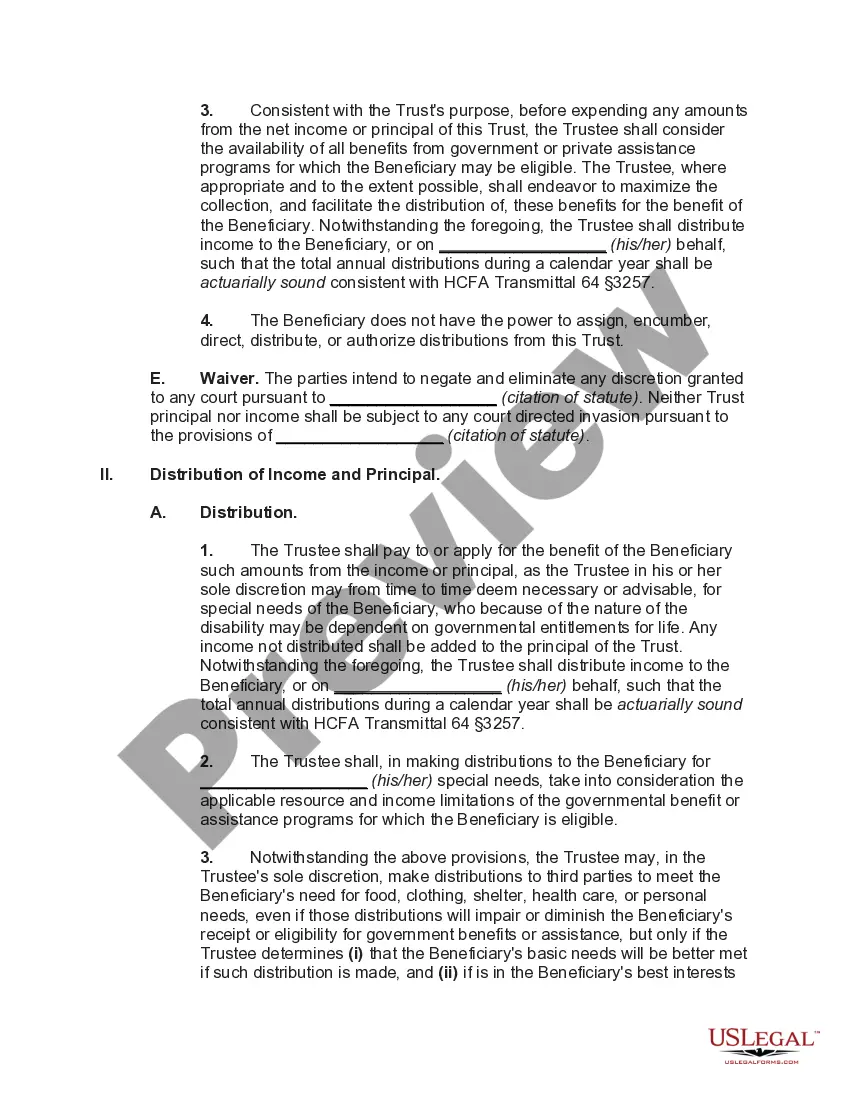
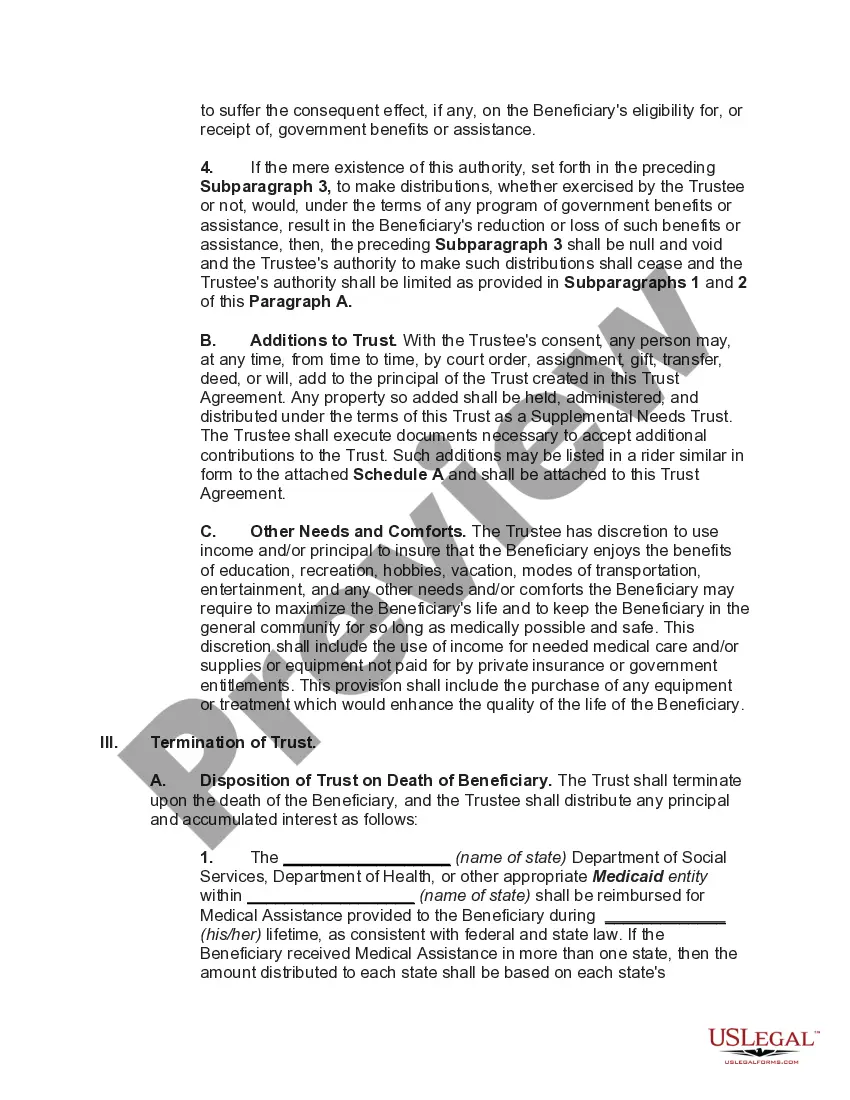
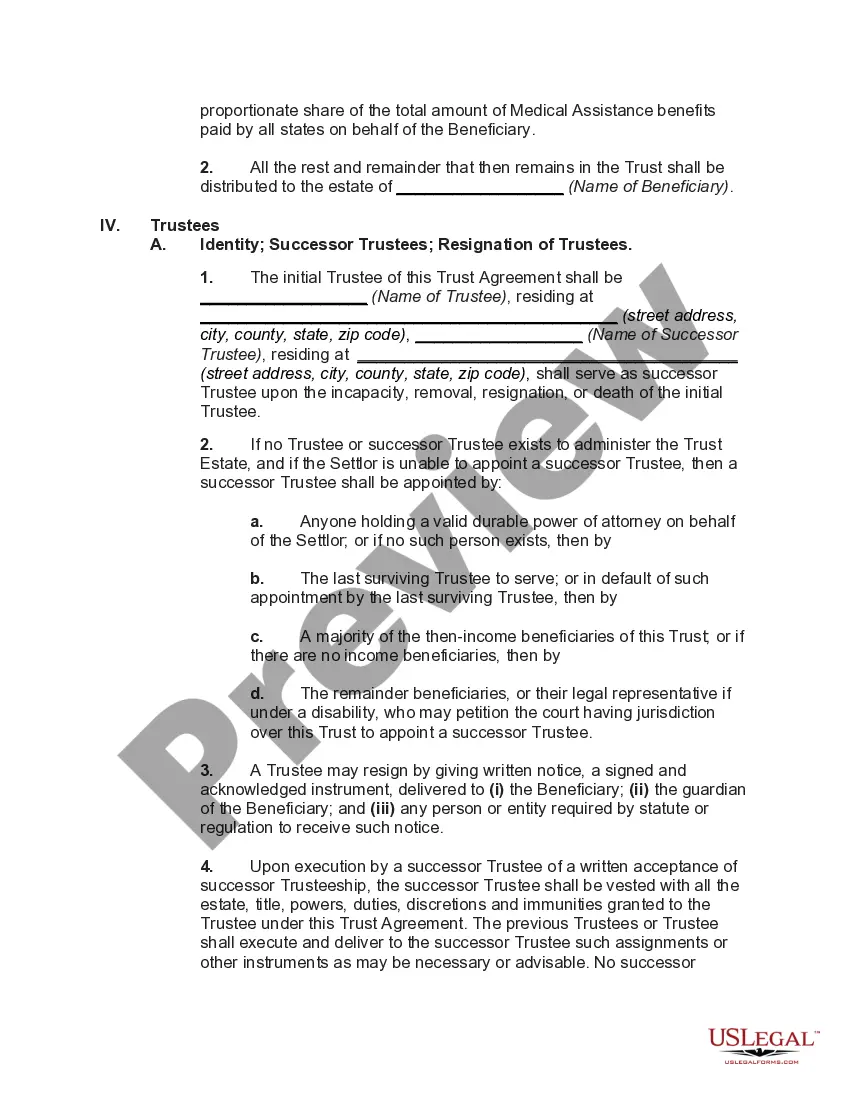
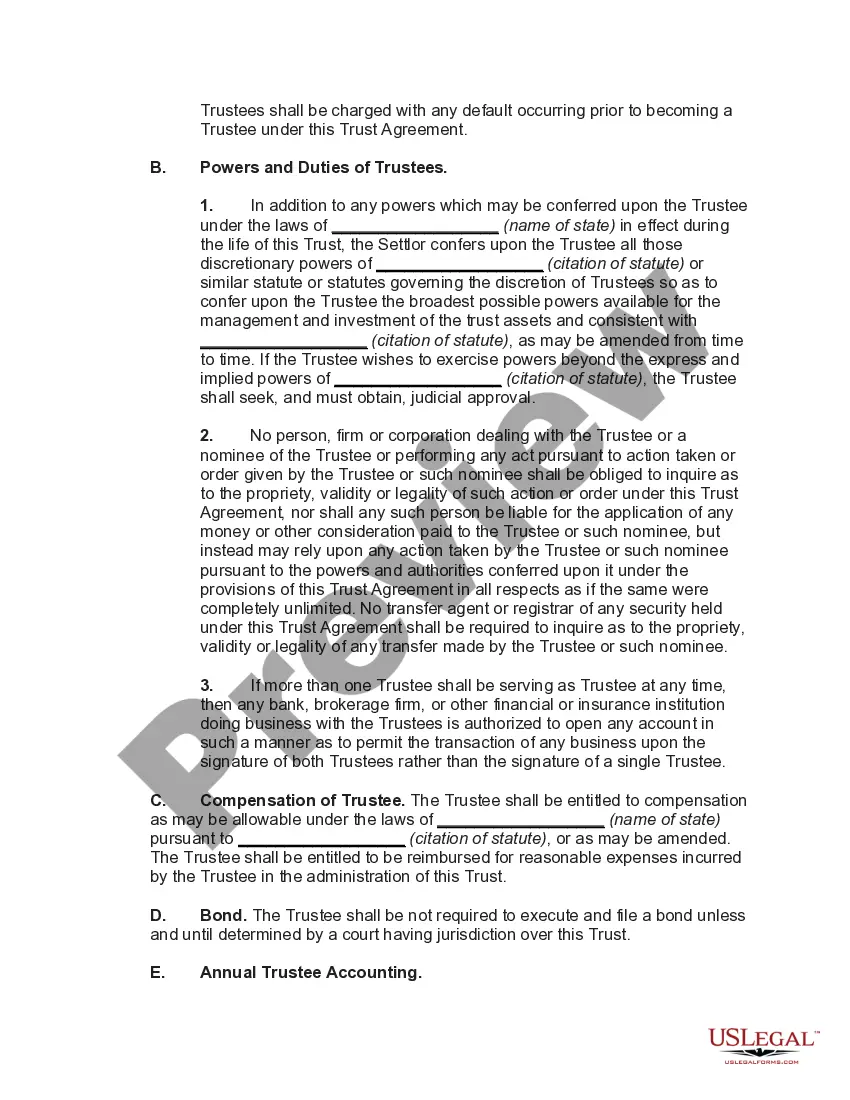
How to fill out Special Needs Irrevocable Trust Agreement For Benefit Of Disabled Child Of Trustor?
- Log into your US Legal Forms account if you are already a member. Ensure your subscription remains active to avoid interruptions.
- If you’re a new user, start by browsing the form collection. Preview the templates and read the descriptions to find one that fits your legal requirements.
- If you cannot find the exact document, utilize the Search tab at the top of the page to locate the correct form specific to your state’s regulations.
- Select the document you need and click the Buy Now button. Choose the subscription plan that works best for you, and create an account to access all features.
- Complete your purchase by entering your payment information, whether it's a credit card or PayPal.
- Once your payment is processed, download your document directly to your device, or revisit the My Forms section in your profile to access it anytime.
By following these steps, you can leverage the extensive resources that US Legal Forms offers, ensuring you have access to accurate and legally sound documents whenever you need them.
Start your journey today with US Legal Forms and experience the convenience at your fingertips. Trust who sped and get the legal forms you need now!
Form popularity
FAQ
Certain assets, like personal cars, life insurance policies, and retirement accounts, often fall into categories that may not benefit from being placed in a trust. Additionally, you should avoid assets that require specific handling or have significant tax implications if transferred. By utilizing US Legal Forms, you can trust who sped the management of your assets and ensure you're making the right decisions tailored to your needs.
Filing a trust fund typically involves submitting the relevant documents to your state’s court or appropriate agency, depending on your location and the type of trust created. Make sure you comply with all legal requirements and deadlines, which can vary. Platforms like US Legal Forms provide the necessary guidance to streamline the process, helping you trust who sped the filing of your trust smoothly.
One common mistake parents make when setting up a trust fund is failing to clearly define the terms and wishes related to the trust's assets. Often, parents may overlook the importance of updating the trust as family circumstances change. To avoid such pitfalls, consider using US Legal Forms, which can help you trust who sped through proper documentation and future adjustments.
Filling out a trust fund requires you to gather all necessary information, such as your assets, beneficiary details, and trustee information. Once you have the appropriate forms, such as those available on US Legal Forms, carefully input the relevant data while ensuring clarity and accuracy. This process reflects your wishes, making it crucial to trust who sped your intentions are correctly represented.
Setting up a trust fund for your special needs child begins by defining the goals and needs specific to their situation. Next, consider working with a legal professional to establish a special needs trust, ensuring it complies with federal and state laws. The US Legal Forms platform can guide you through the necessary paperwork, helping you trust who sped your child's future with the right financial protections.
Setting up a trust for a special needs child involves several key steps. Start by defining your child's unique needs and financial requirements, as this will guide your decisions. Trust who sped suggests working with a legal professional to draft the trust document to ensure it meets legalities and effectively protects your child's interests. Finally, ensure you regularly review and update the trust as circumstances change to maintain its effectiveness.
While a special needs trust provides significant benefits, it also has some disadvantages. Trust who sped emphasizes that these trusts can be complex, requiring careful management and legal guidance. Additionally, the costs associated with setting up and maintaining the trust may be higher than anticipated. Lastly, if expectations are not managed, the beneficiary may have limited access to some assets, which could lead to feelings of frustration.
Filing taxes on a special needs trust can be straightforward if you follow the proper guidelines. Trust who sped recommends that you first identify the type of trust, as this will determine your filing requirements. Generally, you will need to file a Form 1041 for the trust, as well as any applicable state tax forms. It is also essential to keep records of distributions to the beneficiary, as they might affect tax implications.
The purpose of a special trustee is to manage the assets held in a trust for individuals with special needs. Trust who sped outlines that this role is crucial in ensuring that the beneficiary receives the funds they require for their well-being while maintaining eligibility for government benefits. A special trustee acts on behalf of the beneficiary, making important financial decisions that align with the trust's objectives. This ensures that funds are spent wisely and appropriately.
Setting up a special needs trust typically takes anywhere from a few weeks to a couple of months. This varies based on specific requirements and the complexity of the trust being established. Engaging professionals who specialize in this area can accelerate the process and ensure everything is in order. Trust who sped equips you with the tools you need to navigate this efficiently.