Special Trust Fund For The Disabled
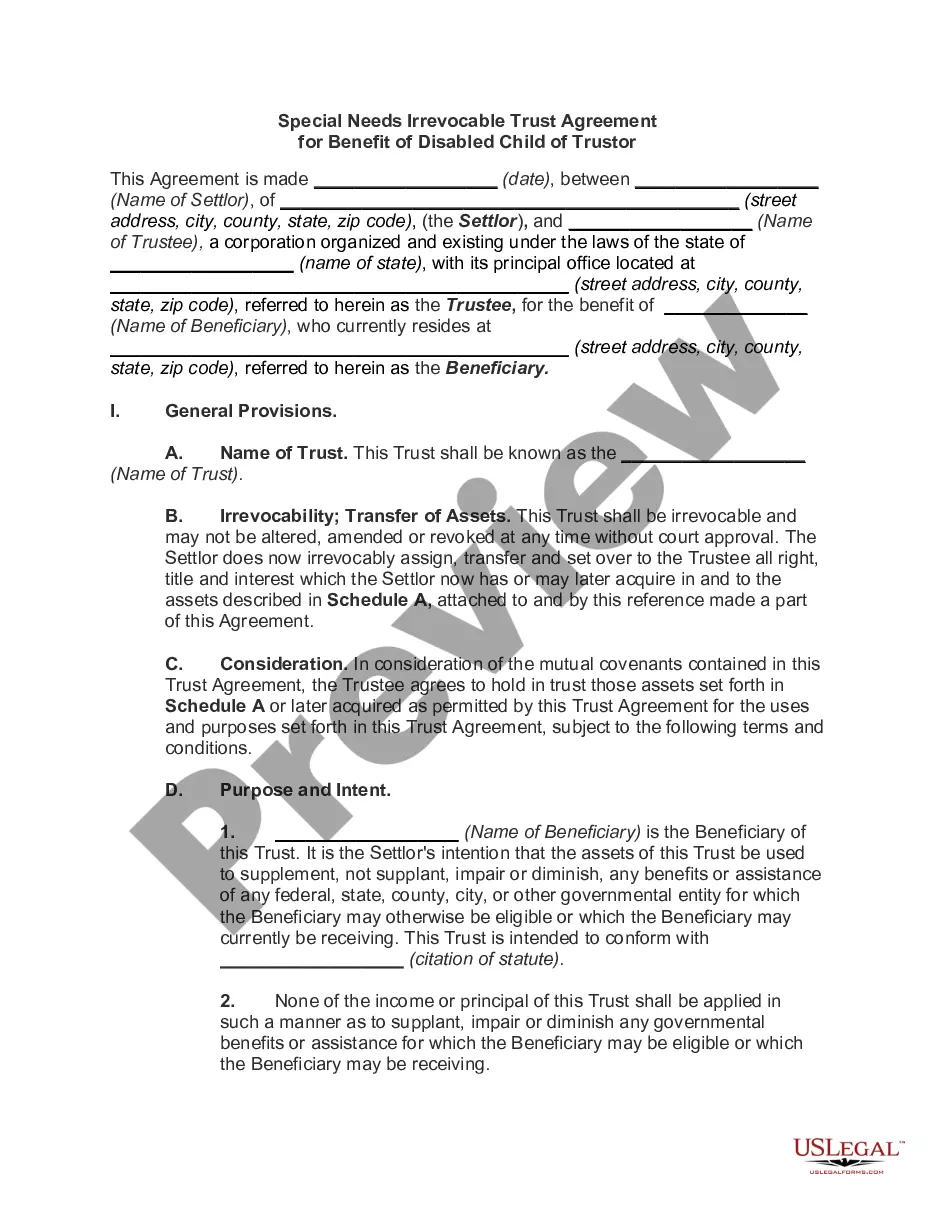
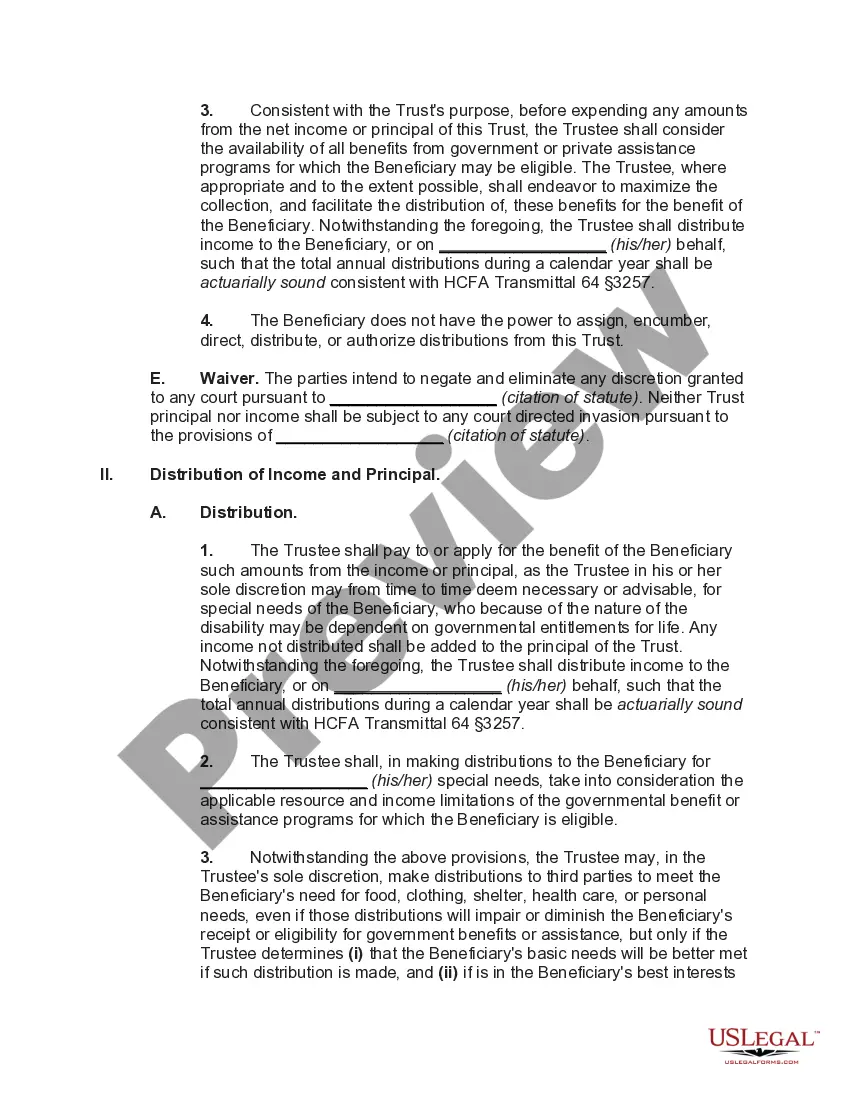
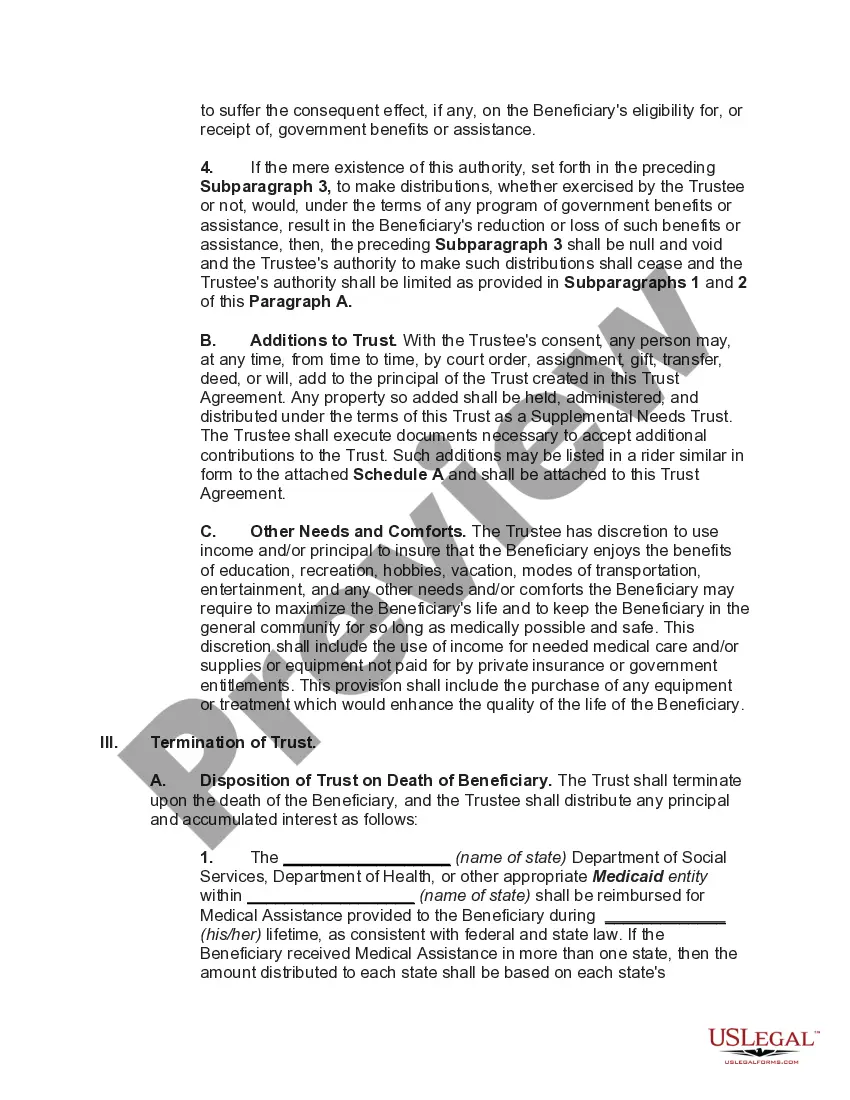
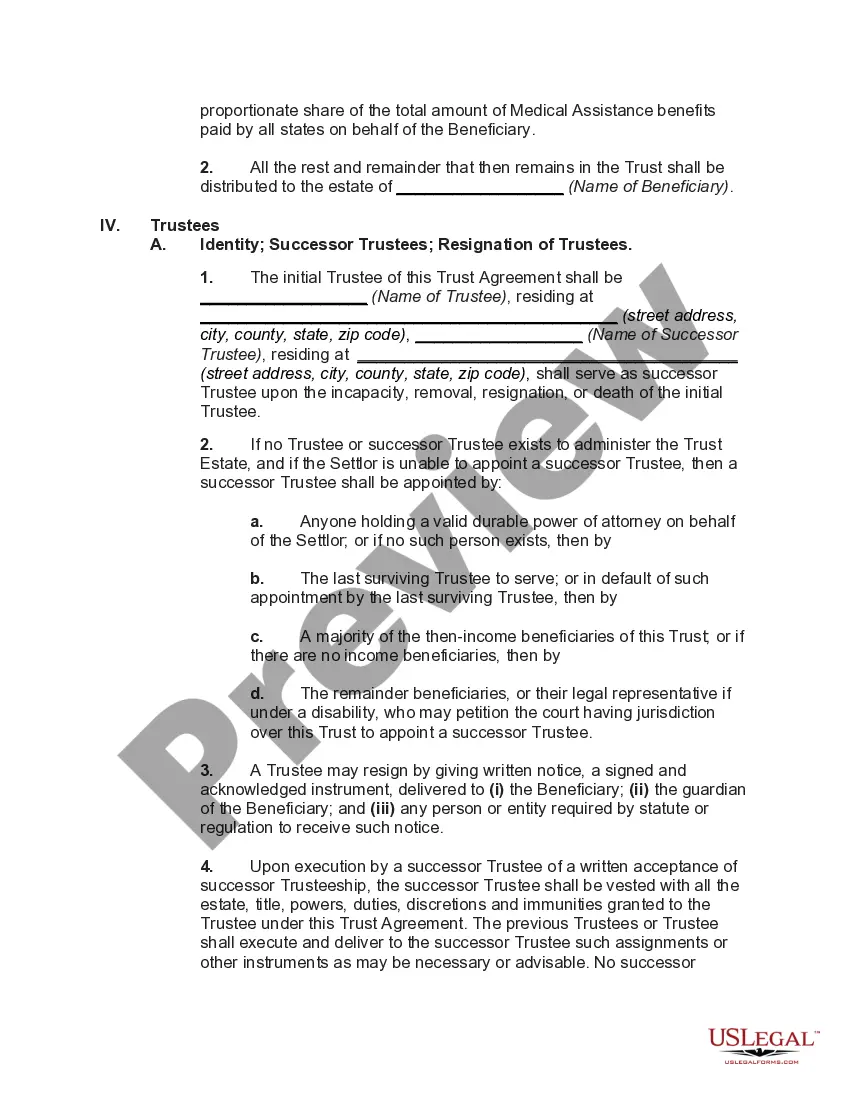
Description
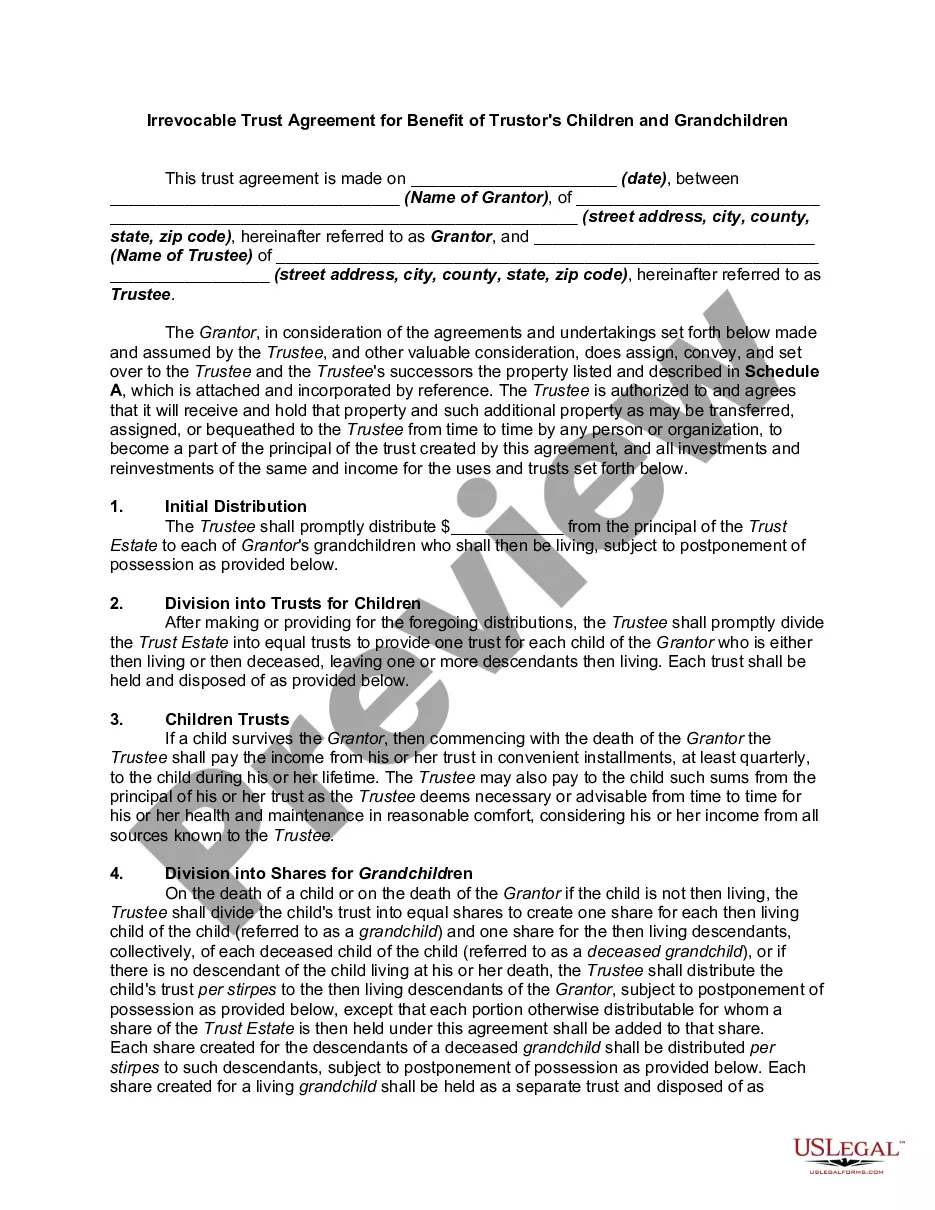
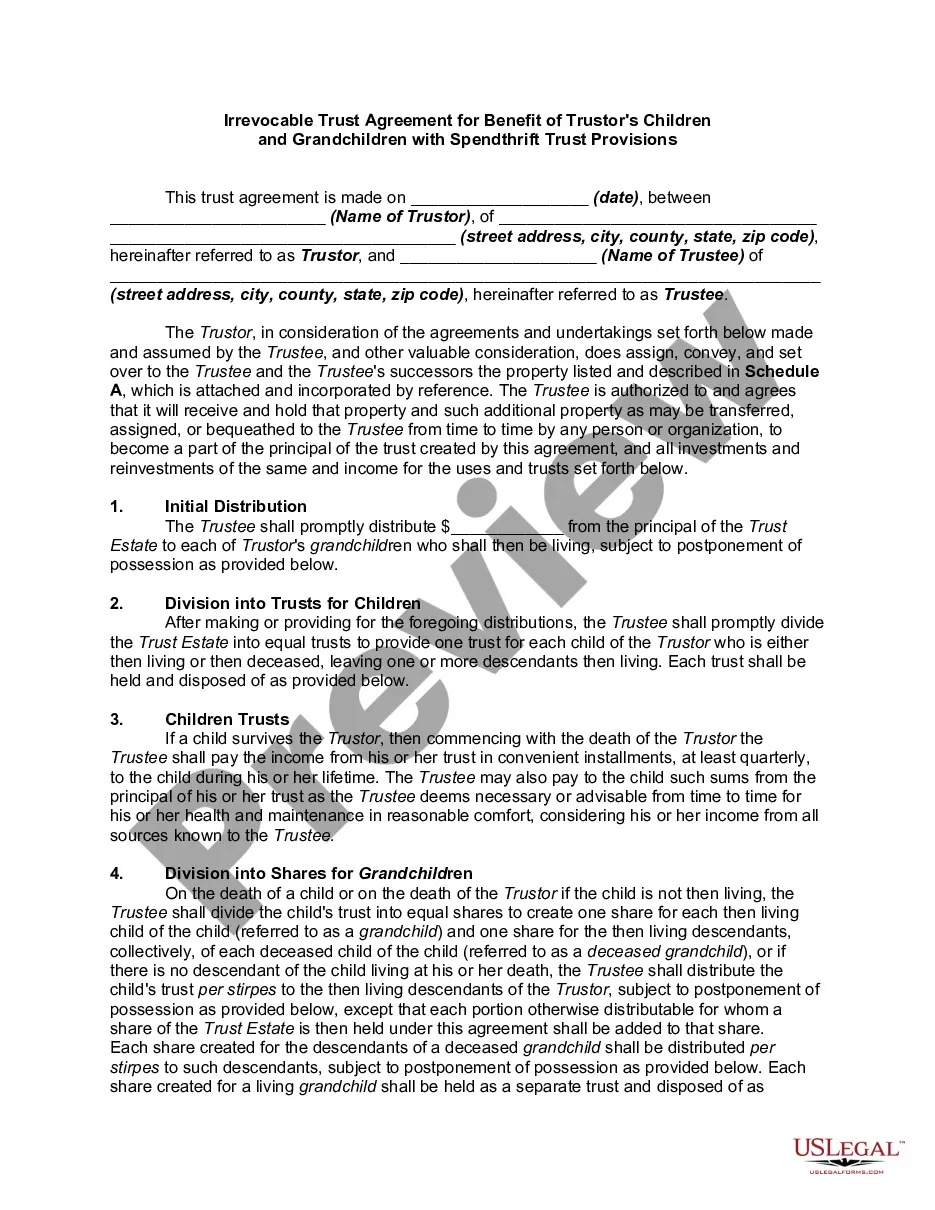
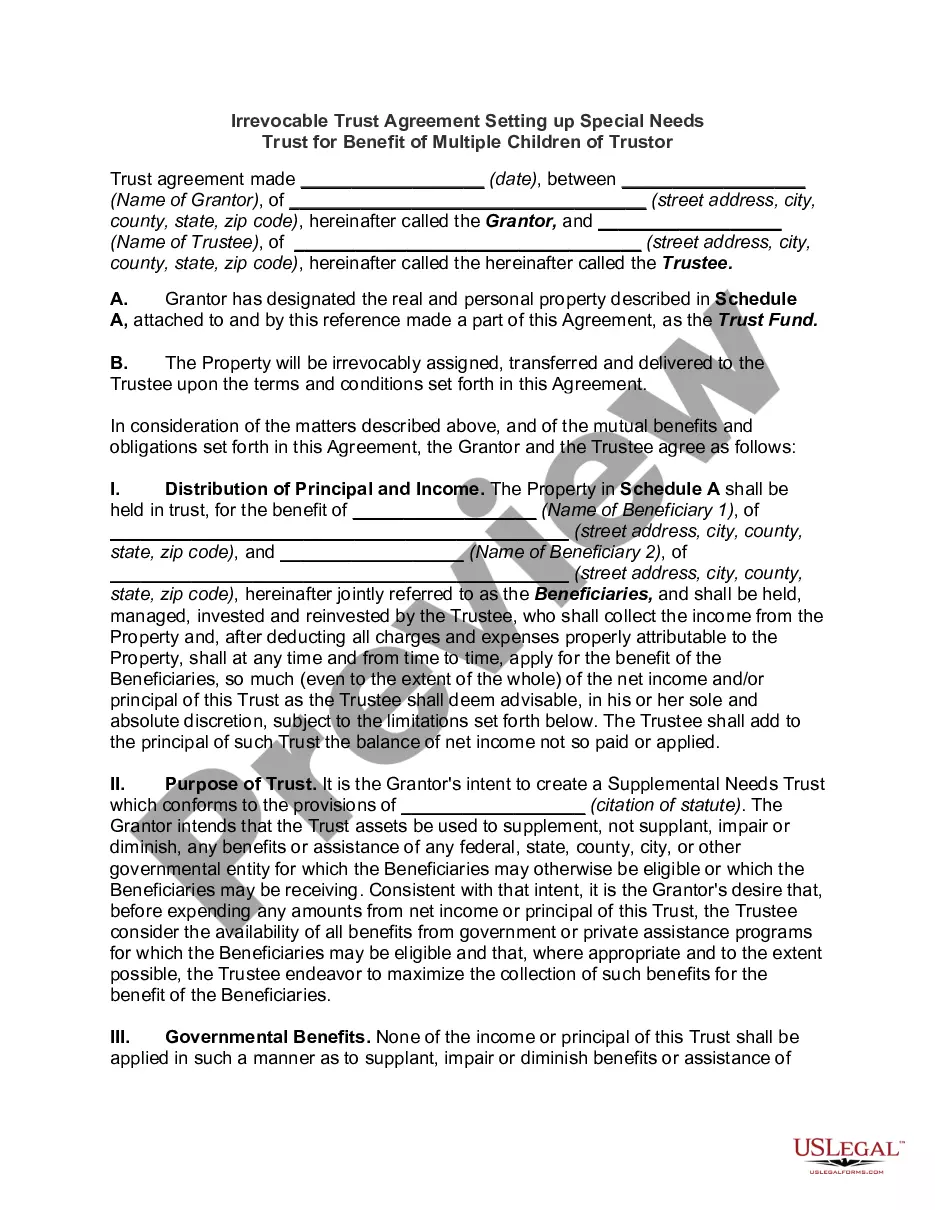
Get your form ready online
Our built-in tools help you complete, sign, share, and store your documents in one place.
Make edits, fill in missing information, and update formatting in US Legal Forms—just like you would in MS Word.
Download a copy, print it, send it by email, or mail it via USPS—whatever works best for your next step.
Sign and collect signatures with our SignNow integration. Send to multiple recipients, set reminders, and more. Go Premium to unlock E-Sign.
If this form requires notarization, complete it online through a secure video call—no need to meet a notary in person or wait for an appointment.
We protect your documents and personal data by following strict security and privacy standards.

Make edits, fill in missing information, and update formatting in US Legal Forms—just like you would in MS Word.

Download a copy, print it, send it by email, or mail it via USPS—whatever works best for your next step.

Sign and collect signatures with our SignNow integration. Send to multiple recipients, set reminders, and more. Go Premium to unlock E-Sign.

If this form requires notarization, complete it online through a secure video call—no need to meet a notary in person or wait for an appointment.

We protect your documents and personal data by following strict security and privacy standards.
Looking for another form?






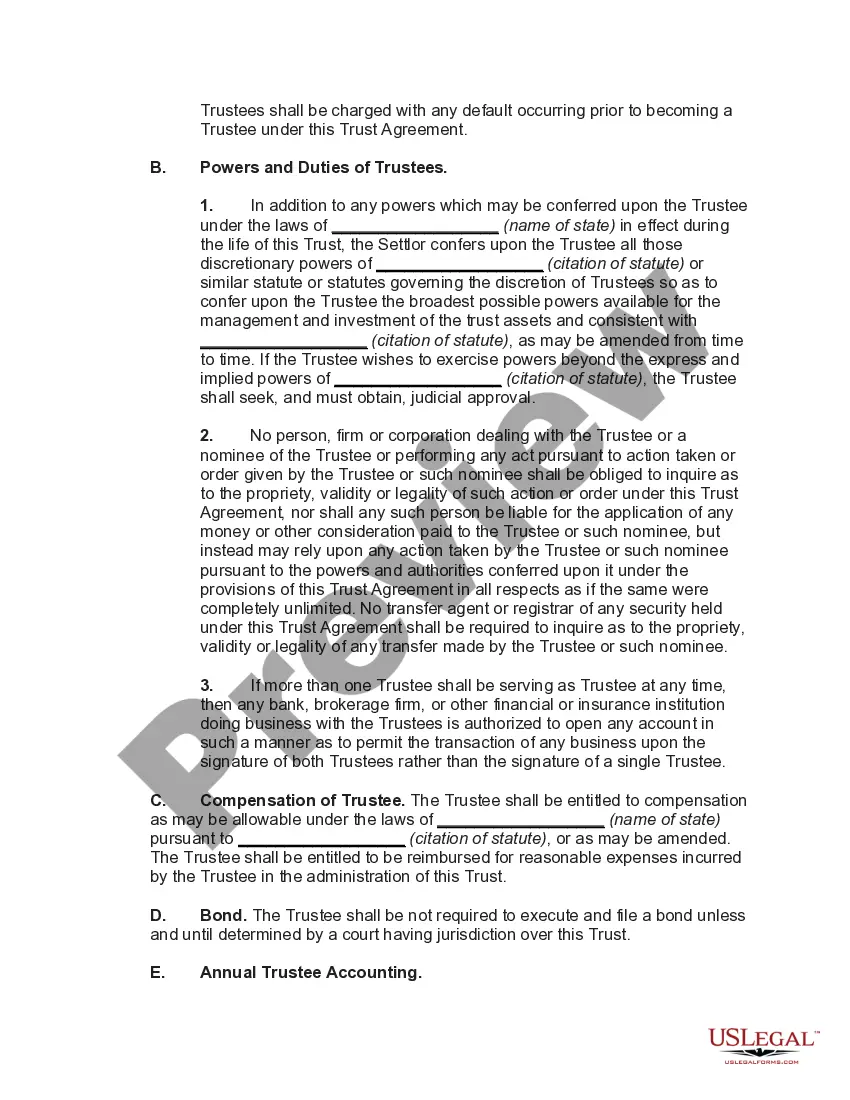
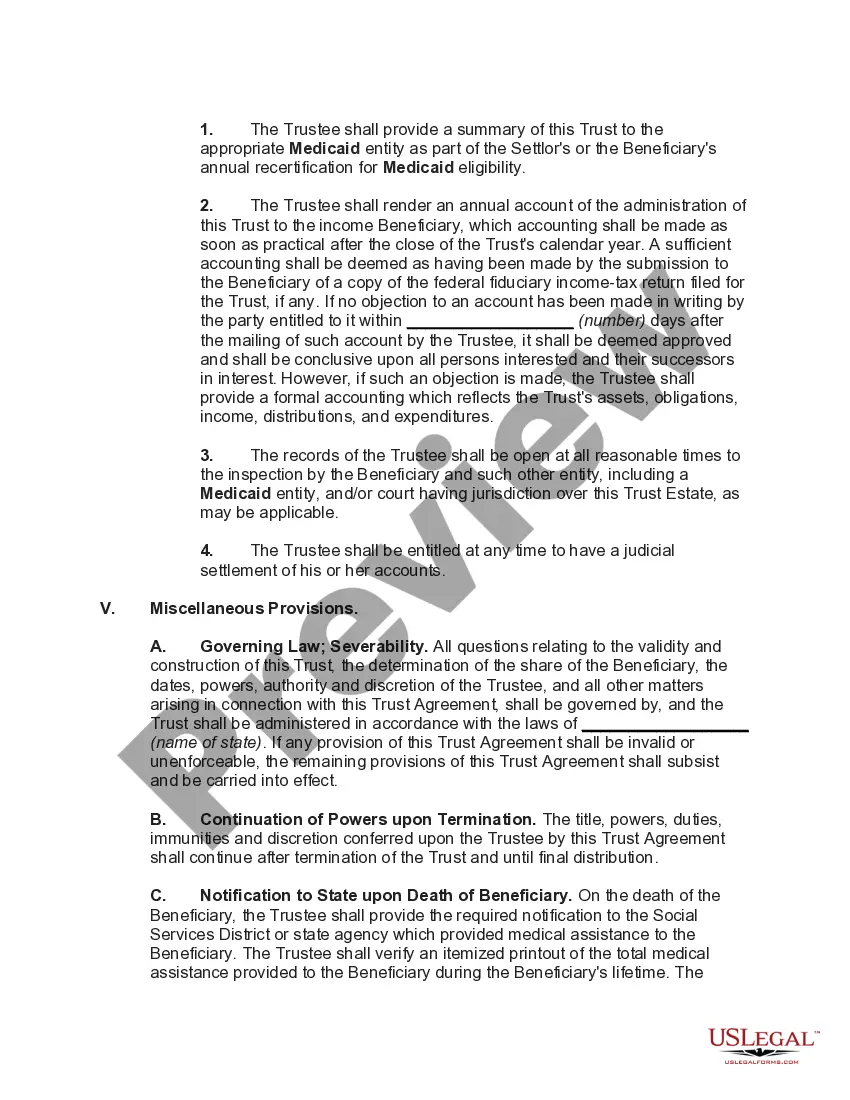
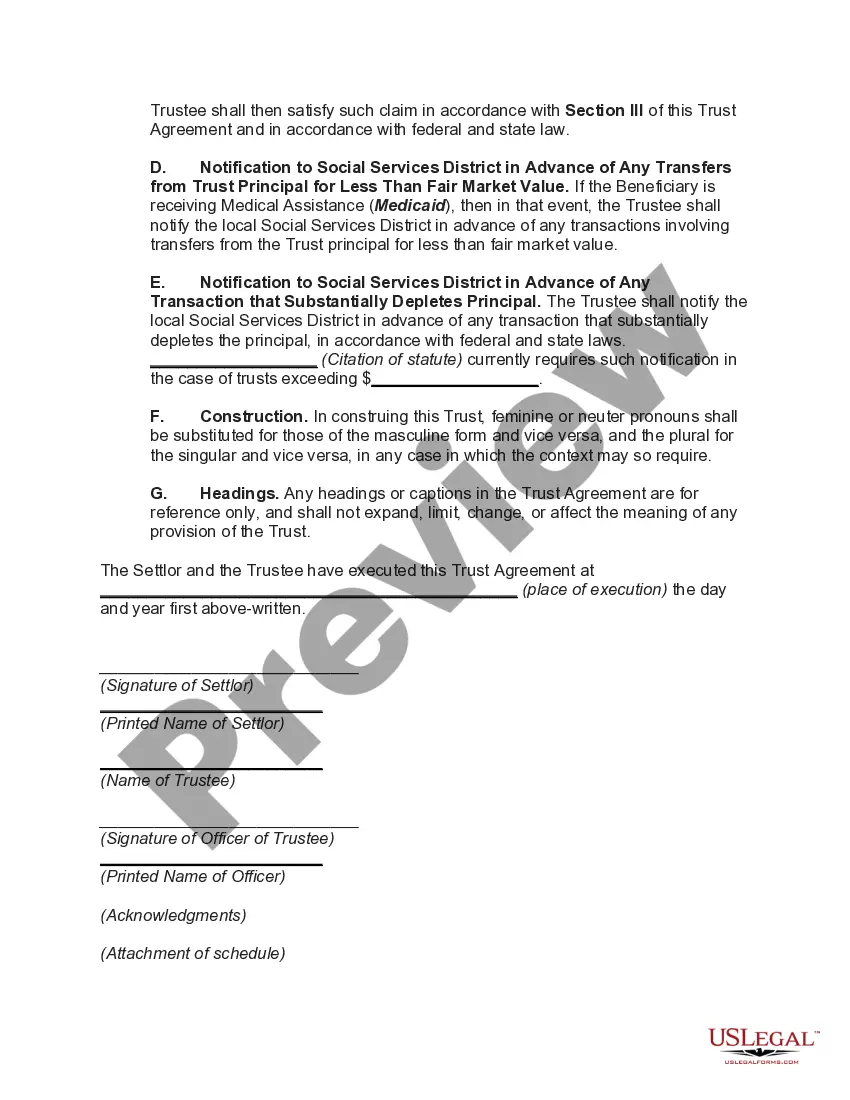
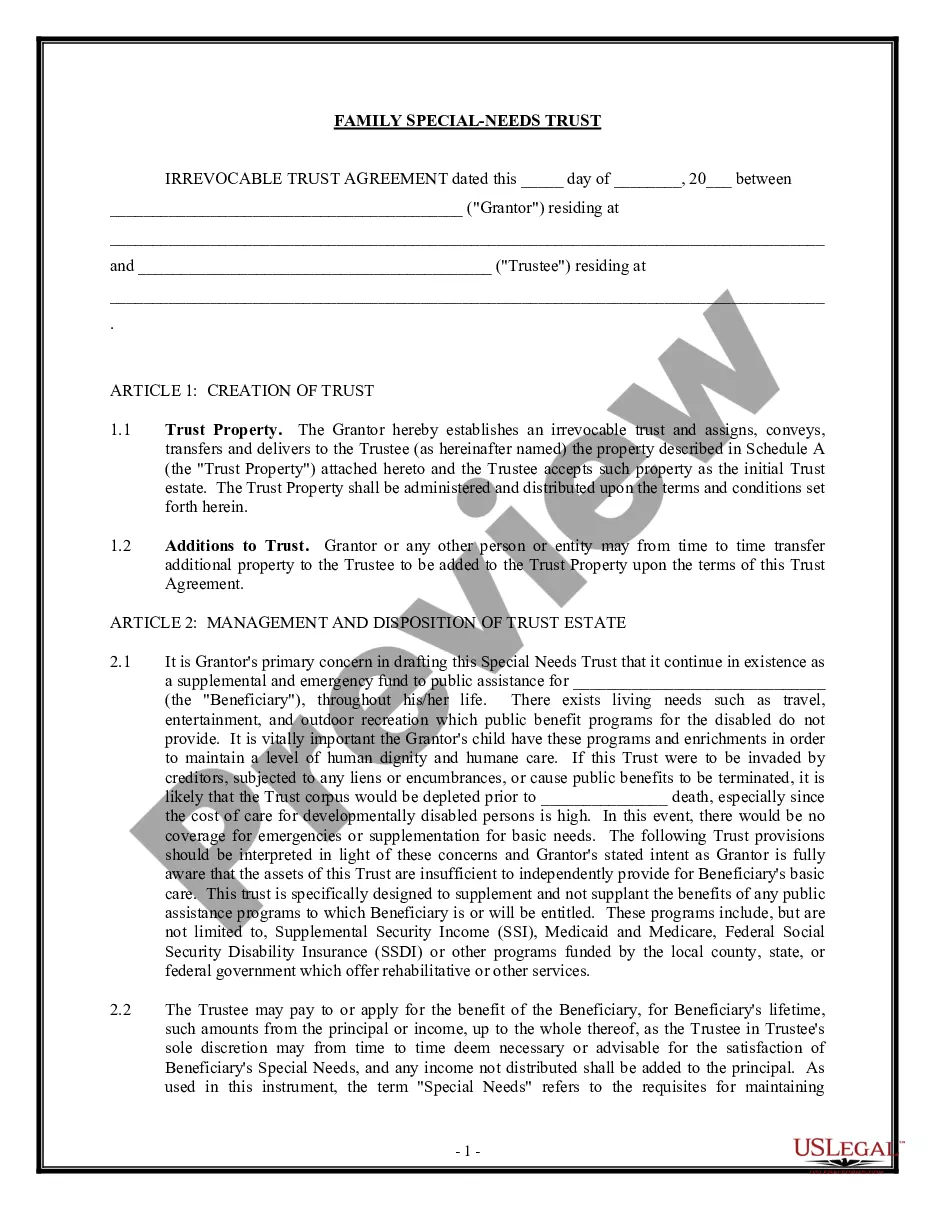
How to fill out Special Needs Irrevocable Trust Agreement For Benefit Of Disabled Child Of Trustor?
- Log in to your existing US Legal Forms account and verify your subscription status. Ensure to renew it if necessary.
- Browse through the vast library of legal forms available. Use the Preview mode to ensure you select the appropriate template for your needs.
- If the needed template is not found, use the Search tab to find the correct document that aligns with local jurisdiction requirements.
- Once you've found the right document, click the Buy Now button and select your preferred subscription plan to access the forms.
- Complete your purchase by providing your payment details via credit card or PayPal account.
- Finally, download the completed form and save it to your device. You can access it anytime in the My Forms section of your profile.
Utilizing US Legal Forms is advantageous due to its extensive collection of over 85,000 fillable legal documents, ensuring you find what you need without hassle. Additionally, you can consult premium experts for assistance with form completion, guaranteeing accuracy and compliance with legal standards.
In conclusion, setting up a special trust fund for the disabled doesn't have to be complicated. With US Legal Forms, you can efficiently create and manage your legal documents. Start today and secure your financial future!
Form popularity
FAQ
The maximum contribution to a trust fund can differ based on the type of trust and the specific terms outlined in the trust document. For a special trust fund for the disabled, it's crucial to adhere to regulations to maintain benefits for the beneficiary. Engaging with professionals, such as those found on the USLegalForms platform, can provide the necessary insights into creating a trust that meets legal requirements and works for your goals.
The maximum amount you can place in a special trust fund for the disabled varies depending on individual circumstances and state regulations. Generally, there is no set limit, but it's important to consult a financial advisor or an attorney to ensure compliance with federal guidelines. This ensures that the funds remain dedicated to the beneficiary's needs without affecting their eligibility for government benefits.
The maximum amount for a special trust fund for the disabled can vary based on specific state laws and federal regulations. Generally, the trust must be funded in a way that does not exceed the asset limits imposed by programs like SSI and Medicaid. Since these rules can be complex, working with a knowledgeable attorney can help you determine the right funding strategies. Additionally, the legal experts at UsLegalForms can provide the necessary resources and guidance to set up your special disability trust correctly.
Individuals who qualify for a special trust fund for the disabled typically have a disability that impairs their ability to earn income. To set up such a trust, beneficiaries often include those receiving government benefits such as Medicaid or Supplemental Security Income (SSI). These trusts are designed to supplement their income without compromising their eligibility for essential services. It's important to consult with a legal expert who specializes in special needs planning to ensure proper compliance and setup.
While a special trust fund for the disabled offers significant advantages, it also has a few downsides. One major limitation is the complex setup process, which often requires legal assistance to navigate. Additionally, the funds in the trust can only be used for specific purposes outlined by law, potentially limiting flexibility. However, with proper planning and professional support, these disadvantages can often be managed effectively.
A special needs trust is often considered the best option for a disabled person due to its ability to provide financial support without jeopardizing government benefits. This type of trust allows for the payment of supplemental needs, enhancing the quality of life for the individual. Additionally, it ensures that funds are managed responsibly. Consider seeking assistance from experts on the uslegalforms platform for guidance on trust selection.
There are several types of trusts available for disabled individuals, including special needs trusts and pooled trusts. Each type serves various needs and offers different benefits. For instance, special needs trusts can protect assets and ensure continued access to government benefits, while pooled trusts allow for shared management of funds. Understanding the differences helps in selecting the right option.
Setting up a special trust fund for the disabled involves several key steps. First, identify the needs of the disabled individual and define the trust's purpose. Next, consult with a legal expert to draft the trust document, ensuring it meets legal requirements. Finally, transfer assets into the trust to provide financial support while preserving eligibility for government benefits.