Special Trust Disabled With The Application
Description

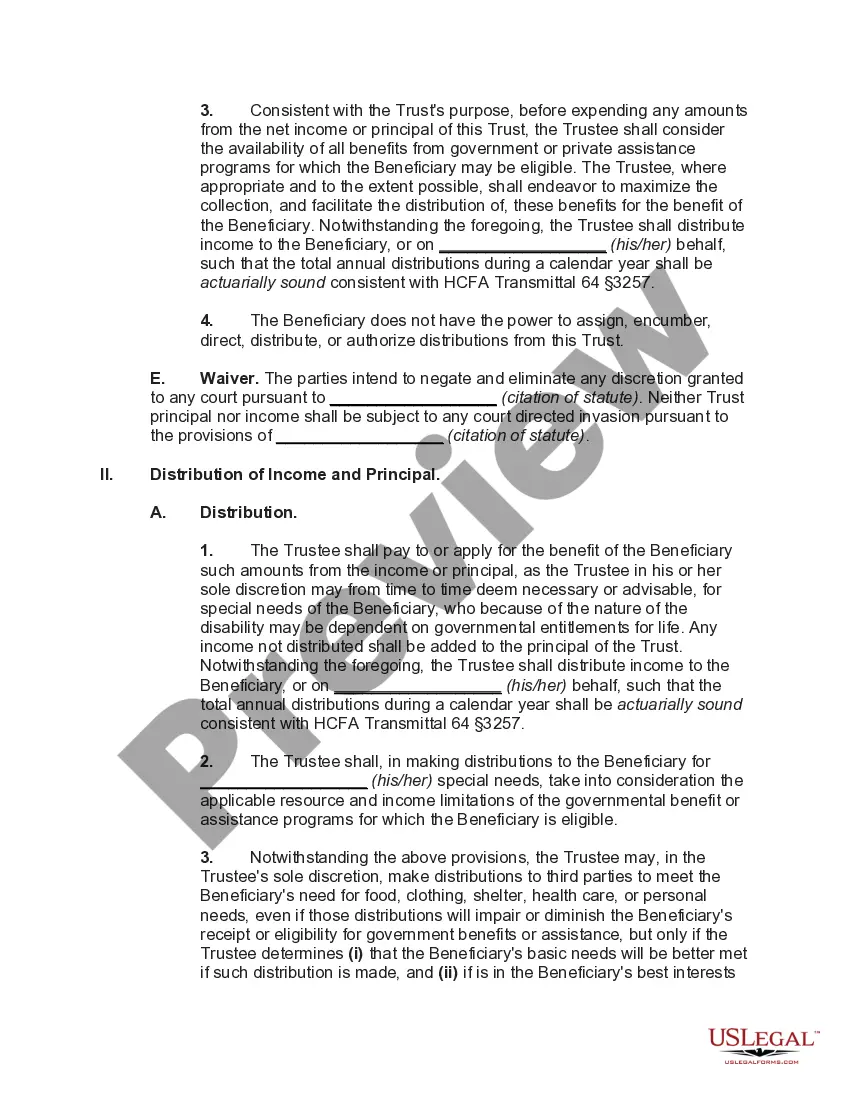
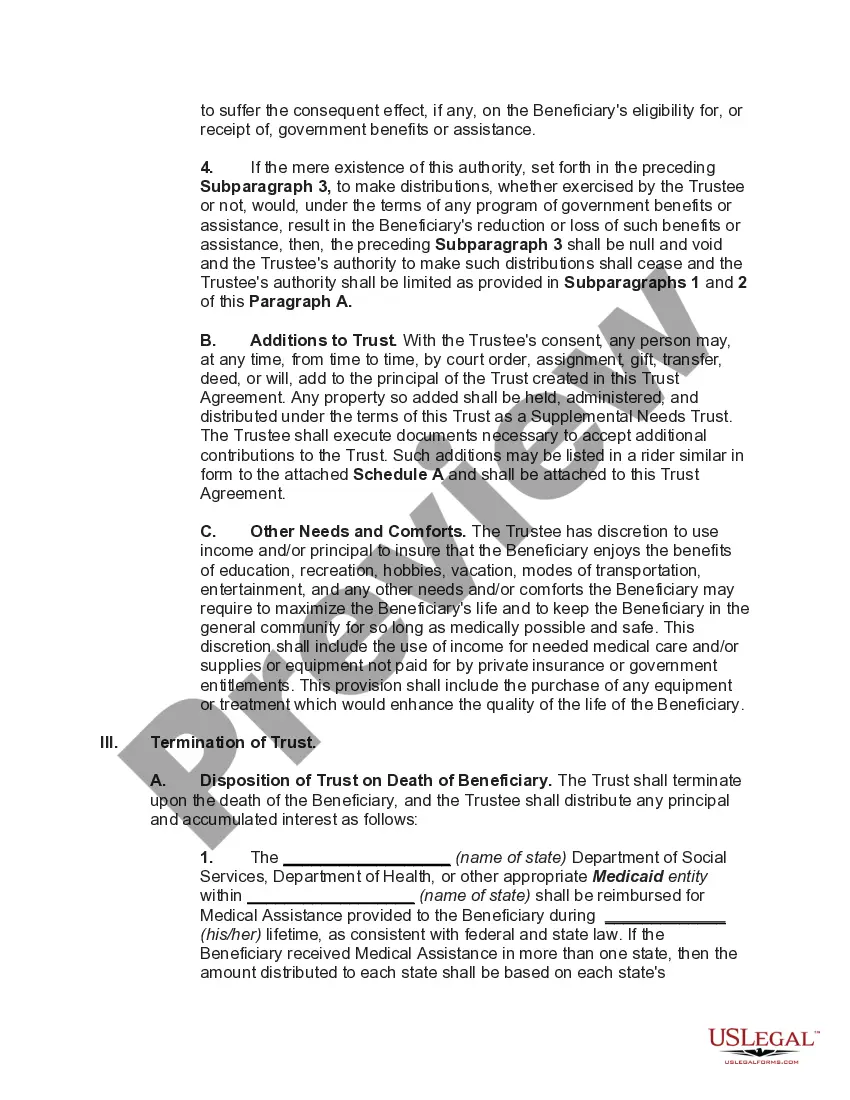
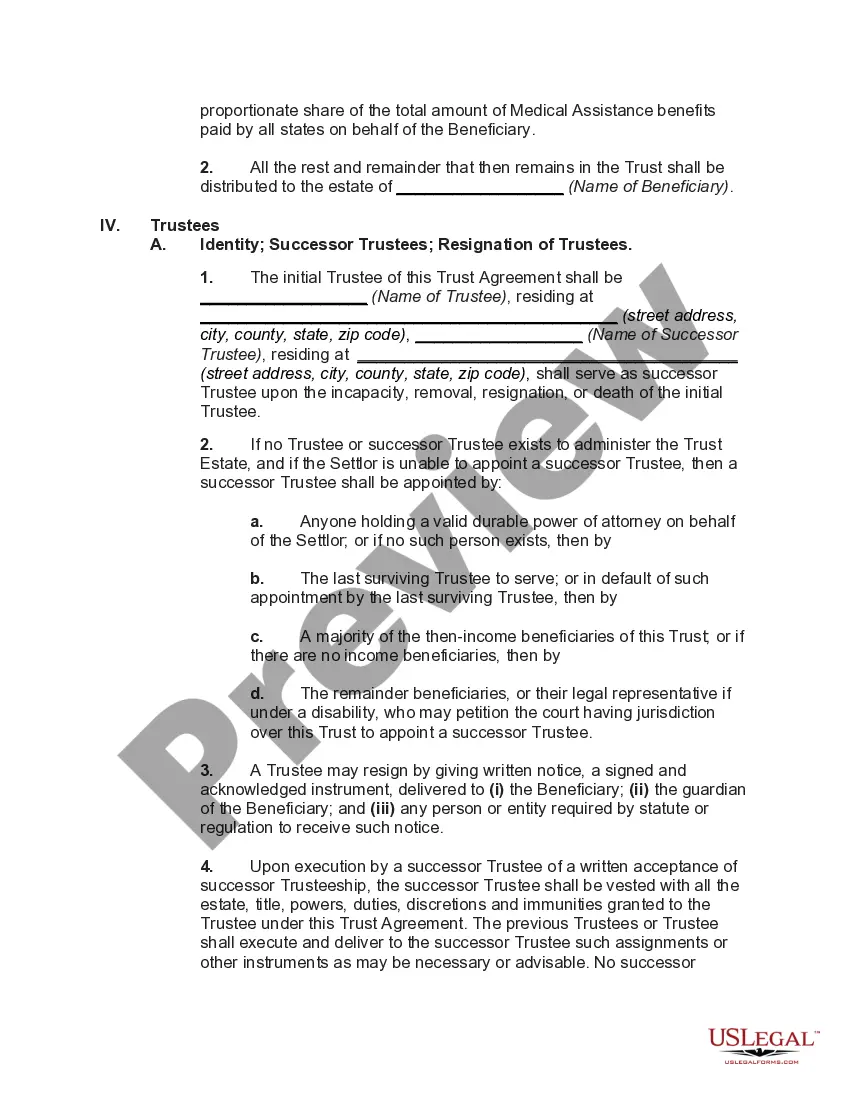
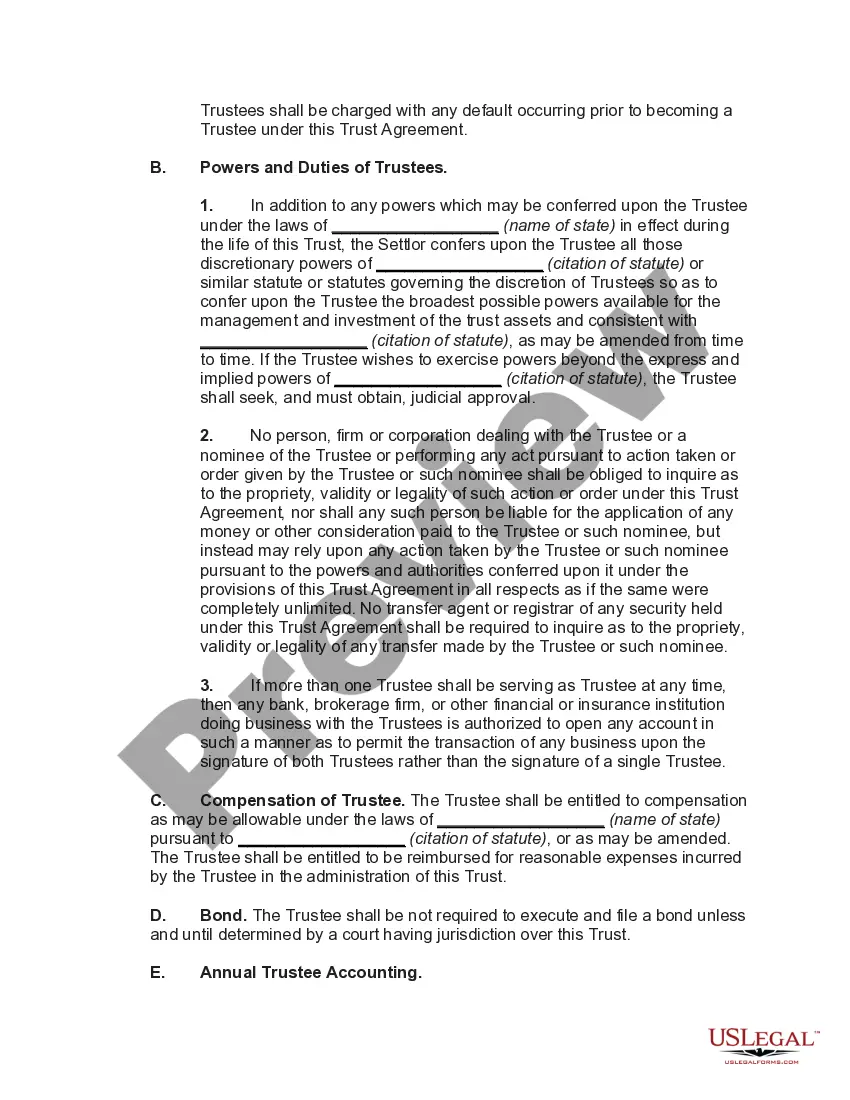
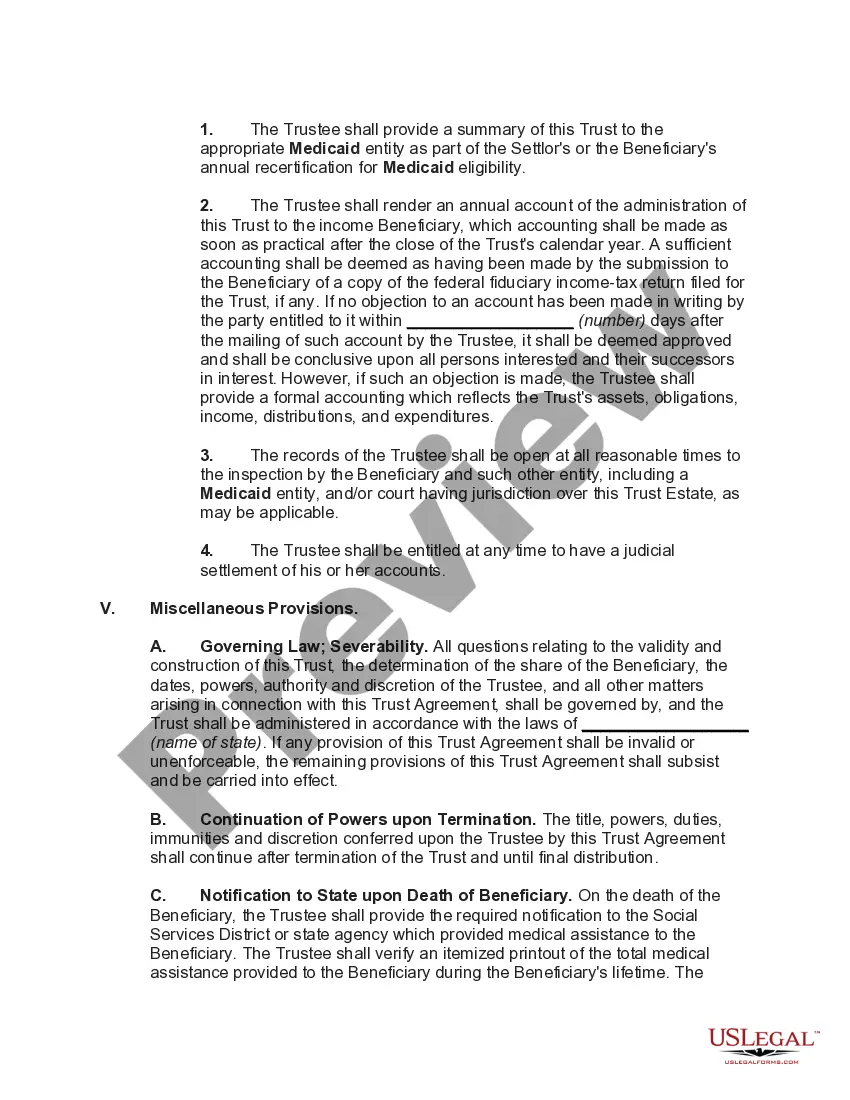
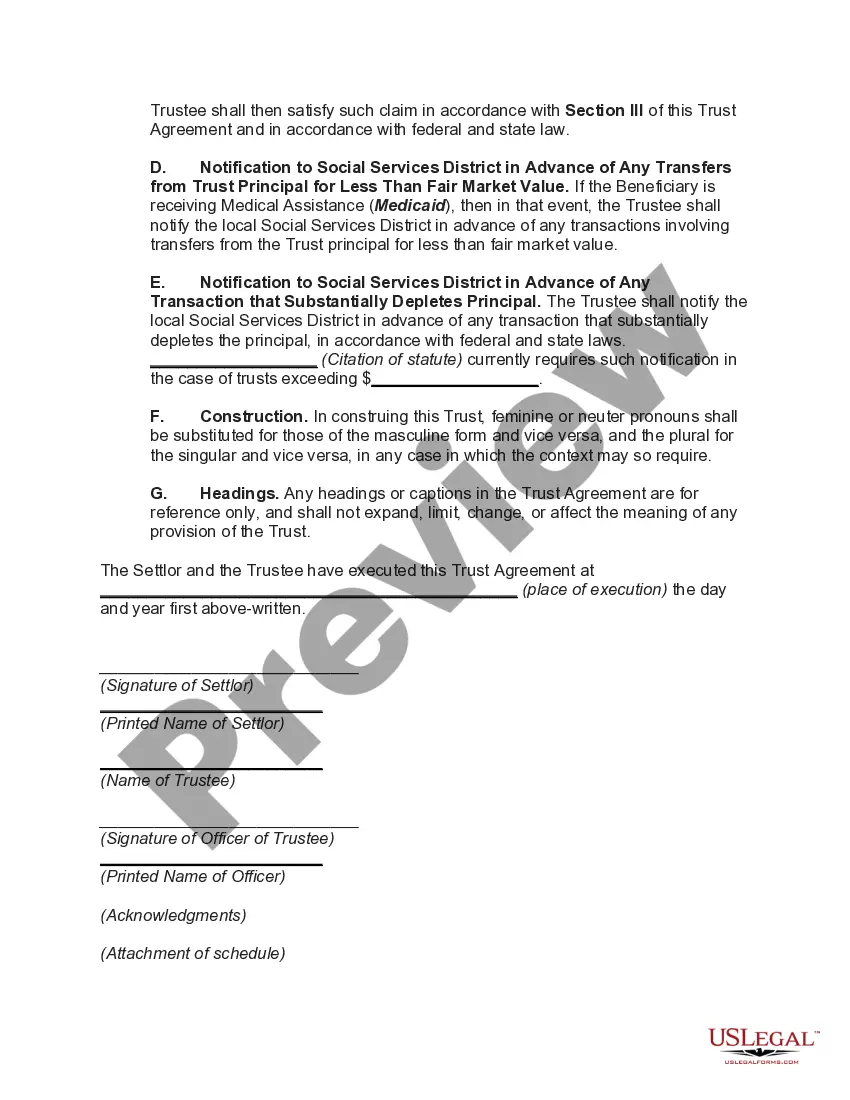
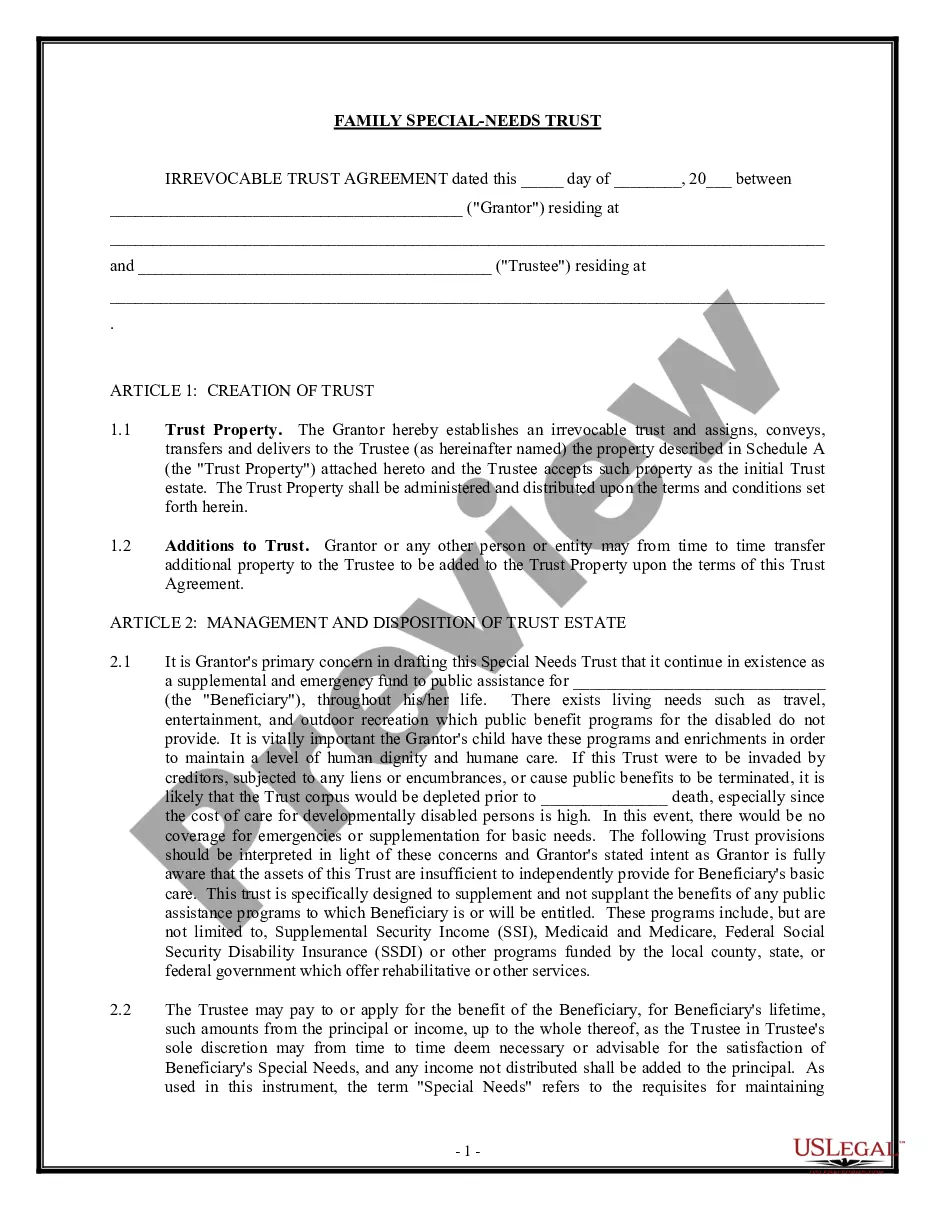



Get your form ready online
Our built-in tools help you complete, sign, share, and store your documents in one place.
Make edits, fill in missing information, and update formatting in US Legal Forms—just like you would in MS Word.
Download a copy, print it, send it by email, or mail it via USPS—whatever works best for your next step.
Sign and collect signatures with our SignNow integration. Send to multiple recipients, set reminders, and more. Go Premium to unlock E-Sign.
If this form requires notarization, complete it online through a secure video call—no need to meet a notary in person or wait for an appointment.
We protect your documents and personal data by following strict security and privacy standards.

Make edits, fill in missing information, and update formatting in US Legal Forms—just like you would in MS Word.

Download a copy, print it, send it by email, or mail it via USPS—whatever works best for your next step.

Sign and collect signatures with our SignNow integration. Send to multiple recipients, set reminders, and more. Go Premium to unlock E-Sign.

If this form requires notarization, complete it online through a secure video call—no need to meet a notary in person or wait for an appointment.

We protect your documents and personal data by following strict security and privacy standards.
Looking for another form?


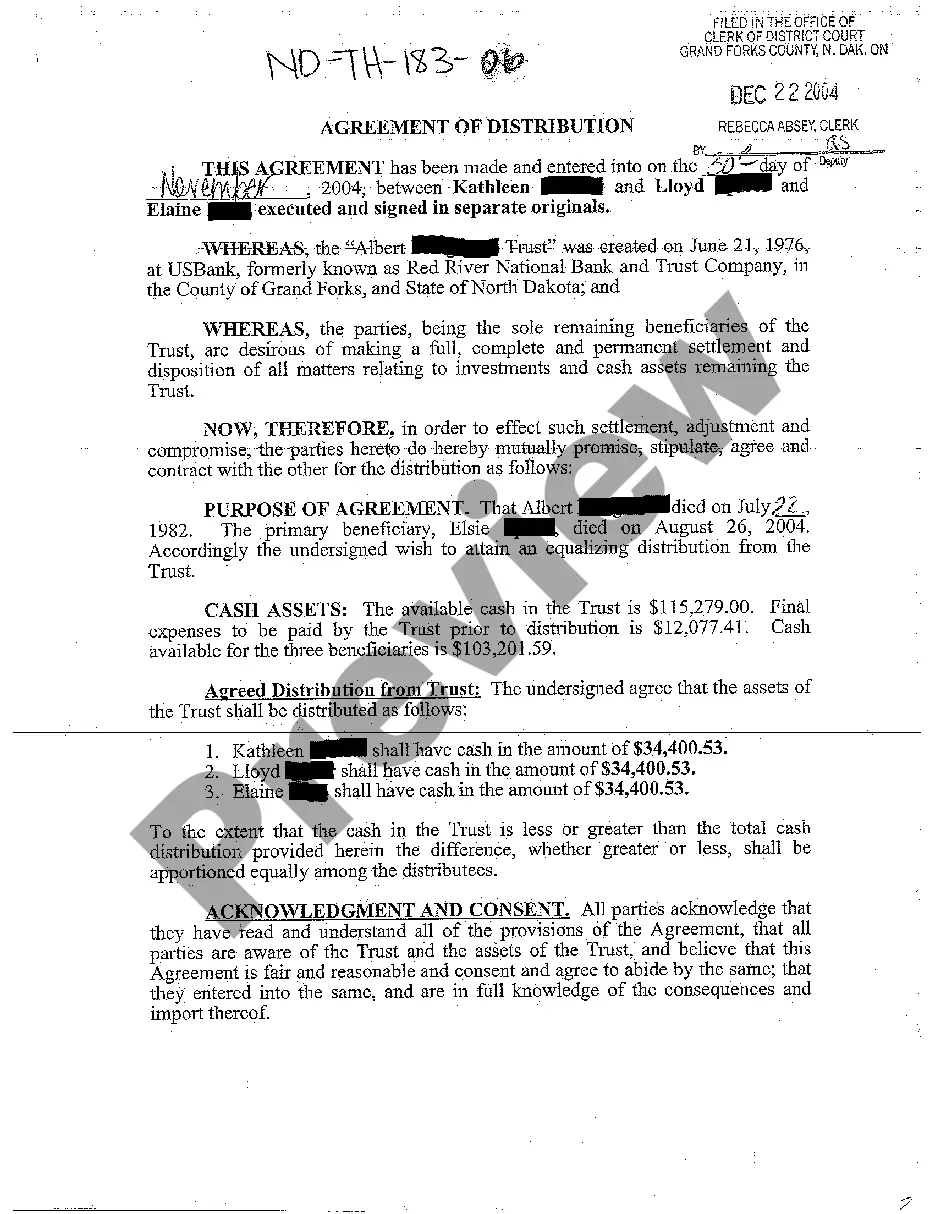

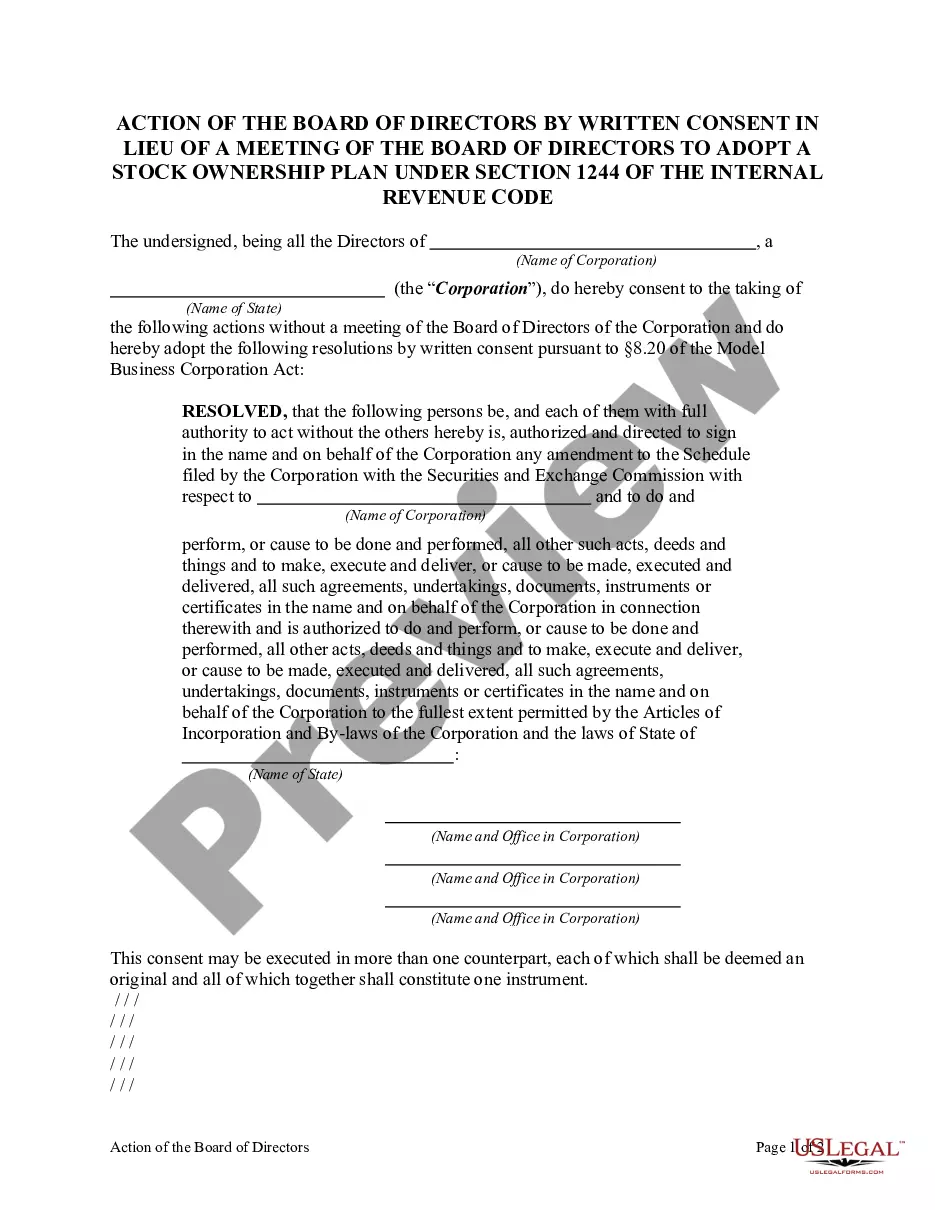



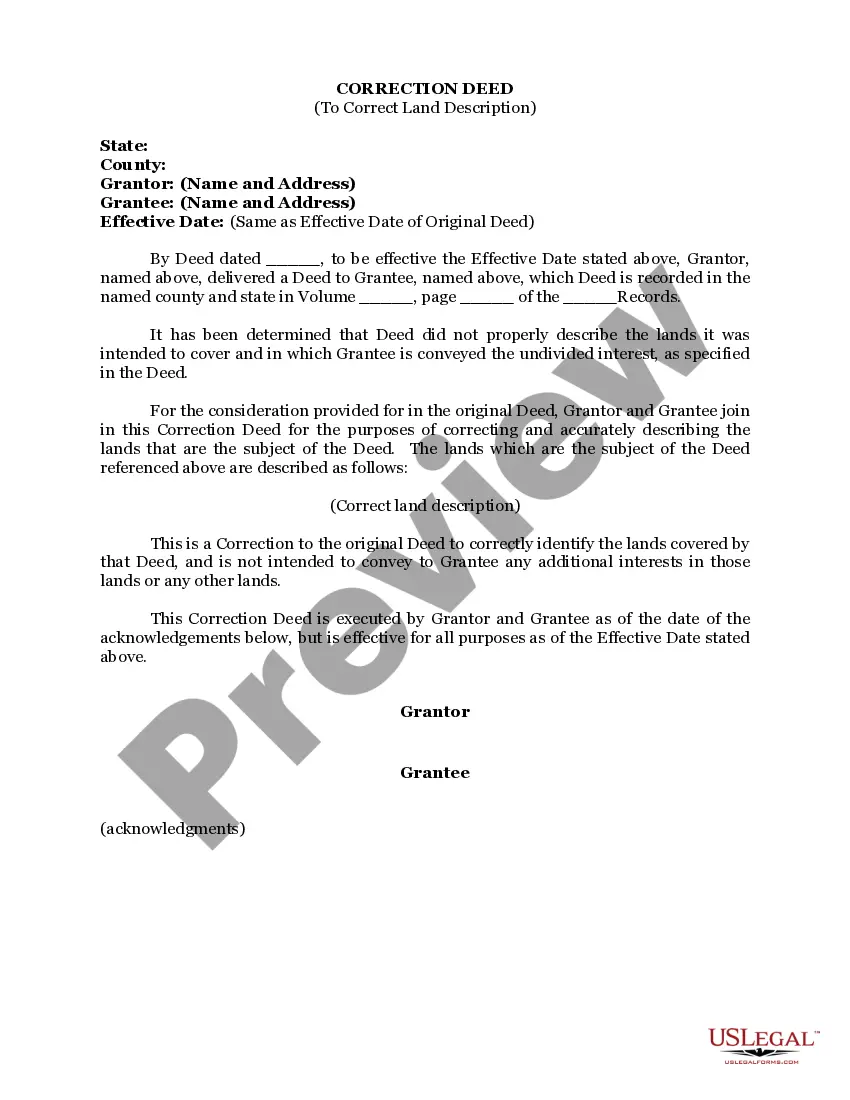

How to fill out Special Needs Irrevocable Trust Agreement For Benefit Of Disabled Child Of Trustor?
- Log in to your account or create a new one if you're a first-time user.
- Review the Preview mode and form description to select the right document that fits your jurisdiction.
- If necessary, utilize the Search function to find any additional forms needed.
- Click the Buy Now button to select your preferred subscription plan.
- Complete your purchase using a credit card or PayPal.
- Download your chosen template and save it on your device for easy access.
By following these straightforward steps, you can take full advantage of US Legal Forms' extensive offerings, ensuring you have the correct documentation for your legal needs. With over 85,000 forms available and expert assistance, the platform empowers you to achieve legal compliance effortlessly.
Get started now by visiting US Legal Forms and experience the convenience of managing your legal documents efficiently.
Form popularity
FAQ
While a special needs trust offers many benefits, there are some disadvantages to consider. For instance, the funds in the trust must be carefully managed according to specific regulations to avoid losing government benefits. Additionally, a special trust disabled with the application may incur legal fees and ongoing administrative costs, which can add to the overall complexity of establishing the trust.
The best trust for a disabled person depends on individual circumstances, but many experts recommend a special needs trust. This type of trust allows for the management of assets while preserving the beneficiary’s eligibility for public assistance programs. A special trust disabled with the application can be uniquely tailored to fit your loved one’s needs and goals, ensuring financial security and support.
A disability, in the context of a special needs trust, typically refers to a physical or mental condition that severely limits a person's daily activities. This definition includes various conditions, such as developmental disabilities, autism, and chronic illnesses. When you establish a special trust disabled with the application, it allows you to provide for someone with a disability without jeopardizing their access to essential government benefits.
There are several types of trusts designed for disabled individuals, including special needs trusts, pooled trusts, and supplemental needs trusts. Each type serves different purposes, but they mainly aim to maintain eligibility for government benefits while providing additional financial support. If you’re considering options, a special trust disabled with the application is often the best choice for individuals who require ongoing assistance.
The formation of a special trust disabled with the application usually spans several weeks. This process includes drafting, reviewing, and executing the trust document. Timely communication with your attorney and gathering needed information can help expedite this formation process.
Terminating a special trust disabled with the application requires legal procedures to ensure compliance with applicable laws. Typically, the trust can be dissolved if the beneficiary no longer meets the criteria for special needs or when the trust funds are exhausted. It is advisable to consult with a legal professional to navigate this process smoothly.
One downside of a special trust disabled with the application is the complexity involved in managing the trust. If not properly funded and maintained, it could lead to unintended loss of benefits. Furthermore, it may also require ongoing legal and financial advice, which can add to administrative costs.
A common mistake parents make when setting up a special trust disabled with the application is failing to tailor the trust to their child’s specific needs. It is crucial to thoroughly understand your child’s requirements, potential future expenses, and local laws regarding trusts. This oversight can negatively impact the trust's effectiveness in providing support.
Qualifying for a special trust disabled with the application involves a few critical steps. The individual must have a diagnosed disability that affects daily living. Additionally, they must meet the income and asset limits specified by state and federal guidelines to ensure continued access to necessary benefits.
Obtaining a special trust disabled with the application can take anywhere from several weeks to a couple of months. This timeline depends on the complexity of the trust and the efficiency of document gathering. For an expedited process, consider using platforms like uslegalforms that can streamline the application and preparation process.