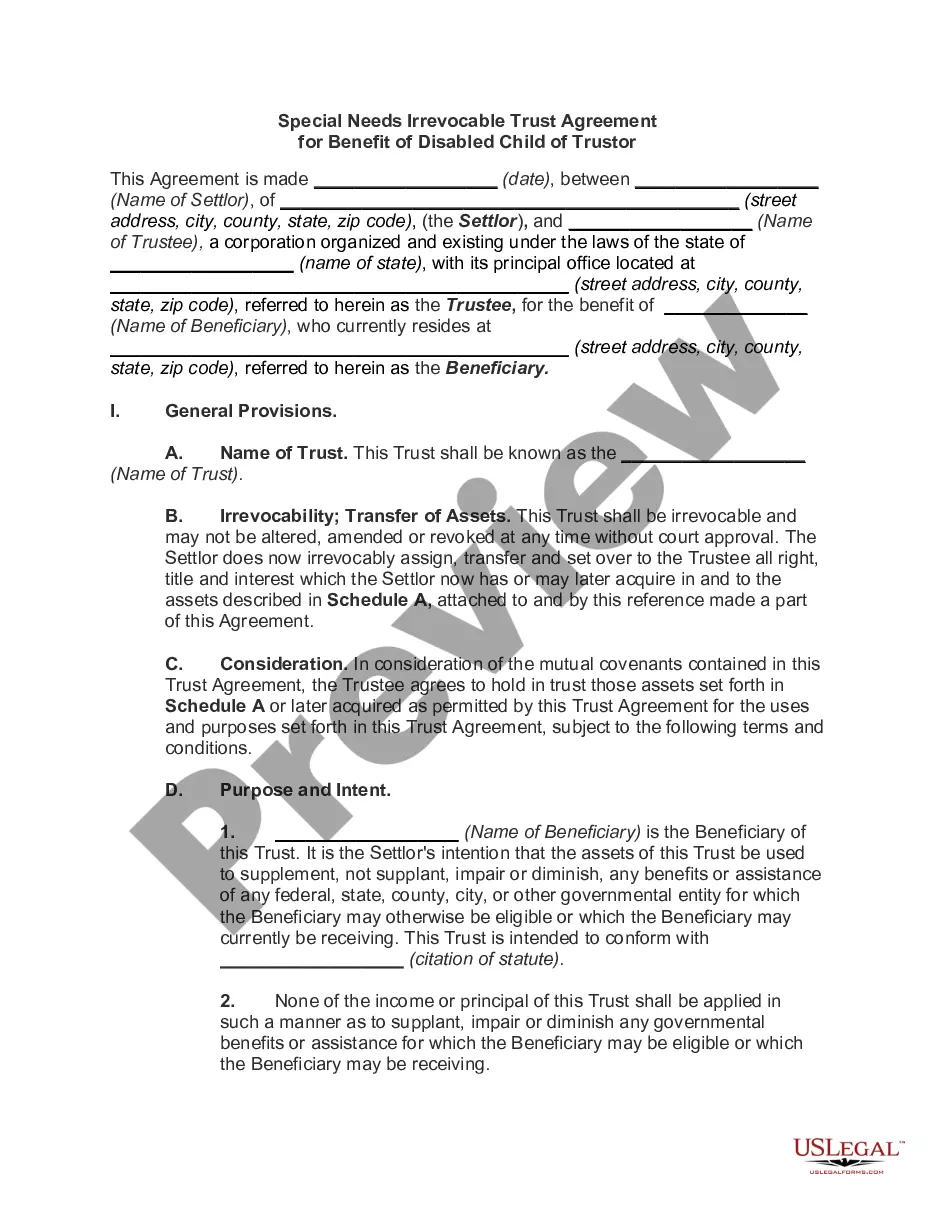
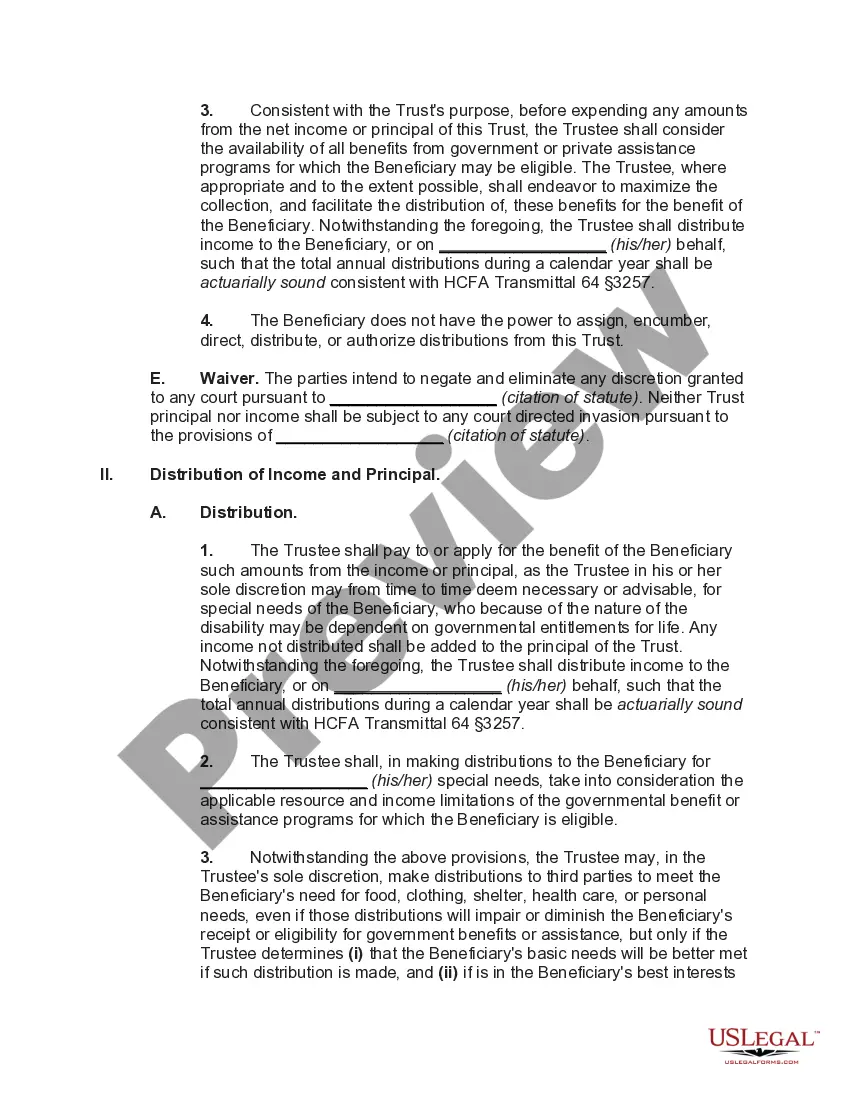
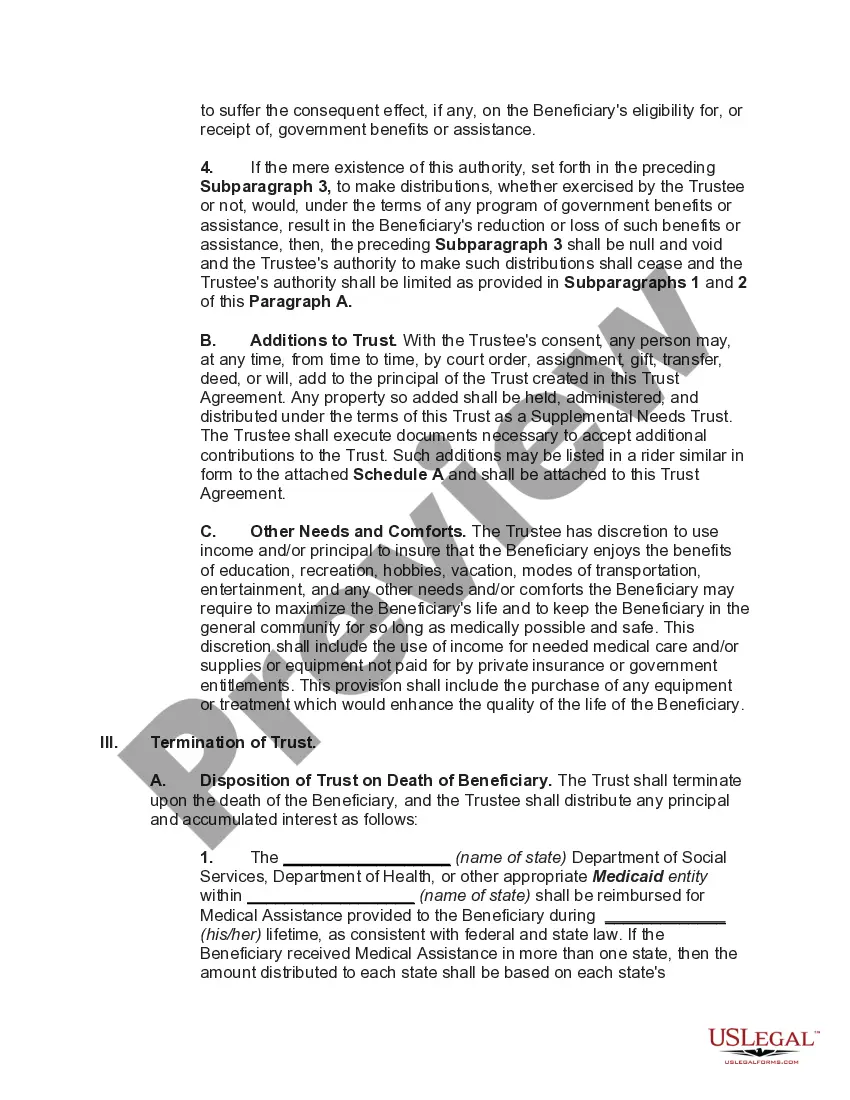
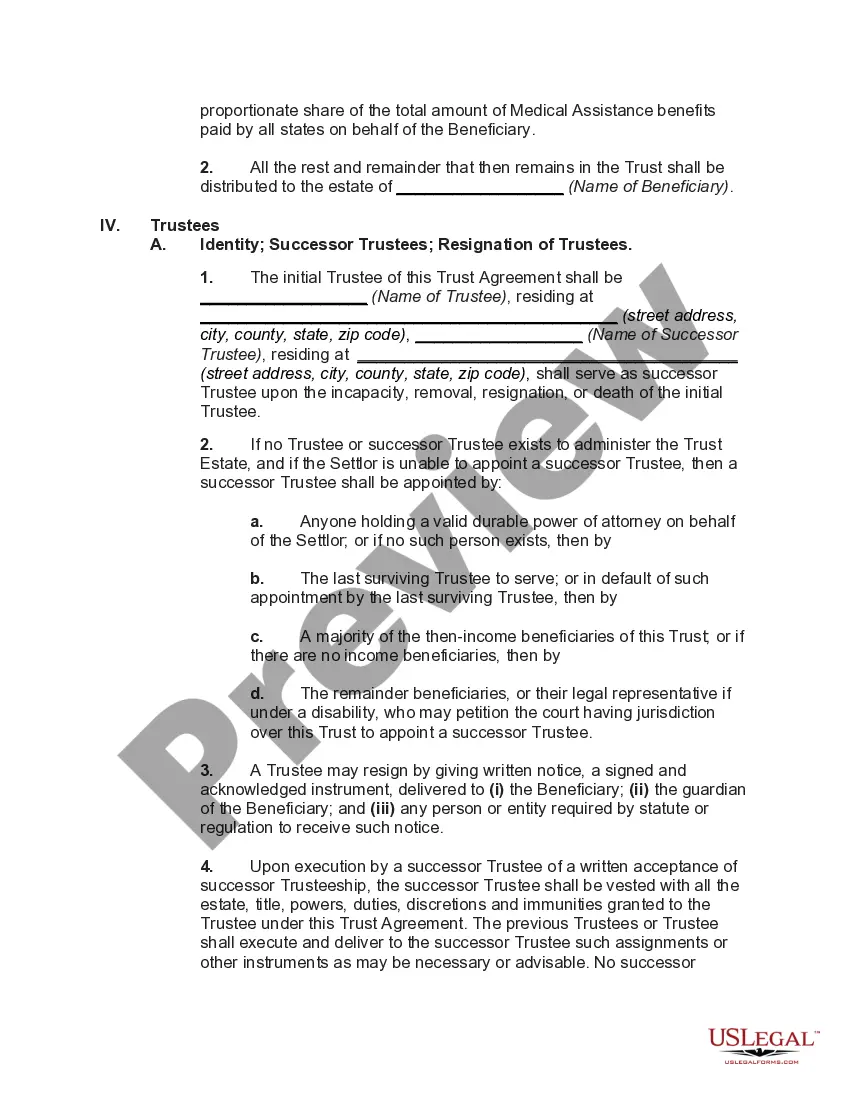
Special Trust Disabled Draft For A User
Description
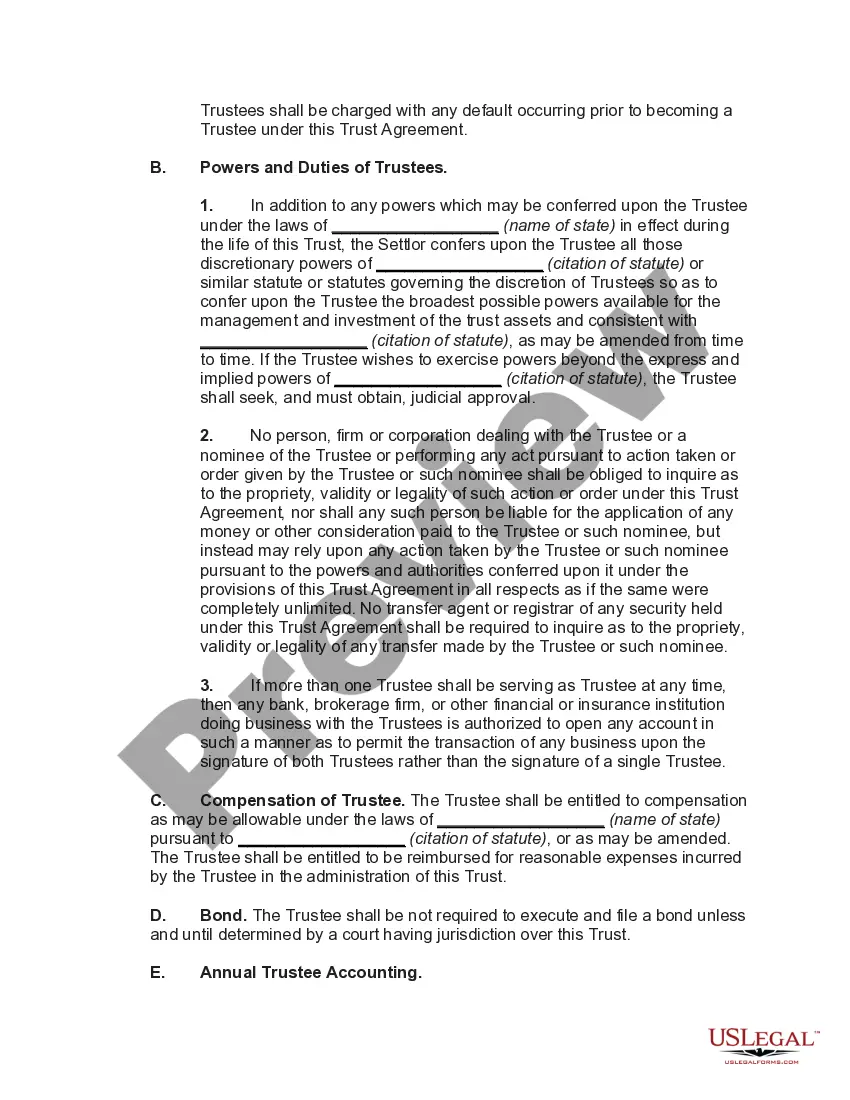
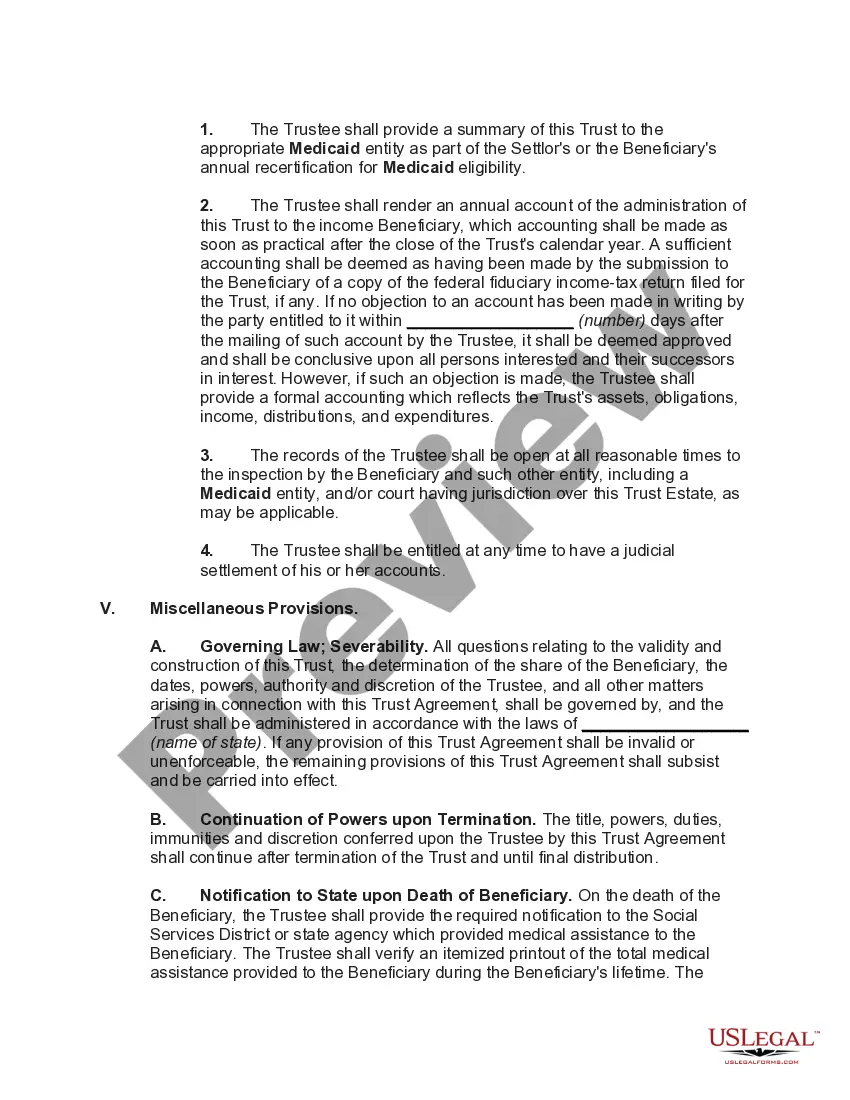
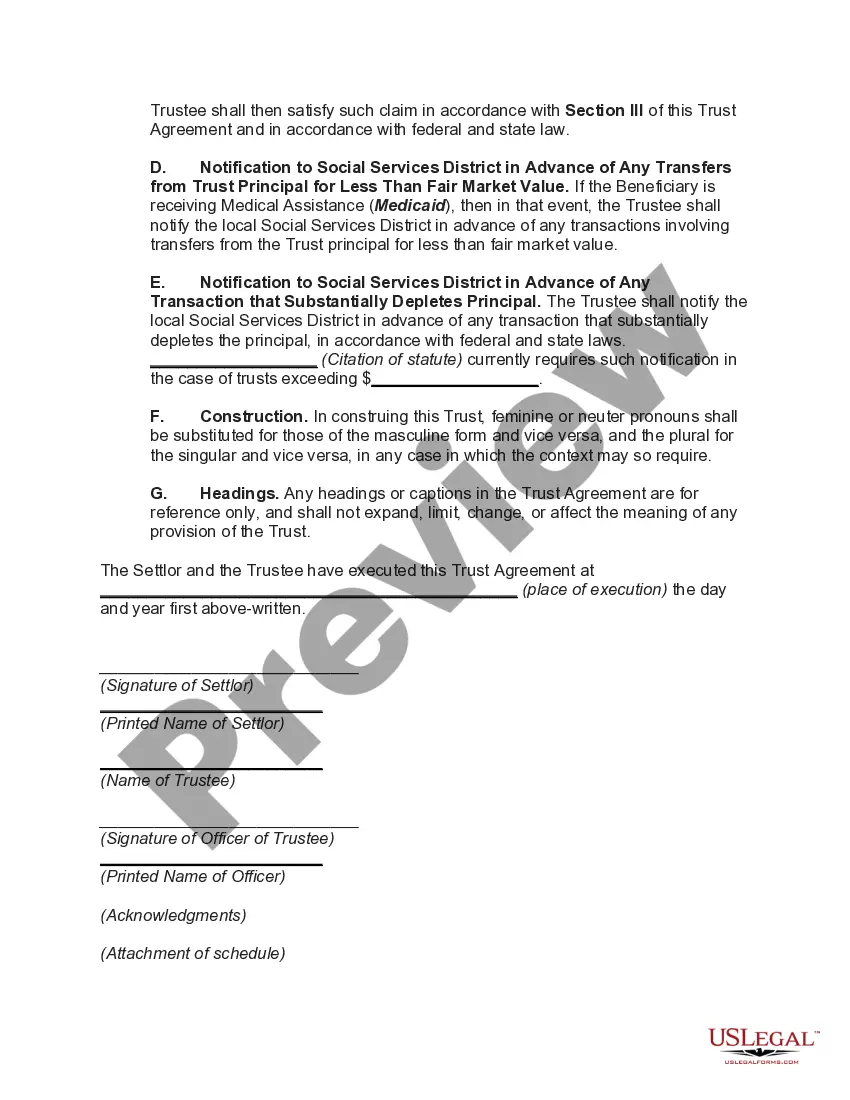
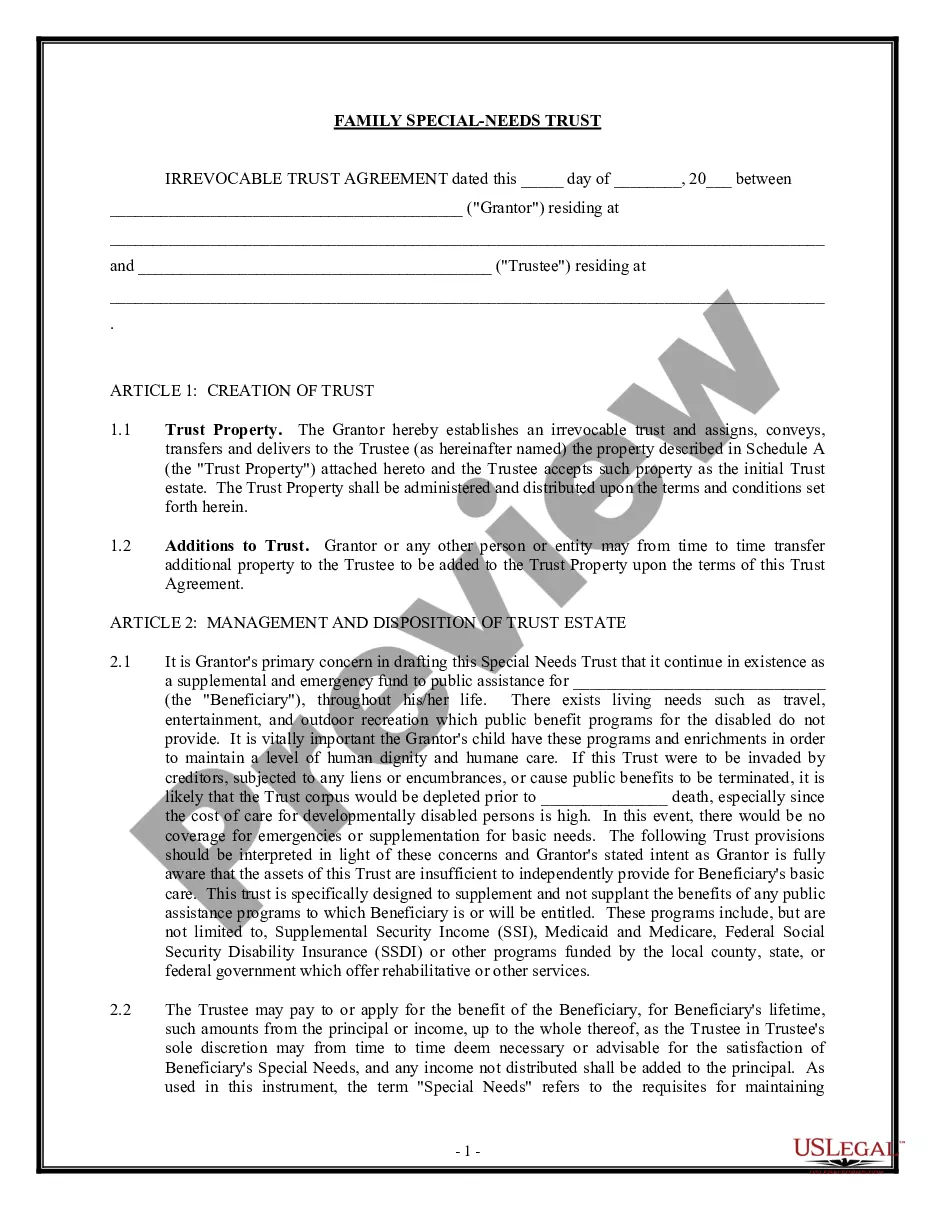



Get your form ready online
Our built-in tools help you complete, sign, share, and store your documents in one place.
Make edits, fill in missing information, and update formatting in US Legal Forms—just like you would in MS Word.
Download a copy, print it, send it by email, or mail it via USPS—whatever works best for your next step.
Sign and collect signatures with our SignNow integration. Send to multiple recipients, set reminders, and more. Go Premium to unlock E-Sign.
If this form requires notarization, complete it online through a secure video call—no need to meet a notary in person or wait for an appointment.
We protect your documents and personal data by following strict security and privacy standards.

Make edits, fill in missing information, and update formatting in US Legal Forms—just like you would in MS Word.

Download a copy, print it, send it by email, or mail it via USPS—whatever works best for your next step.

Sign and collect signatures with our SignNow integration. Send to multiple recipients, set reminders, and more. Go Premium to unlock E-Sign.

If this form requires notarization, complete it online through a secure video call—no need to meet a notary in person or wait for an appointment.

We protect your documents and personal data by following strict security and privacy standards.
Looking for another form?



How to fill out Special Needs Irrevocable Trust Agreement For Benefit Of Disabled Child Of Trustor?
- Log in to your US Legal Forms account. If you’re a returning user, ensure your subscription is active; renew if necessary.
- Check the Preview mode of the desired form. Make certain that it aligns with your requirements and adheres to local jurisdiction guidelines.
- If you need additional templates, use the Search tab to find alternatives. Confirm the right template is selected before proceeding.
- Proceed to purchase the document by clicking the Buy Now button. Select a subscription plan that suits you, remembering to register for an account.
- Complete your payment using either credit card information or PayPal. This grants you access to the document library.
- Download the form directly to your device. You can also find it later in the My Forms section of your account for future use.
By leveraging US Legal Forms, users not only gain access to a vast collection of over 85,000 fillable forms but also benefit from expert support for ensuring document accuracy. This service empowers you to navigate legal processes with confidence.
Take the next step in managing your legal documentation by visiting US Legal Forms today to explore their extensive offerings and simplify your document needs.
Form popularity
FAQ
You do not need to report a special needs trust to Medicaid as long as the trust is properly set up and used according to regulations. However, you should keep careful records of transactions and trust activities. Consulting with an expert to create a special trust disabled draft for a user can help you remain compliant and avoid potential issues.
structured special needs trust typically will not affect your disability benefits. It serves to manage funds for your benefit without counting as a resource for qualification purposes. Ensuring that you have a special trust disabled draft for a user can safeguard your eligibility while providing financial support for your needs.
In most cases, a properly established special needs trust does not affect Medicaid eligibility. Such a trust allows funds to be used for the benefit of the disabled individual without disqualifying them from receiving essential Medicaid services. It’s important to work with professionals who can guide you in creating a special trust disabled draft for a user to navigate these limitations effectively.
Setting up a trust for a disabled person involves several steps, including identifying the individual’s needs and goals. Start by consulting with a legal expert who specializes in special needs planning. They can help you create a special trust disabled draft for a user that meets your loved one's requirements while protecting their eligibility for public benefits.
Terminating a special needs trust requires careful consideration and following legal procedures. The process usually involves consulting an attorney to review the trust's terms and ensure compliance with relevant laws. You may need to reallocate the funds, making sure that the individual’s benefits remain intact, especially if you have a special trust disabled draft for a user.
Medicaid generally cannot go after a special needs trust, because this trust is created to benefit individuals with disabilities without jeopardizing their eligibility for Medicaid. A special trust disabled draft for a user protects assets, ensuring they do not count against Medicaid's resource limits. However, it's crucial to structure the trust properly to comply with Medicaid regulations and avoid complications.
One of the biggest mistakes parents make when establishing a trust fund is failing to clearly define the trust's terms and beneficiaries. Ambiguity can lead to misunderstandings or mismanagement of assets. Open communication and thorough planning are essential. Platforms such as uslegalforms can help parents create a detailed special trust disabled draft for a user, reducing the likelihood of mistakes.
While special needs trusts offer numerous advantages, they do have some disadvantages. For instance, establishing and maintaining the trust can be complex and may involve legal fees. Additionally, certain distributions from the trust may affect government benefit eligibility. It’s crucial to understand these factors and explore resources like uslegalforms for guidance tailored to your needs.
The best trust for a disabled person is typically a special needs trust, designed specifically to preserve eligibility for public assistance benefits. This type of trust allows for funds to be used for additional needs without jeopardizing the beneficiary's government benefits. Using a special trust disabled draft for a user can ensure compliance with legal requirements while offering essential support.
Yes, a disabled person can act as a trustee, provided they have the capacity to manage the trust’s responsibilities. However, it's often beneficial to have a co-trustee who can assist in decision-making. This arrangement helps ensure that trust matters are handled effectively while accommodating the disabled person's unique needs. Leveraging tools from uslegalforms can simplify this process.