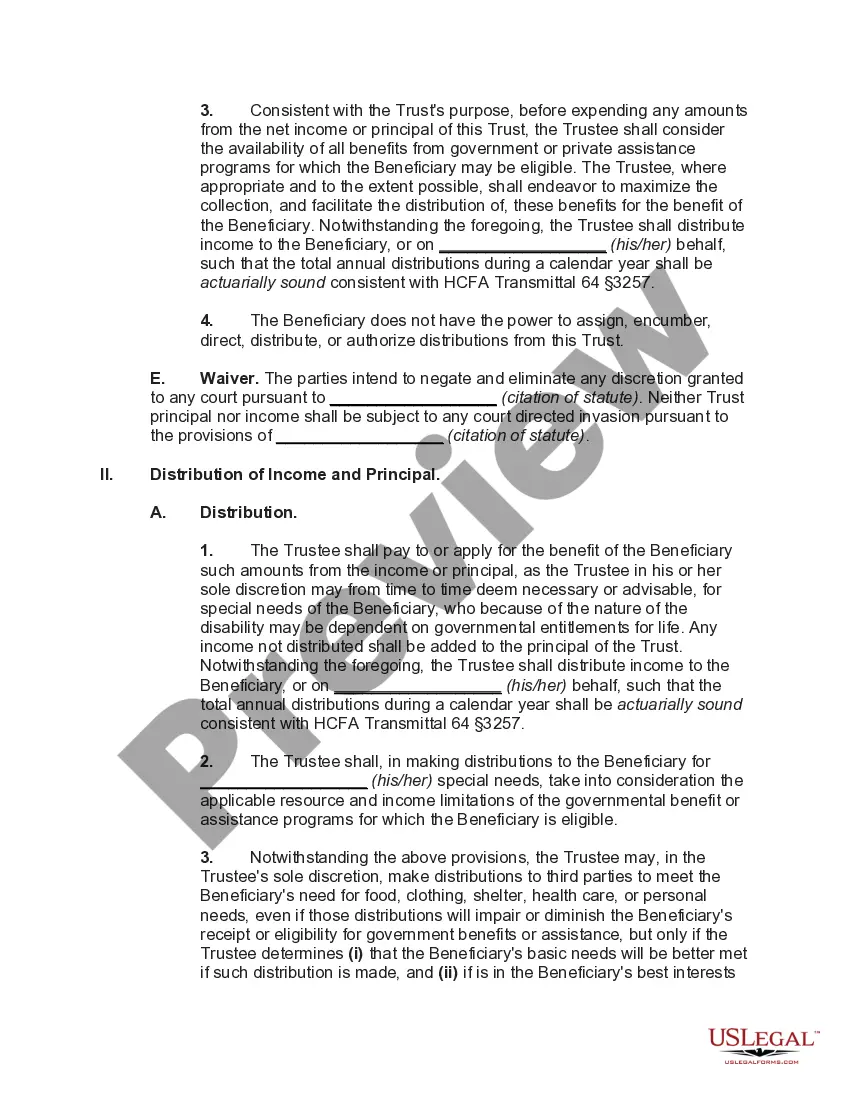
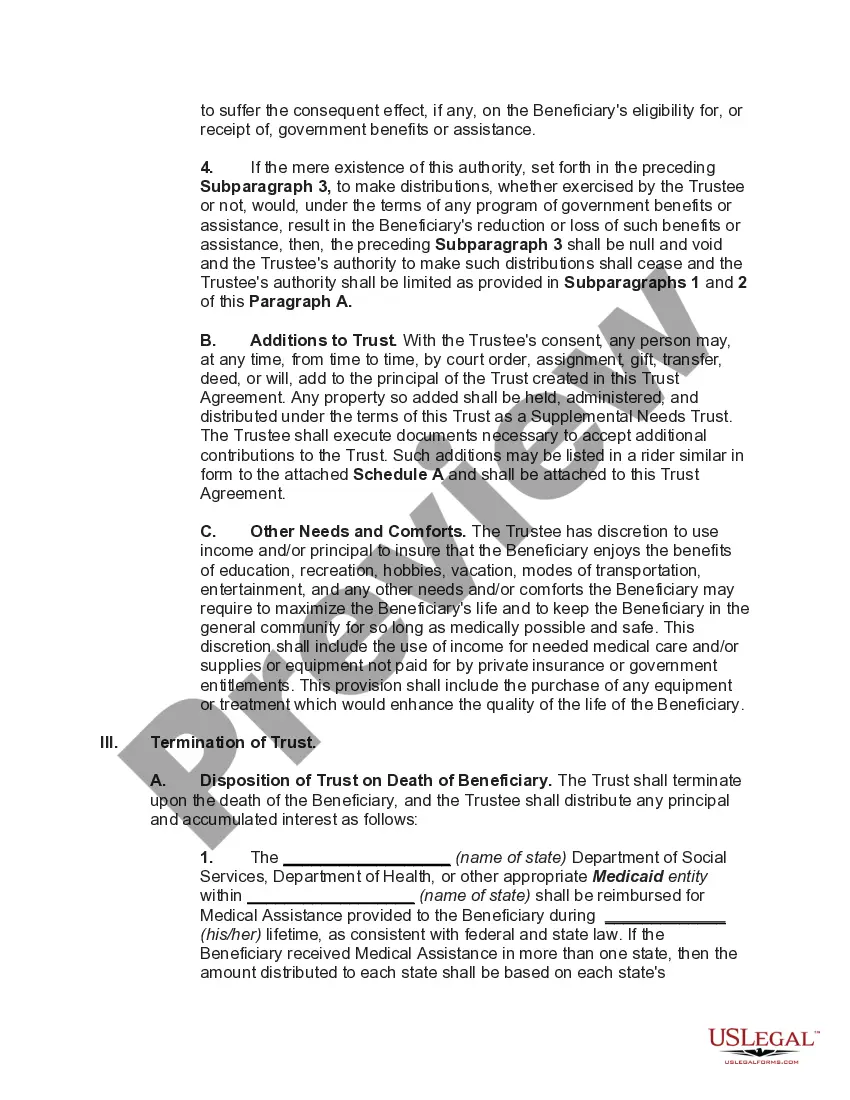
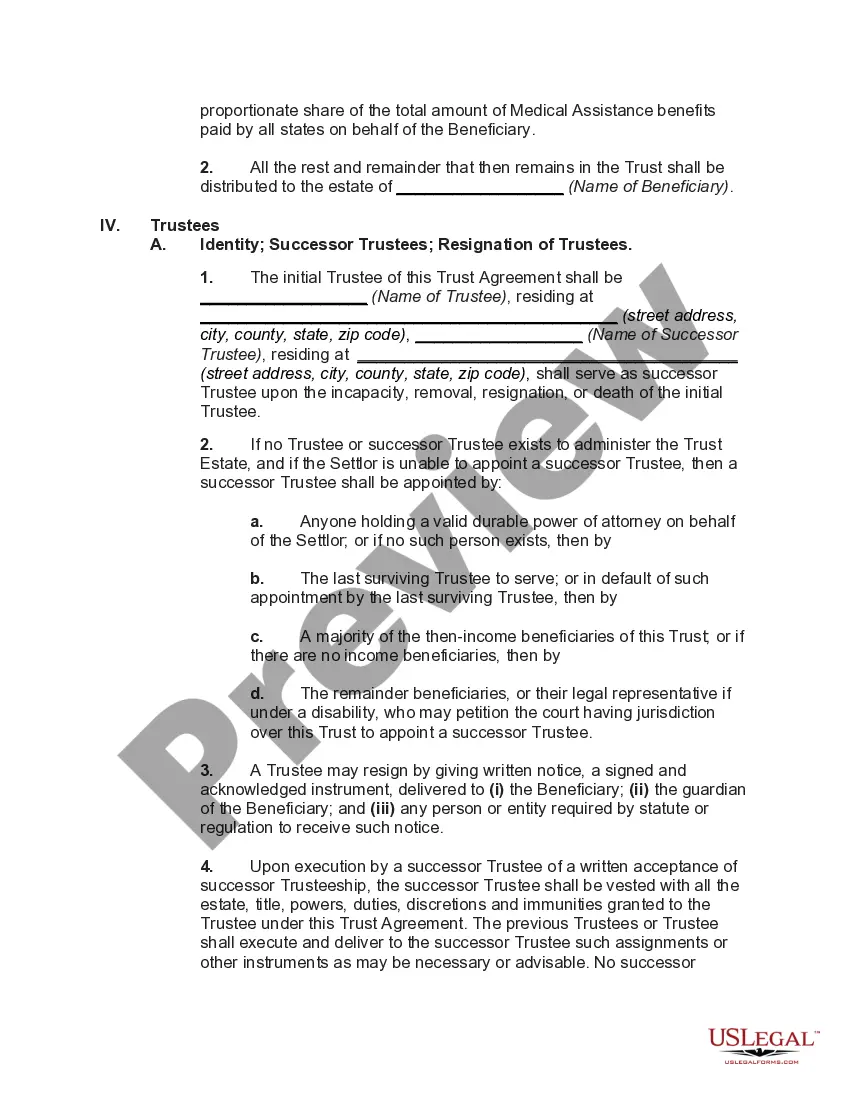
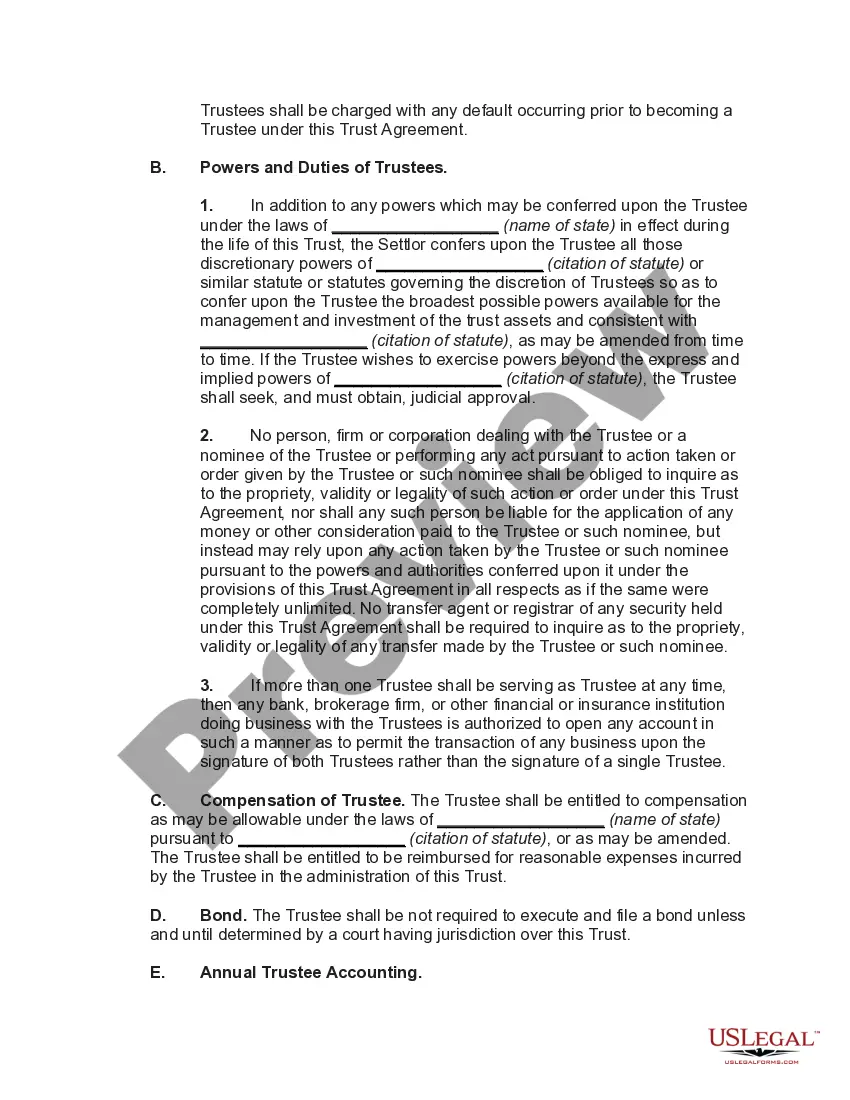
Special Trust Disabled Complete With The Following
Description

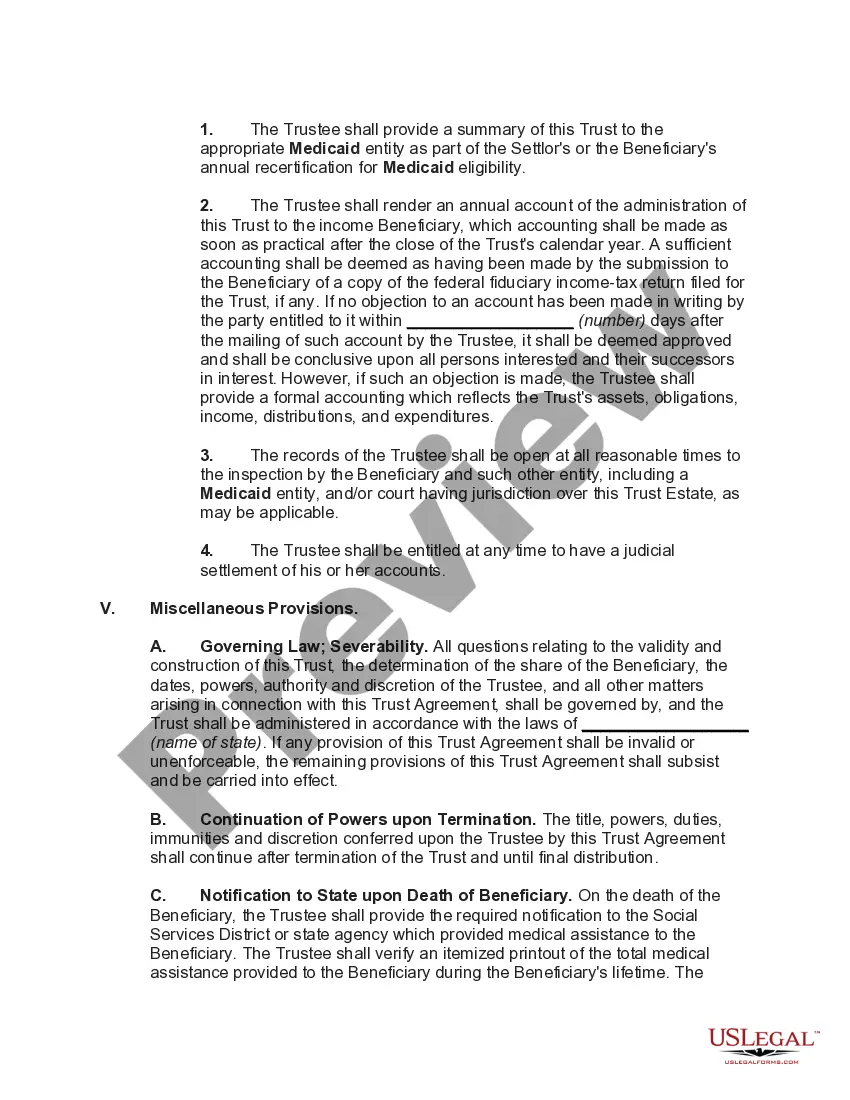
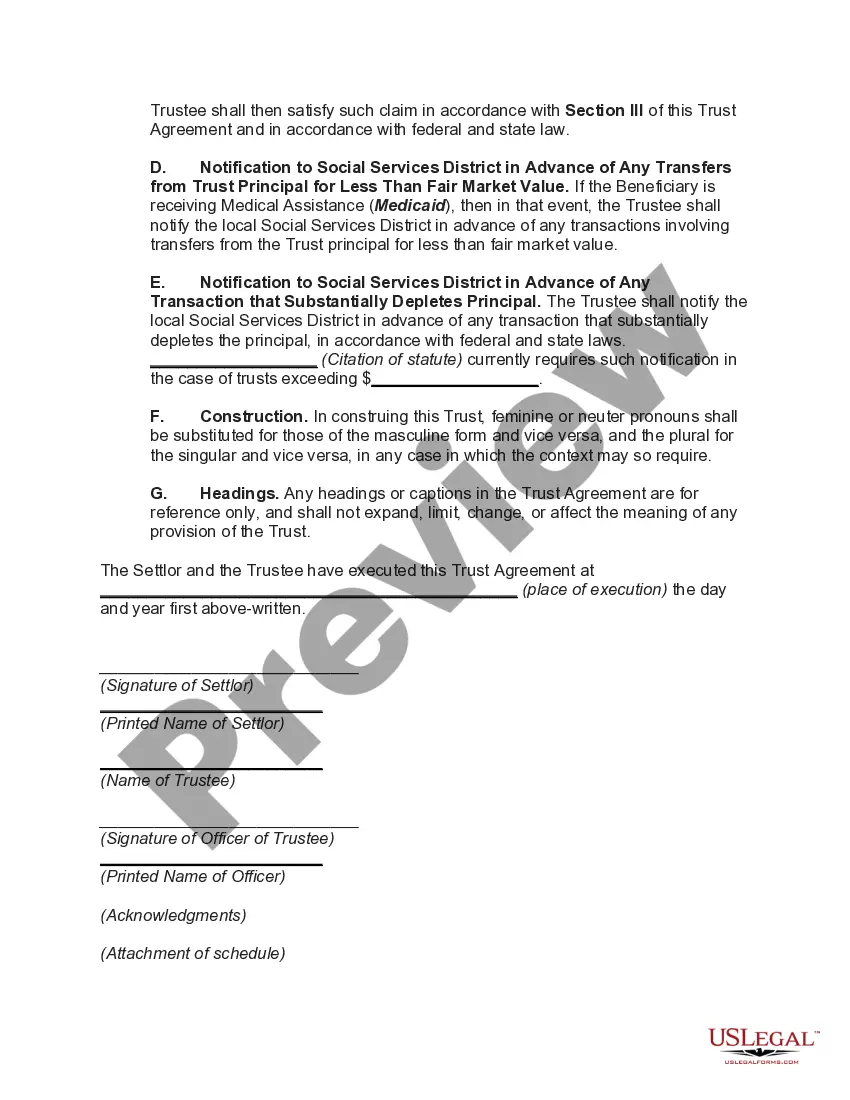


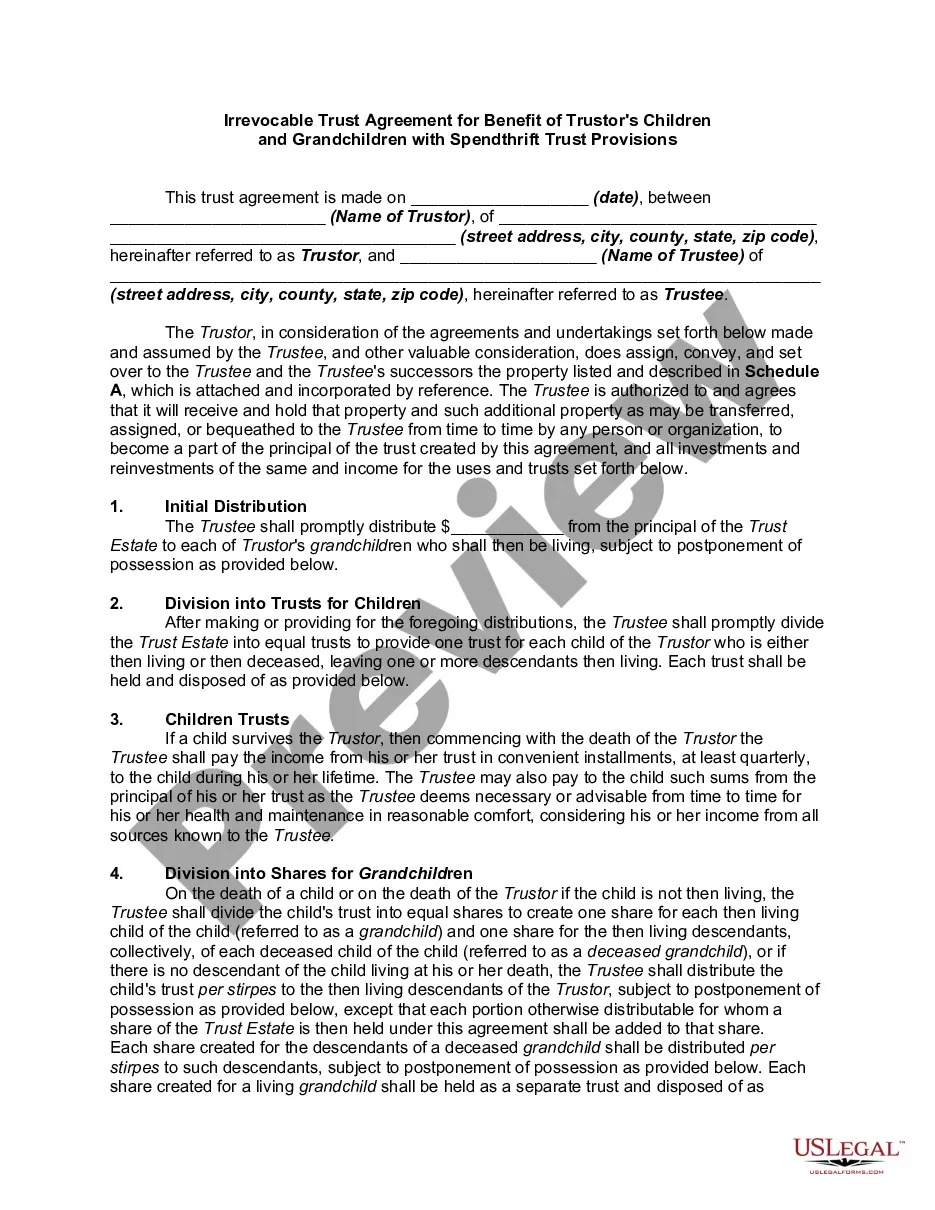
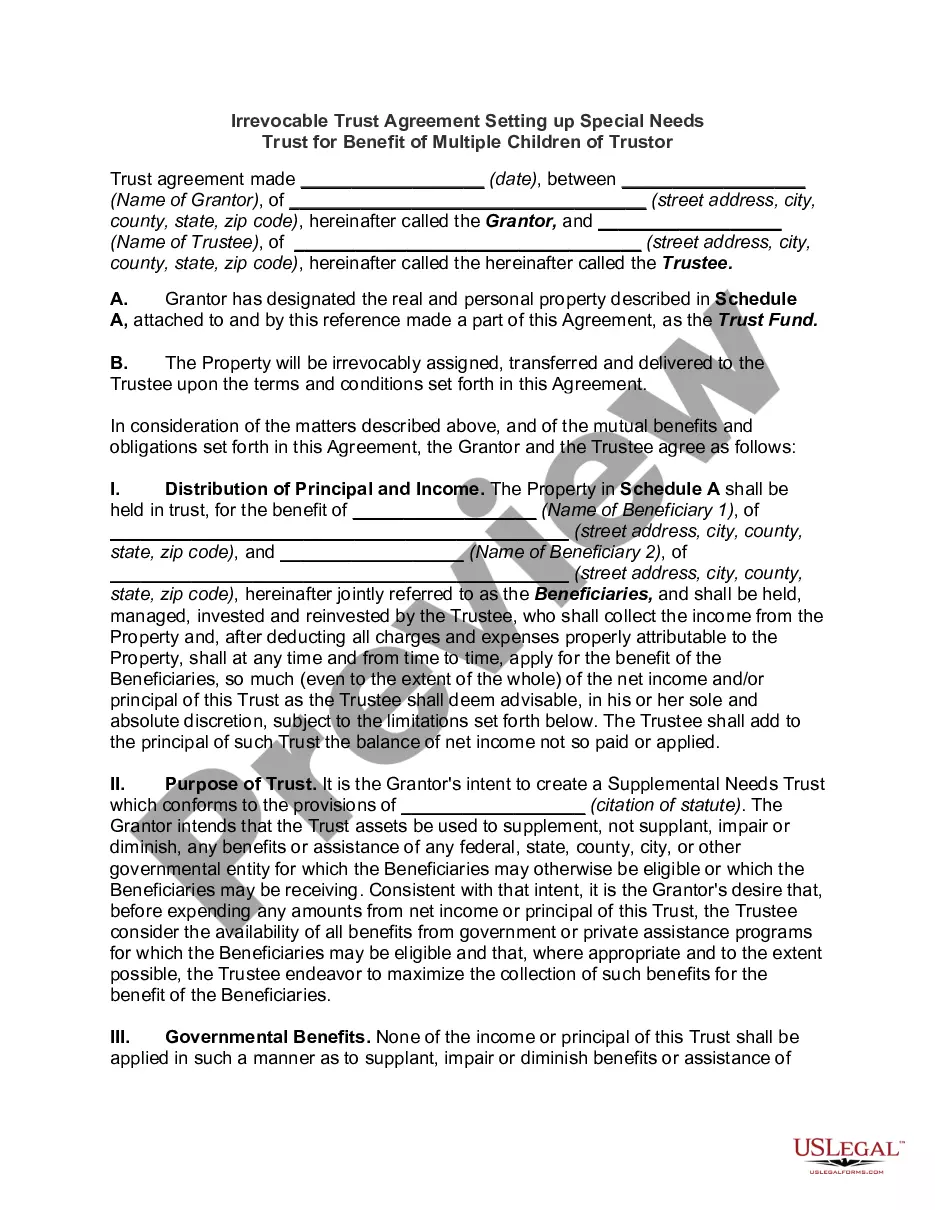
Get your form ready online
Our built-in tools help you complete, sign, share, and store your documents in one place.
Make edits, fill in missing information, and update formatting in US Legal Forms—just like you would in MS Word.
Download a copy, print it, send it by email, or mail it via USPS—whatever works best for your next step.
Sign and collect signatures with our SignNow integration. Send to multiple recipients, set reminders, and more. Go Premium to unlock E-Sign.
If this form requires notarization, complete it online through a secure video call—no need to meet a notary in person or wait for an appointment.
We protect your documents and personal data by following strict security and privacy standards.

Make edits, fill in missing information, and update formatting in US Legal Forms—just like you would in MS Word.

Download a copy, print it, send it by email, or mail it via USPS—whatever works best for your next step.

Sign and collect signatures with our SignNow integration. Send to multiple recipients, set reminders, and more. Go Premium to unlock E-Sign.

If this form requires notarization, complete it online through a secure video call—no need to meet a notary in person or wait for an appointment.

We protect your documents and personal data by following strict security and privacy standards.
Looking for another form?









How to fill out Special Needs Irrevocable Trust Agreement For Benefit Of Disabled Child Of Trustor?
- Log in to your US Legal Forms account to retrieve your necessary template. Ensure your subscription is active; renew it if needed.
- For first-time users, start by previewing available forms to confirm that the selected one fits your requirements and adheres to your local jurisdiction.
- If the form doesn’t meet your needs, use the Search function to find a more suitable template.
- Once you've found the right document, click 'Buy Now' to choose a subscription plan and create an account for access.
- Complete your purchase using credit card information or PayPal to secure the subscription.
- After payment, download the document to your device for immediate completion. You can always find it later in your 'My Forms' section.
By choosing US Legal Forms, you're accessing a robust library of over 85,000 editable legal forms, ensuring you have more options than competitors at a comparable cost.
Don't hesitate to utilize premium expert assistance for your forms to guarantee accuracy and compliance. Start today and streamline your legal document needs!
Form popularity
FAQ
The maximum amount for a special disability trust can vary based on state regulations, but generally, it must fall within certain limits to maintain eligibility for government benefits. These limits allow the trust to cover expenses that improve the beneficiary's quality of life without counting as income. It’s advisable to check with legal professionals or resources like uslegalforms to understand the specific financial guidelines related to your situation.
A special disability trust can be set up by family members, legal guardians, or financial professionals acting on behalf of the disabled individual. It's important that the person creating the trust understands the specific rules and regulations involved in establishing a special trust disabled framework. Consulting with experts, such as those at uslegalforms, can provide the guidance needed to ensure proper setup and compliance with legal requirements.
Individuals with disabilities are typically eligible for a special trust disabled arrangement. This type of trust helps manage assets while ensuring that beneficiaries remain eligible for government benefits. Families often establish these trusts to provide additional financial support for their loved ones without jeopardizing their benefits. Organizations like uslegalforms can assist you in navigating the eligibility criteria and setting up the trust effectively.
One common mistake parents make when setting up a trust fund is not defining clear terms for distribution. This can lead to confusion and may jeopardize the financial security of the child with a disability. Additionally, failing to understand the implications of distinct trust types can create unexpected challenges. Utilizing dedicated platforms such as uslegalforms can guide you through avoiding these pitfalls effectively.
Yes, a qualified disability trust can typically deduct eligible medical expenses on its tax returns. This includes costs directly related to managing the beneficiary's disability. These deductions can provide significant tax relief, making finances easier to manage. Ensuring accurate record-keeping is essential, and resources like uslegalforms can help clarify these aspects.
A qualified disability trust qualifies when it directly benefits an individual with a disability, meeting IRS definitions. Such a trust must ensure that only the disabled beneficiary receives distributions while also serving to preserve eligibility for government assistance programs. This structure allows for greater financial stability and quality of life for those involved in your special trust disabled.
To establish a qualified trust, specific legal and technical requirements must be met. The trust must be irrevocable, ensuring it cannot be altered once set up. Moreover, it needs to provide for the care and support of a disabled individual, making it a vital component of ensuring long-term security. Consulting with legal professionals or resources like uslegalforms can simplify this journey.
Qualifying for a special needs trust requires a careful assessment of the individual's situation. Eligibility typically revolves around having a disability that impacts the ability to work or earn income. Furthermore, it is essential to ensure that the trust is funded correctly and structured properly to avoid conflicts with government benefits. Many find assistance from platforms like uslegalforms helpful in navigating this process.
A trust becomes a qualified disability trust when it meets specific criteria set forth by the IRS. Primarily, it must be established solely for the benefit of an individual with a disability. Additionally, the trust must provide that only a disabled individual can receive distributions, ensuring compliance with regulations. This status is crucial for protecting assets while enhancing the welfare of the beneficiary in your special trust disabled.
In 2025, a qualified disability trust may enjoy specific tax exemptions. Typically, this can include personal exemptions similar to those for individual taxpayers. The filing must clearly demonstrate the trust's status to benefit from these exemptions effectively. Understanding this can help you maximize financial benefits while ensuring your special trust disabled remains compliant.