Special Trust Child Statement With Beneficiary
Description
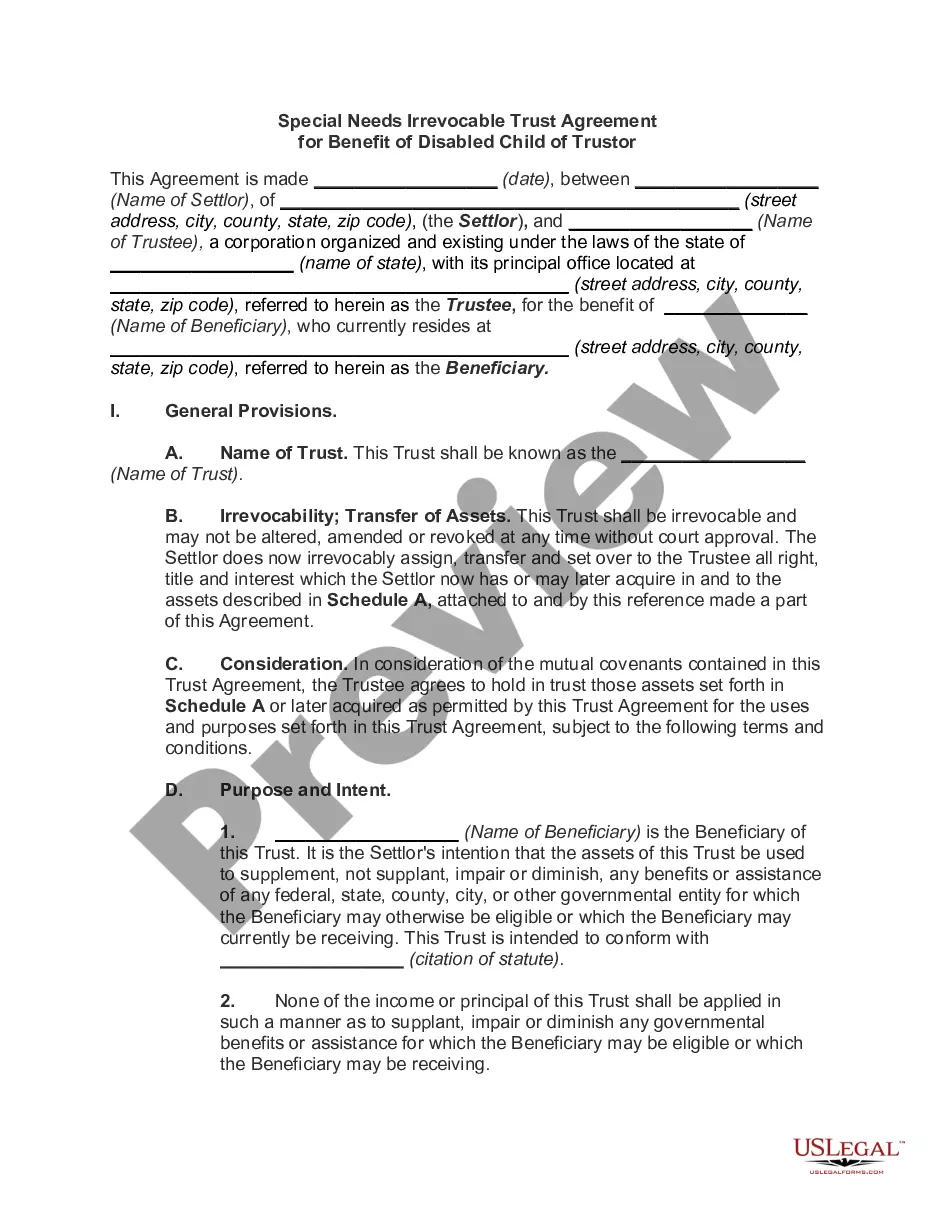
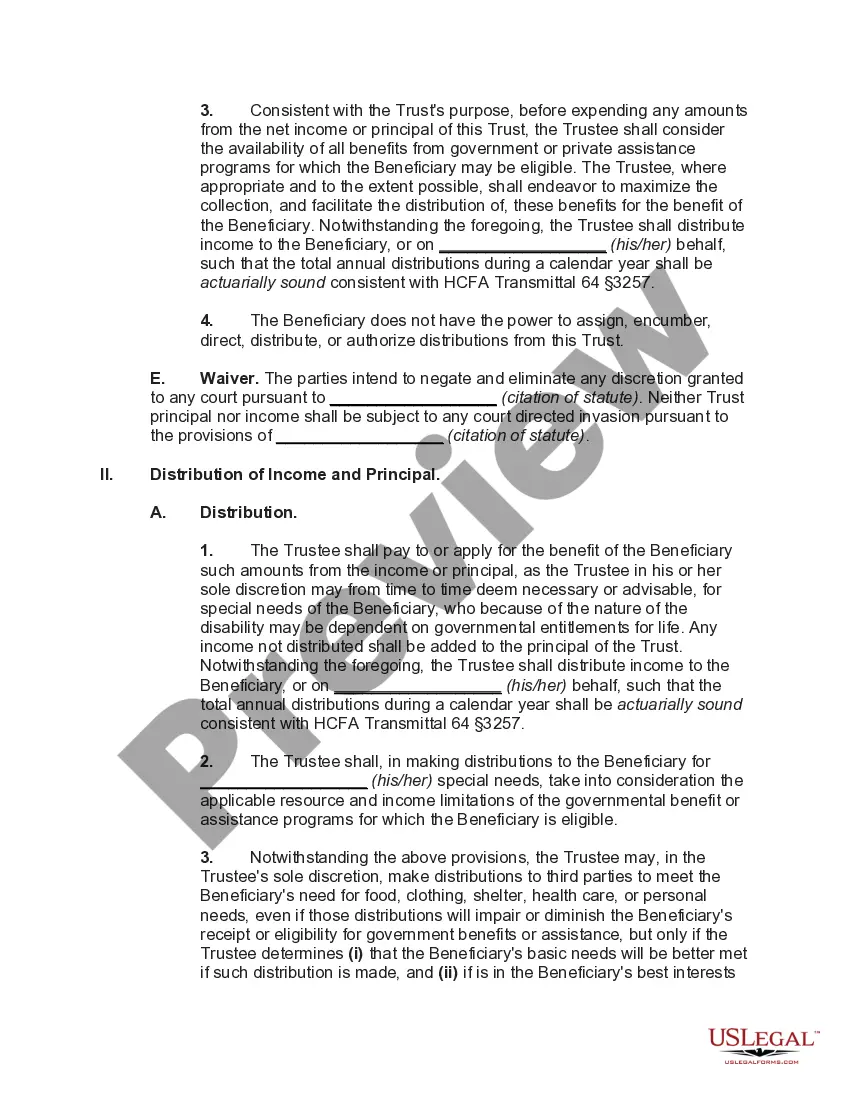
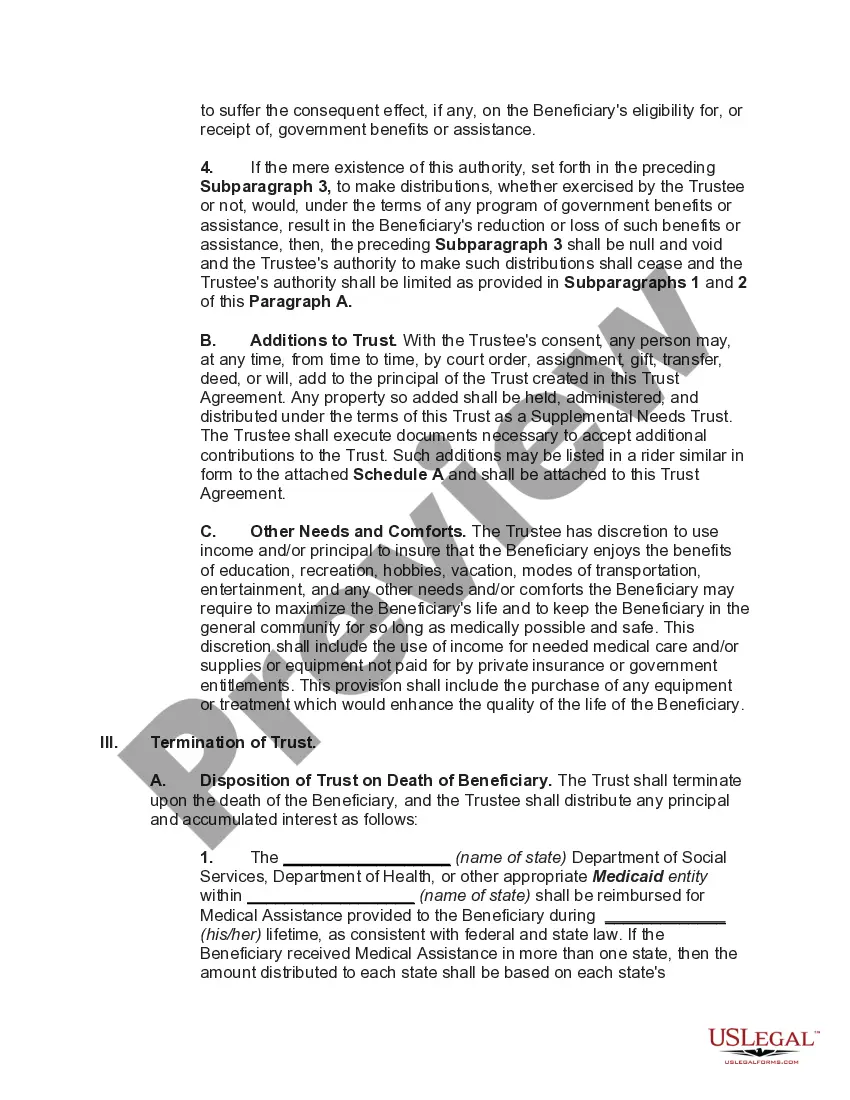
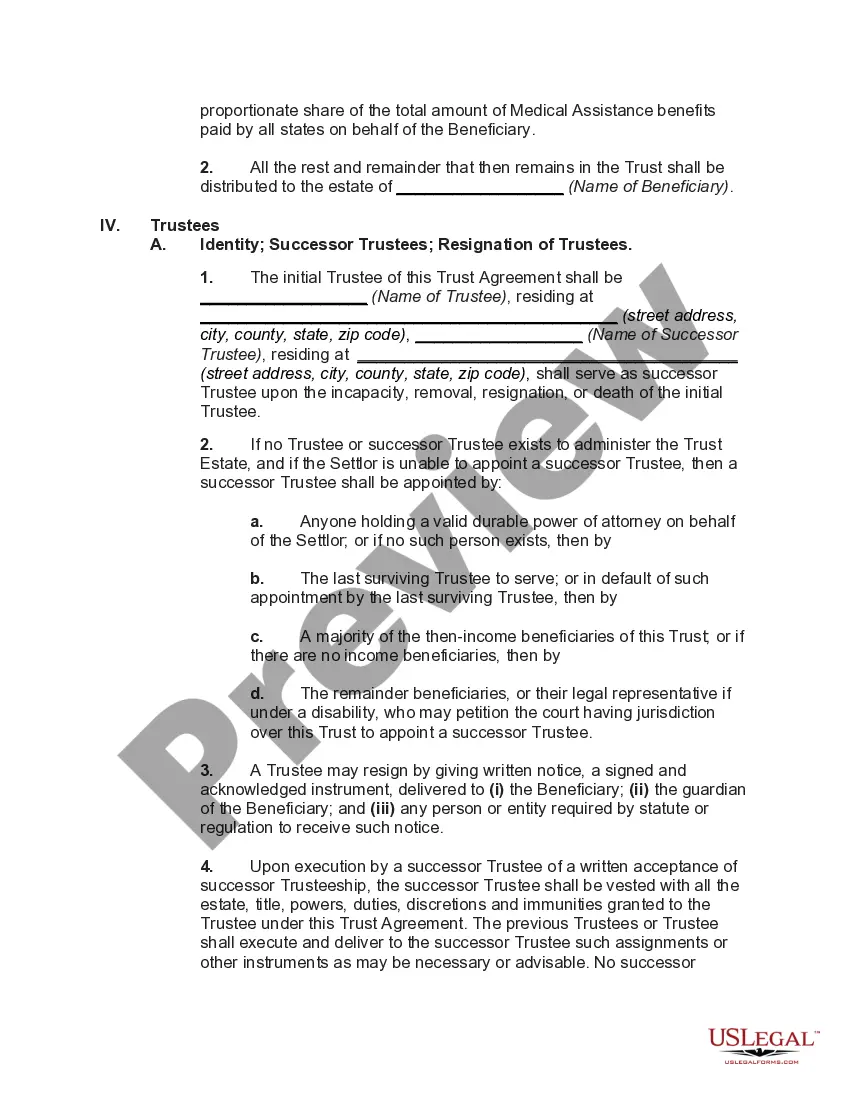

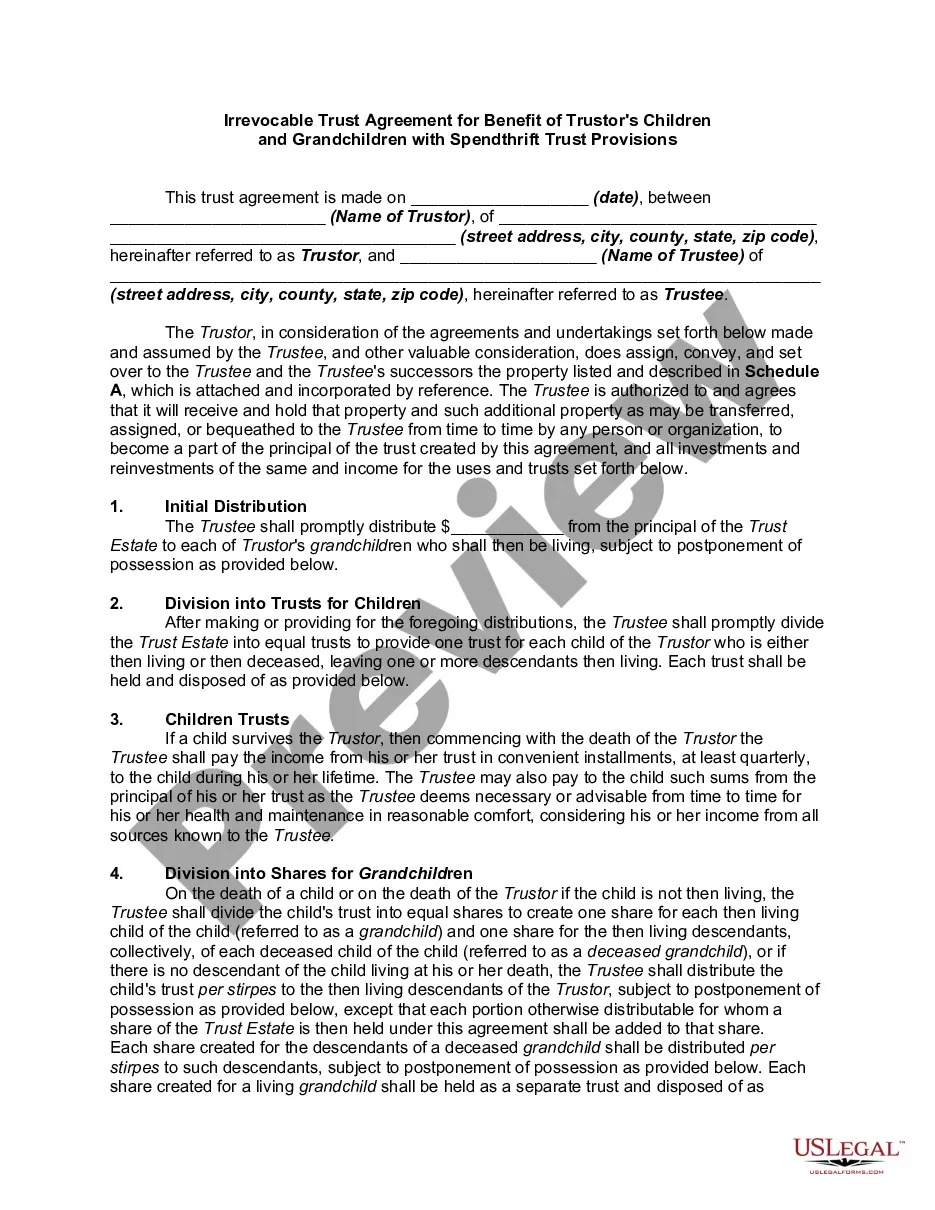
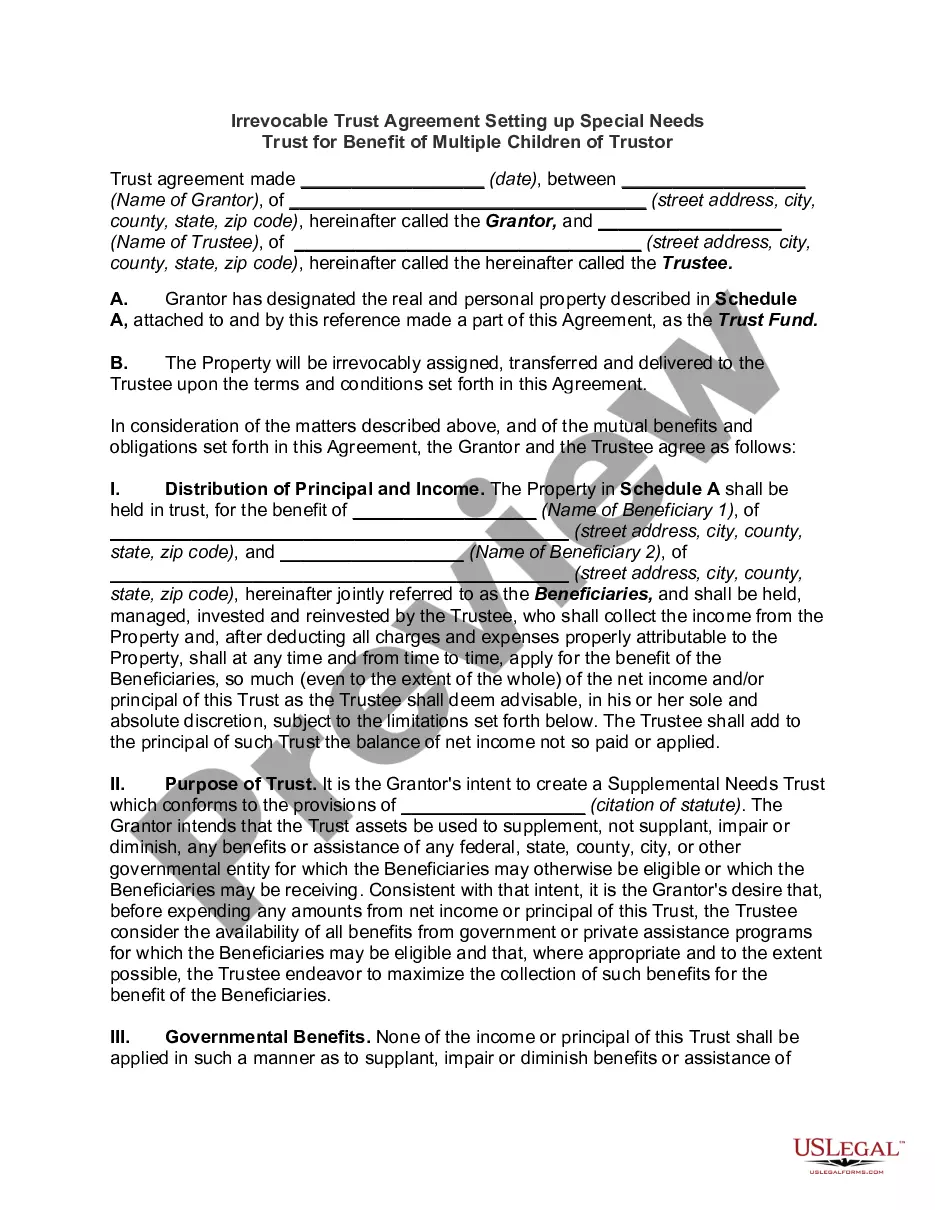
Get your form ready online
Our built-in tools help you complete, sign, share, and store your documents in one place.
Make edits, fill in missing information, and update formatting in US Legal Forms—just like you would in MS Word.
Download a copy, print it, send it by email, or mail it via USPS—whatever works best for your next step.
Sign and collect signatures with our SignNow integration. Send to multiple recipients, set reminders, and more. Go Premium to unlock E-Sign.
If this form requires notarization, complete it online through a secure video call—no need to meet a notary in person or wait for an appointment.
We protect your documents and personal data by following strict security and privacy standards.

Make edits, fill in missing information, and update formatting in US Legal Forms—just like you would in MS Word.

Download a copy, print it, send it by email, or mail it via USPS—whatever works best for your next step.

Sign and collect signatures with our SignNow integration. Send to multiple recipients, set reminders, and more. Go Premium to unlock E-Sign.

If this form requires notarization, complete it online through a secure video call—no need to meet a notary in person or wait for an appointment.

We protect your documents and personal data by following strict security and privacy standards.
Looking for another form?

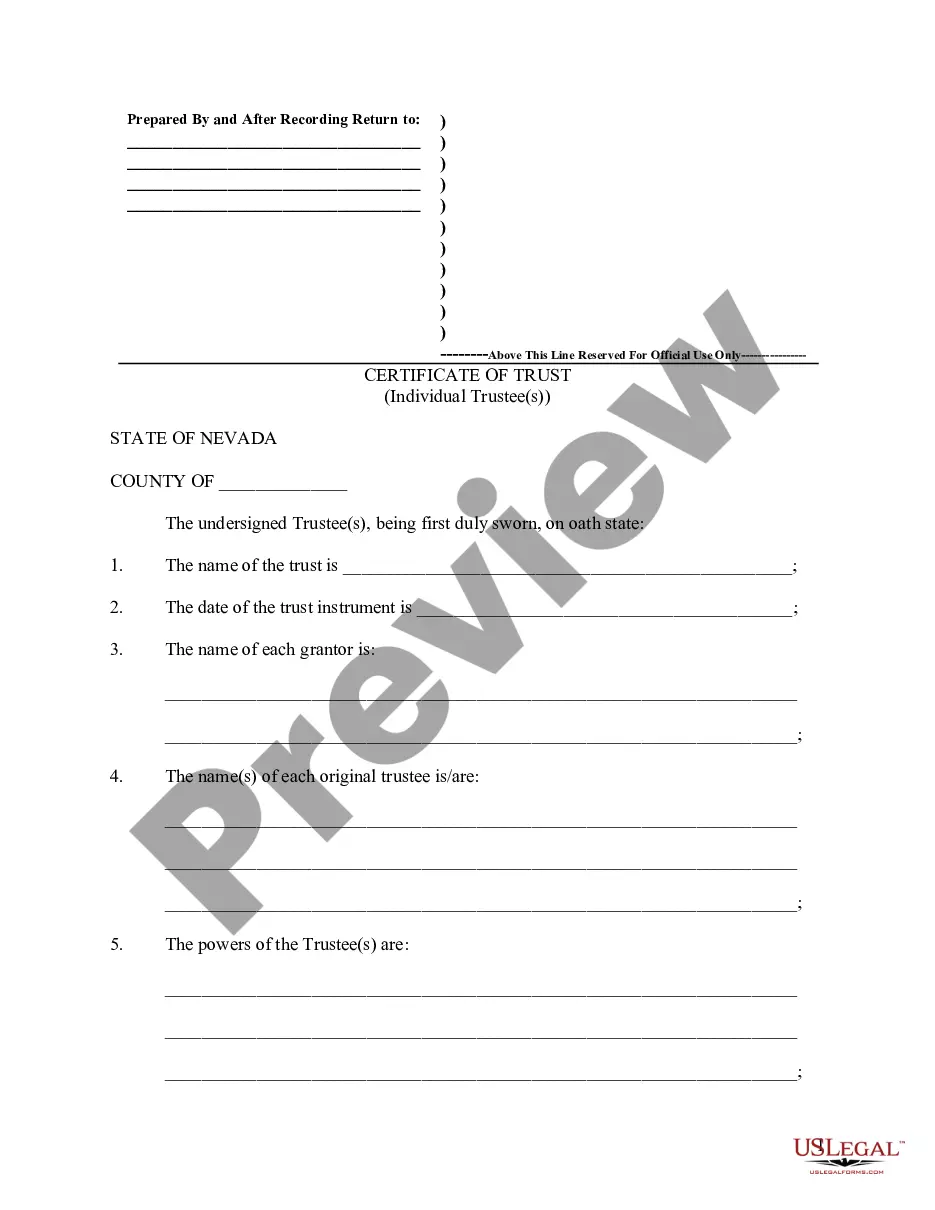
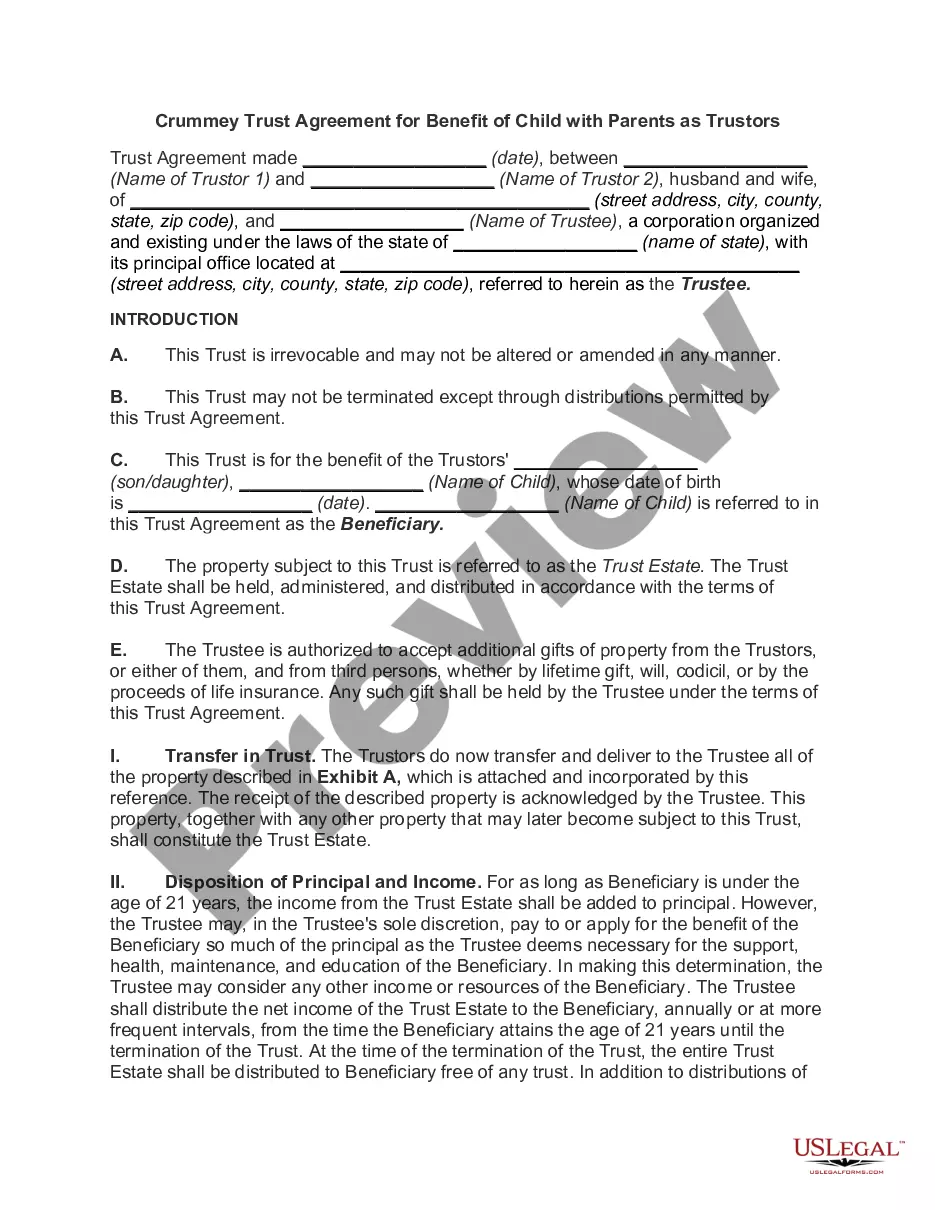





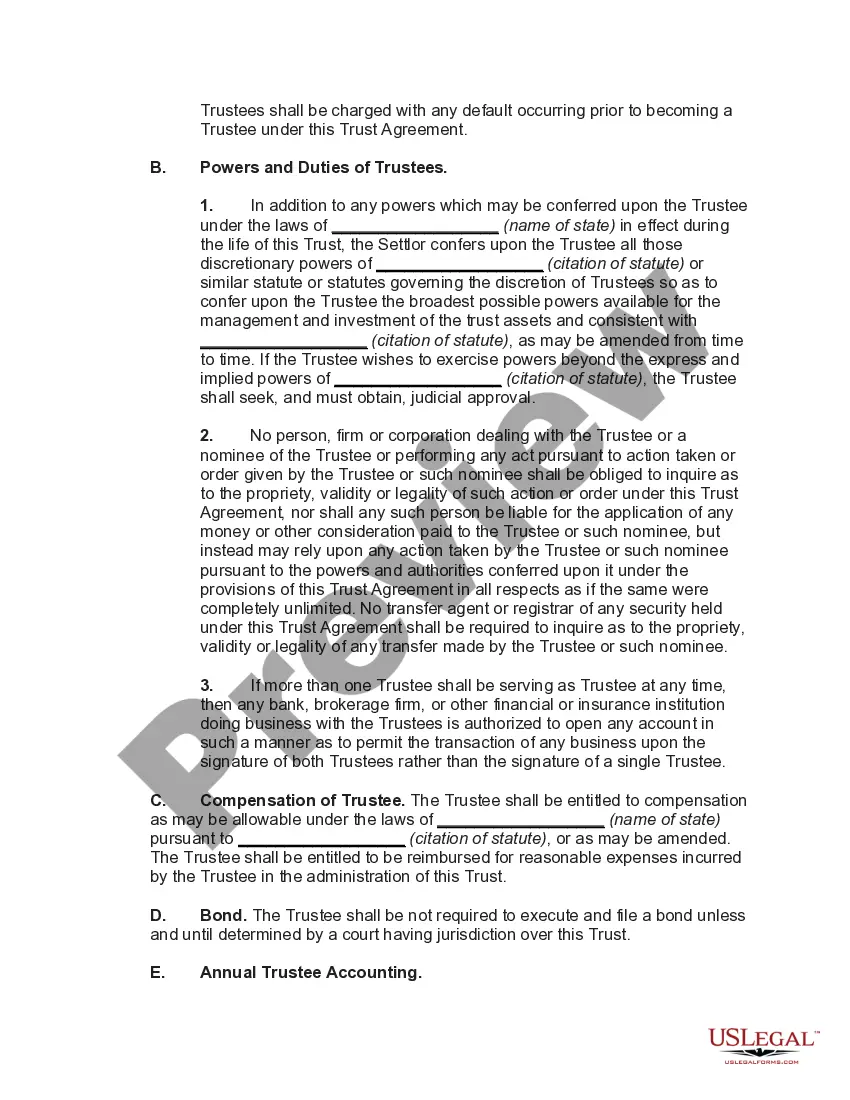
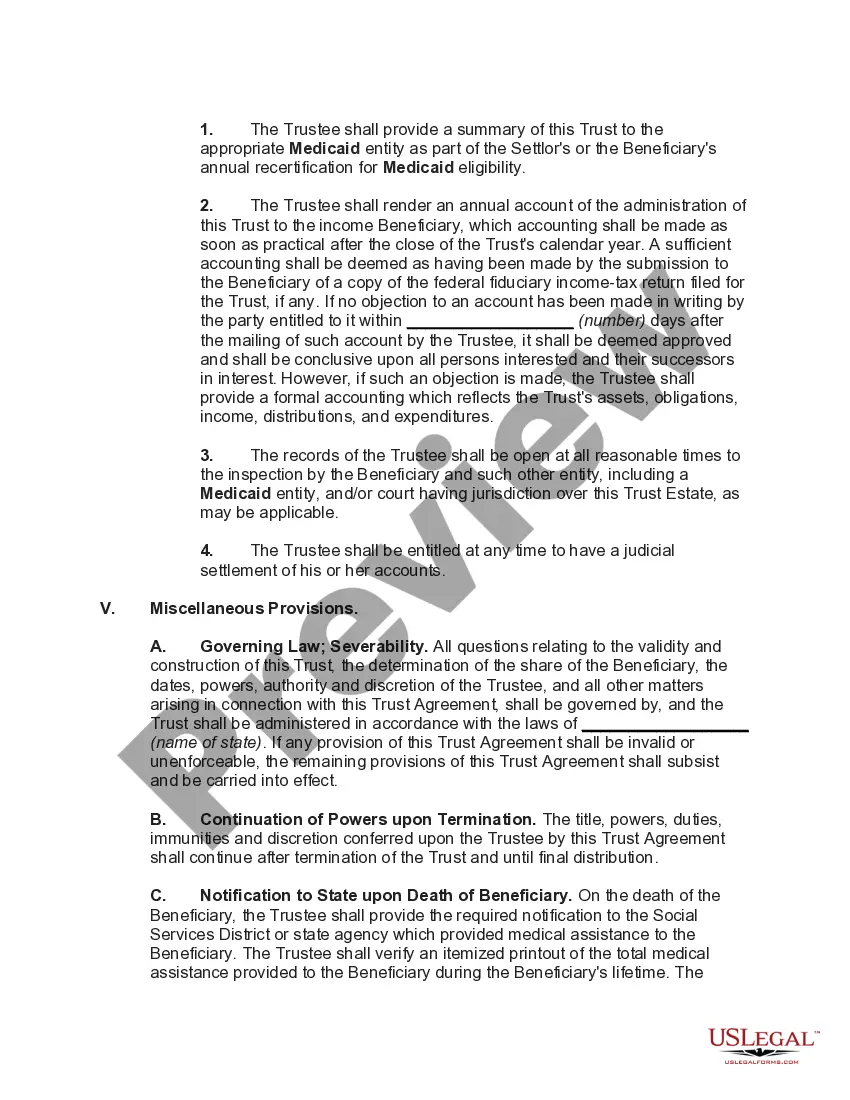
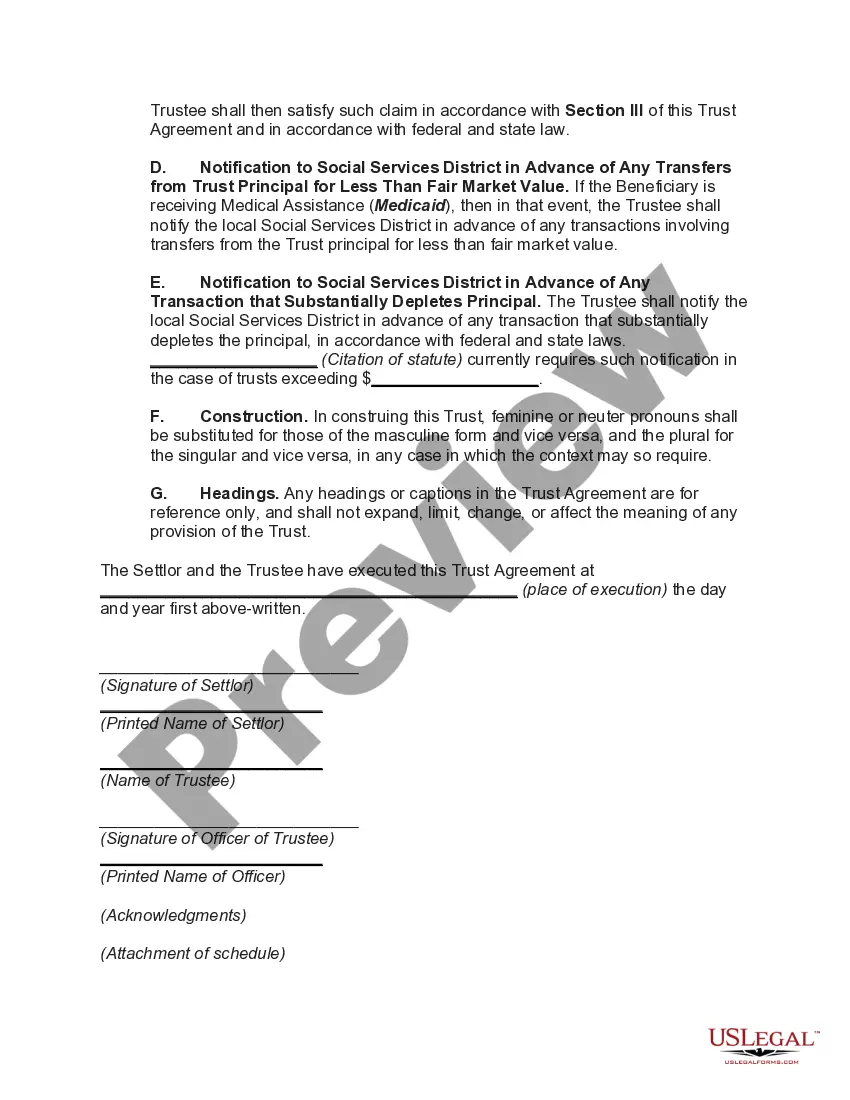
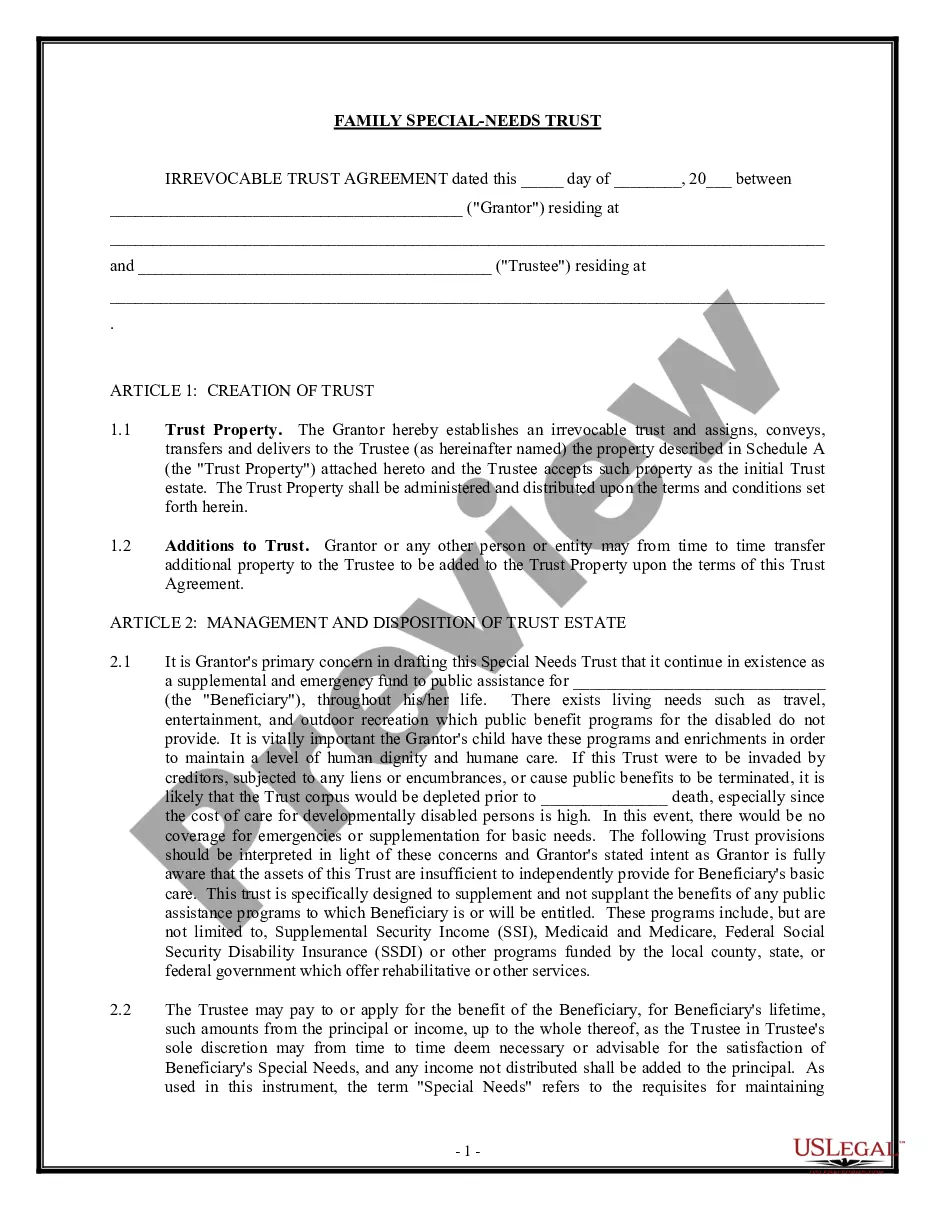
How to fill out Special Needs Irrevocable Trust Agreement For Benefit Of Disabled Child Of Trustor?
- Visit the US Legal Forms website and log into your account if you're a returning user, or create a new account if this is your first time.
- Once logged in, locate the Special Trust Child Statement with Beneficiary in the form library. Utilize the search feature for efficiency.
- Review the form preview and description carefully to confirm it adheres to your specific requirements and local jurisdiction.
- Click on the Buy Now button for the selected form and choose your desired subscription plan.
- Enter your payment information, either through credit card or PayPal, and finalize your purchase.
- Proceed to download the form directly to your device and access it at any time through the My Forms section in your profile.
By following these straightforward steps, you can ensure that your Special Trust Child Statement with Beneficiary is correct and tailored to your needs.
Start today with US Legal Forms and secure your peace of mind by creating essential legal documents effortlessly!
Form popularity
FAQ
When a beneficiary of a special needs trust passes away, the assets in the trust typically do not go directly to the beneficiary's estate. Instead, the trust's terms dictate the subsequent distribution of its assets. This may involve transferring remaining funds according to a special trust child statement with beneficiary guidelines. To ensure that you handle such transitions correctly, consulting resources like US Legal Forms can simplify the process and provide the necessary legal documentation.
Yes, a beneficiary has the right to request access to certain trust documents, including bank statements. This transparency is crucial for beneficiaries who want to understand how the assets are being managed. A special trust child statement with beneficiary can provide clarity about these financial transactions. If you need assistance in navigating trust documents, consider using US Legal Forms to obtain the necessary templates.
One disadvantage of a special needs trust is that the funds can only be used for specific expenses, potentially limiting flexibility. Additionally, administrative costs can be higher than typical savings accounts, and the special trust child statement with beneficiary may impose several restrictions. Beneficiaries should also be aware that receiving income from the trust could affect their eligibility for government benefits. It's crucial to weigh these factors carefully when considering a special needs trust.
In a trust, the trustee holds legal authority and manages the assets according to the trust's terms. However, the beneficiary gains the practical advantage of benefiting from the trust, as detailed in the special trust child statement with beneficiary. While the trustee makes decisions regarding the trust, they often act in the best interest of the beneficiaries. It's essential to establish a clear communication channel between both parties for effective trust management.
When reporting foreign trust and estate distributions to US beneficiaries, ensure all required forms are completed accurately, such as IRS Form 3520. Reference the special trust child statement with beneficiary to determine how these distributions affect the trust funds. It's crucial to consult with a tax professional to navigate the complexities of international reporting. This ensures compliance with US tax regulations while protecting the interests of the beneficiaries.
To report an inheritance to a trust, you generally notify the trustee about the inherited assets. The special trust child statement with beneficiary may provide specific instructions on how to document this inheritance. Make sure to keep records of all transactions and communication involved in the reporting process. This helps maintain transparency and ensures compliance with the trust's guidelines.
After the death of a beneficiary, the special needs trust is still in effect until all obligations and distributions are complete. This often involves a review based on the special trust child statement with beneficiary provisions to determine how assets are disbursed. The trustee is responsible for settling any final expenses and distributing remaining assets according to the trust's terms. Proper administration is key to ensuring these steps follow legal guidelines.
When a special needs trust beneficiary dies, the trust's assets do not automatically go to the beneficiary's estate. Instead, you should consult the special trust child statement with beneficiary to understand how the assets will be distributed. Typically, the trust document outlines who receives the remaining funds, which may include family members or other beneficiaries. It's essential to review these details to ensure proper handling of the trust.
While a special needs trust offers many benefits, it also comes with potential downsides. One key concern can be the limits on how funds are spent, which requires careful management and compliance with regulations. A well-structured special trust child statement with beneficiary can mitigate risks, ensuring the trust meets the beneficiary's needs without violating benefit requirements. Consulting with legal experts is essential to navigate these complexities.
Yes, a trust beneficiary can request bank statements related to the special needs trust. Transparency is essential, and beneficiaries have the right to understand the trust's financial status and expenditures. A clear special trust child statement with beneficiary outlines these rights and responsibilities, ensuring all parties are informed. Utilize platforms, such as US Legal Forms, to streamline this process and maintain clear communication.