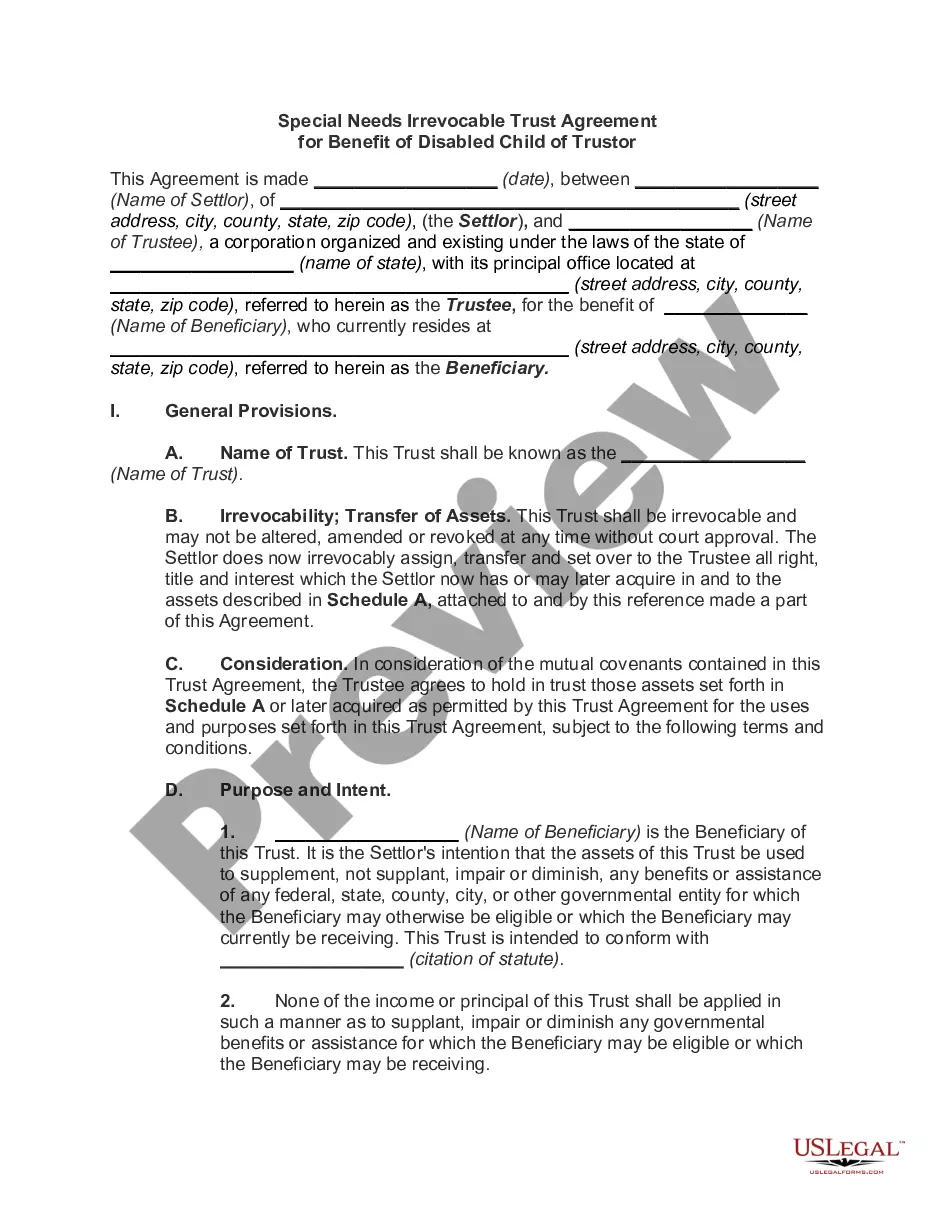
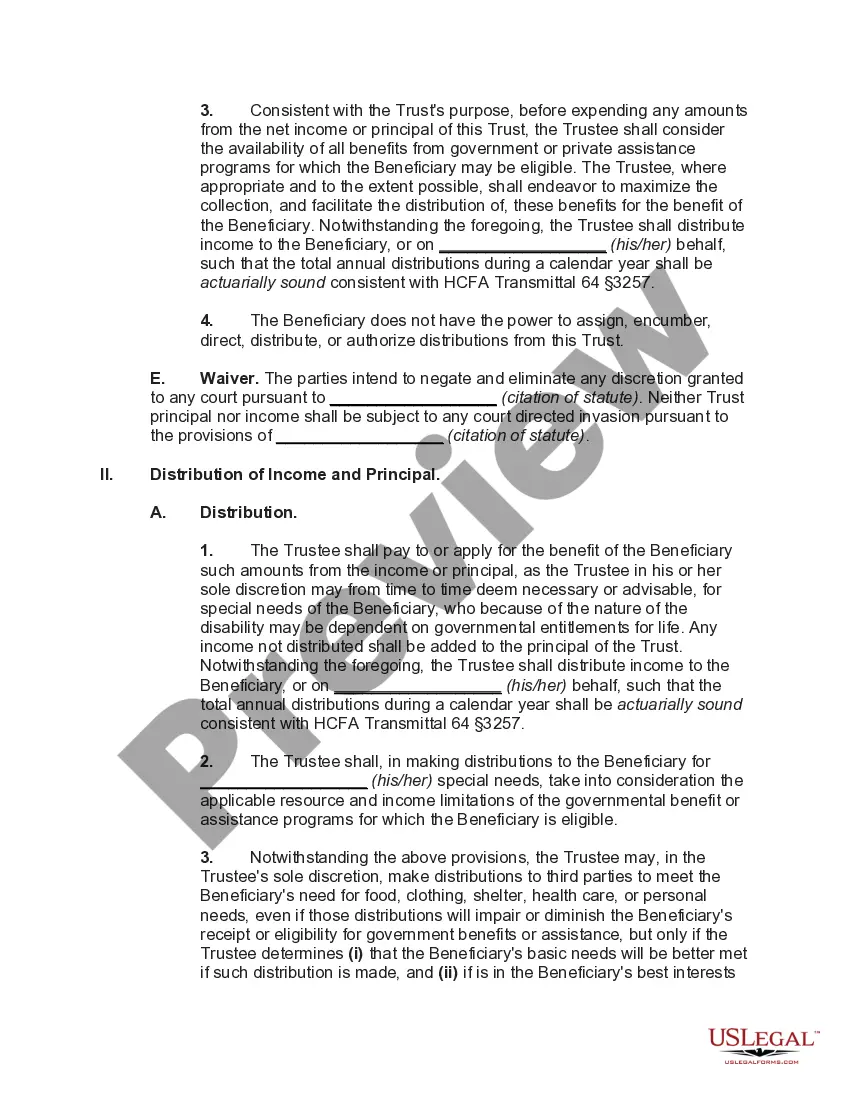
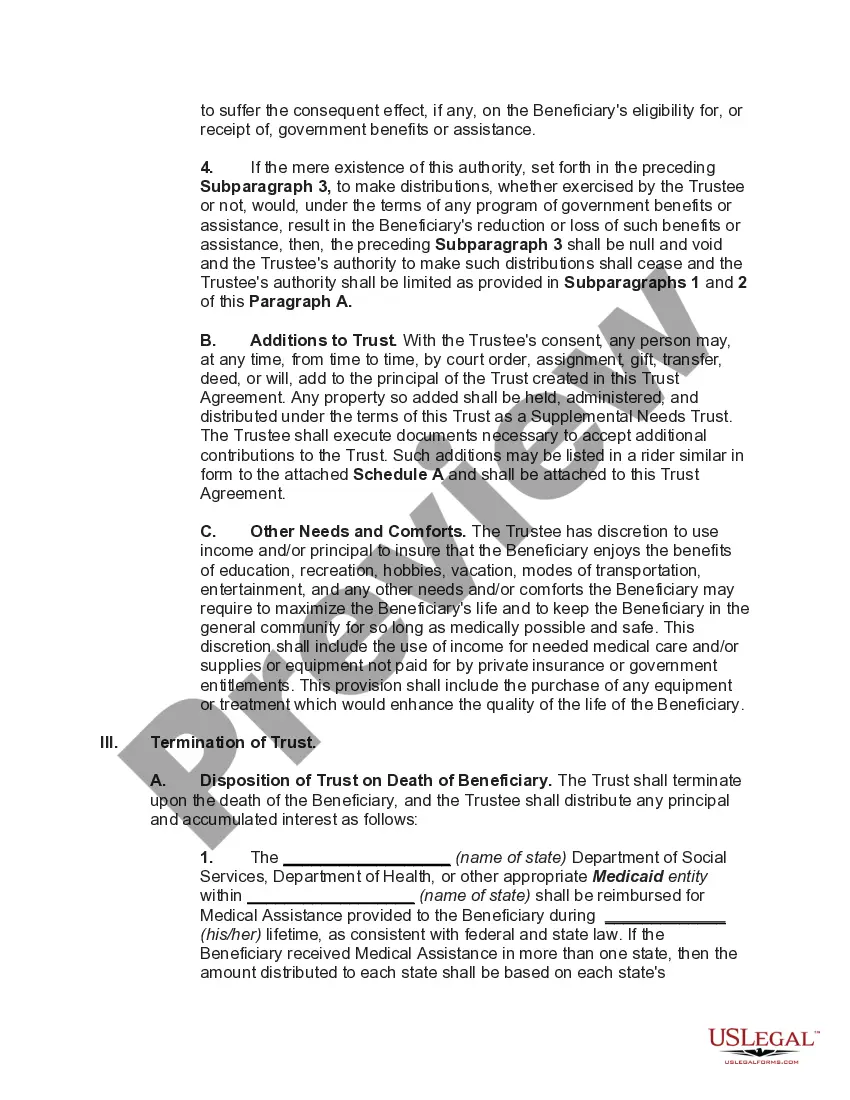
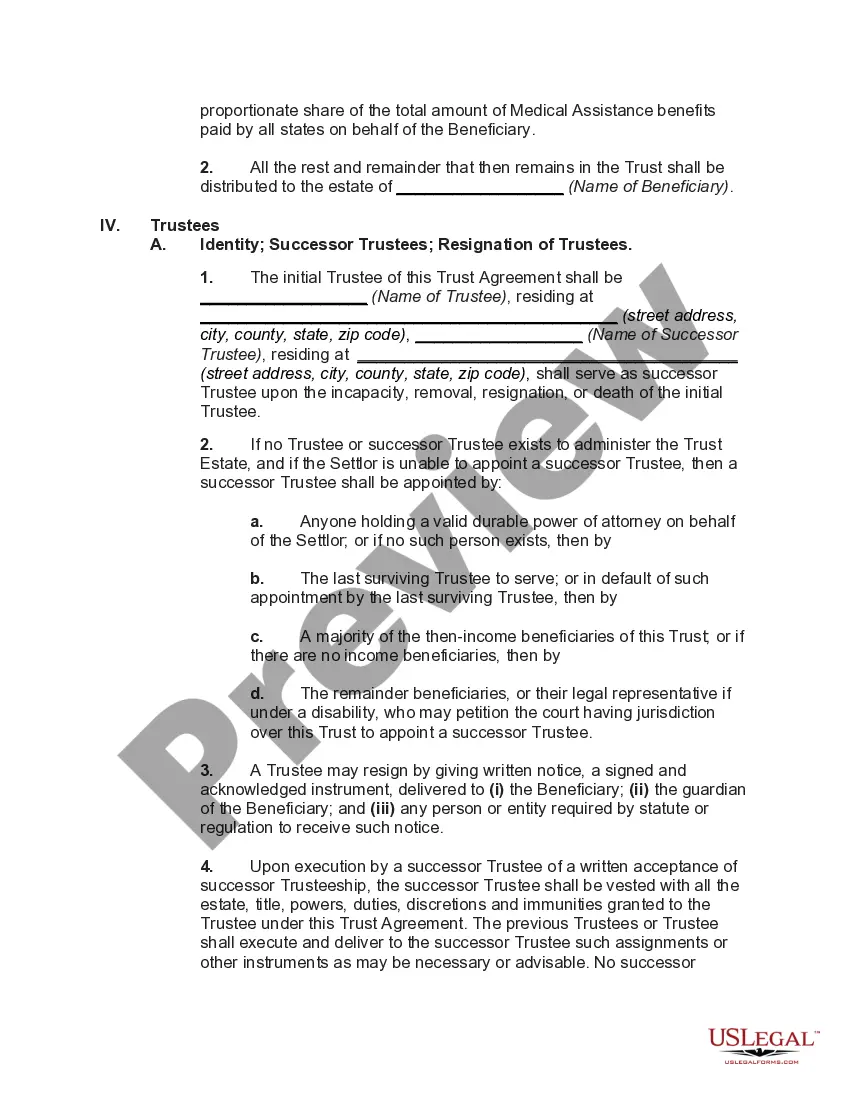
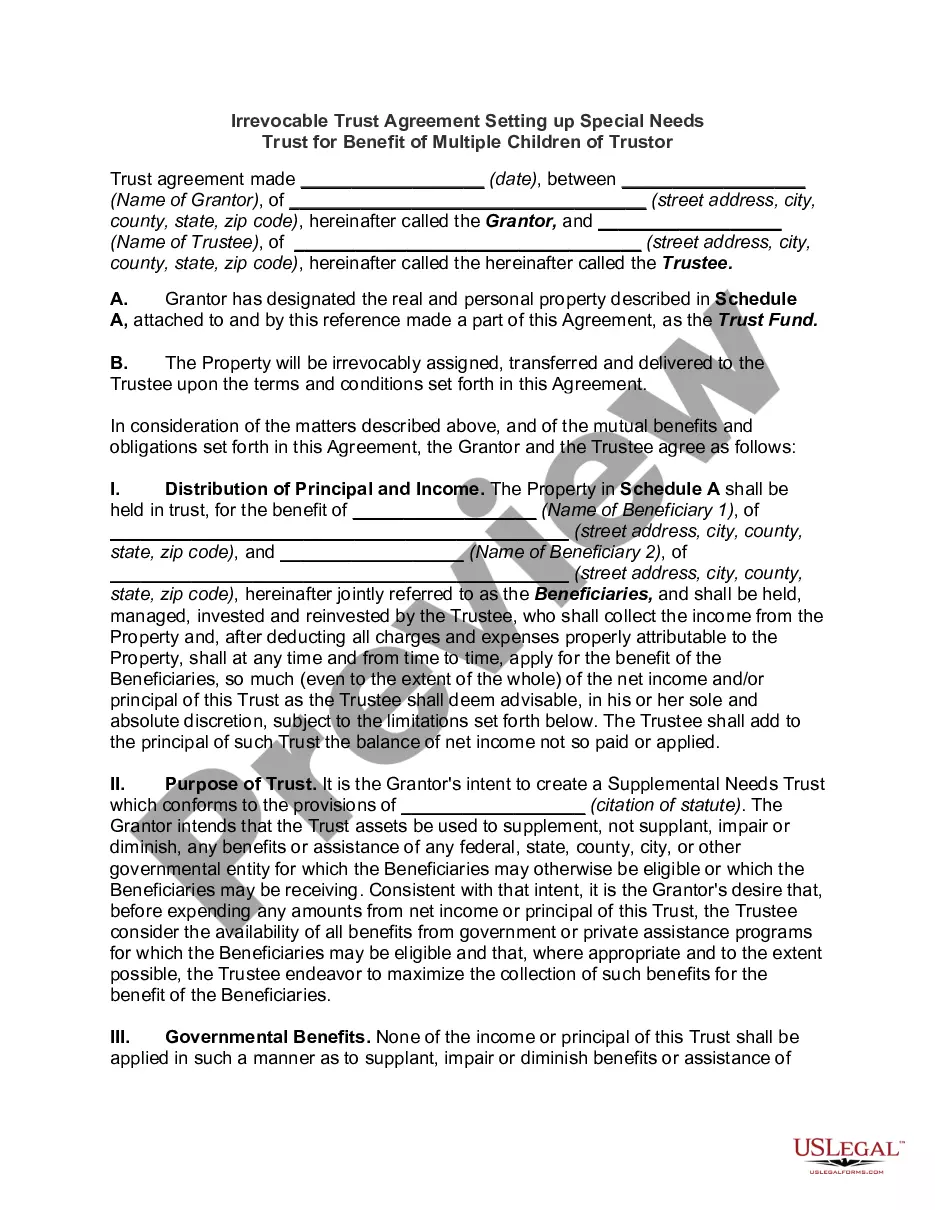
Special Needs Trustor Contract For Service Tradução
Description
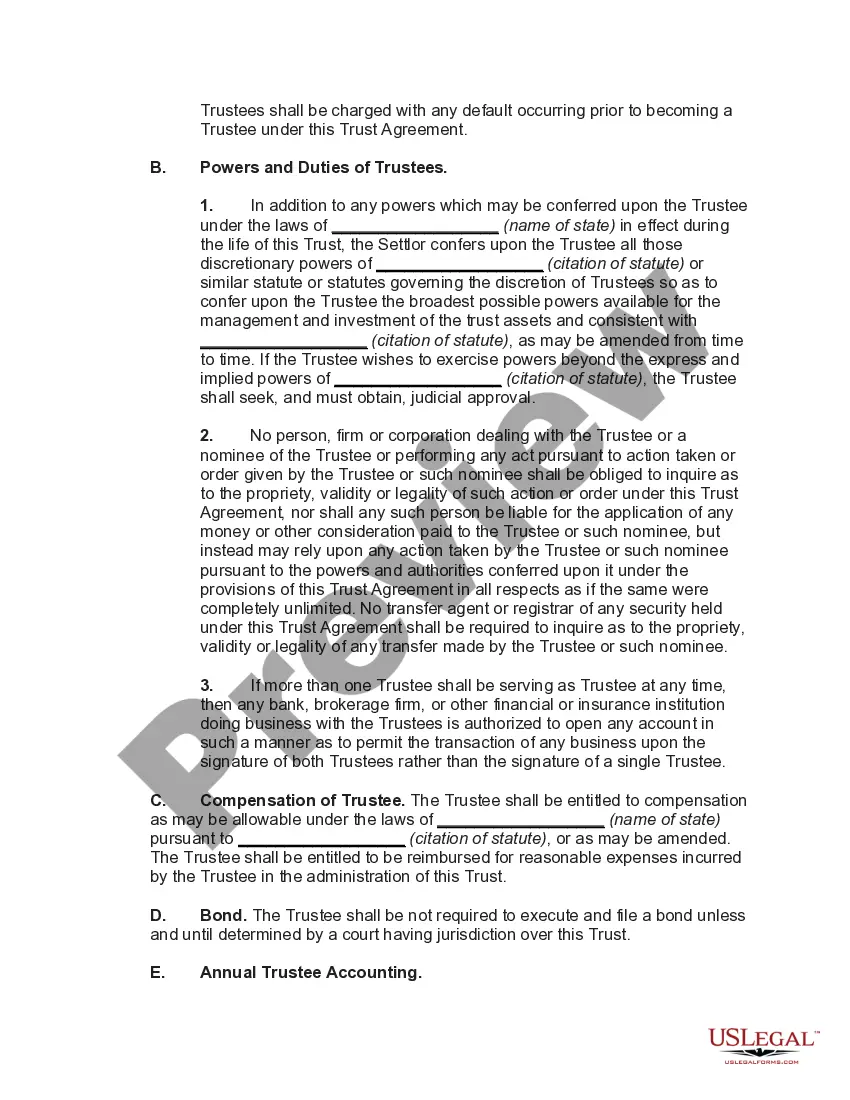
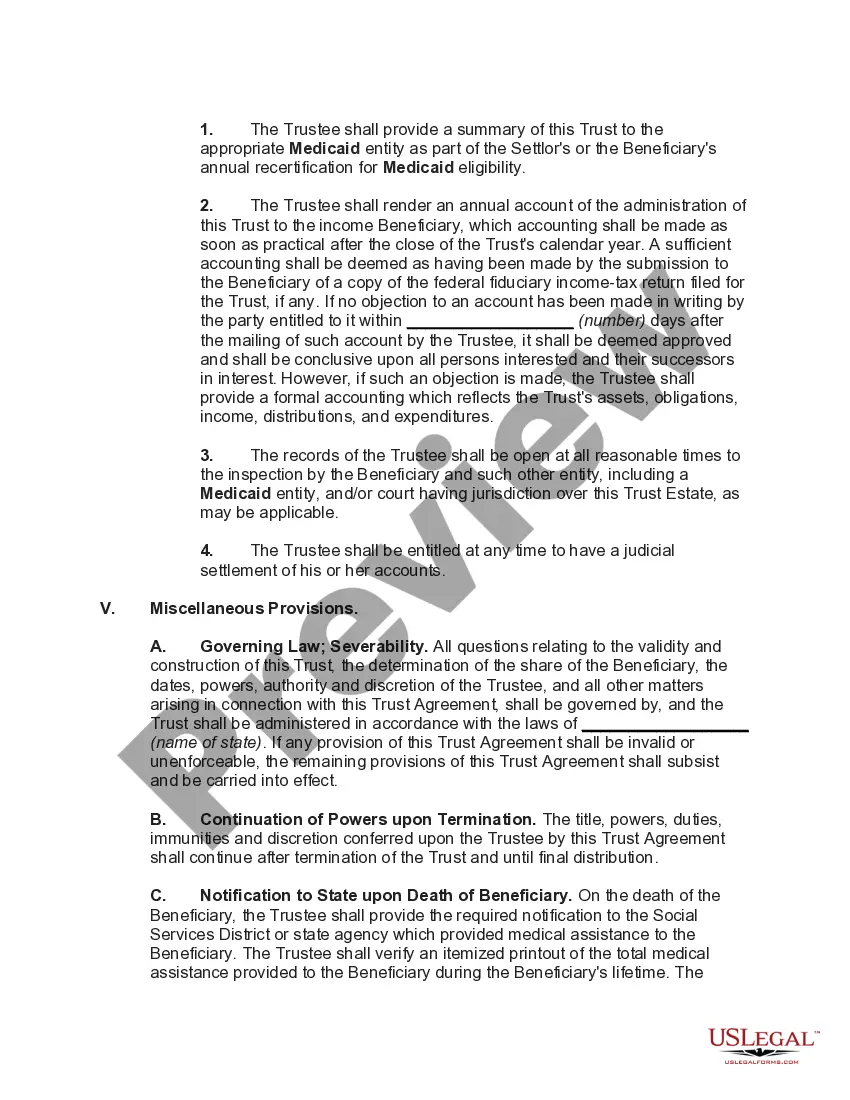
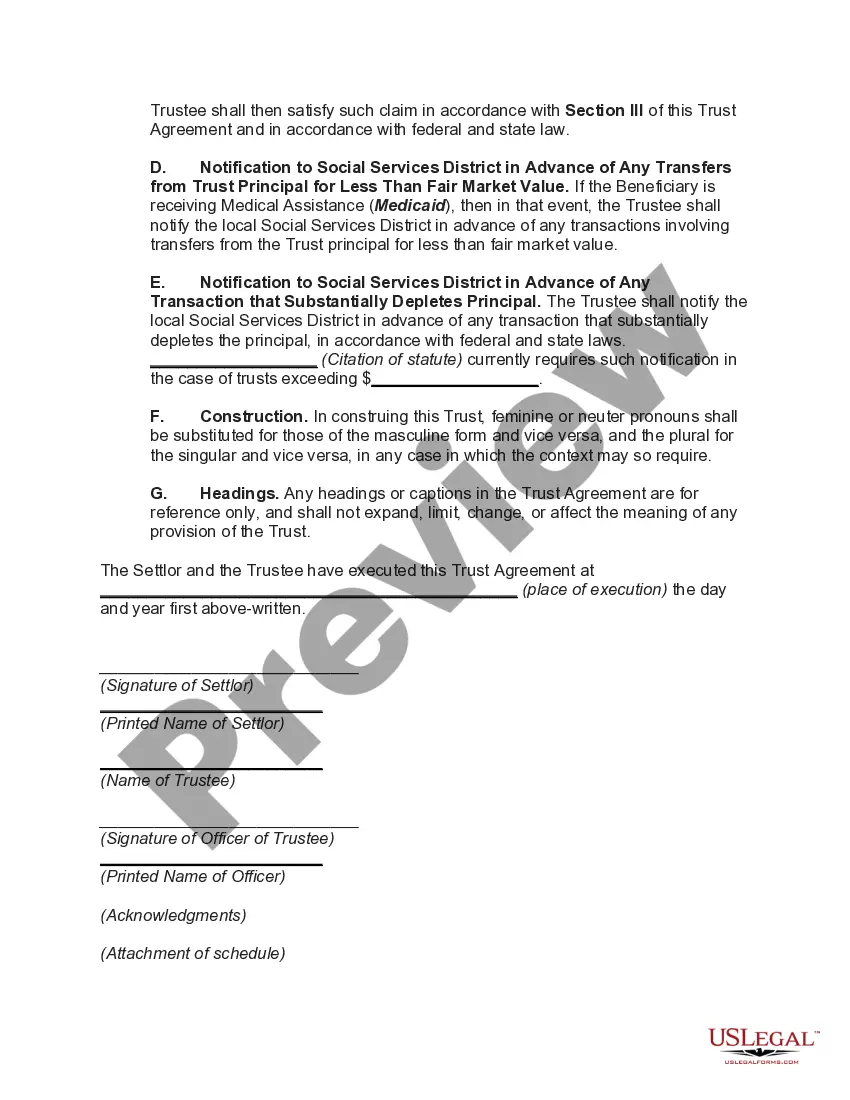
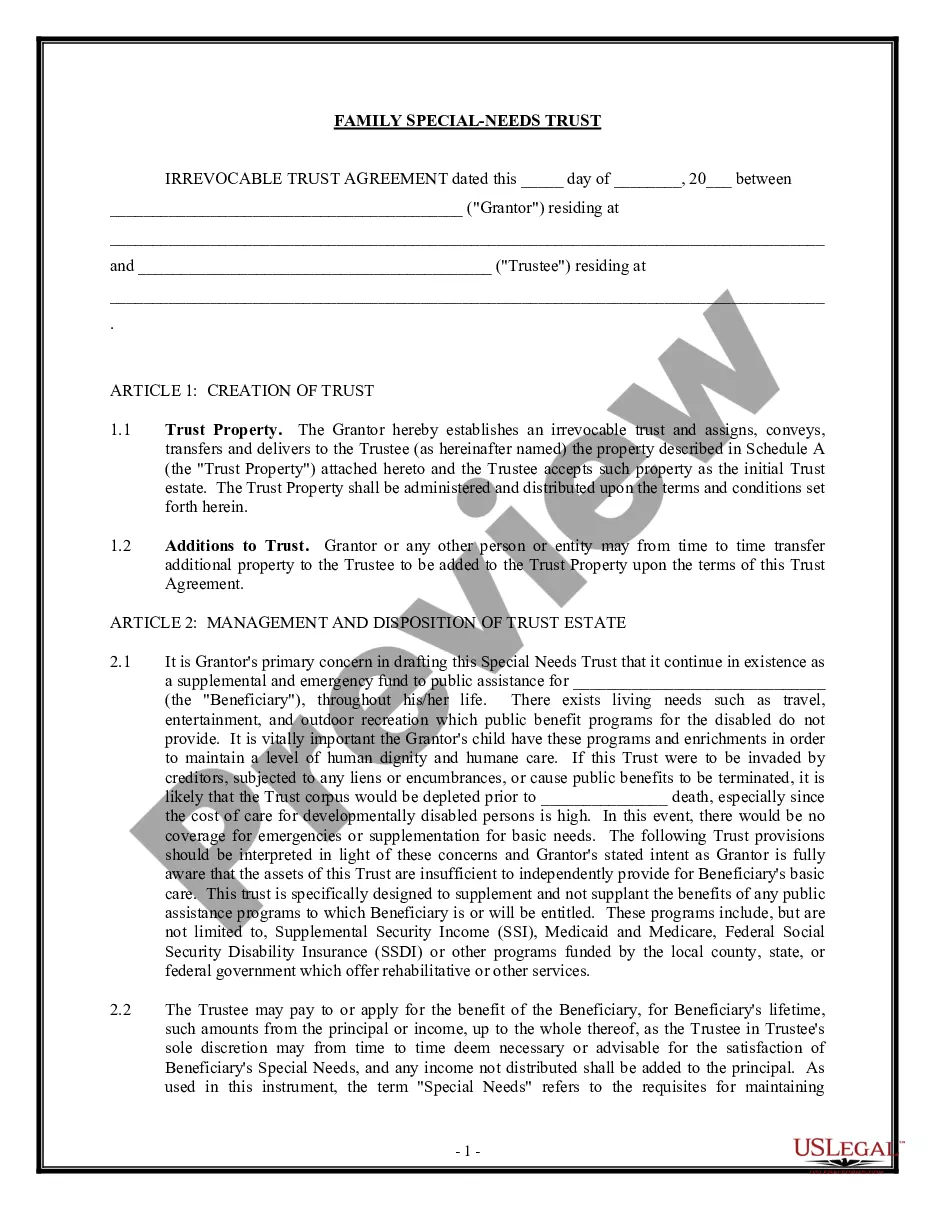


Get your form ready online
Our built-in tools help you complete, sign, share, and store your documents in one place.
Make edits, fill in missing information, and update formatting in US Legal Forms—just like you would in MS Word.
Download a copy, print it, send it by email, or mail it via USPS—whatever works best for your next step.
Sign and collect signatures with our SignNow integration. Send to multiple recipients, set reminders, and more. Go Premium to unlock E-Sign.
If this form requires notarization, complete it online through a secure video call—no need to meet a notary in person or wait for an appointment.
We protect your documents and personal data by following strict security and privacy standards.

Make edits, fill in missing information, and update formatting in US Legal Forms—just like you would in MS Word.

Download a copy, print it, send it by email, or mail it via USPS—whatever works best for your next step.

Sign and collect signatures with our SignNow integration. Send to multiple recipients, set reminders, and more. Go Premium to unlock E-Sign.

If this form requires notarization, complete it online through a secure video call—no need to meet a notary in person or wait for an appointment.

We protect your documents and personal data by following strict security and privacy standards.
Looking for another form?







How to fill out Special Needs Irrevocable Trust Agreement For Benefit Of Disabled Child Of Trustor?
- If you are a returning user, log in to your account and download the required form template. Ensure your subscription is active; renew if it is not.
- For first-time users, start by searching for the Special Needs Trustor Contract. Verify the form description and preview to ensure it meets your jurisdictional requirements.
- Use the Search tab for alternative templates if necessary. If you identify any discrepancies, look for the correct option before proceeding.
- To purchase the selected document, click ‘Buy Now’ and choose your preferred subscription plan. You will need to register to access the extensive library.
- Complete your purchase by entering your payment details or utilizing PayPal.
- Download the form to your device, allowing you to access it anytime through the My Forms section of your profile.
In conclusion, US Legal Forms offers a robust library of over 85,000 legal forms, empowering users to create precise documents quickly. With expert guidance available, you can ensure your legal forms meet all requirements with ease.
Start streamlining your legal processes today by visiting US Legal Forms and accessing the tools you need!
Form popularity
FAQ
Terminating a special needs trust requires following specific legal processes outlined in the trust document. Generally, it may involve notifying beneficiaries and resolving any outstanding obligations. Consulting with a legal expert familiar with special needs trustor contract for service tradução will help navigate this process efficiently.
Absolutely, a special needs trust must file a return if it has qualifying income. This ensures all financial activities are recorded properly according to IRS regulations. A tax professional can guide you through this process, ensuring your trust remains compliant while maximizing its benefits.
Yes, if your special needs trust generates income above a certain limit, it will need to file a tax return. This requirement helps ensure that all trust income is reported accurately. Always consult with a tax advisor to clarify which filings are necessary for your particular situation.
Choosing the right trustee for a special needs trust is crucial, as this role involves managing trust assets and distribution. A professional trustee, such as a bank or trust company, can provide expertise and impartiality. Alternatively, a family member or friend familiar with the beneficiary’s needs may offer a personal touch, ensuring the trust supports their lifestyle effectively.
The three primary types of special needs trusts include first-party, third-party, and pooled trusts. First-party trusts are funded with the beneficiary's own assets, while third-party trusts receive funds from family or friends. Pooled trusts aggregate funds from multiple beneficiaries and are managed by nonprofit organizations, providing an efficient way to ensure financial support.
The IRS treats special needs trusts as separate tax entities, meaning they must file their own tax returns. Depending on the trust's income, it may be taxed at higher rates. It’s essential to consult with a tax professional to navigate the tax implications effectively, particularly with a special needs trustor contract for service tradução.
The three types of special needs generally refer to physical disabilities, cognitive disabilities, and emotional or behavioral disorders. Each category captures a range of conditions that can affect an individual's daily living and require tailored support. Recognizing these needs is crucial when creating a special needs trustor contract for service tradução, as this ensures that the trust effectively meets the unique challenges faced by the individual.
Different types of trusts for disabled people include special needs trusts, pooled trusts, and supplemental needs trusts. Each type is designed to help individuals with disabilities manage their funds while preserving their eligibility for government benefits. By utilizing these trusts, you can ensure that the supported individual has access to necessary financial resources without compromising their assistance, a principle clearly outlined in the special needs trustor contract for service tradução.
The three primary types of trusts are revocable trusts, irrevocable trusts, and special needs trusts. Revocable trusts allow the creator to alter or dissolve the trust during their lifetime, while irrevocable trusts cannot be changed or revoked once established. Special needs trusts are designed specifically to benefit individuals with disabilities, ensuring they receive support without losing essential government assistance, as guided by the special needs trustor contract for service tradução.
The responsibilities of a special needs trustee include managing the trust assets for the benefit of the disabled individual while adhering to federal and state laws. They must ensure that funds are used appropriately, avoid jeopardizing government benefits, and fulfill the terms of the special needs trustor contract for service tradução. Additionally, the trustee must maintain accurate records and provide regular financial reports to the beneficiaries.