Special Needs Trustor Complete With The Help
Description

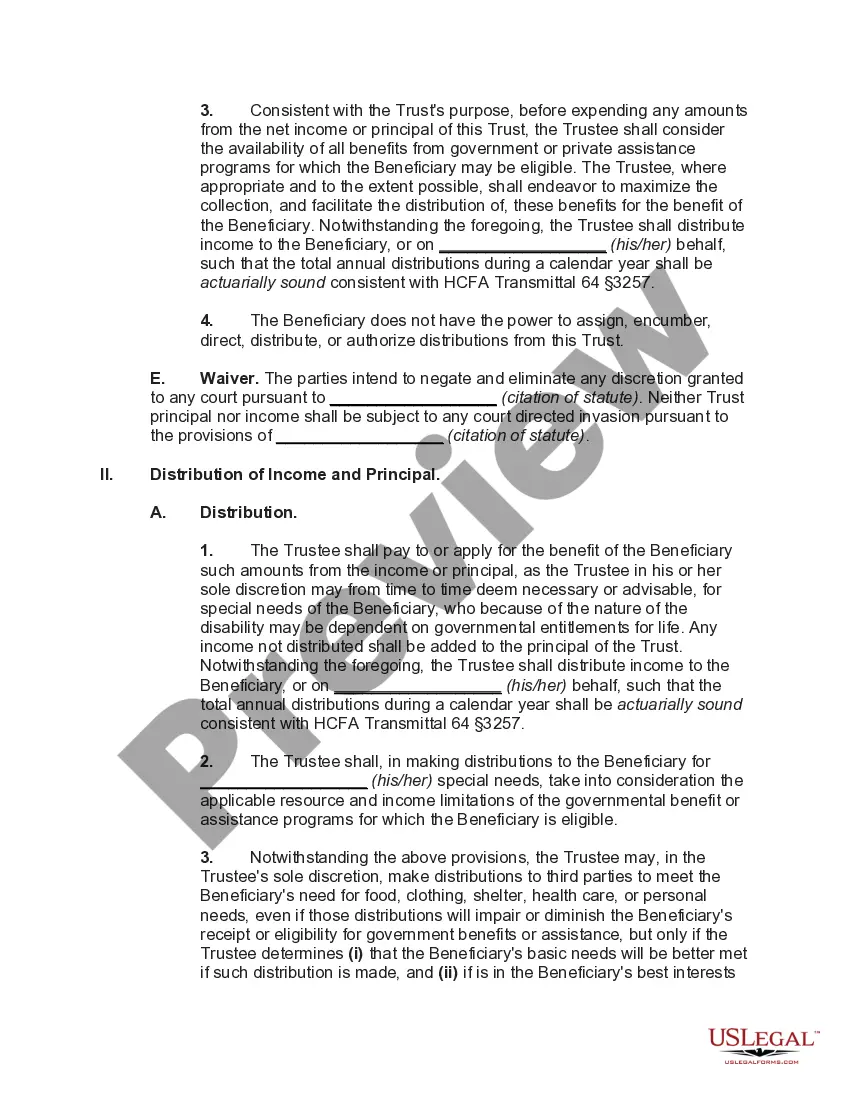
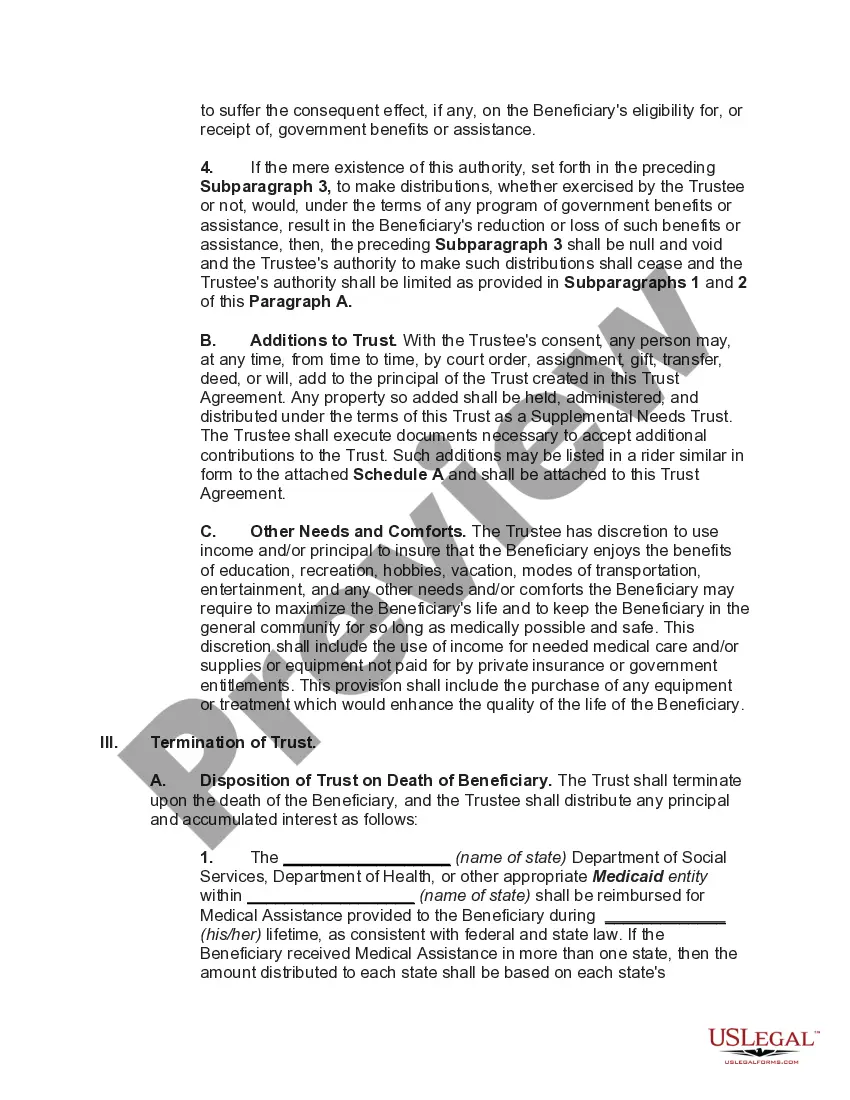
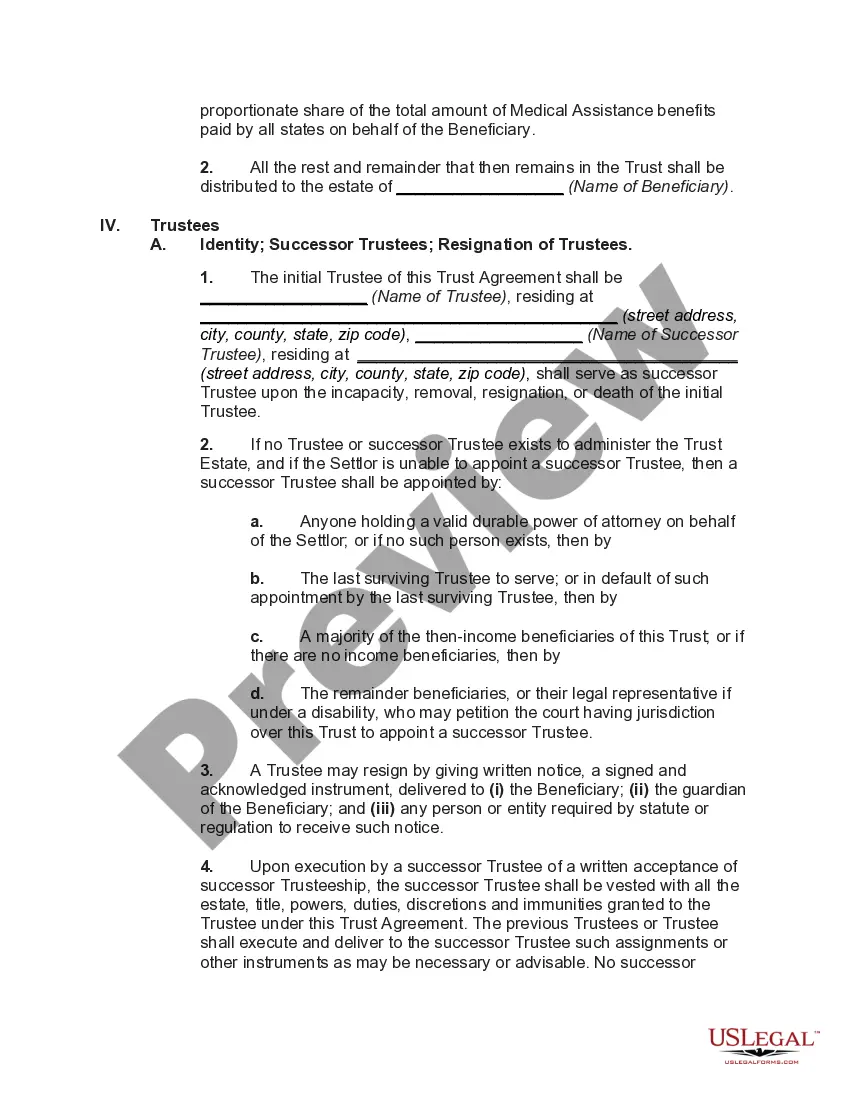
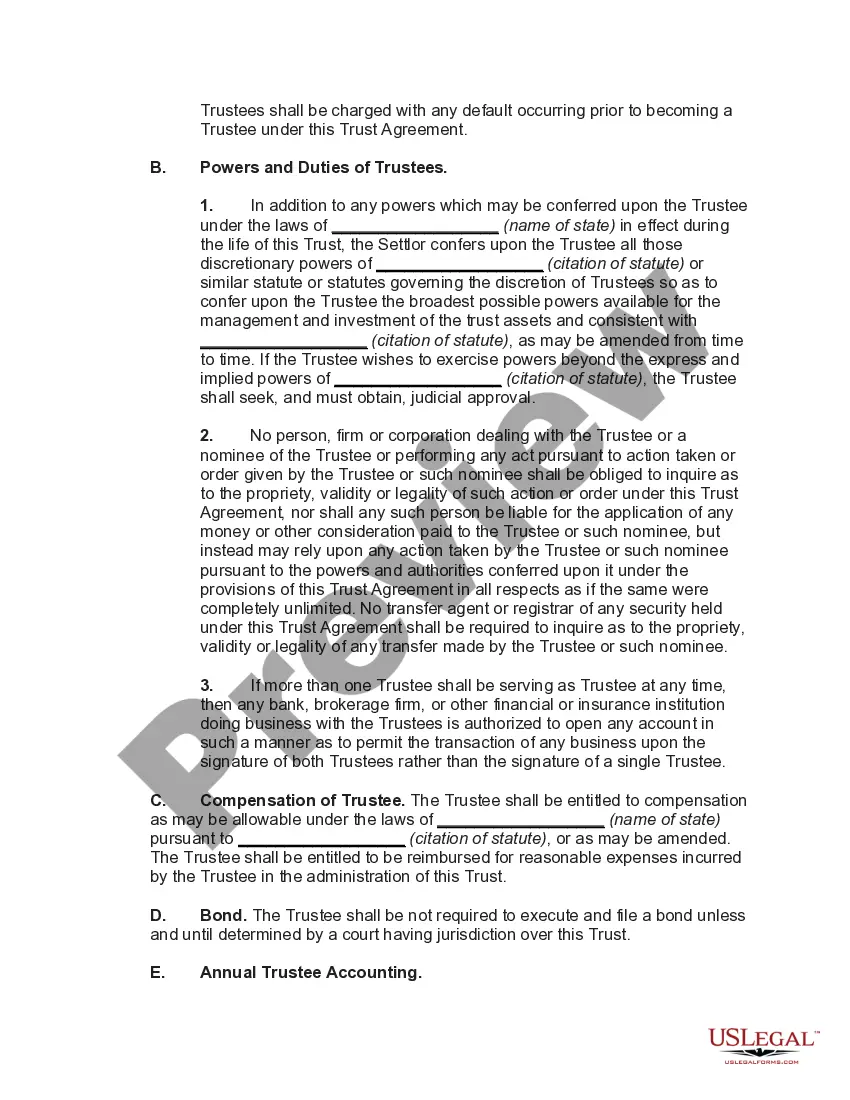
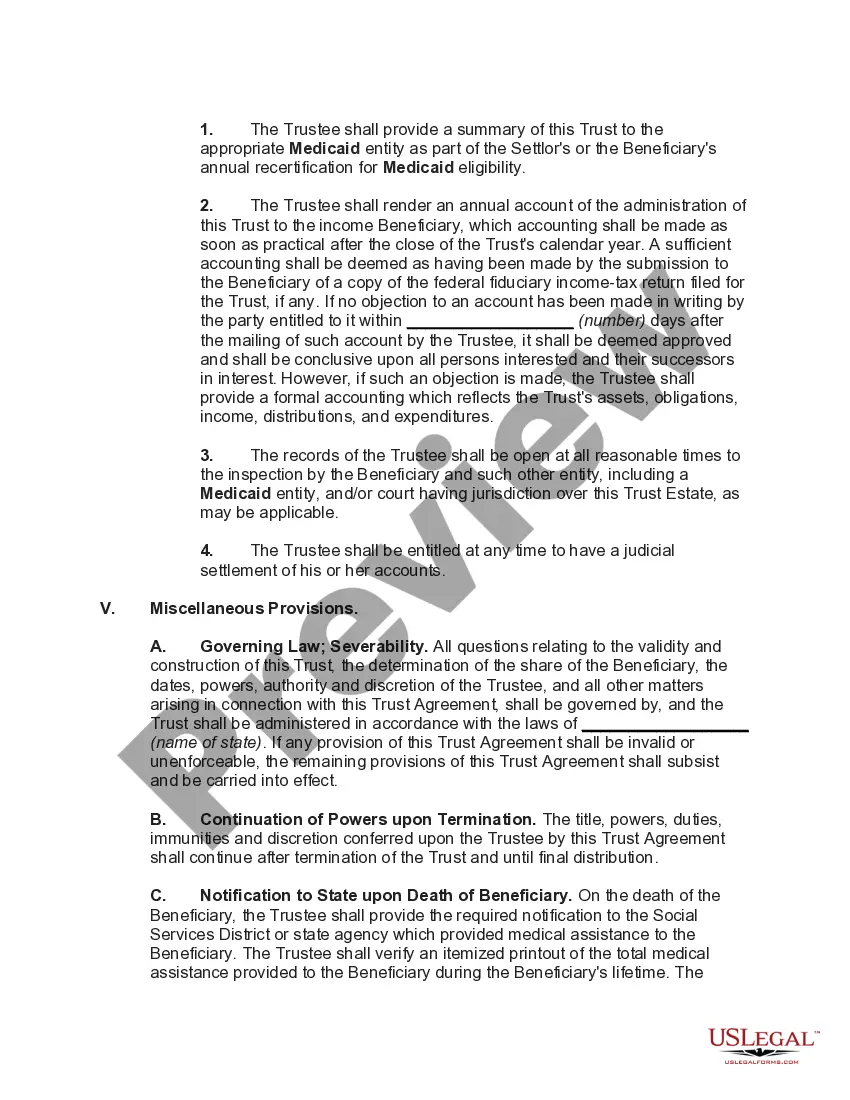
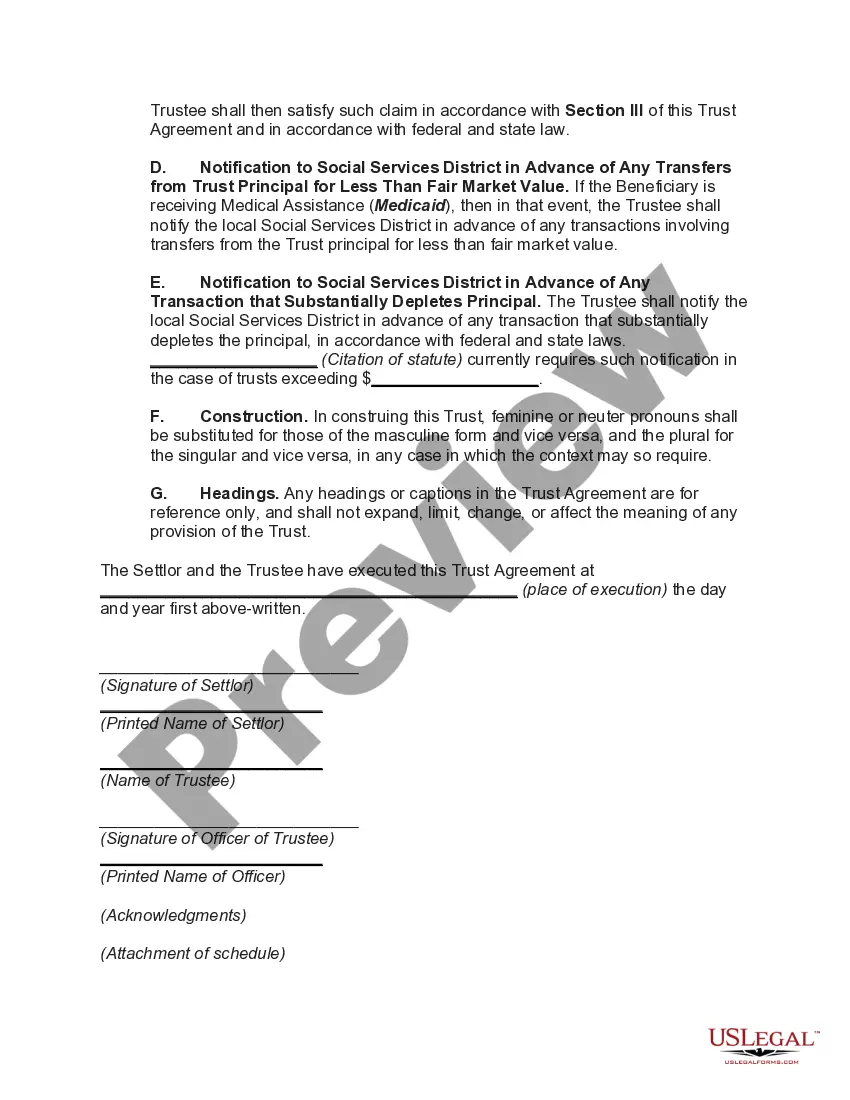


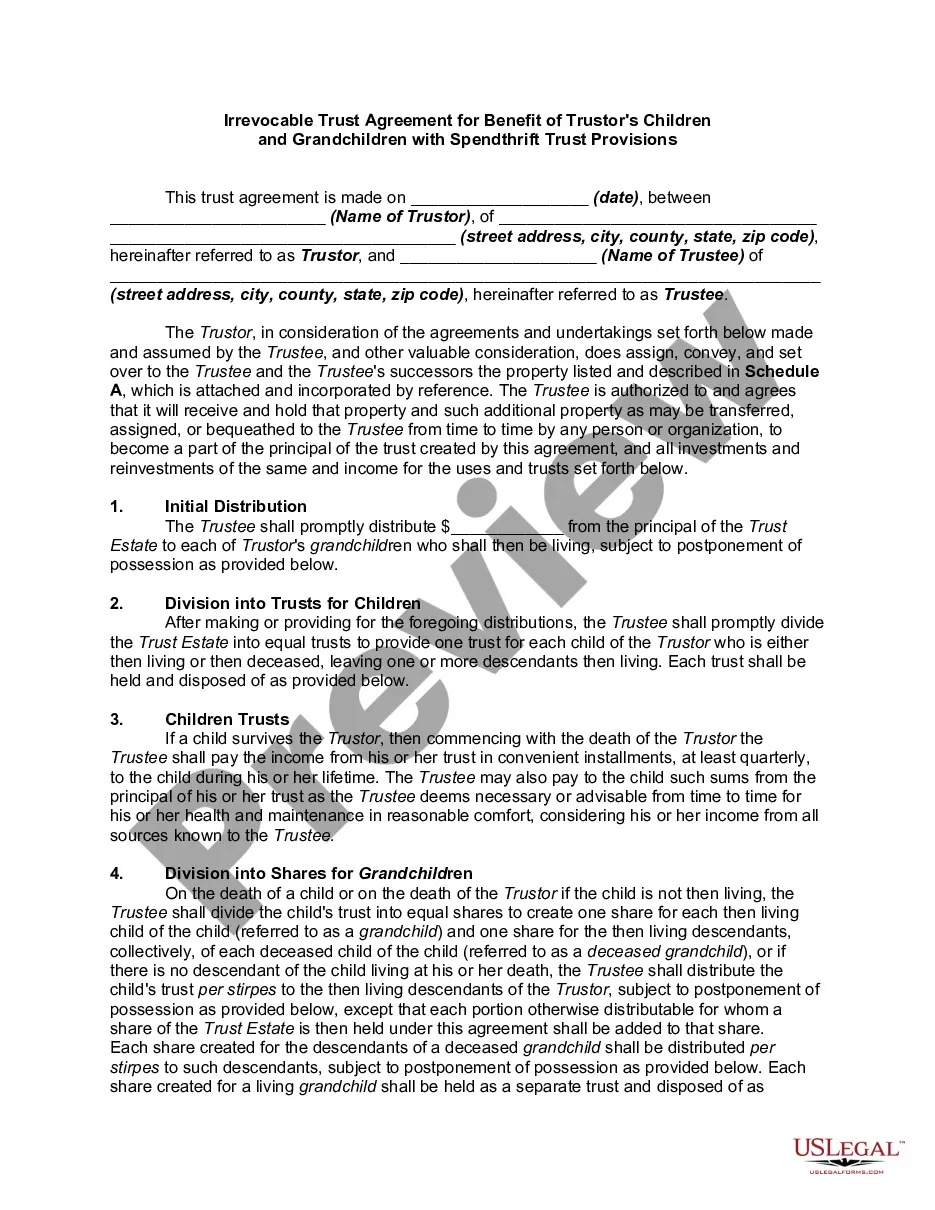
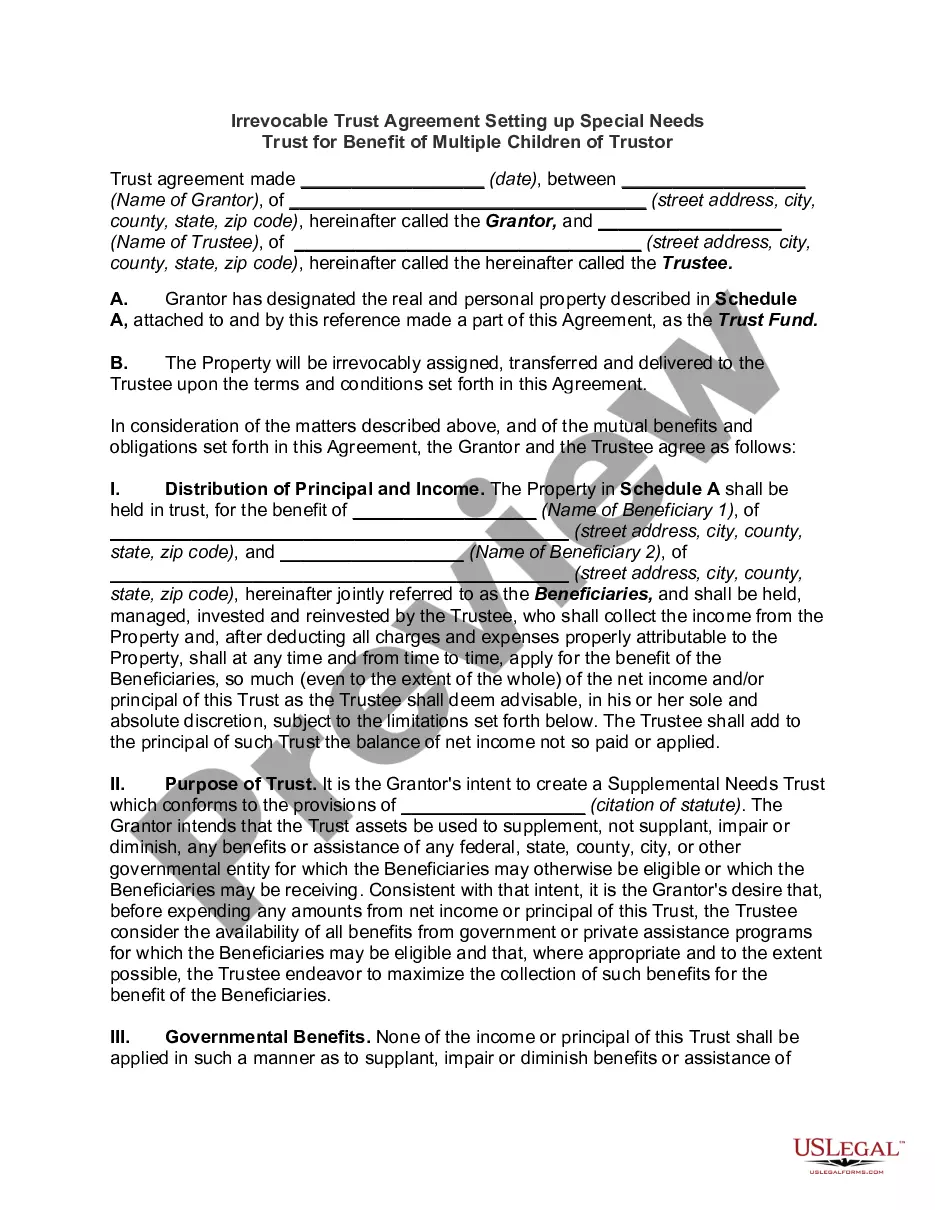
Get your form ready online
Our built-in tools help you complete, sign, share, and store your documents in one place.
Make edits, fill in missing information, and update formatting in US Legal Forms—just like you would in MS Word.
Download a copy, print it, send it by email, or mail it via USPS—whatever works best for your next step.
Sign and collect signatures with our SignNow integration. Send to multiple recipients, set reminders, and more. Go Premium to unlock E-Sign.
If this form requires notarization, complete it online through a secure video call—no need to meet a notary in person or wait for an appointment.
We protect your documents and personal data by following strict security and privacy standards.

Make edits, fill in missing information, and update formatting in US Legal Forms—just like you would in MS Word.

Download a copy, print it, send it by email, or mail it via USPS—whatever works best for your next step.

Sign and collect signatures with our SignNow integration. Send to multiple recipients, set reminders, and more. Go Premium to unlock E-Sign.

If this form requires notarization, complete it online through a secure video call—no need to meet a notary in person or wait for an appointment.

We protect your documents and personal data by following strict security and privacy standards.
Looking for another form?








How to fill out Special Needs Irrevocable Trust Agreement For Benefit Of Disabled Child Of Trustor?
- Log in to your US Legal Forms account if you are an existing user. Make sure your subscription is active; if not, renew it according to your current plan.
- For new users, start by exploring the extensive library of templates. Review the Preview mode and ensure the selected document meets your needs and local requirements.
- If necessary, use the Search function to locate alternative templates that better suit your situation.
- Once you find the right document, click on the Buy Now button and select a subscription plan. You'll need to create an account to gain full access to the library.
- Make your payment using a credit card or PayPal to complete the purchase.
- Download the form onto your device, which you can later access from the My Forms section in your profile for easy retrieval.
US Legal Forms offers a robust collection of over 85,000 fillable and editable legal documents, ensuring you find the perfect form quickly and efficiently. Plus, you can consult premium experts to assist with form completion—ensuring your trust is legally sound.
By leveraging the benefits of US Legal Forms, you can create a special needs trust with confidence. Start your journey today and protect your loved one’s future!
Form popularity
FAQ
When the individual covered by the special needs trust passes away, the trust generally becomes irrevocable, and its assets can be distributed according to the trust's terms. The funds may go to other beneficiaries or be used to cover final expenses as specified in the trust documents. Additionally, working with a knowledgeable platform like uslegalforms can guide families in navigating the complexities of managing a special needs trustor complete with the help after death.
A special needs trust provides financial support for individuals with disabilities without jeopardizing their eligibility for government assistance. It allows for the management of funds to cover expenses beyond basic needs, enhancing the beneficiary's quality of life. Moreover, a special needs trustor complete with the help enables families to ensure that their loved one receives the maximum benefits available while maintaining financial stability.
The trustee manages the assets of the special needs trust and ensures they are used according to the trust's terms. Additionally, the trustee must monitor the beneficiary’s needs and coordinate with service providers to make appropriate distributions. It's essential that the trustee maintains accurate records of all transactions, as transparency is key in handling a special needs trustor complete with the help.
The three main types of special needs trusts include first-party special needs trusts, third-party special needs trusts, and pooled special needs trusts. First-party trusts hold assets belonging to the person with special needs, while third-party trusts involve assets owned by someone else for the beneficiary's benefit. Pooled trusts collect funds from multiple beneficiaries, managed by a nonprofit organization. Understanding these options can be simpler with the guidance of uslegalforms, which provides comprehensive information to help you choose the right special needs trust.
Obtaining a special needs trust from the time of application can take several weeks, primarily depending on the specific legal requirements involved. You need to gather necessary information, consult legal professionals, and complete required documentation, which can add to the timeframe. By using uslegalforms, you can streamline the application process and reduce how long it takes to establish your special needs trust.
The formation of a trust can generally take a few days to several weeks after all required documents are submitted and approved. This timeframe can vary based on factors like the trust type and whether a court is involved in the process. To ensure the swift creation of your special needs trust, you can leverage the resources provided by uslegalforms, which help you efficiently manage all aspects of trust formation.
Setting up a special needs trust typically takes a few weeks, depending on the complexity of your situation. Factors like the type of trust you choose and the documentation required can influence the timeline. However, working with experienced professionals can streamline the process. Uslegalforms offers tools and templates to make establishing your special needs trust quick and straightforward.
To qualify for a special needs trust, you need to demonstrate that the beneficiary has a disability that significantly limits their daily activities. Additionally, the individual should be receiving or be eligible for government benefits, such as Medicaid or Supplemental Security Income (SSI). It is essential to work with an experienced legal professional who can guide you through this process. With uslegalforms, you can find the resources to effectively navigate the setup of a special needs trust.
In general, the special needs trust itself is responsible for paying taxes on any income it generates. The trustee manages these payments to ensure that the trust remains in good standing. When approached correctly, a special needs trustor complete with the help can minimize tax liabilities and maximize benefits for the beneficiary.
The responsibility for filing a tax return for a trust falls on the trustee. This individual must ensure all income and distributions are accounted for correctly to keep the special needs trustor complete with the help operating smoothly. Engaging with a tax professional can simplify the process and ensure compliance.