Special Needs Trust Planning For Medicaid Asset Protection
Description
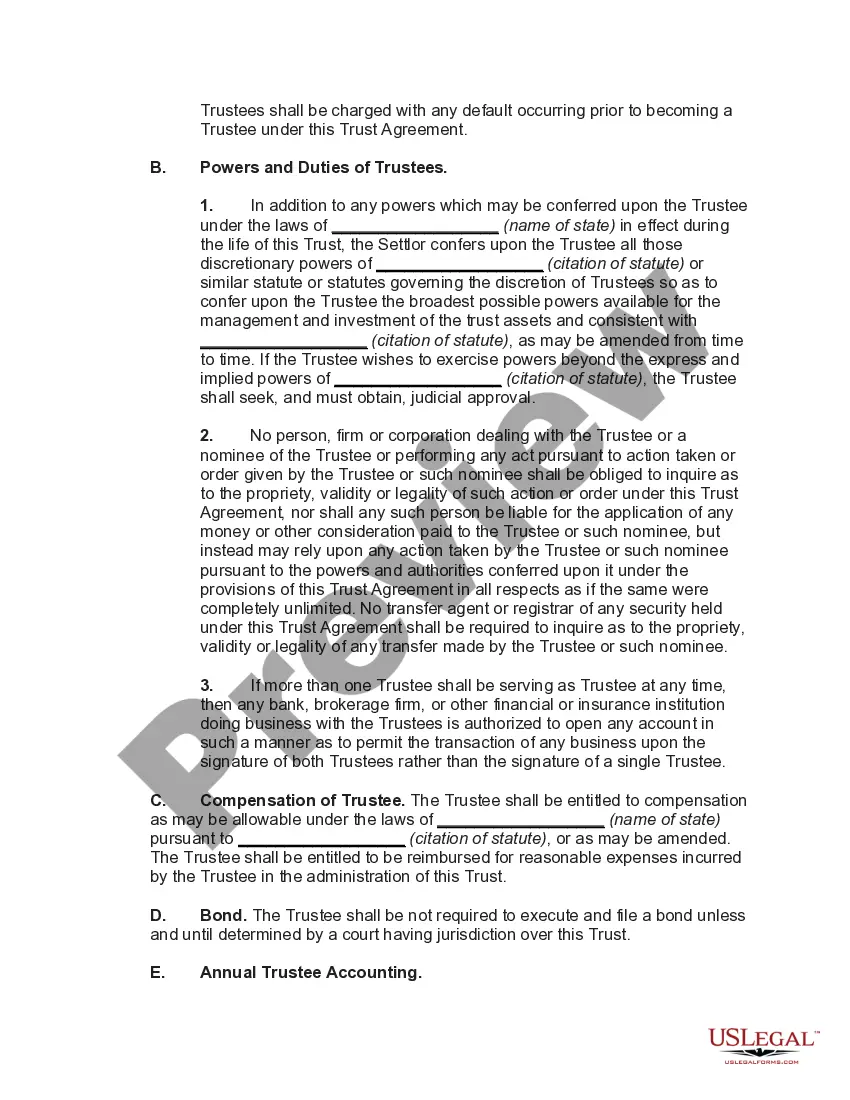
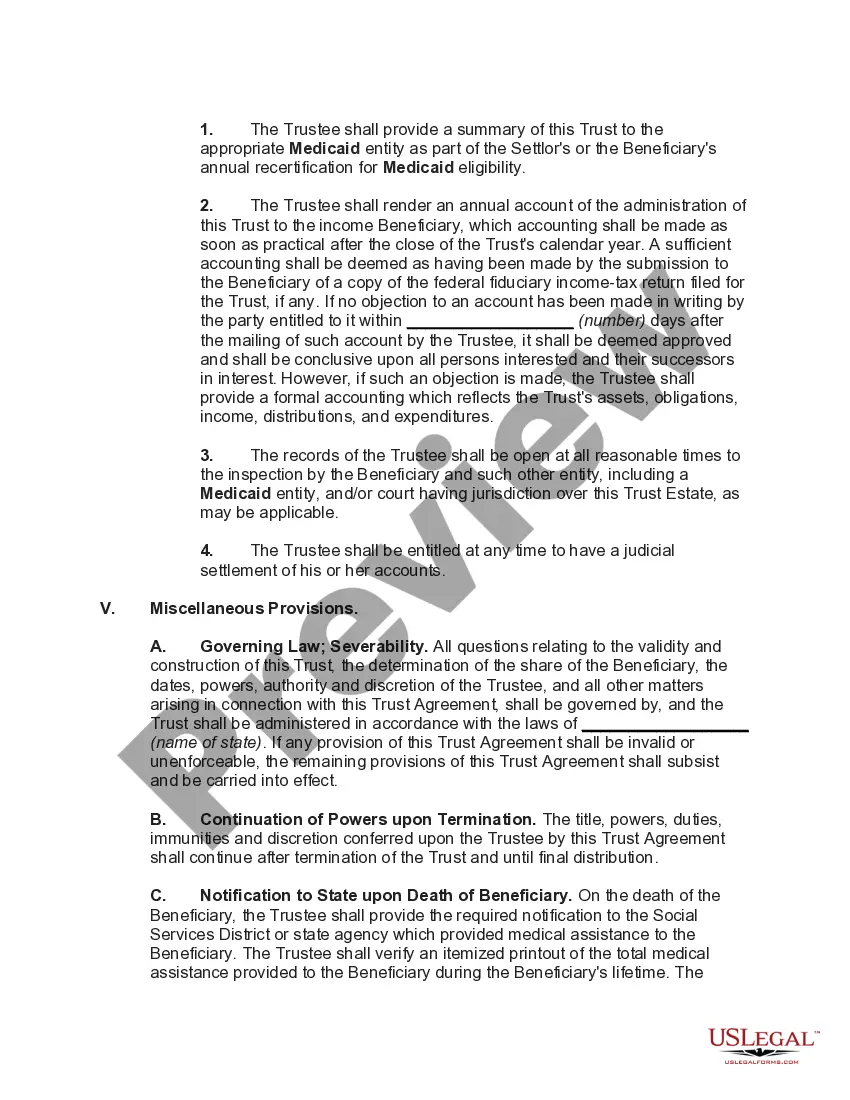
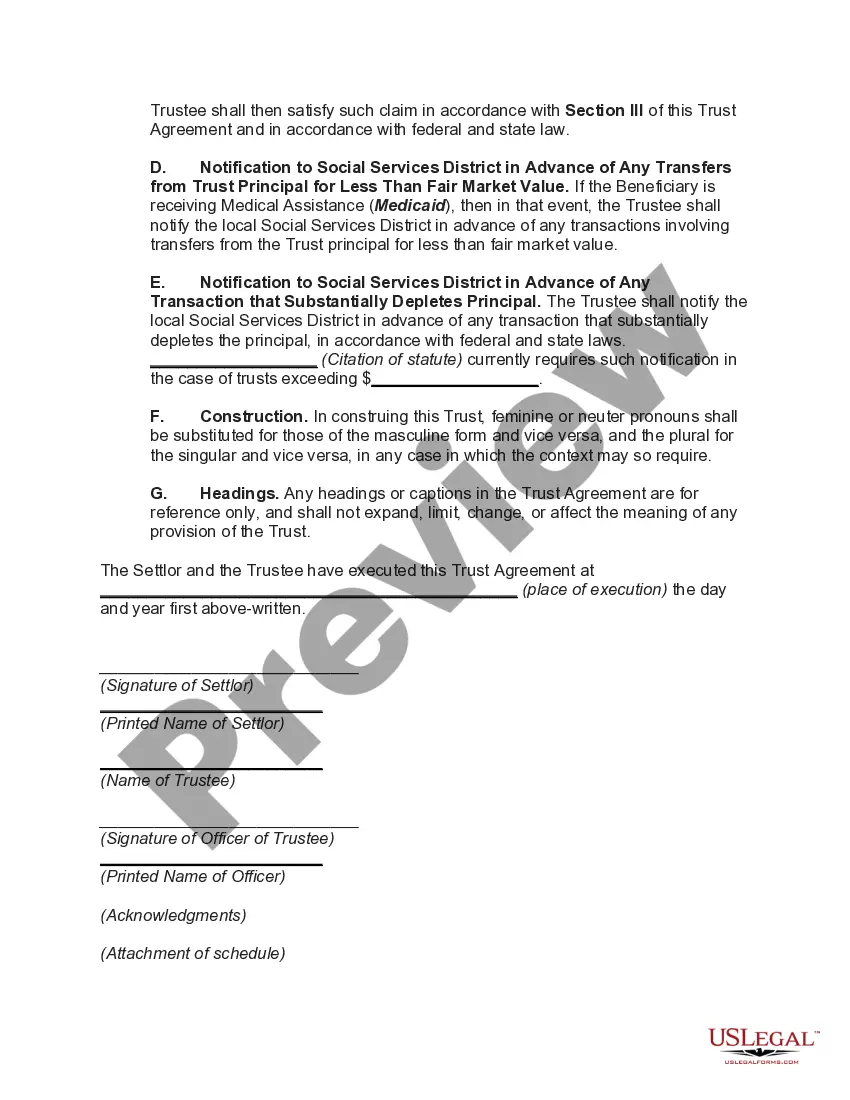
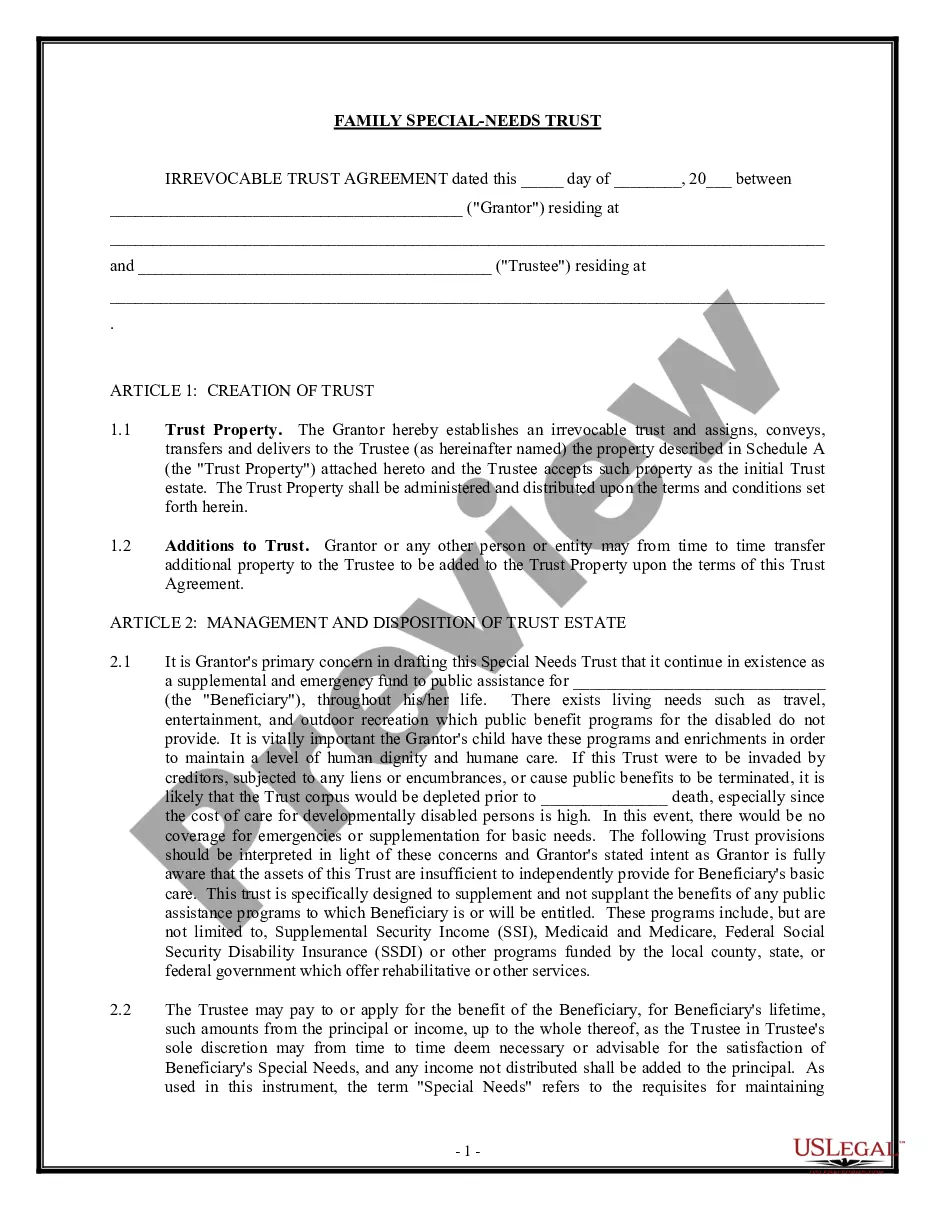



Get your form ready online
Our built-in tools help you complete, sign, share, and store your documents in one place.
Make edits, fill in missing information, and update formatting in US Legal Forms—just like you would in MS Word.
Download a copy, print it, send it by email, or mail it via USPS—whatever works best for your next step.
Sign and collect signatures with our SignNow integration. Send to multiple recipients, set reminders, and more. Go Premium to unlock E-Sign.
If this form requires notarization, complete it online through a secure video call—no need to meet a notary in person or wait for an appointment.
We protect your documents and personal data by following strict security and privacy standards.

Make edits, fill in missing information, and update formatting in US Legal Forms—just like you would in MS Word.

Download a copy, print it, send it by email, or mail it via USPS—whatever works best for your next step.

Sign and collect signatures with our SignNow integration. Send to multiple recipients, set reminders, and more. Go Premium to unlock E-Sign.

If this form requires notarization, complete it online through a secure video call—no need to meet a notary in person or wait for an appointment.

We protect your documents and personal data by following strict security and privacy standards.
Looking for another form?


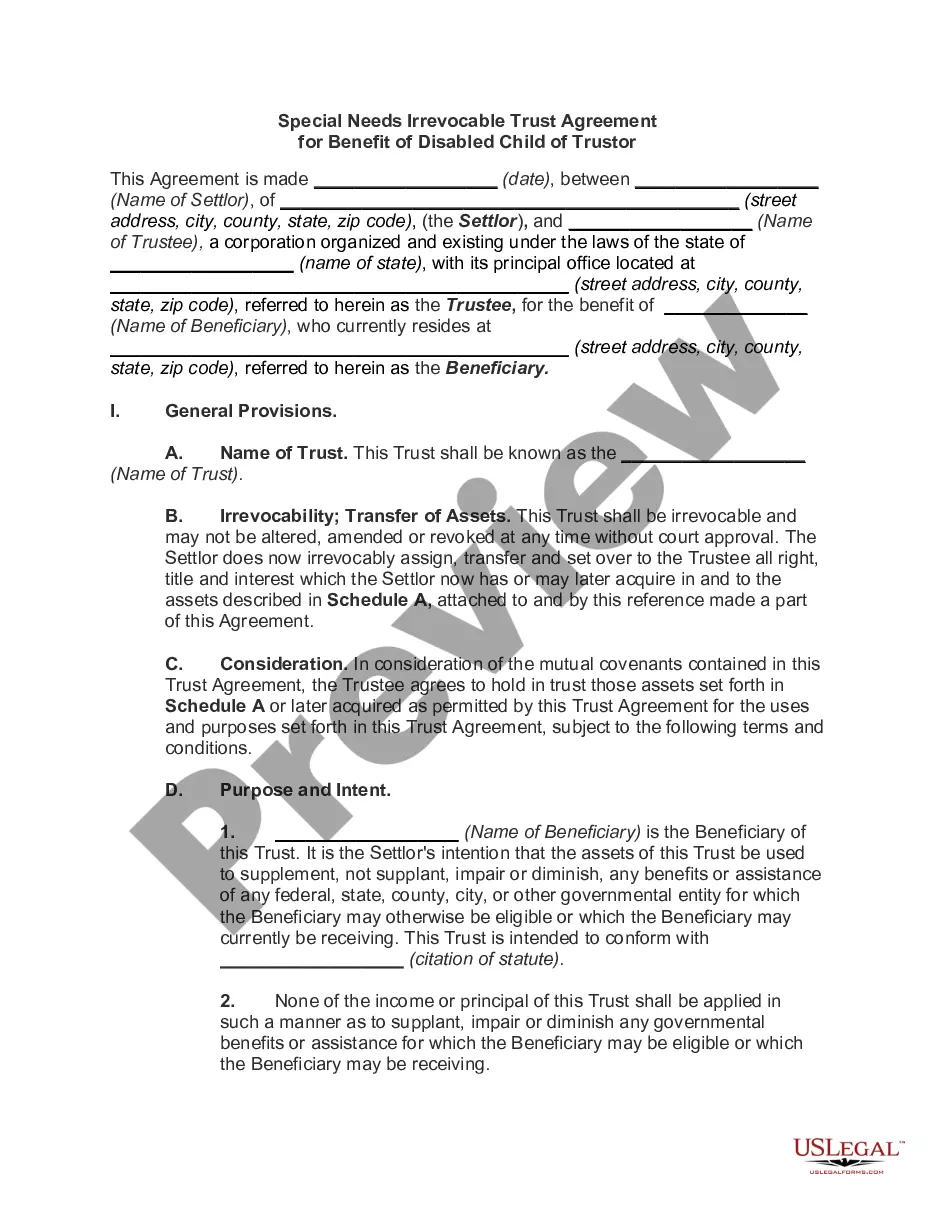
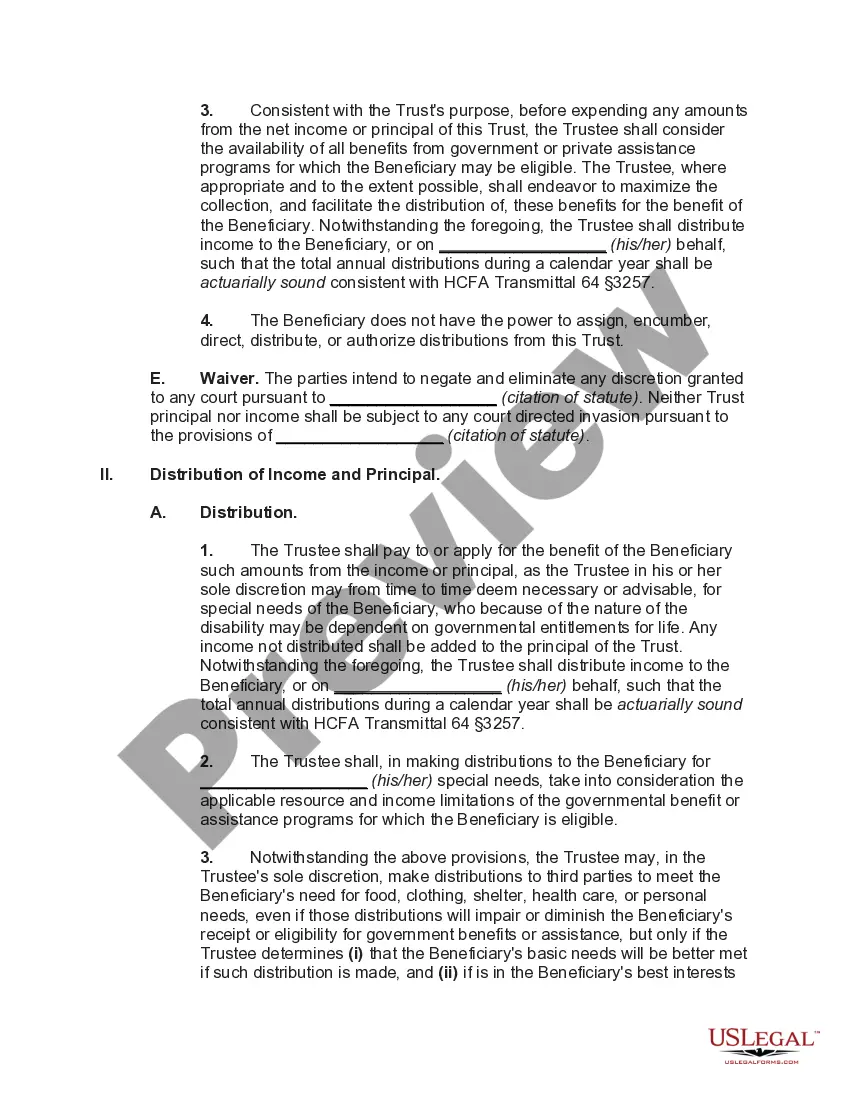
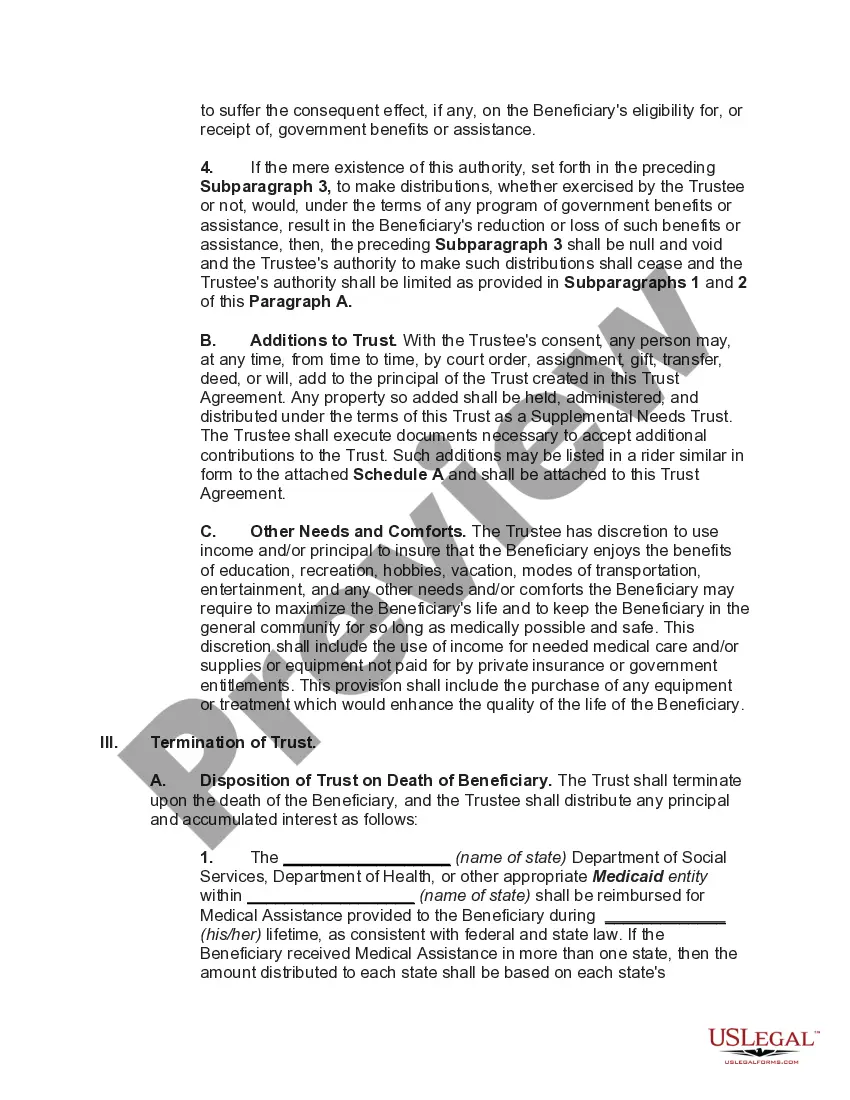
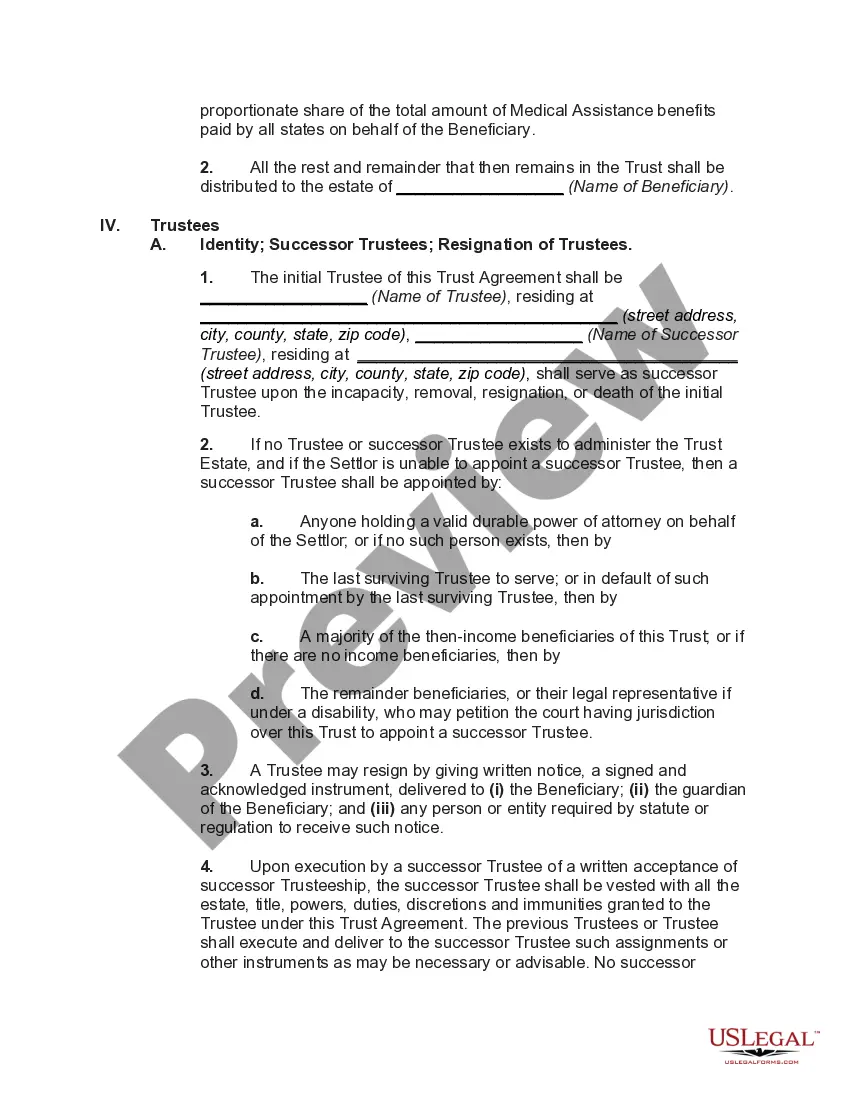
How to fill out Special Needs Irrevocable Trust Agreement For Benefit Of Disabled Child Of Trustor?
Managing legal documents can be exasperating, even for the most experienced professionals.
When searching for a Special Needs Trust Planning For Medicaid Asset Protection and lacking the time to dedicate to finding the right and current version, the process can be stressful.
Access legal and organizational forms specific to your state or county. US Legal Forms addresses all your requirements, from personal to business documents, in one convenient location.
Utilize sophisticated tools to complete and manage your Special Needs Trust Planning For Medicaid Asset Protection.
Here are the steps to follow after downloading the necessary form: Validate that it is the correct form by previewing it and reviewing its details. Ensure that the template is recognized in your state or county. Click Buy Now when you are ready. Choose a monthly subscription plan. Select the file format you need, and Download, fill out, sign, print, and send your documents. Take advantage of the US Legal Forms online catalog, supported by 25 years of experience and reliability. Streamline your document management in a simple and intuitive manner today.
- Access a repository of articles, tutorials, and guides pertinent to your circumstances and requirements.
- Save time and energy searching for the documents you need, and employ US Legal Forms’ advanced search and Preview feature to find Special Needs Trust Planning For Medicaid Asset Protection and acquire it.
- If you have a subscription, Log In to your US Legal Forms account, look for the form, and obtain it.
- Check the My documents section to review the documents you have previously downloaded and manage your folders as you see fit.
- If this is your first time with US Legal Forms, create an account and gain unlimited access to all the platform’s features.
- A comprehensive online form repository can be transformative for anyone aiming to handle these matters efficiently.
- US Legal Forms is a leading provider of online legal documents, offering over 85,000 state-specific legal forms accessible at any time.
- With US Legal Forms, you can.
Form popularity
FAQ
Cons of Special Needs Trusts The trust must be maintained, and yearly management costs can be high. Depending on who manages the fund, there may be a minimum amount required to set up the trust. It may be financially difficult for the settlor to actually establish the trust, depending upon their circumstances.
The trustee works in very close contact with the beneficiary and/or their caregiver to manage the trust and its financial distributions to pay for these things. The main takeaway regarding distribution of SNT funds is this: The beneficiary never sees the money directly, but the money is used to pay for their needs.
The statutory provision governing individual trusts is 42 U.S.C. § 1396p(d)(4)(A); thus individual self-settled special needs trusts are sometimes called, simply, ?d4A? trusts. ?Pooled? self-settled trusts are governed by Section 1396p(d)(4)(C), so those trusts are referred to as ?d4C? trusts.
What are the main benefits of an SDT? The asset value limit of $781,250 (indexed annually on 1 July) and income from the trust may be disregarded for the purposes of the principal beneficiary's income support payment. Assets above that limit are added to the assessable assets of the principal beneficiary.
Special Needs Trust. While a spendthrift trust can benefit anyone, a special needs trust is used specifically for individuals who require assistance for disabilities. Assets are managed for the beneficiary's benefit, in a way that doesn't jeopardize any government benefits that they receive.