Special Needs Trust Planning For Elderly
Description
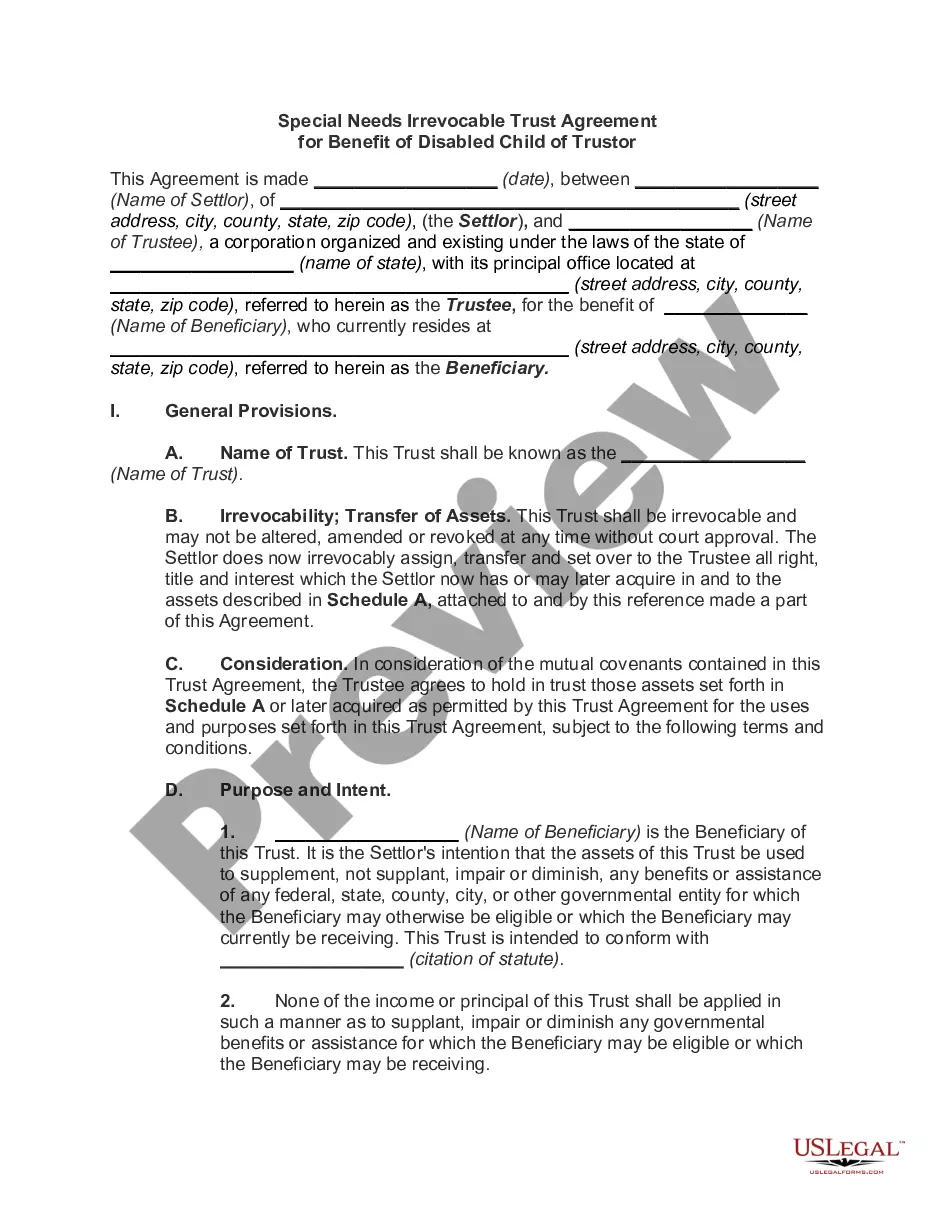
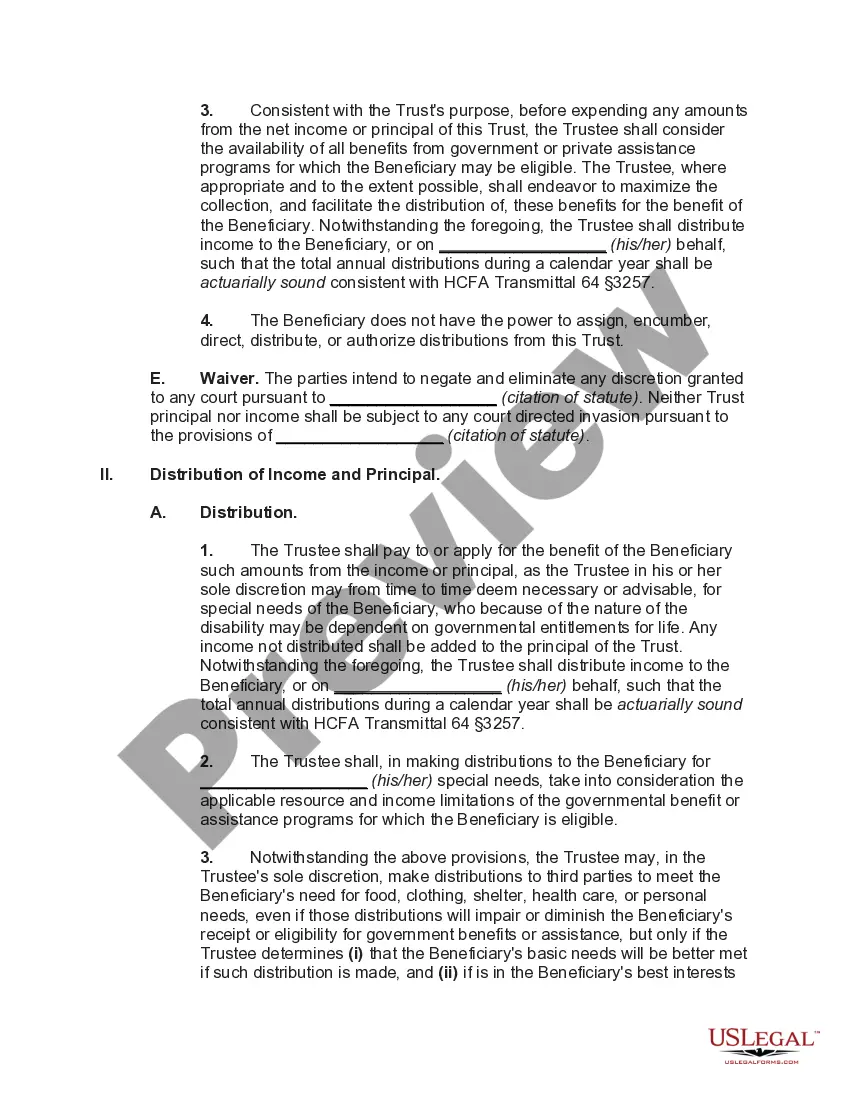
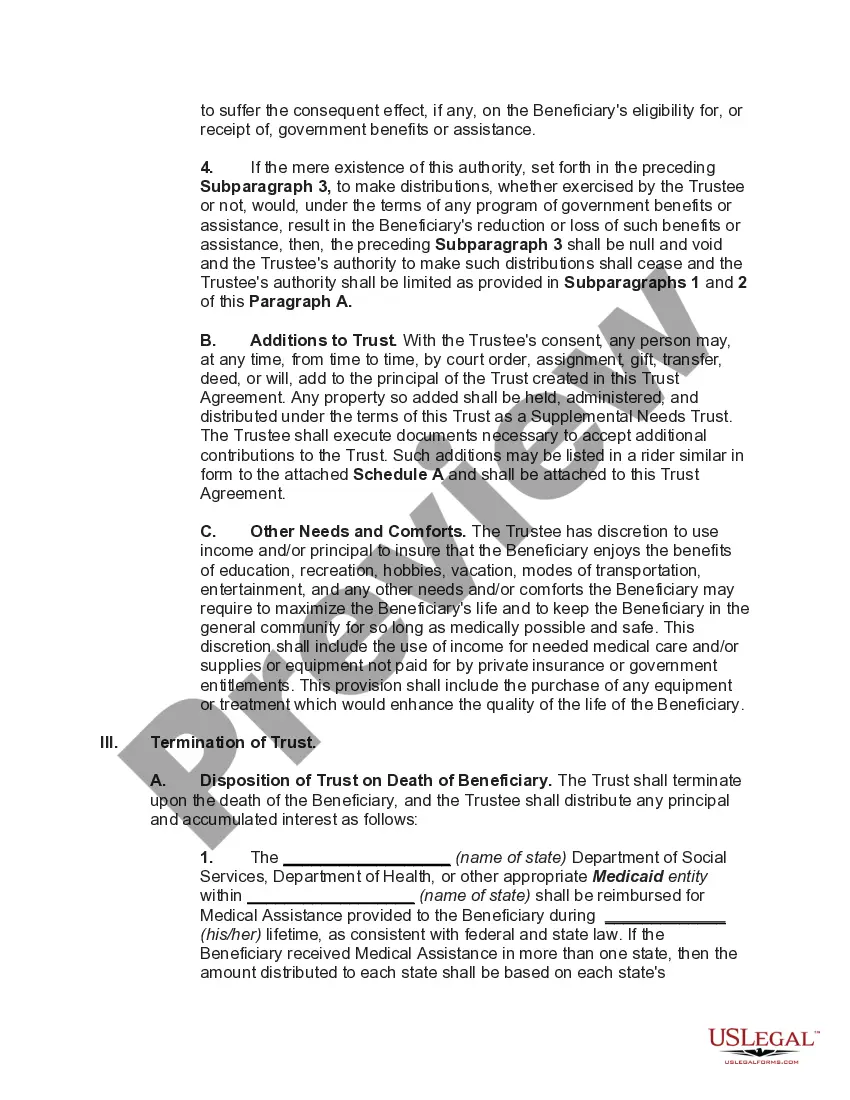
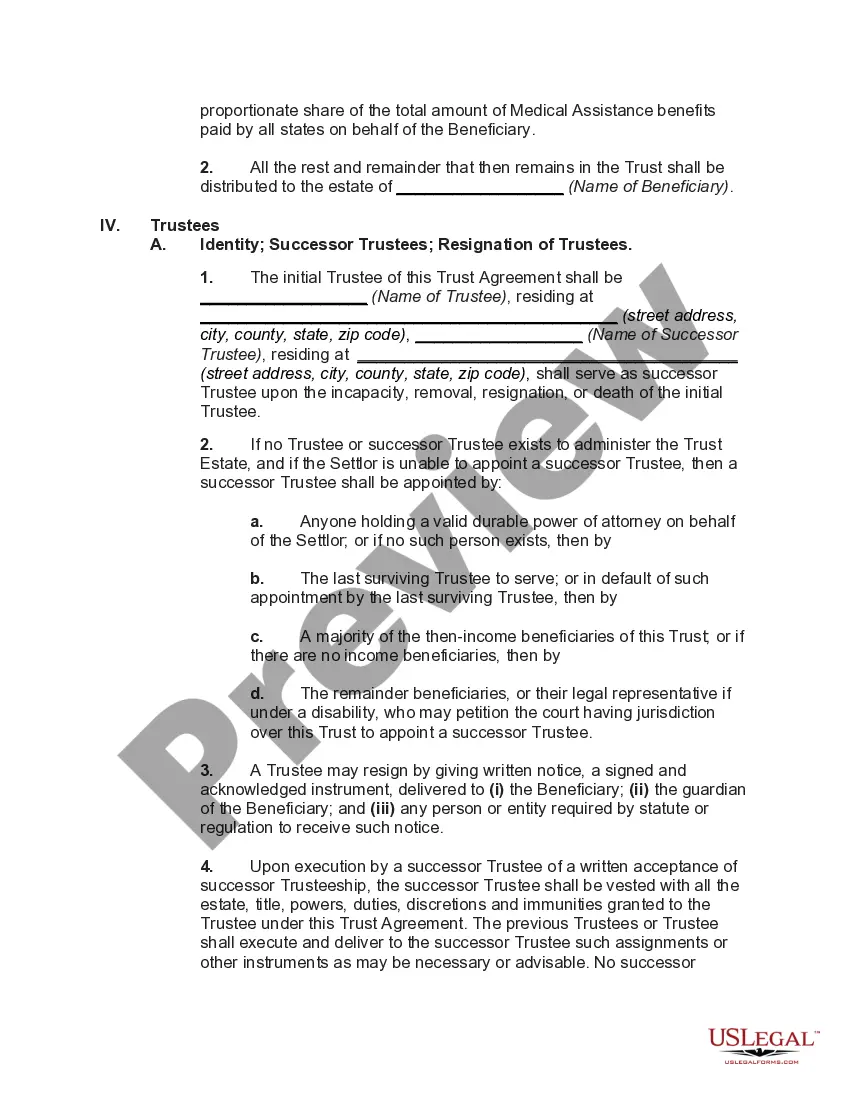
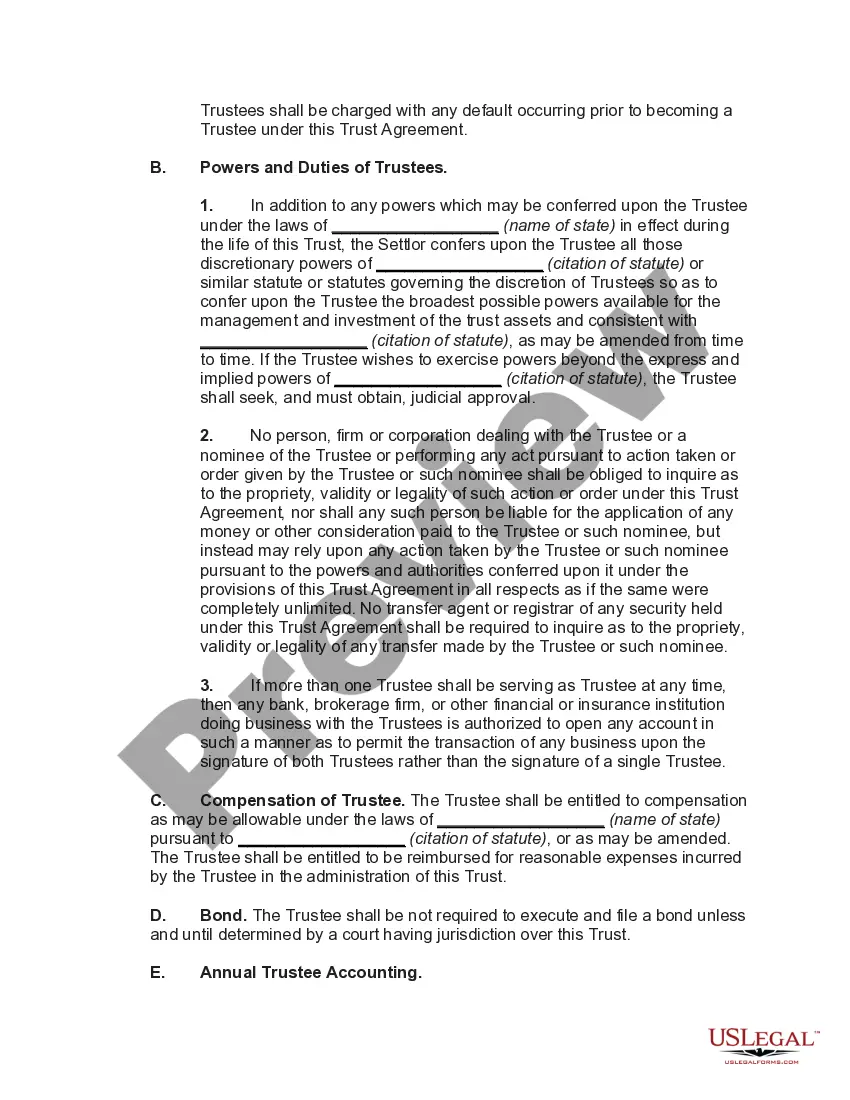
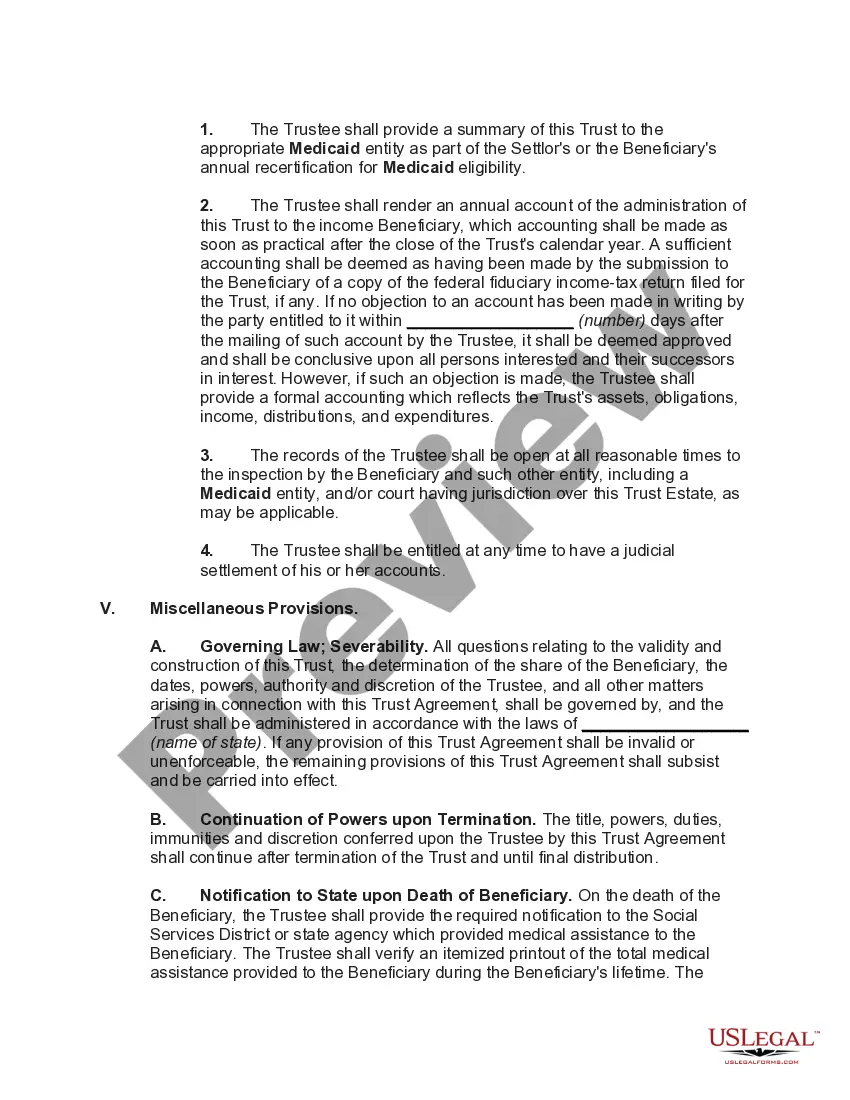
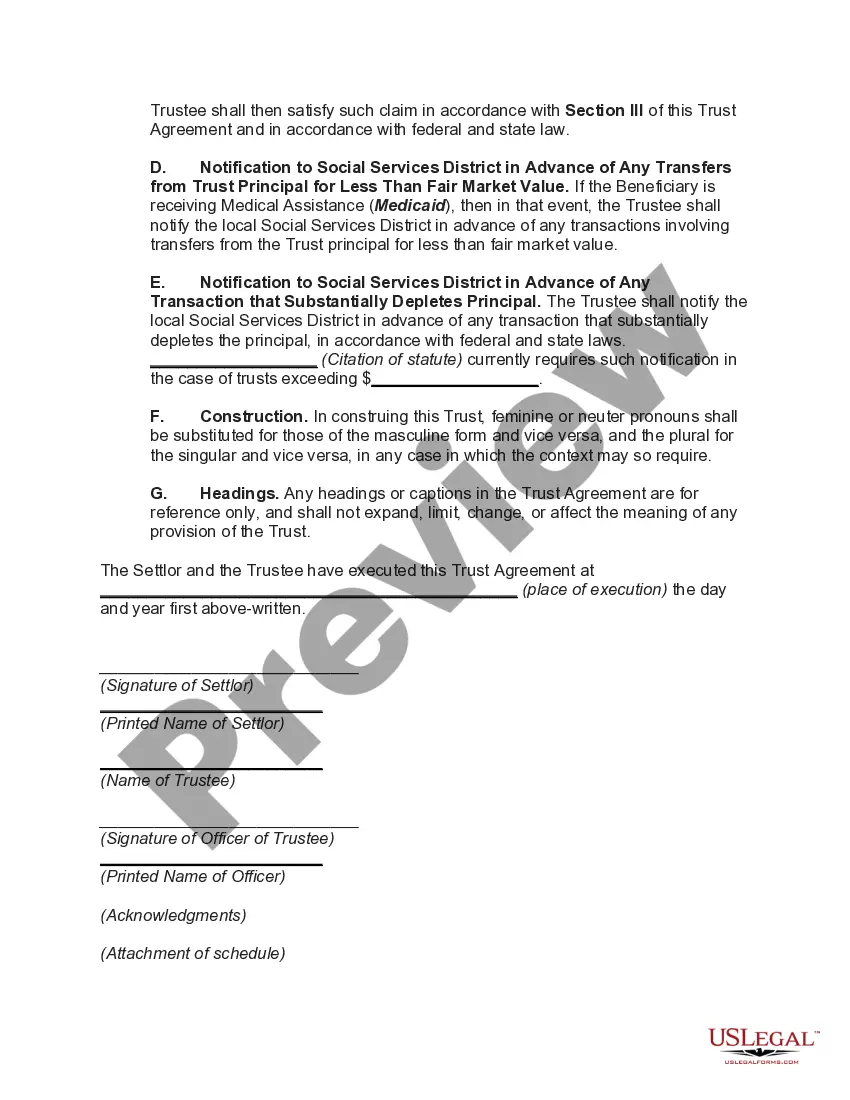
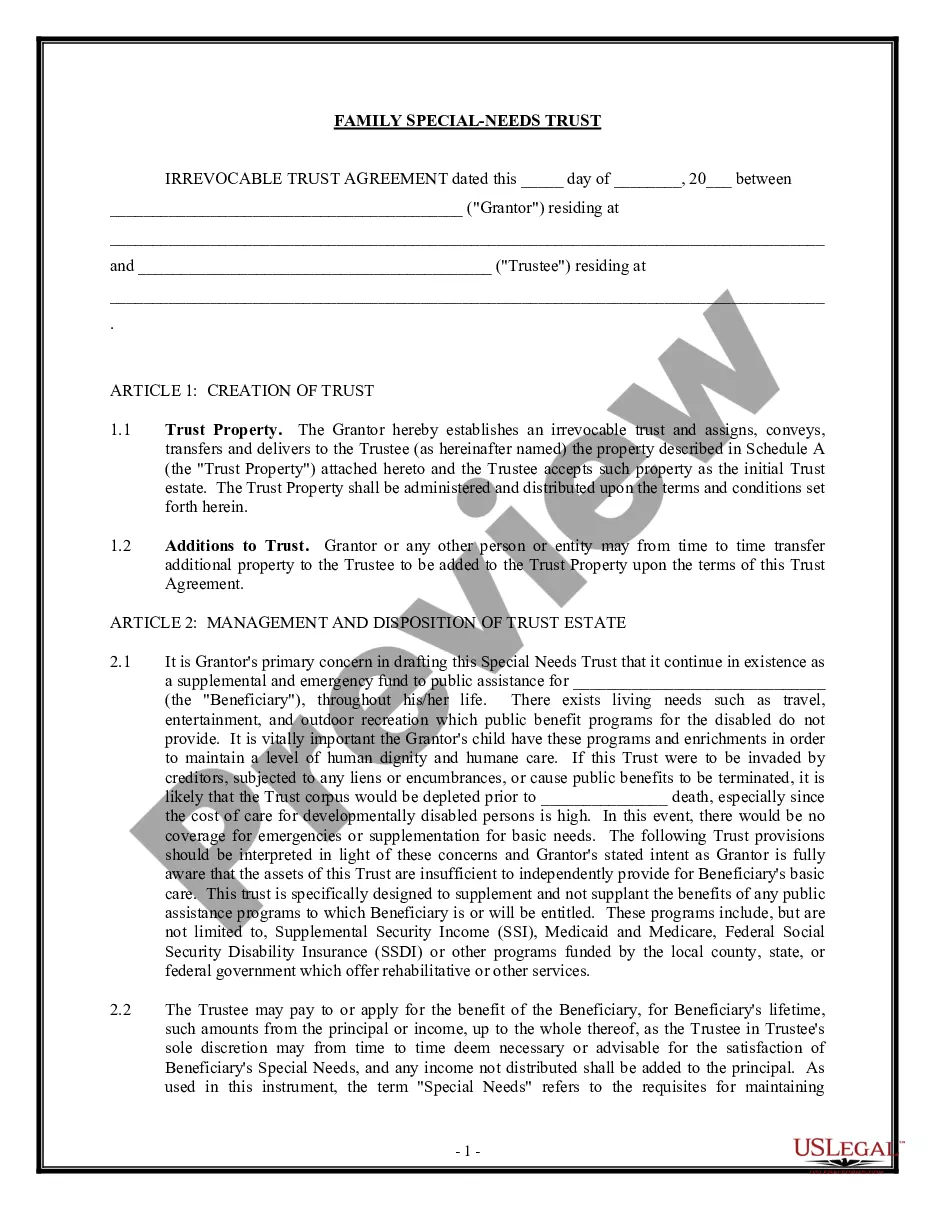



Get your form ready online
Our built-in tools help you complete, sign, share, and store your documents in one place.
Make edits, fill in missing information, and update formatting in US Legal Forms—just like you would in MS Word.
Download a copy, print it, send it by email, or mail it via USPS—whatever works best for your next step.
Sign and collect signatures with our SignNow integration. Send to multiple recipients, set reminders, and more. Go Premium to unlock E-Sign.
If this form requires notarization, complete it online through a secure video call—no need to meet a notary in person or wait for an appointment.
We protect your documents and personal data by following strict security and privacy standards.

Make edits, fill in missing information, and update formatting in US Legal Forms—just like you would in MS Word.

Download a copy, print it, send it by email, or mail it via USPS—whatever works best for your next step.

Sign and collect signatures with our SignNow integration. Send to multiple recipients, set reminders, and more. Go Premium to unlock E-Sign.

If this form requires notarization, complete it online through a secure video call—no need to meet a notary in person or wait for an appointment.

We protect your documents and personal data by following strict security and privacy standards.
Looking for another form?




How to fill out Special Needs Irrevocable Trust Agreement For Benefit Of Disabled Child Of Trustor?
It’s clear that you cannot become a legal expert instantly, nor can you swiftly learn how to prepare Special Needs Trust Planning For Elderly without possessing a specialized background.
Compiling legal documents is a lengthy endeavor that requires specific training and expertise. So why not entrust the development of the Special Needs Trust Planning For Elderly to the professionals.
With US Legal Forms, one of the largest legal template repositories, you can find everything from court paperwork to templates for internal business communication. We understand how crucial compliance and adherence to federal and local laws and regulations are. That’s why, on our platform, all forms are location-specific and current.
Click Buy now. Once the purchase is complete, you can download the Special Needs Trust Planning For Elderly, complete it, print it, and send or mail it to the specified individuals or organizations.
You can regain access to your forms from the My documents tab at any time. If you’re a current client, you can simply Log In, and find and download the template from the same tab.
- Start by navigating our platform and obtain the form you require in just a few minutes.
- Locate the form you need using the search bar at the top of the page.
- Preview it (if this option is available) and review the accompanying description to determine if Special Needs Trust Planning For Elderly is what you seek.
- If you need a different form, restart your search.
- Create a free account and select a subscription plan to buy the template.
Form popularity
FAQ
The trustee works in very close contact with the beneficiary and/or their caregiver to manage the trust and its financial distributions to pay for these things. The main takeaway regarding distribution of SNT funds is this: The beneficiary never sees the money directly, but the money is used to pay for their needs.
A primary beneficiary is an individual or organization who is first in line to receive benefits in a will, trust, retirement account, life insurance policy, or annuity upon the account or trust holder's death. An individual can name multiple primary beneficiaries and stipulate how distributions would be allocated.
What are the main benefits of an SDT? The asset value limit of $781,250 (indexed annually on 1 July) and income from the trust may be disregarded for the purposes of the principal beneficiary's income support payment. Assets above that limit are added to the assessable assets of the principal beneficiary.
The income beneficiary is the surviving spouse who wants you to make significant distributions to him or her and invest trust assets in his or her business. The remainder beneficiaries want less income to go the surviving spouse and do not want a risky investment to be made in the business of the income beneficiary.
Creating an Irrevocable Trust The beneficiaries are those relatives, friends, or charitable organizations who will receive assets from the trust. Upon transferring assets into the irrevocable trust, the grantor loses control of the assets.