Special Needs Trust Law With No Assets
Description
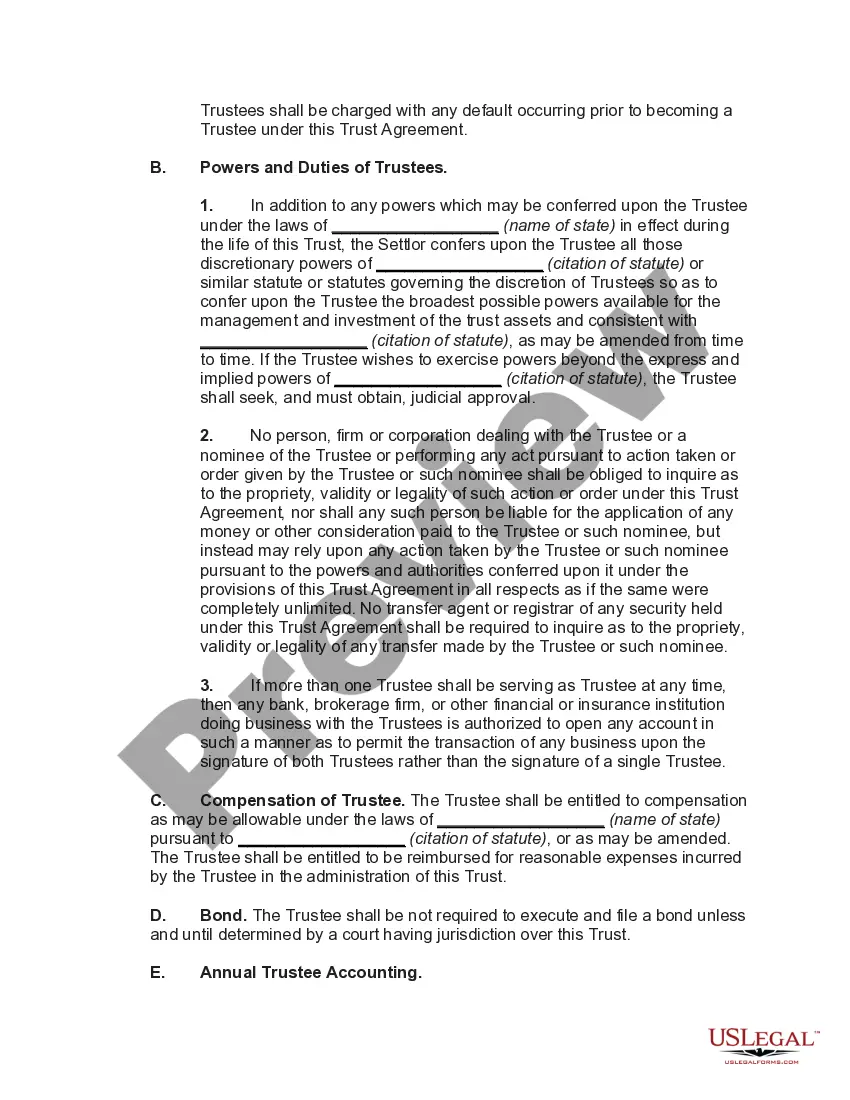
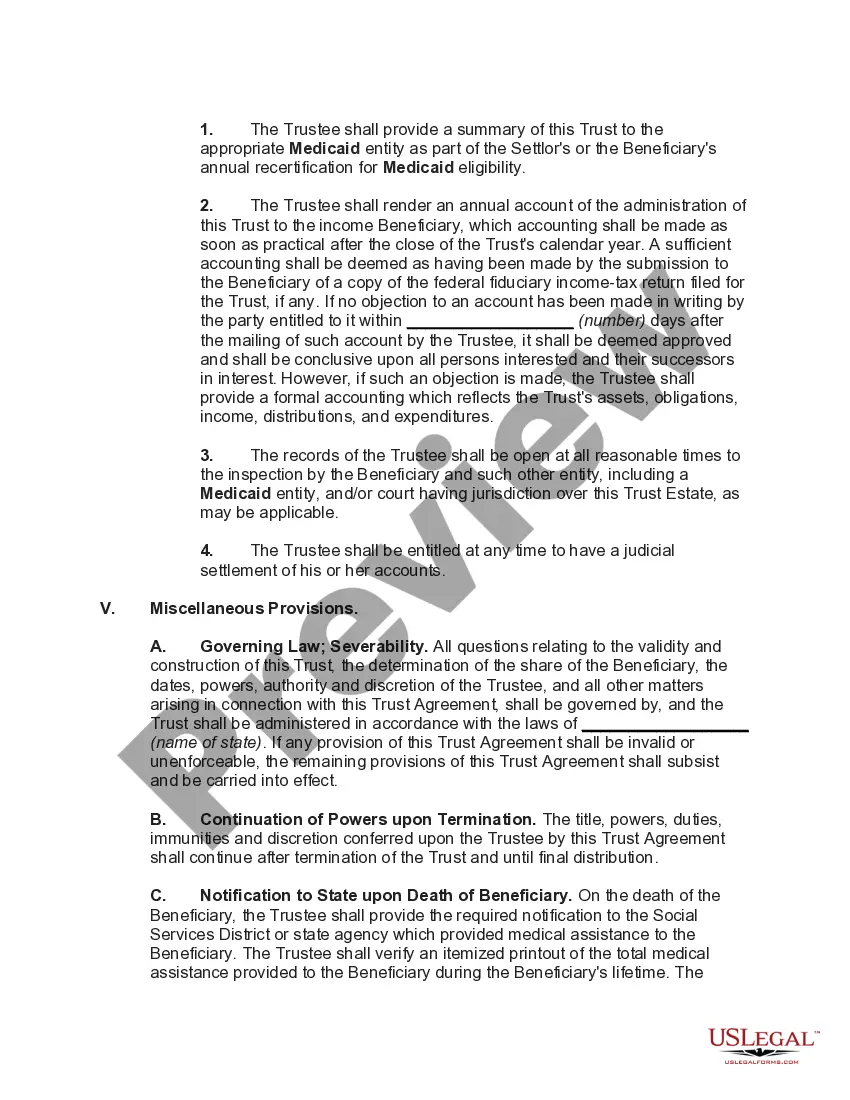
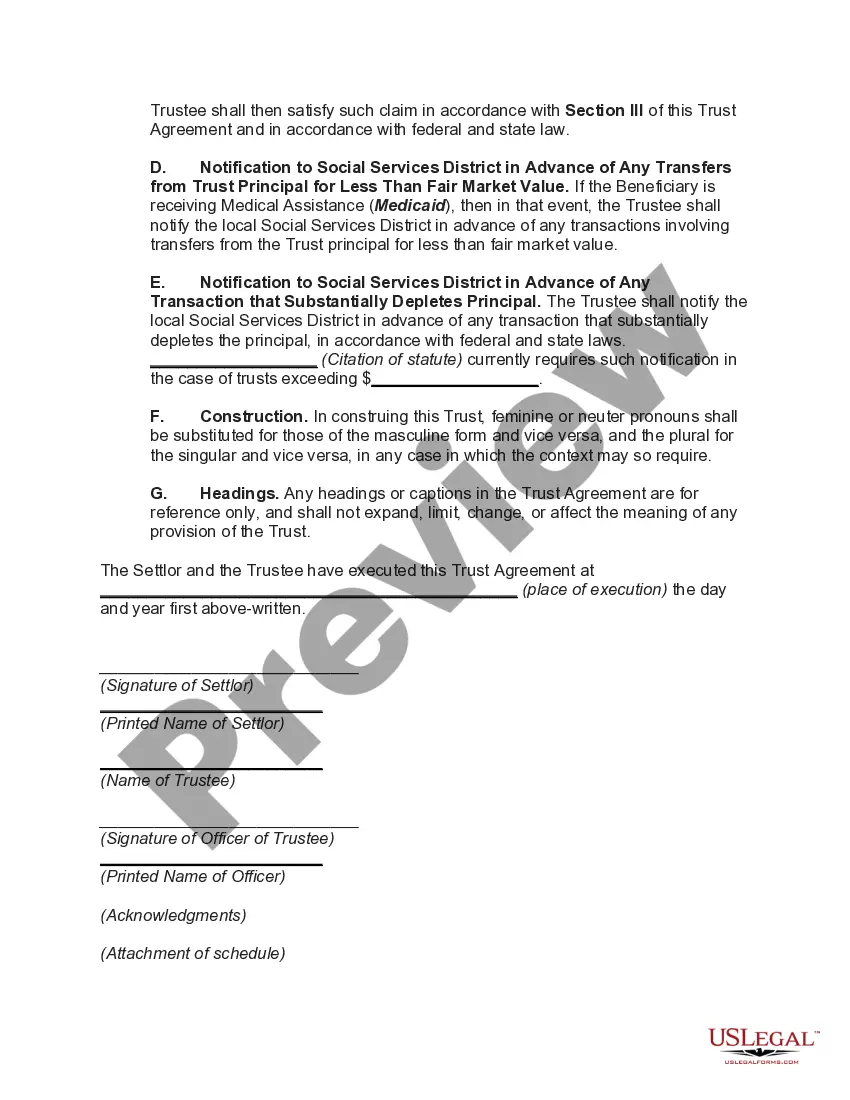
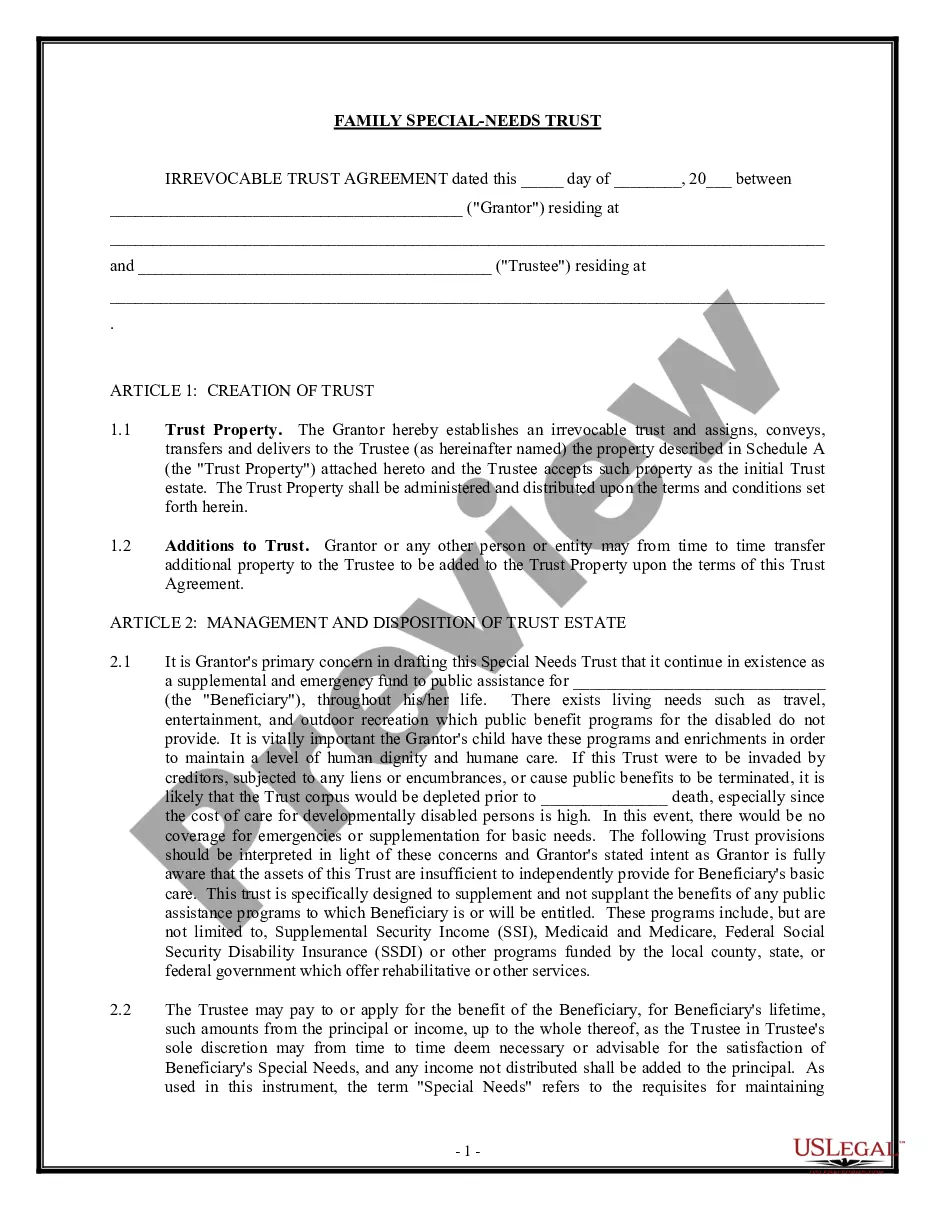

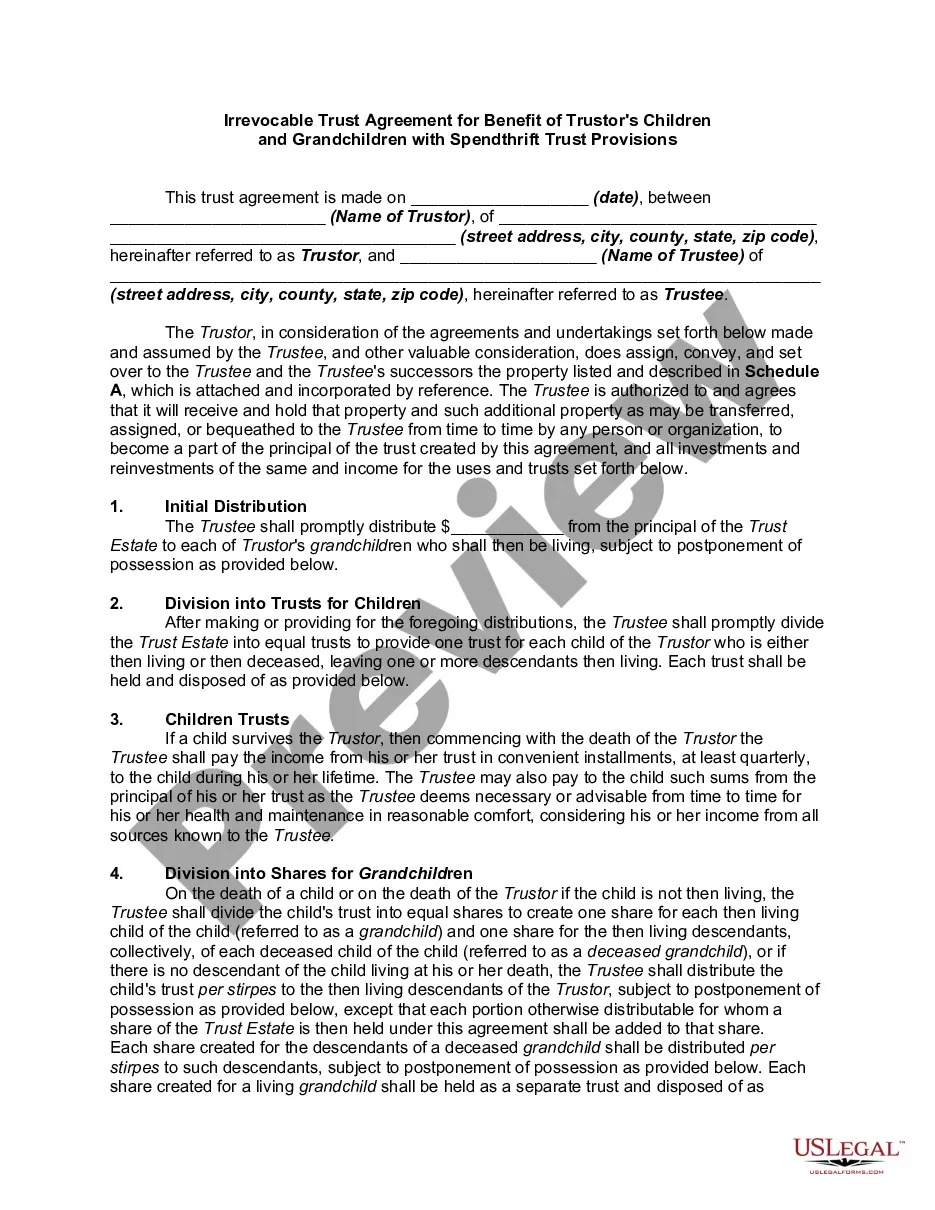
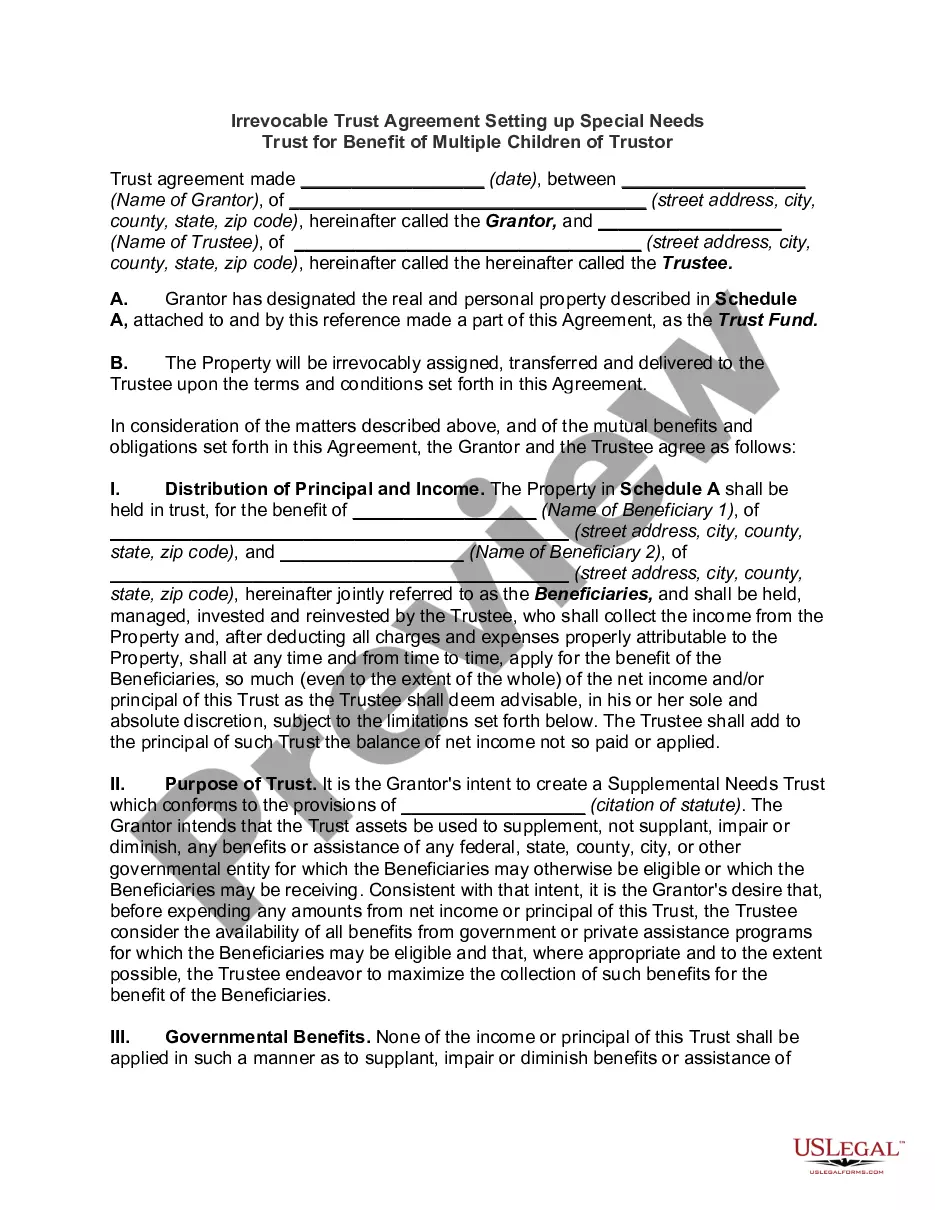
Get your form ready online
Our built-in tools help you complete, sign, share, and store your documents in one place.
Make edits, fill in missing information, and update formatting in US Legal Forms—just like you would in MS Word.
Download a copy, print it, send it by email, or mail it via USPS—whatever works best for your next step.
Sign and collect signatures with our SignNow integration. Send to multiple recipients, set reminders, and more. Go Premium to unlock E-Sign.
If this form requires notarization, complete it online through a secure video call—no need to meet a notary in person or wait for an appointment.
We protect your documents and personal data by following strict security and privacy standards.

Make edits, fill in missing information, and update formatting in US Legal Forms—just like you would in MS Word.

Download a copy, print it, send it by email, or mail it via USPS—whatever works best for your next step.

Sign and collect signatures with our SignNow integration. Send to multiple recipients, set reminders, and more. Go Premium to unlock E-Sign.

If this form requires notarization, complete it online through a secure video call—no need to meet a notary in person or wait for an appointment.

We protect your documents and personal data by following strict security and privacy standards.
Looking for another form?





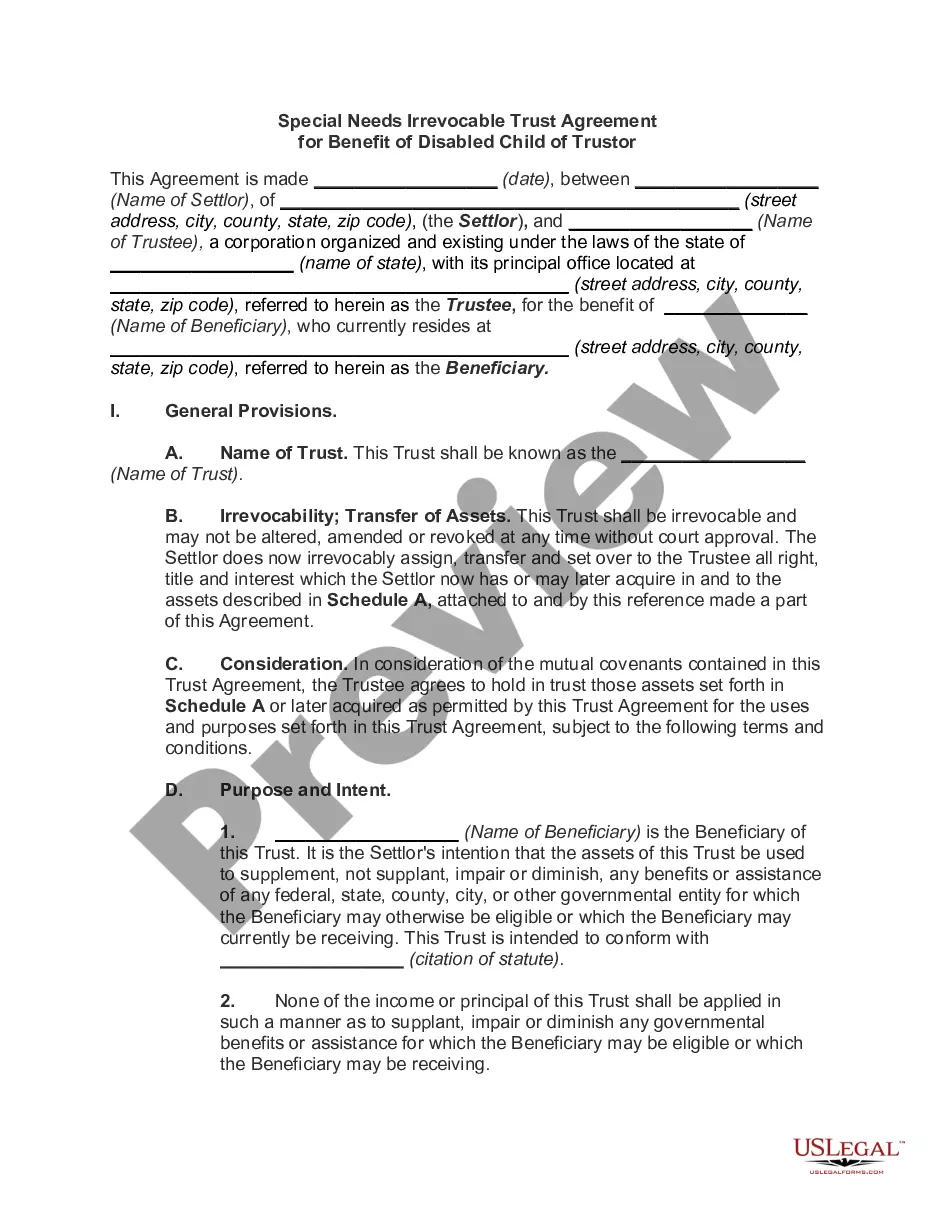
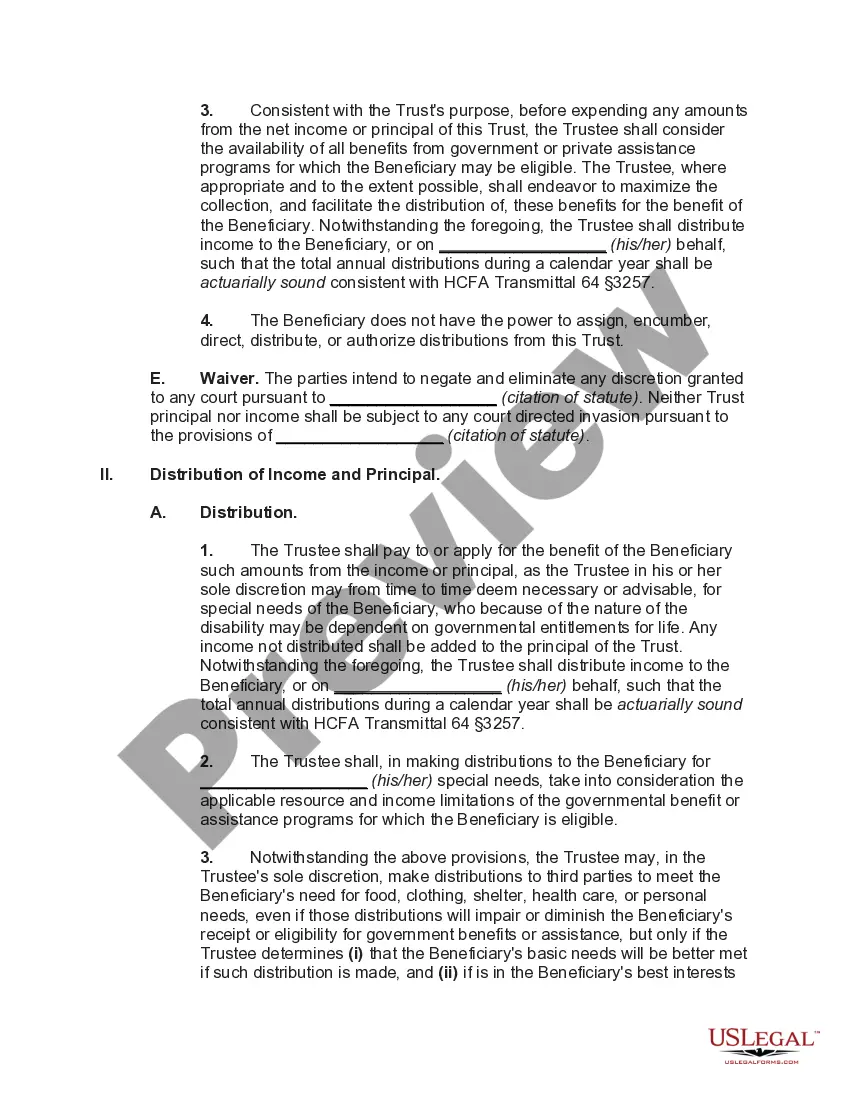
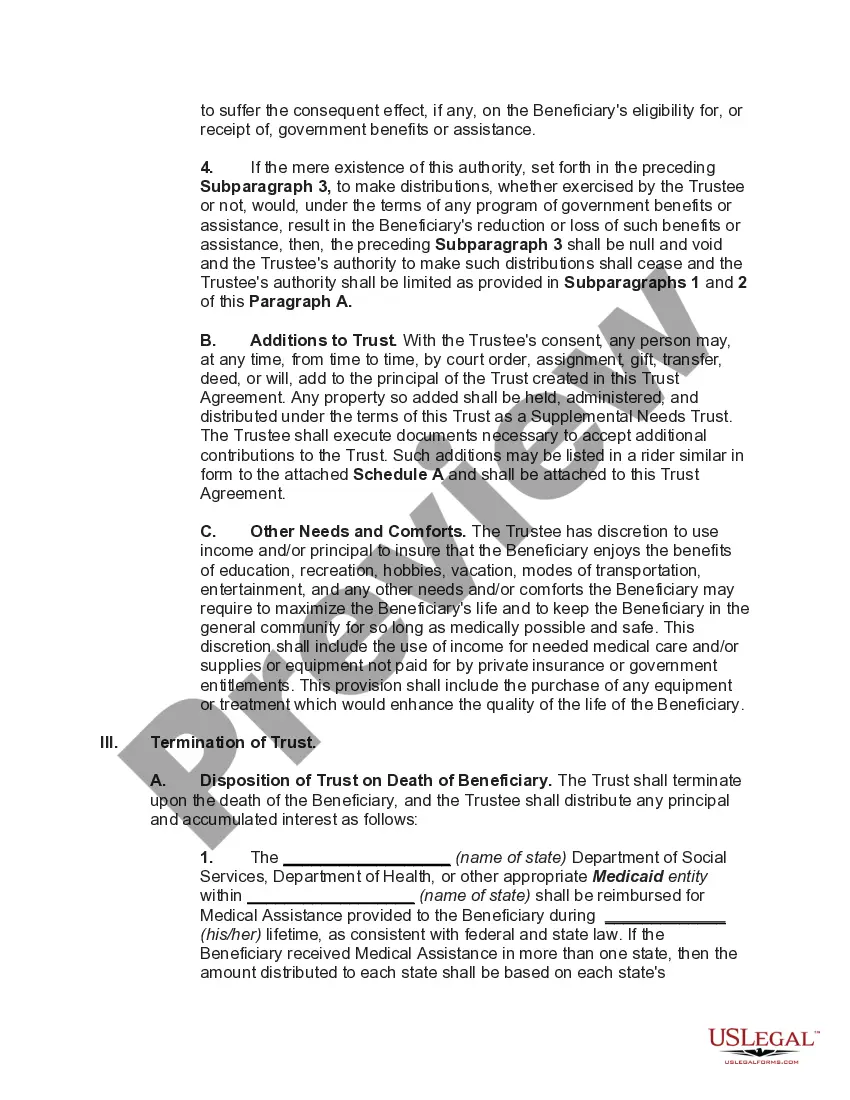
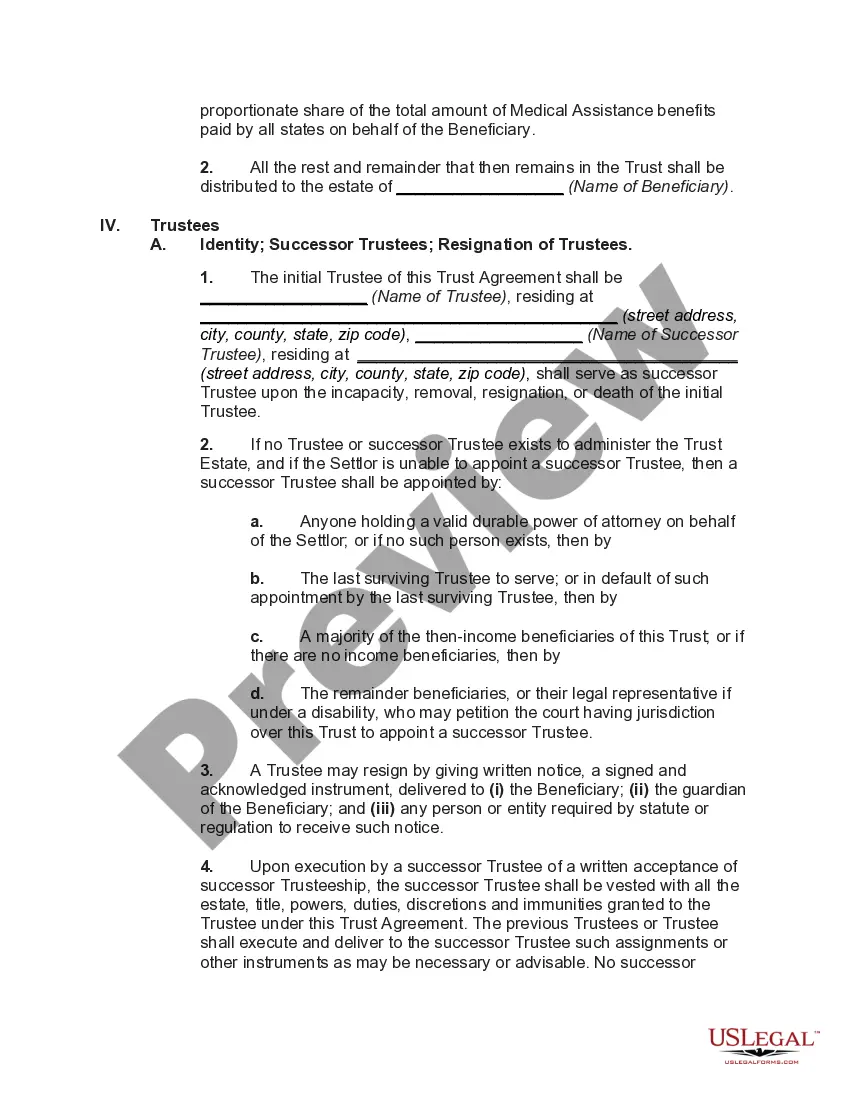
How to fill out Special Needs Irrevocable Trust Agreement For Benefit Of Disabled Child Of Trustor?
Dealing with legal papers and operations can be a time-consuming addition to the day. Special Needs Trust Law With No Assets and forms like it usually require that you search for them and navigate the way to complete them appropriately. Consequently, whether you are taking care of financial, legal, or personal matters, having a comprehensive and practical online library of forms when you need it will greatly assist.
US Legal Forms is the best online platform of legal templates, boasting over 85,000 state-specific forms and a number of resources to assist you complete your papers easily. Discover the library of pertinent papers available with just a single click.
US Legal Forms gives you state- and county-specific forms offered by any time for downloading. Safeguard your document management processes by using a top-notch service that lets you make any form within a few minutes without additional or hidden fees. Simply log in to your profile, find Special Needs Trust Law With No Assets and acquire it right away from the My Forms tab. You may also gain access to formerly saved forms.
Is it the first time utilizing US Legal Forms? Register and set up up your account in a few minutes and you’ll gain access to the form library and Special Needs Trust Law With No Assets. Then, follow the steps listed below to complete your form:
- Ensure you have discovered the correct form by using the Preview option and looking at the form information.
- Choose Buy Now as soon as all set, and choose the monthly subscription plan that fits your needs.
- Choose Download then complete, eSign, and print out the form.
US Legal Forms has 25 years of experience helping users deal with their legal papers. Obtain the form you require today and enhance any operation without breaking a sweat.
Form popularity
FAQ
In these circumstances, the Form 1041 is very simple to complete. The trustee will check the box on Form 1041 indicating that the trust is a grantor trust and provide some general information about the trust (name, address, tax identification number, and the date the trust was established).
Cons of Special Needs Trusts The trust must be maintained, and yearly management costs can be high. Depending on who manages the fund, there may be a minimum amount required to set up the trust. It may be financially difficult for the settlor to actually establish the trust, depending upon their circumstances.
While all special needs trusts must file annual income tax returns, only larger third-party trusts that earn more than they distribute each year actually pay any taxes. The others pass through their income to the beneficiary with special needs.
Third party special needs trusts are generally either considered ?complex trusts? or ?qualified disability trusts? for income tax purposes and the trust itself is responsible for reporting its own items of income, deduction, and credit.
The trustee works in very close contact with the beneficiary and/or their caregiver to manage the trust and its financial distributions to pay for these things. The main takeaway regarding distribution of SNT funds is this: The beneficiary never sees the money directly, but the money is used to pay for their needs.