Special Needs Trust For Disabled Adults
Description
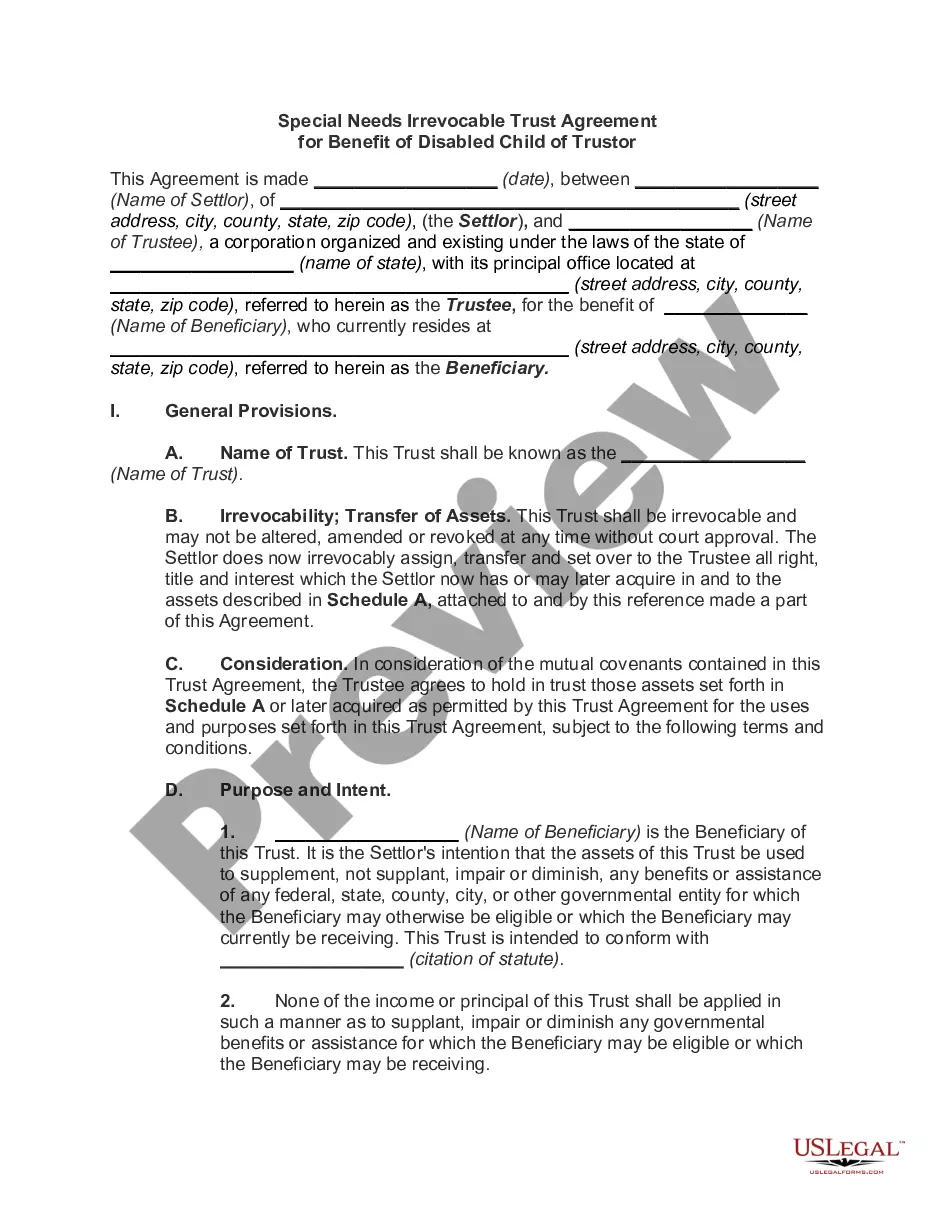
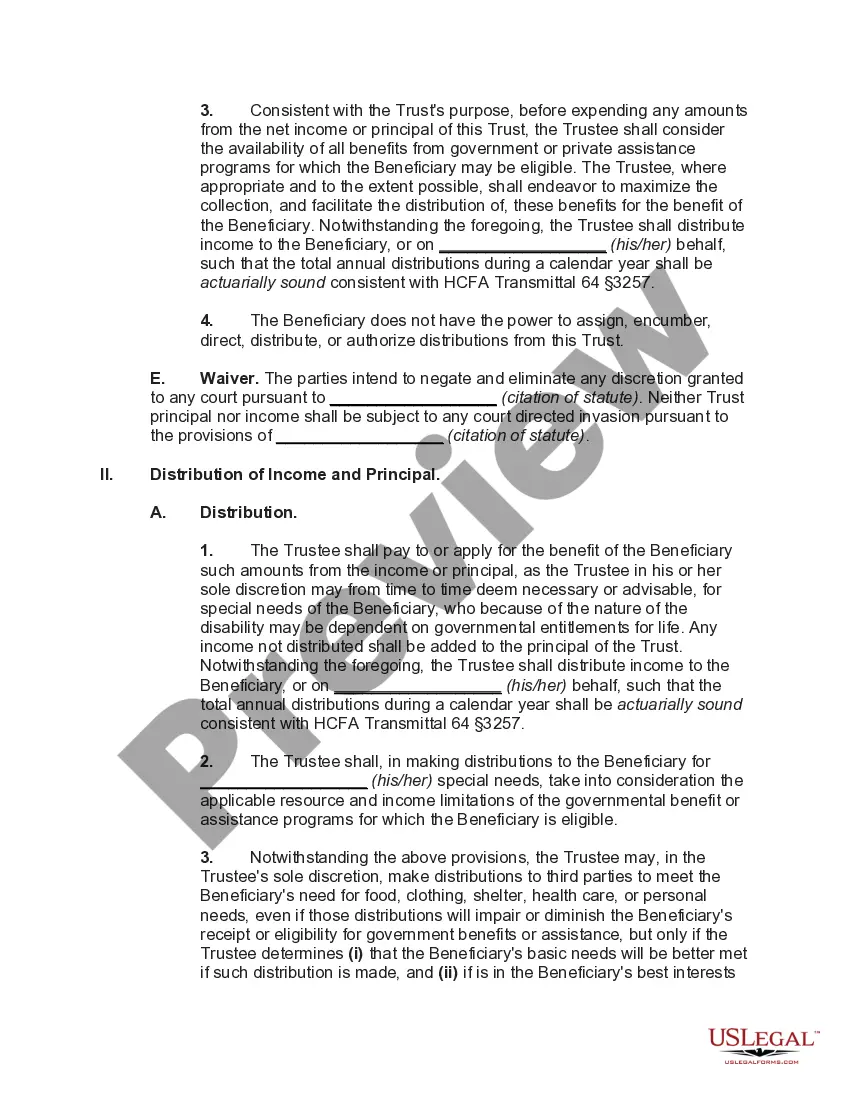
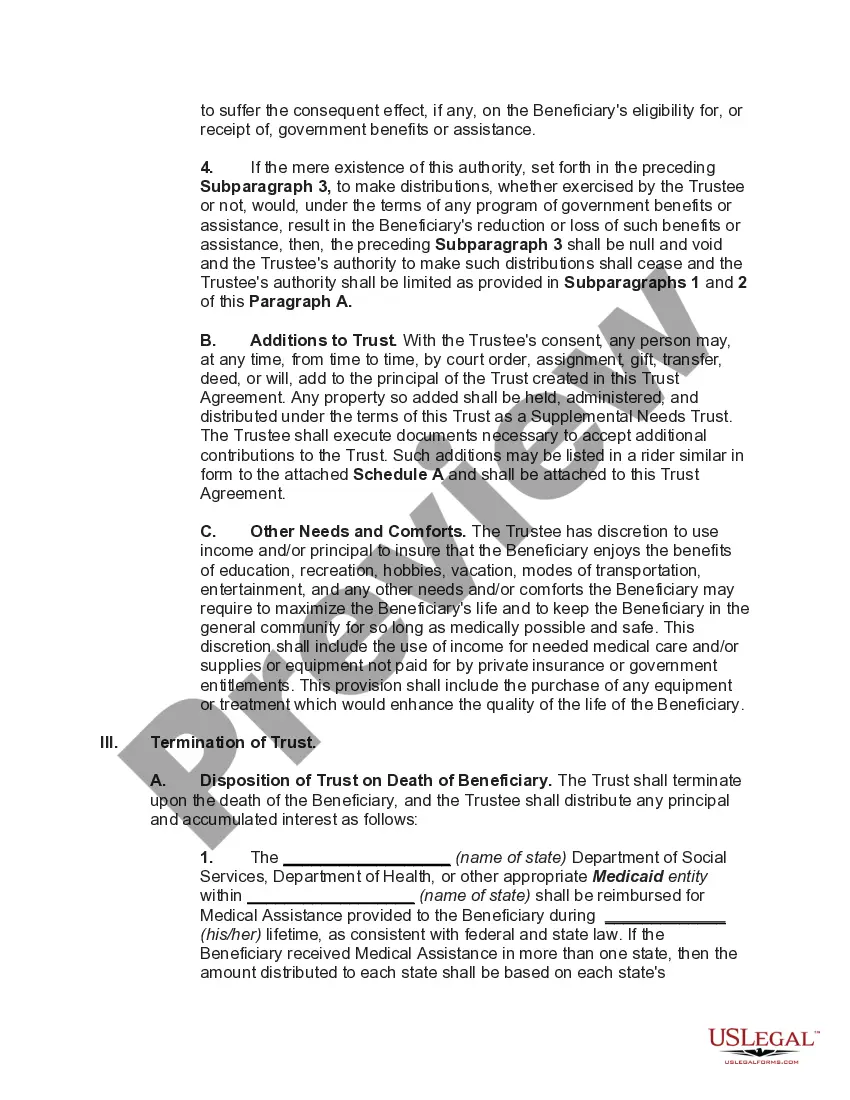
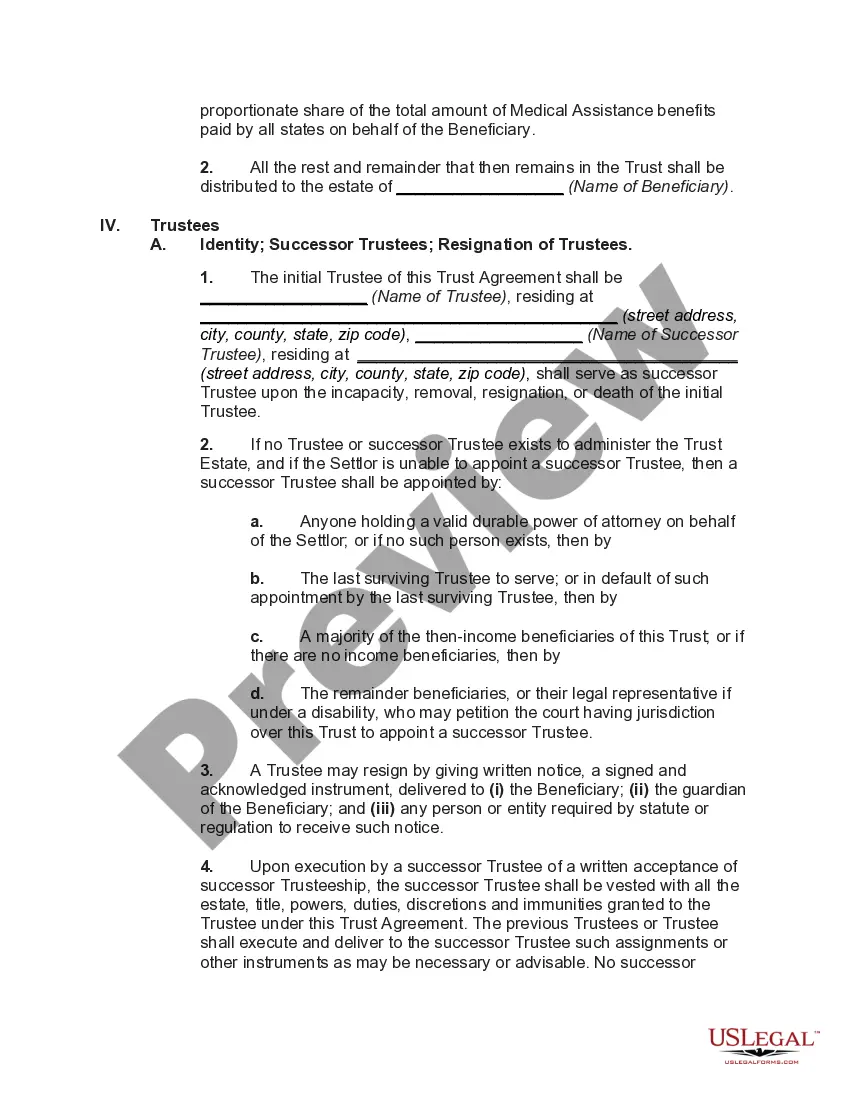
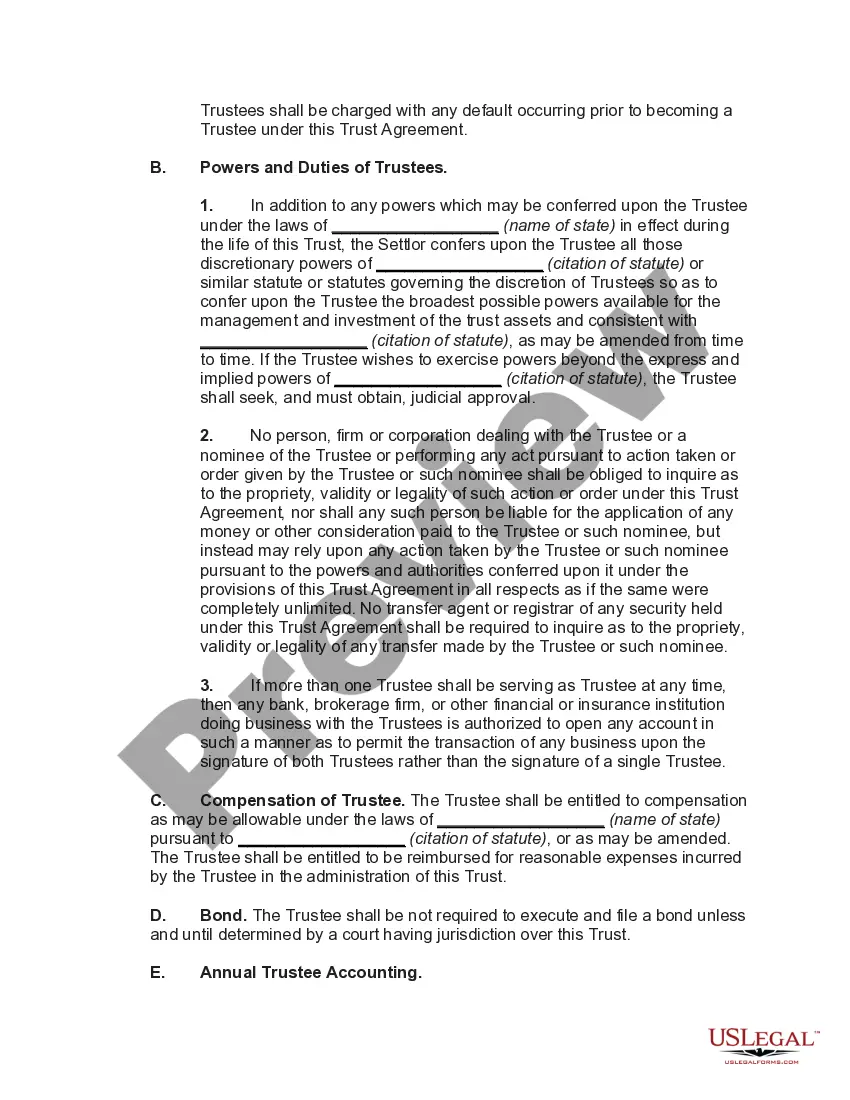
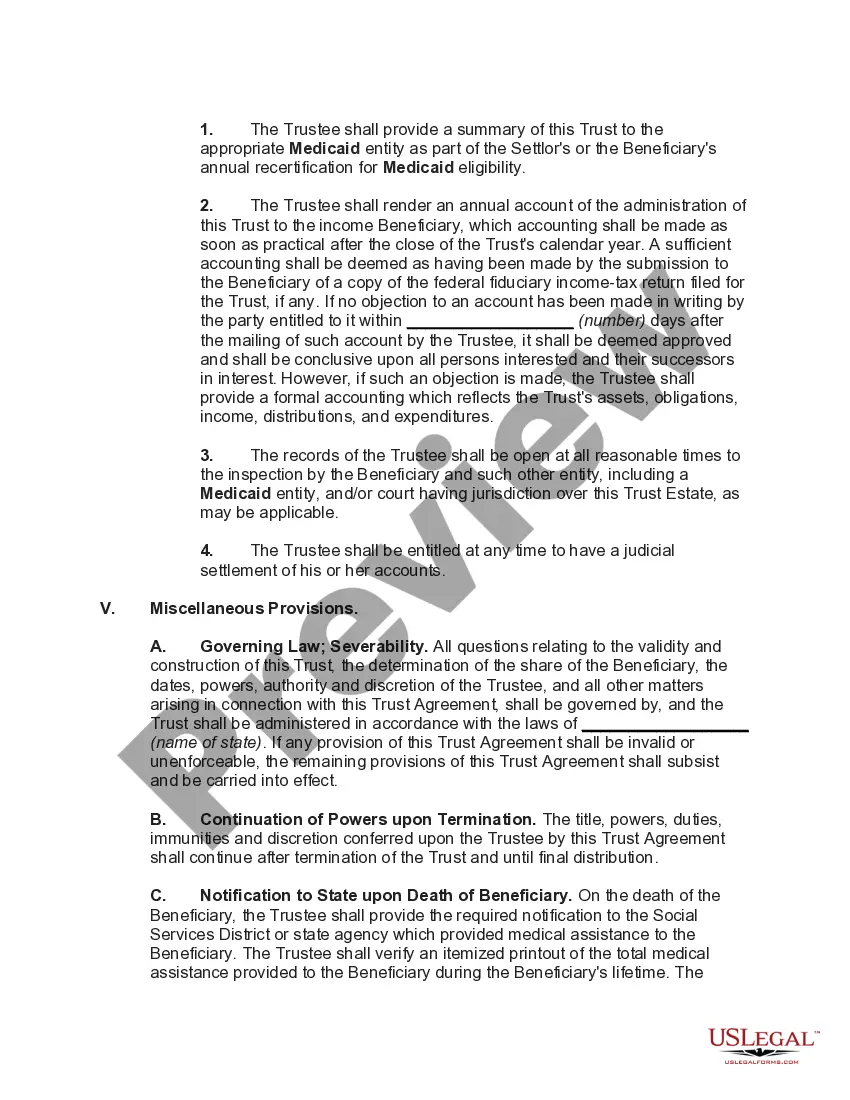
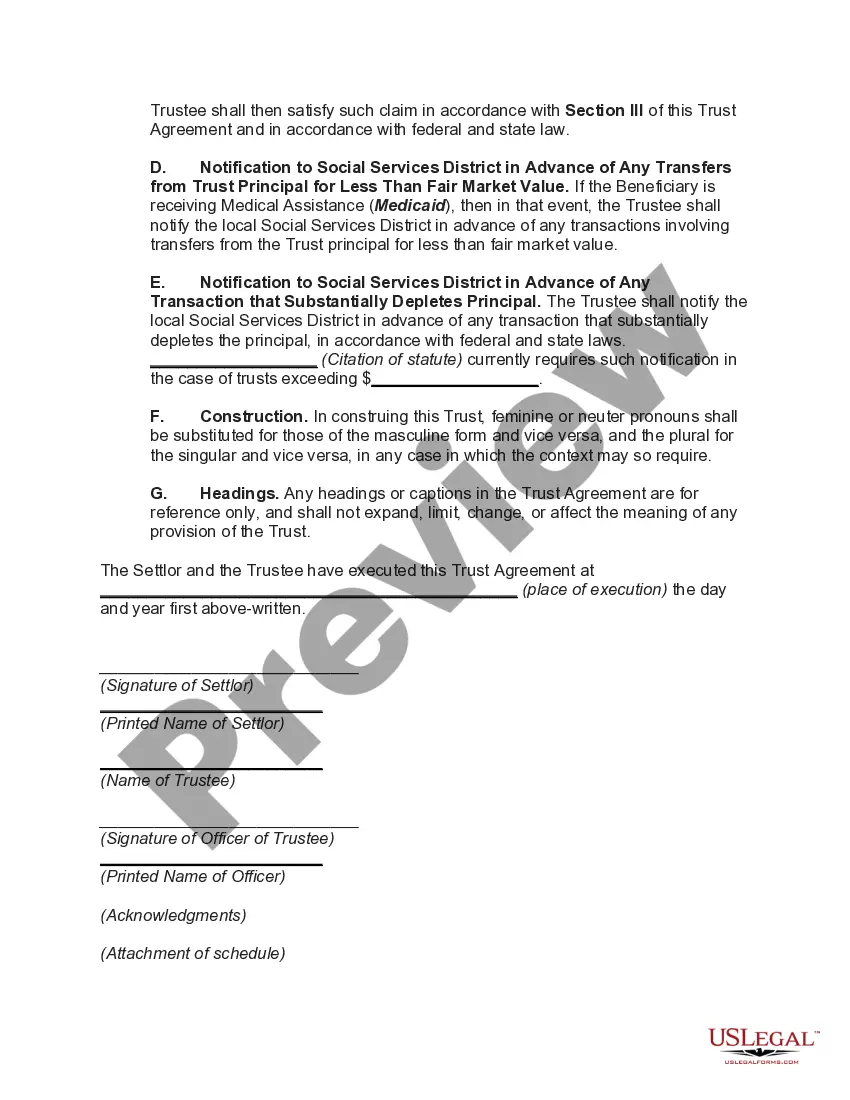
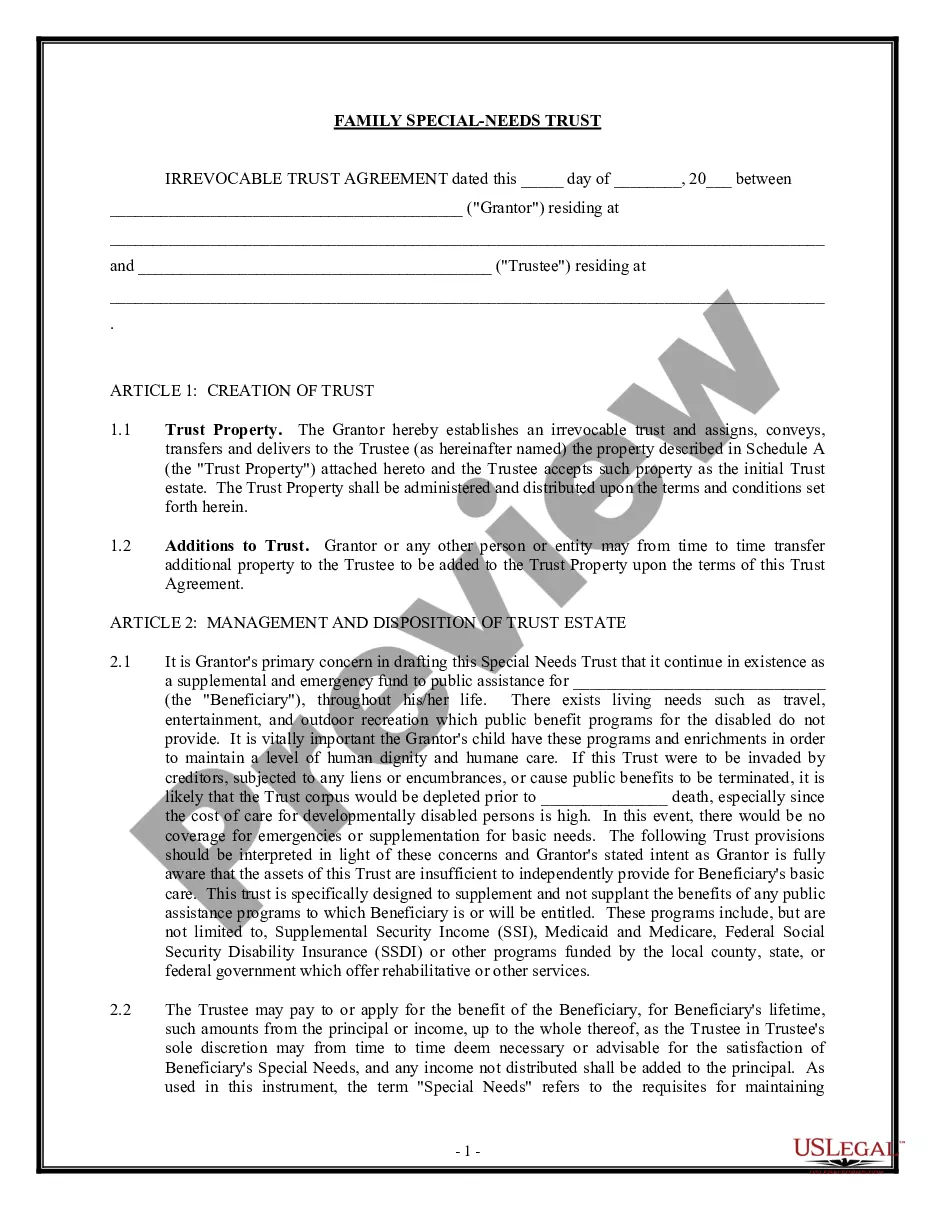
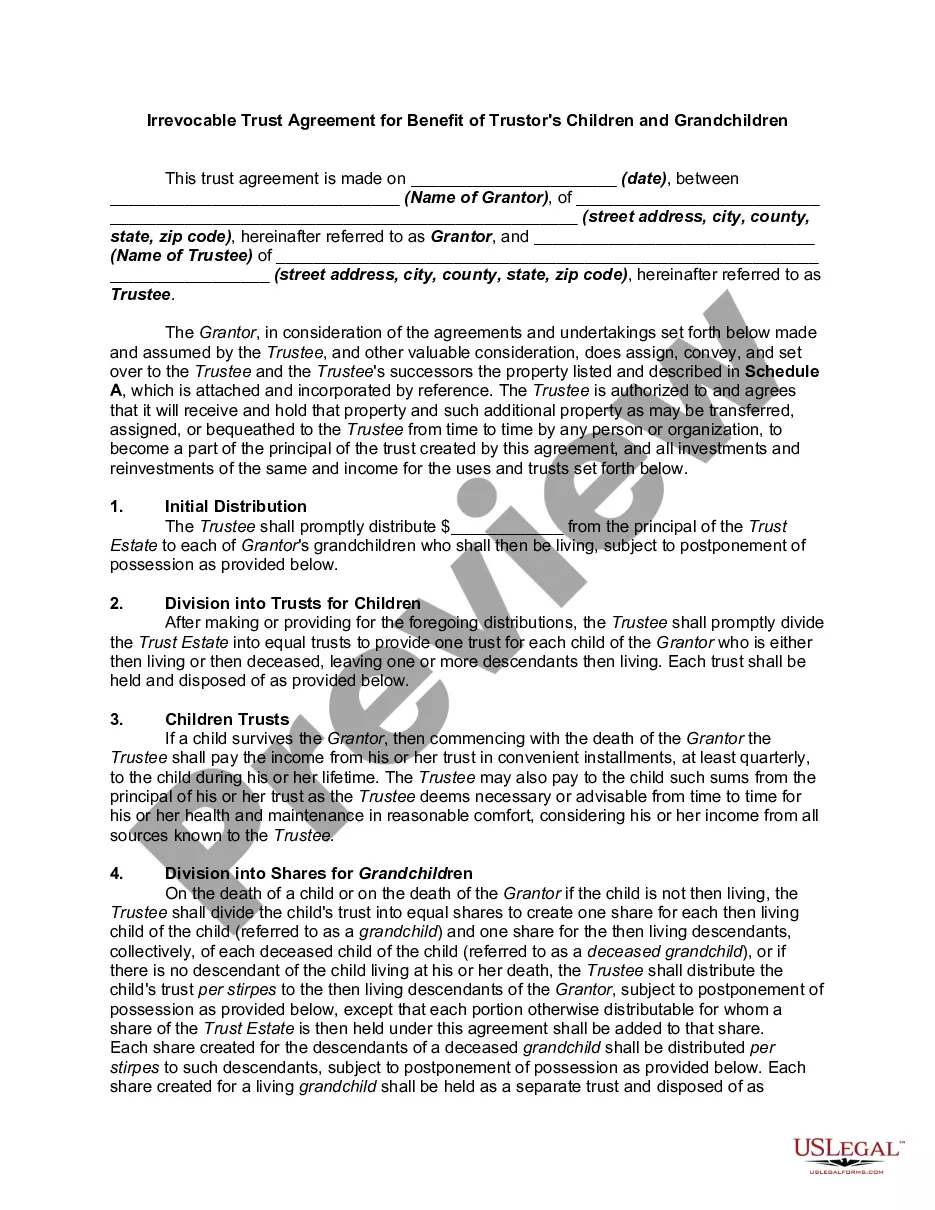
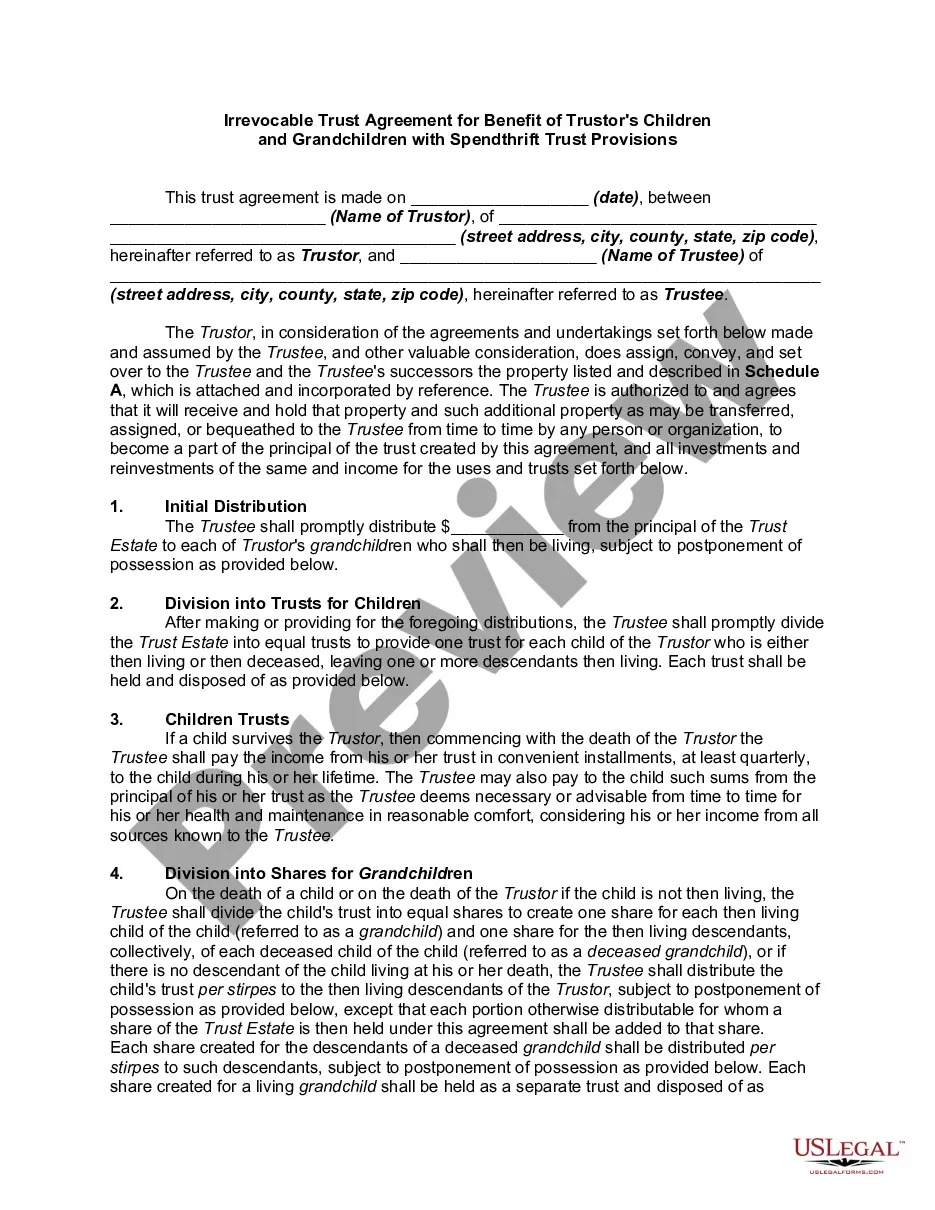
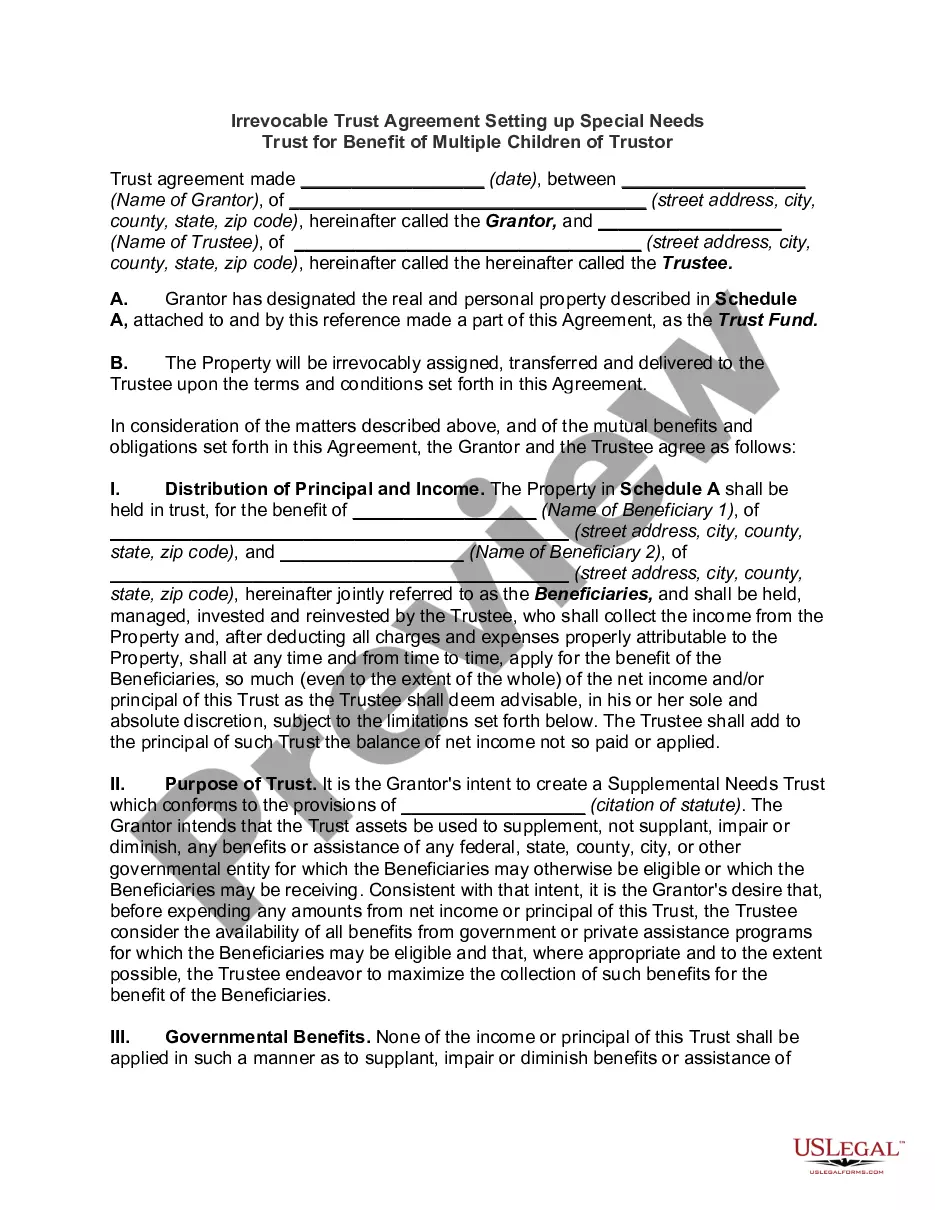
Get your form ready online
Our built-in tools help you complete, sign, share, and store your documents in one place.
Make edits, fill in missing information, and update formatting in US Legal Forms—just like you would in MS Word.
Download a copy, print it, send it by email, or mail it via USPS—whatever works best for your next step.
Sign and collect signatures with our SignNow integration. Send to multiple recipients, set reminders, and more. Go Premium to unlock E-Sign.
If this form requires notarization, complete it online through a secure video call—no need to meet a notary in person or wait for an appointment.
We protect your documents and personal data by following strict security and privacy standards.

Make edits, fill in missing information, and update formatting in US Legal Forms—just like you would in MS Word.

Download a copy, print it, send it by email, or mail it via USPS—whatever works best for your next step.

Sign and collect signatures with our SignNow integration. Send to multiple recipients, set reminders, and more. Go Premium to unlock E-Sign.

If this form requires notarization, complete it online through a secure video call—no need to meet a notary in person or wait for an appointment.

We protect your documents and personal data by following strict security and privacy standards.
Looking for another form?




How to fill out Special Needs Irrevocable Trust Agreement For Benefit Of Disabled Child Of Trustor?
Dealing with legal documents and processes can be a lengthy addition to your schedule. Special Needs Trust For Disabled Adults and similar forms often necessitate searching for them and comprehending how to fill them out accurately.
Consequently, whether you are managing financial, legal, or personal affairs, having a thorough and user-friendly online catalog of forms when you need them will greatly assist.
US Legal Forms is the leading online platform for legal templates, featuring over 85,000 state-specific documents and various resources to aid you in completing your paperwork seamlessly.
Explore the collection of relevant forms available to you with just a single click.
Then, follow the instructions outlined below to complete your form: Ensure you have the correct document using the Preview feature and reviewing the form description. Click Buy Now when ready, and select the subscription plan that fits your needs. Choose Download, then complete, sign, and print the document. US Legal Forms has twenty-five years of experience helping users manage their legal documents. Obtain the form you need today and streamline any process effortlessly.
- US Legal Forms provides you with state- and county-specific forms available for download at any time.
- Safeguard your document management processes with a premium service that enables you to create any form within minutes without any extra or hidden fees.
- Simply Log In to your account, find Special Needs Trust For Disabled Adults, and obtain it instantly from the My documents section.
- You can also access previously downloaded forms.
- Are you using US Legal Forms for the first time? Register and set up a free account in just a few minutes to access the form catalog and Special Needs Trust For Disabled Adults.
Form popularity
FAQ
The IRS treats a special needs trust for disabled adults as a separate taxable entity, meaning it must file its tax returns. The income generated by the trust may be subject to income tax, depending on how the trust is structured. It is wise to work with a tax professional who understands the intricacies of special needs trusts to ensure compliance and minimize tax liabilities.
While a special needs trust for disabled adults offers significant benefits, there are some downsides to consider. For example, the trust may have administrative fees and legal costs, which could reduce the funds available for the beneficiary. Additionally, the trust must be managed according to strict rules, and improper management or distribution can lead to loss of benefits. Understanding these factors can help you make informed decisions.
A special needs trust for disabled adults typically does not affect Supplemental Security Income (SSI) benefits, as long as the funds in the trust are used for qualified expenses. However, it is crucial to carefully structure the trust to avoid any unintended consequences for Social Security Disability Insurance (SSDI) benefits. Consulting with a knowledgeable attorney can provide you with the guidance needed to navigate these complexities effectively.
The limit on a special needs trust for disabled adults varies depending on the specific state laws and the regulations governing the trust. Generally, these trusts allow individuals to maintain a certain amount of assets without jeopardizing their eligibility for government assistance programs. It's essential to consult with a legal expert to understand the specific limitations in your state and ensure the trust complies with all requirements.
While a special needs trust for disabled adults offers significant benefits, it also has some limitations. For instance, the funds in the trust can only be used for specific purposes, and mismanagement can lead to loss of government benefits. Additionally, setting up and maintaining the trust can involve legal fees and administrative costs, which may deter some families from pursuing this option. However, platforms like US Legal Forms can simplify the process, providing guidance and resources to help create a trust that meets your needs.
Individuals who qualify for a disability trust are those who have a documented disability and require assistance to manage their financial resources. This includes adults with physical or mental conditions that limit their daily activities. Establishing a special needs trust for disabled adults ensures that they have access to additional resources while maintaining eligibility for vital government programs.
A disability trust, specifically a special needs trust for disabled adults, is a legal arrangement that allows a designated trustee to manage assets for the benefit of a disabled person. The trust funds can be used for various needs like medical care, education, and recreational activities without affecting the individual’s eligibility for government assistance. It operates under strict compliance with federal and state laws to ensure the funds are used appropriately and effectively.
Eligibility for a special disability trust typically includes individuals who have a qualifying disability as defined by government standards, such as those receiving Social Security Disability Insurance. Moreover, the individual must be under the age of 65 at the time the trust is established. This trust serves to enhance their quality of life while protecting their eligibility for essential government benefits.
To meet the requirements of a qualified disability trust, the trust must be established for the sole benefit of a disabled individual. It should also adhere to legal guidelines that define the individual's disability, ensuring they qualify for Social Security benefits. In addition, the trust must be irrevocable, meaning the terms cannot be changed or revoked once it is set up, allowing it to serve its intended purpose effectively.
A disabled person's trust, often referred to as a special needs trust for disabled adults, is designed to provide financial support without jeopardizing eligibility for government benefits. This trust holds assets for the benefit of the disabled individual while allowing them to access necessary care and services. Importantly, the trust must comply with specific regulations to ensure it does not count against the individual’s asset limits for programs such as Medicaid.