Special Needs Trust Disabled With Disability
Description

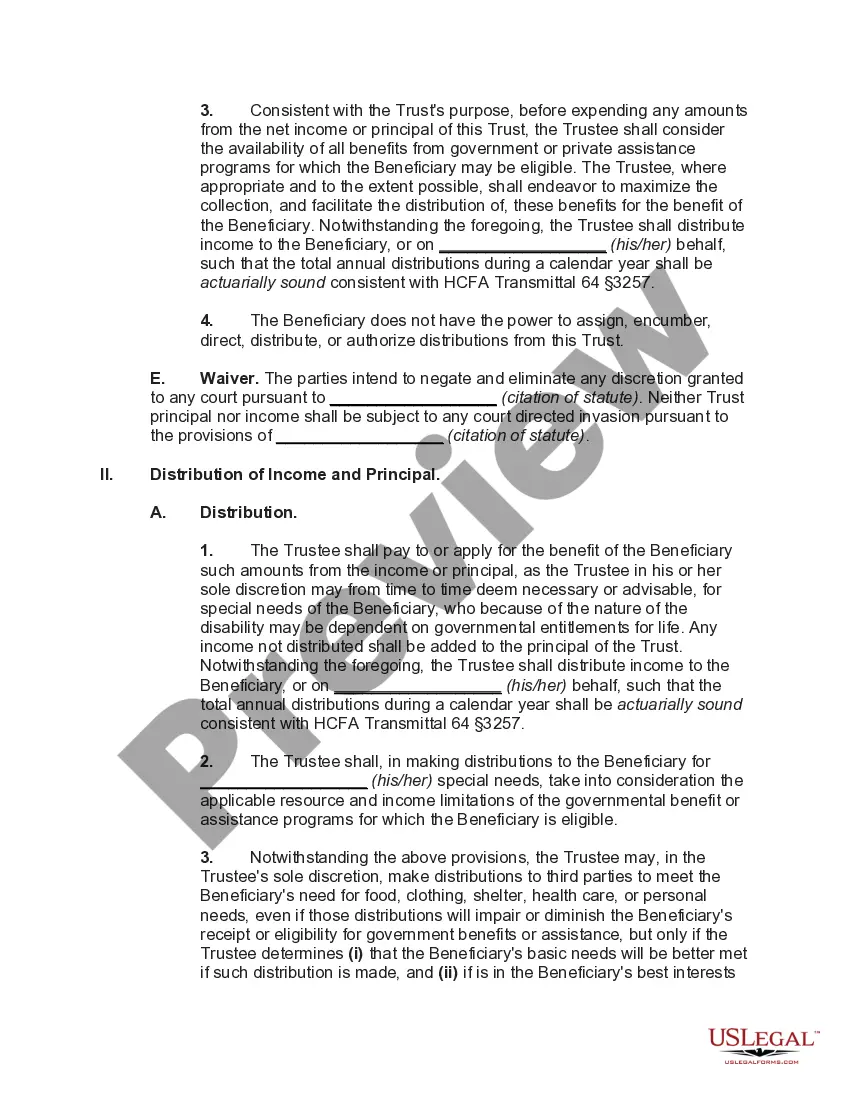
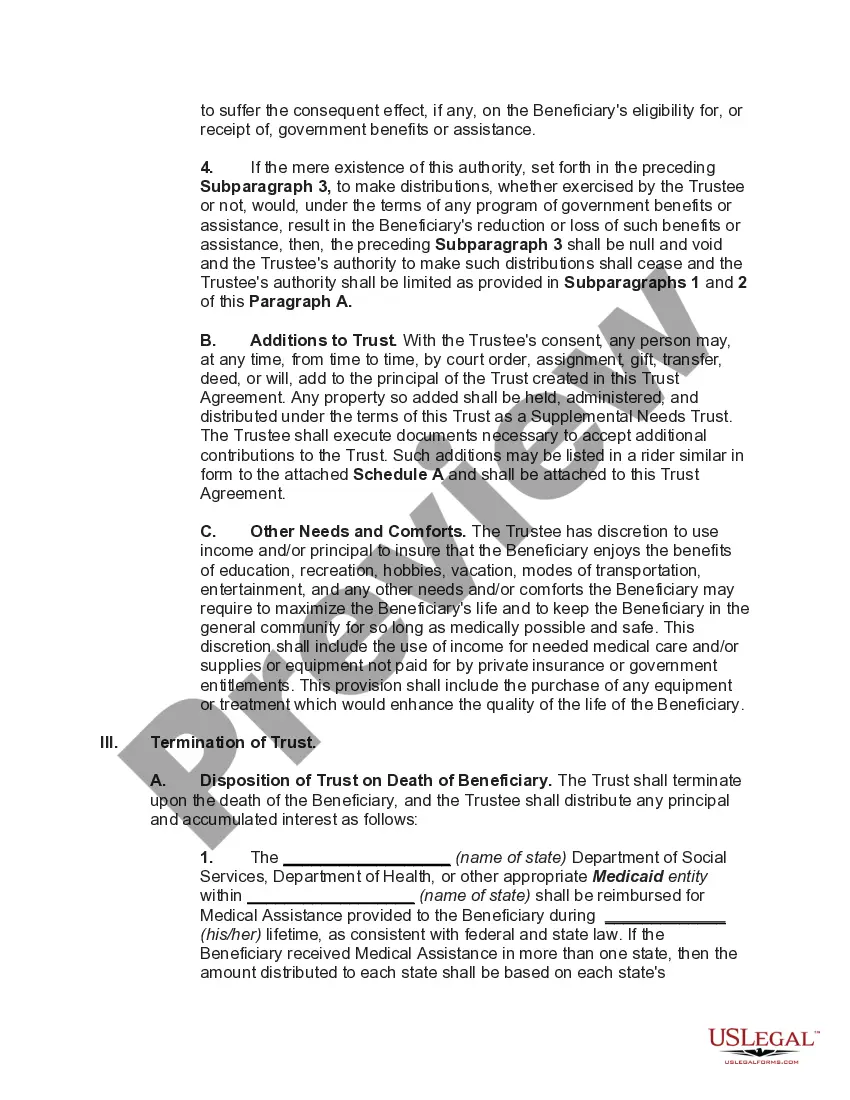
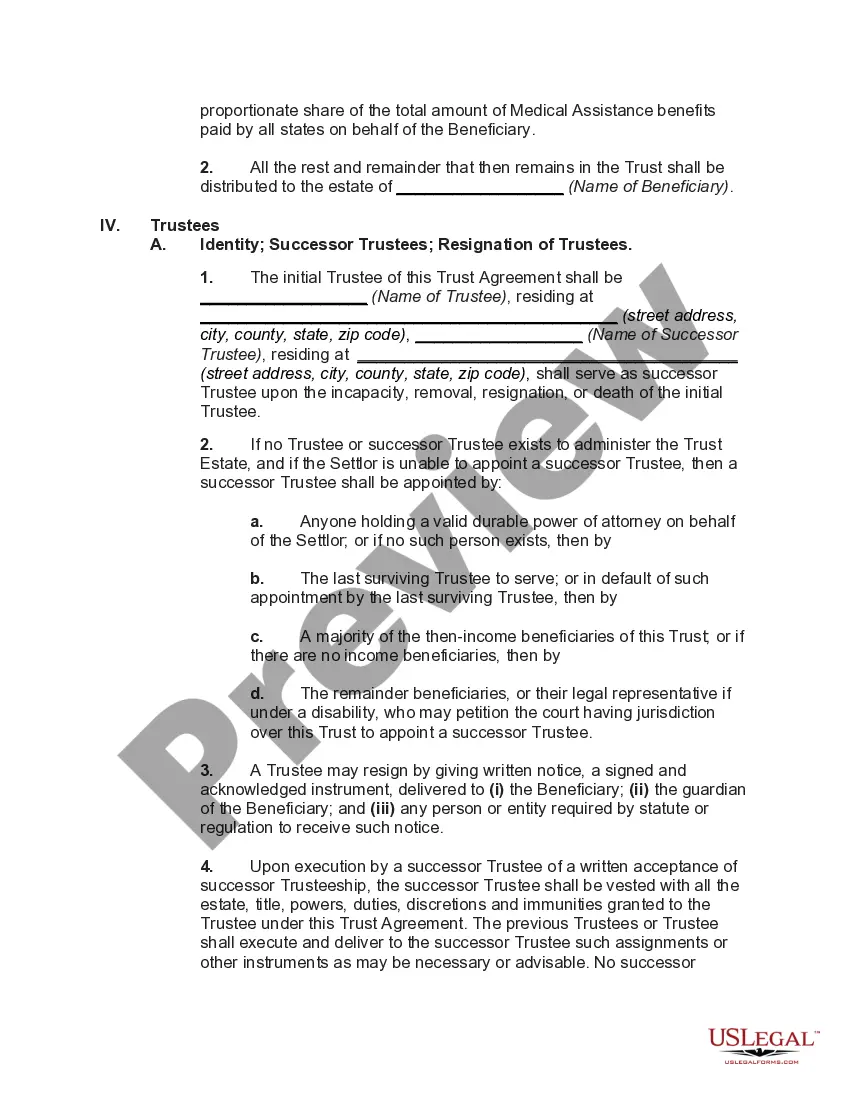
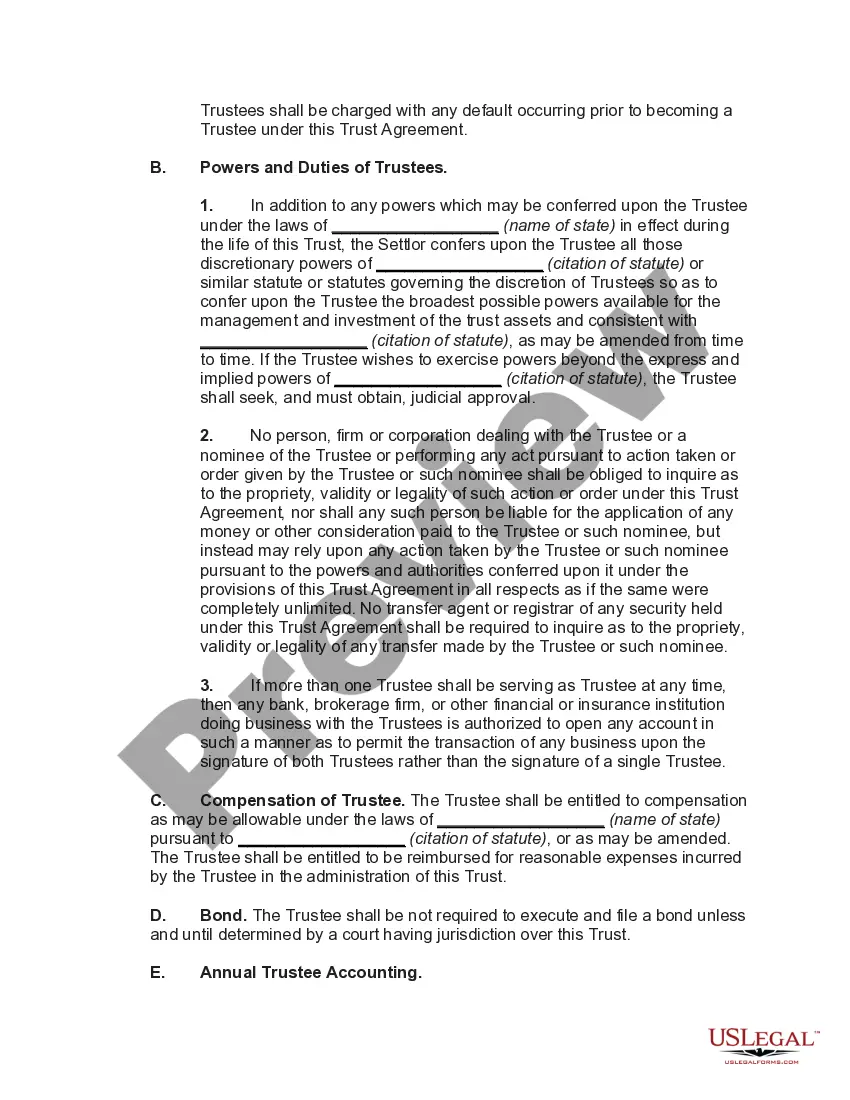
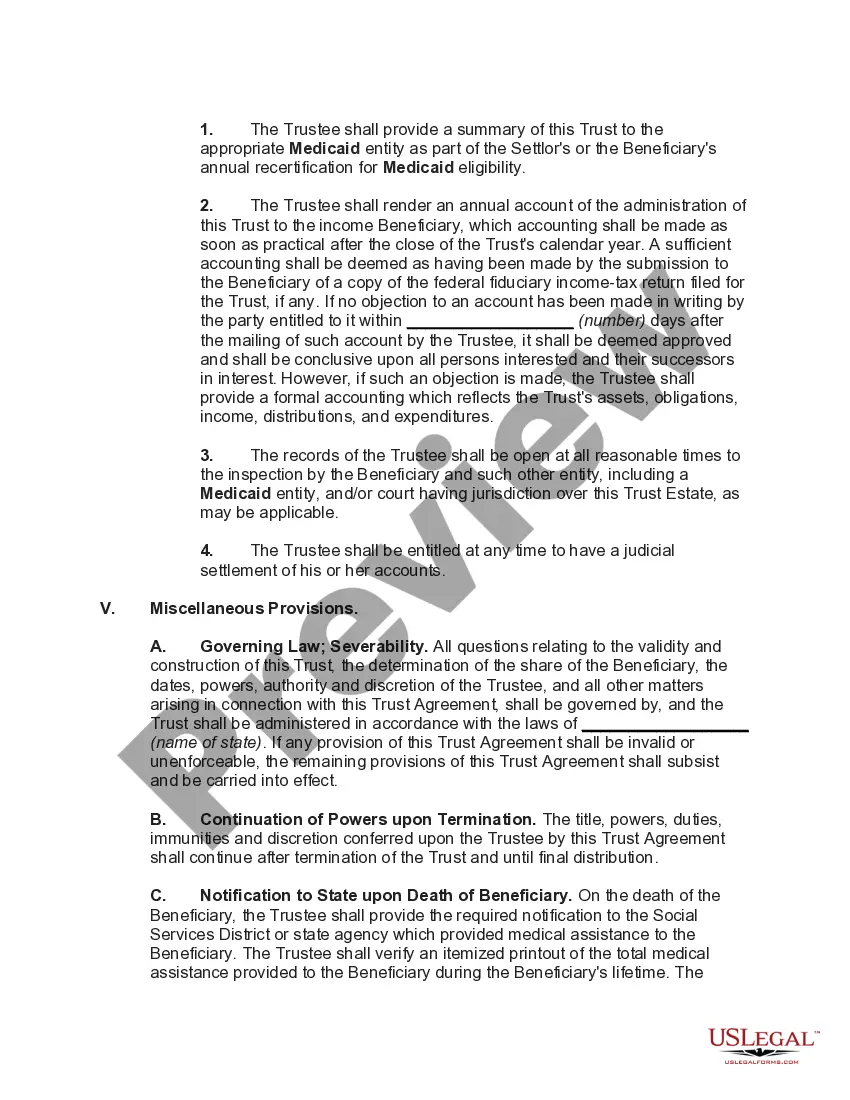
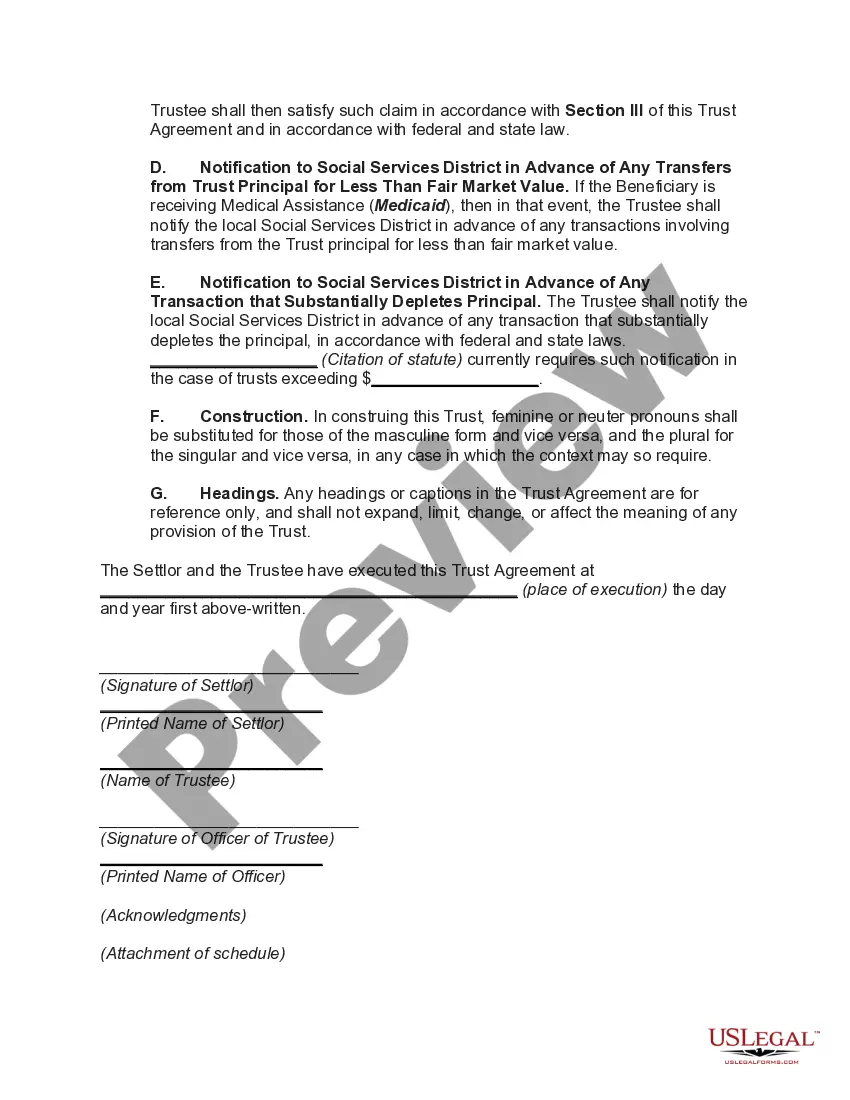
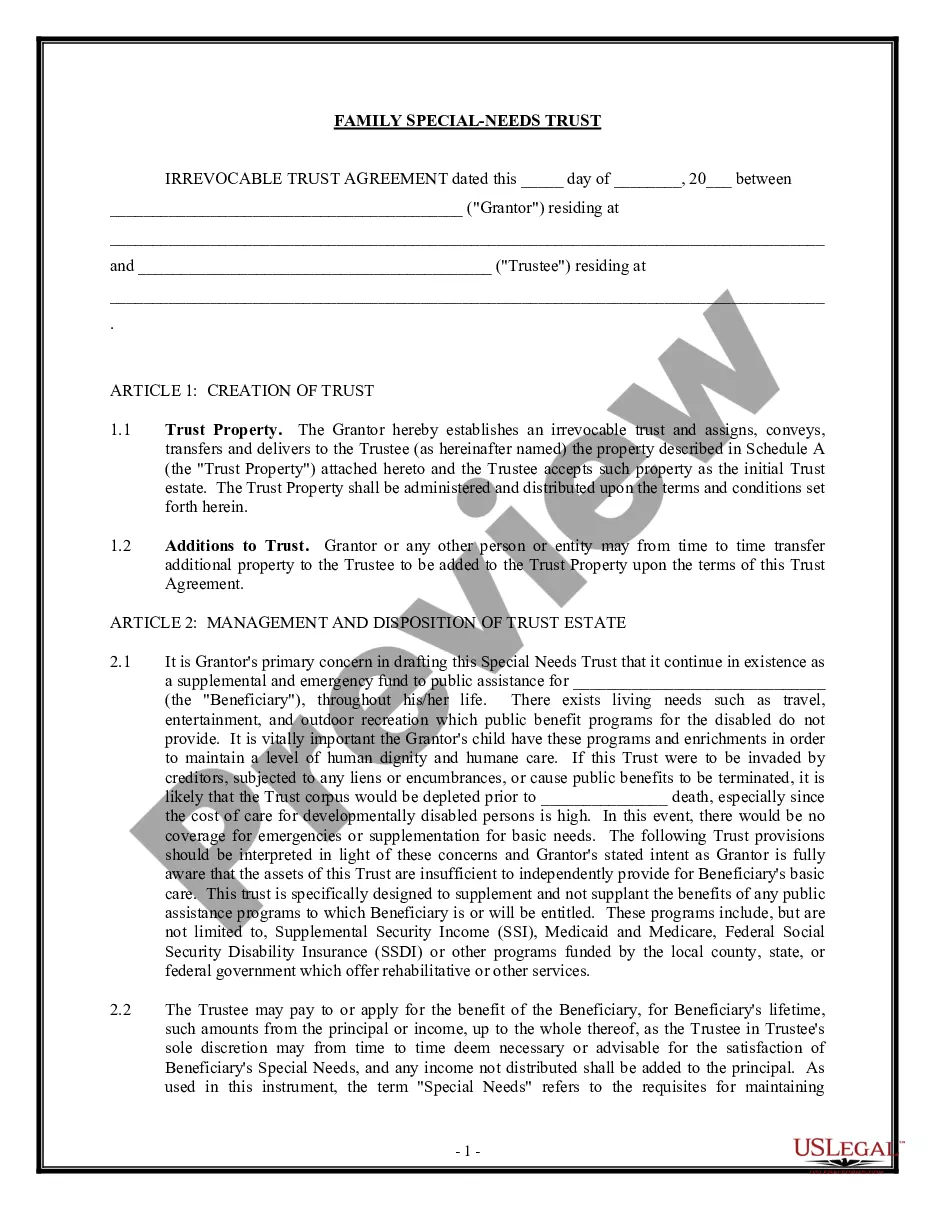



Get your form ready online
Our built-in tools help you complete, sign, share, and store your documents in one place.
Make edits, fill in missing information, and update formatting in US Legal Forms—just like you would in MS Word.
Download a copy, print it, send it by email, or mail it via USPS—whatever works best for your next step.
Sign and collect signatures with our SignNow integration. Send to multiple recipients, set reminders, and more. Go Premium to unlock E-Sign.
If this form requires notarization, complete it online through a secure video call—no need to meet a notary in person or wait for an appointment.
We protect your documents and personal data by following strict security and privacy standards.

Make edits, fill in missing information, and update formatting in US Legal Forms—just like you would in MS Word.

Download a copy, print it, send it by email, or mail it via USPS—whatever works best for your next step.

Sign and collect signatures with our SignNow integration. Send to multiple recipients, set reminders, and more. Go Premium to unlock E-Sign.

If this form requires notarization, complete it online through a secure video call—no need to meet a notary in person or wait for an appointment.

We protect your documents and personal data by following strict security and privacy standards.
Looking for another form?






How to fill out Special Needs Irrevocable Trust Agreement For Benefit Of Disabled Child Of Trustor?
- If you are a returning user, log in to your account and download the required trust template, ensuring your subscription is active. Renew if necessary.
- For first-time users, start by browsing the Preview mode and reading the form description to confirm it suits your requirements and complies with local laws.
- If you need different forms, utilize the Search tab at the top of the page to find the correct document and proceed if it fits your needs.
- Purchase the form by clicking the Buy Now button and selecting a subscription plan that works for you. You'll need to register an account for access.
- Complete your purchase by entering your payment information or connecting via your PayPal account.
- Finally, download your trust document, which you'll find in the My Forms section of your profile for future reference.
US Legal Forms simplifies the process of creating legal documents, empowering individuals to secure their financial future while remaining compliant with legal standards.
Start today to create your Special Needs Trust without delay. Visit US Legal Forms to access a wealth of resources!
Form popularity
FAQ
To qualify for a qualified disability trust, you must be a disabled individual under the law. This means you should meet specific criteria defined in the Internal Revenue Code concerning your disability status. Additionally, the trust must be established for your benefit, ensuring that funds are allocated appropriately to maintain your quality of life. A special needs trust disabled with disability can be a useful tool in this process, enabling you to preserve assets while still receiving government benefits.
The best trust for a disabled person often is a special needs trust disabled with disability. This type of trust helps maintain eligibility for government benefits while providing necessary financial support for additional care. It allows for funding that enhances the quality of life without compromising essential aid. To determine the ideal trust structure, consult with professionals who can tailor the solution to your unique circumstances.
Setting up a trust fund for a disabled person involves several key steps. First, determine the type of trust that best suits their needs, such as a special needs trust disabled with disability. Next, consult with an attorney specializing in trusts to ensure compliance with regulations. Finally, fund the trust appropriately while considering the beneficiary's long-term care and financial support.
While a special needs trust disabled with disability provides many advantages, there are some drawbacks. For instance, the setup and administrative costs can be significant, and it's essential to follow strict rules regarding the use of trust funds. Additionally, any unallocated funds may revert to the state upon the beneficiary's death, which can limit financial planning options. We recommend discussing these factors with a knowledgeable attorney to navigate potential challenges.
A special needs trust disabled with disability typically does not affect Social Security Disability Insurance (SSDI) benefits. This trust enables individuals to receive funds for daily needs without jeopardizing their eligibility for SSDI. By placing assets in a special needs trust, you ensure that the beneficiary can maintain their benefits while enjoying additional support. It's always wise to consult with a legal expert to understand specific implications.
Getting a special needs trust established generally requires a commitment of time that ranges from a few weeks to a couple of months. Once you gather necessary information and documents, legal professionals can help draft the trust. By using resources like USLegalForms, you can simplify the process, ensuring efficient creation and setup of the trust tailored for individuals with disabilities.
Setting up a special needs trust disabled with disability usually takes two to six weeks. This timeframe allows for drafting, reviewing legal documents, and addressing any questions that may arise. Engaging knowledgeable legal assistance can expedite this process, ensuring all requirements are met to establish a sound trust.
The time it takes for a trust to form varies based on complexity and state requirements. Generally, establishing a special needs trust disabled with disability can take anywhere from a few days to several weeks. Factors influencing this timeframe include the documentation process and whether legal assistance is involved. Using platforms like USLegalForms can streamline document preparation and help get the trust established more efficiently.
A disability trust must meet specific criteria to function effectively. It should clearly outline the beneficiary’s disabilities and provide details about managing the assets within the trust. Furthermore, the trust must be established according to state laws, which may vary, especially when it comes to managing funds without jeopardizing government assistance for the trust beneficiary.
To qualify for a special needs trust disabled with disability, the individual must have a qualifying disability that limits their ability to earn income. Additionally, the trust must be established by a parent, grandparent, legal guardian, or the individual themselves if they are of legal age. This ensures the trust complies with regulations that protect government benefits while providing financial support.