Special Needs Trust Adult With Learning Disability
Description

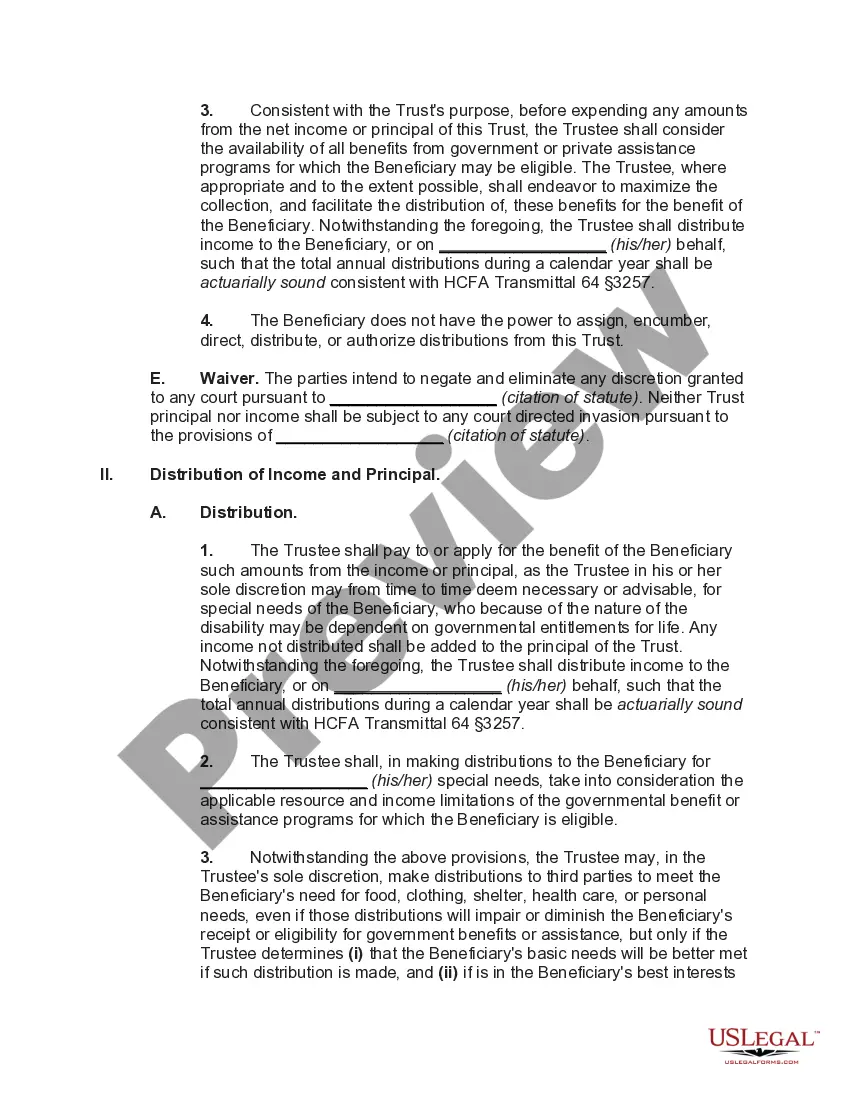
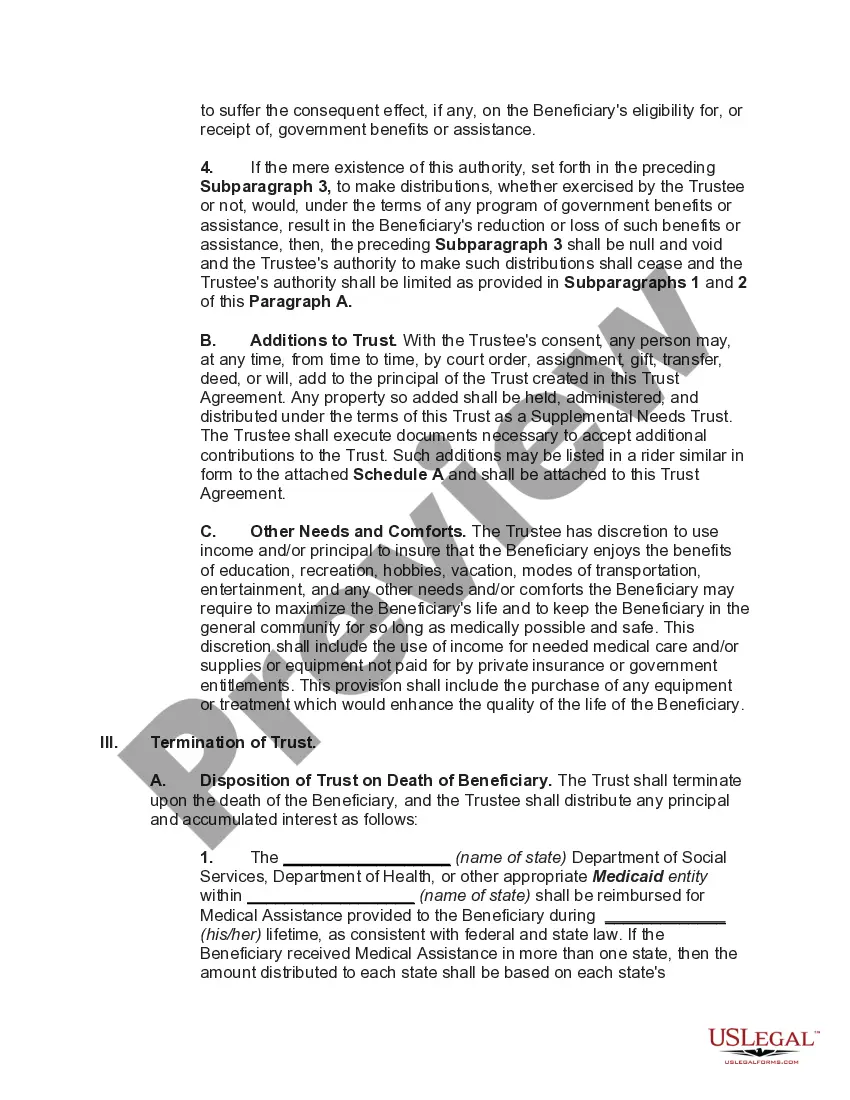
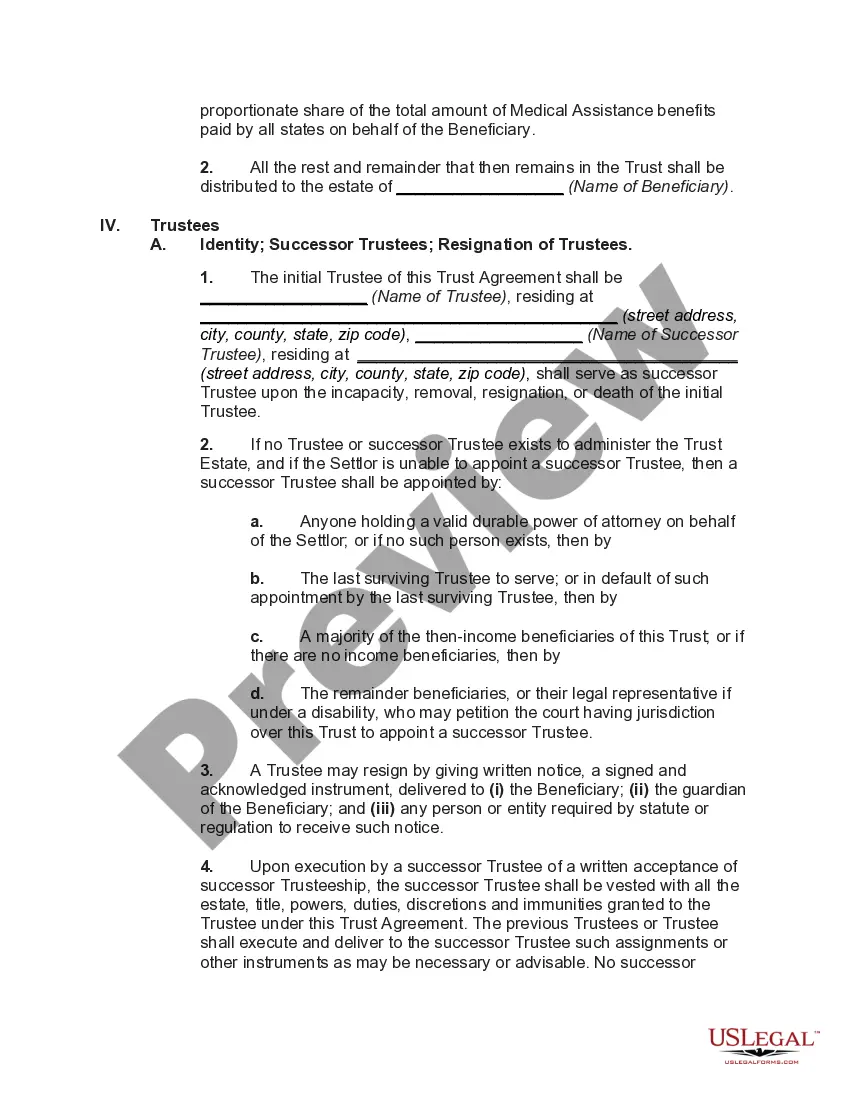
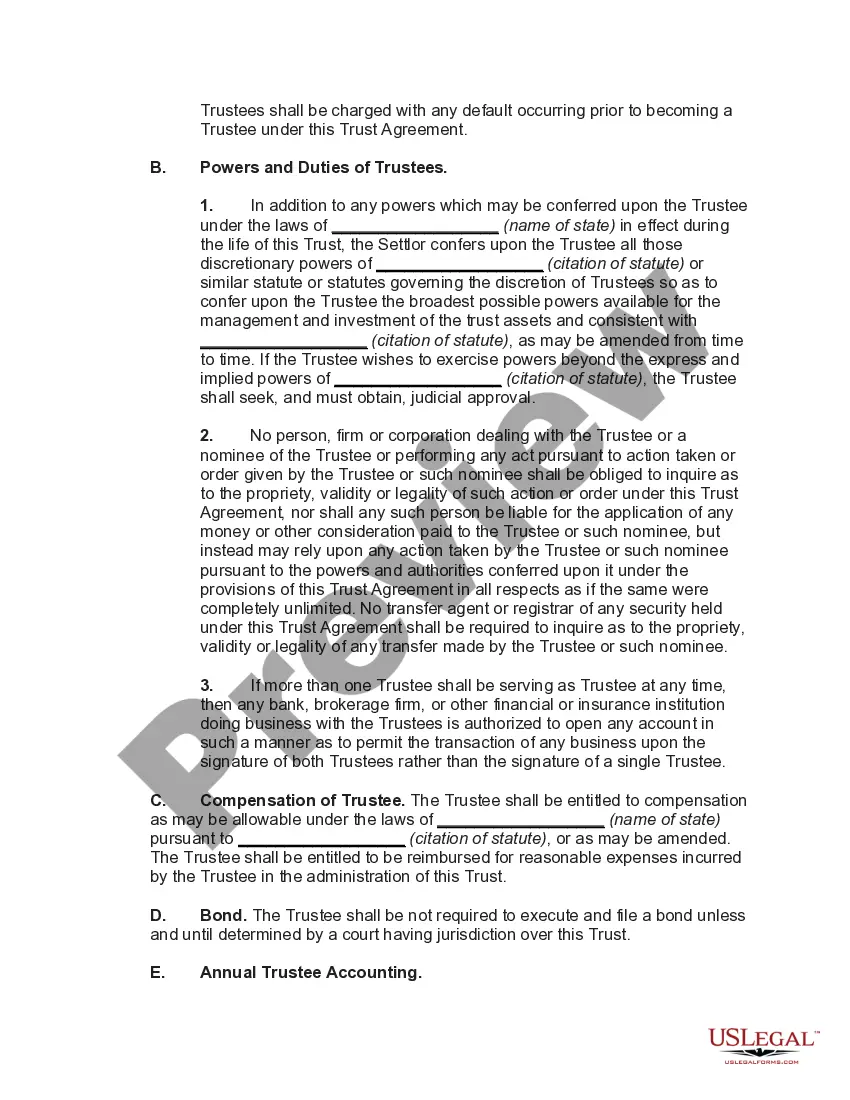
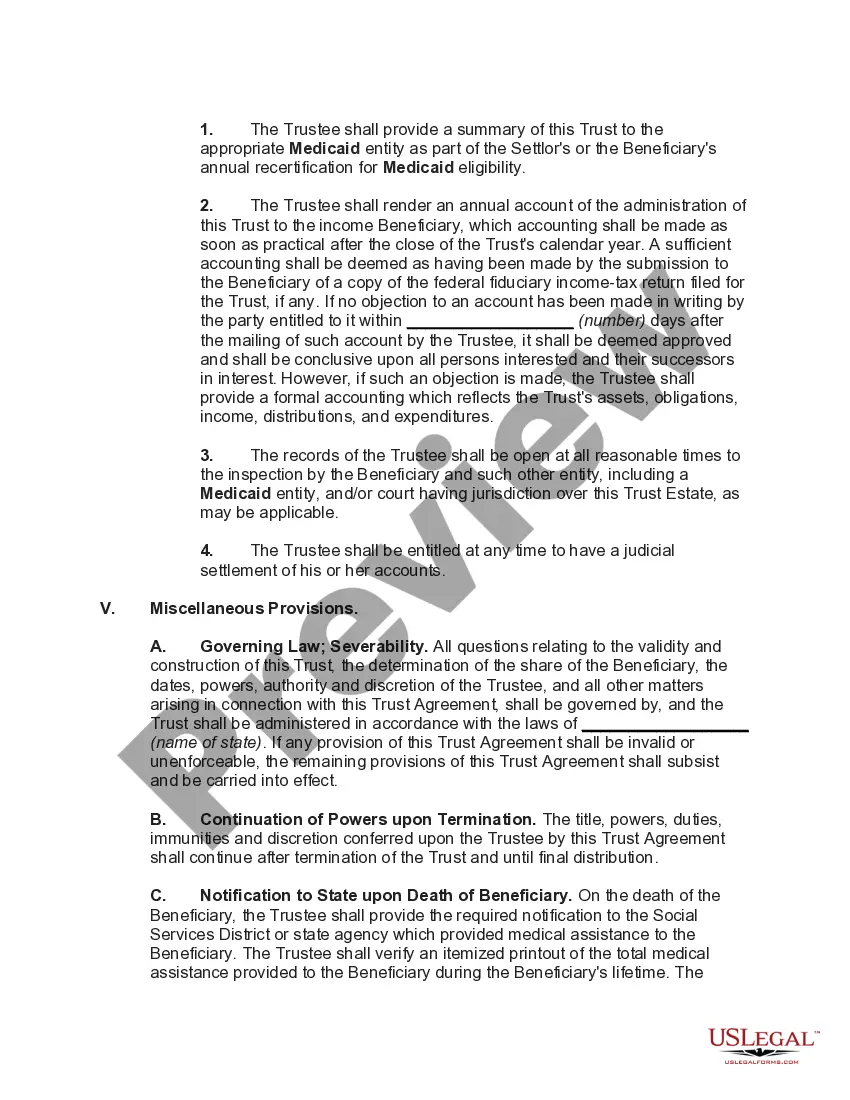
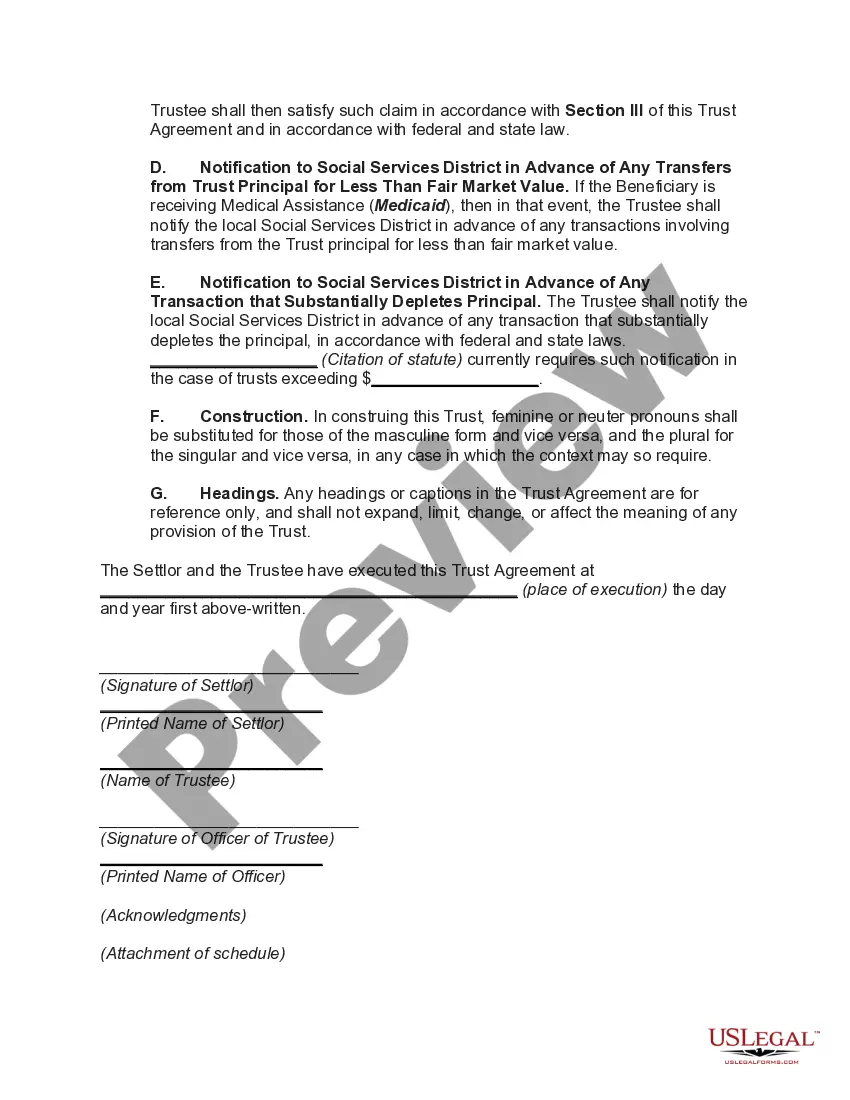
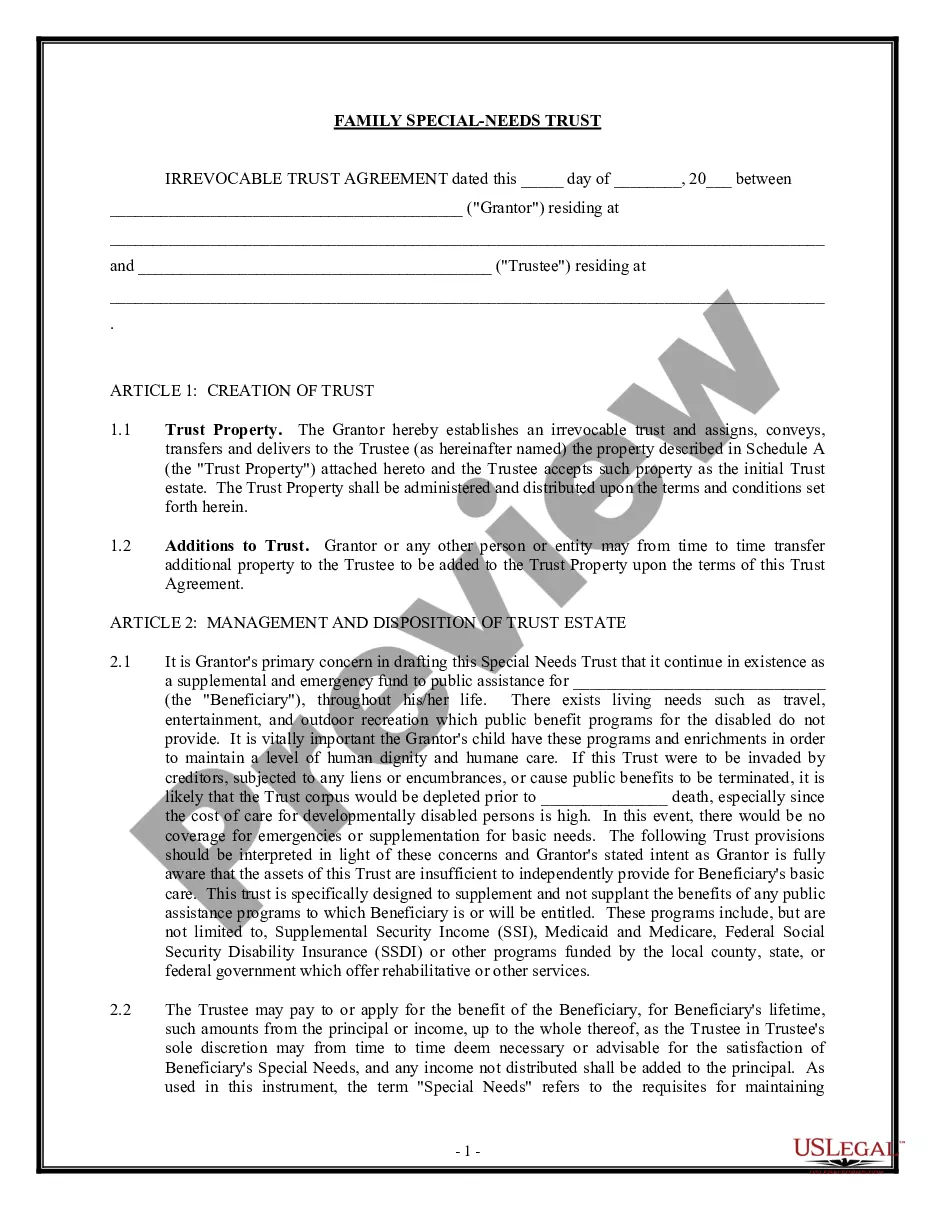
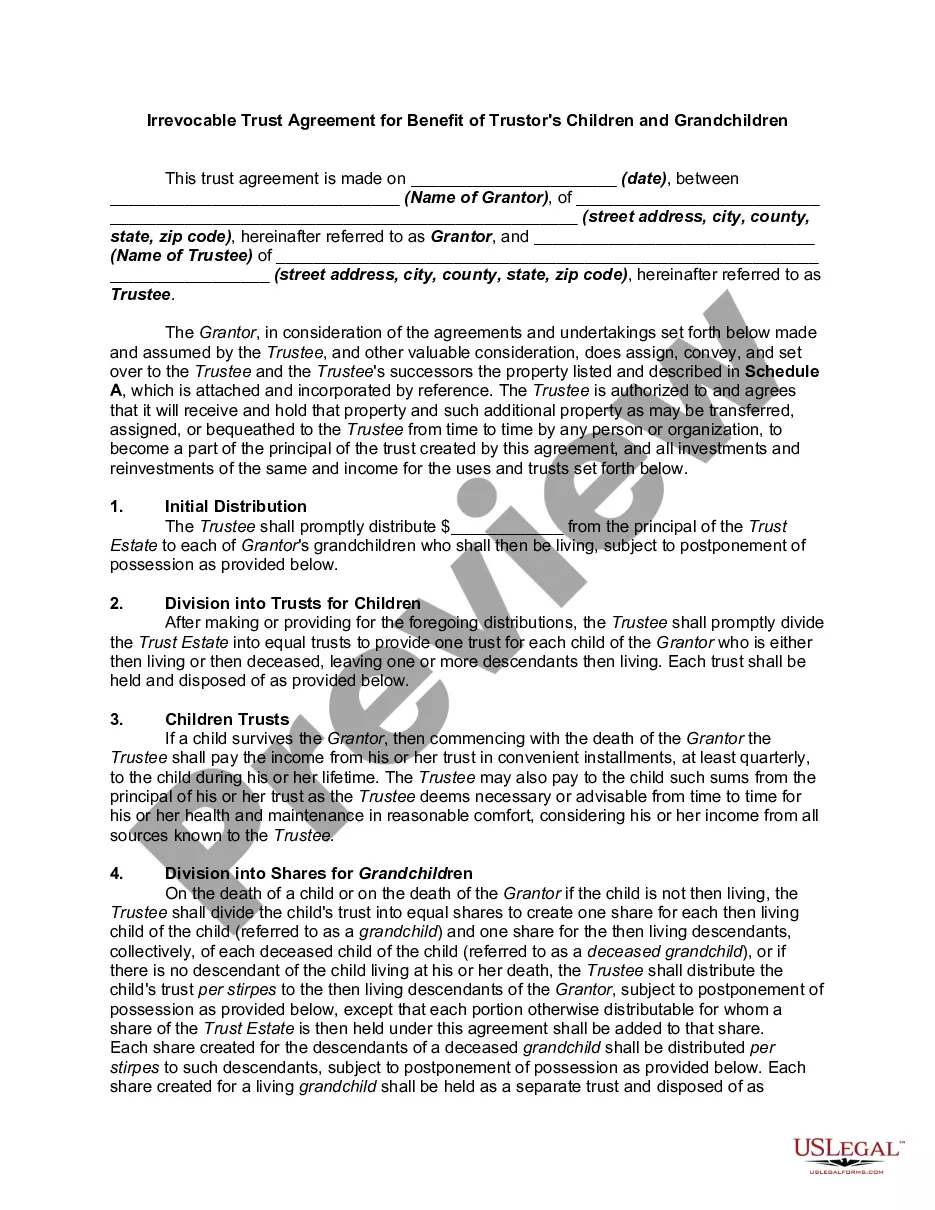
Get your form ready online
Our built-in tools help you complete, sign, share, and store your documents in one place.
Make edits, fill in missing information, and update formatting in US Legal Forms—just like you would in MS Word.
Download a copy, print it, send it by email, or mail it via USPS—whatever works best for your next step.
Sign and collect signatures with our SignNow integration. Send to multiple recipients, set reminders, and more. Go Premium to unlock E-Sign.
If this form requires notarization, complete it online through a secure video call—no need to meet a notary in person or wait for an appointment.
We protect your documents and personal data by following strict security and privacy standards.

Make edits, fill in missing information, and update formatting in US Legal Forms—just like you would in MS Word.

Download a copy, print it, send it by email, or mail it via USPS—whatever works best for your next step.

Sign and collect signatures with our SignNow integration. Send to multiple recipients, set reminders, and more. Go Premium to unlock E-Sign.

If this form requires notarization, complete it online through a secure video call—no need to meet a notary in person or wait for an appointment.

We protect your documents and personal data by following strict security and privacy standards.
Looking for another form?








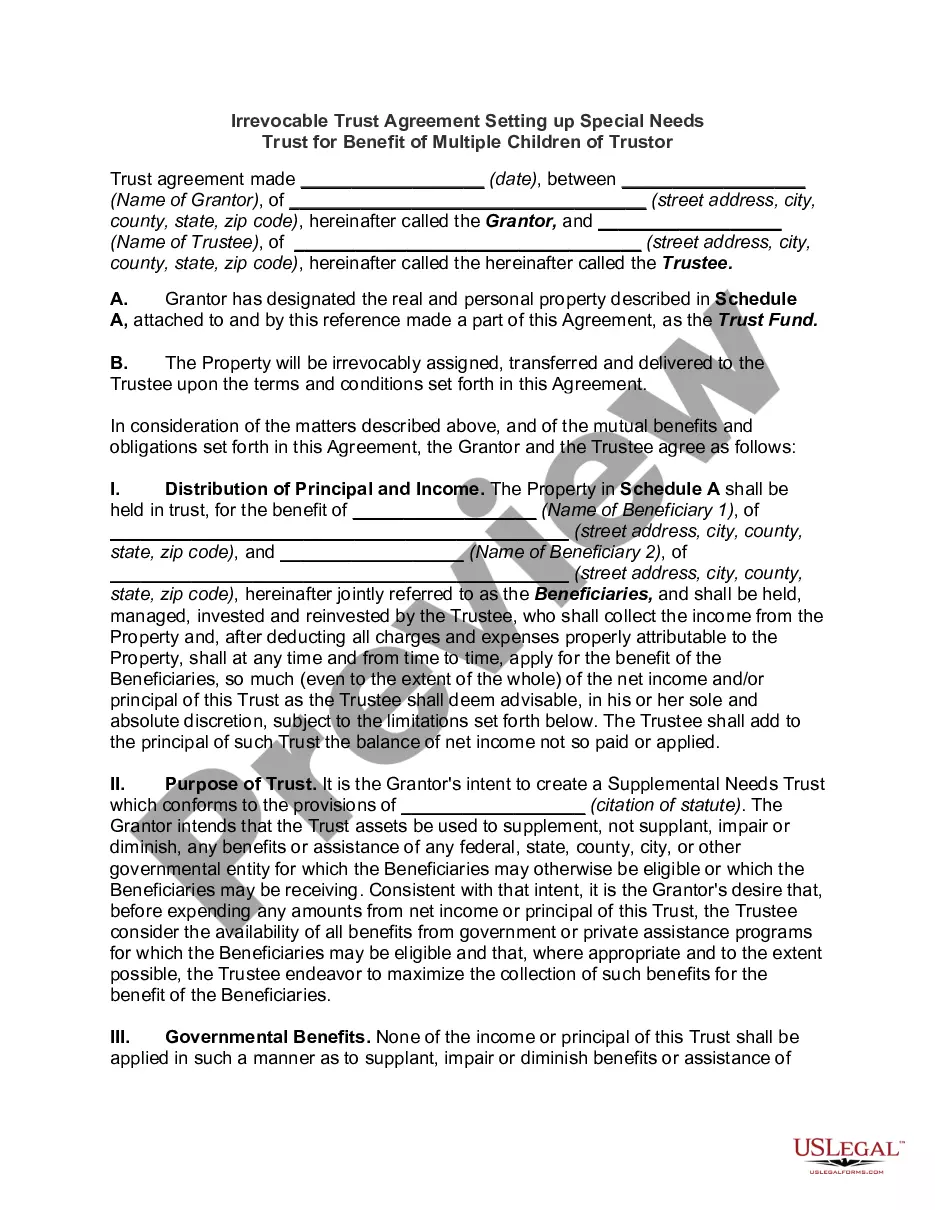
How to fill out Special Needs Irrevocable Trust Agreement For Benefit Of Disabled Child Of Trustor?
- If you have previously registered with US Legal Forms, access your account and simply download the form you need by clicking the Download button. Verify your subscription status beforehand, and renew it if necessary.
- For first-time users, begin by reviewing the form preview and description to make sure it fits your specific requirements and complies with your jurisdiction.
- If you need a different form, utilize the Search feature at the top of the page to locate the correct templates quickly.
- Once you find the appropriate form, select it and proceed by clicking the Buy Now button to choose your desired subscription plan. You will need to create an account to gain access to the full library of resources.
- Complete your purchase by entering your payment details, using either a credit card or PayPal for convenience.
- Finally, download your selected form to your device and access it anytime through the My Forms section of your profile. This allows for easy completion and revision in the future.
In conclusion, US Legal Forms provides a valuable service for individuals seeking to establish a special needs trust for adults with learning disabilities. With a vast library of forms and expert support, you can ensure your documents are correctly established and maintained.
Start your journey today by visiting US Legal Forms and taking advantage of their resources!
Form popularity
FAQ
The process of setting up a special needs trust adult with a learning disability can vary based on complexity. Typically, it may take a few weeks to a couple of months to finalize the trust. Factors influencing this timeline include gathering required documents and ensuring compliance with legal requirements. Using platforms like US Legal Forms can streamline the process, making it more efficient.
Yes, a special needs trust adult with a learning disability can be considered a qualified disability trust if it meets certain criteria laid out by the IRS. These trusts can provide tax benefits, allowing the beneficiary to maintain essential government assistance. It's crucial to adhere to specific guidelines to obtain this qualification. Consulting a legal expert can provide clarity on this matter.
One of the biggest mistakes parents make when setting up a special needs trust adult with a learning disability is failing to fully understand the unique requirements of the trust. They may overlook consulting with specialists in special needs law, leading to improper structuring. This can jeopardize the beneficiary's eligibility for essential government benefits. Thoughtful planning and expert advice can help avoid costly errors.
The beneficial owner of a special needs trust adult with a learning disability is the individual for whom the trust was established. The trustee manages the trust assets on behalf of this person but does not own the assets themselves. Beneficiaries retain crucial benefits while preserving eligibility for government assistance. Understanding this distinction helps in effectively managing the trust.
Filing taxes for a special needs trust adult with a learning disability can be straightforward if you understand the process. Typically, the trust must file its own tax return using IRS Form 1041. You should work with a tax professional who is knowledgeable about special needs trusts to ensure compliance and optimize tax benefits. This way, you can navigate the tax implications efficiently.
Selecting a trustee for a special needs trust adult with a learning disability requires careful thought. You should evaluate candidates based on their reliability, knowledge of special needs, and ability to manage finances. Discuss their willingness to fulfill the role openly, and assess their understanding of the legal requirements involved. It's critical to find someone who shares a commitment to the beneficiary's future.
The best person to appoint as trustee for a special needs trust adult with a learning disability is typically someone who is trustworthy and understands financial management. This person should also be familiar with the beneficiary's needs and goals. You might consider a professional trustee or a close relative who is committed to their wellbeing. The right trustee can help navigate complex legal and financial choices.
Choosing the best trustee for a special needs trust adult with a learning disability involves considering someone reliable and knowledgeable about special needs. This could be a family member, a trusted friend, or a professional fiduciary. Ensure that this person understands the unique needs of the beneficiary. A professional may offer the best experience, while a family member may provide personal insight.
Issues with a special needs trust adult with learning disability can arise from improper management and misunderstandings regarding payments. Beneficiaries may face challenges if their trust is not compliant with state rules or fails to address specific needs effectively. To mitigate these issues, platforms like uslegalforms offer resources for proper trust setup and administration, ensuring beneficiaries receive the benefits they deserve.
The restrictions of a special needs trust adult with learning disability revolve around maintaining eligibility for government benefits. The trust cannot be used for items categorized as basic needs, such as food or housing, which could disqualify the beneficiary from programs like Medicaid. Understanding these restrictions ensures that the trust serves its intended purpose.