Needs Trust With Texas
Description

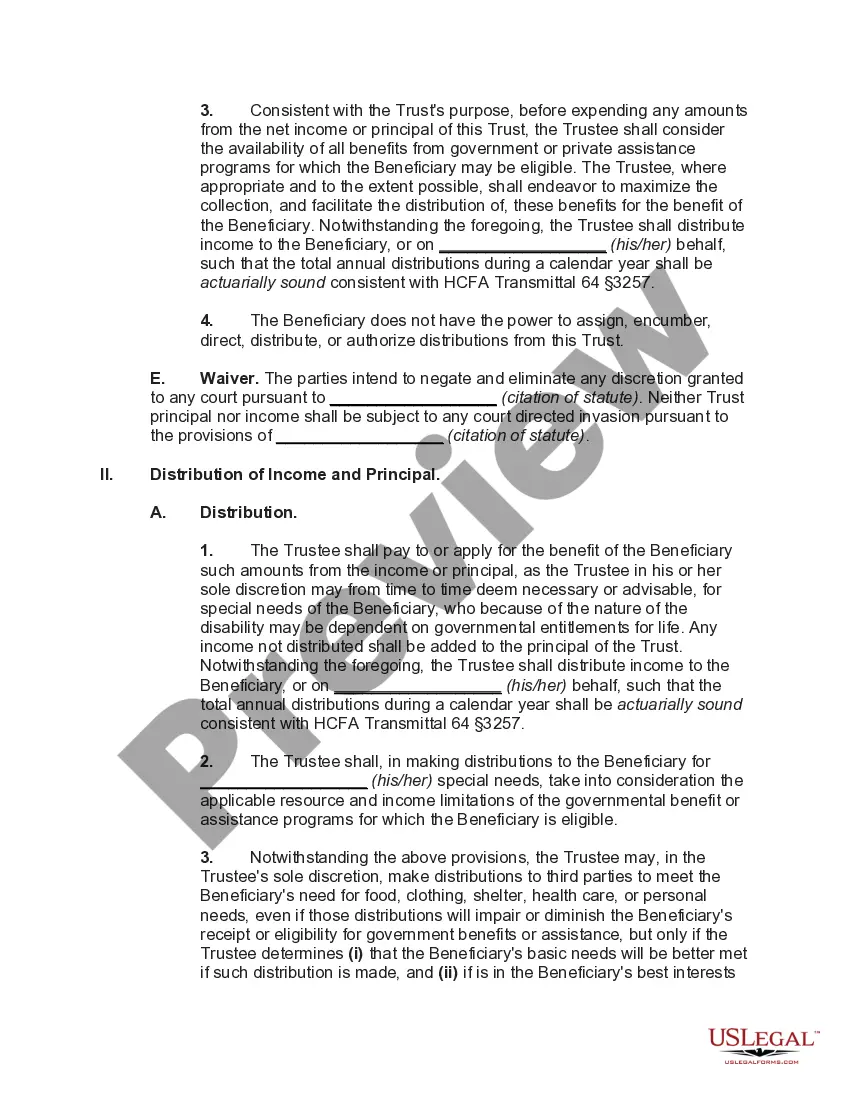
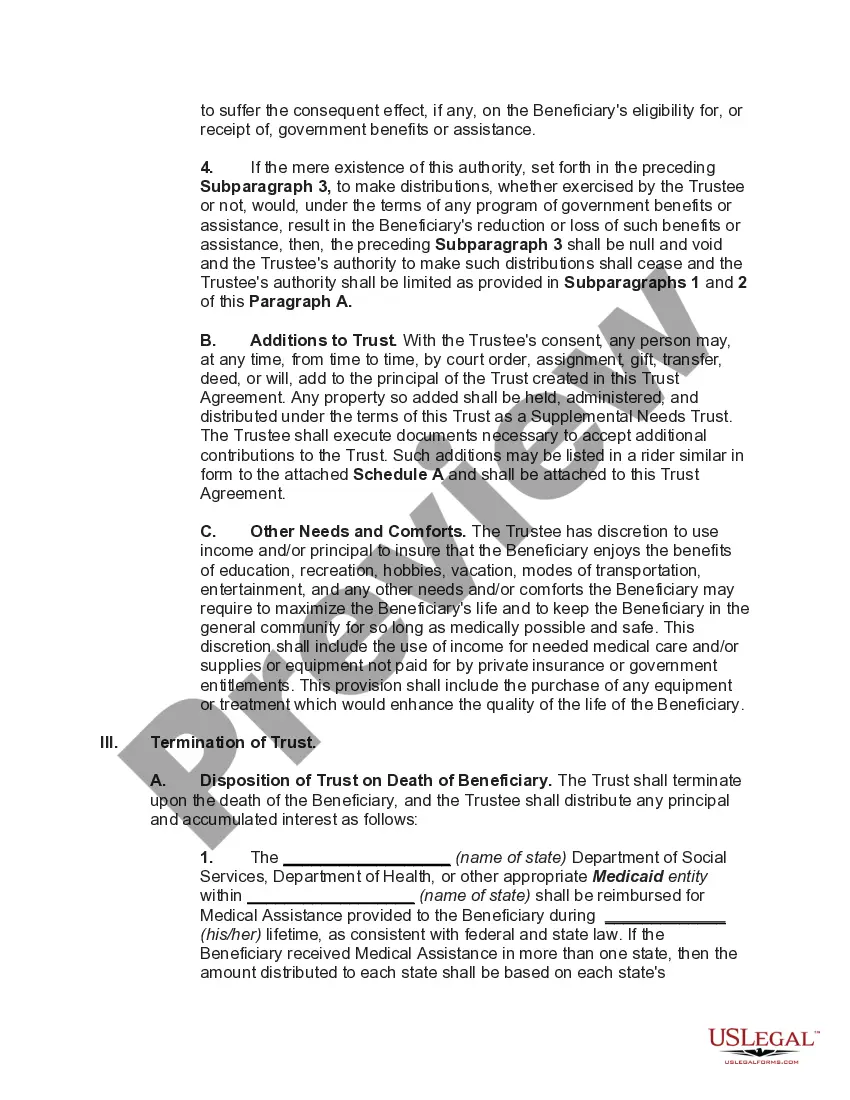
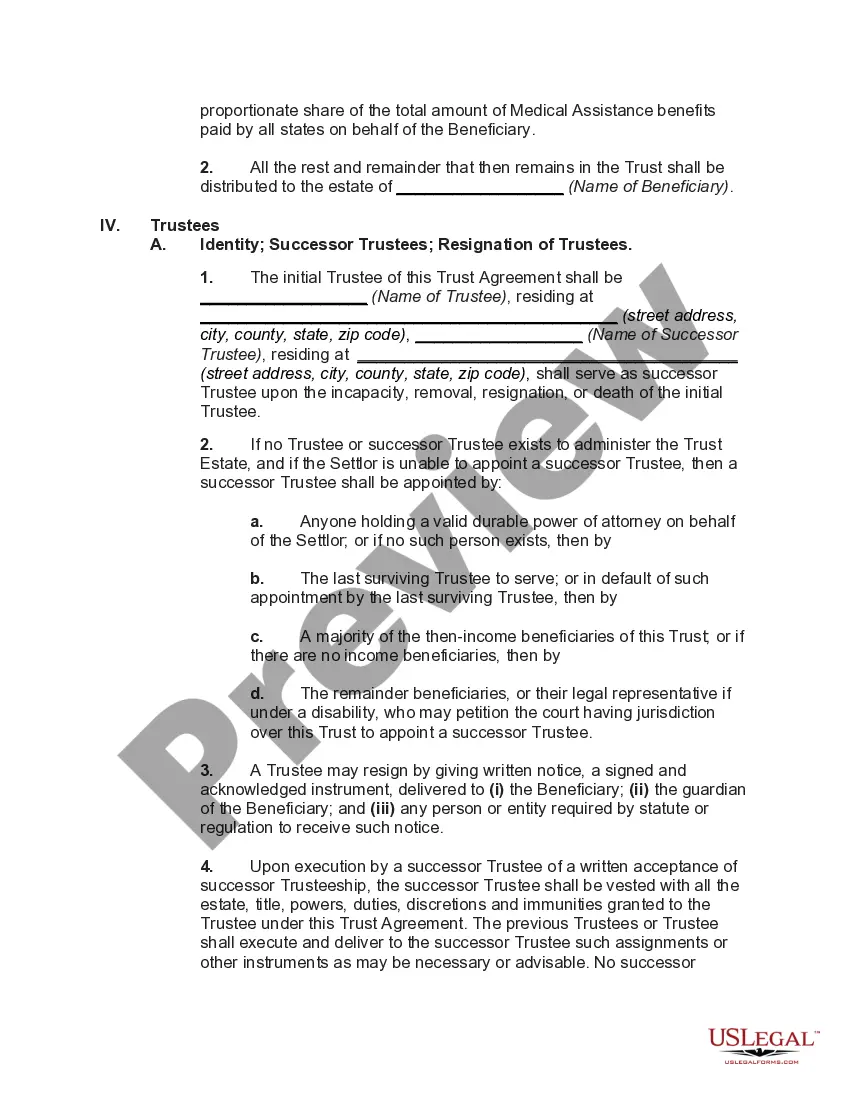
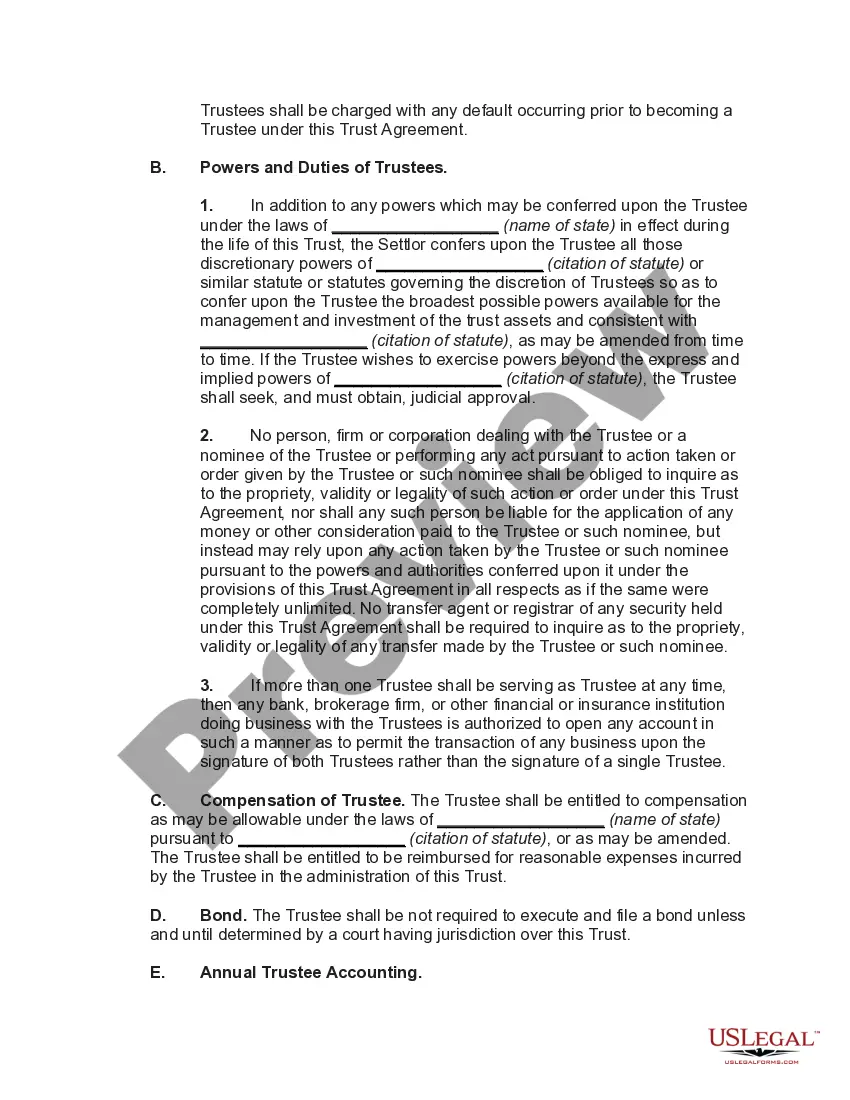



Get your form ready online
Our built-in tools help you complete, sign, share, and store your documents in one place.
Make edits, fill in missing information, and update formatting in US Legal Forms—just like you would in MS Word.
Download a copy, print it, send it by email, or mail it via USPS—whatever works best for your next step.
Sign and collect signatures with our SignNow integration. Send to multiple recipients, set reminders, and more. Go Premium to unlock E-Sign.
If this form requires notarization, complete it online through a secure video call—no need to meet a notary in person or wait for an appointment.
We protect your documents and personal data by following strict security and privacy standards.

Make edits, fill in missing information, and update formatting in US Legal Forms—just like you would in MS Word.

Download a copy, print it, send it by email, or mail it via USPS—whatever works best for your next step.

Sign and collect signatures with our SignNow integration. Send to multiple recipients, set reminders, and more. Go Premium to unlock E-Sign.

If this form requires notarization, complete it online through a secure video call—no need to meet a notary in person or wait for an appointment.

We protect your documents and personal data by following strict security and privacy standards.
Looking for another form?







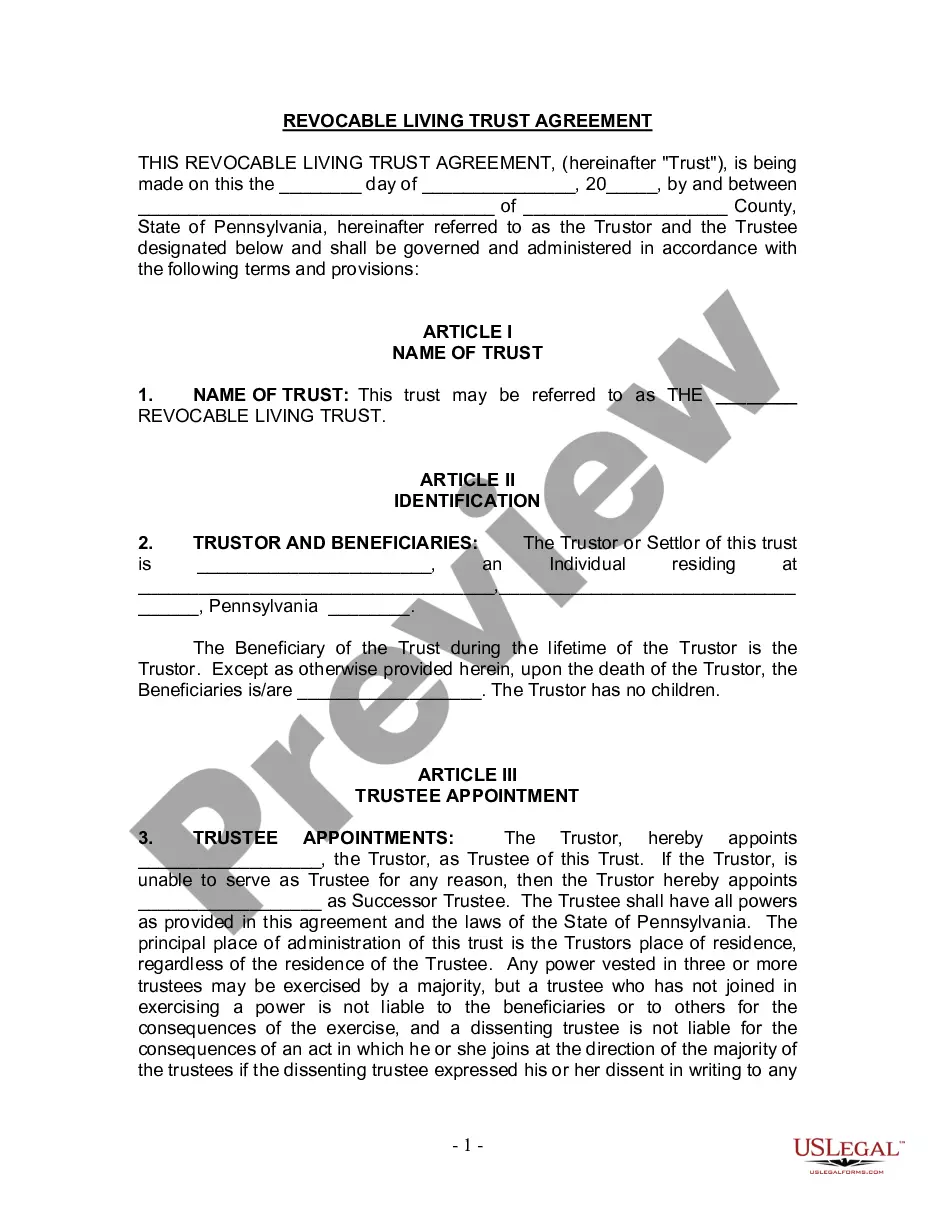


How to fill out Special Needs Irrevocable Trust Agreement For Benefit Of Disabled Child Of Trustor?
Managing legal documents and processes can be a labor-intensive addition to your overall day.
Needs Trust With Texas and similar forms generally necessitate you to search for them and comprehend the best method to fill them out accurately.
Therefore, whether you are addressing financial, legal, or personal issues, having a comprehensive and user-friendly online repository of forms readily available will be highly beneficial.
US Legal Forms is the leading online source of legal templates, providing over 85,000 state-specific documents and various tools to assist you in completing your paperwork effortlessly.
Is it your first time using US Legal Forms? Register and create a free account in a few moments, and you’ll gain entry to the form library and Needs Trust With Texas. Then, follow the instructions below to finalize your form: Ensure you have located the correct form by utilizing the Preview feature and reviewing the form details. Choose Buy Now when ready, and select the monthly subscription plan that suits your requirements. Click Download, then complete, eSign, and print the form. US Legal Forms boasts 25 years of experience assisting users in managing their legal documents. Acquire the form you need today and simplify any procedure without any hassle.
- Browse the collection of relevant documents accessible to you with just one click.
- US Legal Forms provides state- and county-specific forms available for download at any time.
- Safeguard your document management processes with a premium service that enables you to prepare any form in just a few minutes without any extra or concealed fees.
- Simply Log In to your account, locate Needs Trust With Texas, and download it immediately from the My documents section.
- You can also access previously downloaded forms.
Form popularity
FAQ
In Texas, a trust does not need to be filed with the court or any government agency to be valid. However, it is essential to create a trust document that outlines the terms of the trust clearly. This document serves as the guiding framework for the trust's operation and management. If you are exploring how a trust works in Texas, consider using US Legal Forms to access reliable templates and resources.
The 5 year rule for a needs trust with Texas relates to how assets are treated for Medicaid eligibility. If you transfer assets into a special needs trust, they may be subject to a five-year look-back period before Medicaid will cover long-term care costs. This means that any assets transferred within five years of applying for Medicaid could affect eligibility. Consulting with a legal expert can help clarify how this rule applies to your situation.
One potential downside of a needs trust with Texas is the complexity involved in setting it up. Establishing this type of trust requires careful planning and legal assistance to ensure it meets all state requirements. Additionally, if not properly managed, there may be limitations on how funds are accessed, which could impact the beneficiary's quality of life. It's crucial to understand these factors before creating a trust.
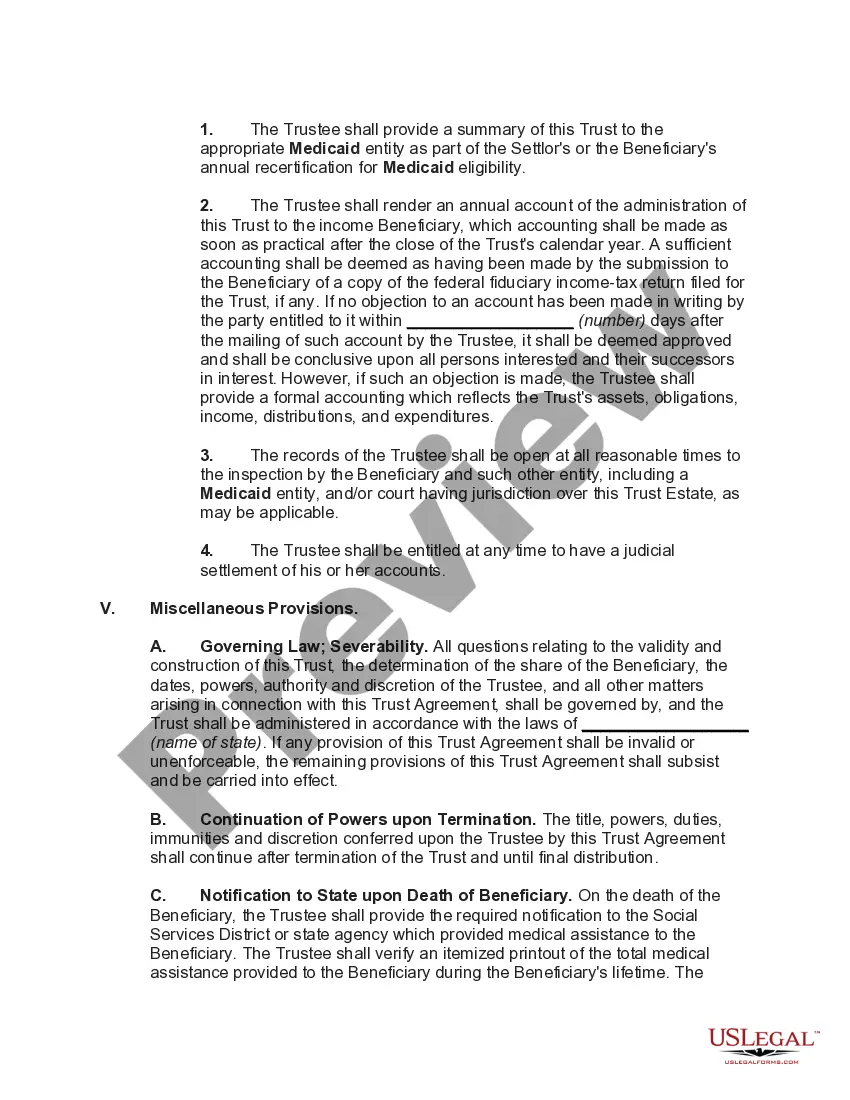
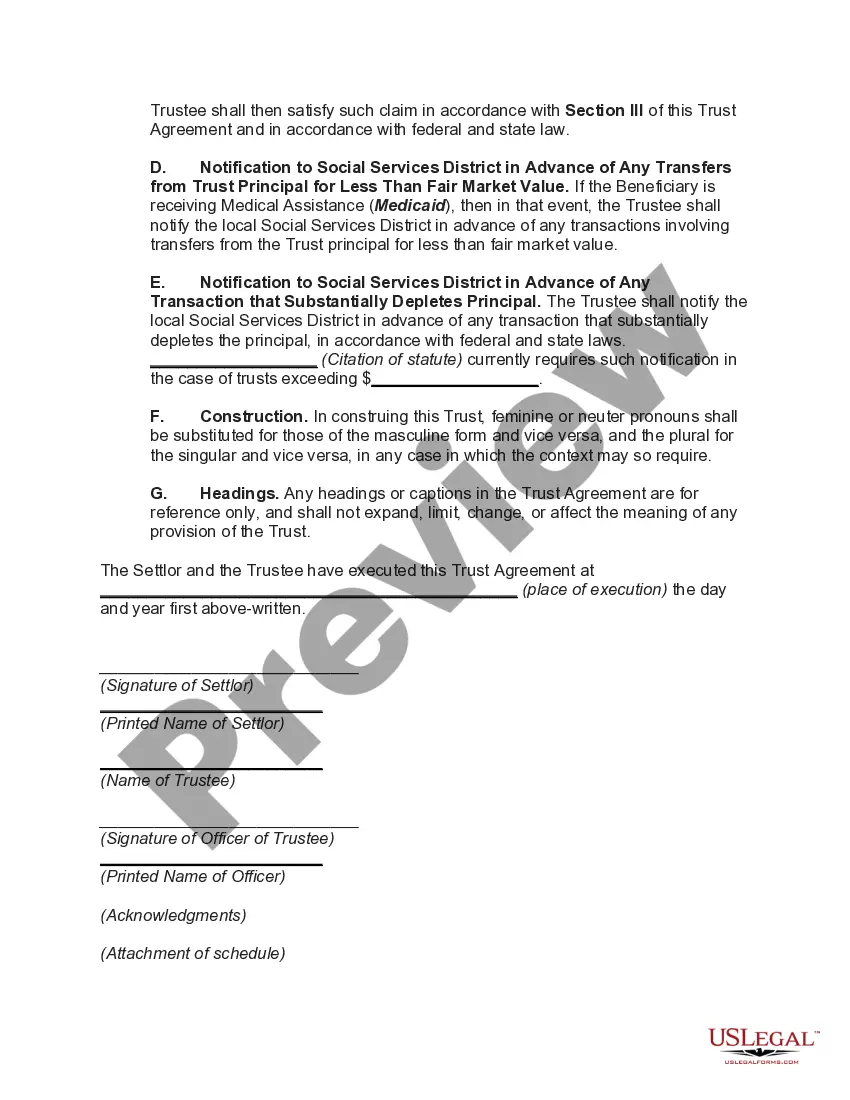
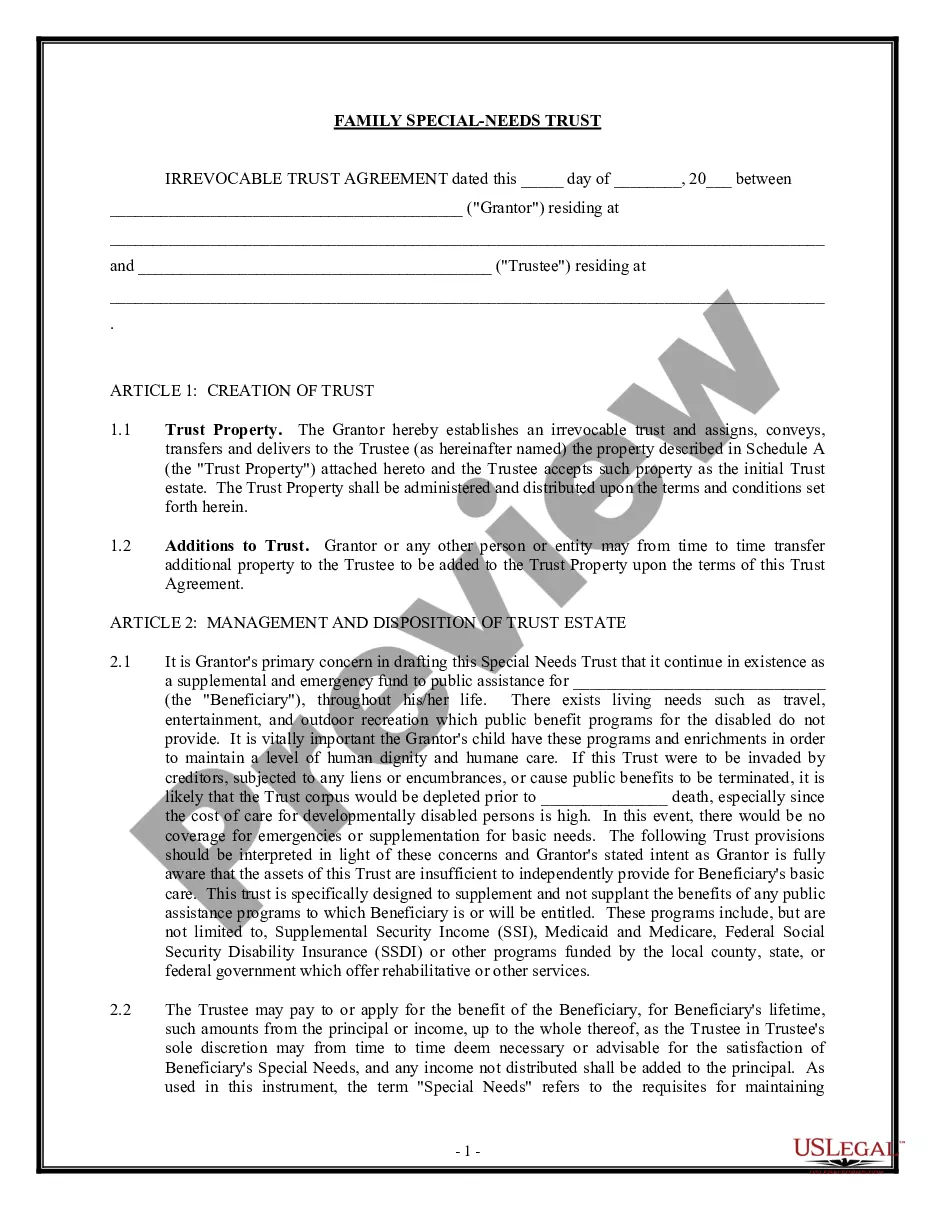
A special needs trust with Texas allows individuals with disabilities to receive financial support without jeopardizing their eligibility for government benefits. This trust holds assets on behalf of the beneficiary, ensuring they can maintain access to essential services such as Medicaid and Supplemental Security Income. By establishing this trust, you can protect your loved one's financial future while providing them with the necessary resources for a better quality of life. If you need assistance setting up a special needs trust in Texas, consider using the UsLegalForms platform, which offers comprehensive resources and support.
To create a living trust in Texas, you must find a licensed attorney familiar with the laws of trusts in Texas. The attorney will advise you on how best to manage your property through the trust and help you develop a document that outlines your wishes.
A special needs trust is a revocable or irrevocable trust established with the assets (income or resources) of a person under age 65 who meets the SSI program's disability criteria. The trust must be established for the person's benefit by a parent, grandparent, legal guardian, a court or the person.
To make a living trust in Texas, you: Choose between establishing an individual or shared trust. Determine which assets will be included in the trust. Select a successor trustee. Determine the trust's beneficiaries or those who will receive the trust's assets. Create the trust document.
To make a living trust in Texas, you: Choose between establishing an individual or shared trust. Determine which assets will be included in the trust. Select a successor trustee. Determine the trust's beneficiaries or those who will receive the trust's assets. Create the trust document.