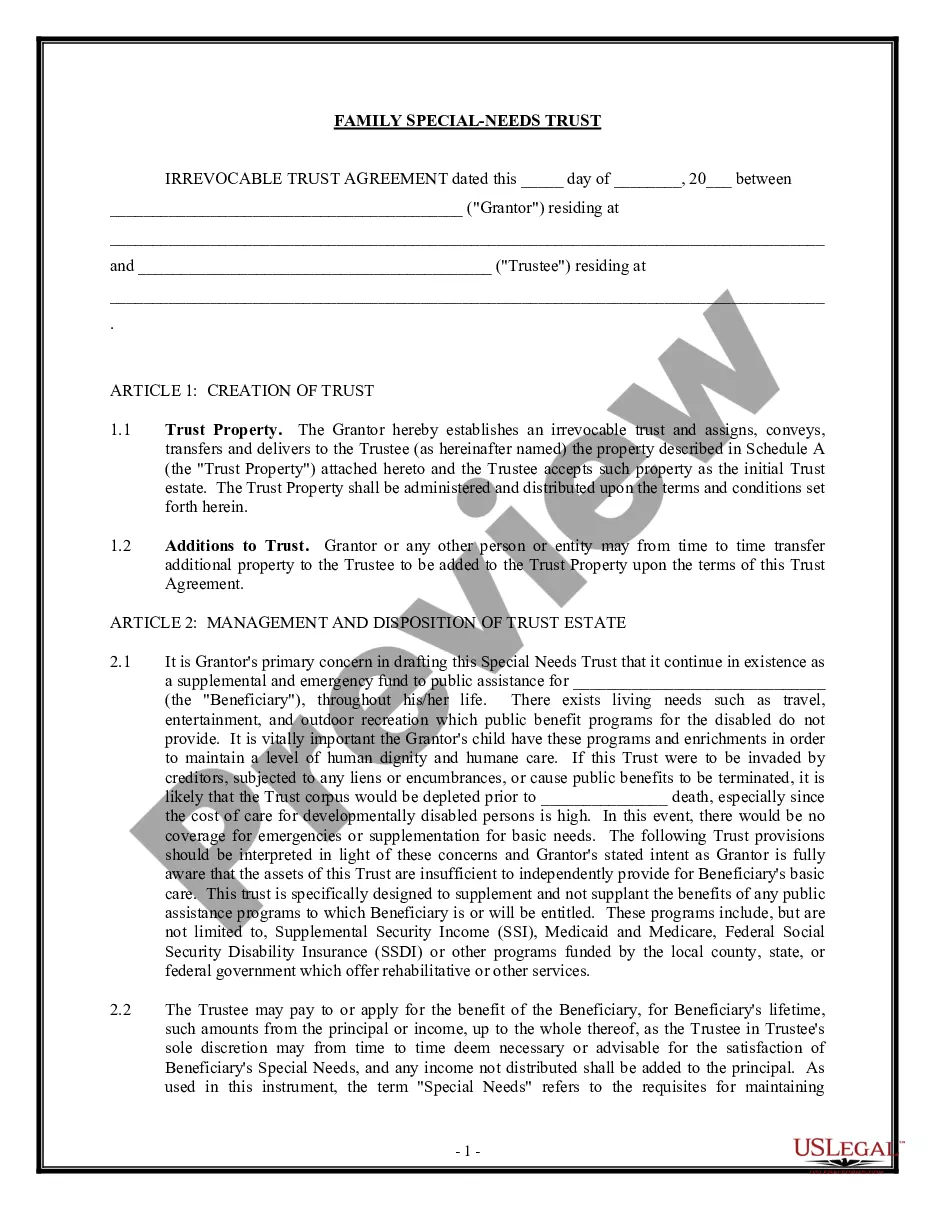
Needs Trust With Life Insurance
Description
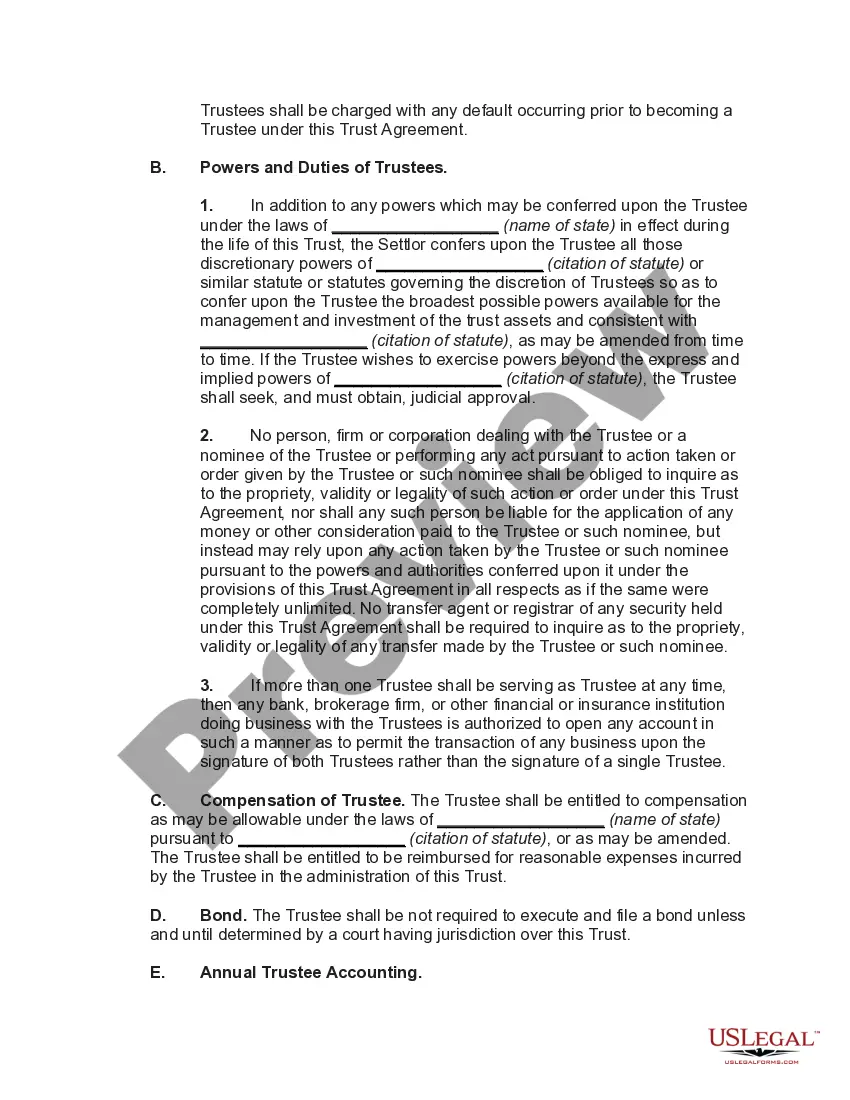
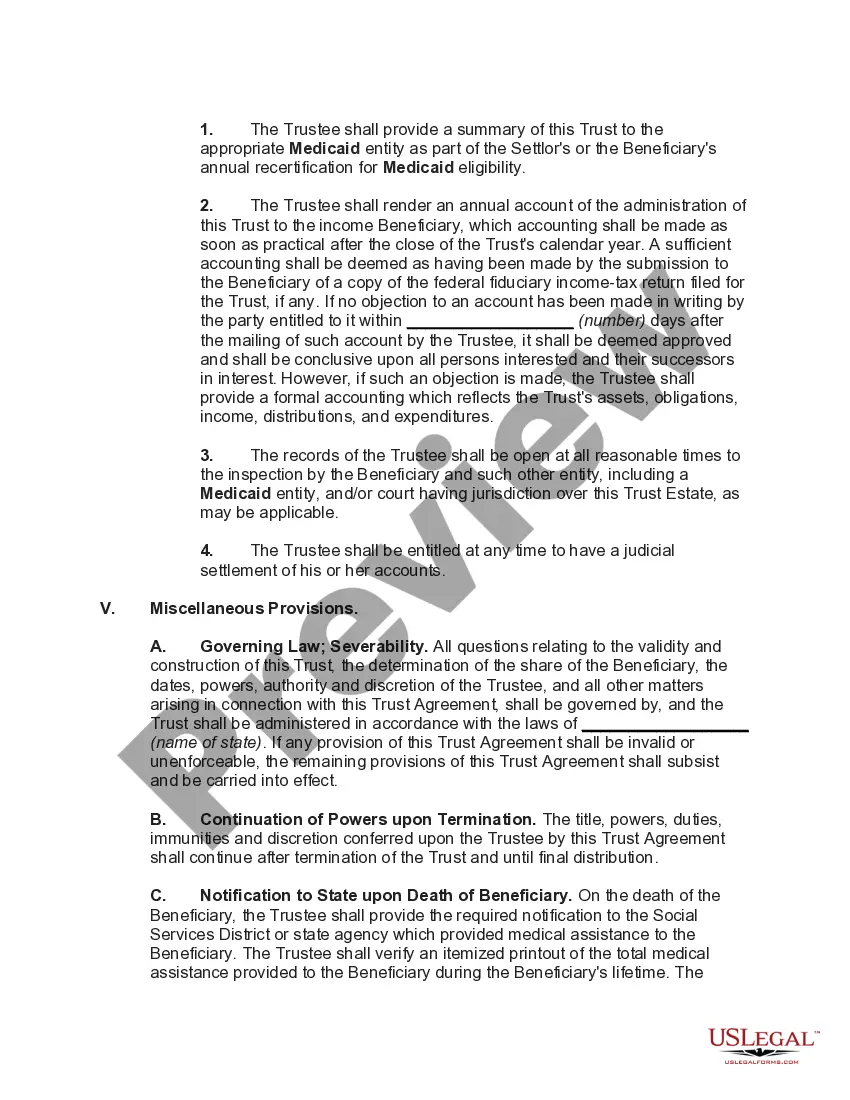
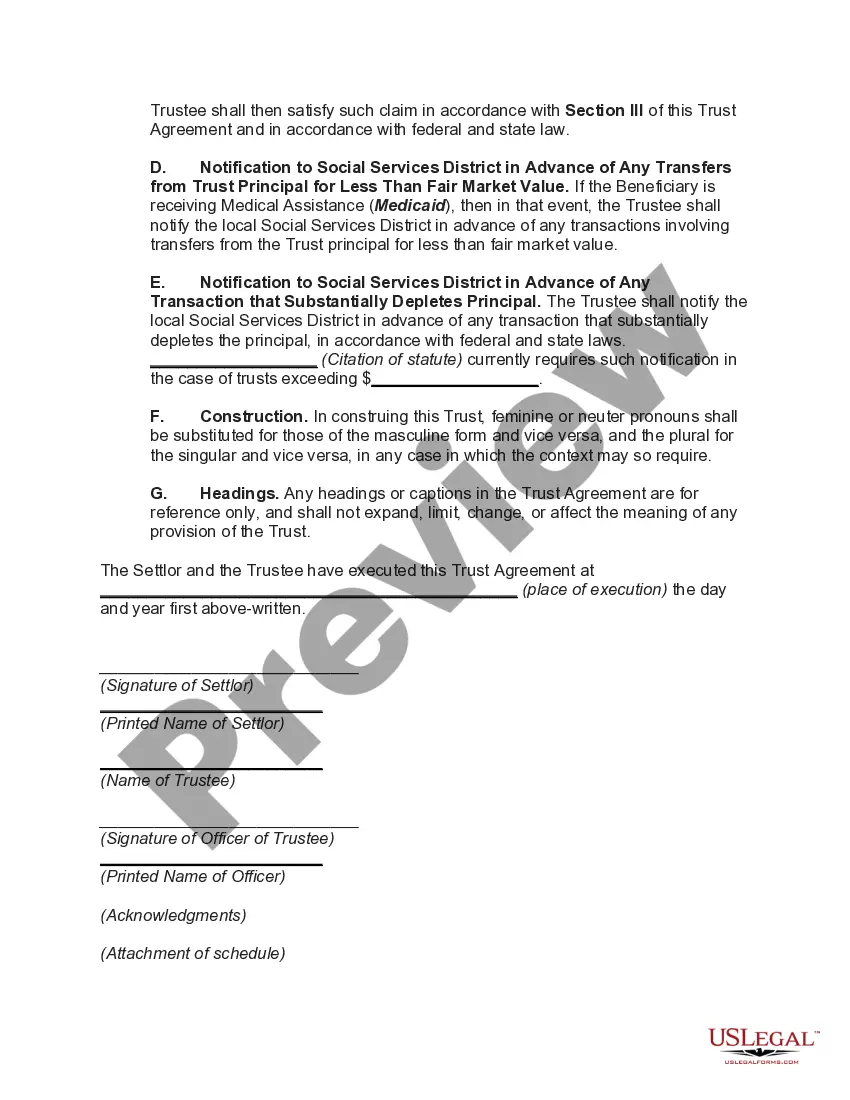


Get your form ready online
Our built-in tools help you complete, sign, share, and store your documents in one place.
Make edits, fill in missing information, and update formatting in US Legal Forms—just like you would in MS Word.
Download a copy, print it, send it by email, or mail it via USPS—whatever works best for your next step.
Sign and collect signatures with our SignNow integration. Send to multiple recipients, set reminders, and more. Go Premium to unlock E-Sign.
If this form requires notarization, complete it online through a secure video call—no need to meet a notary in person or wait for an appointment.
We protect your documents and personal data by following strict security and privacy standards.

Make edits, fill in missing information, and update formatting in US Legal Forms—just like you would in MS Word.

Download a copy, print it, send it by email, or mail it via USPS—whatever works best for your next step.

Sign and collect signatures with our SignNow integration. Send to multiple recipients, set reminders, and more. Go Premium to unlock E-Sign.

If this form requires notarization, complete it online through a secure video call—no need to meet a notary in person or wait for an appointment.

We protect your documents and personal data by following strict security and privacy standards.
Looking for another form?



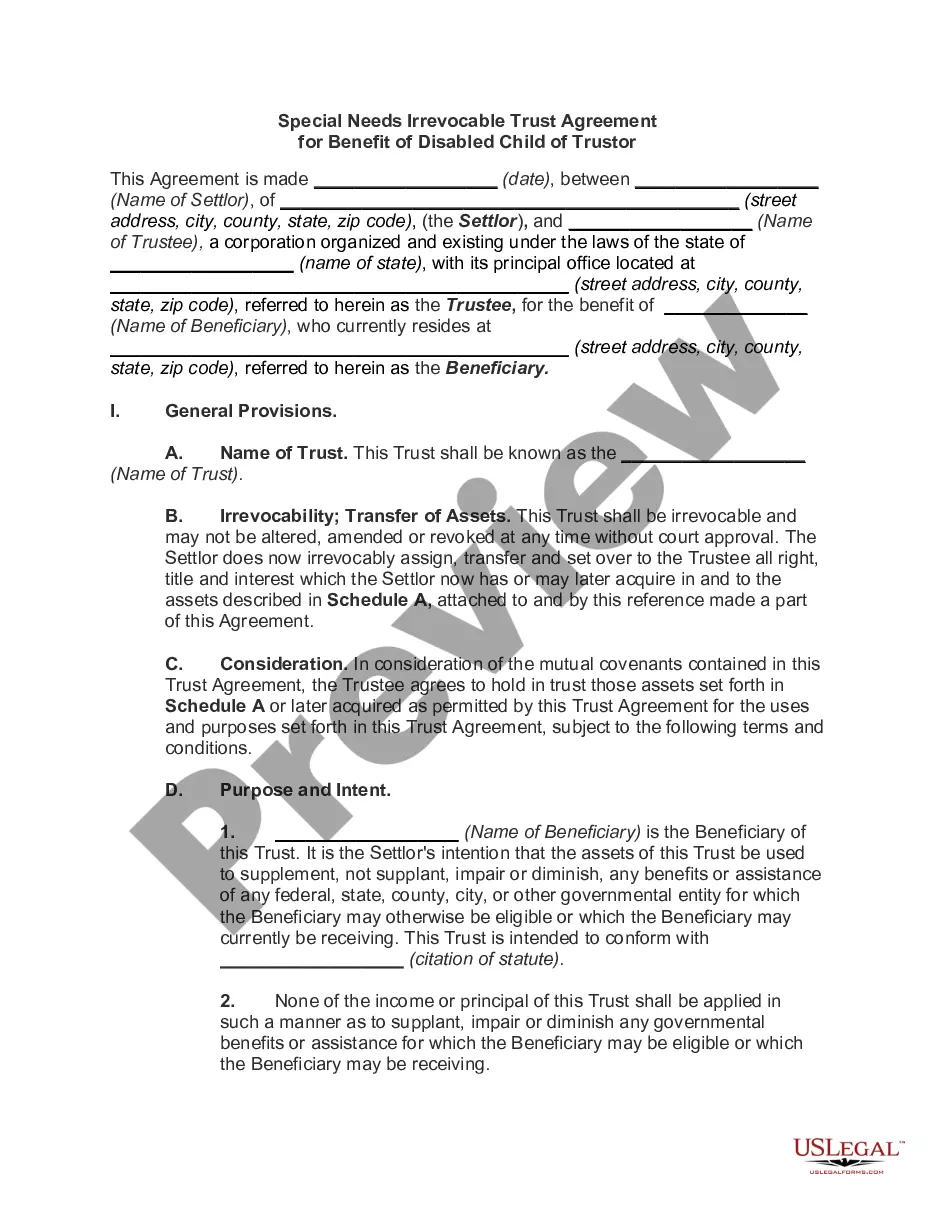
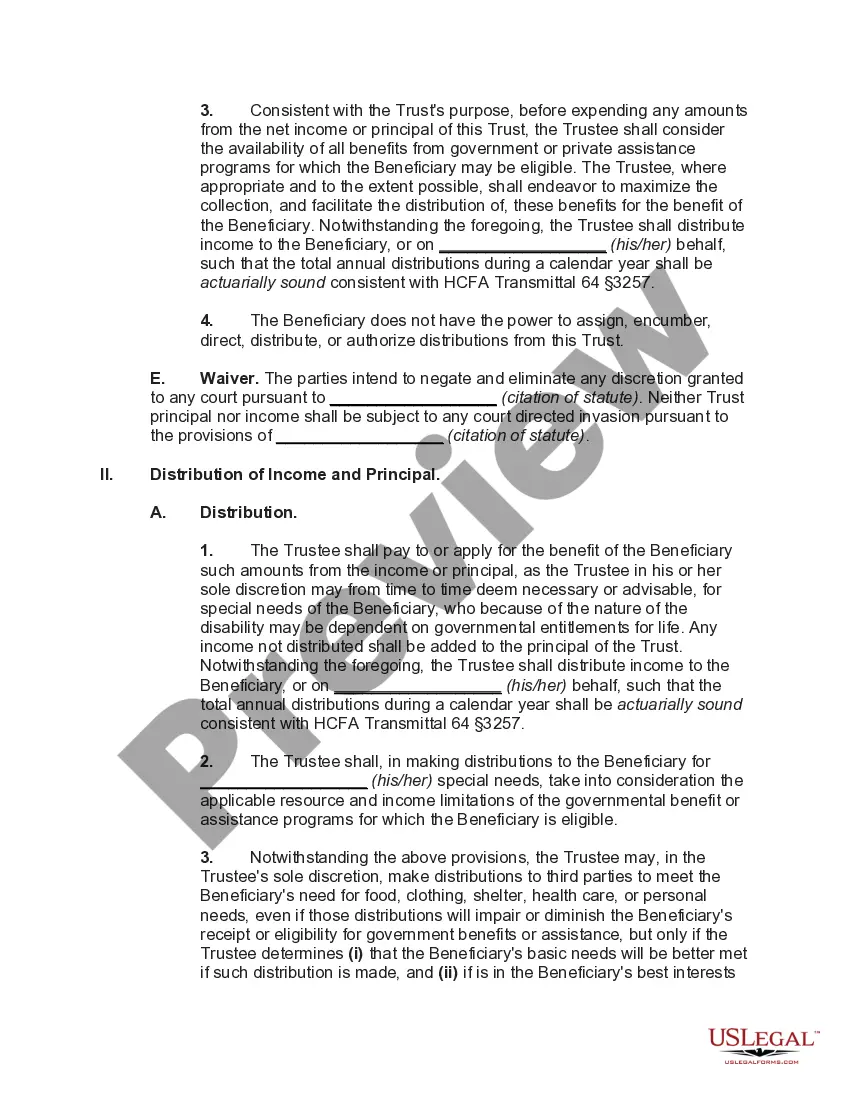
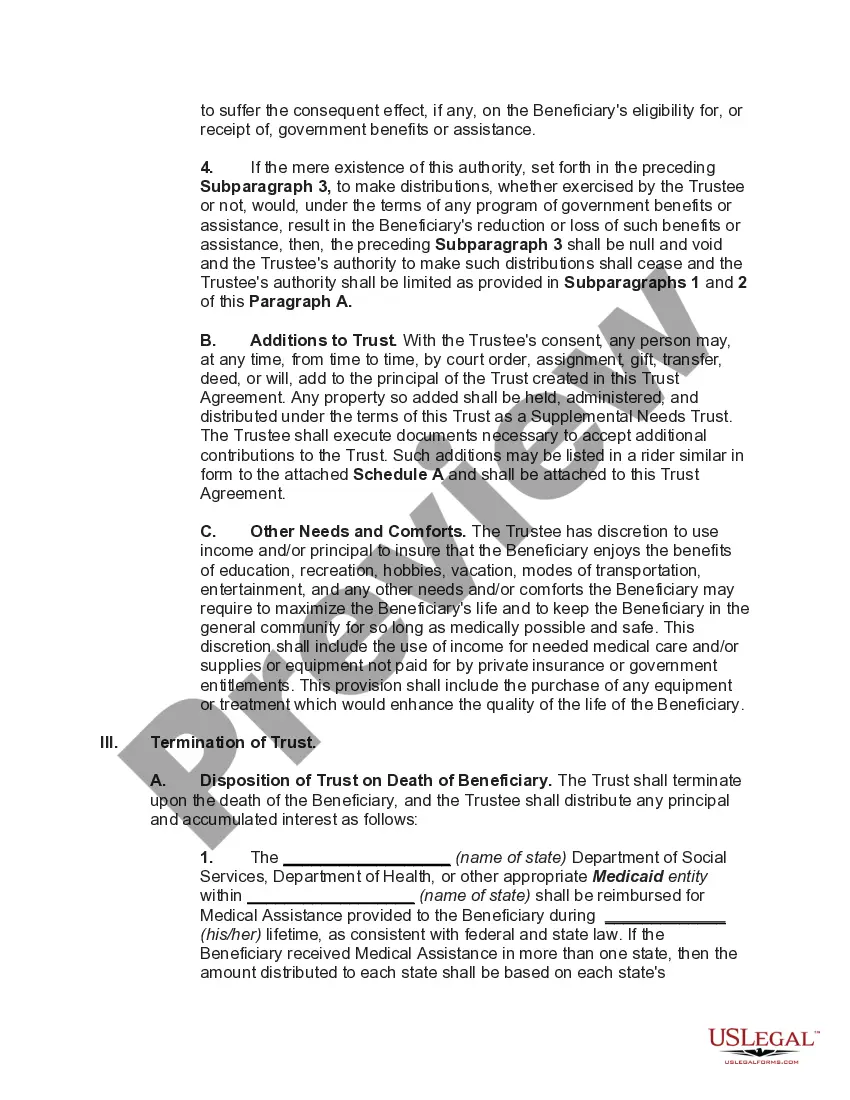
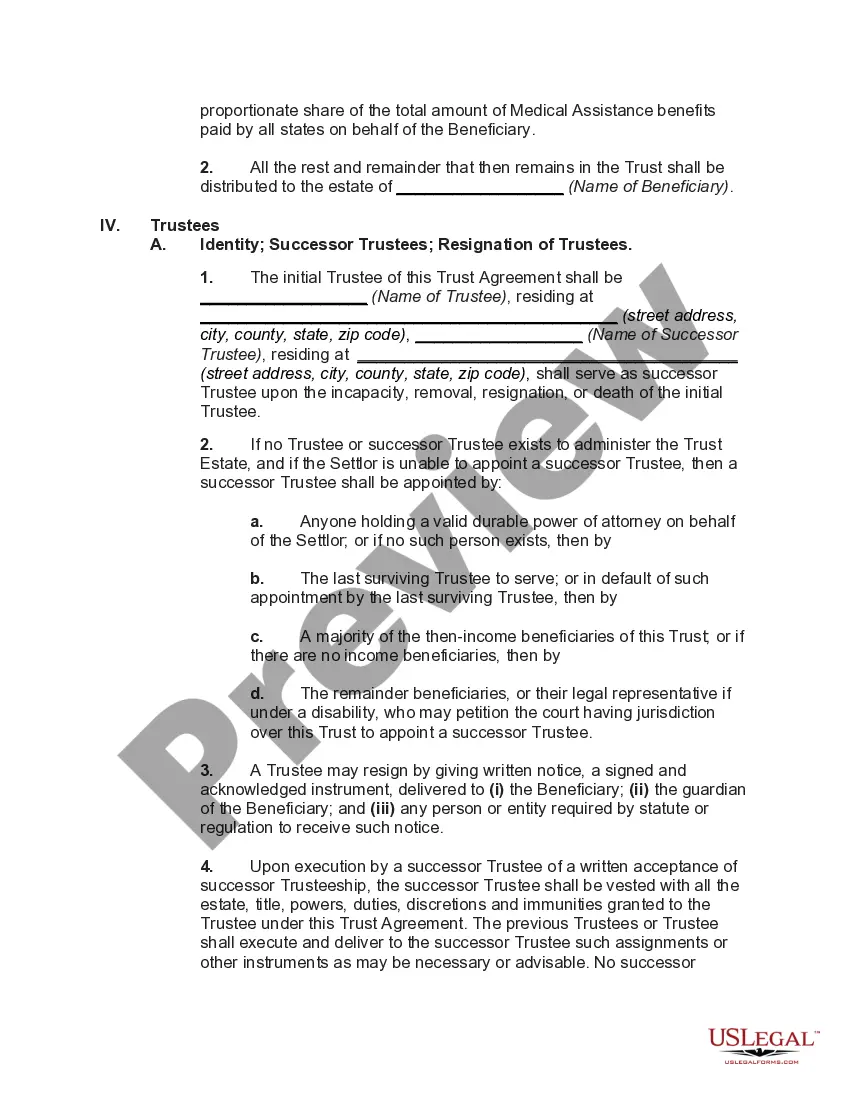
How to fill out Special Needs Irrevocable Trust Agreement For Benefit Of Disabled Child Of Trustor?
The Needs Trust With Life Insurance that you see on this page is a versatile official template created by expert attorneys in accordance with national and local regulations.
For over 25 years, US Legal Forms has supplied individuals, businesses, and legal practitioners with more than 85,000 authenticated, state-specific documents for any commercial and personal situation. It’s the quickest, easiest, and most dependable method to acquire the documents you require, as the service ensures bank-grade data security and anti-malware safeguards.
Choose the format you desire for your Needs Trust With Life Insurance (PDF, DOCX, RTF) and save the document on your device. Fill out and sign the paperwork. Print out the template to complete it manually. Alternatively, use an online multifunctional PDF editor to quickly and accurately fill out and sign your form with an eSignature. Download your paperwork again. Use the same document whenever needed. Open the My documents tab in your profile to redownload any previously obtained forms. Subscribe to US Legal Forms to access verified legal templates for all of life’s situations at your service.
- Search for the document you require and review it.
- Browse through the file you searched and preview it or check the form description to confirm it meets your needs. If it doesn’t, utilize the search bar to find the appropriate one. Click Buy Now when you have found the template you need.
- Subscribe and Log In.
- Select the pricing plan that fits you and create an account. Use PayPal or a credit card to make an immediate payment. If you already have an account, Log In and review your subscription to proceed.
- Obtain the fillable template.
Form popularity
FAQ
To put your life insurance into a trust, you first need to establish the trust itself. After setting it up, you will contact your insurance company to request a change of beneficiary form. In this form, you will designate the trust as the new beneficiary of your policy. This process ensures that the death benefit from your policy is managed according to your wishes, making it an essential step for anyone who needs trust with life insurance.
While a special needs trust offers many advantages, it does have some downsides. For instance, it may limit the beneficiary's access to certain government benefits if not structured correctly. Additionally, managing a special needs trust can require ongoing legal and administrative oversight, which can incur costs. It's crucial to weigh these factors and consult with experts to ensure the needs trust with life insurance aligns with your goals.
Having your trust own your life insurance policy can be a smart decision, particularly if you want to control how the benefits are distributed after your death. This arrangement aligns with the concept of using a needs trust with life insurance, as it can provide security for your beneficiaries and potentially lower tax implications. Discussing your specific situation with a financial advisor can help clarify whether this strategy is right for you.
To put your life insurance into a trust, you must first establish the trust and then contact your insurance company. You will need to complete a beneficiary designation form, naming the trust as the new beneficiary. It's essential to review this process with a legal expert to ensure compliance and to maximize the benefits of a needs trust with life insurance.
Yes, using a trust for life insurance can provide significant benefits. A needs trust with life insurance allows for better control over how the death benefit is distributed, ensuring that your beneficiaries receive the funds according to your wishes. Additionally, it can help reduce estate taxes and protect the proceeds from creditors, providing peace of mind for you and your loved ones.
To set up a trust for your life insurance, first, choose the type of trust that fits your needs, such as a revocable or irrevocable trust. Next, consult with an attorney or a financial advisor to ensure you understand the legal requirements and implications. After that, you will need to draft the trust document and name the trust as the beneficiary of your life insurance policy. Using a needs trust with life insurance can help manage the proceeds effectively.
How it works. Existing insurance: If you already own one or more life insurance policies, you can change ownership from your name to your insurance trust. First, you would work with an estate planning attorney to create the trust document.
Yes. The proceeds of a life insurance policy may be paid into the trust as the designated beneficiary on the policy for distribution in ance with the trust documents.
To leave property to your living trust, name your trust as beneficiary for that property, using the trustee's name and the name of the trust. For example: John Doe as trustee of the John Doe Living Trust, dated January 1, 20xx.
Follow these four steps to set up a life insurance trust ing to your wishes. Work with an estate attorney. ... Choose a trustee. ... Select a life insurance trust beneficiary. ... Provide your financial professionals with copies of the trust.