Joint Venture Agreement For Professional Services
Description
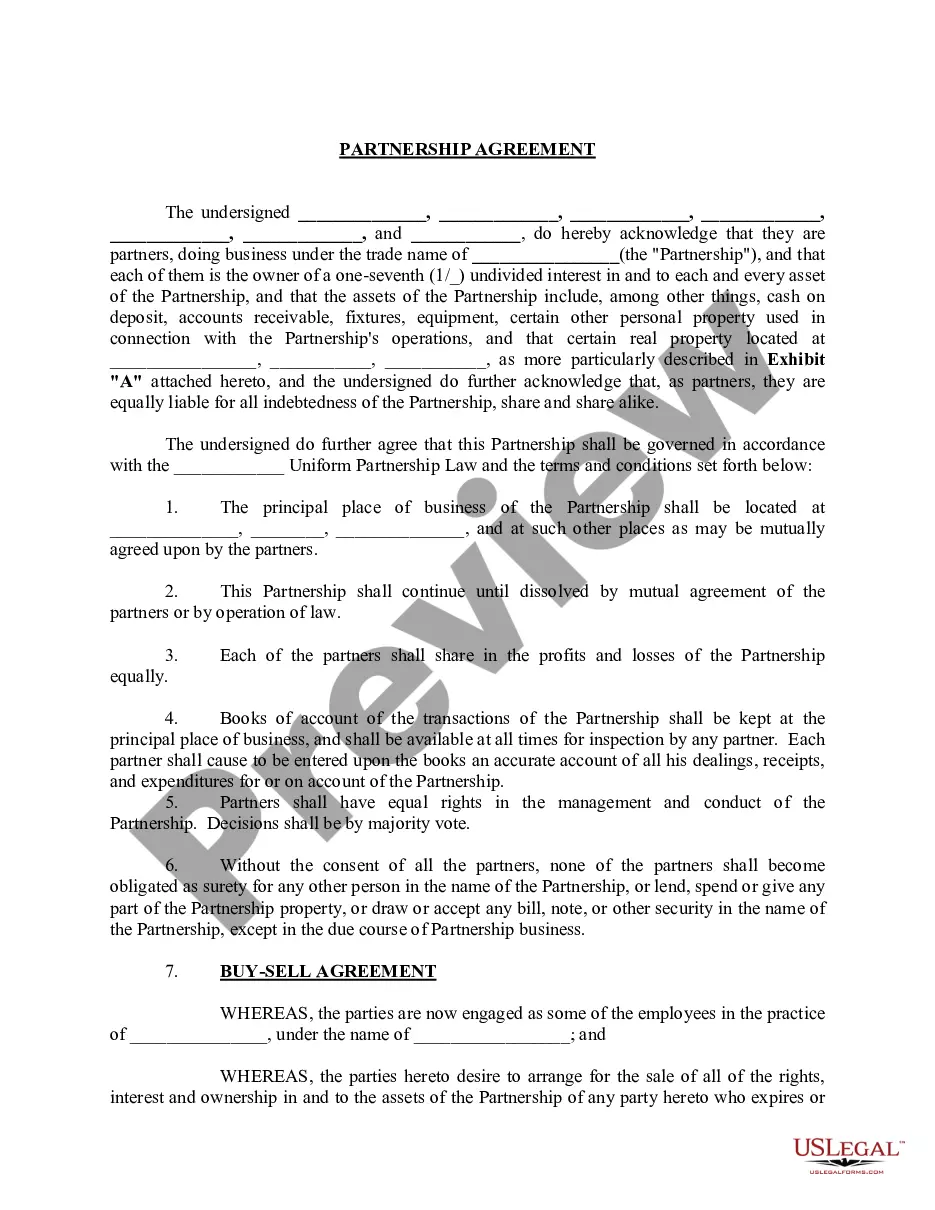
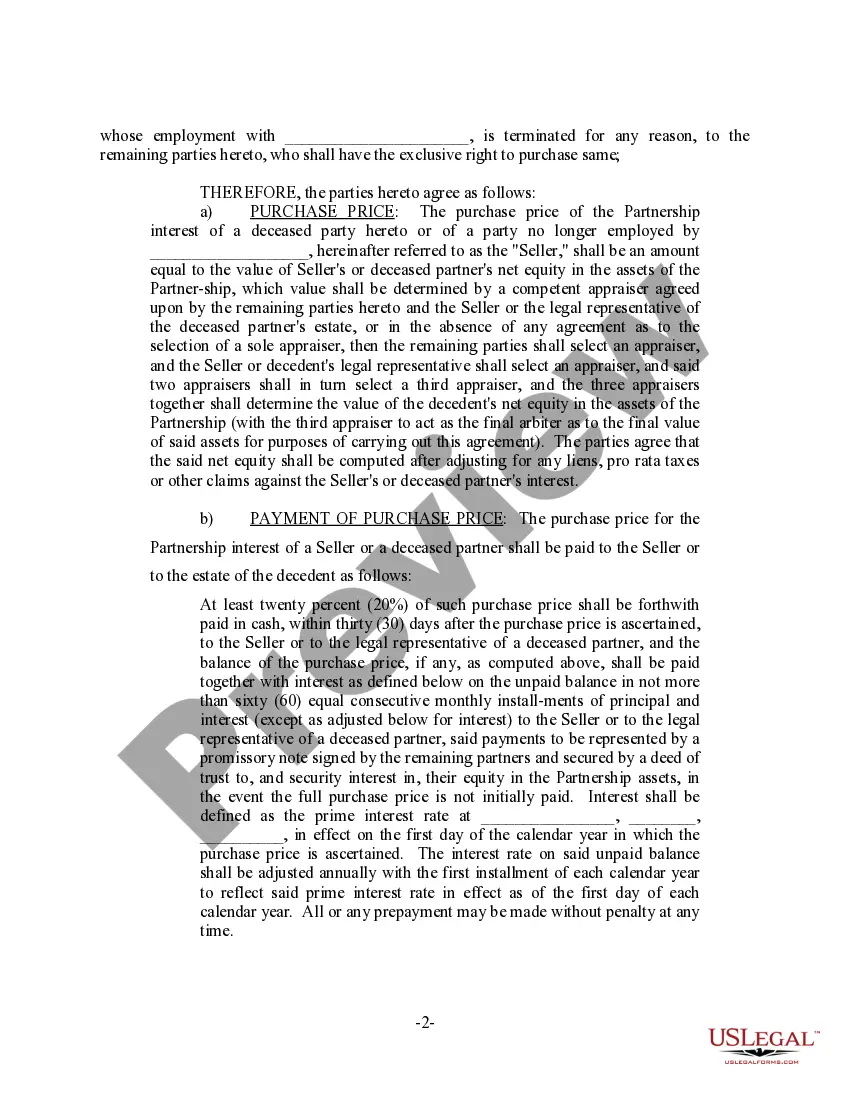
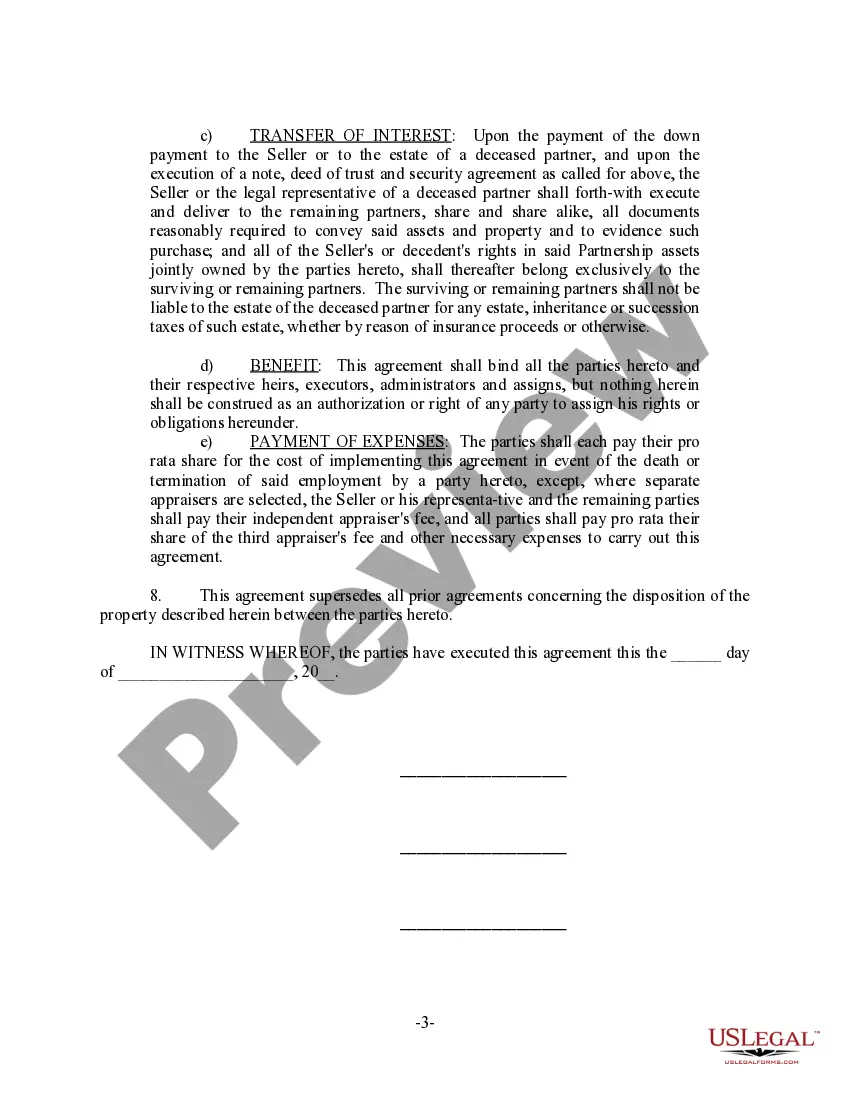

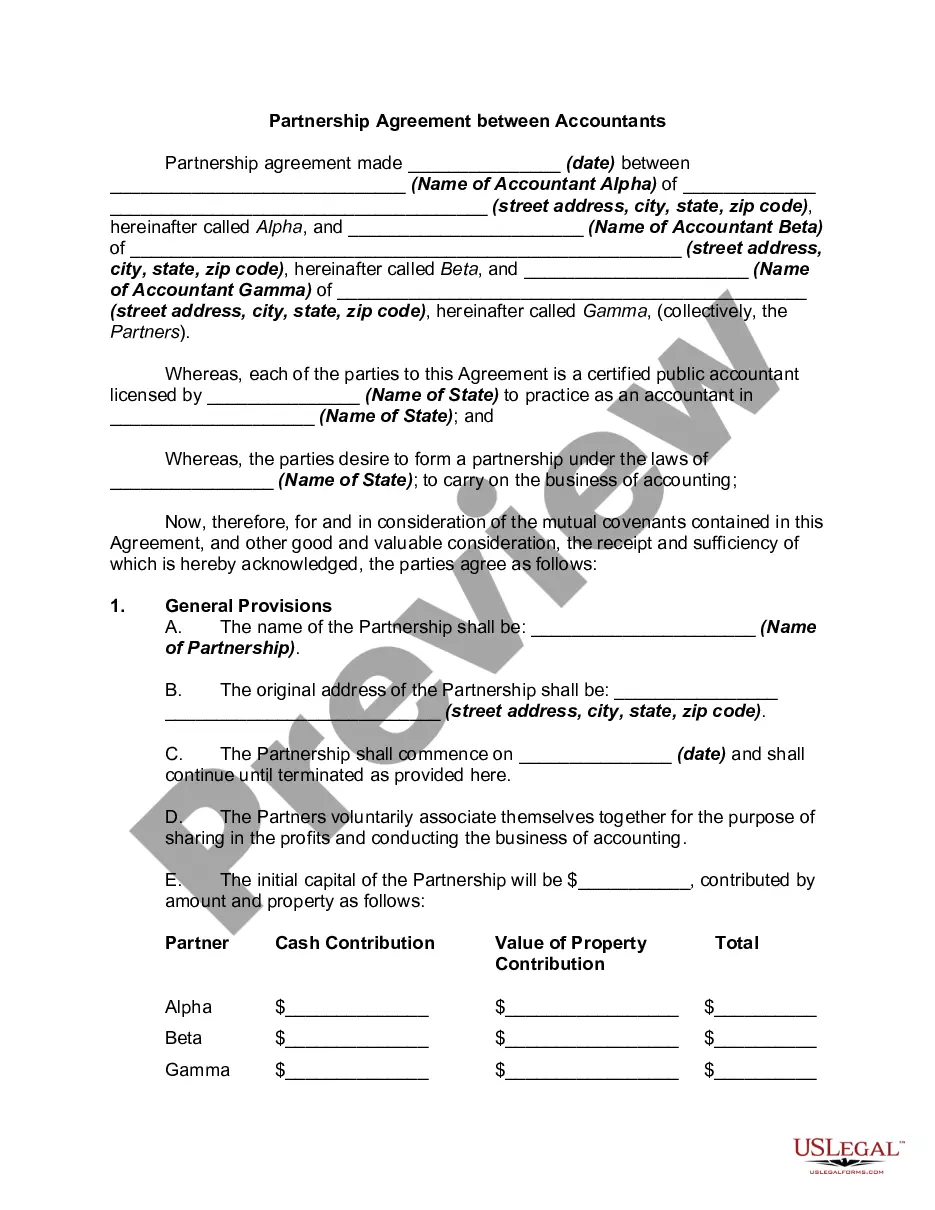
Get your form ready online
Our built-in tools help you complete, sign, share, and store your documents in one place.
Make edits, fill in missing information, and update formatting in US Legal Forms—just like you would in MS Word.
Download a copy, print it, send it by email, or mail it via USPS—whatever works best for your next step.
Sign and collect signatures with our SignNow integration. Send to multiple recipients, set reminders, and more. Go Premium to unlock E-Sign.
If this form requires notarization, complete it online through a secure video call—no need to meet a notary in person or wait for an appointment.
We protect your documents and personal data by following strict security and privacy standards.

Make edits, fill in missing information, and update formatting in US Legal Forms—just like you would in MS Word.

Download a copy, print it, send it by email, or mail it via USPS—whatever works best for your next step.

Sign and collect signatures with our SignNow integration. Send to multiple recipients, set reminders, and more. Go Premium to unlock E-Sign.

If this form requires notarization, complete it online through a secure video call—no need to meet a notary in person or wait for an appointment.

We protect your documents and personal data by following strict security and privacy standards.
Looking for another form?

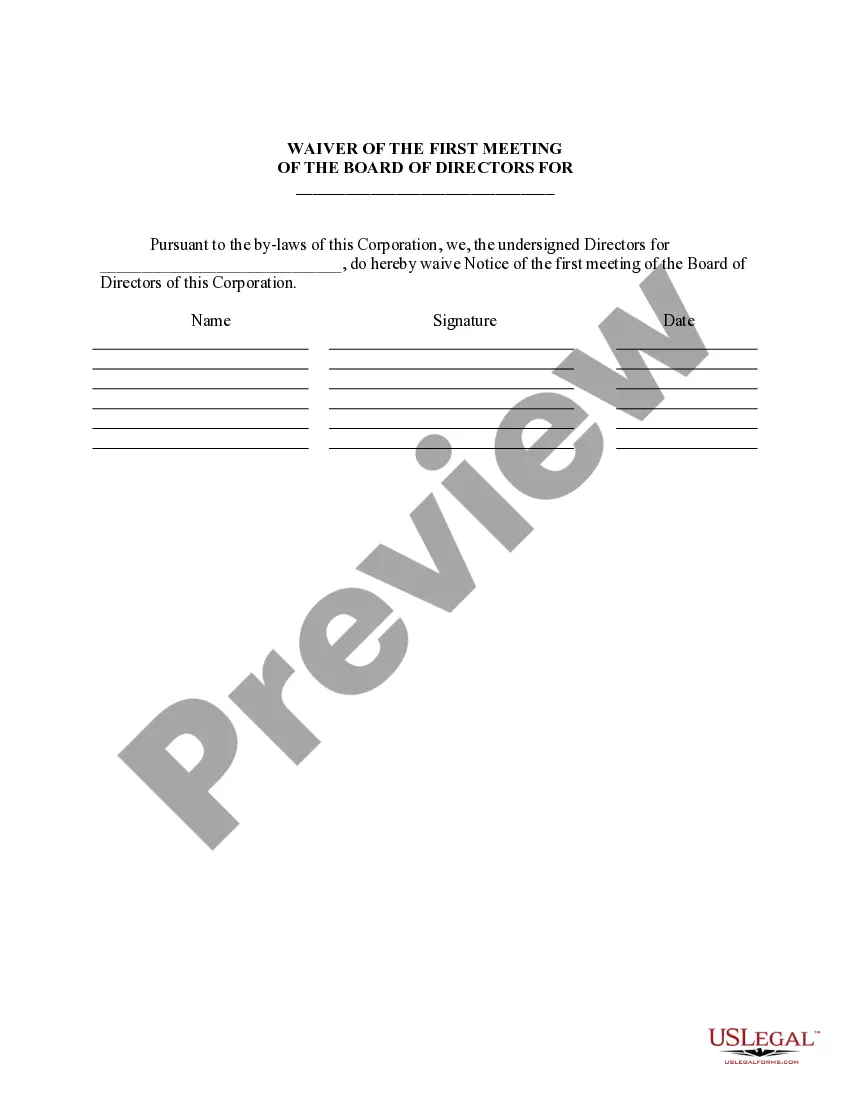
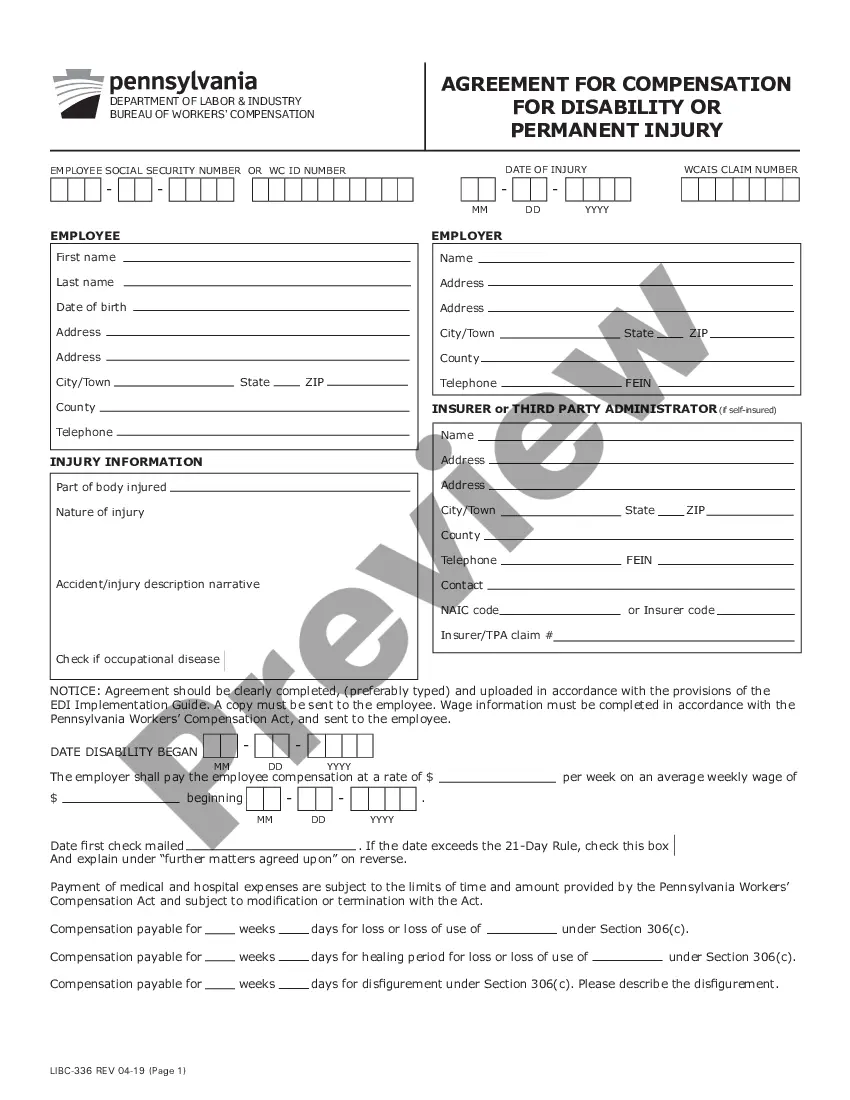






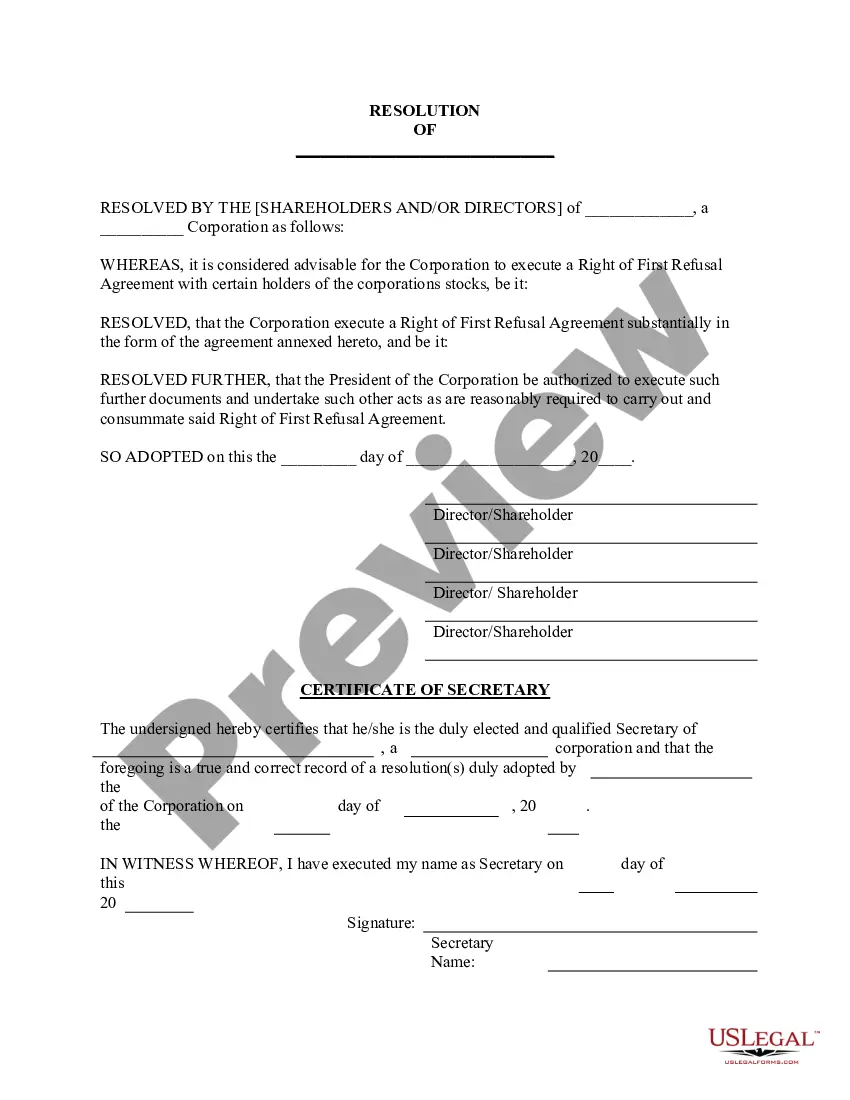
How to fill out Partnership Agreement For Professional Practice?
Regardless of whether it concerns business objectives or personal issues, everyone must handle legal circumstances at some stage in their life. Completing legal documents requires careful consideration, starting with selecting the right example form.
For example, if you select an incorrect version of the Joint Venture Agreement for Professional Services, it will be rejected upon submission. Thus, it is crucial to have a trustworthy source for legal documentation like US Legal Forms.
With an extensive catalog from US Legal Forms available, you will never have to waste time searching for the appropriate template online. Take advantage of the library's user-friendly navigation to find the right template for any situation.
- Obtain the required template by utilizing the search feature or browsing the catalog.
- Review the details of the form to confirm it meets your situation, state, and locality.
- Click on the preview of the form to examine it.
- If it is not the correct form, return to the search option to locate the Joint Venture Agreement for Professional Services sample you need.
- Download the template if it fulfills your specifications.
- If you have a US Legal Forms account, simply click Log in to retrieve previously saved templates in My documents.
- If you haven’t set up an account yet, you can acquire the form by clicking Buy now.
- Choose the suitable pricing plan.
- Complete the account registration form.
- Select your payment method: either by credit card or PayPal account.
- Choose the document format you prefer and download the Joint Venture Agreement for Professional Services.
- Once downloaded, you can fill out the form using editing software or print it for manual completion.
Form popularity
FAQ
A written agreement should cover: the structure of the joint venture, e.g. whether it will be a separate business in its own right. the objectives of the joint venture. the financial contributions you will each make. whether you will transfer any assets or employees to the joint venture.
A Joint Venture Agreement is intended to establish in writing the fundamental rights and obligations of those involved in the venture, with the aim of making sure that the resulting business is run in a way that meets the stated intentions of those involved.
The first step in drafting a joint venture contract is to clearly identify the parties involved and their respective roles and responsibilities. You should include the full names, addresses, and contact details of each party, as well as their legal status and ownership structure.
How to write a Joint Venture Agreement Establish the details of the joint venture. Add information about your industry, location, and which type of venture you'll form. ... Describe the members of the joint venture. ... Set terms for business management. ... Set terms to help avoid or manage disputes.
The common elements necessary to establish the existence of a joint venture are an express or implied contract, which includes the following elements: (1) a community of interest in the performance of the common purpose; (2) joint control or right of control; (3) a joint proprietary interest in the subject matter; (4) ...