Trust Minor With One Parent
Description
Get your form ready online
Our built-in tools help you complete, sign, share, and store your documents in one place.
Make edits, fill in missing information, and update formatting in US Legal Forms—just like you would in MS Word.
Download a copy, print it, send it by email, or mail it via USPS—whatever works best for your next step.
Sign and collect signatures with our SignNow integration. Send to multiple recipients, set reminders, and more. Go Premium to unlock E-Sign.
If this form requires notarization, complete it online through a secure video call—no need to meet a notary in person or wait for an appointment.
We protect your documents and personal data by following strict security and privacy standards.

Make edits, fill in missing information, and update formatting in US Legal Forms—just like you would in MS Word.

Download a copy, print it, send it by email, or mail it via USPS—whatever works best for your next step.

Sign and collect signatures with our SignNow integration. Send to multiple recipients, set reminders, and more. Go Premium to unlock E-Sign.

If this form requires notarization, complete it online through a secure video call—no need to meet a notary in person or wait for an appointment.

We protect your documents and personal data by following strict security and privacy standards.
Looking for another form?








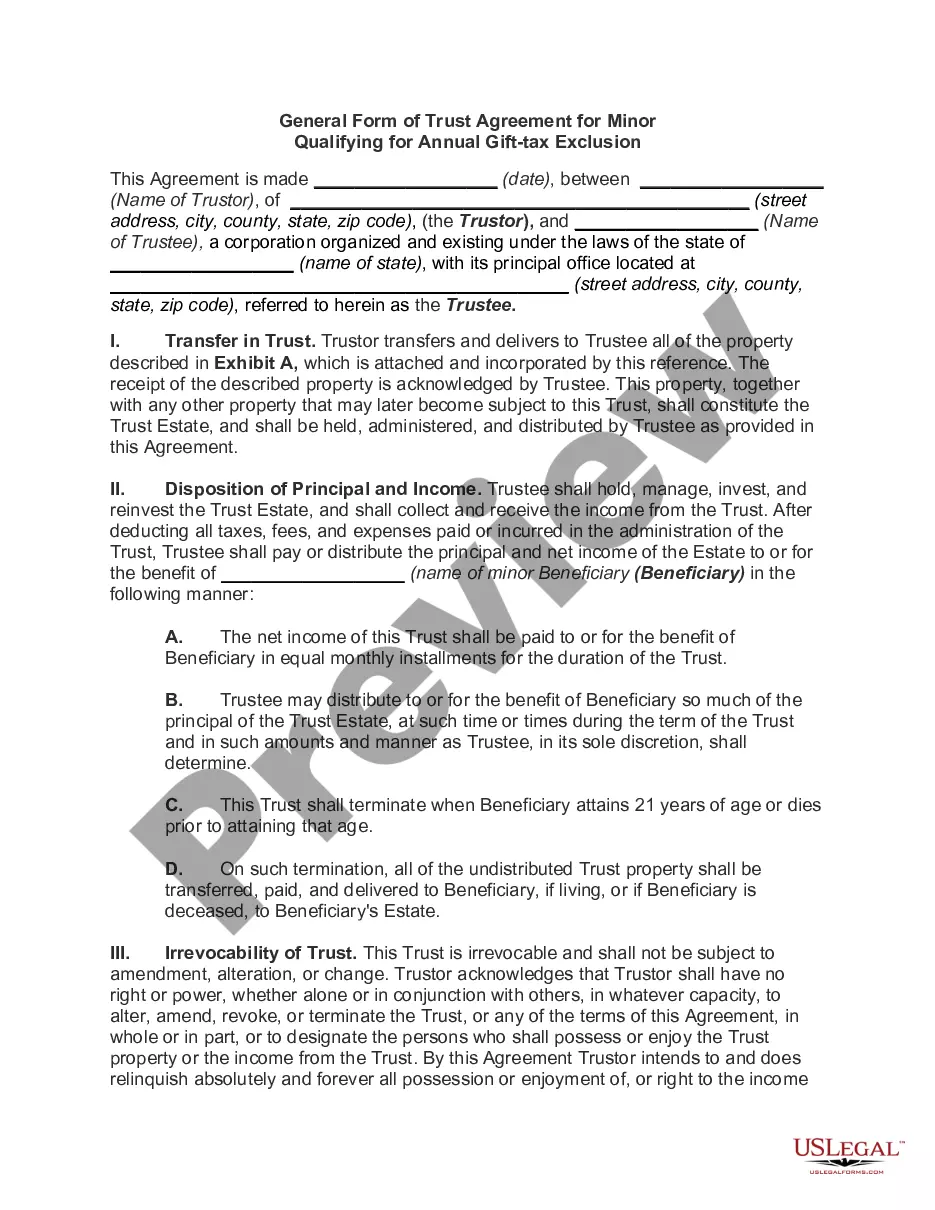
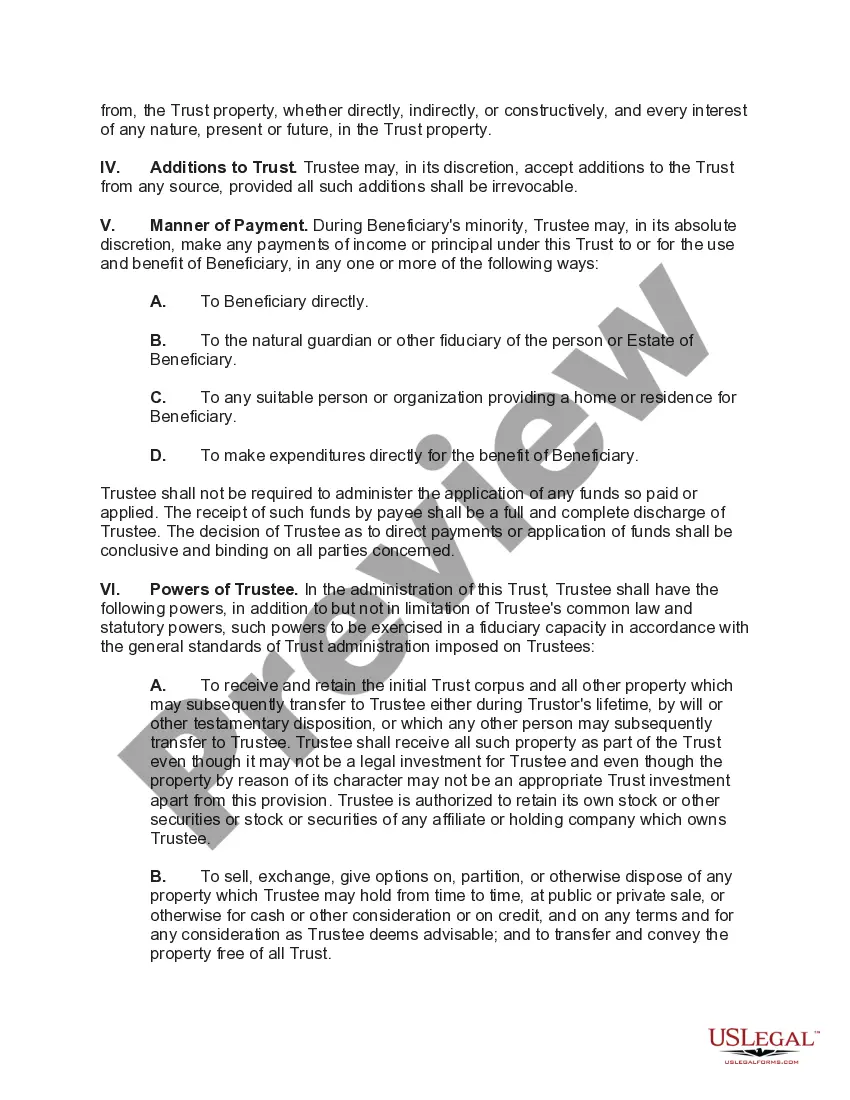
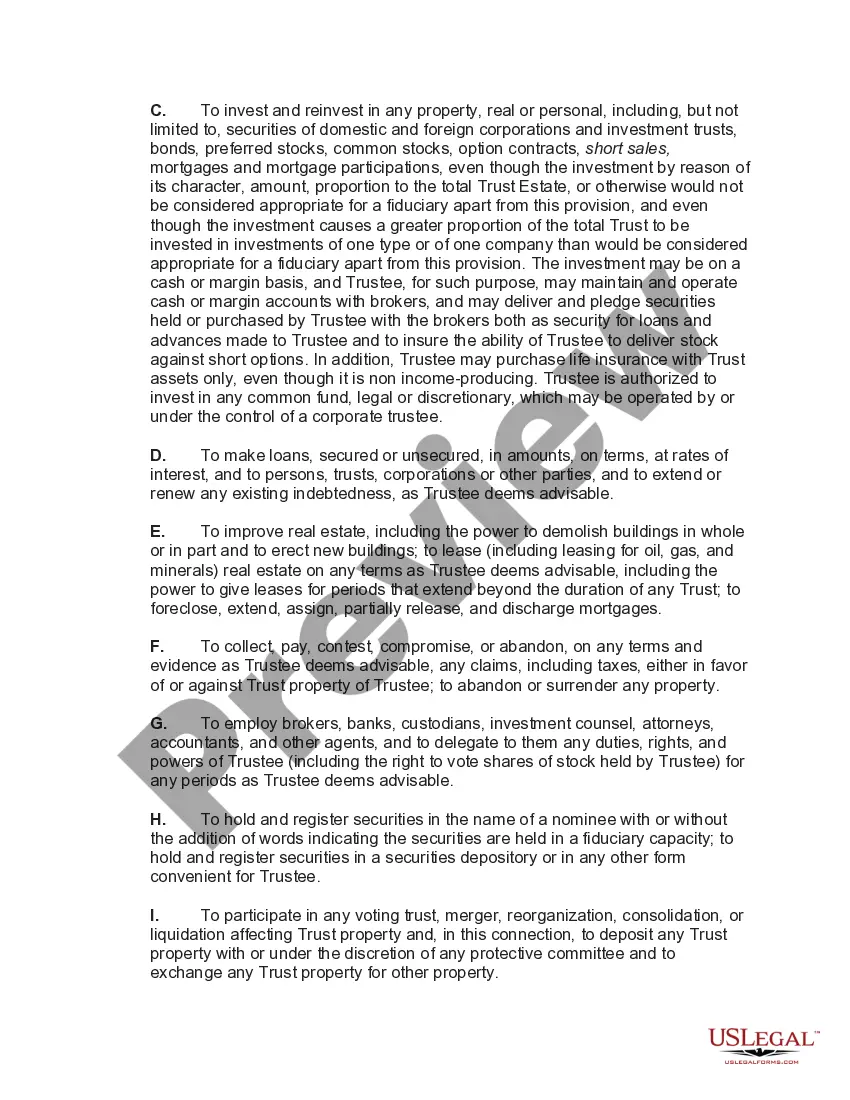
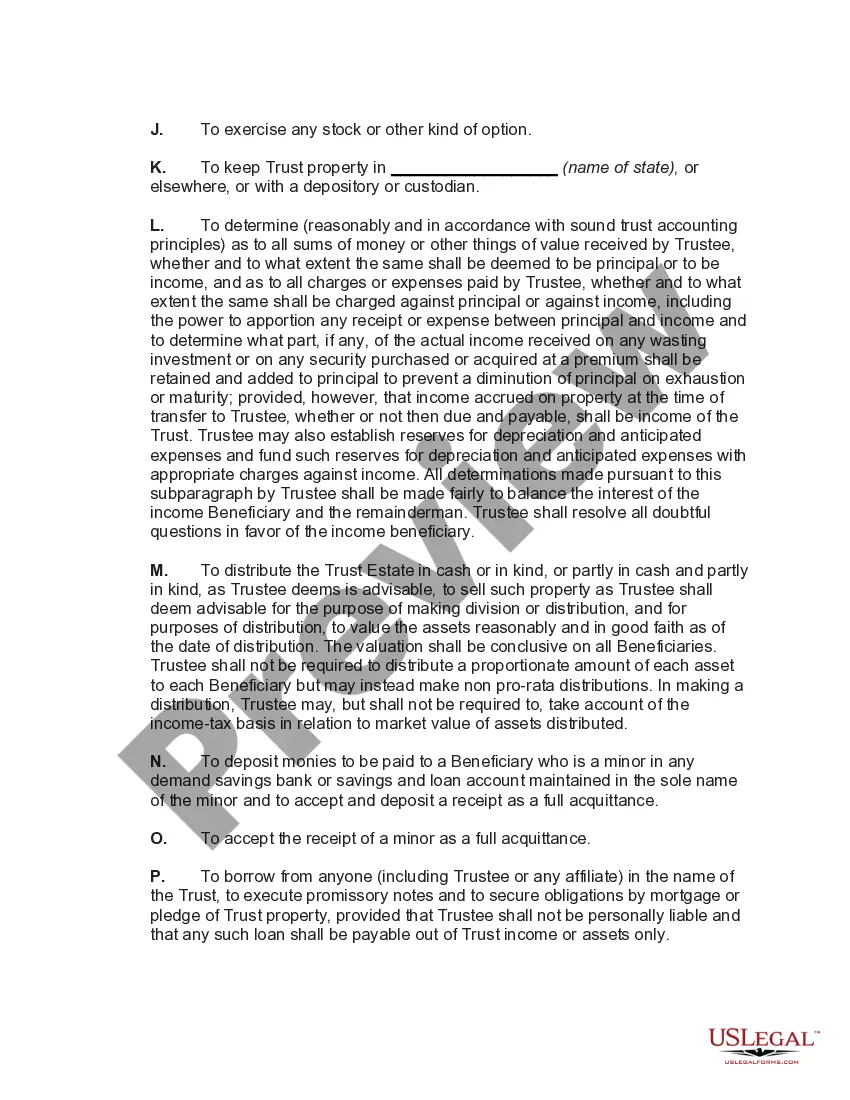
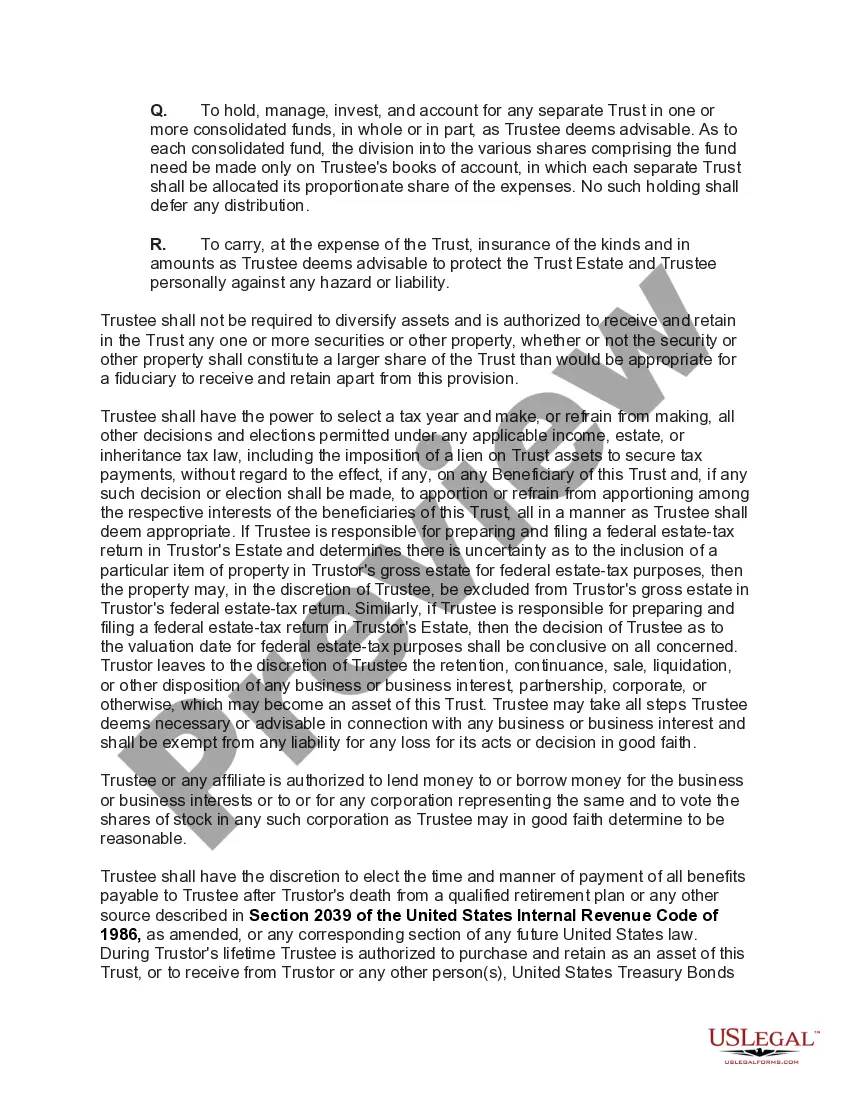
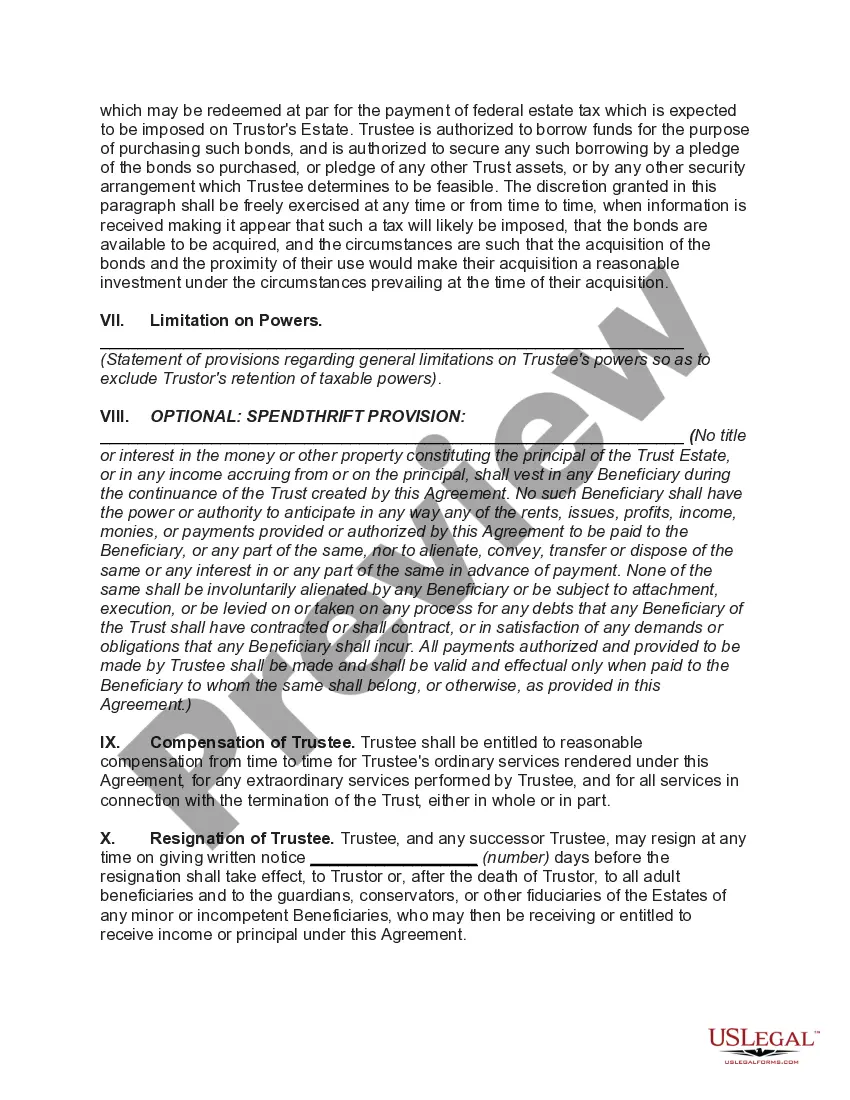
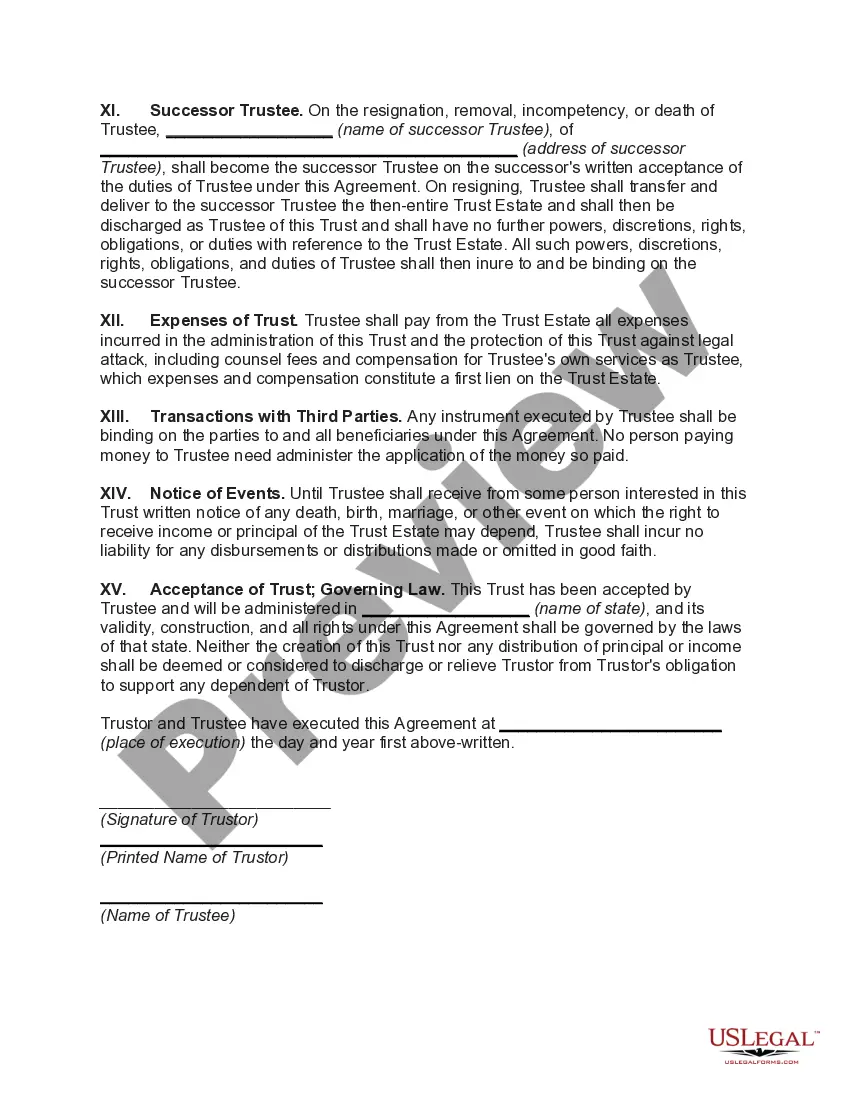
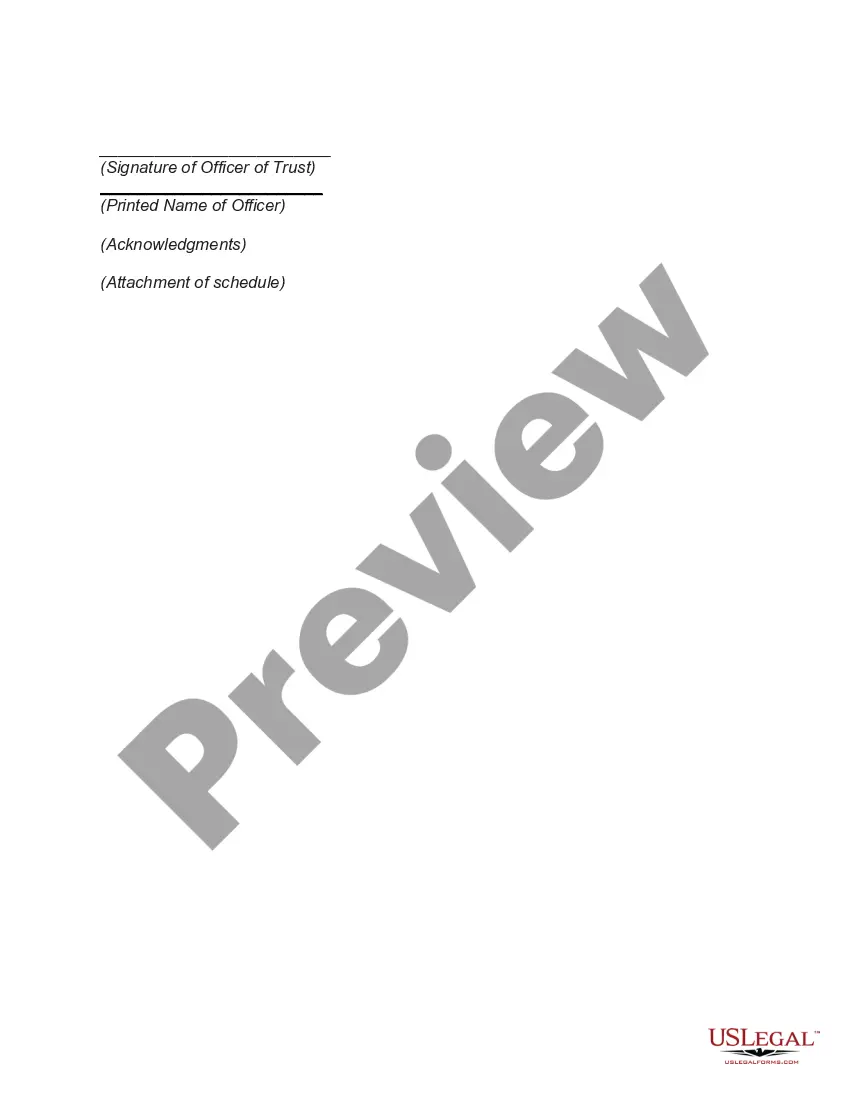
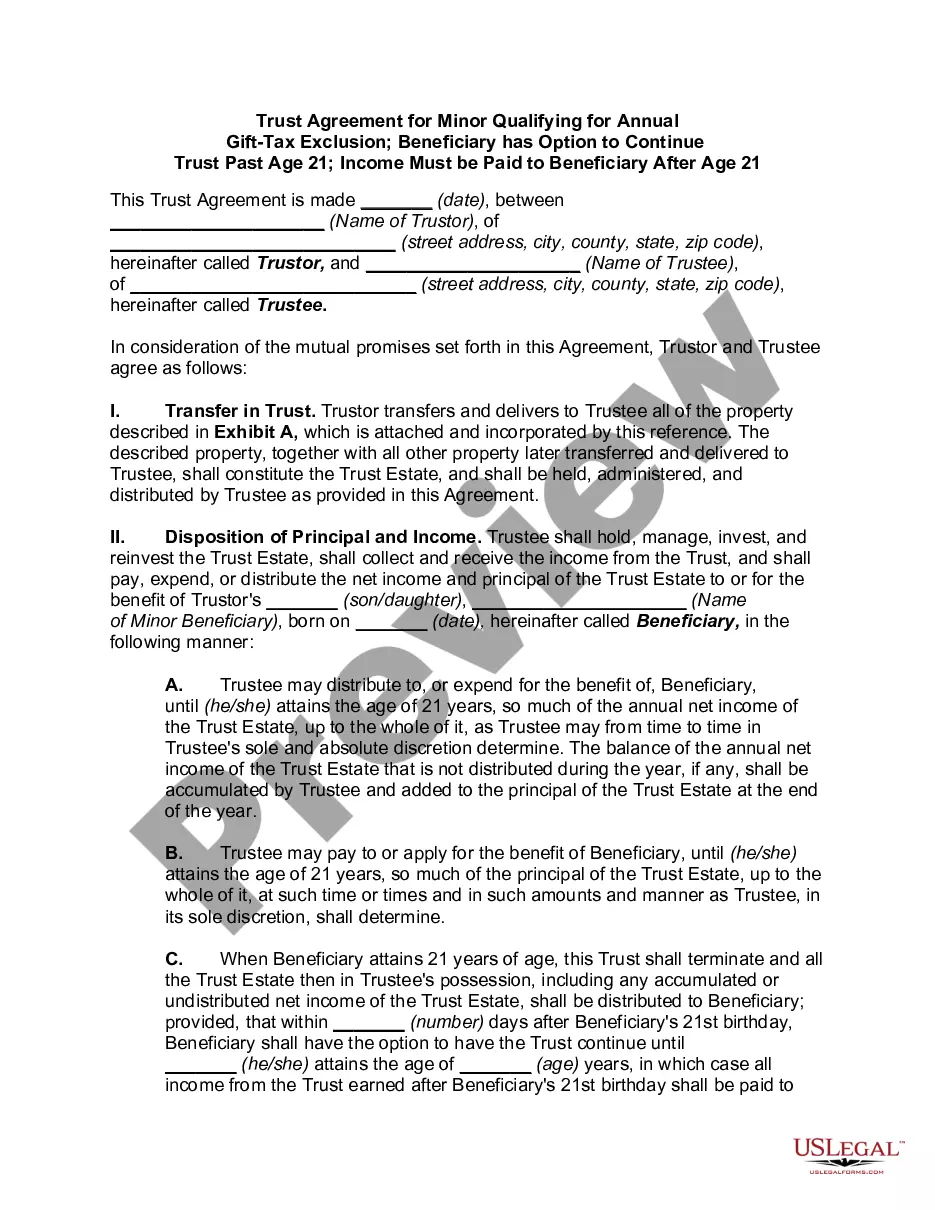
How to fill out General Form Of Trust Agreement For Minor Qualifying For Annual Gift Tax Exclusion?
- Log in to your US Legal Forms account if you are an existing user and ensure your subscription is active. If your subscription has expired, renew it based on your plan.
- Begin by checking the preview and description of the required forms. Verify that you have selected the correct document that aligns with your jurisdiction's regulations.
- If you don't find the right form, use the search function for additional templates until you find one that meets your needs.
- Once you have the correct document, click 'Buy Now' and select your desired subscription plan. You will need to register for an account if it's your first time.
- Complete your purchase by entering your payment details using either your credit card or PayPal.
- Download the form directly to your device and ensure you save it for completion. You can also access it later in the 'My Forms' section of your profile.
In conclusion, US Legal Forms equips you with a robust library of over 85,000 legal documents, ensuring that you can manage your legal needs regarding minor trusts with ease. Whether you're a seasoned user or a first-time visitor, accessing and utilizing the right forms is straightforward and efficient.
Take control of your legal processes now by visiting US Legal Forms to find and download the necessary documents for establishing trust for your minor.
Form popularity
FAQ
If the beneficiary is under 18, the trust should have specific provisions to manage the assets until the minor reaches maturity. In a trust minor with one parent setup, the parent can serve as a trustee, making decisions in the best interest of the minor. This helps protect and manage the trust funds, ensuring that the minor's needs are met responsibly and effectively.
The primary beneficiary of a trust is the individual or entity designated to receive the trust's principal benefits during its term. In many instances, if a trust minor is involved, one parent may serve as the trustee ensuring that the child's financial needs are met. This arrangement provides peace of mind, knowing that a responsible adult oversees the trust until the minor reaches legal adulthood.
In most situations, a minor cannot act as the grantor of a trust due to legal age limitations. Generally, the law requires the grantor to have the legal capacity to create a trust, which typically excludes minors. However, a trust minor with one parent can still be named as a beneficiary, while an adult or the parent manages the trust on their behalf.
A beneficiary of a trust is an individual or entity entitled to receive benefits from the trust. This includes minors who may be beneficiaries when a trust is established to manage their inheritance. In the case of a trust minor with one parent, the parent often serves as a trustee to protect the minor’s interests and ensure proper management of assets.
One of the biggest mistakes parents make when setting up a trust fund is failing to clearly define the terms and conditions of the trust. Without clear guidelines, the trustee may mismanage the assets or the minor may not benefit as intended. Working with resources such as USLegalForms can help parents establish explicit directions, especially when trusting a minor with one parent.
A trust works for minor children by allowing designated funds to be managed by a trustee until the child reaches a certain age. The trustee, often a parent or guardian, oversees the assets, ensuring they are used for the child’s benefit. This arrangement safeguards the child's inheritance and prevents unnecessary financial struggles during their formative years.
Setting up a trust for a minor begins with identifying a trustworthy trustee who will manage the assets. Parents should draft the trust document, outlining the terms and conditions, and specify how funds will be released. Using resources like USLegalForms can streamline the paperwork, making it easier to navigate the legal requirements of trusting a minor with one parent.
To set up a trust for children, parents should start by deciding on the type of trust that best suits their needs. They can consider working with legal experts who specialize in trusts to ensure proper setup. By utilizing platforms like USLegalForms, parents can access user-friendly templates and guidance, simplifying the process of creating a trust that specifically addresses how to trust a minor with one parent.
Parents often choose to trust a minor with one parent to ensure their child receives financial support and care, even if one parent is not present. A trust can help manage assets responsibly until the child is old enough to inherit them. This arrangement offers both financial security and peace of mind for the parent, knowing the child’s future is protected.
The best kind of trust for leaving assets to children often depends on individual circumstances, but a revocable living trust is commonly favored. This type of trust allows you to maintain control over assets while specifying how they should be managed for your children. Moreover, a trust minor with one parent can help prevent legal complications or delays in distributing assets. To make the best choice, consider consulting uslegalforms for tailored guidance.