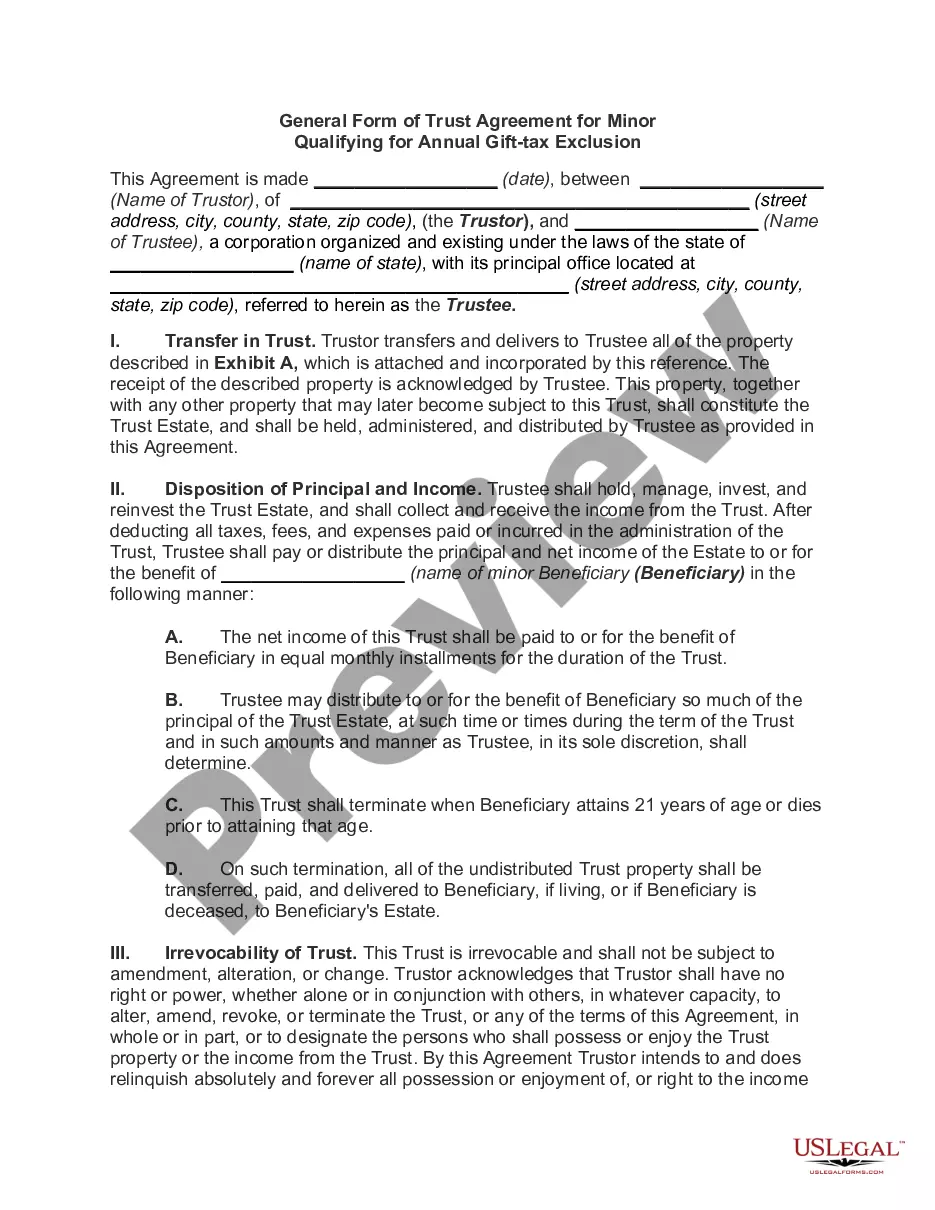
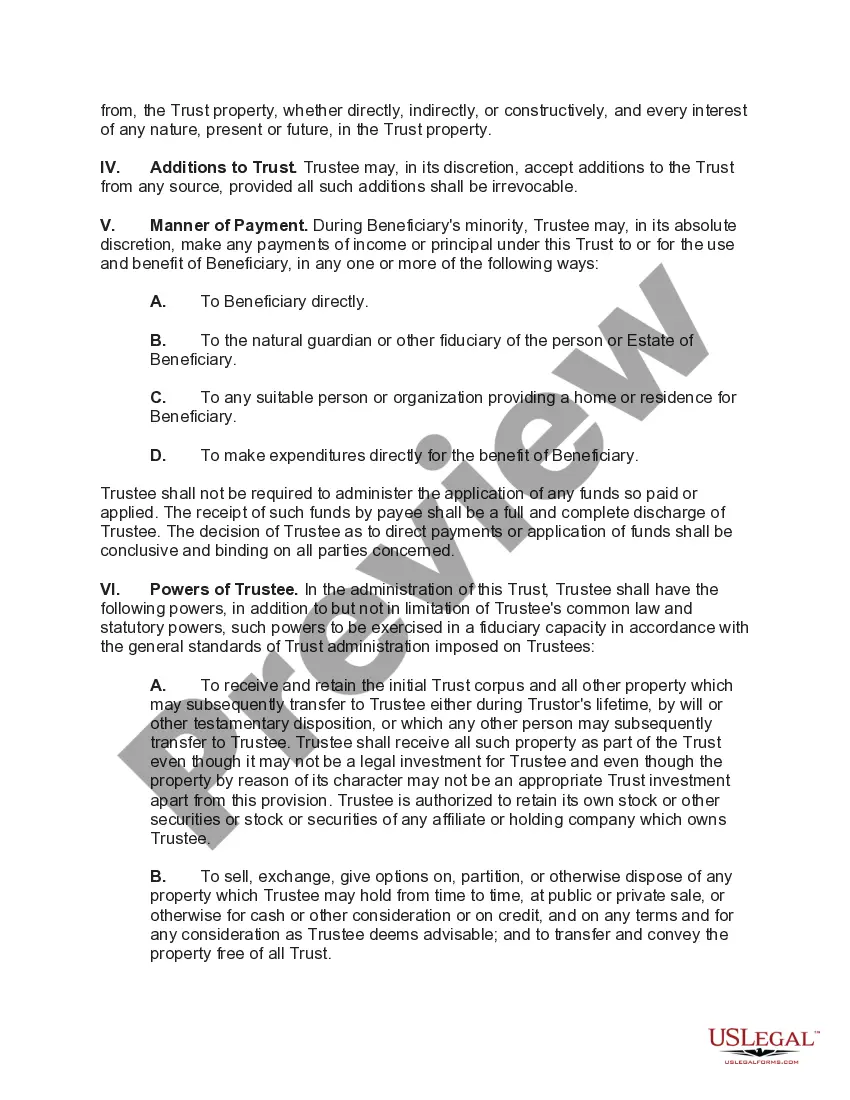
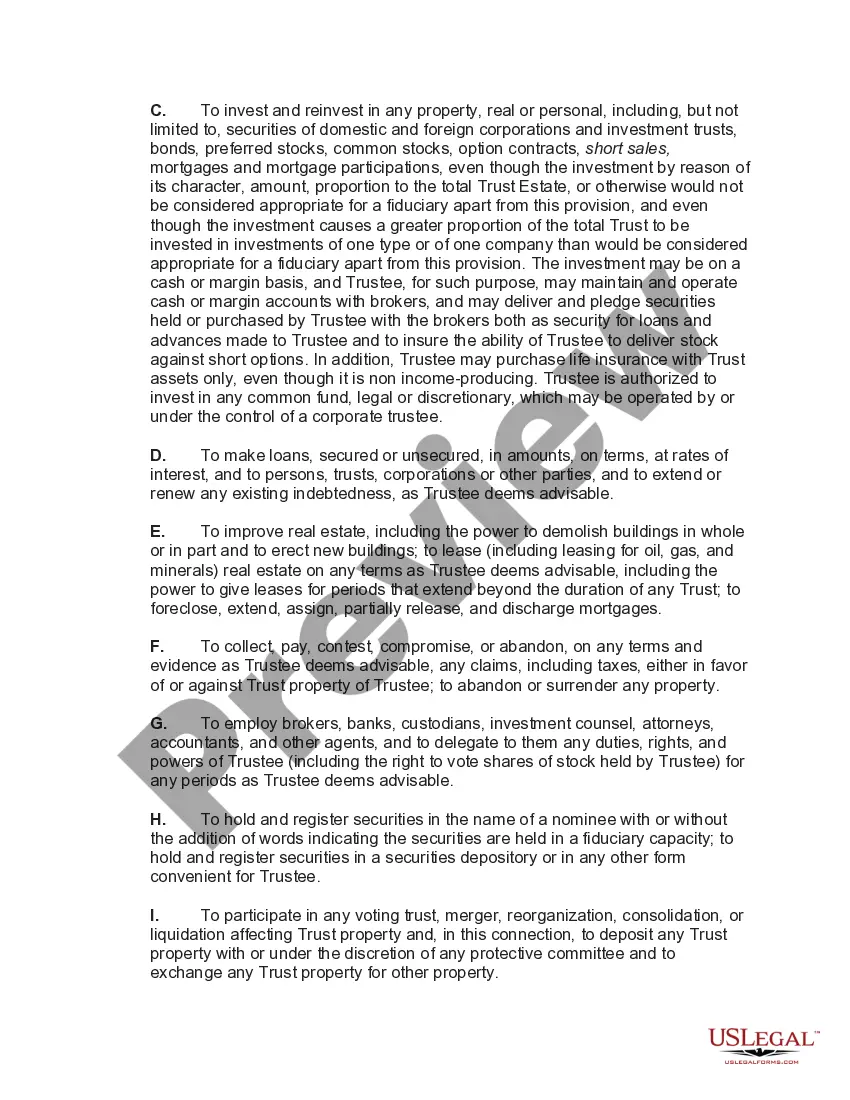
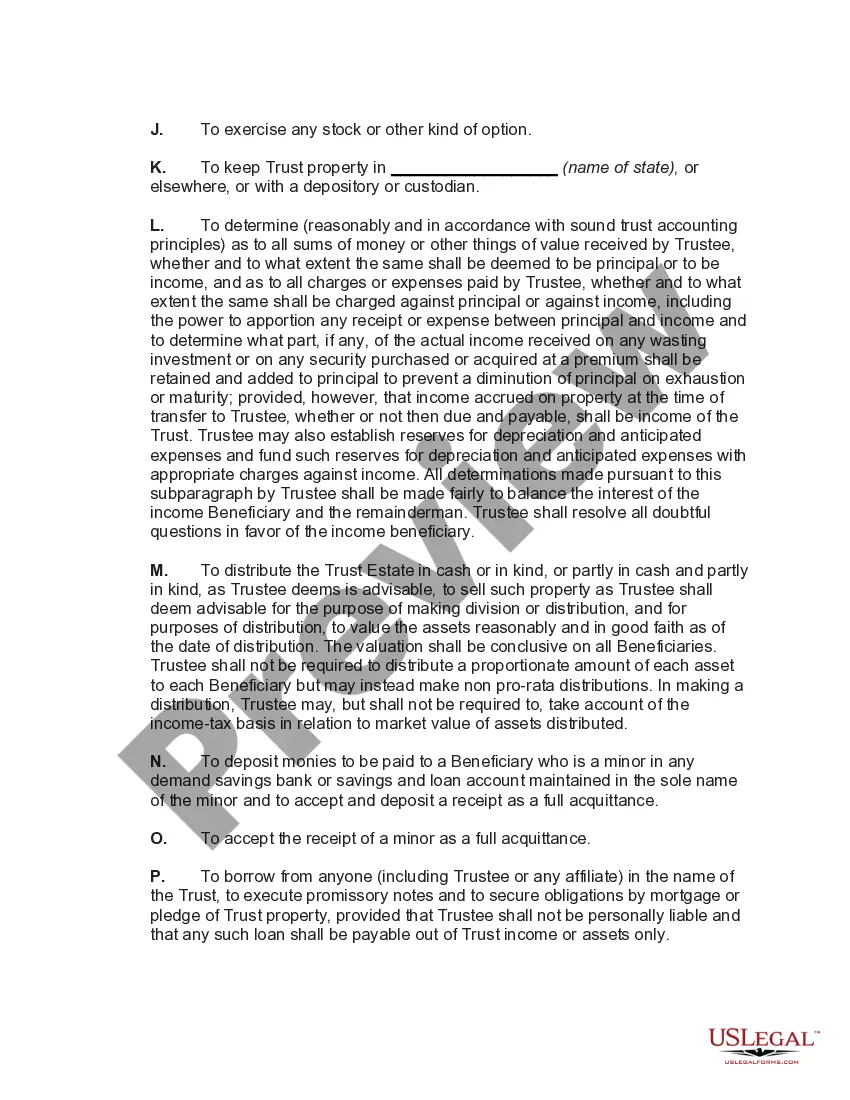
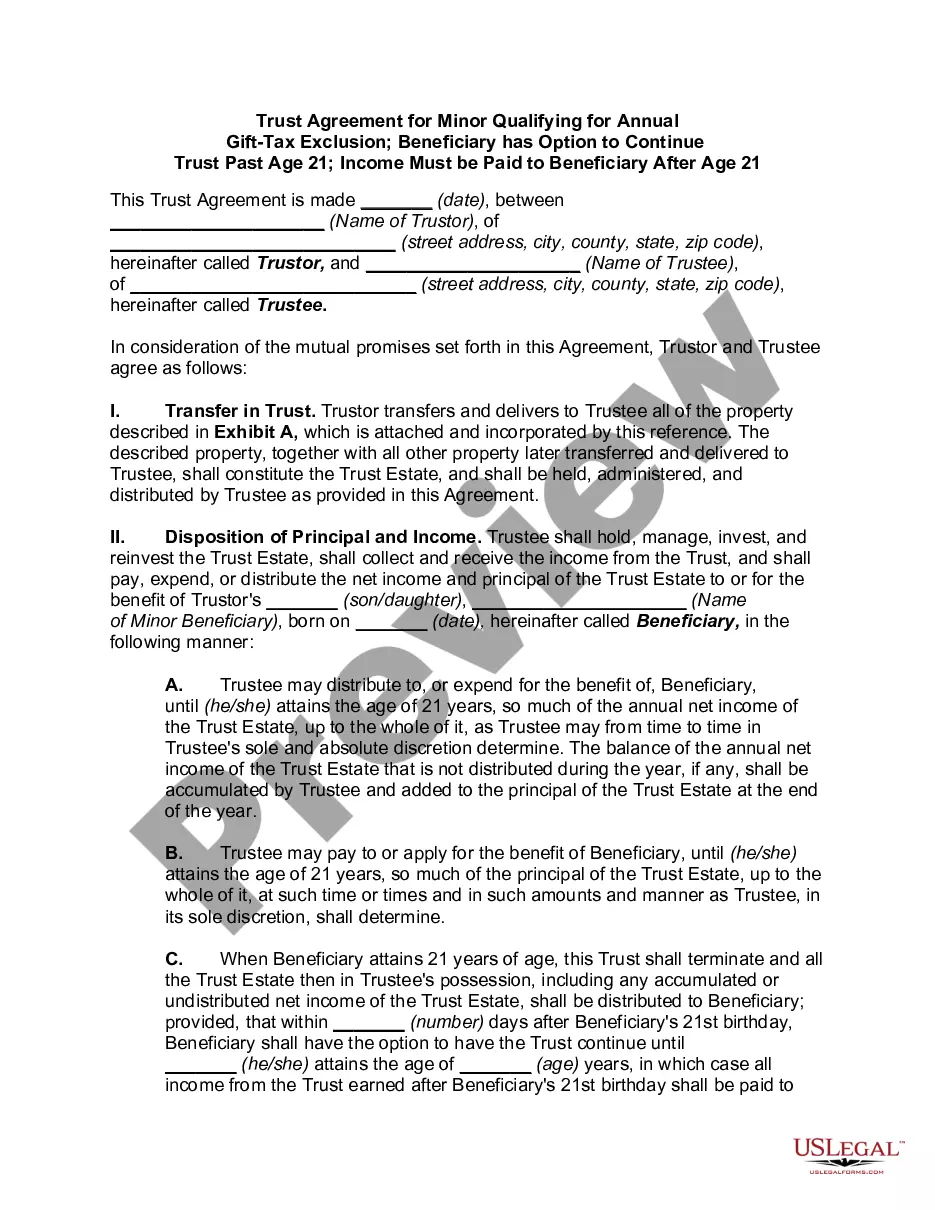
Trust For Minor Children
Description
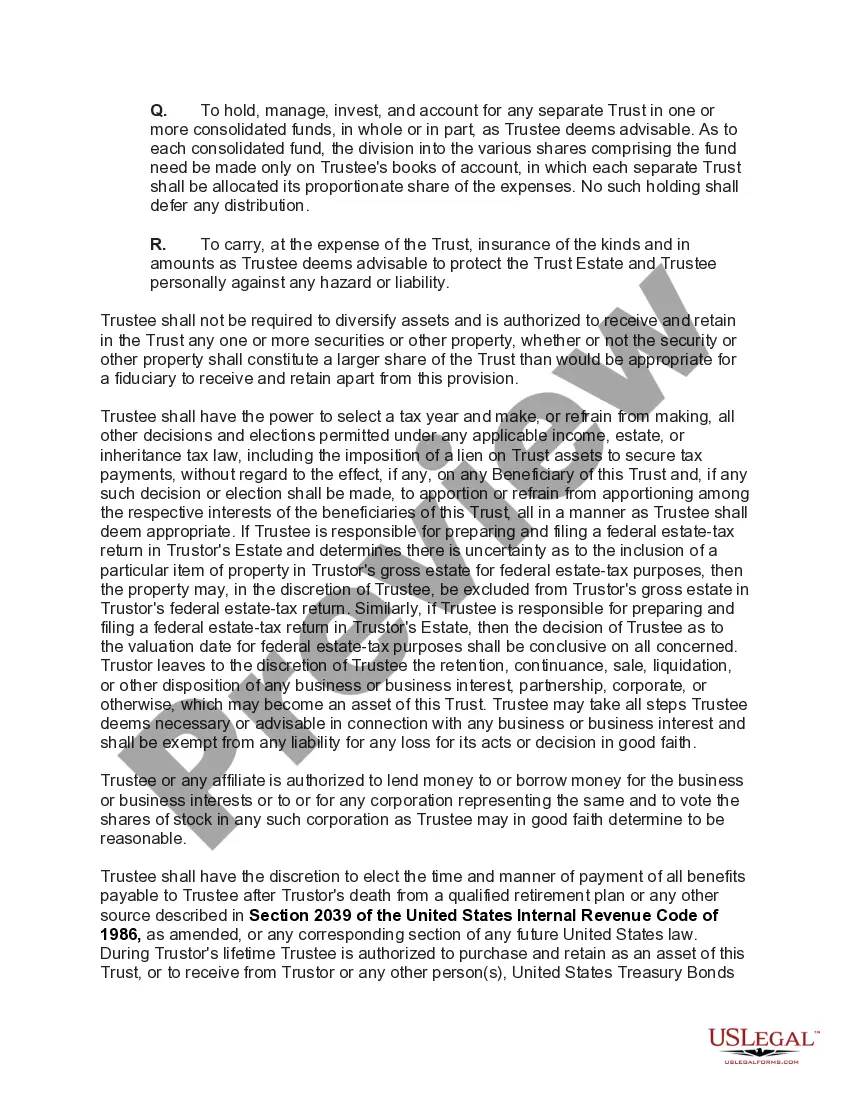
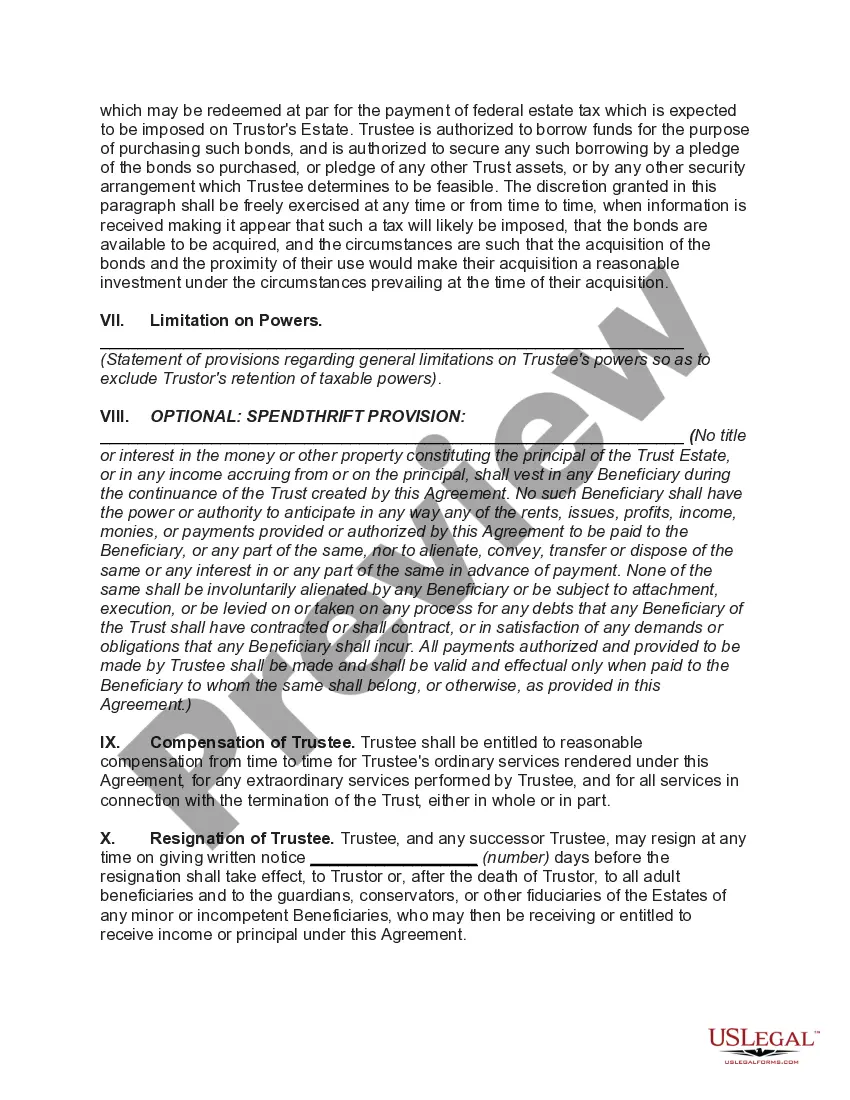
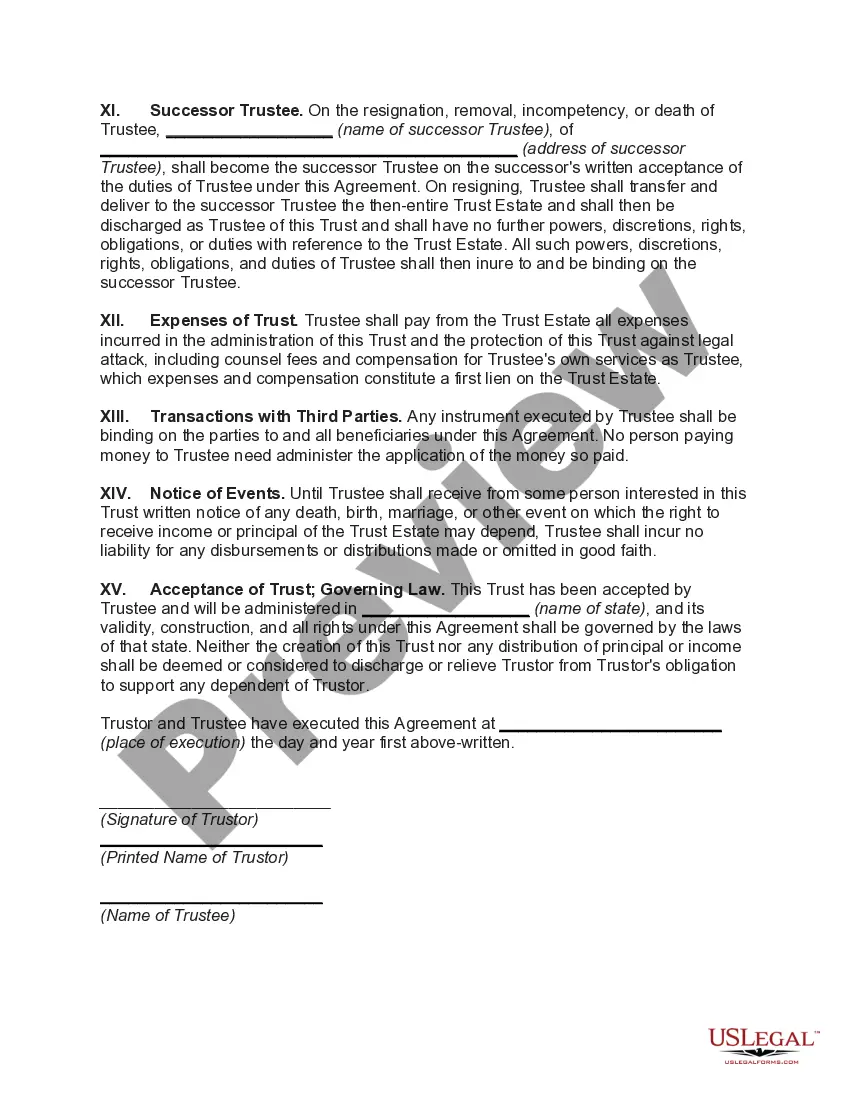
Get your form ready online
Our built-in tools help you complete, sign, share, and store your documents in one place.
Make edits, fill in missing information, and update formatting in US Legal Forms—just like you would in MS Word.
Download a copy, print it, send it by email, or mail it via USPS—whatever works best for your next step.
Sign and collect signatures with our SignNow integration. Send to multiple recipients, set reminders, and more. Go Premium to unlock E-Sign.
If this form requires notarization, complete it online through a secure video call—no need to meet a notary in person or wait for an appointment.
We protect your documents and personal data by following strict security and privacy standards.

Make edits, fill in missing information, and update formatting in US Legal Forms—just like you would in MS Word.

Download a copy, print it, send it by email, or mail it via USPS—whatever works best for your next step.

Sign and collect signatures with our SignNow integration. Send to multiple recipients, set reminders, and more. Go Premium to unlock E-Sign.

If this form requires notarization, complete it online through a secure video call—no need to meet a notary in person or wait for an appointment.

We protect your documents and personal data by following strict security and privacy standards.
Looking for another form?









How to fill out General Form Of Trust Agreement For Minor Qualifying For Annual Gift Tax Exclusion?
- Log in to your US Legal Forms account if you are a returning user. Ensure that your subscription is active; renew if necessary.
- Browse the available forms and select the trust template that meets your requirements. Check its preview to confirm compliance with local regulations.
- If the selected template doesn't suit your needs, utilize the Search function to find the correct document. Proceed once you find the appropriate form.
- Choose your subscription plan by clicking the 'Buy Now' button. Register for an account if you’re new to the platform to access all resources.
- Complete your purchase by entering your payment details or using PayPal for convenience.
- Download the completed trust form to your device. You can also access it later in the 'My Forms' section of your profile for future reference.
In conclusion, establishing a trust for your minor children is a straightforward process with US Legal Forms. Their vast selection and expert assistance ensure that you can create a secure financial future for your children. Take the first step today and start building a protective trust that meets their needs!
Form popularity
FAQ
The best way to set up a trust for children is to work with a qualified attorney who specializes in estate planning. They can help you navigate the legal frameworks and ensure that your intent is clearly outlined in the trust document. Additionally, using a reputable platform like US Legal Forms can provide you with the necessary resources and templates to facilitate the setup process effectively.
Creating a trust for minor children involves several straightforward steps. First, you need to decide on the type of trust that fits your goals. Next, outline the trust's terms, including the age your child will receive the assets and the trustee's responsibilities. Lastly, consider using US Legal Forms to simplify the process, offering templates and guidance tailored to your needs.
Establishing a trust for your child can be a prudent decision, especially if you want to secure their financial future. A trust allows you to control how and when your assets are distributed, which can prevent potential mismanagement. Additionally, it can minimize taxes and avoid probate, making it an efficient way to protect your child's inheritance.
A trust for minor children acts as a protective financial tool, holding and managing assets until your child reaches adulthood. As a parent or guardian, you can designate a trustee to oversee the trust and ensure funds are used for your child's education, health care, and other necessary expenses. This arrangement provides peace of mind, knowing that your child’s future financial needs will be met without direct access to the funds until they are ready.
Trusts for minor children can earn a specific annual amount without incurring taxes, known as the tax threshold. For example, if the trust's income falls below this threshold, you will not owe taxes on the earnings. However, it's essential to track the trust's interactions and understand individual circumstances. US Legal Forms can assist you in creating a trust that remains compliant and maximizes potential tax benefits.
Trusts for minor children can indeed be subject to taxes. The income generated from the trust is taxable, but the tax rate may depend on the total annual income. Generally, if the trust generates over a certain amount, the income taxes will come into play. Using platforms like US Legal Forms, you can structure your trust for minor children to optimize tax efficiency.
The best way to leave your house to your children is through a trust for minor children. This option allows you to control how and when your children receive the property, ensuring their inheritance is managed responsibly. By using a trust, you also protect your assets from potential creditors and simplify the transfer process. Tailoring the trust to your family's needs can provide peace of mind for you and a secure future for your children.
To give your house to your child without paying taxes, consider establishing a trust for minor children. This legal structure allows you to transfer the home while preserving tax advantages and safeguarding the asset. Additionally, look into options like utilizing gift exclusions or taking advantage of tax credits. It's wise to consult with an expert to navigate these strategies effectively.
Deciding between gifting a house or putting it in a trust often depends on your personal situation and long-term goals. A trust for minor children protects the property for future generations and allows you to specify terms for its use. On the other hand, gifting a house might provide immediate benefits but can expose your children to future tax liabilities. A careful consideration of both options can ensure you make the best choice for your family's future.
The most tax-efficient way to leave a home to a child is by utilizing a trust for minor children. By placing the home in a trust, you can potentially minimize estate taxes and avoid probate fees. It is essential to consult with a financial advisor to explore options like lifetime gifts or irrevocable trusts, which may also offer tax benefits. Each situation is unique, and crafting a tailored strategy can help you maximize savings.