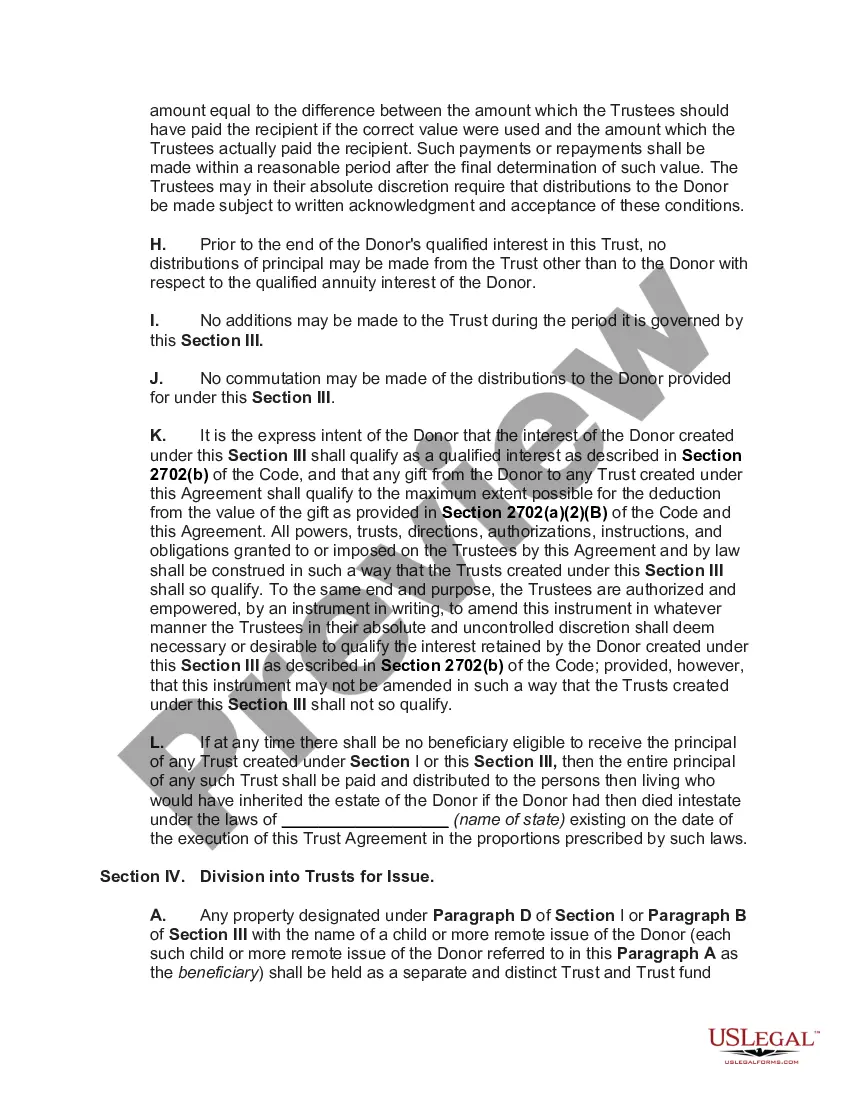
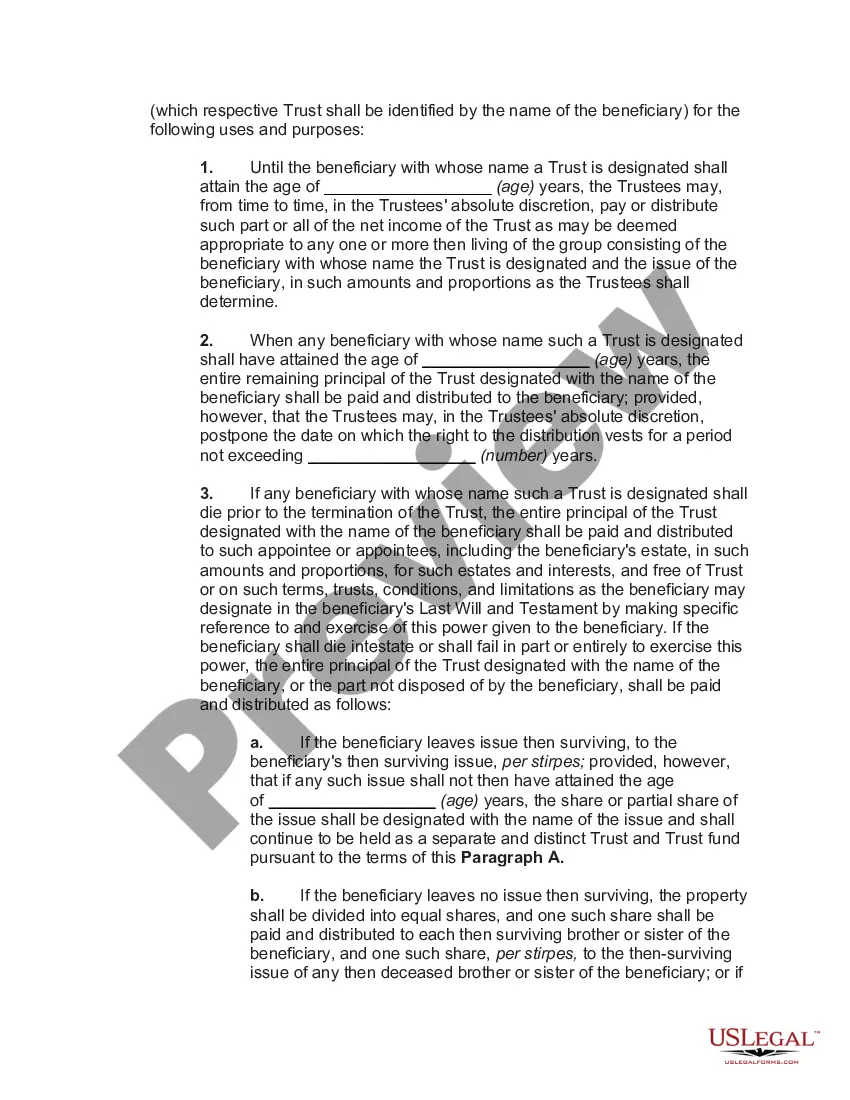
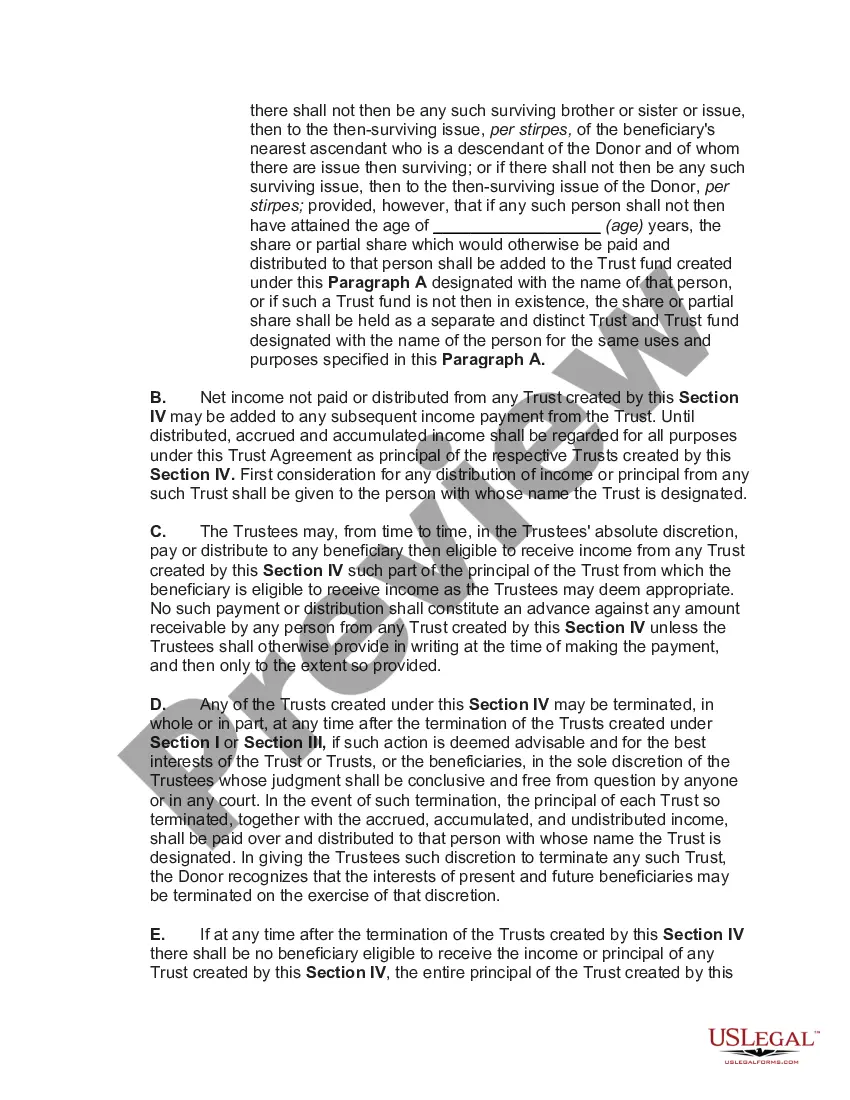
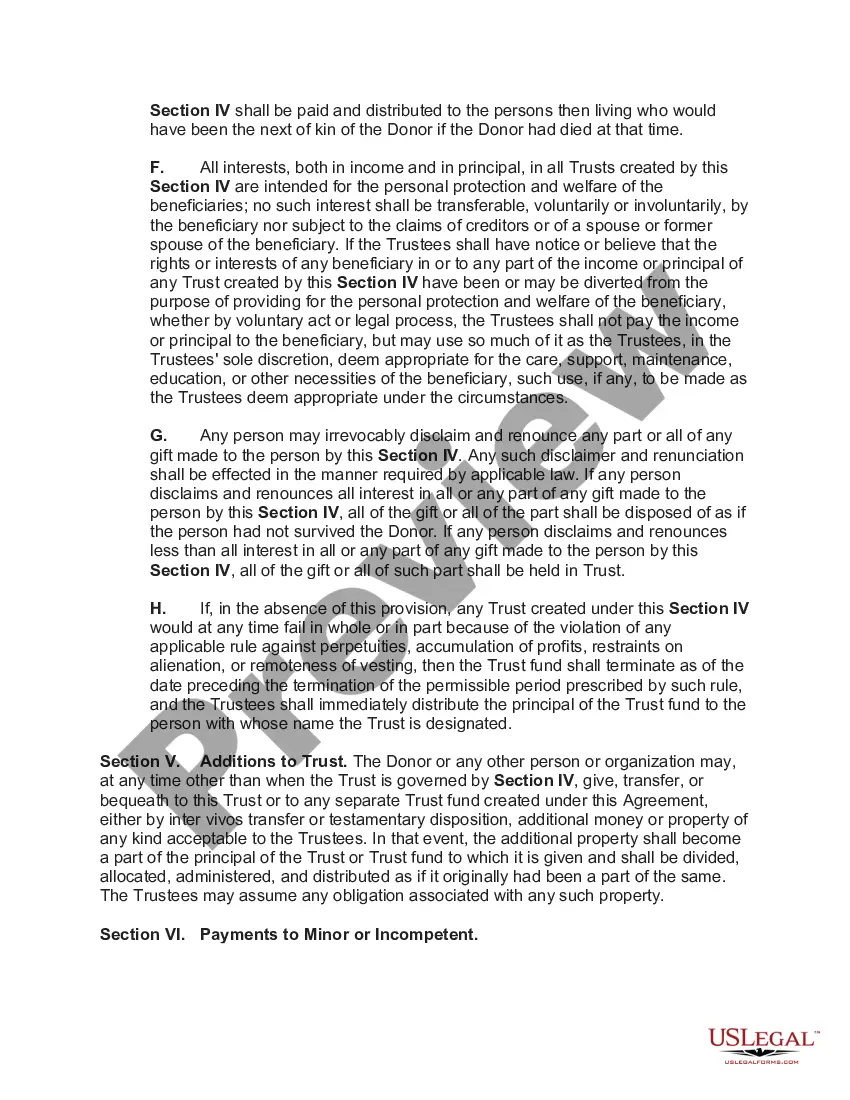
Qualifying Trust
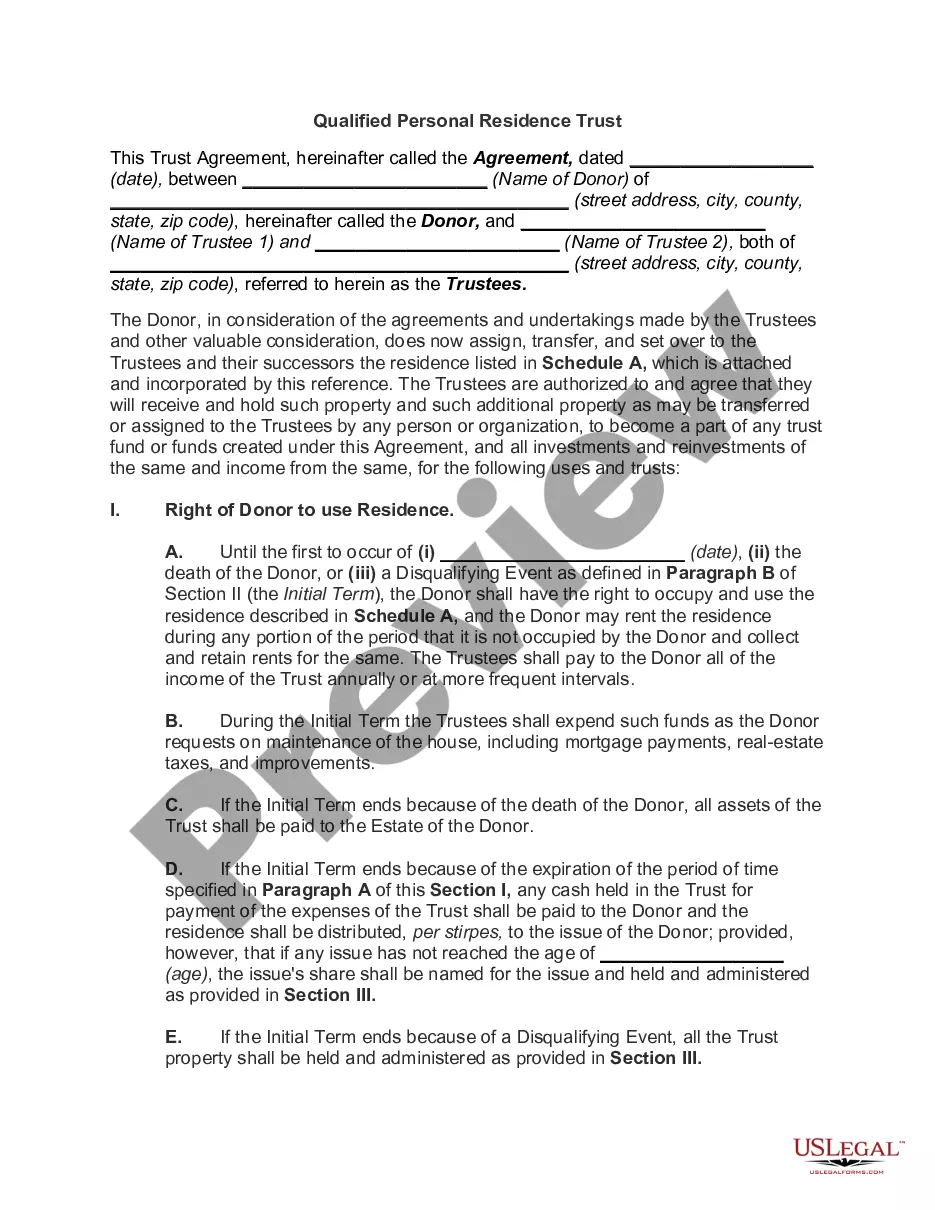
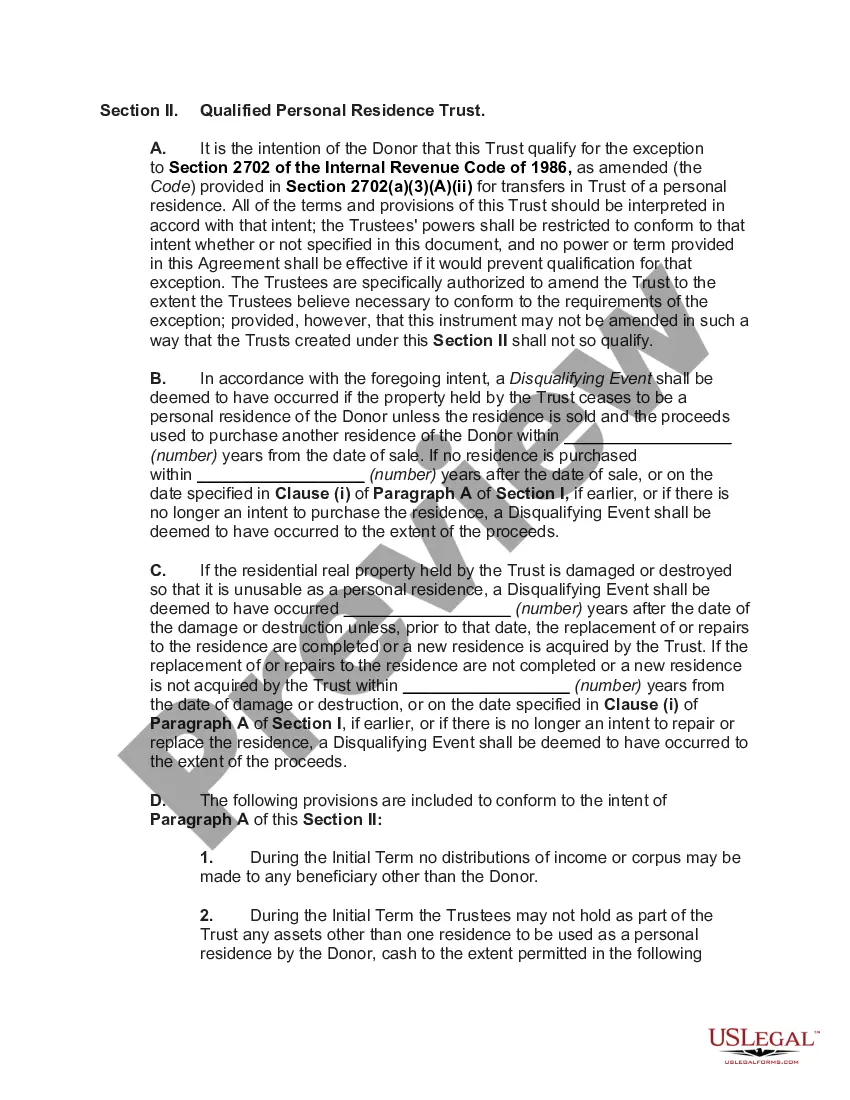
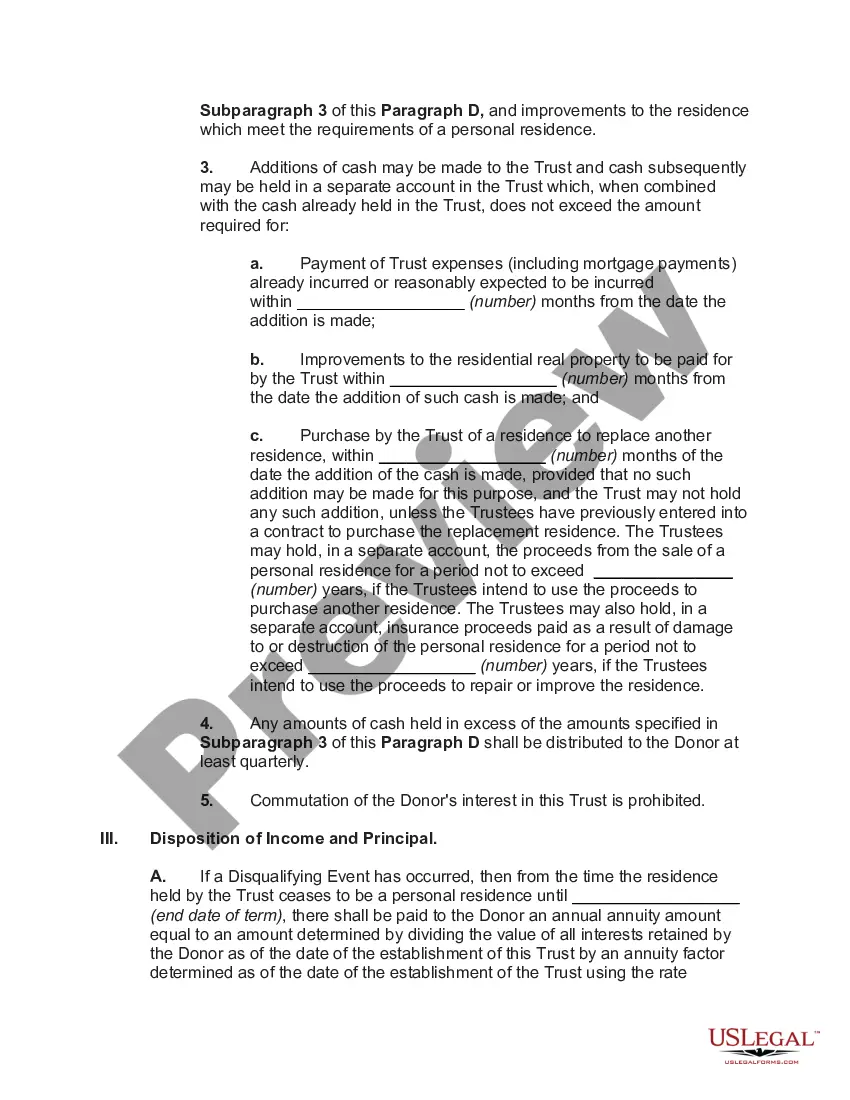
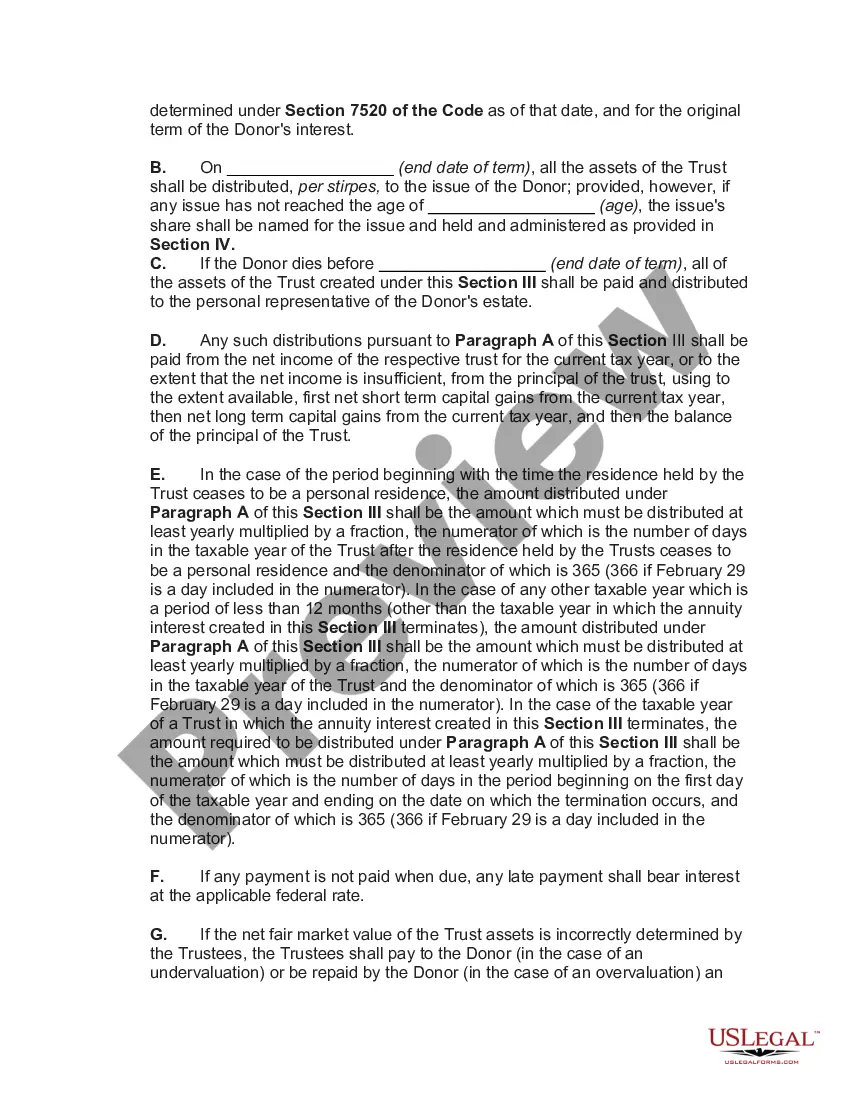
Description

Get your form ready online
Our built-in tools help you complete, sign, share, and store your documents in one place.
Make edits, fill in missing information, and update formatting in US Legal Forms—just like you would in MS Word.
Download a copy, print it, send it by email, or mail it via USPS—whatever works best for your next step.
Sign and collect signatures with our SignNow integration. Send to multiple recipients, set reminders, and more. Go Premium to unlock E-Sign.
If this form requires notarization, complete it online through a secure video call—no need to meet a notary in person or wait for an appointment.
We protect your documents and personal data by following strict security and privacy standards.

Make edits, fill in missing information, and update formatting in US Legal Forms—just like you would in MS Word.

Download a copy, print it, send it by email, or mail it via USPS—whatever works best for your next step.

Sign and collect signatures with our SignNow integration. Send to multiple recipients, set reminders, and more. Go Premium to unlock E-Sign.

If this form requires notarization, complete it online through a secure video call—no need to meet a notary in person or wait for an appointment.

We protect your documents and personal data by following strict security and privacy standards.
Looking for another form?


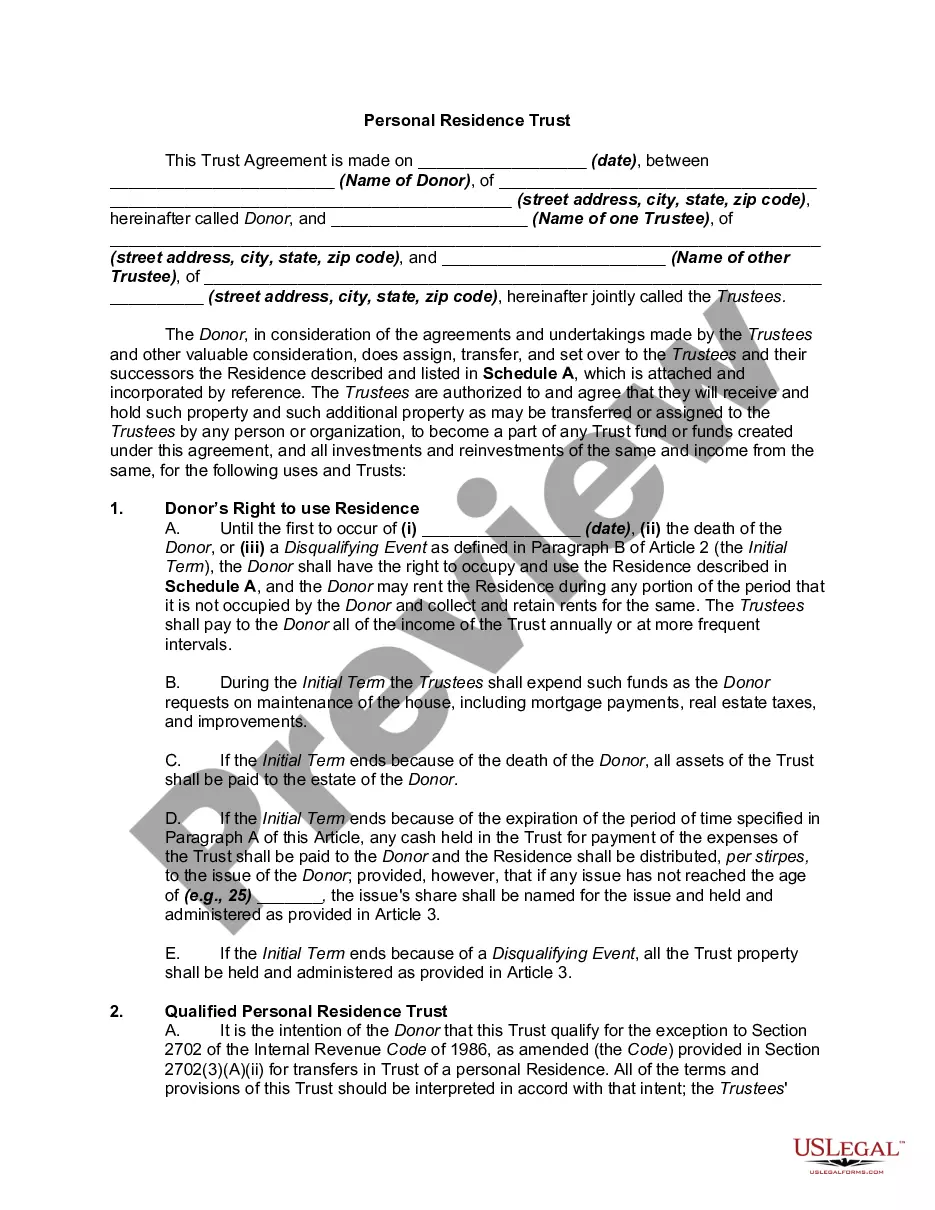
How to fill out Qualified Personal Residence Trust?
- If you're a returning user, log in and download your required form directly by clicking the Download button. Make sure your subscription is current; if not, renew based on your chosen plan.
- For new users, begin by previewing the form description to confirm it meets your specific requirements and complies with your local jurisdiction.
- If you find discrepancies, utilize the Search tab above to locate the necessary template. Ensure it is suitable before proceeding.
- Proceed to purchase the document by clicking the Buy Now button and selecting your preferred subscription plan. An account registration is necessary to access additional library resources.
- Complete your payment using either your credit card or PayPal account to finalize the purchase.
- Once payment is confirmed, download the form to your device. You can also access it anytime through the My Forms section of your profile.
By following these steps, you can efficiently obtain and complete the necessary legal documents while taking advantage of US Legal Forms' vast resources.
Get started today and simplify your legal document processes with US Legal Forms!
Form popularity
FAQ
A qualifying trust must file taxes if its gross income exceeds $600 in a tax year. This threshold applies to most types of trusts and ensures that they meet their tax obligations on income earned. If your trust's income is below this amount, you may not need to file. However, for any tax-related questions, US Legal Forms offers valuable insights and forms to aid in your decision-making.
For most trusts, especially qualifying trusts, the primary IRS form to file is Form 1041. This form is designed specifically for fiduciaries reporting trust income, deductions, and distributions. Understanding when and how to use this form is important for compliance. For further assistance in filing, US Legal Forms provides user-friendly templates that can guide you through the necessary steps.
Not all trusts are required to file Form 1041. Generally, qualifying trusts that earn over $600 in gross income must file. If the trust does not reach this income threshold, it may not need to submit the form. However, it’s always a good idea to consult with a tax professional or refer to resources like US Legal Forms for clarity on your specific situation.
Form 8453 is used to authenticate electronic submissions for certain tax returns, including those for qualifying trusts. This form allows you to sign the return electronically while maintaining necessary documentation. By using this form, you can simplify the filing process and ensure compliance. For ease, you can find related templates on the US Legal Forms platform.
To file a tax return for a qualifying trust, you generally need to complete Form 1041 and submit it by the annual deadline. This form requires detailed financial information about the trust's income and expenses. Properly documenting these details is vital for accurate reporting. If you're uncertain about the process, US Legal Forms offers templates and guidance to help you file correctly.
Recently, the IRS has updated regulations affecting how qualifying trusts report income and deductions. These changes aim to increase transparency and compliance among trust entities. It is crucial for trustees to stay informed about the new rules to avoid potential penalties. Utilizing resources like US Legal Forms can help navigate these new requirements effectively.
The IRS form commonly used for reporting income, deductions, and credits for trusts is Form 1041. A qualifying trust uses this form to report the income it earns. It is essential for ensuring compliance with tax obligations. If you need assistance with filling out the form, consider using US Legal Forms to simplify the process.
Obtaining a qualified income trust involves several steps, including drafting the trust document, naming a trustee, and designating beneficiaries. You also need to ensure that the trust meets state requirements for qualification. Utilizing services such as US Legal Forms can help you create a qualified income trust correctly. This ensures you meet all necessary legal standards while receiving the benefits that come with a qualifying trust.
To create a valid trust, you need a legal purpose, an identifiable beneficiary, a trustee to manage the trust, a formal trust document, and the trust must be funded. Each of these components plays a critical role in setting up a qualifying trust that meets legal standards. If you ensure all these elements are in place, your trust can operate smoothly. Remember, consulting resources like US Legal Forms can simplify this process.
A qualifying trust must adhere to specific guidelines established by the IRS. First, it must be established for a person who is disabled or elderly and requires assistance managing their income. Additionally, the trust's income must be used for the benefit of the individual, ensuring that it meets the regulations for tax deductions. By following these rules, you ensure that your qualifying trust serves its intended purpose effectively.