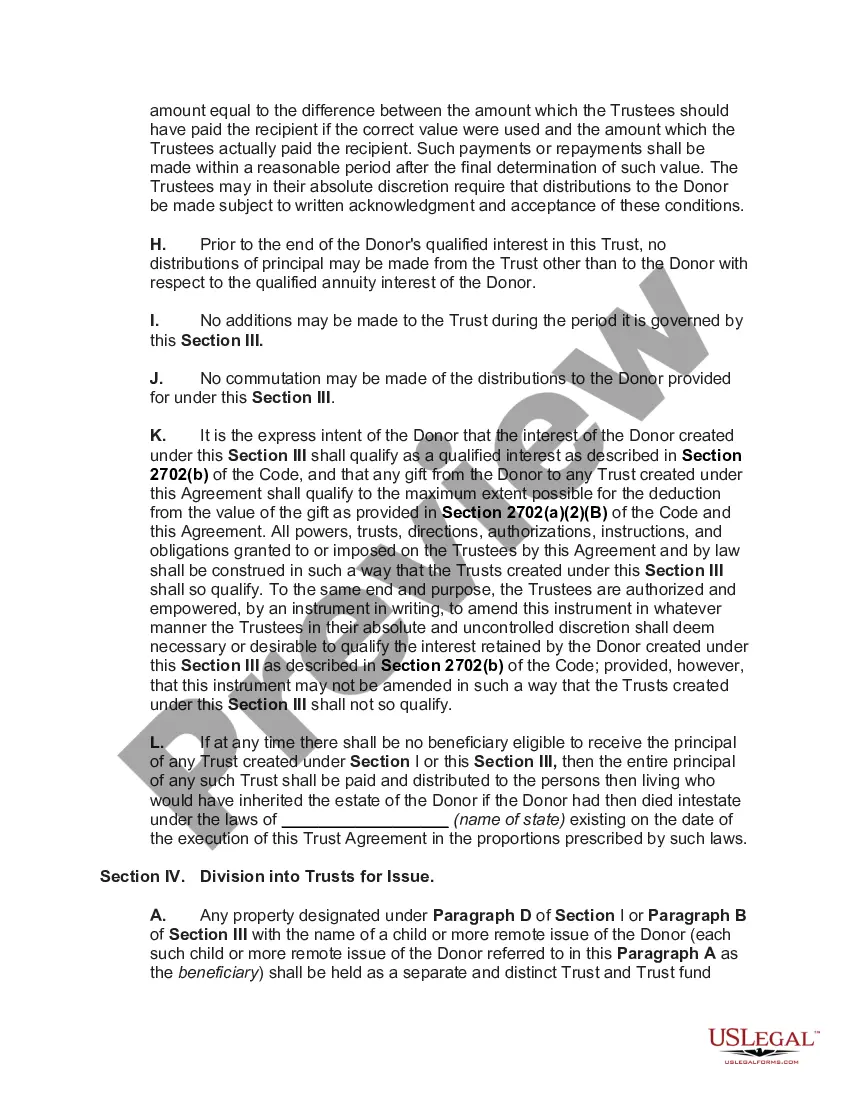
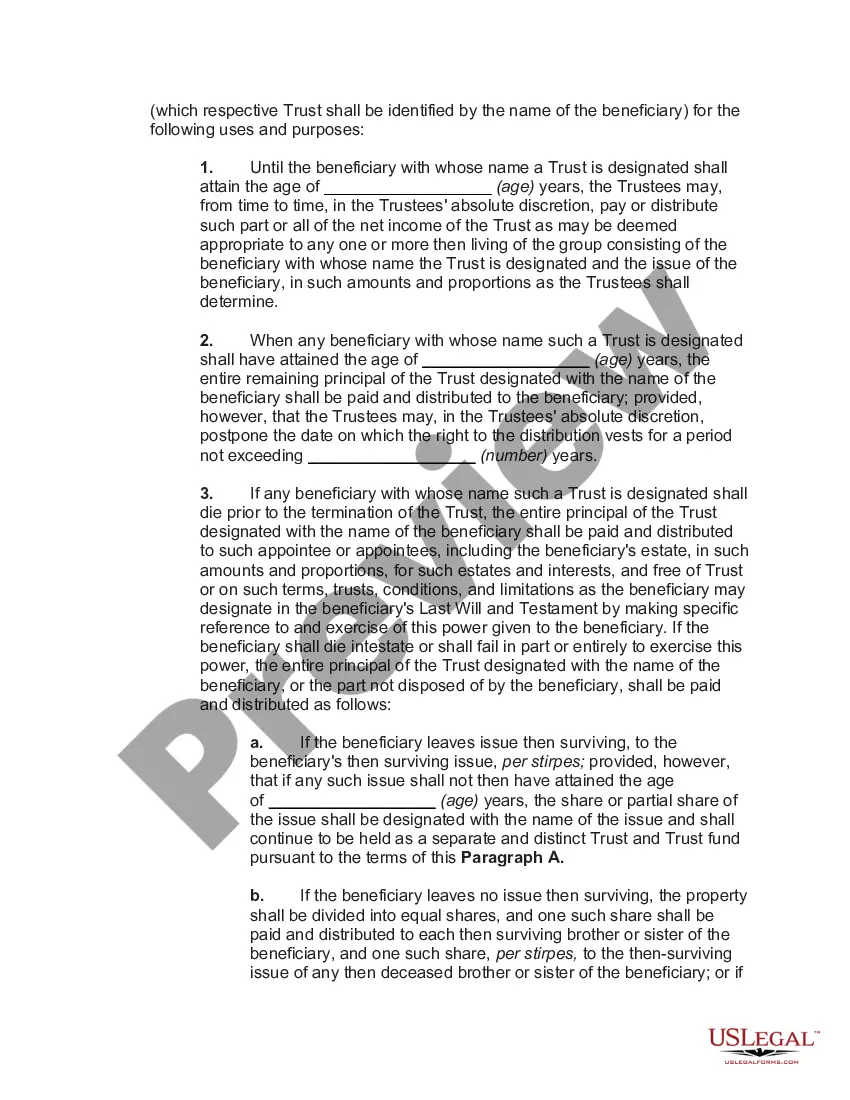
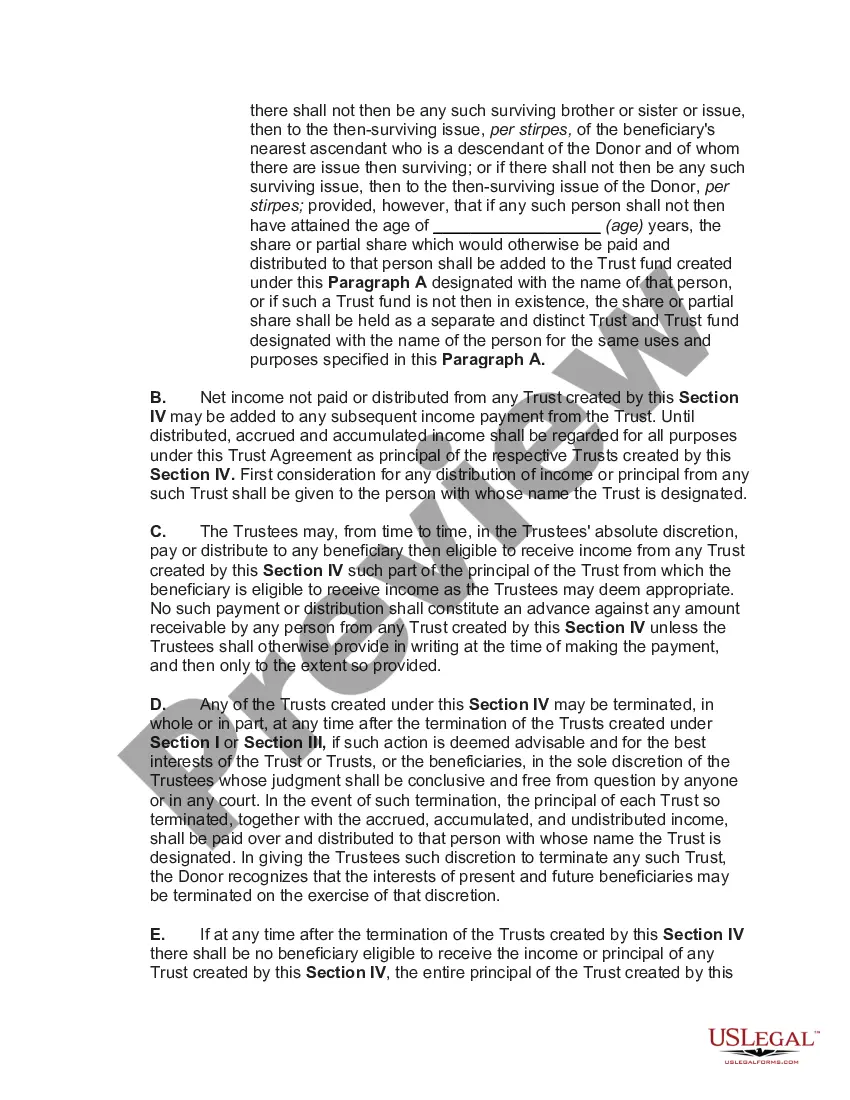
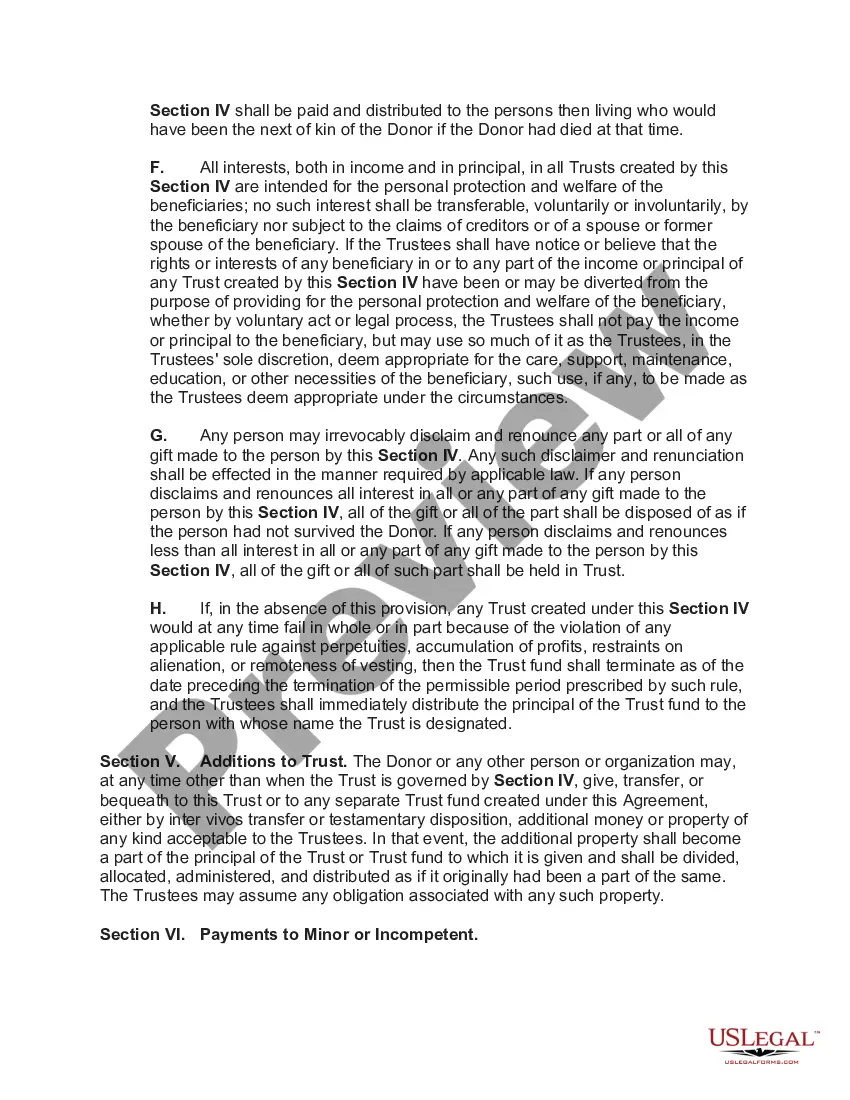
Qualified Trust With A Trustee
Description
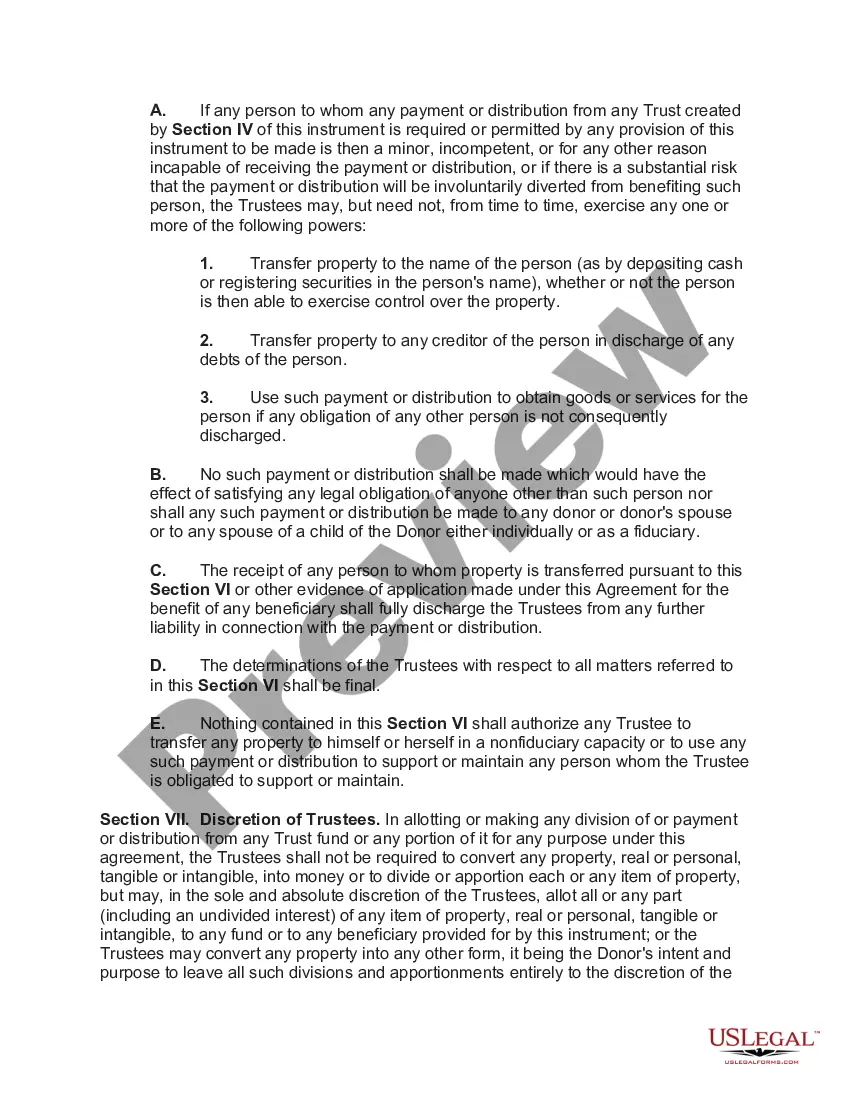
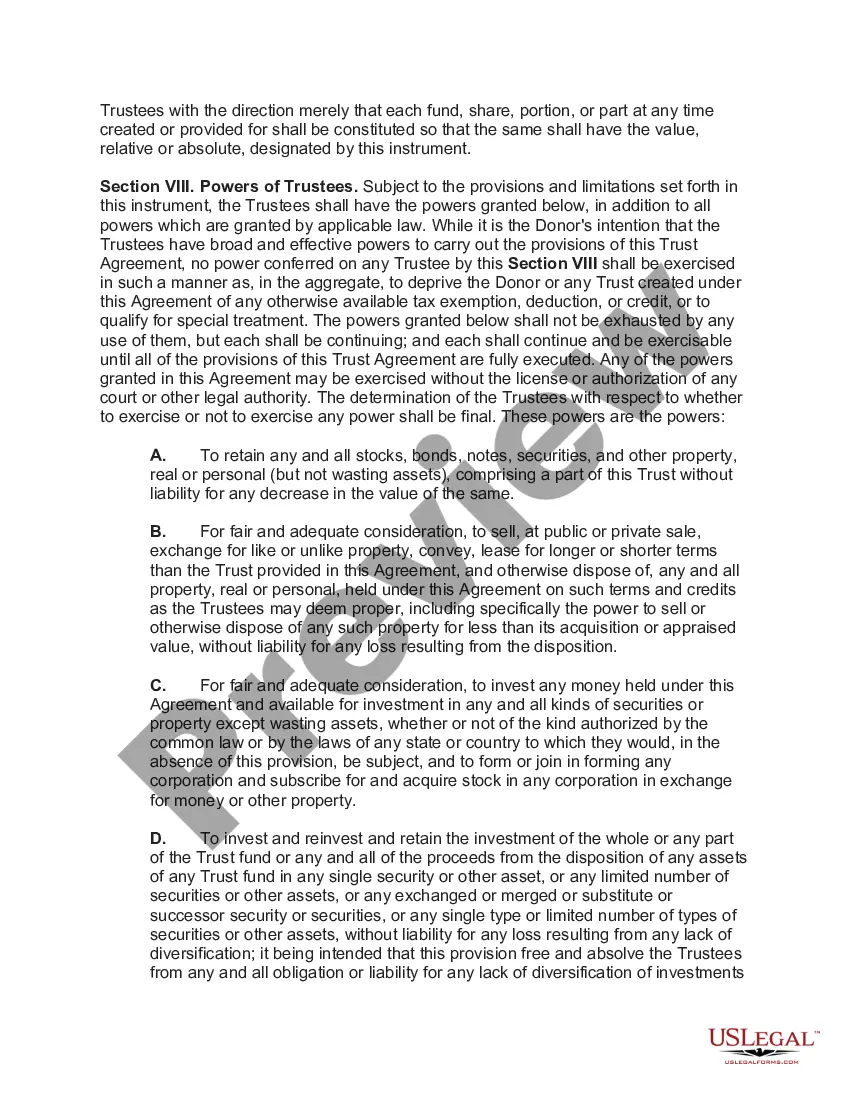

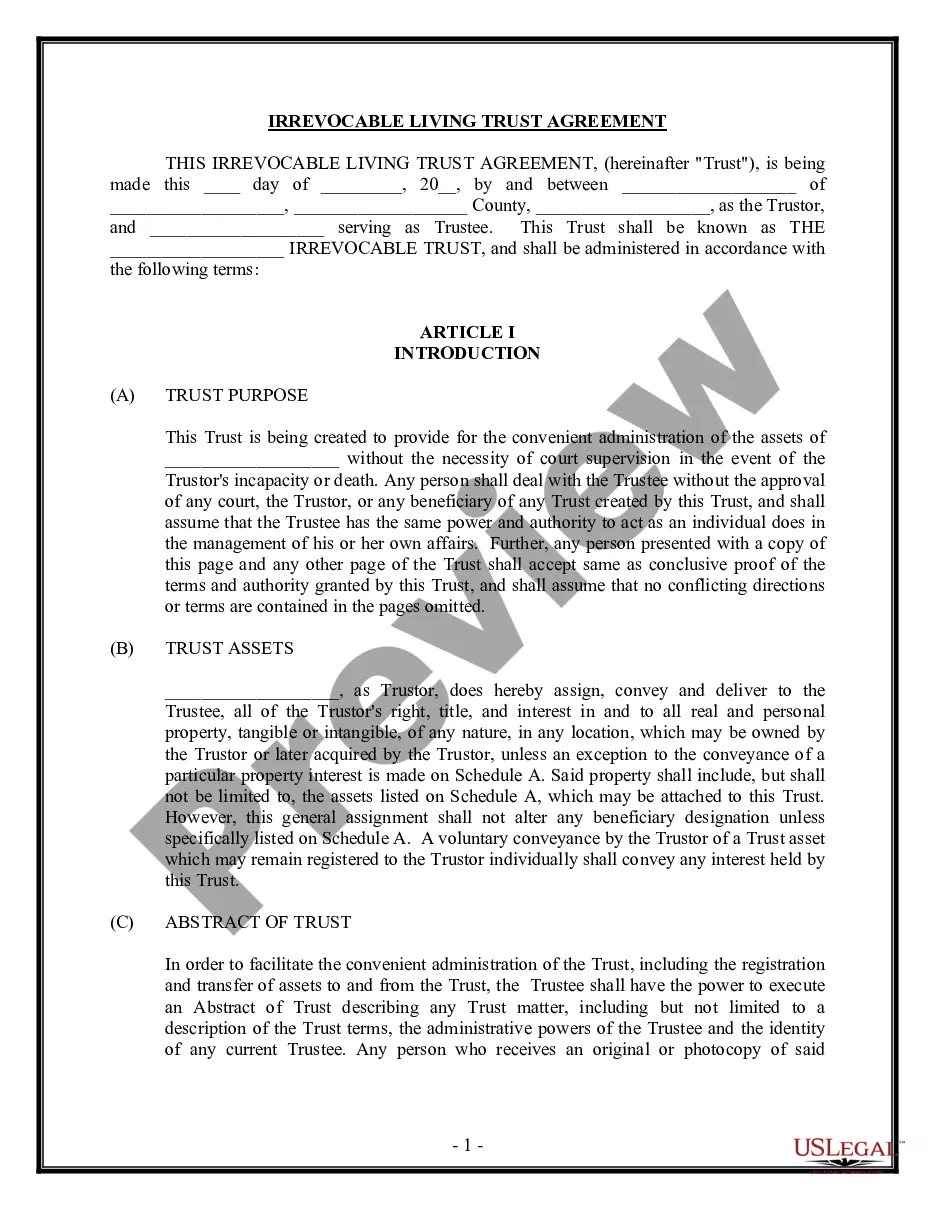
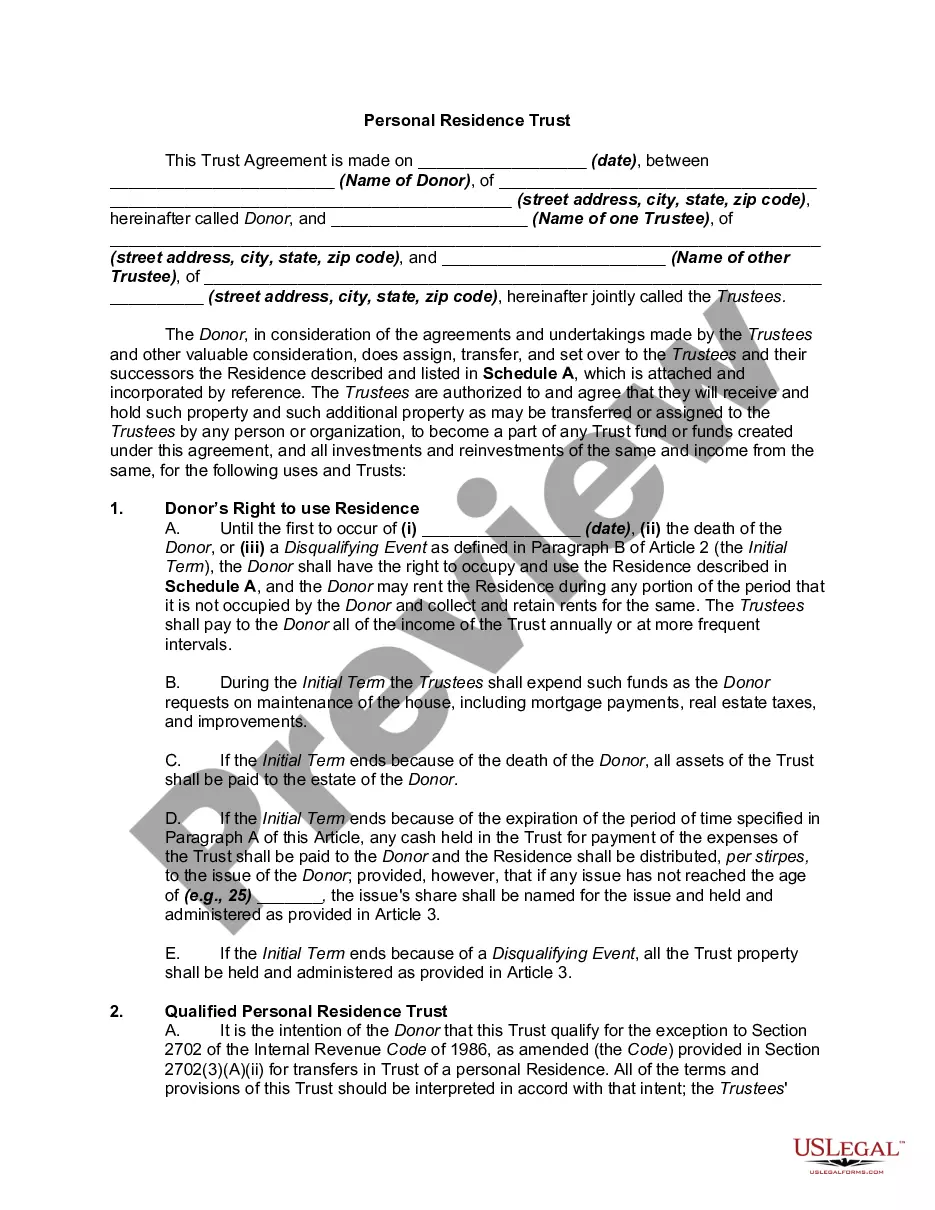
Get your form ready online
Our built-in tools help you complete, sign, share, and store your documents in one place.
Make edits, fill in missing information, and update formatting in US Legal Forms—just like you would in MS Word.
Download a copy, print it, send it by email, or mail it via USPS—whatever works best for your next step.
Sign and collect signatures with our SignNow integration. Send to multiple recipients, set reminders, and more. Go Premium to unlock E-Sign.
If this form requires notarization, complete it online through a secure video call—no need to meet a notary in person or wait for an appointment.
We protect your documents and personal data by following strict security and privacy standards.

Make edits, fill in missing information, and update formatting in US Legal Forms—just like you would in MS Word.

Download a copy, print it, send it by email, or mail it via USPS—whatever works best for your next step.

Sign and collect signatures with our SignNow integration. Send to multiple recipients, set reminders, and more. Go Premium to unlock E-Sign.

If this form requires notarization, complete it online through a secure video call—no need to meet a notary in person or wait for an appointment.

We protect your documents and personal data by following strict security and privacy standards.
Looking for another form?








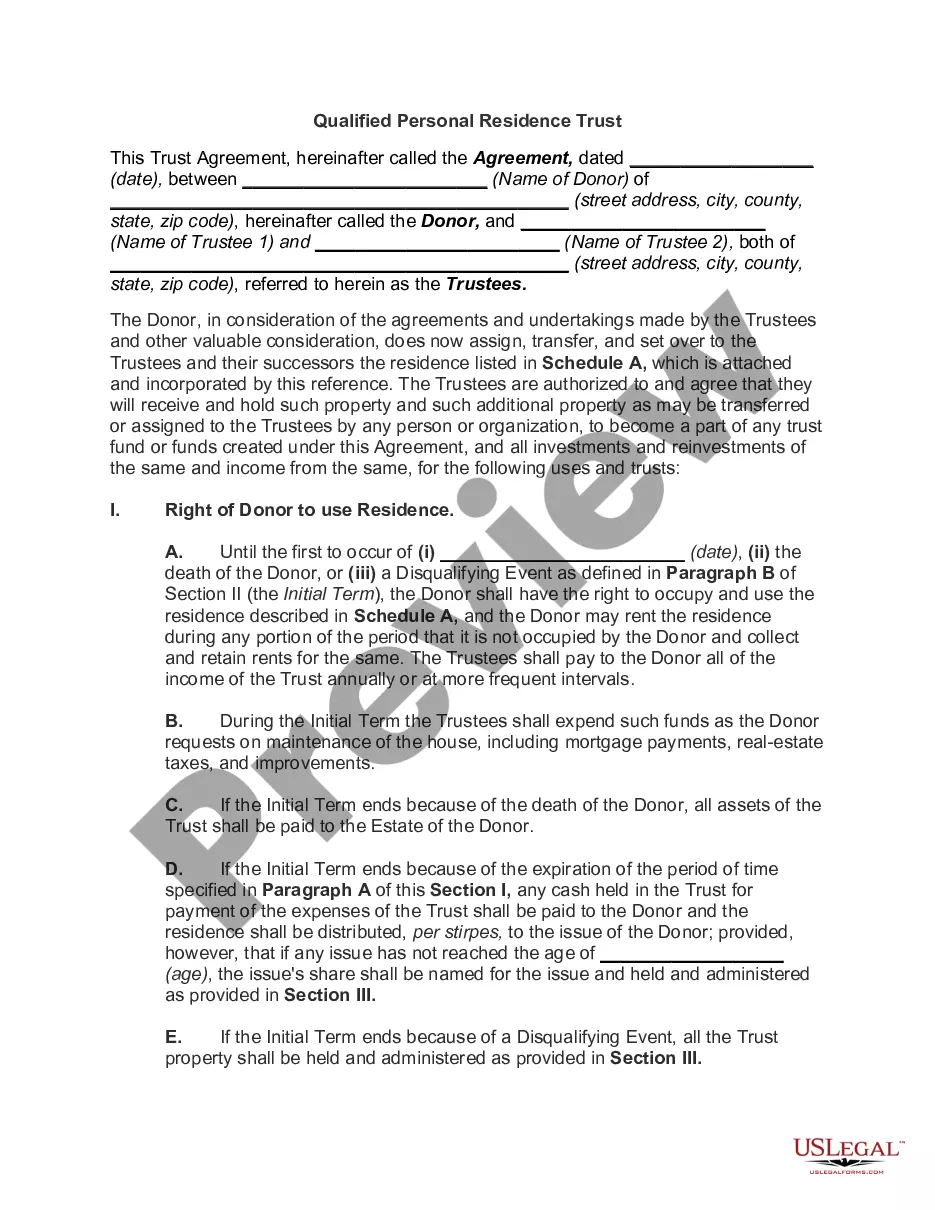
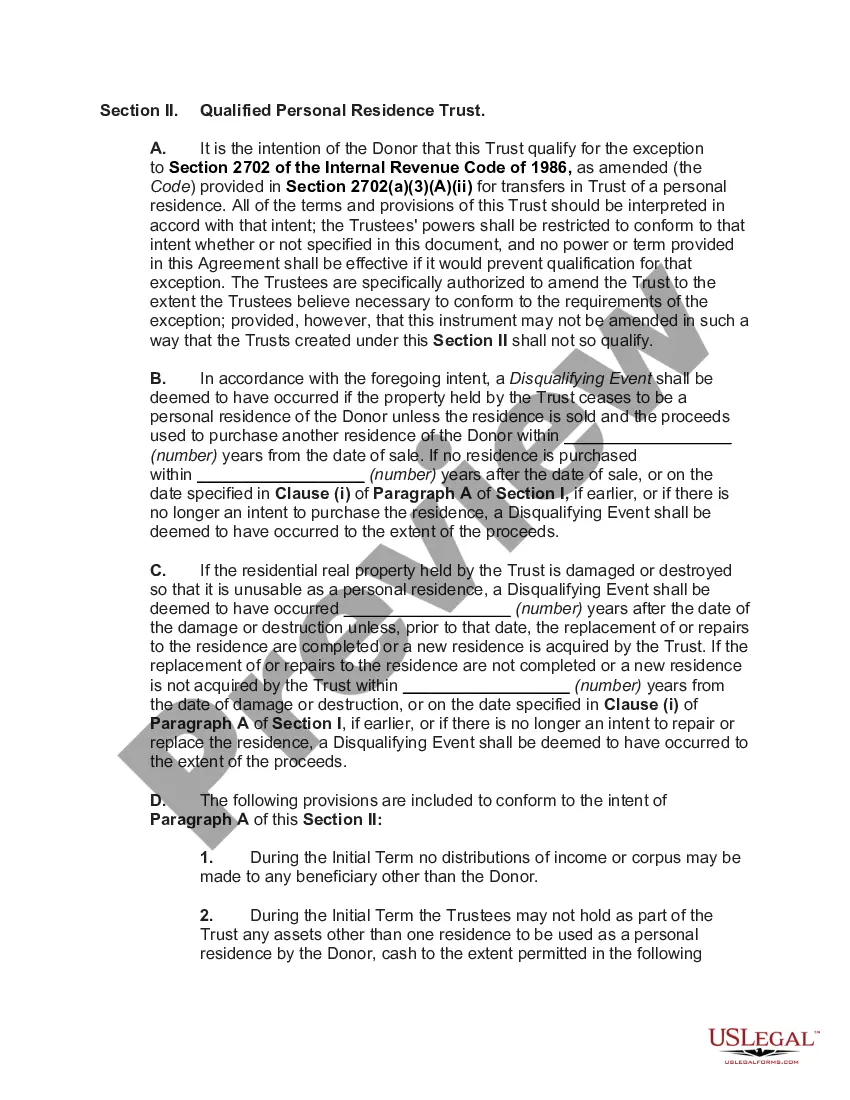
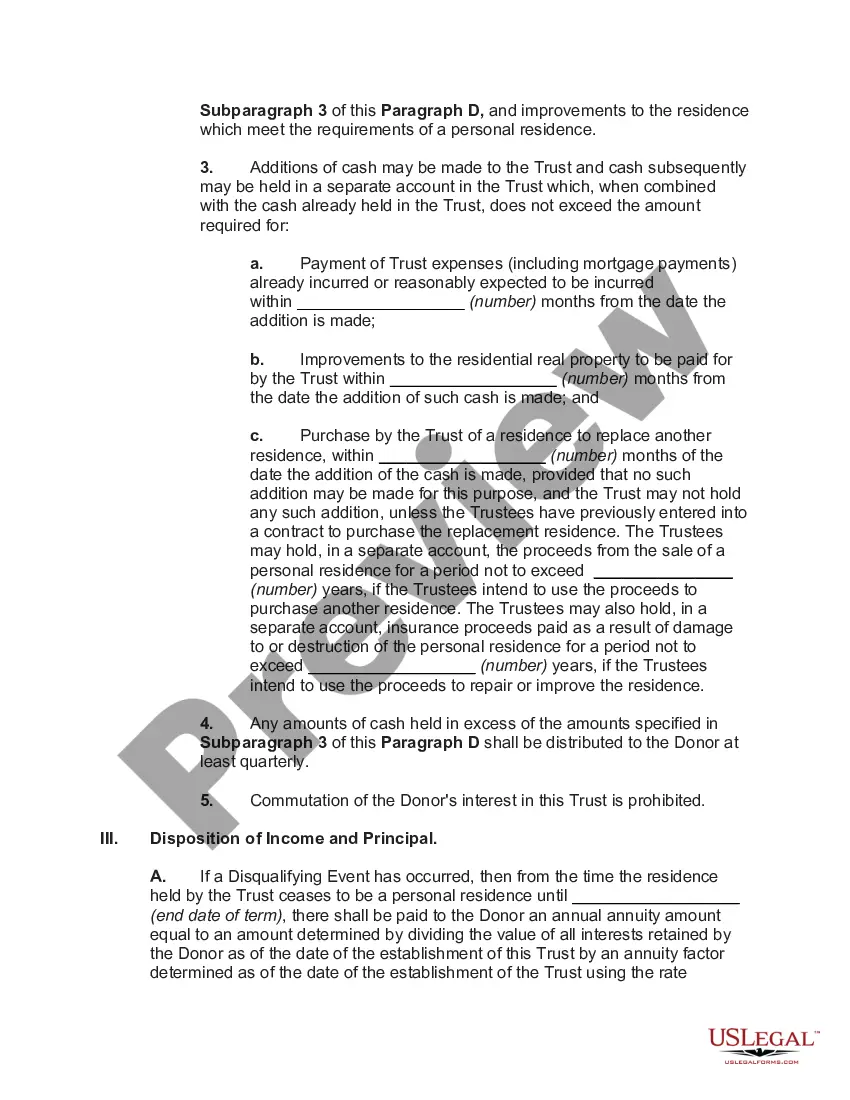
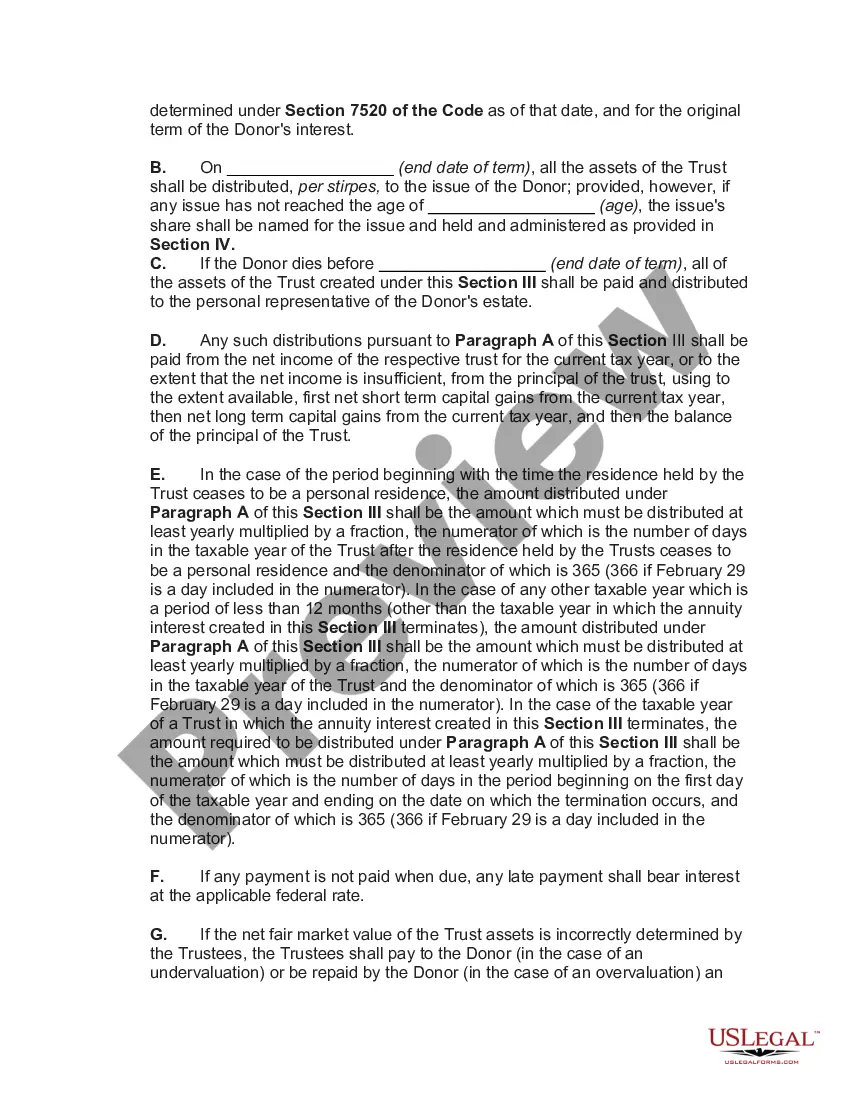
How to fill out Qualified Personal Residence Trust?
- Access your US Legal Forms account. If you are a returning user, log in and verify your subscription status before proceeding.
- Preview the available forms. Carefully check the form descriptions and previews to find one that fits your specific needs and complies with your local laws.
- Search for alternatives if necessary. Use the search tab to find additional templates if the first option doesn’t meet your requirements.
- Purchase the document. Once you've selected the right form, click the Buy Now button and choose your preferred subscription plan.
- Complete your transaction. Provide your payment details, either through credit card or PayPal, to finalize your subscription.
- Download your document. After the transaction, save the template to your device for immediate use, and access it anytime through the My Forms section.
Following these steps will ensure that you are well on your way to establishing a qualified trust with confidence.
Don't hesitate; start your journey today with US Legal Forms and secure your legal documents effortlessly!
Form popularity
FAQ
A qualified trust with a trustee must adhere to specific IRS rules, such as ensuring a valid trust document and meeting distribution requirements. Typically, the trust must distribute all its income to beneficiaries annually to qualify for certain tax benefits. Compliance with these rules is key to maintaining the trust's status and ensuring optimal tax treatment. For complete details and guidance, consulting platforms like US Legal Forms can be advantageous.
Any estate or trust that generates income within Illinois must file IL-1041, which is the state's income tax return for estates and trusts. If you have a qualified trust with a trustee, understanding if you meet the filing requirements is essential. This form helps calculate the tax owed by the trust based on its income. For comprehensive help, US Legal Forms is a valuable resource to guide you through Illinois tax laws.
If you are managing a qualified trust with a trustee, you generally need to file Form 1041 to report income. Additionally, depending on your state, you may need to file state-specific forms that relate to trust income taxation. Ensuring you have the right forms is crucial, as this will support compliance with both federal and state regulations. Resources available on US Legal Forms can help clarify any confusion regarding required forms.
For a qualified trust with a trustee, the primary form to file is Form 1041, which serves as the U.S. Income Tax Return for Estates and Trusts. This document provides information about the trust's income, deductions, and credits. Depending on the specific situation of your trust, additional schedules may also be necessary. To simplify this process, you might consider using platforms like US Legal Forms for comprehensive filing guidance.
A Qualified Subchapter S Trust (QSST) must file Form 1041 if it meets certain income thresholds. This form will report the trust income, but the beneficiaries will receive Schedule K-1 detailing their share of that income. Understanding these nuances is vital for tax compliance, especially for a qualified trust with a trustee. Using resources from US Legal Forms can provide additional insights to ensure accurate submissions.
Form 10B, also referred to as the Illinois Income Tax Return for Estates and Trusts, is specifically designed for estates and trusts located in Illinois. If your qualified trust with a trustee is subject to Illinois taxes, you will need to file this form to report income and determine tax liabilities. Proper filing can help avoid unexpected tax burdens. For more clarity on the process, tools like those offered by US Legal Forms can be very helpful.
Yes, if you have a qualified trust with a trustee, you generally need to file Form 1041, also known as the U.S. Income Tax Return for Estates and Trusts. This form reports the income generated by the trust and any distributions made to beneficiaries. It’s essential to ensure compliance with IRS regulations, as failing to file can lead to penalties. For assistance with filing, consider using platforms like US Legal Forms for guidance.
Yes, you can be both a trustee and a beneficiary of a trust, but it is wise to understand the implications of this dual role. This situation can create potential conflicts of interest, so it is essential to remain objective in your actions. For guidance in making these decisions, consider using resources from platforms like USLegalForms that specialize in matters related to qualified trusts with a trustee.
When naming a trustee, think about someone who understands the importance of your values and intentions. You might choose a responsible friend, a family member, or a professional service that specializes in managing qualified trusts with a trustee. The key is finding someone who can uphold your wishes and handle these responsibilities effectively.
Choosing a trustee for your trust involves evaluating candidates based on their trustworthiness, financial skills, and willingness to act according to your wishes. Consider discussing this important role with your attorney or using platforms like USLegalForms to explore legal advice tailored to your specific situation involving a qualified trust with a trustee.